Shownotes
Episode 88
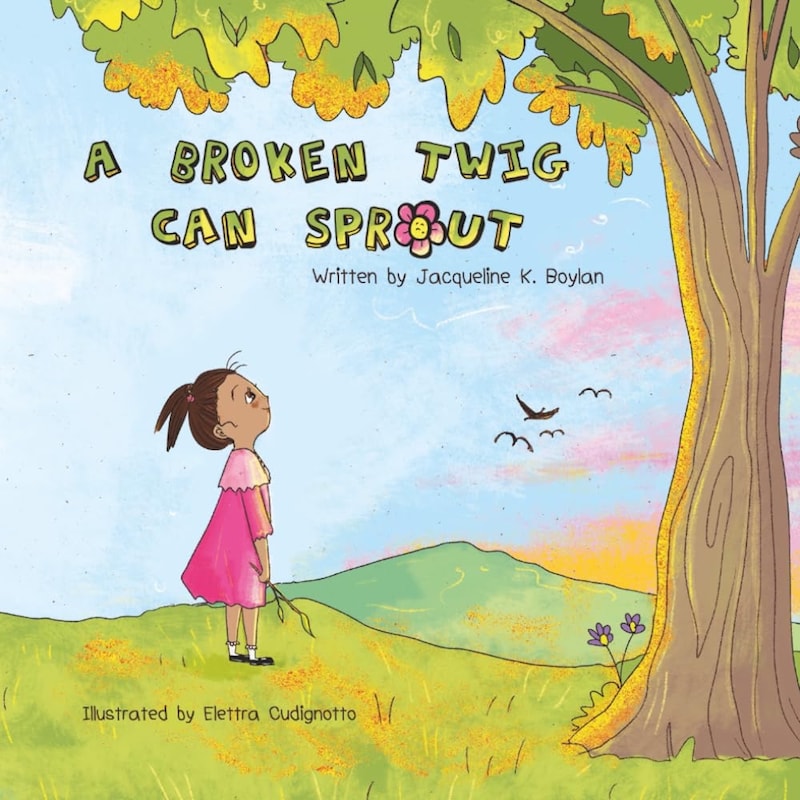
Jacqueline K. Boylan's profound work, "A Broken Twig Can Sprout," serves as the focal point of our discussion, encapsulating her journey from personal trauma to literary creation.
As a children's author, Jacqueline articulates the vital message that adverse childhood experiences do not have to define one's future; rather, they can cultivate resilience and growth.
Throughout the episode, we delve into Jacqueline's inspiring background, which includes overcoming significant childhood challenges, including the loss of both parents and the impact of familial abuse.
Her narrative not only provides insight into her creative process but also emphasizes the therapeutic nature of writing, particularly in addressing complex themes such as trauma and recovery.
As we explore the nuances of her book and her aspirations for future works, it becomes evident that Jacqueline's mission extends beyond storytelling; she aims to foster understanding and healing in young readers grappling with similar adversities.
In a compelling discussion, Jacqueline K. Boylan elaborates on the inspiration behind her children’s book, "A Broken Twig Can Sprout," revealing how her personal history shaped her creative process.
She articulates the pivotal moments in her life, particularly the nurturing influence of her greatgrandmother, juxtaposed against the backdrop of familial substance abuse and loss.
Jacqueline describes how her foray into writing was therapeutic, stemming from a desire to communicate with her younger self and reassure her that the trauma she experienced was not her fault.
The podcast explores the intricacies of her writing journey, including the challenges of publishing and marketing her book as an indie author.
Jacqueline's insights into the business aspect of being a children's author are invaluable, highlighting her efforts to create a supportive community through her nonprofit organization aimed at helping children cope with trauma.
The episode resonates with listeners through Jacqueline’s genuine commitment to fostering resilience in children, making it a poignant addition to the discourse on childhood trauma and healing.
Takeaways:
- The podcast features an insightful conversation with Jacqueline K. Boylan, author of the children's book 'A Broken Twig Can Sprout', where she shares her journey as a writer.
- Jacqueline discusses the profound influence of her grandmother, who played a pivotal role in her childhood, shaping her ability to overcome adversity and trauma.
- The theme of the book revolves around resilience, emphasizing that traumatic experiences do not define a child's future and that healing is possible with the right support.
- Jacqueline's writing process is deeply personal, rooted in her own experiences with loss and emotional turmoil, making her work relatable to both children and adults alike.
- She aims to develop a curriculum to educate adults on how to support traumatized children, underscoring the importance of understanding adverse childhood experiences.
- The podcast highlights the significance of educators and caregivers in a child's life, as they can be instrumental in providing the support needed for emotional growth and recovery.
Links referenced in this episode:
Companies mentioned in this episode:
- Amazon
- IngramSpark
- Help Me Sprout
- Resiliency Publishing House
- Book Vault
Transcripts
Jacqueline K. Boylan, A Broken Twig Can Spread.
Speaker B:Thanks, Jacqueline, for appearing on the Adventures in the Heart of Children's Book Authors podcast.
Speaker B:Jacqueline has written a children's book.
Speaker B:It's called A Broken Twig Can Sprout.
Speaker B:And I really look forward to our conversation.
Speaker B:Jacqueline, before we jump into the details of your book, can you tell us what being a children's book author means to you?
Speaker A:Well, I've always wanted to write a book since I was about 14 years old.
Speaker A:And in my mind, I never thought I could accomplish it.
Speaker A:I didn't think I had the tools, people, or the resources.
Speaker A:But now that I've accomplished this goal, it means so much to me, and then especially for children, because children are so impressionable, and especially with the book that I wrote that's related to trauma, I hope to really encourage kids to feel good about themselves.
Speaker A:So it means a lot to me.
Speaker B:Terrific.
Speaker B:And so tell us a little bit more about the inspiration behind your book.
Speaker A:Okay.
Speaker A:So in order to understand, I have to give you a little bit of my background.
Speaker A:Is that okay?
Speaker B:Oh, absolutely.
Speaker B:Please do.
Speaker A:I had a rough upbringing.
Speaker A:Both of my parents were addicted to substance abuse when I was born.
Speaker A:And when I was an infant, my great grandmother essentially took me away from my mom because my mom was homeless.
Speaker A:And she saw that, she had me in the street and she said, I'm the baby away.
Speaker A:It was my grandma's hope that taking me that my mom could get herself together and then come back.
Speaker A:Fortunately, my mom's life just spiraled.
Speaker A:And then she subsequently died when I was in second grade, when I was seven.
Speaker A:And then the next year, in third grade, my father passed away.
Speaker A: ther until she passed away in: Speaker A:She was 103 years old when she passed away.
Speaker B:Unbelievable.
Speaker A:Yeah, she was amazing.
Speaker A:She was my rock.
Speaker A:All this crazy stuff happened in childhood.
Speaker A:Emotionally, she kept me together.
Speaker A:But then what happened was when she passed away, the only way I kind of explain it, it's like my mind exploded.
Speaker A:Like, all this trauma things that happened in childhood, it overwhelmed me, and the grief was unbearable.
Speaker A:I ended up in emergency room, and they referred me to some doctors who diagnosed me with what is called complicated grief.
Speaker B:Okay.
Speaker A:When the person has lost several family members over a period of time in their life.
Speaker A:The doctor, to answer your question, she would often have me write to little Jack.
Speaker A:So she would give me these exercises, and she would have me write to my younger self.
Speaker A:And in the process of writing, a broken twin Sprout was born.
Speaker A:So this book initially Just started out as a letter that I wrote to myself as a child to let me know that the things that happened, the losses that I experienced was not my fault.
Speaker A:Additionally to the losses, I also had abusive family members.
Speaker A:Actually was what was the hardest to cope with, to deal with.
Speaker A:Because she's still living, right?
Speaker A:Yeah, she's still living.
Speaker A:And that was the hardest thing to cope with.
Speaker A:My mind couldn't pretend because my great grandmother was so loving and she was exactly the opposite.
Speaker A:And so when my great grandmother passed, I just didn't know how to deal with her because my grandmother was always a shield.
Speaker A:Shield.
Speaker A:And so I broke into a kinspro was born because I was trying to convince little Jackie, it's not your fault.
Speaker A:These things that happen to you.
Speaker B:It's fantastic that you got that advice.
Speaker B: And this was in: Speaker A: She passed away in: Speaker A:I did pretty okay for about a year.
Speaker A:But then exactly on her one year anniversary, like, the grief, like just became so overwhelming.
Speaker A:And then I ended up.
Speaker A:And the doctors and the nurses were so amazing.
Speaker A:I remember the doctor hugged me that I lost my grandma too.
Speaker A:I was raised by my grandma too.
Speaker A:I just had amazing support.
Speaker B:And you were already nursing by this time.
Speaker B:You have a nursing background?
Speaker A:Yes, I'm a registered nurse.
Speaker A:I actually went to the emergency room at the hospital that I work in.
Speaker A:And they were.
Speaker A:They were just so supportive, understanding the background that would happen and put me with an awesome psychologist who had a background in dealing with these childhood, what they call adverse childhood experiences.
Speaker B:It's nice to have that support for sure.
Speaker B:When I think, especially on my mom's side, my grandmother, on my mom's side, she was a pretty incredible woman.
Speaker B:Out of my four grandparents, she had the most influence on me.
Speaker B:And she was ahead of her time, very strong woman, very outdoorsy, and definitely had a lot of influence.
Speaker B:It's fantastic when you hear stories about other people who have had grandparents or great grandparents who have had a positive impact on your life, it's neat.
Speaker B:And then to take that inspiration and turn it into a children's book.
Speaker B:Wow.
Speaker A:Grandmas are amazing.
Speaker A:I'm actually planning to write another book about grandmas.
Speaker A:Oh, no, they're amazing.
Speaker A:They hold it down.
Speaker A:They hold it down.
Speaker B:Yeah.
Speaker B:No, there's no doubt in my mind.
Speaker B:And.
Speaker B:And even my mom's influence on my grandchildren was incredible.
Speaker B:And also her influence on my daughter.
Speaker B:I can see my mom and my daughter every day, how she approaches life.
Speaker B:So that's pretty cool when you think of your children's book that you wrote.
Speaker B:I'm curious about the business side of it.
Speaker B:Have you thought about the business side of your book business?
Speaker A:That's an interesting question.
Speaker A:When I started writing this book, I told my best friend and she got inspired and then she started writing a book.
Speaker A:And so what happened was in the process of her writing a book, she did a lot of research.
Speaker A:And then she actually ended up teaching me a lot about how to get into a business.
Speaker A:I just recently started a LLC and developed my own publishing imprint.
Speaker A:Cause that's something.
Speaker A:I also didn't know that when you become an indie book writer now you make your own books, you can.
Speaker A:A publishing name.
Speaker A:Yes.
Speaker A:So publishing name is the Resiliency Publishing House.
Speaker B:Oh, cool.
Speaker A:Yeah.
Speaker A:So all the books that I'm going to write now are going to have that label on it.
Speaker A:It's been an exciting journey.
Speaker A:It blew up into something beautiful that I didn't even imagine.
Speaker A:That just started as a therapy.
Speaker B:When you talk about building out your business, you talked about adverse childhood experiences.
Speaker B:Is that what you're focusing your business around?
Speaker A:Exactly.
Speaker A:I never heard of this term actually, until all this stuff happened to me.
Speaker A:And then I had to meet with the psychologist and adverse childhood experiences.
Speaker A:There's so much medical literature on it about things that happen in childhood, traumatic things, and how it affects the tradition of your life.
Speaker A:They have also in this literature what's called protective factors.
Speaker A:So protective factor, for example, in my life with my great grandmother who shielded me from all this stuff, having a major impact on me.
Speaker A:But then when she passed away, it's like I got the full blunt of everything.
Speaker A:And so now, because I understand this also, I started grad school last and we had opportunity to write a research paper.
Speaker A:So I chose this as my topic.
Speaker A:And now that I have a full medical understanding of this, it's so important to me to almost protect other children who don't have that protection.
Speaker A:It's become my heart's work because when I was little, I was a very liable child.
Speaker A:I cried in class and when my mom died, I cried a lot.
Speaker A:And the teacher wrote a note home.
Speaker A:Something's wrong with Jacqueline.
Speaker A:She cries a lot, but she didn't know.
Speaker A:It's like she knew something was wrong, but she didn't know how to help me.
Speaker A:Now it's my goal because now that I have the personal lived experience would help children.
Speaker B:I love it.
Speaker B:I'm getting close to having interviewed over a hundred children's book authors, and you're the first one that's brought this topic to the forefront.
Speaker B:And I really believe it's very important because we see it going on all around us, but people generally don't want to talk about it.
Speaker B:And even the people that are affected don't want to talk about it.
Speaker B:And it's unfortunate for you to write a children's book to deal with a tough topic.
Speaker B:And it's a fun read.
Speaker B:So just so everybody understands that there's lots of lessons.
Speaker B:It's a positive experience reading your book.
Speaker B:But it's nice that you brought it to the forefront.
Speaker B:Thank you for sharing that.
Speaker A:Thank you so much.
Speaker A:I'm very excited.
Speaker A:I'm working on my second book right now, which is about substance abuse because both my mom was addicted to crack cocaine.
Speaker A:So I'm writing about that now.
Speaker B:From a childhood's eyes or a child's eyes?
Speaker B:Yes.
Speaker A:I'm sharing my experience again.
Speaker A:And if all of this had been so therapeutic.
Speaker A:And so I'm just really enjoying the process.
Speaker B:Terrific.
Speaker B:You've developed a curriculum or developing a curriculum for your first book with the adverse childhood experiences?
Speaker A:Yes, I actually started a nonprofit organization which just got approved last week.
Speaker B:Okay.
Speaker A:Yeah.
Speaker A: So it's an official: Speaker A:So the organization is called Help Me Sprout.
Speaker A:What I decided to do was now make a curriculum for adults to help them understand how do I help a child who now is traumatized.
Speaker A:So I was up last night, like, working on the book.
Speaker A:Like, sometimes I can't even sleep because I'm just so excited about that work.
Speaker A:So I was up at 5 o' clock in the morning getting all my thoughts.
Speaker A:Cause sometimes when those thoughts come, we just directly.
Speaker A:Like, when it comes.
Speaker B:Are you developing a supporting workbook?
Speaker A:Yes, I'm developing a supporting workbook and trying to develop a clinical tool to help educators also to be able to know, like I told you, my teacher, she knew something was wrong with me, but she didn't know what to do.
Speaker A:So I'm also trying to develop a clinical tool to help educators also know something is wrong.
Speaker A:Who do I refer this child to?
Speaker A:What do I do?
Speaker A:So.
Speaker A:So I'm very excited.
Speaker B:That's terrific.
Speaker B:Now, your book's available on Amazon in ebook and softcover, correct?
Speaker A:That's correct.
Speaker B:And are you also using ingramsparks?
Speaker A:Yes, it's on ingramsparks.
Speaker A:So because I uploaded to ingramspark, it's now also on Barnes and Noble and a few other.
Speaker B:Yeah, all of the.
Speaker B:Usually when you get onto ingramsparks, and it's available to all online retailers like Apple Books, for example, and things like that.
Speaker B:Okay.
Speaker A:Yeah, it's been popping up everywhere.
Speaker A:So that's been exciting.
Speaker B:Yeah, that's fantastic.
Speaker B:And so I want to talk to you about your publishing approach because you had mentioned it earlier and so repeat the name of your publishing company.
Speaker A:The Resiliency Publishing House.
Speaker B:The Resiliency Publishing House.
Speaker B:Terrific, terrific.
Speaker B:You mentioned you've become an independent children's book author.
Speaker B:Did you start off independently publishing your first book?
Speaker A:Yes.
Speaker A:So I did some research and how do I publish this such.
Speaker A:And you have to be careful because all these like these businesses came up saying, oh, that we could do this for you, for you.
Speaker A:They wanted all this money up front.
Speaker A:But then I discovered Amazon kdp and cause the problem was I didn't have the money up front, so I discovered Amazon kdp, which you don't have to put any money up front.
Speaker A:So that was the first that I used.
Speaker A:And then with each step, I started learning more and more.
Speaker A:And so I'm becoming more knowledgeable in the process and it's really not that difficult at all.
Speaker B:I agree with you.
Speaker B:We also are independently published book authors.
Speaker B:We've published two children's books so far in our book series.
Speaker B:And the name of our first book is the Adventures of Caboose the Rocky Mountain Bear.
Speaker B:And I co authored the this book with my oldest granddaughter and we named our publishing company Caboose the Rocky Mountain Bear Publishing Den.
Speaker B:Like in a bear den.
Speaker B:So, yeah, so it's definitely been fun.
Speaker B:And to your point, Jacqueline, once you get comfortable with and get the knowledge, there's only about six or seven steps that you have to really take to bring your book to life.
Speaker B:And like you said, KDP is a great place to learn.
Speaker B:Anyone listening?
Speaker B:If you're just starting out, do like Jaclyn did and the same as us.
Speaker B:Go to kdp, which is part of Amazon, and look at all the resources they have available and they lay it out for you.
Speaker B:Even uploading your files, even if you don't upload your files correctly, they let you know that and they tell you what to correct.
Speaker B:It works out very well.
Speaker B:When it came to publishing your children's book, what was the biggest challenge or frustration for you in the beginning?
Speaker A:I wrote the book like, I don't know, two weeks.
Speaker A:When you write a children's book, you work with an illustrator and it took the illustrator months, it took her months to to complete all the drawing.
Speaker A:So that was difficult at first.
Speaker A:I had to be patient.
Speaker A:This is a process is not the truth, you know, and she was really good, but it would take her Two days to do one page, and that's excluding Saturday and Sunday.
Speaker A:So obviously she doesn't work Saturday and Sunday.
Speaker A:It just took some patience on my part.
Speaker A:And then I didn't know how to format the book and so I looked on Etsy and I found the formatter.
Speaker A:And that also took a couple of weeks.
Speaker A:So I would just say just being patient with the process, that was the most difficult part.
Speaker B:Okay.
Speaker B:And just so you know, sorry I'm laughing, but actually that's pretty quick.
Speaker B:I can tell you.
Speaker B:In some cases, the.
Speaker B:Now I know your illustrator's in Italy and our illustrator in the uk, and sometimes it was a couple of weeks between illustrations, not a couple of days.
Speaker B:You definitely have to be for sure patient in the process.
Speaker A:And another thing is that we're not in the same time zone.
Speaker A:So she would send me her work at 4 in the morning and there was like the flag and fonts.
Speaker A:Did I like?
Speaker A:Did I not?
Speaker A:And then after a while, I became so excited because I knew I was going to get something in the morning.
Speaker A:Then I would wake up at 4 o', clock, waited to see her work.
Speaker A:Yeah, it was an exciting process.
Speaker B:Absolutely.
Speaker A:It just takes time.
Speaker A:Yeah.
Speaker B:Tell us the name of your illustrator.
Speaker B:She's in Italy.
Speaker B:And how did you find her?
Speaker A:Her name is Electra Cube Donato.
Speaker A:She's amazing.
Speaker A:I actually went to Etsy.
Speaker A:So on Etsy, if you type in children's book illustrator, there's like a whole long list.
Speaker B:And.
Speaker B:Okay.
Speaker A:I just looked at everyone's work and hers popped.
Speaker A:It stood out to me right away and I knew she was the person I wanted to work with.
Speaker A:And we've actually, in this process, became friends from talking every day.
Speaker A:And she's just a beautiful soul.
Speaker A:She's a beautiful person.
Speaker B:That's fantastic.
Speaker B:And it's interesting because most children's book authors that I've talked to, once they've developed a relationship with their illustrator, it turns into a friendship and a bond.
Speaker B:In a lot of cases, when they've written multiple books, they're using the same illustrator.
Speaker B:Do you want to use the same illustrator for your next book?
Speaker A:Yes.
Speaker A:I'll tell you something funny.
Speaker A:I had started my second book before she finished working on the first book's page.
Speaker A:I thought maybe I could get ahead of the game and get a second illustrator to start this second book, but it just did not work.
Speaker A:I didn't care for the illustrations, didn't bond.
Speaker A:I think this person was in India.
Speaker A:His work was great, but it just.
Speaker A:It didn't give me the feeling of the first one.
Speaker A:But after that, I said, you know what?
Speaker A:I'm just gonna stick to my girl.
Speaker A:And she's the official illustrator for all my books.
Speaker B:It's interesting you should say that, because even with us, when we did our second book, it's because we have a book series.
Speaker B:We wanted to make sure that the characters.
Speaker B:Because our main character is also in the second book, and we wanted to make sure that our main character and the characters had that same feel that you're talking about.
Speaker B:There's a certain feel about the illustrations.
Speaker B:Yeah, I know exactly what you're talking about.
Speaker B:So that's fantastic.
Speaker B:So I'm interested.
Speaker B:Now that we know that you've incorporated, you're building out a business.
Speaker B:I'm interested in what is the name of your websites?
Speaker A: esprout.org since we became a: Speaker B:Okay.
Speaker A:Everyone is welcome to visit that website.
Speaker B:Terrific.
Speaker B:Terrific.
Speaker A:My publishing website is resiliency house.org.
Speaker B:okay.
Speaker B:Resiliency house.org.
Speaker A:yeah.
Speaker A:Okay.
Speaker A:And what I'm planning to do, actually, I learned this in the process of self publishing, too, is I'm planning to eventually be able to sell the books directly from my website.
Speaker A:And this process, I learned about different companies that will print for you.
Speaker A:Like Print on Demand.
Speaker B:Yes.
Speaker A:I played around with some.
Speaker A:And the one that I love the most actually called Book Vault.
Speaker B:Book Vault.
Speaker B:Okay.
Speaker B:They're Print on Demand.
Speaker B:But what's the difference between them and Amazon?
Speaker A:The printing costs?
Speaker A:Like, you get more royalties by.
Speaker A:Because essentially you're only paying the printing
Speaker B:cost when an order comes in through your website.
Speaker B:Just so I understand that it goes to Book Vault, they print it.
Speaker B:And do they ship it directly to the client so you don't have to carry any inventory?
Speaker A:No.
Speaker B:And.
Speaker B:And the royalties are better for you.
Speaker A:Yes.
Speaker A:And also it allows me to keep the price of the book lower because what has happened with Amazon and IngramSpark is the price has to be a little bit higher in order for them to be compensated whatever portion they get.
Speaker B:You bet.
Speaker A:Yeah.
Speaker A:But with Book Vault, I think the print cost of my book is, I don't know, let's say $12.
Speaker A:So then I can charge, let's say $15.
Speaker A:Keep it more reasonable than right now on Amazon, it costs a little bit more.
Speaker B:Okay.
Speaker A:So it works out.
Speaker A:Yes.
Speaker A:And.
Speaker A:And I must say, I love the print quality.
Speaker A:The first book that I got from them it was like the print quality was so amazing.
Speaker A:And of course, that adds to when you receive the book you want.
Speaker B:You're working on that tied into your website?
Speaker A:Yeah, it's.
Speaker A:It's not there yet, but I'm working on it in process.
Speaker B:Talk to us about knowing now that you have this publishing company and you've got the website.
Speaker B:Talk to us about your website.
Speaker A:Okay.
Speaker A:So on the website, I introduced myself, who I am, I tell my story, why I decided to write these books.
Speaker A:I also introduced the illustrator.
Speaker A:She's so awesome in that when we had our first meeting, she said, oh, you don't have to put my name.
Speaker A:You don't have to include me.
Speaker A:You don't have to.
Speaker A:And I was like, no, you deserve the credit for what you've done.
Speaker A:So I'm very insistent on that.
Speaker A:There's information about her too.
Speaker A:And there's a video on the opening page just about my life story.
Speaker A:Because really, in order to understand the book, like, you have to understand a little bit of the story.
Speaker A:There's a video on the opening page and there's also a link on one of the pages dedicated to the nonprofit.
Speaker A:And then there's the bookstore page, which that's the only page that's really incomplete right now.
Speaker A:Will you be middle part?
Speaker B:Okay.
Speaker B:And so on your bookstore page right now, is there a link to Amazon?
Speaker A:There's a link to IngramSpark, but you
Speaker B:don't send them to Amazon.
Speaker A:Actually, I think I didn't know how to include that link, so I just put IngramSpark.
Speaker B:Okay.
Speaker A:How to do that?
Speaker B:Now that you mentioned it, you'll see you can actually copy the link quite easily off of Amazon.
Speaker B:On the right hand side of the title of your book, there is a box with an arrow says share link that you can just go on and it says copy link.
Speaker B:And you just add it to there and it'll take people directly to your book.
Speaker A:I love this.
Speaker A:Authors helping author.
Speaker B:Thank you.
Speaker B:Yeah, no, thank you for sharing that.
Speaker B:That's fantastic.
Speaker B:Your website, you've got more intentions as you build your business around it.
Speaker A:It's just in progress right now.
Speaker B:No, but you know what?
Speaker B:We all have to start somewhere.
Speaker B:It was funny we had set our website up, but the only thing that we did is when you initially when you went to our website, it took you to our link to Amazon to purchase our book.
Speaker A:Oh, wow.
Speaker B:Yeah.
Speaker B:So it just.
Speaker B:So you put in our website, which is caboose the Rocky Mountain bear dot com.
Speaker B:And when you did that, it just took you to the Amazon link to the book.
Speaker B:But if you look now, our website is quite rich with information and fun stuff.
Speaker A:Check it out.
Speaker B:Yeah, you've described your life and the inspiration behind your book.
Speaker B:But take us a little deeper into.
Speaker B:I know you were journaling, but take us from that moment you started journaling and then thinking, you know what?
Speaker B:I think I have a children's book in me.
Speaker B:Take us to that motivation that did that.
Speaker A:That's a good question.
Speaker A:I think so.
Speaker A:The book starts off with Dear Little one.
Speaker A:And there was a point when I was writing when I felt like I had this aha moment.
Speaker A:And I said, I can't believe children every day are coping with these families.
Speaker A:And I can't believe a lot of children didn't not have a grandmother who protected them.
Speaker A:Like, I was fortunate enough to have a grandmother who thankfully was alive through high school for me and then subsequently college for me, and she was able to adulthood successfully.
Speaker A:But when I had that ah, found moment that allied to and don't have that, I think that's when I said, I think these words could help other children.
Speaker A:And then just overnight, like, I'm making a book.
Speaker B:No, but good for you, because I hear that story all the time of someone I was talking to, children's book author Denise Cesar, episode 11, and she woke up in the middle of the night.
Speaker B:She had her iPhone beside her.
Speaker B:She recited the whole book into her iPhone, and when she finished it woke up her husband, and her husband said, what did you just do?
Speaker B:And she said, oh, I wrote a children's book.
Speaker B:When it comes to you, it comes to you.
Speaker B:And I've talked to other children's book authors who dropped their kids off at school, and then all of a sudden they had this inspiration and they end up pulling over to the side of the road on the way home and writing a children's book.
Speaker B:I think the biggest thing someone said to me was the moment you get the idea, stop whatever you're doing and write it down immediately.
Speaker A:That's true.
Speaker A:Like, for some reason my thoughts come to me at night and like in the when my grandma passed away grieving.
Speaker A:Like, my sleep has not been the same since she passed away.
Speaker A:I'll sleep for a few hours and I'll wake up.
Speaker A:And then at that time, two to three in the morning when I wake up, it's like all these ideas come to my mind and then once I write them down, I'm able to go back to sleep.
Speaker A:So it's been an interesting process.
Speaker B:No, but at least you're taking Advantage of it.
Speaker B:So that is awesome.
Speaker B:Now I want to talk a bit about the character development, because some of it is your own reflection on your life.
Speaker A:The whole book is.
Speaker B:Talk to us about the whole character development as you went through the process of writing the book and bringing it to life.
Speaker A:I really was a reflection on my life experience.
Speaker A:When I was young, living with my grandmother, I always felt safe.
Speaker A:I always felt loved, and always felt protected.
Speaker A:And then now she passed away.
Speaker A:I'm dealing with this abusive family member that.
Speaker A:That feeling of safety wasn't there anymore.
Speaker A:And so, honestly, when I started writing the book, I was trying to tap into the healthy feelings that I had when my grandma was alive.
Speaker A:So, for example, the book opens up with scene.
Speaker A:The mom is in the hospital birth.
Speaker A:And it says how special you were.
Speaker A:And that's a feeling that I had as a kid.
Speaker A:So I was, like, replicating my own childhood experiences and how I felt.
Speaker A:And I'll tell you another story.
Speaker A:My parents passed away, as I mentioned, but as a kid, I had all these baby pictures.
Speaker A:There's one baby picture the day that I came home from the hospital.
Speaker A:And it.
Speaker A:My parents.
Speaker A:It was like my whole family, my parents, my grandparents, and everybody surrounding the baby.
Speaker A:So I used that as inspiration for one of the opening pages when the mom.
Speaker B:I'm looking at the.
Speaker B:With the little sprout and the family around her.
Speaker A:Yeah.
Speaker A:And one part that I will say, that kind of makes me, like, sad.
Speaker A:And this was the therapeutic part.
Speaker A:Like, sometimes when a baby is born, everyone's so happy.
Speaker A:Like, the friends come, family come.
Speaker A:It's such a thing.
Speaker A:But actually, all the people in that baby picture that I had, like, none of them were really, like, in my life, like, in my life as a child.
Speaker A:It's just an interesting thing.
Speaker A:Everybody's excited when the baby is born, but then who are the people actually supporting this child as it grows?
Speaker A:And I just piggybacked off my own reflections and experiences.
Speaker B:It's interesting, too, Jacqueline.
Speaker B:Cuz I've talked to several children's book authors who have told me that writing a children's book was so great for their mental health.
Speaker A:Yeah.
Speaker B:So, yeah, absolutely.
Speaker B:Talk to us about the theme of your book.
Speaker A:Okay.
Speaker A:So the theme is, you will be okay.
Speaker A:Like, these bad things happen, but it doesn't have to define you.
Speaker A:And you can sprout.
Speaker A:And I can tell you where that came from, interestingly.
Speaker A:So I was in therapy with my psychologist, and my grandmother passed, and I'm dealing with this family member, and I felt abuse is terrible in A sense that it makes you feel crushed.
Speaker A:Like, I. I felt 100% crushed, like my life was over.
Speaker A:That's how I felt in dealing with her.
Speaker A:But there was, like, a little part of me that I still felt the spark of, like old Jackie.
Speaker A:And so I told her that.
Speaker A:I said, I still feel a little part of me, but it's just so small.
Speaker A:And so her response to me was like, you can make that grow.
Speaker A:She said, if you feel that, you can make that grow.
Speaker A:And so that's where I came up with this concept of a broken twig can sprout, it can grow again.
Speaker A:And so that's pretty much the theme of the book, that someone who feels broken emotionally inside can grow if they have the right support system.
Speaker A:That's what you see the teacher in school.
Speaker A:There's other people who are in this child's life that are not the family member, but they play a very important role in helping her to be whole.
Speaker B:Yeah, the central teaching in terms of the adverse childhood experiences.
Speaker B:Talk to us about how you're going to roll that into the central teaching
Speaker A:when I do the workbook.
Speaker B:Yes.
Speaker A:I'm in the Doctorate of Nursing program right now.
Speaker A:And so last semester, there was another young man in my class.
Speaker A:We're in different aspects of the program, but so he's in a psych program.
Speaker A:And so we worked together.
Speaker A:And it came to my mind recently, I said, maybe I should ask him to help me develop the medical portion of it, because anything that has to do with clinical practice, you want to have evidence.
Speaker A:So right now he's working with me on presenting the evidence.
Speaker A:What happens to a child's brain when they're abused in their body?
Speaker A:Toxic stress is a term that they use often, that cortisol, all these hormones that are released, have a very negative effect on a child's health and mental health.
Speaker A:So he's helping me develop the clinical portion, But I also want it to be very relatable to just an average person who doesn't know the medical terms.
Speaker A:Right now I'm in a creative writing process of basically sharing different examples of child abuse, what a child might be feeling and then how you can help, and then also behavior cues.
Speaker A:So, for example, when I was young, I cried a lot.
Speaker A:And to the family member that was abusive, she didn't understand why I was crying.
Speaker A:So it would make her angry.
Speaker A:She would get angry and lash out.
Speaker A:And just her response was like, you're bad.
Speaker A:Like, you're a bad kid.
Speaker A:You're always crying.
Speaker A:There's nothing that we could do to satisfy you.
Speaker A:But actually I was crying because I just wanted her attention.
Speaker A:I just wanted her to hug me.
Speaker A:And so now that I understand, sometimes adults don't understand that.
Speaker A:They don't understand that this behavior is not bad.
Speaker A:Like something is wrong with the kid.
Speaker A:If they're crying or if they're misbehaving, something is going on.
Speaker A:So the workbook is designed to help him to dig deeper and see what.
Speaker A:What is going on?
Speaker A:What can I do to help?
Speaker B:Terrific.
Speaker B:And it's interesting to say that because some people I think about my dad's mom and dad, they were not very affectionate people.
Speaker B:They were nice, but they weren't like my mom's mom, very affectionate, very engaged all the time.
Speaker B:Like, we got lots of attention, but if we went over to my dad's mom and dad's, it just wasn't the same.
Speaker B:They just weren't engaged as much.
Speaker B:It's funny how people handle or don't handle the situation.
Speaker A:And oftentimes, like, here's something that I learned a lot in my therapy too, like this aspect of generational trauma.
Speaker A:Oftentimes adults will repeat the behavior of how they were treated when they were a child.
Speaker A:And I hope we can get to a point where we segrate that because the older generation, they believe they hugged you too much, they were spoiling you, like, felt like it was a bad thing.
Speaker A:And it's no like children actually thrive off of being loved and touched and hung.
Speaker A:So there's a knowledge gap there.
Speaker B:Absolutely.
Speaker B:And like I said to you, I lived through it from my dad's mom and dad.
Speaker B:When you talk about.
Speaker B:Now that you're working on your second book, I'm very interested in knowing about your writing process.
Speaker B:So can you give us some insights into your writing development and your writing process for your next book?
Speaker A:I'm actually writing it from memories.
Speaker A:So for example, this second book that I'm writing, it's relating experience that I've had of my mom.
Speaker A:Cause my grandmother sent me when I was six months old.
Speaker A:And then my mom passed when I was seven.
Speaker A:So during those seven years she was in the street.
Speaker A:But my grandmother was such a loving person.
Speaker A:So sometimes my mom would come to her house dirty, like hungry, and my grandmother would let her in just.
Speaker A:Just so she could take a shower to eat.
Speaker A:I'm writing the story based on like how I remember it as a child.
Speaker A:Just that confusion of what does this mean?
Speaker A:What does this mean?
Speaker A:That my mom is on drugs.
Speaker A:And sometimes she come and then sometimes she would tell Me, I'm gonna come Tom girl after school.
Speaker A:And then she wouldn't come.
Speaker A:So I'm really writing just from my experience, because I feel like some things, people just.
Speaker A:You won't understand it unless you've been through it.
Speaker A:Like, you just.
Speaker A:You wouldn't.
Speaker A:And so I feel like for all the other children who are out there who have a parent that is addicted to some type of drug or alcohol reading it, they'll understand.
Speaker A:Yes, they'll understand.
Speaker A:They'll understand right away.
Speaker A:Because if you didn't have that perspective, we can't explain it.
Speaker A:Yeah.
Speaker A:So I'm writing from memories.
Speaker B:And sometimes it happens in childhood, like it happened to you.
Speaker B:And then sometimes it even happens later in life.
Speaker B:Like, I know my wife's father.
Speaker B:He left his wife and three daughters when they were adults, but they didn't ever see him again and only found out about his passing in the newspaper.
Speaker B:And so it's quite interesting.
Speaker B:I guess it can happen at any time, but it can still have trauma on you, even if you're an adult.
Speaker A:Yeah.
Speaker A:And so one thing I want to say about my book is I don't feel like it's a traditional children's book, in a sense that you sit a small child down and they'll be able to understand.
Speaker A:And this is something that I explained on my website.
Speaker A:I explained that I'm trying to write to the little boy and the little girl inside so that even if you're an adult, you will understand these feelings that maybe you felt in childhood.
Speaker A:And so that's who I'm trying to reach because.
Speaker A:Because many of.
Speaker A:A lot of us are walking around with unhealed childhood wounds.
Speaker B:You know what, Jacqueline?
Speaker B:You hit it right on the button.
Speaker B:I have to tell you this.
Speaker B:And it was one.
Speaker B:One of my first guests, and her name's Chelsea Kim, episode 12.
Speaker B:And she wrote Carol the carrot bowls for the salad bowl.
Speaker B:What was interesting about her is she was telling me when she would do book readings and there was adults present in the book reading.
Speaker B:After she did the book reading, a lot of times adults would come up to her and say, you know what?
Speaker B:That's me.
Speaker B:As a child, even though they were like 30, 40, 50, they were seeing themselves through the children's book.
Speaker B:And you know what?
Speaker B:We do carry those memories.
Speaker B:For sure, you're going to find that as you do more book readings, too, is you're going to get adults coming up to you, and they're going to be saying, jacqueline.
Speaker B:Oh, there you go.
Speaker B:As children's book authors, I guess what I try to get out.
Speaker B:Is that if you're listening to Jacqueline or you've listened to other guests that we've had on our show, you know what people really do see the as adults do see themselves reflected in children's books, don't be afraid to go pick one up every once in a while.
Speaker A:Definitely.
Speaker A:I had one young lady text me, and she just text me, thank you, Jackie.
Speaker A:And I was like, thank you for what she said.
Speaker A:You reached little Michelle.
Speaker A:And I was like, wow.
Speaker A:I was in.
Speaker A:So touched.
Speaker A:Like she said, like they place in her heart that was so unhealthy childhood and touched that place.
Speaker B:It's so terrific when the words you that you wrote have impact on people you've never met and then they reach out to you.
Speaker B:Jacqueline, when you started, and I know we talked about your book business, but I want to delve deeper into your initial ideas about what success being a children's book authority look like to you and what does it look like now?
Speaker B:So take us back to, you know, your first thought about success as a children's book author.
Speaker B:And has that changed over the last little while?
Speaker A:I don't think it changed that much.
Speaker A:Well, my dream would be, like, my absolute dream would be my book.
Speaker A:This book, any substance book, is recognized by like, some.
Speaker A:Some child psychology association as having an impact on emotional health.
Speaker A:That would be like the end, almost beautiful reward is the book being recognized that it was able to help out.
Speaker A:But right now, very few people know about the book.
Speaker A:So that's why I'm hoping by like talking to you, talking other podcasts, that it can reach the child psychologist so that they can feel for it and use it in their practice.
Speaker A:That's what I want to use it.
Speaker B:That's fantastic.
Speaker B:Is there a national organization for adverse childhood experiences?
Speaker A:Not for that in particular, but there are psychological associations for mental health for children.
Speaker A:Okay, that's my prayer.
Speaker A:Let's see.
Speaker A:We'll talk about it again in five years.
Speaker B:Okay, you're on.
Speaker B:As I listen to you in terms of your writing, talk to us about what the role of being a children's book author means to you now and how do you see it helping in your professional life?
Speaker A:I'm a very empathic person.
Speaker A:And so it's interesting because like I was telling you, I'm in graduate school and they have different programs degree in and I'm not in the psych program.
Speaker A:And so a lot of my coworkers and my classmates are feeling like you should be a psych nurse.
Speaker A:But I actually love clinical Care.
Speaker A:I love taking care of the patients when they're not feeling well.
Speaker A:But the interesting aspect is some of my patients bought the book, and I've been able to see, like, the emotional relief that they have from reading the book.
Speaker A:And that is the most touching thing to me.
Speaker A:Regardless of what kind of illness you have, like, physical or mental, those who are physically ill often suffer from depression anyway.
Speaker A:Like, it comes along as a package and.
Speaker A:Yeah.
Speaker A:So even if you don't have a mental health problem, I take care of patients who have autoimmune disease, and it affects their emotional health because they're constantly in pain.
Speaker A:So this has affected my practice and being able to show even more empathy and being able to tell my patients, I understand.
Speaker A:It's been a beautiful thing.
Speaker A:So many of my patients, I love them.
Speaker A:They're so supportive.
Speaker A:They heard that I wrote a book.
Speaker A:They bought it right away.
Speaker A:One of my patients was like, I was waiting for it ended and I wanted more.
Speaker A:Yeah.
Speaker A:And I was like, so it just is a good feeling.
Speaker A:And again, because all of us, most of us are adults that are like wounded children inside.
Speaker A:So to see an adult, something inside me heals from reading is my thought process.
Speaker A:Yeah.
Speaker B:That's fantastic.
Speaker B:You've got a busy life and how much time are you devoting to writing right now?
Speaker A:Actually, writing takes up a lot of my time.
Speaker A:Like, I'm the person that thankfully, I guess I have good time management skills.
Speaker A:The other thing, too is I was a caretaker for most of my adult life.
Speaker A:And so then once my grandmother passed, it was just like this empty, like, cold that was so used to scheduling appointments, I had a little camera that I would watch her on my phone.
Speaker A:Like, I literally watched her all day to make sure she was okay.
Speaker A:And so now she's not here.
Speaker A:And, like, my brain is like, what do I do?
Speaker A:So I've been able to fill that time and that space with writing.
Speaker A:I'm fortunate that I'm able to go to work, do my homework, and then as soon as that's done, I go right back to writing.
Speaker B:Good.
Speaker A:So fulfilling.
Speaker B:No, but that's important.
Speaker B:I think a lot of us as children's book authors, it is a way to release some of the mental.
Speaker B:Sometimes it's mental frustration, sometimes it's glee because you're happy.
Speaker B:I mean, there's so many emotions that go with writing.
Speaker B:So thank you for sharing that.
Speaker A:My grief.
Speaker A:This definitely helped me with my grief.
Speaker B:Advice for aspiring authors.
Speaker B:What kind of advice would you give an aspiring author?
Speaker A:First thing I would say is not as hard as you think.
Speaker A:Because like I said, I wanted to write a book since I was 14.
Speaker A:I've always loved writing and I just never thought like, I. I could do it.
Speaker A:I thought you needed to be signed on with publishing company and all these things.
Speaker A:But it's not as hard as you think.
Speaker A:So I would just encourage them not to give up.
Speaker A:Also to be patient.
Speaker A:The beginning process can be somewhat slow.
Speaker A:One thing that I learned is this process.
Speaker A:The process of writing isn't difficult, and the process getting it to Amazon and IngramSpark is not difficult.
Speaker A:But getting people to see it, that's the part that can be a little bit difficult.
Speaker A:So you have to be creative.
Speaker A:I had to start an Instagram.
Speaker A:I learned that on Instagram you can make an ad.
Speaker A:So I made Instagram ads.
Speaker A:So you have to be creative in getting people to see it.
Speaker A:I would say that's the most difficult part.
Speaker A:Process.
Speaker A:But be patient, because as time goes by, it starts to spread through word of mouth.
Speaker A:People see it.
Speaker A:Oh, one lady on Instagram reached out to me three days ago, actually.
Speaker A:She said, I'm a child social worker.
Speaker A:Okay, I would love to use this book.
Speaker A:She asked me if I could send her a copy.
Speaker A:So I mailed her a copy and I'm waiting to see what results do not.
Speaker A:So just be patient.
Speaker B:Yeah, you never know where the opportunities lie.
Speaker B:For sure.
Speaker B:Thank you.
Speaker A:Another thing is you have to be willing.
Speaker A:There's been a couple of people that, that want to use the publication, but they ask you to mail them a copy.
Speaker A:So you have to be willing to take that loss initially.
Speaker B:I would think as long as they share with you what they're going to do with it and you think that's going to give you exposure and also get your message out there.
Speaker B:Then from there you're hoping it turns into some book sales.
Speaker B:For sure.
Speaker A:Yeah.
Speaker A:Yeah, definitely.
Speaker B:And word of mouth, right.
Speaker B:You shared a lot.
Speaker B:But I'm curious about what keeps you going as a children's book author.
Speaker A:As much therapy as I had, there's still a part of my heart that is aching.
Speaker A:I guess you can say I'm very grateful because the psychologist that I saw was amazing.
Speaker A:Like, when I tell you I was at this point in my life where after my grandmother died, where I just didn't want to live like.
Speaker A:And she helped me to put the good experience of my grandma.
Speaker A:It's a place in my heart where I have to keep going, but still there's a part of my heart that aches from abuse.
Speaker A:And I will hope that to fully resolve.
Speaker A:That's not real life.
Speaker A:That's not real life.
Speaker A:So what motivates me is I think it's like constantly reassuring that little girl inside that you didn't deserve to be treated like that.
Speaker A:And so by reassuring little Jackie, it helps to assure other children.
Speaker B:And to your point, Jacqueline, your message is timeless.
Speaker B:As long as we have children and we're going to have childhood trauma, for sure.
Speaker B:Because life isn't flowers and puppy tales or whatever that saying is.
Speaker B:There's always challenges, encouragement for read.
Speaker B:Why should children's book readers purchase your book?
Speaker A:I would say you should purchase the book because it will leave you feeling empowered.
Speaker A:It will leave you feeling like what happened to you is not going to hold you back from growing into a beautiful tree.
Speaker A:And yeah, it will leave you feeling empowered.
Speaker A:It will leave you feeling like if you are mistreated as a child, that was not because you were bad or anything that you did.
Speaker A:That's.
Speaker A:That's a lie that abusers want you to feel.
Speaker B:Thank you for sharing that.
Speaker B:Final thoughts.
Speaker B:Is there anything you say?
Speaker B:Oh, geez, I wish Rick would have asked me that question.
Speaker A:Not that comes off the top of my head.
Speaker A:One thing I will just say, I really want to thank every adult out there that's trying to help a child, like, whether you're an adoptive parent and especially the educator.
Speaker A:I think teachers and educators do not get the credit that they deserve.
Speaker A:And I'll just tell you a story.
Speaker A:When I was in fifth grade, from my elementary school, from first grade to fourth grade, we had these citywide exams that we take at the end of the year.
Speaker A:And every year I failed.
Speaker A:I failed.
Speaker A:I don't even know how I got passed in the next.
Speaker A:Like, they just passed me.
Speaker A:And then in fifth grade, I got this teacher who finally saw me.
Speaker A:Like, she finally saw that I was struggling with some things.
Speaker A:And every day she will whisper in my ear, you're going to be great one day.
Speaker A:And I just soaked up every word of encouragement that she gave me.
Speaker A:I just soaked up.
Speaker A:So the end of that fifth grade year, I scored in the 99th percentile in both reading.
Speaker B:Wow.
Speaker A:After previous four years having failed the citywide exams.
Speaker A:So it just shows you.
Speaker A:She also changed the trajectory of my life because then after I was finished with her, I got placed in like a gifted and talented class from middle school.
Speaker A:I just want to say thank you to all the teachers, educators, adoptive parents, aunties, uncles, those who are grandparents who are stepping into place of an absent.
Speaker B:If I'm not mistaken, first week in May is Teachers Week.
Speaker A:Yes.
Speaker A:Teachers Week and Nurses Week coincide every year.
Speaker B:Oh, do they?
Speaker B:Okay, you know what?
Speaker B:So anyone listening, please definitely reach out and thank your current teacher or a teacher of your past.
Speaker B:I can think of a handful of teachers through my life that had an impact.
Speaker B:Absolutely.
Speaker A:You know,
Speaker B:thank you, Jacqueline, thank you very much for being a guest on the Adventures in the Heart of Children's Book Authors podcast.
Speaker B:Your generosity, your time and insights will significantly benefit aspiring authors and readers.
Speaker B:We promise to provide our audience with links to Jacqueline's social media, her website and her book.
Speaker B:And if you've enjoyed this episode, please hit the subscribe button to listen to our future episodes.
Speaker B:And feel free to share this episode with anyone inspired by who enjoys hearing about Jacqueline and her children's book A Broken Twig Can Sprout.
Speaker B:Thank you, Jacqueline.
Speaker A:Thank you for having me.
Speaker B:My pleasure.
Speaker A:Thank you.


