Artwork for podcast The Industrial Talk Podcast Network
Greg Perry with Fluke
2nd January 2026 • The Industrial Talk Podcast Network • The Industrial Talk Podcast with Scott MacKenzie
00:00:00 00:24:12

Share Episode

Shownotes

Industrial Talk is onsite at SMRP 2025 and talking to Greg Perry, Sr. Maintenance Reliability and CMMS Coach at Fluke about "Actualize Intelligence in Asset Management".
Greg Perry discussed the importance of humanization in Industry 5.0, emphasizing the need to integrate actualized intelligence with artificial intelligence. He highlighted the significance of mapping workflows and the symbiotic relationship between people, processes, and technology. Perry shared insights from his 25 years of experience in computer maintenance management, stressing the importance of continuous improvement and learning. He also touched on the challenges of inspiring the next generation of asset management professionals and the role of community practice in peer review. The conversation concluded with a call to action for industry professionals to stay engaged and adapt to rapid technological changes.

Action Items

  • [ ] Publish Gregory Perry's contact information on the Industrial Talk website so listeners can reach him (post contact details on the episode page).
  • [ ] Make LinkedIn profile available as the primary contact channel for Gregory Perry so listeners can connect directly.

Outline

Introduction of New Podcasts

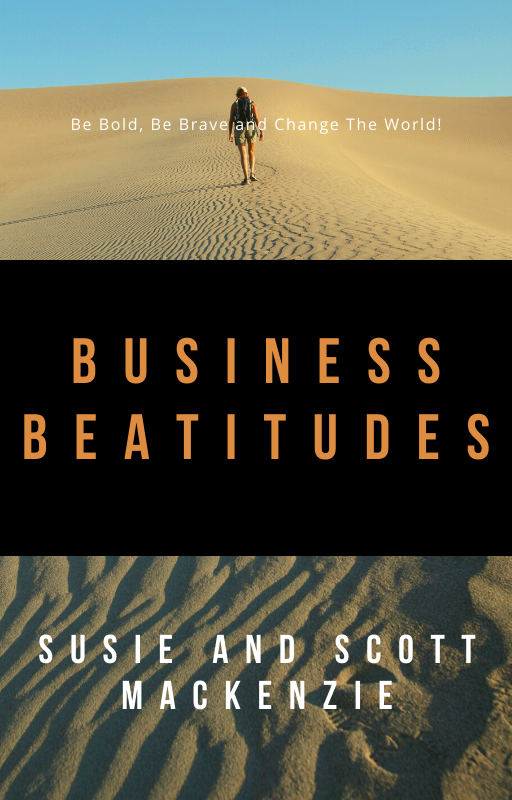
  • Scott introduces three new podcasts: "Ask Molly," focused on marketing and sales, "Business Beatitudes," on leadership virtues, and "The Human Patch," on cybersecurity.
  • Emphasizes the importance of staying current in marketing and sales, and the unique approach of "Business Beatitudes" on leadership from the heart.
  • "The Human Patch" aims to highlight the human element in cybersecurity, working with Farah Barcelona.

Welcome to Industrial Talk Podcast

  • Scott welcomes listeners to the Industrial Talk Podcast, celebrating industry professionals and their contributions.
  • Highlights the importance of the SMRP event for asset management, maintenance, and reliability professionals.
  • Introduces Greg Perry, a legend in the industry, and sets the stage for their conversation.
  • Greg Perry humorously clarifies his name, preferring to be called Greg.

Greg Perry's Experience and Insights

  • Greg Perry shares his 25 years of experience in attending and speaking at conferences, describing SMRP as a homecoming for the maintenance, reliability, and asset management community.
  • Emphasizes the importance of understanding customer needs and the value of face-to-face interactions at events like SMRP.
  • Scott and Greg Perry discuss the excitement of meeting people from various industries, such as a company that manufactures pasta.
  • Greg Perry uses a metaphor to describe his appetite for learning and staying engaged in the industry.

The Importance of Mapping Workflows

  • Greg Perry explains the importance of mapping workflows and understanding the fundamentals of people, process, and technology.
  • Shares an example of an engagement where a team had to map out their workflows to understand inefficiencies and improve their processes.
  • Highlights the need for continuous improvement and learning, and the importance of not faking it till you make it.
  • Discusses the symbiotic relationship between people, process, and technology, and the need for alignment.

Challenges and Opportunities in Industry 5.0

  • Scott and Greg Perry discuss the challenges of inspiring the next generation of asset management professionals.
  • Greg Perry emphasizes the importance of humanization in Industry 5.0 and the need to break down silos and connect pockets of excellence.
  • Highlights the role of actualized intelligence versus artificial intelligence, and the importance of capturing tribal knowledge.
  • Discusses the need for continuous improvement and the role of community practice in peer review and learning.

The Role of AI and Humanization

  • Greg Perry explains the role of AI as a tool for reliability engineers and the importance of human involvement in decision-making.
  • Emphasizes the need for actualized intelligence and the importance of human involvement in AI models.
  • Discusses the challenges of trust in AI and the importance of maintaining human involvement in asset management.
  • Highlights the need for consistent storytelling and the importance of peer review in the industry.

Conclusion and Contact Information

  • Scott wraps up the conversation, emphasizing the importance of humanization in AI and the need for continuous improvement.
  • Greg Perry provides his contact information, encouraging listeners to reach out to him on LinkedIn.
  • Scott encourages listeners to attend upcoming conferences and stay engaged with the Industrial Talk Podcast.
  • The podcast concludes with a reminder of the importance of industry professionals and their contributions to the field.
If interested in being on the Industrial Talk show, simply contact us and let's have a quick conversation. Finally, get your exclusive free access to the Industrial Academy and a series on “Why You Need To Podcast” for Greater Success in 2026. All links designed for keeping you current in this rapidly changing Industrial Market. Learn! Grow! Enjoy!

GREG PERRY'S CONTACT INFORMATION:

Personal LinkedIn: https://www.linkedin.com/in/gregory-perry-cmrp-crl/ Company LinkedIn: https://www.linkedin.com/company/fluke-corporation/ Company Website: https://www.fluke.com/

PODCAST VIDEO:

https://youtu.be/GoaVP0KU4wY

THE STRATEGIC REASON "WHY YOU NEED TO PODCAST":

OTHER GREAT INDUSTRIAL RESOURCES:

NEOMhttps://www.neom.com/en-us Hexagon: https://hexagon.com/ Arduino: https://www.arduino.cc/ Fictiv: https://www.fictiv.com/ Hitachi Vantara: https://www.hitachivantara.com/en-us/home.html Industrial Marketing Solutions:  https://industrialtalk.com/industrial-marketing/ Industrial Academy: https://industrialtalk.com/industrial-academy/ Industrial Dojo: https://industrialtalk.com/industrial_dojo/ We the 15: https://www.wethe15.org/

YOUR INDUSTRIAL DIGITAL TOOLBOX:

LifterLMS: Get One Month Free for $1 – https://lifterlms.com/ Active Campaign: Active Campaign Link Social Jukebox: https://www.socialjukebox.com/

Industrial Academy (One Month Free Access And One Free License For Future Industrial Leader):

Business Beatitude the Book

Do you desire a more joy-filled, deeply-enduring sense of accomplishment and success? Live your business the way you want to live with the BUSINESS BEATITUDES...The Bridge connecting sacrifice to success. YOU NEED THE BUSINESS BEATITUDES!

TAP INTO YOUR INDUSTRIAL SOUL, RESERVE YOUR COPY NOW! BE BOLD. BE BRAVE. DARE GREATLY AND CHANGE THE WORLD. GET THE BUSINESS BEATITUDES!

Reserve My Copy and My 25% Discount

Transcripts

SUMMARY KEYWORDS

Industrial Talk podcast, asset management, maintenance reliability, cyber security, leadership virtues, marketing sales, business success, generational workforce, technology thirst, workflow mapping, actualized intelligence, AI model, community practice, peer review, continuous improvement.

00:00

All right, industry professionals, I want to put this on your your radar. We have as a part of the Industrial Talk Podcast Network. It's a network. We have three new podcasts. They are one ask Molly, very marketing and sales centric. Because industry, you have to succeed. You have to stay current. You have to know exactly what is happening in the world of marketing, in the world of sales, from a from an industrial perspective, no jargon. Just straight to the point. I don't like jargon. There's no jargon. So that's one ask Molly. I asked Molly. You can ask Molly, and you will not be disappointed. The second one is the business beatitudes that's going to be rolling within a couple of weeks, and that is specifically around leadership, but a unique point of leadership, and that's from the heart, and it's the virtues of generosity, of humility, all just a number of things that that I like to discuss and how they help business succeed. That is the business Beatitudes. And finally, because we're going to continue to expand, don't get me wrong, but the third one is called the human patch. I'm working with those wonderful people at Farah, Barcelona, and we have come to the conclusion that real cyber security is a human equation, and as we continue to connect all our assets, we want you to also hear from leaders that are right around Cyber Security. Those are the three Be on the lookout now enjoy the conversation.

01:50

Welcome to the Industrial Talk podcast with Scott Mackenzie. Scott is a passionate industry professional dedicated to transferring cutting edge industry focused innovations and trends, while highlighting the men and women who keep the world moving. So put on your hard hat, grab your work boots, and let's go all right

02:09

Put this on your calendar for:

03:20

Still call me late for dinner. Oh yeah, I guarantee you, you're not bad.

03:27

How you doing? I'm doing good. How are you good? Event? Great event. It's pretty cool. It's the pinnacle every

03:34

year it is. It really is.

03:36

Yeah, I go to conferences, I speak at conferences, I participate in conferences, and I've been doing this for pretty much 25 years. This is awesome. This is like a homecoming. It really is, you know, this gathering of friends and the family of maintenance reliability and asset management, and we're here to help customers, and the customers are here to let us know what they need.

04:02

You know, what I always geek out on? I understand all the technology. And there's being on the floor, you you know, you just sort of scan the room and you go, Hey, that's cool. That's cool. That's neat. That's it's when you get to talk to the members, the ones that are just like, yeah, I work for Acme, and we manufacture or whatever. And I always find myself really, you do that that's cool. And being able to hear and see what people do for a living, it's inspiring. I just I ran into somebody that says they work for a company that manufactures pasta. Come on, that's cool. Go there, man, let's check it out. How do you manufacture pasta? I want to know. And he was the maintenance guy, like, yeah, yeah, it's cool, yeah. Live it. Live in the how it works, yeah, how it works life.

04:58

Like I tell my. A leadership

05:02

and who I report to, I like to sum it up. They ask, Hey, Greg, can you handle this? Can you do this? We need your help. And I say, Hey, I like to eat. Yep, I like to eat. And what I mean by that is, yeah, I like to keep a job. Yeah, food for the table. That's not what I mean by when I say I like to eat. What I mean by that is, I have an appetite. Put me in coach, yeah, at SMRP is very much the same way. Yes, I have an appetite. And we all have an appetite.

05:31

It's cool. Yeah, it's cool stuff. Yeah, I like it all right, before we get rolling, because you haven't been on, on my show, seems about 10 years. Yeah, I've been doing it for eight years. Yeah, 10 years now. The last time, it's been a little while and we need to level set. Need a level set on who Gregory is.

05:54

Nothing has changed much with Gregory.

05:57

There are new listeners out there that want to know who Gregory is not just me. I know you and I don't want to Yes and you Yeah,

06:06

well, I'd say Gregory is doing good. Gregory is still growing. Gregory is still learning. Gregory is still doing what I've been doing for nearly 25 years, Computer Maintenance, management, software, systems, data as your most important asset. Yeah, and how to help customers align people, process and technology,

06:32

that's what I do. Yeah,

06:34

you've seen a lot of changes.

06:37

Yeah, we're seeing changes now with the different generational workforces and their different ideologies and different viewpoints of how they interface with technology and how they're going to have people and processes

06:55

help them with their technology thirst,

06:58

right? But you have to inspire Well, well,

07:01

that's just, it is. It's not all great. I know it sounds like I'm saying it's wonderful thing. Actually, it's a negative thing. It's a less emphasis on people and process, yes, more emphasis on the technology, yes. And it's almost like it's a catch 22 Yeah. Like that's inevitable. That's where we are. We're in the computer age long before, long after, right? I mean, we're doing this. And I remember good friend of mine in the business, good mentor of mine, made a comment about the current generation today that are coming up in the, you know, in the current generation today, that are going out. Right? The difference is, one was born being digital, all right? And one Yeah, was actually, I wouldn't say we invented it, but one's doing, one's being, yeah, yeah. And there's a difference in there, but at the core is people and processes and the fundamentals, and that's not going to go away. And then I have, I've heard another smart individual say, you know, AI,

08:08

they're coming after the coders.

08:11

Yes, they're coming after. They're not coming after the people that are turning wrenches.

08:15

They're not coming after the people that are keeping the world running.

08:20

That's just not here. Here's, you know,

08:26

you've touched upon a couple of really important topics. One, I don't see how you and back when I was deploying systems I did in this passport, they don't even exist. But nonetheless, what we did was you map the process out. You you identify what is the work, the workflow. What are you doing? It's a grind. I'm not going to, you know, sugarcoat it. It is detail. It is and you grind it out. You have the conversations. You chirp back and forth. That's not how we do it. That's and then you find the gaps and you just work through it to help the technology enable that workflow. Great, fantastic. Got it. But we, for whatever reason, have gotten away from that to a certain extent. Nobody wants to sit in a room on a whiteboard, log it and flow it all out and have those difficult conversations. That's but it has to happen or nobody, nobody. Everybody walks in their own direction. Nobody gets it.

09:33

You just painted a picture of one of my engagements years ago. Yeah, that part of what I do for Fluke reliability and emate is I'm the tip of the spear for their implementations as an option, as a professional service option. So not all customers buy that service, but the ones that do, they absolutely understand the value. Okay? So. Of what we call a kickstart. You know, we're kicking this implementation. Yes. Well, one of my engagements, they did the kickstart, and we got halfway through the first day, and they just had to say, hold the phone. We're not ready for this. Why? We have not mapped out any of our workflows whatsoever? Yeah. So we, we've got this guy in here from email flip reliability that absolutely understands what good looks like. All right, good, better, best. Yeah. And they just stopped, and we spent the rest of that week doing nothing but putting these big, old, huge post it notes on the wall all the way around, if that conference room became the War Room, yeah, yeah. And they mapped out, and they sat back, and they're they're sitting there as a team, looking at their work and admiring it. And then finally, somebody says, Why are we doing that? Yes. And then why are we doing that, and then why are we doing that and that and that, and why are we doing this five times, and why are we touching this three times? And why are we and they finally just looked at me and said, we get it now? Yes, okay, exactly. So however many times you're touching it in people and processes, and how many times you're touching it in technology? And the biggest complaint I hear is too many clicks, right? It's not intuitive, right? Well, maybe because your PMP is got too many clicks, yeah, and it's not intuitive, just

11:28

telling you, man, yeah, absolutely, it's, it's, it's so simple, yet so important, and it brings about true success. So you want a good system, you want to leverage the technology that exists out here, those CMS systems. You have to do that whether you like it or not, and you're absolutely right. It also it says, Well, geez, that's not how we do it. And have those conversations, and it's like, yeah, we do. No, we don't. Yes, we do.

11:59

Well, here is where their epiphany came. They realized that people in process has to support technology, and technology has to support people in process. It's a symbiotic relationship. And then there's two stories that a Seema mis tells, and they've never heard this before, and the two stories are the story of the asset, yep, in the story of your maintenance reliability program, yep. And they don't jive. And that's when they finally, physically had to map it all out. And they were seeing, you're right, they're not jiving, no, no, they're not. And it's not connecting the dots.

12:37

It's black and white. It's clear. It's right there. It's like, yeah, try to try to crab out of this one. Try to say that works fine. You can't. You can't crab

12:46

out of it. No, you can't. Yeah. I mean, when it comes to that, you just can't fake it till you make it. That's not what practitioner ships about. Practitioner ships about continuous improvement, continuous learning. Yeah, and there's no faking that? No, no. Now, no. If you want to go and just chat GPT or Google something and you're not understanding the fundamentals of it, you're faking it. Yeah, and that's just, there's no room for that manager,

13:17

okay, so the other area, the the other area that I'm truly passionate about, and you touched upon it is, what do we do? You've got to admit you're an old guy. I'm an old guy. There are a lot of old guys roaming around here who have this incredible depth of knowledge and experience. Well, they're not going to be around and this, this industry, has changed so much in such a short period of time. It's, it's, it's blistering. How do we inspire the next generation of asset management, reliability and maintenance professionals? What do we do? I have an idea, but I'm not going to Bogart my time.

13:59

Well, you know, one of the things we got to do is we got to kind of look back and practice what we preach a little bit. Let's, let's, let's look back at industries. Let's start with Rio, right? Pull that mic a little closer. Industry three. Oh, it's all about digitization. Yeah, all right, so that's when CMS is came on board. That's when databases, that's when Excel spreadsheet, that's when all this stuff, right? And then we industry 4.0 became all about digital totalization. All right, so in other words, what do we do with these pockets of excellence that we digitized? Let's make them work together. Yeah, let's bring them together. So this pocket, that pocket, this area. Break down the silos. Let's start making some connecting pieces here, right? What's industry 5.0 going to be about people? Humanization? Yep. So the answer to your question is, is we've got to make sure that we keep humanization. At the forefront, moving

15:02

forward, and got that. But what? What are the tactics like that?

15:06

Well, that's, that's, that's a good you know? It's like, well, we can just sit here and brain storm it, right? And spitball it. Wait a minute, Greg. Isn't that faking it till you make it. And then what you just said is not what it's no it's called experimentation, but it's called keeping things real. Yeah, all right, you can't always just believe what's on the internet. We've always learned that just because it's on the internet doesn't mean it's true. Okay, there's got to be a person there to say, this is what this really means. This is what this really does, and that's actualized intelligence. So with the future of artificial intelligence, we got to make sure that we keep actualized intelligence a part of that. And if we're going to digitize that, that's what we're doing, and then we're going to digitalize that, and then we're going to put that in the hands of our generational futures, right? And say, Here, go forth and multiply, right?

16:06

But it's long tail. It's just, this is a long tail conversation, and we're, I believe, very long

16:12

where we're just behind the eight ball on this thing.

16:14

We're just scratching the surface. Yes, yes, industry five. Oh, is not here. Those out there that are saying it is, I'm Greg Perry is not going to say that it is, but I can forecast what it might look like and what it might be, but humanization has to be at the center of it.

16:32

Yeah, I, you know, we talk about AI, yes, I got it. It's all that. But I still believe that there's no way that you can decouple the human element from ao you just like, like, like, you your Fluke reliability has a Zema great. You got all this great data, this vibration data going back 30 something years.

16:53

Just keyed in on a key differentiator right there. And it ties into your question that you just ask, all right, how do we, how do we bring forth

17:06

what the,

17:08

it's old school. Even go back:

18:25

Yeah, and again, with that azema model, it's a simple fact that, hey, I'm the algorithm. I noticed an anomaly with this squiggly line, and I'm going to send it over to a person who has that depth of knowledge to be able to make that final determination, or, you know, gut call.

18:47

It's a tool for the reliability engineer, right, right? Just like to see my message practitioner, it's also a tool for the reliability engineer as well. The AI is just a tool,

18:59

and it elevates the individual to focus on real challenges, real struggles, real opportunities, and, and, and all the noise, yeah, it's, I don't care, spot on, yeah, as opposed to sometimes in the past, where everything was, you know, five alarm fire got to go good. No, this is a way of being able to be I think one of the areas that that we have to recognize in industry going macro is we have to tell the story effectively in some way, shape or form, and do that consistently, not not looking for that. Thumbs up. Hey, I got an interaction on LinkedIn. No, you have to keep at it. And everyone on this floor and in this thing has an obligation to do that. Where we are peer reviewers,

19:53

we are community of practice, yes, and when we have a new idea, we have a new thought. We have a new way of doing something. We need to go back to our community practice, put it out there for peer review, okay? And then see if it holds water. If it holds water, it's great, okay? It's all about continuous improvement. It's all about pushing forward, right? Not just staying stagnant, not staying where. So change is constant. The only thing that's constant

20:24

is change, and I find that change today is is, what a 442 speeding down the interstate. And, you know, looking good, but, man, it's fast, but it's true. It is. I mean, I've been doing this for eight years. I've been having just conversations galore, yeah, and, and I can honestly say that these conversations have absolutely changed. It changed dramatically from from the world of power, you know, all of a sudden we got to keep these assets up and running. I think this is a real Renaissance for this profession, and it's a great opportunity to just run with it and then inspire more people. It is, it has to be. It has to be, we it. That's the point. It has to be.

21:17

We're just not going to be at the stage where assets are fixing themselves,

21:21

no, and I don't in the other thing around AI, I think that, yeah, that's great. I'm pulling data, I'm pulling vibration, I'm pulling heat, I'm pulling all this, the diagnostics off there, and I'm putting it into some sort of algorithm, or neural net, or whatever it is, is in the cloud. And the first time somebody just says, Well, I'm going to depend on that AI, that response or that result, and that thing falls apart. Trust goes right out the window for that that you can't get rid I don't think we'll ever get rid of humans. No, you can't humanization. How do people get a hold how do people get a hold

22:04

of you, Gregory, look at me up on LinkedIn. That'd be the easiest, quickest way. Yes. Gregory Perry, on LinkedIn,

22:11

I like it. See, you're a pro, because some people give the the email and it's like, okay, go to the website. Okay, okay, aren't you on LinkedIn? Can you just give me a LinkedIn? Yeah, I'm at LinkedIn. Yes, great. Perfect stat card. All right, we're gonna have all the contact information for Gregory out on Industrial Talk. So fear not. Reach out to him. You will not be disappointed. We are once again broadcasting from SMRP 33 and again, you get people like Gregory. Greg you never clarified it. What do you want?

22:42

Gregory, so just call me Greg. Greg, and you

22:47

get people like Greg that all of a sudden answers the question that we first posed in the beginning. All right, we're gonna wrap it up on the other side. Stay tuned. We will be right back.

22:56

You're listening to the Industrial Talk Podcast Network.

23:00

th,:

Chapters

Video

More from YouTube