Shownotes
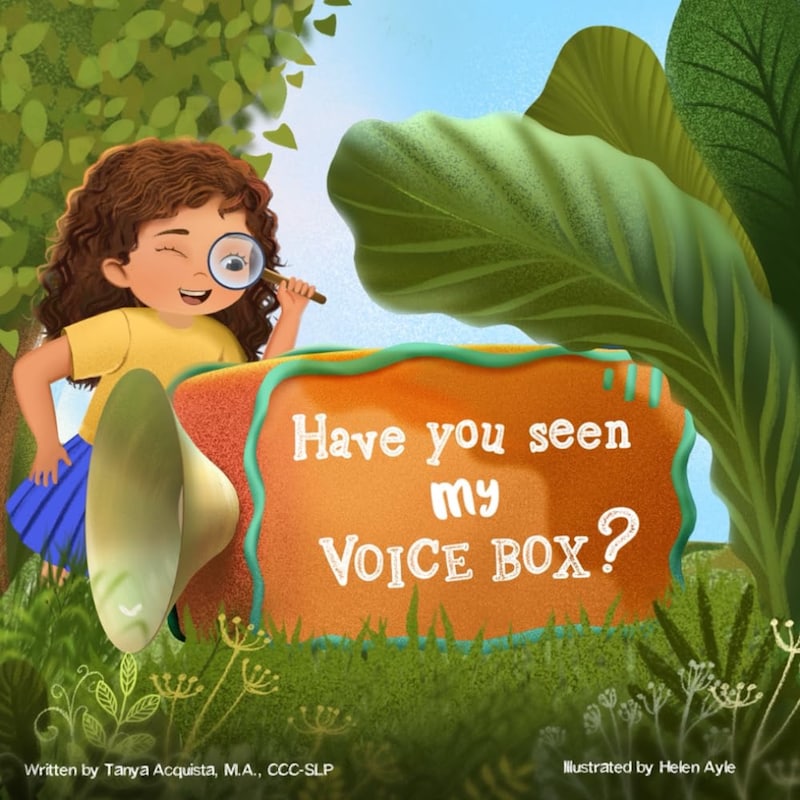
Tanya Acquista, the esteemed author of "Money, Time" and "Have You Seen My Voice Box?", joins us today to expound upon her journey as a children's book author.
In this engaging episode, Tanya shares her insights on the duality of her roles as a children's book author and a speech-language pathologist.
The discussion offers an in-depth look at the creative process behind her books, particularly focusing on the developmental journey from her first publication to her latest work. Tanya articulates the challenges and victories she has encountered, reflecting on how each book has shaped her identity as a writer.
The dialogue also explores the strategies she employed to navigate the complexities of book marketing and audience engagement, emphasizing the importance of community support and professional networks.
Tanya’s reflections illuminate the profound connection between her personal experiences and her literary endeavors, underscoring her passion for fostering confidence and communication skills in children through her storytelling.This episode primarily focuses on her latest publication, which explores the profound themes of confidence and self-discovery.
As Tanya reflects on her evolution from a novice author to a seasoned creator, she shares insights garnered from her experiences in the literary marketplace, including the nuances of book promotion and the significance of connecting with young readers through engaging narratives.
Furthermore, Tanya's dual role as a speech-language pathologist enriches her storytelling, allowing her to intertwine therapeutic concepts with captivating tales. Join us as we delve into the intricacies of writing for children, the challenges of navigating the publishing world, and the vital importance of fostering confidence in young individuals.
Takeaways:
- Tanya Acquista articulates her enduring excitement about being a children's book author, which remains consistent from her debut to her subsequent publications.
- The process of writing her second book, 'Have You Seen My Voice Box?', evolved significantly compared to her first book, showcasing her growth as an author.
- The conversation highlights the vital role of confidence in the journey of writing and publishing, especially in relation to children's literature.
- Tanya emphasizes the importance of connecting with young readers through relatable stories that inspire confidence and creativity.
- She discusses her experiences with school visits and the impact they have on book sales, noting the need for a structured approach to charge for such events.
- The episode underscores the value of community among authors and the sharing of resources and experiences to foster growth in the children's book publishing industry.
Links referenced in this episode:
Transcripts
Hi, this is Tanya Cuista, and I'm the author of Money, Time and have youe Seen My Voice Box?
Speaker B:Thanks, Tanya, for appearing on the Adventures in the Heart of Children's Book Authors podcast.
Speaker B:And welcome back.
Speaker A:Thank you.
Speaker A:Thank you for having me.
Speaker B:Again, my pleasure.
Speaker B:For our listeners, Tanya was a guest on episode 14, and I was looking at where this is going to queue up when I release it.
Speaker B:You'll be episode 85.
Speaker B:You could see a lot has happened between episode 14 and episode 85.
Speaker B:And you're also our first time returning children's book authors.
Speaker B:I'm very excited.
Speaker B:Part of this show is to help aspiring children's book authors and to listen to someone who published their first book, got into the marketplace and over a year.
Speaker B:And then to launch your second book, there's a lot to unpack, so I'm looking forward to that.
Speaker B:Tanya mentioned she's written two children's books and today we're going to primarily focus on her new book, have you seen my Voice Box?
Speaker B:And I look forward to her conversation.
Speaker B:Tanya, before we get into the details of your book, I'd like to begin with a couple of things that have changed for you.
Speaker B:Think back to over a year ago.
Speaker B:I'm curious, what does being a children's book author mean to you?
Speaker B:Give us the answer in two parts.
Speaker B:Think back when you first started and now when you've now launched your second book.
Speaker A:Thank you.
Speaker A:That's a great question.
Speaker A:I will say I feel like the feeling of being excited about being a children's book author is the same as it was the first time I wrote my first book.
Speaker A:The first book was just.
Speaker A:I was so excited to get it out there because.
Speaker A:And I was a bit nervous because I didn't know what to expect and I didn't know if anybody was going to read the book and all of that stuff.
Speaker A:And then I think it did give me a little bit more confidence, and it made me feel like, wow, I could write more.
Speaker A:I could do more books.
Speaker A:And I had also the process of writing the book itself, it was a little bit different in the sense that this one took a little money.
Speaker A:Time was my first book, and that came to me very quickly, and I had to figure out how to get it out there.
Speaker A:How do you say?
Speaker A:My voice box was, like, brewing for a while I was thinking about what to write and how to write it, but in terms of getting it out there, I was more comfortable with that process.
Speaker A:So I got it out there.
Speaker A:The meaning of just the excitement of being a children's author is still the same.
Speaker A:It's still there.
Speaker A:But doing one book makes you feel like, wow, maybe I am actually an author of more books than just one.
Speaker A:So that was exciting.
Speaker B:Re listen to episode 14 and just to capture that time, it's like having a little bit of it history of yourself was thinking back and you did mention that you did have a story brewing.
Speaker B:Now, was this the one that you had brewing?
Speaker A:Yes.
Speaker A:I think that in the time I spoke to you, I had two in my mind.
Speaker A:This one ended up coming out to being.
Speaker A:To being something.
Speaker A:And it's funny, when I first met you, I had one baby and now I have two babies.
Speaker A:I have two books and two babies.
Speaker B:I'm worried when you get to 99 books, I'm like, I don't know if
Speaker A:there's going to be any more babies.
Speaker B:Tell us a little bit about the inspiration behind the new book.
Speaker A:Sure.
Speaker A:That's a great question too.
Speaker A:I was inspired by the idea of a voice.
Speaker A:It sounds funny.
Speaker A:A voice box.
Speaker A:Because I am a speech language pathologist in addition to a children's book author.
Speaker B:Can you, if you don't mind, what exactly does a speech language pathologist do?
Speaker A:Oh, thank you.
Speaker A:We work on many different things in terms of some people believe when they see speech pathologists, they just think of speech like speech sounds or people who stutter and absolutely, we do that, but we also focus on language.
Speaker A:We focus on understanding information, sharing information, listening skills.
Speaker A:Some people work with adults in these fields.
Speaker A:I primarily work with children.
Speaker A:That's.
Speaker A:We do so many different things.
Speaker A:We wear so many hats.
Speaker A:You can work in a school, a hospital, private practice.
Speaker A:It's been an inspiration because meeting so many children.
Speaker A:If I didn't have my experiences as a speech language pathologist, I don't know if I would have came up with the ideas for the books the way I did.
Speaker A:Okay.
Speaker A:Because they inspired me to write these books that the specific topics that I wrote about.
Speaker B:How did you start?
Speaker A:How I started with this one.
Speaker A:With this book?
Speaker B:Yes.
Speaker A:So the.
Speaker A:In this sense of.
Speaker A:As speech language pathologists, we talk about a voice box, our physical, the voice, you know, how our voice comes out of our bodies.
Speaker A:But in this book, I used more of the, like, metaphorical version of voice and how you find your confidence.
Speaker A:That's what I was thinking of.
Speaker A:How do you find what makes you.
Speaker A:How do you find your voice?
Speaker A:So I mixed what my field talks about, but also my own concept of voice.
Speaker A:And how do you see my voice box?
Speaker A:The title, it's about how you sometimes Feel you not physically, not literally losing your voice, but lose you find it difficult to feel confident or you might be confident and something happens and you start to question yourself.
Speaker A:And this book is like how to Find that Voice again.
Speaker A:It was inspired by similar to how Money Time was inspired by my students telling me that time was really challenging and managing their time was difficult.
Speaker A:Have you seen my voice box?
Speaker A:Was me seeing that sometimes people, including myself, didn't always feel confident to follow their dreams or pursue a passion.
Speaker A:And that was something that I thought would be important to write about for kids.
Speaker B:I know a lot has changed over the 14 months since we talked last and I'm curious because you now have had your book money time on the market for over a year now.
Speaker B:You've got products.
Speaker B:When someone has a product, they generally like to sell their product.
Speaker B:That means that you're also an entrepreneur.
Speaker B:Have you developed a children's book business from this?
Speaker A:Oh that.
Speaker A:That's also great to ask me.
Speaker A:I am working on still developing a children's book business.
Speaker A:Currently I have been looking into doing some.
Speaker A:I did a many in person school visits since I spoke to you as well and that was really exciting.
Speaker A:So that was like a part of the business.
Speaker A:But also now I'm trying to see if I can expand even more and do some virtual visits so that I can go to other places and not just local.
Speaker A:I would love to be able to do that.
Speaker A:So that's on my mind.
Speaker A:You inspired me to get a website.
Speaker A:So I have a website now with
Speaker B:your children's book business.
Speaker B:The one thing I'm finding is that more and more children's book authors are trying to figure out a way to monetize their books.
Speaker B:And a lot of people either come from a early development childhood background or they come from a teaching background or they have a profession that they use their books to enhance their business.
Speaker B:A lot of them develop workshops or curriculum and then they go out and that's how they use their books as the business card to open the business door for you to get in.
Speaker B:So have you thought about workshops or seminars?
Speaker A:Yes.
Speaker A:It's so interesting that you brought that up because I went to a conference with to look to sell my books.
Speaker A:It was a speech language pathologist conference and it's in my area and I ran.
Speaker A:It's funny because you network.
Speaker A:So I ran into a former supervisor of mine and when she saw the book she said you should do a presentation for the district.
Speaker A:So I was like absolutely.
Speaker A:So that's something I'm working on.
Speaker A:Because she said, how to use the books in therapy.
Speaker A:Because that is something that these both of the stories, Moneytime and have youe Seen My Voice Box?
Speaker A:Could definitely be a lesson.
Speaker A:It could be a lesson for teachers.
Speaker A:It could be a speech and language.
Speaker A:Pathologists could use this in their sessions, too.
Speaker A:That's in the works and something I'm very interested in doing.
Speaker A:And then possibly going to libraries or possibly going to other schools and presenting the book as something that could be used in the classroom.
Speaker B:I found from talking to other children's book authors, they build out a curriculum.
Speaker B:And so if you haven't done that, perhaps that's a great idea.
Speaker A:That's a great idea.
Speaker B:Yeah.
Speaker B:And then you know what?
Speaker B:You've got something to show.
Speaker B:So you're not just taking in your book.
Speaker B:Money, time, or have you seen my voice box?
Speaker B:Just taking that in as a separate thing.
Speaker B:You're saying, and by the way, I have a curriculum that supports the principles behind this book.
Speaker A:Exactly.
Speaker A:It's a wonderful idea.
Speaker A:Thank you very much.
Speaker A:I didn't even realize how much you could do with a book once you have it.
Speaker B:So it's exciting if it wasn't for guests like yourselves.
Speaker B:What I've learned in the last 16 months has been incredible at how people are handling their children's books and how they're trying to build them out.
Speaker B:That's what I'd love to talk to you about, is that you've been through two book launches.
Speaker B:Now, you did the version run with your first children's book, and now you're, I'm going to say, a seasoned children's book author because you know, you have multiple titles.
Speaker B:Tell us the difference between your first book launch and how you're handling your.
Speaker B:This book launch.
Speaker A:Thank you.
Speaker A:I did something similar in that I sent the books to people I wanted to send them to, including you.
Speaker A:Because of my experience prior, I also added on some other people to send it to.
Speaker A:I did it the same way in the sense of letting people know about the books by sending it, by mailing it myself.
Speaker A:I'm still self marketing.
Speaker A:My promoting is all me.
Speaker A:And I will say my cousin was very helpful because when I went to her school.
Speaker A:Gotta give her a lot of credit, Jacqueline.
Speaker A:She was like, I said, I want to take you to Everett with me because she helped to promote the book in such a great way.
Speaker A:I can't say that there was too much of a difference.
Speaker A:I did what I did the first time and.
Speaker A:But I think I, as I said, I felt more confident, more.
Speaker A:Wow.
Speaker A:That I saw results from the first one, so I'm going to continue.
Speaker A:I'm going to see.
Speaker A:Hopefully I see results from the second one and I really would love to just expand.
Speaker A:I would love to be able to do these virtual read alouds because if I can do that, I can get to other states.
Speaker A:I would love that.
Speaker A:I would absolutely love that.
Speaker B:I've had several children's book authors guests come on and they, on their websites have a read aloud and.
Speaker A:Yes, that's great.
Speaker B:Some of them have actually even hired people to do their read alouds and taken it to the next level.
Speaker A:That's awesome too.
Speaker B:Yeah, it is.
Speaker B:But you know what?
Speaker B:In the beginning, when you have limited resources, you've got lots of zip in your voice and lots of personality.
Speaker B:So I think you do just fine doing your posting your own read alouds online.
Speaker A:So I. Oh, thank you.
Speaker A:I doubt.
Speaker A:I would love to do that.
Speaker A:That would be awesome.
Speaker B:Yeah.
Speaker B:Now that you have a home, you've got a website.
Speaker A:Yes.
Speaker B:Wow.
Speaker B:So there's.
Speaker A:That has made things so much.
Speaker A:I really appreciate your advice on that because having a website now I can refer people to the website as opposed to me being like, oh, let me write you.
Speaker A:I have to write all this out again.
Speaker A:Instead, I do use the website as a way for people to understand and know a little bit about me.
Speaker B:I noticed you used your PR kit, which I love, and I don't want to move away from that too soon.
Speaker B:You know how excited I was the first time we talked.
Speaker B:It was incredible.
Speaker B:And my.
Speaker B:Thank you.
Speaker B:My youngest granddaughter.
Speaker B:I think I told you we had your press kit under the Christmas tree.
Speaker A:That's right.
Speaker B:Eventually she did take everything with her.
Speaker B:Yeah.
Speaker B:So that was exciting.
Speaker B:Again, I got your press kit here in front of me.
Speaker A:It was a little bit small, smaller, because I wanted to use the.
Speaker A:The magnifying glass and it was just like different symbols and I didn't have as big of a piggy bank as I did the first time.
Speaker B:Yeah, no, I was so excited.
Speaker B:And you're my 14th guest and my 85th guest.
Speaker B:And out of all the guests, you're the only one that's ever sent me a PR press kit.
Speaker A:I actually want to congratulate you on that.
Speaker A:Many guests also.
Speaker A:That's fantastic.
Speaker B:Thank you.
Speaker B:I appreciate.
Speaker B:It's definitely been fun.
Speaker B:That's why we've grown.
Speaker B:We've got more listeners, is sharing of ideas.
Speaker B:I don't want to move away from the press kit too much because what you did to me is something special.
Speaker B:Again, I haven't seen it done by anyone else.
Speaker B:So that makes you very unique.
Speaker B:You're like a unicorn.
Speaker B:Tell us a bit about your the lesson you learned from the first press kit to the second press kit.
Speaker B:And what did you do in terms of numbers?
Speaker B:I know there was a relatively small number that you sent out the first time.
Speaker B:Now you've sent it out again.
Speaker A:Tell us about all of that the first time around.
Speaker A:I don't want to say it was limited, but I knew where I listened to book, listen to podcasts.
Speaker A:Right.
Speaker A:Or people that I was interested in.
Speaker A:And then I've expanded because I joined a kid lit group on Instagram and I met more authors and more people who were interested in me sharing the book.
Speaker A:To be very honest with you, I don't know the exact number I sent out this time.
Speaker A:I but I did the same thing.
Speaker A:I sent everybody a press kit.
Speaker A:I sent everybody a book as well.
Speaker A:Signed.
Speaker A:I just wanted it to be personalized.
Speaker A:In addition, I wanted people to remember the book and to remember that little extra touch.
Speaker A:I think it's.
Speaker A:It adds something.
Speaker A:So I thought that was important.
Speaker A:The first time around I had boxes and sent out the piggy banks and everything.
Speaker A:This time I went a little bit smaller just because of what I felt it was useful.
Speaker A:I wasn't sure exactly.
Speaker A:This one was a little bit more.
Speaker A:I don't say difficult, but I wasn't sure exactly what to send.
Speaker A:I'm like, what would be something I could use?
Speaker A:And I'm like, you know what, the magnifying glass.
Speaker A:That's like a perfect symbol for the searching.
Speaker A:And it's in the book as well.
Speaker A:Her looking around your compass and yes, the compass and bookmark I believe you got.
Speaker A:And some.
Speaker A:I remember some of the things I was sending out.
Speaker A:I don't know if you got it in yours, but I had found little tiny binoculars.
Speaker B:So cool.
Speaker A:I felt that was something important to still do.
Speaker A:I don't know the exact number of people that I sent it out to,
Speaker B:but more the result this time versus last.
Speaker B:What was the I had a similar
Speaker A:response to receiving them.
Speaker A:People were really excited.
Speaker A:I ended up being on another like a YouTube channel and a podcast because of sending it out there as well.
Speaker A:And they said that like the this is also from Moneytime too.
Speaker A:They were very excited about the children.
Speaker A:Actually expressed excitement about getting a kit which was really nice.
Speaker A:It's funny, you make one connection and then sometimes it brings you somewhere else.
Speaker A:So that was cool.
Speaker A:I'm going to continue to send them out.
Speaker A:I'd like to send Them out to even.
Speaker A:I was thinking of, like, local news.
Speaker A:I never did this before, but I thought about local morning shows and news.
Speaker A:I've seen people promote that way and be on.
Speaker A:And so many people, like, send it out to.
Speaker A:I'm in New York, so send it out to Good Day New York or just something like that.
Speaker A:So that's another step I'm thinking about doing.
Speaker B:I'll share some learning from last time that's happened to us because we did the same thing.
Speaker B:It's incredible because what ended up happening is I went to the local newspaper that in the area that inspired all of our children's books.
Speaker B:It's a community newspaper, but it's the only newspaper in this small community.
Speaker B:And I told them about my granddaughter and myself and how we wrote this book and the story behind the story.
Speaker B:And they said, oh, we'd love to interview you.
Speaker B:So we ended up with about a half page in a newspaper.
Speaker B:They had a picture of me holding caboose and holding the box up and.
Speaker B:But here's the incredible thing, and that's why I'm encouraging you to do the same thing.
Speaker B:One of the guests I talked to from Chicago, she's written about five books.
Speaker B:Her name's Laurie Orlinsky, and she had talked to me about what's called earned media.
Speaker B:And what earned media is when you go out and hustle the media.
Speaker B:And that's what we did.
Speaker B:We went out to the community newspaper, talked up our book, they wrote a story, and we got circulation to.
Speaker A:That's great.
Speaker B:Yeah.
Speaker B:But here's the incredible thing.
Speaker B:A producer of a major radio show read the story.
Speaker B:They phoned one of the stores that we sell the books in, and they said, how do we contact these people?
Speaker B:They contacted us.
Speaker B:My granddaughter and I did two live, separate radio shows because of that.
Speaker B:You just never know.
Speaker B:But you know what?
Speaker B:That's what I love about your press kit idea is you never know where it leads to.
Speaker B:And they're always looking for human interest stories.
Speaker B:And you've got two unique books because of the content of your books.
Speaker A:Thank you.
Speaker A:It gives me encouragement to do what you know.
Speaker A:I was thinking about how to reach out, but the fact that you even went there and you introduced yourself and it's not just another email, it's not just another letter.
Speaker A:It's like a person.
Speaker B:Also, it'll surprise you at how often they're looking for human interest stories.
Speaker B:And you're an interesting human.
Speaker B:So out there, I want to talk to you about your book format because I know you're independently published.
Speaker B:I know you published them through Amazon.
Speaker A:I did both books.
Speaker A:Yes.
Speaker B:I don't think I have to talk to you about this one, but hijinks from the Big Head Folk Music Festival.
Speaker A:Oh, look at that.
Speaker A:Yeah, I love it.
Speaker B:And now this was co authored with my oldest granddaughter and my middle granddaughter.
Speaker B:Oh, that was a lot of fun.
Speaker B:I know you've got the two formats.
Speaker B:You've got the soft cover book and you've got the ebook, which I think is awesome.
Speaker B:And I encourage people to have an ebook.
Speaker B:In the beginning I was wondering why I had an ebook because the sales are not.
Speaker B:Most people want for a children's book.
Speaker B:They want to buy it so the child can actually flip through it.
Speaker A:Yes.
Speaker B:But a lot of people have said to me, you know what, almost every child now and I look at my grandchildren, they all have iPads, so they are downloading digital books for when they go on a road trip or whatever.
Speaker B:And the other positive thing about an ebook is that it's a priority.
Speaker B:If you were to send out a soft covered book to everybody.
Speaker A:Yes.
Speaker B:That you're trying to engage, you probably go broke.
Speaker A:Which is something I'm learning because it was encouraged by the children book author group that I'm part of that many people were creating ebooks.
Speaker A:And then I and they said that's a great idea.
Speaker A:And I always, I love to learn from other authors who have been.
Speaker A:Have done this before I did.
Speaker A:But also everyone's learning at the same time.
Speaker A:We're always getting advice from each other, which is nice.
Speaker B:I noticed no hardcover.
Speaker B:We still haven't done any hardcover.
Speaker B:But I'm curious, have you thought about hardcovers or where are you at?
Speaker B:What's your position on that?
Speaker A:I have thought about hardcovers.
Speaker A:I didn't really.
Speaker A:I wanted these books to be.
Speaker A:They're totally different stories.
Speaker A:But I did think I also had the same illustrator for the both books as well.
Speaker A:I was thinking sell this together or have some kind of connection with both of them.
Speaker A:So I wanted them to be similar.
Speaker A:But in the future I could see a hardcover for sure.
Speaker A:It's not opposed to it.
Speaker A:I would.
Speaker A:I think it might be great to have one.
Speaker A:But these just this time around I thought like the symbolism, the metaphor, there's like a connection between the ideas.
Speaker A:But in the future I would be open to that for sure.
Speaker B:And that leads me to your publishing approach because I know you've independently published again.
Speaker B:You've done all the work.
Speaker B:You went out and you source the illustrator.
Speaker B:You.
Speaker B:You did everything I did.
Speaker A:I Found the illustrator.
Speaker A:I reached out to her again, and she was.
Speaker A:I really was very pleased with her work the first time.
Speaker A:I wanted to use her another time as well.
Speaker A:I highly recommend her, and she was great to work with.
Speaker A:So I went and I did that and.
Speaker A:But again, that was also.
Speaker A:That process took more time the first time around because I needed to find somebody.
Speaker A:And then the second time, I just felt like, you know what?
Speaker A:I want to go with her again.
Speaker B:Right.
Speaker B:Just so everyone understands that.
Speaker B:The beautiful thing about Tanya's illustrator, the books are totally different.
Speaker B:Like you said, they're an independent book on their own.
Speaker B:They're not part of a book series.
Speaker B:So content is totally different.
Speaker B:And the thing I liked about it is that when I looked at your second book and it's the same illustrator, you could get a sense, I guess, if you had your first book and laid it in front.
Speaker B:I think they have a certain style.
Speaker B:But when you look at your second book, it's totally different than your first book in terms of the illustration.
Speaker B:How did that work out with you when you went back to the same illustrator and said, you know what?
Speaker B:I've got a completely different idea, and I need you to illustrate this one.
Speaker B:So talk to us a bit about how that unfolded.
Speaker A:Sure.
Speaker A:I remember saying to her, I was very excited to have the idea.
Speaker A:And I told her, they're not the same book.
Speaker A:So I'm looking for, like, different colors.
Speaker A:Different.
Speaker A:Like, even the second book is not even as bright as the first one.
Speaker A:It's like a different sort of color scheme she used.
Speaker A:I wanted this one to be a girl.
Speaker A:I wanted this one to the character, the main character, to be a girl because.
Speaker A:And curly hair.
Speaker A:I remember saying that to her.
Speaker A:I was like, other than that, I give you full.
Speaker A:Go ahead full.
Speaker A:To do whatever you feel.
Speaker A:But I just want the character to be a girl with curly hair.
Speaker A:Because I have curly hair, I want it to be similar to me.
Speaker A:And I'm thinking of.
Speaker A:And I'll tell you interesting thing about the actual voice box itself.
Speaker A:I'm like, the voice box has to stick out.
Speaker A:That voice box is the part of the book that I really want people to know.
Speaker A:And she helped me with designing it.
Speaker A:And then I want magnifying glasses and search, like signs put around the neighborhood to search for the voice again.
Speaker A:She was able to take my vision and create something that was incredible, but helped me also because I would just.
Speaker A:I gave her just some idea.
Speaker B:Send her the whole story for her to read first.
Speaker A:I did.
Speaker A:And the first time I did the Same thing.
Speaker A:The first time we met.
Speaker A:The first book, I should say, we met and we spoke to each other.
Speaker A:We met virtually and we spoke about it together.
Speaker A:And the second time, it was more just because I knew what she did in the past.
Speaker A:She would share with me what she's thinking, and I would be like, yes, or let's change this, or let's add this in.
Speaker A:She was able to get a sense of what I was looking for just by a few conversations.
Speaker A:I just.
Speaker A:The first time I wanted to give her more.
Speaker A:The second time, she really.
Speaker A:She really knew what I was looking for, and I trusted in her, her skills.
Speaker B:Like you said, completely different book.
Speaker B:A lot of fun.
Speaker B:I love the voice box idea.
Speaker B:Of course, I'm older, so the first thing I thought of was a ghetto blaster.
Speaker A:It looked a little like a toaster.
Speaker B:Yeah, toaster.
Speaker B:With.
Speaker B:With an antenna.
Speaker A:Yes.
Speaker A:Like radio.
Speaker B:When it comes to you're publishing your children's book, think about last time and then this time.
Speaker B:What was the biggest challenge or frustration for you from the first book to the second book in your publishing journey?
Speaker A:From my first book to my second book.
Speaker A:I'll say the first book, I formatted it.
Speaker A:I'll tell you.
Speaker A:I formatted it myself and I had to figure that out.
Speaker A:That's the first book.
Speaker A:I was really nervous and terrified and didn't know if I was doing the right thing.
Speaker A:And then the good thing about Amazon is they send it to you and before you're.
Speaker A:They want to make sure.
Speaker A:You want to make sure you're okay with everything before you.
Speaker A:You release it.
Speaker B:Yeah.
Speaker A:The second book was less challenging in terms of format because I asked my illustrator to format it for me.
Speaker A:That was helpful.
Speaker A:She actually did it because first time I didn't know she could.
Speaker A:And then she was like, I could do it for you.
Speaker A:And I was like, okay, please, because.
Speaker A:Stressful.
Speaker A:No.
Speaker B:And that's important because I.
Speaker A:She helped me.
Speaker B:Even for us.
Speaker B:When I went on and published our first two books, the one thing is that our illustrator was not our book formatter.
Speaker B:However, our book formatter happened to be the person that actually designed our covers.
Speaker B:So they.
Speaker B:They designed the front cover and the back cover.
Speaker B:That's when I found out, oh, by the way, not only do I do the graphics to design the front and back cover, I also do book formatting.
Speaker B:And I said, oh.
Speaker B:And I actually found, because this isn't always the case, our book formatter and our book cover designer, he can format soft cover hardcover an ebook.
Speaker B:And because I was finding that some of the people that did book formatting, they only specialize in either soft or hard ebook or whatever.
Speaker A:Okay.
Speaker B:That's a recommendation I have to everyone if just like Tanya did or we've done, you know what, delve a little deeper.
Speaker B:Find out if what the skills are behind the person that is doing your illustrations or your book cover design.
Speaker B:Because if you can find somewhere, they're more of a one stop shop.
Speaker A:Makes it easier.
Speaker B:Yeah, it makes your life easier.
Speaker A:Definitely makes your life easier.
Speaker A:It's helpful.
Speaker A:So that was.
Speaker A:Yeah, absolutely.
Speaker A:That was.
Speaker A:She was great with formatting.
Speaker A:This was for.
Speaker A:For this book in particular.
Speaker A:So I don't know about hardcover or anything like that, but this is great.
Speaker B:Let's take you through the bigger stuff of publishing from your first.
Speaker A:Sure.
Speaker B:Second book.
Speaker B:First of all, the first thing is you wrote the story, you were inspired.
Speaker B:Those are your words.
Speaker B:Then editing.
Speaker B:Tell us about what was the difference between your first book and your second book when it came to editing the
Speaker A:book, I did the same thing.
Speaker A:I edited it my all for myself.
Speaker A:And I did.
Speaker A:And did you use a software?
Speaker A:I used Grammarly.
Speaker A:Grammarly.
Speaker A:And I used it.
Speaker A:And then it's interesting because when you're writing a children's book and you are looking for it to have a rhyme scheme, sometimes you do have to be a little.
Speaker A:I'm so used to looking at like perfect grammar and correct grammar because of my field and what I was taught.
Speaker A:But then sometimes with the.
Speaker A:For the style of it and for the rhyme to.
Speaker A:To work, I had to make little tweaks so that it adjusted it.
Speaker A:I did that myself and I was excited, making it flow as best as possible when it came to rhyme.
Speaker B:And then you found out from your illustrator that they could do the formatting.
Speaker B:Did she do the formatting in the soft cover and the ebook?
Speaker A:Yes, she did.
Speaker B:Terrific.
Speaker B:And now you've got the illustrator doing the book formatting and did you do the ISBN?
Speaker A:Yes, I did.
Speaker B:You put your book together?
Speaker B:I'm curious because if it wasn't for my guests and if it wasn't for my book formatter, I would never have thought of these ideas.
Speaker B:I'm sharing them with you from what I've learned and also what my guests have taught me.
Speaker B:When we started, our book formatter wasn't the illustrator, but one of the things that he did was he said, rick, you should have a copyright page.
Speaker B:I notice you don't have a copyright page.
Speaker A:No, I don't.
Speaker B:Okay.
Speaker B:And the only reason I bring that up, what I did and I think if you look, I know you own one of one of our books.
Speaker A:If you write down.
Speaker A:Yeah, I'm writing this down.
Speaker B:Okay.
Speaker B:No, if you look in there, you'll see the copyright.
Speaker B:But what you'll find, and I want to share this with you, is that on the copyright page is.
Speaker B:And we made the changes as we went along, but on the copyright page we actually added our website.
Speaker B:So in your first.
Speaker A:Oh, that's a great idea.
Speaker B:Yeah.
Speaker B:You didn't have a website in your first book, but now you've got two books out.
Speaker B:So you can think of your copyright page also as your stakeholder page because you get to list all of your ISBNs, get to list your.
Speaker B:Your website.
Speaker B:And the other thing that we did is we started adding our podcast website.
Speaker A:Oh, that's great.
Speaker B:Yeah.
Speaker B:But the nice thing is it's a catch all, but it's a nice page to have.
Speaker A:That's a great ide.
Speaker A:Yeah.
Speaker B:Think of your copyright page as a billboard also, because you know what, people are going to open up your book and read it and say, oh, Tanya, where's your website?
Speaker B:Right.
Speaker A:Yes.
Speaker B:I'm not going to say everyone is.
Speaker A:No, but that makes a lot of sense because, like, where can you find more?
Speaker A:I also want to, for the future include a page where you have listed the other books that I've written, like a picture of each of the other books that I've written and maybe some activities like I.
Speaker A:Like you've had.
Speaker A:So I think that's wonderful.
Speaker B:Yeah.
Speaker B:And that's.
Speaker B:Yes.
Speaker B:And we continue to do that second book, the other thing that we added, which I probably isn't in any of your books, but someone said to me, do you have a book plate?
Speaker B:And I said, oh, a book plate.
Speaker B:So what we did.
Speaker A:Yes, that's right.
Speaker A:I remember seeing that in your book.
Speaker B:Yeah.
Speaker B:Oh, okay.
Speaker A:I love that.
Speaker A:Yeah, No, I love that.
Speaker B:So again, we didn't add an extra page.
Speaker B:Like I was looking at the front of your book.
Speaker B:And again, I know the audience can't see it, but Tanya's got a dedication page.
Speaker B:You've got a lot of white space here.
Speaker B:So you could pull your dedication up and you could add a book plate.
Speaker B:And if you look our book plate, it has their website address.
Speaker A:Oh, see?
Speaker A:Yes.
Speaker B:And then it says this book belongs to and it's in a heart.
Speaker B:But you could, you can create any type of shape you want.
Speaker A:I love that.
Speaker A:Maybe a magnifying glass.
Speaker B:Just a suggestion.
Speaker B:But again, it's just going back to your illustrator.
Speaker B:I'm sure it's Very.
Speaker B:Yeah.
Speaker B:And it wouldn't be very expensive, for sure.
Speaker A:That's great.
Speaker A:And then you just.
Speaker A:And then you just upload it.
Speaker A:You just re.
Speaker A:Upload it every time you change.
Speaker A:There you go.
Speaker B:That only takes a second.
Speaker A:Yeah, that.
Speaker A:I could definitely do that.
Speaker A:That's a great.
Speaker A:I think that the first time around and I remember you sharing that you could change things and it's okay.
Speaker A:Like, I think the first time around, like, has to be perfect now or else that's not true.
Speaker A:Not with Amazon.
Speaker A:Amazon, you can make adjustments if needed.
Speaker B:Absolutely.
Speaker B:But you know what?
Speaker B:If you think your book isn't quite right.
Speaker B:The beautiful thing about Print on Demand is you can make those small adjustments.
Speaker A:You could.
Speaker B:If you're seeing a trend or you want to change something or you want to add more value.
Speaker B:Because I would say that's everything that we've tried to do with our books is add more value.
Speaker A:Exactly.
Speaker A:Like, how could it be more useful in certain.
Speaker A:I'm always open to suggestions and ideas because I'm still.
Speaker A:I know I've done two books, but I'm still learning.
Speaker A:And as many children's book authors and people in this community that can give me advice, I'm open to because I really appreciate the advice.
Speaker A:I really do.
Speaker A:I want to write more.
Speaker B:What's fun about it is because you've got Print on demand and you can just change your files or that leads me to my next subject.
Speaker B:And I want to talk to you about your website.
Speaker B:So, yes, and that's a beautiful thing.
Speaker B:Again, we're going to be talking about something that can be changed every day.
Speaker B:If you want to change it every day.
Speaker B:Just adding value to your website from the learning that you get from other children's book authors or your readers who say, oh, Tanya, can you.
Speaker B:Do you have any activity pages I can download or stuff like that?
Speaker B:When we first interviewed, you didn't have a website, but I know you were working towards one.
Speaker A:Yes.
Speaker B:You listened to our first episode.
Speaker B:You talked about, oh, do I name it after myself?
Speaker A:Yes.
Speaker A:I wasn't sure.
Speaker B:And I had.
Speaker B:I had listed.
Speaker B:I probably gave too big of a list.
Speaker B:But I gave you a whole bunch of different children's book authors who had been guests, who's.
Speaker B:Who had their websites.
Speaker B:And some used their name, some of them added extra words to their name.
Speaker B:And then there's people like ourselves who have done it differently because we've named it after our book series.
Speaker B:You didn't name it after yourself.
Speaker B:So tell us the name of your website and tell us the story behind it.
Speaker A:So it's called the Speechy Storyteller.
Speaker A:That's my website.
Speaker B:Spell speaky.
Speaker A:Sure.
Speaker A:S P E E c h I e.com.com.
Speaker B:right on.
Speaker B:Okay, so I wasn't sure that.
Speaker A:That's a great question.
Speaker A:I really wanted it to be clear first.
Speaker A:I'll tell you.
Speaker A:When I looked at my name, this is just like for just visually when I looked at it, there's like the two A's.
Speaker A:A Tanya Cuesta.
Speaker A:So I just didn't like the way it looked as much as I would have liked to.
Speaker A:That's the first step as to why I didn't name it after myself, because I thought I was going to.
Speaker A:And then I said my family and friends know me and know what I do.
Speaker A:But if you're searching for a website, they don't.
Speaker A:People don't know that I am an author and a speech language pathologist.
Speaker A:So how can I combine the two?
Speaker A:So I had language and literacy.
Speaker A:I had so many different thoughts in my mind and the Speechy Storyteller was just sticking with me.
Speaker A:I wasn't, I just, I thought SLP stories, I wasn't sure and I just kept going with different types of ideas.
Speaker A:And the website designer also, out of all the choices, she liked this one and she thought she's.
Speaker A:I like this one fine.
Speaker A:Thank you.
Speaker B:It's fun and it does convey who you are.
Speaker A:Yes.
Speaker A:I wanted it to be simply just get an idea for.
Speaker A:And a lot of times speech language pathologists in like our.
Speaker A:When we communicate with each other, we call each other species.
Speaker A:So I thought that an SLP would, would know the term and yeah, that's what I, that's how I came up with it.
Speaker A:So funny though, I did have many different names and I wasn't, I didn't know which.
Speaker A:What I was going to go with.
Speaker B:When did you actually launch your website?
Speaker A:Oh, it was recent.
Speaker A:A couple of months ago.
Speaker B:You've got a new website up and running.
Speaker B:Has there been any surprises from your website or what's your experience so far with your website?
Speaker A:I'm so excited to have the website because I share the website when I am sharing information about my books.
Speaker A:I haven't had too many surprises from the website.
Speaker A:I just keep building up on the website, adding new.
Speaker A:For example, like our conversation.
Speaker A:I would like to share on the website something else.
Speaker A:This isn't exactly connected to my website, but I also created a newsletter and the newsletter is specifically for educators and SOPs to not only talk about my books and my works, but share Works of other children's book authors who have activities that also connect to being put into, like a speech and language session or classroom activity.
Speaker A:So I've been doing that and working on that, too.
Speaker A:So that's been exciting, sharing that information.
Speaker A:So the website itself, I can't say there was too many surprises.
Speaker A:I'm getting a little bit more involved in using this newsletter website
Speaker B:as your evolving as a children's book author.
Speaker B:And then that's the beautiful thing about the website, is to remember it's not stagnant.
Speaker B:Always keep adding.
Speaker B:I talked to a children's book author, Chris Tino, episode 84.
Speaker B:She's written two children's books.
Speaker B:One of them is called Be My Valen Slime.
Speaker A:Now Philo.
Speaker A:That's cute.
Speaker B:And really cute.
Speaker B:And we were talking about it, and one thing I noticed on her website, Valentine's is on February 14th.
Speaker B:But when you scroll down on her website, she had 14 children's books that all had the Valentine theme.
Speaker A:Oh, that's cute.
Speaker A:That's a good idea.
Speaker B:So she was supporting it, but I said to her, this is a great idea.
Speaker B:Are the other 13 children's book authors doing the same thing on their website?
Speaker B:And she said, no.
Speaker B:She said, I actually did it through a PR firm.
Speaker B:And so, no.
Speaker B:And I thought, oh, you know what?
Speaker B:That doesn't mean that it's not a great idea.
Speaker B:It's a great idea if you've got books that are in the similar kind of content vein to come to work with other children's book authors and cross promote and help.
Speaker A:That's a great idea.
Speaker B:Yeah.
Speaker B:If she would have gotten those 13 other children's book authors who had Valentine's books as a theme and they put it on their website, you start thinking about if you tell a friend and they tell a friend and they tell another, like, it just keeps growing.
Speaker B:So I love that.
Speaker A:I remember reaching out to the group that I was part of, and I said, we all have.
Speaker A:Whether we are.
Speaker A:Whatever field we're in or many of us are not only a children's book author.
Speaker A:We may have.
Speaker A:We might be a teacher.
Speaker A:We might.
Speaker A:So we should be sharing each other's books, like, with our network.
Speaker A:So that's.
Speaker A:I was like, how can we do it?
Speaker A:So that's fantastic.
Speaker A:Because the newsletter was one idea and doing this kind of thing and adding it to my own website is a great idea.
Speaker A:Why not?
Speaker A:Perfect.
Speaker B:That triggered a thought for myself because I said, our books are about outdoor adventure and community and family.
Speaker B:Going to start searching around and see if I can work it out with other people who.
Speaker A:That's wonderful.
Speaker B:Yeah, for sure.
Speaker B:Now, I noticed a couple of things.
Speaker B:First of all, how are you using your website to promote your social media or vice versa?
Speaker B:Tell us that.
Speaker A:I share both.
Speaker A:I did use my social media to my Instagram specifically to share about my website when it was released.
Speaker A:And so that's been great.
Speaker A:I've been excited about that.
Speaker A:And when I do write some type of email or something to a school or if I'm trying to promote my virtual read alouds now.
Speaker A:So if I share that with anyone, I include both my social media as well as my website, like right there.
Speaker A:So if they want to know more about me or book a reading and that that's been exciting.
Speaker A:So that's what I've been using it for.
Speaker B:Terrific.
Speaker B:And I know we talked about school visits and I know you are.
Speaker B:We're very prolific at that.
Speaker B:Now.
Speaker B:The biggest thing is I've learned so much about school visits and again, several of the children's book authors I've talked to charged for school visits.
Speaker B:They have a very defined program.
Speaker B:They have a one hour, a half day, a full day.
Speaker B:And they also have pricing and they post that on their pricing.
Speaker B:And the reason they do that is they know that generally children don't have 20 bucks sitting in their pocket.
Speaker B:So when they do a school visit, unless they do a pre booking where a sheet goes home to the parents and then the parents send the money back and then the children takes the book.
Speaker B:Generally a child isn't coming to school to buy your book.
Speaker A:Absolutely.
Speaker B:I noticed that you're not charging for your school visits, but are you doing anything from those school visits that are generating book sales?
Speaker A:I didn't charge for my school visits at first and we did quite a bit of advertising about the event that when I would come in.
Speaker A:So there were some book sales from that actual event itself, but it depended on the school.
Speaker A:For example, my cousin who I told you should be in public relations somehow she's an amazing teacher, but she could sell.
Speaker A:She's very good at advertising and selling also.
Speaker A:She was the best school I had because I had so many sales from there.
Speaker A:But in other schools, sometimes I sold a book, sometimes I didn't, I'll be honest.
Speaker A:So it depended on the school itself.
Speaker A:And I would advertise before so there would be like an order form.
Speaker A:Parents would be able to order ahead of time.
Speaker A:So the kids weren't just buying on the spot.
Speaker A:So they had to know that they were doing it before the event.
Speaker A:But going forward, am going to charge because, as I said, this is just in my nature.
Speaker A:I love to give things for free.
Speaker A:I would love to, but in order to promote and in order to make this more of a business, I do have to put.
Speaker A:I'm not saying I'm going to overcharge, but I do believe it's important.
Speaker A:You put up quite a bit of work into putting these events together.
Speaker A:I think it's important to charge.
Speaker B:That's so important, what you said.
Speaker B:And I just want to make sure.
Speaker B:Anyone who's recently published a children's book or is an aspiring children's book authority, this is great advice because end of the day, it's your passion, but your passion ends up coming out of your own pocket.
Speaker B:And if you want to publish more books, at some point you've got to sell enough books depending on the one that you brought to market.
Speaker A:It's difficult for me to.
Speaker A:I don't want to say accept that fact.
Speaker A:There's a part.
Speaker A:Okay.
Speaker A:There's a part of me that has, as I said, become a little bit more confident.
Speaker A:So I feel a little bit of getting more and more comfortable each day saying, no, there's a price to this.
Speaker A:There's a reason, there's a value to it, and that's important.
Speaker A:But then there's another part of me that if I could just give all the books to everybody, I'd be happy because that's just me.
Speaker B:But, yeah, you haven't hit the super max or whatever.
Speaker A:No, I wish if I had.
Speaker A:But again, at the same time, when I would go to the school visits, I was bringing materials, I was doing activities with the kids and all of that.
Speaker A:I don't want to be all about making the money, but I didn't make much on anything because everything would go into the materials or to the activities or the books and bringing the books in.
Speaker A:And you don't get your own book for free either.
Speaker A:So you do have to pay.
Speaker A:It's an author price, but you have to pay.
Speaker A:I getting a bulk amount of books, it was still money.
Speaker A:So it just.
Speaker A:It was.
Speaker A:It was an experience, and I'm very happy.
Speaker B:As an entrepreneur, you have to look at what's giving you the biggest return on your time.
Speaker B:Something like money time.
Speaker A:Yes.
Speaker B:You really have to look at your time.
Speaker B:As you talked about your first book, your 24 hours, you got to really say, okay, what's the biggest bang for my buck?
Speaker B:I'm not saying you shouldn't do school visits, of course, but at the end of the Day.
Speaker B:If after a year or two and you've made minus $700, it's probably time to look at what your strategy is.
Speaker A:That's where I felt like.
Speaker A:And again, as I said, I'm learning as I go.
Speaker A:I'm learning from people.
Speaker A:But even with speech and language therapy, there's a price to it.
Speaker A:You do have to.
Speaker A:And I always was the type that's.
Speaker A:No, I would love to give it for free.
Speaker A:I can't give everything for free.
Speaker A:It also has value.
Speaker A:The books have value.
Speaker A:We need to share that there's value and it's.
Speaker A:And we have to be confident in the fact that there is a price for them rather than saying everything could be free because it's work.
Speaker A:We put work into this too.
Speaker A:It's a lot of work for.
Speaker B:No question.
Speaker A:Putting books.
Speaker A:Yeah.
Speaker A:Putting activities together.
Speaker A:I think having children too, having my kids, I realized the value more of time and where's my time going and where's my energy going.
Speaker A:And it's still the same amount of love and the care for the kids that I'm sharing with.
Speaker A:But I do have to look at that too.
Speaker A:That, that, that piece.
Speaker B:So the last thing I'll say on a website is that if you go to our website and just go to our media tab and then just break it down just to have a look at you talk to me.
Speaker B:You've got our podcast from our first show.
Speaker B:You've got some of the other podcasts that you've done.
Speaker B:The YouTube one.
Speaker B:Like you should definitely have a look at your.
Speaker B:At the media tab on Caboose the rocky mountain bear.com and then see if there's some learning that you can take from there and get that media.
Speaker B:When you're out promoting yourself, you can send people and say, oh, if you want to listen to how I sound or how I interact with a podcaster or YouTuber or whatever, just go to my website and you can listen to five or 10 minutes of the podcast or.
Speaker A:That's perfect.
Speaker A:I just put.
Speaker A:I just wrote that down too.
Speaker A:I'm writing everything down on a post
Speaker B:it as you speak now.
Speaker B:Motivation.
Speaker B:Because I know you have two young sons.
Speaker B:We talked about that.
Speaker B:And your main character you mentioned is female.
Speaker B:And the reason you did that.
Speaker B:And I love it.
Speaker B:I love the honesty and that's what I say to everybody is that it's your book.
Speaker A:Yeah.
Speaker B:And when I look at.
Speaker B:And I think I talked to you this about our first book.
Speaker B:Kira is the co author of our first book, Caboose the Rocky Mountain Bear.
Speaker B:But Caboose starts with a K. And I probably mentioned this.
Speaker A:Yes.
Speaker B:Because our granddaughter's first name is Kira.
Speaker B:Starts with a K. And that's why.
Speaker A:That's right.
Speaker B:And the thing is, in our second book, her papa, which is me, has come to life.
Speaker B:And I'm actually.
Speaker A:I love it.
Speaker B:A bear.
Speaker B:And so there's me in an orange jacket.
Speaker B:I'm looking for green frames, because I think that'd be cool.
Speaker B:And then there's Caboose, and then her cousin Bailey, which is Bailey the Beaver, which is my middle granddaughter.
Speaker B:Yeah.
Speaker B:But again, that's what I'm saying to people.
Speaker B:If you have this passion, if you have.
Speaker B:You want to leave a legacy.
Speaker B:What.
Speaker B:Doing what Tanya's done, incorporating her uniqueness into her book.
Speaker B:Why not?
Speaker B:And the same with your children or your pets or.
Speaker A:That's right.
Speaker B:And anyone.
Speaker B:Good job.
Speaker A:Thank you.
Speaker B:Character development.
Speaker B:So let's talk a little bit about your character in your second book.
Speaker A:Sure.
Speaker B:You seen my voice?
Speaker A:I have the book right here.
Speaker A:As I mentioned before, I. I specifically said to my illustrator, just in terms of physical looks, that I wanted this girl to have curly hair.
Speaker A:And I wanted.
Speaker A:In addition to her, she's the main character.
Speaker A:I did something similar to Money Time in that I didn't give a name to the character, just a character so that we can.
Speaker A:The idea is so that we can put ourselves in the shoes.
Speaker A:Anybody can.
Speaker A:A boy, girl, anybody can put themselves in the shoes of the characters, which I loved.
Speaker B:And that's one of the first things I noticed.
Speaker A:Thank you.
Speaker A:Yes, thank you.
Speaker A:I said I wanted her to resemble me with the curly hair and the brown curly hair, but I wanted it to be that.
Speaker A:That there was a way for everyone to connect to it.
Speaker A:And also, if I can mention, in addition to the character herself, I wanted to include many different kids and many.
Speaker A:So there's a page I don't know if you like.
Speaker A:I wanted to make this book celebrate diversity as well.
Speaker A:And I thought that was very important.
Speaker A:So that's another thing.
Speaker A:So it's because we are all looking for our voices at times.
Speaker A:We're all so any.
Speaker A:We all are.
Speaker A:And so I wanted to show various, as I said, diversity, but also interests and hobbies.
Speaker A:And what's interesting about have youe Seen My Voice Box?
Speaker A:Was the original thought behind it was that the character herself was gonna find her voice box.
Speaker A:And I was thinking of through dance, because that was something I always loved when I was a kid.
Speaker A:But then I made it more general again, and I said, and I don't wanna just do one hobby.
Speaker A:I wanna acknowledge many different hobbies and so that maybe a child could be reading this book and see themselves in the book.
Speaker A:And that was a little bit more than my first book.
Speaker A:Yes, I did include some other characters, but the main character was pretty much the character in every page.
Speaker B:Yes.
Speaker A:This book I included more children.
Speaker B:As children's book authors, we should be consciously aware of the diversity in the world.
Speaker B:And with our books, if you have a look, and whether it's our first book or our second book, we have this whole interaction of this is a picture.
Speaker B:If you have a look, it's animals and people.
Speaker A:I love that.
Speaker B:And so that's what we've tried to make a concern is to make sure that when you're living in the great outdoors and you're doing adventures, think about not only yourself as a human, but also the animals.
Speaker B:Animals.
Speaker A:Yes.
Speaker B:You're living alongside in the wilderness.
Speaker A:Yes.
Speaker B:So good for you, I think.
Speaker A:Thank you.
Speaker A:Thank you so much.
Speaker B:Let's delve a little deeper in the theme of your book.
Speaker A:Thank you.
Speaker A:There's a girl.
Speaker A:She doesn't have a name, so she is.
Speaker A:She always has.
Speaker A:I'll just give, like, a premise of it.
Speaker A:So your voice box is your confidence.
Speaker A:Right.
Speaker A:And she always has a voice box with her.
Speaker A:So it goes with her everywhere she goes.
Speaker A:And she just travels with it.
Speaker A:And one day she cannot find it.
Speaker A:She lost it, and she has no idea where it is.
Speaker A:And she goes to look for it, she finds that she's not.
Speaker A:That's where the book idea changed when I was gonna have her just looking for it and finding it herself.
Speaker A:But then I said she found other people, other children who were looking for theirs too.
Speaker A:They're hopefully eventually gonna find it.
Speaker A:But in the book, they do.
Speaker B:Right.
Speaker A:They find their voice through various passions.
Speaker A:That's how I took it and how I made it.
Speaker A:In terms of we can make a choice on what we love and we can find our voices through those kind of things.
Speaker A:Acting and art and charity, doing charitable works, finding our voice through poetry and dance and sports in all different kinds of areas.
Speaker B:That's where I'm glad you expanded that.
Speaker A:Yes.
Speaker B:To include many others and all these different diverse activities.
Speaker A:Also, it would obviously be.
Speaker A:It's wonderful to talk about my personal experience, how much dance has helped me, and that could be inspiring to children who love dance.
Speaker A:But that's not going to apply to everybody.
Speaker A:And I wanted it to be as expansive as possible.
Speaker A:And, you know, it's interesting because in the book, too, what I had so much difficulty with.
Speaker A:When it came to actually completing it is was saying you don't really lose your voice.
Speaker A:It's there always, but you have to bring it out.
Speaker A:So I couldn't figure out how to say that at one point.
Speaker A:And there is a page you basically it ends off saying it was in there all along.
Speaker A:So that's where.
Speaker A:And it's funny, my husband, who I give so much credit to, I really appreciate it.
Speaker A:He helped me with the title because it's that we're looking for a voice box at first part.
Speaker A:First I was going to name it the Case of the Missing Voice Box.
Speaker A:Almost did that.
Speaker A:But he said, have you seen my voice box?
Speaker A:And I just loved it.
Speaker A:I thought it stuck.
Speaker A:And he and I discussed how I'm having a difficult time completing the story.
Speaker A:And he's why don't you say that you always had it with you?
Speaker A:You didn't lose it, you just misplaced it or you just lost.
Speaker A:You thought you lost it, but it's there.
Speaker A:That was helpful.
Speaker B:Yeah, it's nice when you have that encouragement from.
Speaker A:Yes, it was very helpful.
Speaker B:Now that you've written your second book, if you can take us on a little bit of a journey here, think about your writing process with your first book and talk to us about your writing journey with your second book, knowing that you've already revealed that you had your second book.
Speaker B:The idea behind your second book before your first book, take us on that journey.
Speaker B:Because obviously one came easy, one took longer to Money time.
Speaker A:The first book, I never thought.
Speaker A:I didn't think about it until that one day that I thought about it came to my mind.
Speaker A:And I think I mentioned to you in the past that it.
Speaker A:I wrote down some notes in my phone and just said, wow, this could be a book, I think.
Speaker A:But voice box.
Speaker A:I just kept thinking about that.
Speaker A:Something with the voice box and we lose our voice box and how do we.
Speaker A:What are we going to do about that?
Speaker A:And somehow it was sticking with me.
Speaker A:The fact that I wanted the voice box character to be more of a story in the sense of one person.
Speaker A:And the fact that I thought that's where I was going.
Speaker A:And then I changed.
Speaker A:It was inspired by what I did with Money Time because I ended up saying, why don't I do what I did with moneytime?
Speaker A:Make it more of a general kind of story.
Speaker A:And I wanted it to be a girl, as I said, someone similar to myself, but make her be more open to the idea of many different passions.
Speaker A:So that with Money Time, this character could apply to anyone also.
Speaker B:Yeah.
Speaker A:I wanted it to be that I gave, I guess, many people a voice, many different children a voice through this book.
Speaker A:So the process.
Speaker A:It took much more time for me to be comfortable with the story completing itself.
Speaker A:I had a whole other story written, basically, and I was going in a different direction, and I just didn't feel that it was gonna be as effective as this one.
Speaker A:So then that's where, once I got the idea down and decided, you know what?
Speaker A:You didn't really lose your voice box, was there.
Speaker A:Then I said, you know what?
Speaker A:I can say that.
Speaker A:Absolutely.
Speaker B:And that's a beautiful thing about being a children's book author, or being an author in general, is that you're the one creating the story.
Speaker A:Yes.
Speaker B:And so no one knows until you finally publish it in a book that that wasn't the original intent or whatever.
Speaker A:Exactly.
Speaker A:I was.
Speaker A:I'm very happy with how it turned out because it ended up getting across the message I was trying to get across.
Speaker A:And.
Speaker A:But originally, that's not what I was thinking.
Speaker A:That's not what I was thinking.
Speaker B:Now that leads me to talking about success.
Speaker A:Yes.
Speaker B:Not success through having a book business plan, but I want to delve deeper into.
Speaker B:Think back and then bring us forward.
Speaker B:So I want you to think back to your first book and what you envision success to be.
Speaker B:And what does success look like now for you with your second book?
Speaker A:Oh, that's a great question.
Speaker A:I did envision that I would have school visits and I would be visiting children and sharing this book as much as possible.
Speaker A:And I'm very happy I did so with money, time.
Speaker A:Similar feelings about this book as well, except now having more of the.
Speaker A:The feeling of wanting to expand it to more schools and make it more of a nationwide kind of story.
Speaker B:What about supporting your speech language pathology?
Speaker B:Is that something you seriously want to do?
Speaker A:Yes, I would love to, because both of my books can connect and can be used within a speech language session.
Speaker A:Because speech language pathologists also work on time management and executive functioning skills.
Speaker A:And even just the.
Speaker A:Have you seen my voice box idea?
Speaker A:I would love it to be in.
Speaker A:I always say this in these particular books.
Speaker A:I really believe they could.
Speaker A:They should be in schools.
Speaker A:Because I want.
Speaker A:Confidence is something that we all.
Speaker A:I will say.
Speaker A:I can say this generally, but all of us have moments where we lose our confidence.
Speaker A:And I just think it would be so important for kids to know that that happens to all of us.
Speaker A:We feel it, and we can find it again.
Speaker A:We can regain it.
Speaker A:My idea of success now would be that these books are in as many schools as possible and being used as a lesson.
Speaker A:That would be wonderful.
Speaker A:Even if it's not me presenting it, the teachers presenting it.
Speaker B:And that's what we had talked about before, about a lesson plan or curriculum to support the book.
Speaker B:Books.
Speaker B:Extremely important, if that's the way you want to go.
Speaker B:Role of writing Now.
Speaker B:Now that you've written and published two books, tell us the role of being a children's book author and your grand scheme of not only your personal life, but your professional life.
Speaker A:It's funny, when I first spoke with you, you also encouraged me to make sure that I put that I was a children's book author on my Instagram.
Speaker B:Yes.
Speaker A:And I was.
Speaker A:I think I was still learning how to accept that title.
Speaker B:By the way.
Speaker B:I tell that story often.
Speaker B:So.
Speaker B:Yeah.
Speaker B:And I always make sure I mention your name one episode.
Speaker B:So you're welcome.
Speaker A:Appreciate that.
Speaker A:Thank you very much.
Speaker A:But I remember you saying that to me, and I'm like, I have to embody this and I have to take this title.
Speaker A:And now I am much more comfortable saying, I'm a children's book author and I feel more, More.
Speaker A:More confident.
Speaker A:I say the word confident consistently.
Speaker A:But I needed this book to help me with the confidence.
Speaker A:It's funny to feel as comfortable as I do now about speaking about it.
Speaker A:So I just feel like I'm.
Speaker A:I'm still learning.
Speaker A:Cause I told you, I'm still figuring this out.
Speaker A:But I really am proud of the title, and I'm proud to.
Speaker A:To say it now to people.
Speaker A:And even in my professional career.
Speaker A:It's funny, I was working this morning, I supervised at a university, and I was working with some students at a school.
Speaker A:And it's funny, there's still that little piece of me right There's a little nervous.
Speaker A:And I never told them about my books.
Speaker A:And I said, actually, today I'm gonna be on a podcast, and I'm talking about my children's books.
Speaker A:And I said, especially one day, like you wrote children look like I did.
Speaker A:So I'm sharing it more.
Speaker B:I'm being good for you.
Speaker B:Good for you.
Speaker A:I'm getting more comfortable just letting people know that this is something.
Speaker A:My clinic was so lovely because they shared to people in the clinic and certain clients that I wrote a book, I was more nervous to say something about it.
Speaker A:And some people would come to me, like, you wrote a book.
Speaker A:Felt like I did.
Speaker B:It'll just keep growing and just keep your passion up.
Speaker B:It'll really help a lot.
Speaker A:I'M very excited to write more.
Speaker A:I'm consistently thinking that's what's nice about writing.
Speaker A:It's like a snowball effect.
Speaker A:It's you write one and then you feel this.
Speaker A:Unless some people write one and that's exact where they wanted to go and that's it.
Speaker A:And for me, it's like a one hit wonder.
Speaker A:But for me, I want to continue writing.
Speaker B:Let's pick up on that for a moment.
Speaker A:Sure.
Speaker B:So what advice would you give to aspiring authors, Aspiring authors in general?
Speaker A:Somebody who hasn't written anything yet.
Speaker A:Just honestly, any idea that you have that you think could be something that you feel like might be able to be just an idea that you might even think is a little silly.
Speaker B:Yes.
Speaker A:Honestly, go for it.
Speaker A:Go for it.
Speaker A:Seriously.
Speaker A:That's my advice.
Speaker A:Write it down, get it out there, find support, find other groups out there for children's book authors.
Speaker A:People who can help us, can give us some advice.
Speaker A:And you've been help so helpful to me personally.
Speaker A:As I mentioned, of course, this is with anything.
Speaker A:If you're a songwriter, write songs.
Speaker A:If you're a book writer, write books like you have to do.
Speaker B:You listen to any of our episodes talk about diverse diversity and themes?
Speaker A:Yes.
Speaker B:Unbelievable.
Speaker A:It's amazing.
Speaker A:As humans, we have ideas.
Speaker A:All of us have ideas.
Speaker A:Some people may write a book out of it.
Speaker A:Some people might, as I said, write a song about it.
Speaker A:I just think you have to believe in yourself.
Speaker A:It's not always as easy as it seems.
Speaker B:What keeps you going as a children's book author?
Speaker A:I've always been somebody since I was young that loved to write.
Speaker A:And I think that when I wrote the first book, it just sparked something in me again.
Speaker A:And I wasn't writing for that long, I'll tell you that.
Speaker A:I wrote and I wrote poems and little stories and I was very interested in being creative when I was a kid.
Speaker A:And then I became a speech language pathologist.
Speaker A:I used creativity in my sessions and I loved books.
Speaker A:I always loved children's books and reading.
Speaker A:But when I just said this could be a book, it brought that guest the wheels turning.
Speaker A:It brought that back in me.
Speaker A:Like that part of me that loved writing.
Speaker A:That's another thing.
Speaker A:If you can revisit something that maybe you aren't doing as much, but you did it as a child.
Speaker A:If you draw and you don't draw anymore, if you took dance classes and you don't, for example, I miss dance so much that I've been looking into ways to get back into dance again because I haven't done it.
Speaker A:And I feel like I need to bring that back into my life, too.
Speaker A:So I think that's also why I almost made the book about a dancer,
Speaker B:because it's interesting you should say that.
Speaker B:We wrote a children's book in our book series with my grandchildren.
Speaker B:Someday we'll publish it, and it's all about fridge art.
Speaker A:Oh, I love that.
Speaker B:And you're about to experience that because as your kids get older, they're going to go to school and they're going to do all this art and they're going to bring it home and you're going to take a magnet and you're going to stick it on the fridge.
Speaker A:I have to show you a picture of my wall.
Speaker B:So that's what I'm saying to you.
Speaker B:So we wrote this story about for fridge art, and someday we'll publish it and.
Speaker B:But just to pick up on your idea is people say, how do I come up with an idea to write a children's book?
Speaker B:You know what I tell them?
Speaker B:Just go to your fridge.
Speaker B:If you've got young children who are in, like, elementary school, go to your fridge and there's a story in the art.
Speaker B:And you could write a children's book from that.
Speaker A:Absolutely.
Speaker A:From their ideas.
Speaker B:Thank you.
Speaker B:Encouragement for readers.
Speaker B:So tell us why people should purchase your new book.
Speaker B:Readers should purchase your new book.
Speaker A:I think people should purchase my new book and readers should purchase my new book because I think that we all have had moments in life where we don't feel confident about something.
Speaker A:So this book shows you that you can find your confidence again.
Speaker A:You can regain it even if you lost it.
Speaker A:And I've done that many times.
Speaker A:I've lost confidence in many areas, and I have gained it back.
Speaker A:And then there's other areas that I'm working on, and I'm looking to gain it back.
Speaker A:Confidence is something we all need a boost on sometimes.
Speaker B:Final thoughts we've talked about a lot.
Speaker B:It feels like old home week and coming back home and saying, I love it.
Speaker A:I feel so happy to be back here.
Speaker B:This is amazing.
Speaker B:Is there anything that you said, oh, I wish Rick would have asked me that.
Speaker B:Or is there something you'd like to share?
Speaker A:Oh, that's so nice.
Speaker A:You asked me many questions that I thought was really wonderful for me.
Speaker A:I felt open to share all of the thoughts in my mind based on your questions.
Speaker A:They were great questions.
Speaker A:Really.
Speaker A:They were great questions.
Speaker A:So I appreciate it.
Speaker A:I guess what the only thing I would like to share is that hopefully I can come back on again.
Speaker A:With a third book because I'll be honest, I have a bunch of different ideas in my head, but I'm working on.
Speaker A:I want to get something out there and hopefully that's my next goal up here.
Speaker A:Third time guest because no, honestly, not only do I enjoy coming and speaking with you, but you've really taught me so much about this field.
Speaker B:This a lot too, and I thank you.
Speaker B:I hope the audience gets as much out of it as I've been getting out of it.
Speaker B:So it's fantastic.
Speaker A:Thank you.
Speaker A:And thank you for supporting me and encouraging me because you're a big reason why I felt more comfortable to write more books.
Speaker B:Oh, thanks.
Speaker A:So thank you.
Speaker B:Tanya, thank you so much for being a guest on the Adventures in the Heart of Children's Book Authors Podcast.
Speaker B:Your generosity of time, your insights, we got a lot going on here.
Speaker B:Will significantly benefit aspiring authors and readers.
Speaker B:We promise to provide our audience with links to Tanya's social media and her new website.
Speaker B:Thank you.
Speaker B:And her books.
Speaker B:And if you've enjoyed this episode, please hit the subscribe button to listen to our future episodes and feel free to share this episode with anyone inspired by or who enjoys hearing about Tanya and her children's book.
Speaker B:Have youe Seen My Voice Box?
Speaker A:One last thing, being that you said that if anyone wants to reach out to me personally on my website to ask a question to me if they're an aspiring author, I'm happy to answer.
Speaker B:Terrific.
Speaker B:Thank you for that.
Speaker A:Of course.
Speaker A:Thank you.


