Shownotes
Why Fables Still Matter: Timeless Lessons for Today's Kids
Patti Bonesteel, an accomplished author of six children's books, articulates her journey of writing and the profound significance it holds in her life.
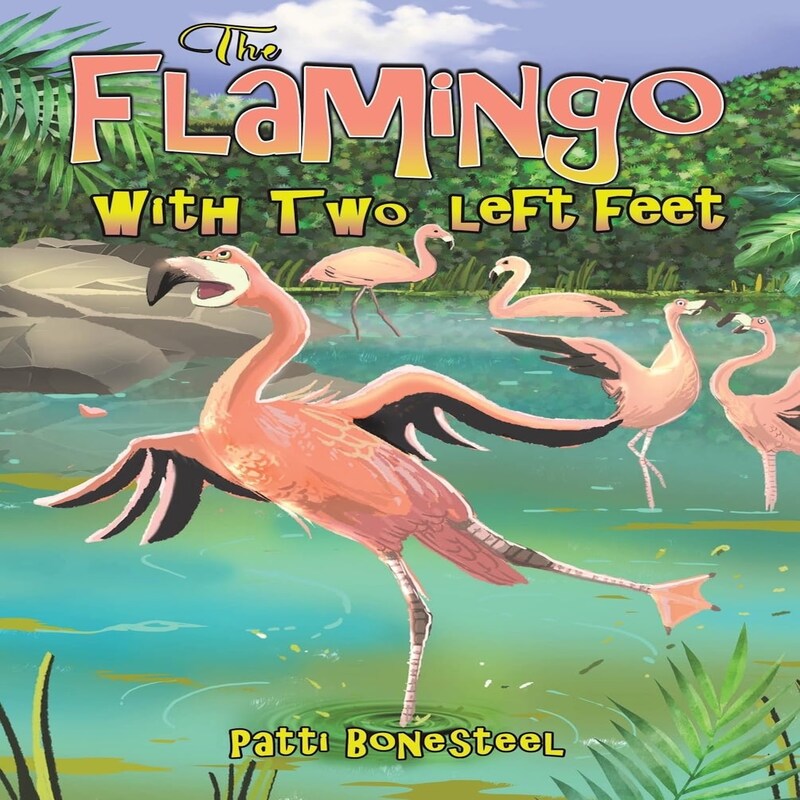
Central to our discussion is her book, "The Flamingo with Two Left Feet," which not only showcases her storytelling prowess but also emphasizes the themes of perseverance and self-acceptance.
The narrative revolves around Fernando, a flamingo grappling with self-doubt due to his unique predicament, and his eventual realization that individual differences can be celebrated rather than shunned.
We delve into the motivations behind her writing, which stem from her extensive experience as an elementary school teacher, reinforcing the notion that education can transcend traditional boundaries through literature.
Patti's commitment to crafting research-based narratives that captivate young readers while imparting valuable lessons underscores her dedication to the literary craft and her desire to inspire the next generation.
Throughout the episode, Bonesteel addresses the challenges of the publishing industry, specifically, the transition from independent publishing to hybrid models.
Patti shares practical insights on marketing her books, underscoring the significance of community involvement and personal connections in promoting her work. By participating in school visits and book talks, she cultivates relationships with her audience, which she regards as essential for a successful authorial career.
Through her narrative, she inspires aspiring authors to embrace their passion for storytelling and to remain dedicated to their craft, reinforcing the notion that children's literature can be both educational and profoundly impactful.
The conversation culminates in a reflection on the essence of success in writing, where Patti expresses that the true reward lies in the joy of seeing her books come to life and the impact they have on children.
Takeaways:
- Patti Bonesteel emphasizes the importance of research in crafting children's stories, ensuring factual accuracy and educational value.
- Her journey as a children's book author began after her retirement, motivated by a desire to continue teaching through storytelling.
- The creation of her book, 'The Flamingo with Two Left Feet', was inspired by the fascinating behaviors of flamingos, particularly their mating dances.
- Patti believes that humor and patience are essential qualities that resonate with children, helping them relate to her characters.
- She engages with her audience through school visits, where she shares her books and encourages children to participate in storytelling.
- Patti's books utilize animal perspectives to convey meaningful messages, making learning enjoyable for young readers.
Links referenced in this episode:
Companies mentioned in this episode:
- Amazon
- Barnes and Noble
- Bookside Press
- Austin McCully
Transcripts
Hi, I'm Patti Bonesteel.
Speaker A:I'm the author of six books.
Speaker A:They're fables.
Speaker A:The Flamingo with Two Left Feet, Amari's Big Surprise.
Speaker A:It's not monkey Bread.
Speaker A:We can and we do Search Barkley and Leave it to the Beavers and Ramona and Izzy.
Speaker A:I'll be here for you.
Speaker B:Thanks, Patty, for appearing on the Adventures in the Heart of Children's Book Authors podcast.
Speaker B:Patti has written, as she's mentioned six children's books and today we're going to focus on her book, Flamingo with Two Left Feet.
Speaker B:I look forward to our conversation.
Speaker B:Patti, before we jump into the details of your book, can you tell us what being a children's book author means to you?
Speaker A:Being a children's author is something that I've always wanted to do.
Speaker A:And I started out when I was reading with my kids when they were growing up.
Speaker A:And then I became an elementary school teacher.
Speaker A:I was an elementary teacher for 25 plus years.
Speaker A:When you're a teacher, you're on stage almost all the time.
Speaker A:So you are telling stories and you're getting your audience involved and you want them to be a participant.
Speaker A:So I think when I write, I want my readers to be participants in their stories.
Speaker B:Fantastic.
Speaker B:Was that the inspiration behind your books, being a teacher?
Speaker A:It was a very big inspiration.
Speaker B:Were all those words locked up inside you?
Speaker B:And did you start becoming a children's book author after you, I don't want to say, escaped the school life?
Speaker A:Teaching was actually the most enjoyable job I ever had.
Speaker A:And it wasn't an escape at all.
Speaker A:In fact, it was something that motivated me because I still wanted to teach, but I decided I would teach through my writing.
Speaker A:And my books are all research based and they're all told through the eyes of the animal and its habitat.
Speaker A:So they're all thoroughly research based.
Speaker A:And I create a story around it.
Speaker A:And I chose animals because kids love animals.
Speaker A:They love facts, they love learning facts.
Speaker A:And all you have to do is think about zoos.
Speaker A:You love taking your kids to the zoos.
Speaker A:The kids love to go to the zoos.
Speaker A:So that's why I chose the avenue.
Speaker A:I did.
Speaker B:Did you start writing your children's books while you were still active as a teacher, or did you retire and then become active in writing?
Speaker A:It's funny, when I was a teacher, I wrote a story that I never published and it was more of a fantasy type book.
Speaker A:And then when I retired, I decided, as I said, I wanted to still teach.
Speaker A:So that's why I went in the direction I did and it didn't start immediately after I retired, probably a few years after I retired.
Speaker B:What was the motivation?
Speaker B:That kind of kick started you, because you said you, it took you a couple of years to finally get yourself into gear.
Speaker B:What gave you that, that motivation to finally say, I've got to get going here?
Speaker A:I think it was after you retire, you enjoy life.
Speaker A:If I was enjoying things, doing things with my husband, going to visit children in different parts of the state, and I really miss kids and I really missed writing and I said, I'm going to do it.
Speaker B:And away you went.
Speaker A:Exactly.
Speaker B:Terrific, Patty.
Speaker B:Especially with you having six books.
Speaker B:I love to talk to children's book authors about their book business because once you create even one book, you now have a product and you need to market it, you need to sell it.
Speaker B:And if you hope it doesn't take up all of your retirement funds to keep publishing books, then I'm curious, what does your children's book business look like?
Speaker A:You're right.
Speaker A:Marketing is the hardest part.
Speaker A:Writing is the easiest part.
Speaker A:Marketing is the hardest part.
Speaker A:I think the best thing that I have done is I've done a lot of school visits and some book talks at libraries and stuff like that so people get to know you.
Speaker A:And usually they'll buy books before the book talk.
Speaker A:So that helps.
Speaker A:Getting the.
Speaker A:Getting your name out and trying to make connections wherever you can with Amy, who's made connections with me for different places.
Speaker B:Terrific.
Speaker B:When you talk about selling beforehand, do you do it yourself or does the company that Amy, your book publicist, works for, do it?
Speaker B:Do you do up a book order form that is sent to the schools both ways?
Speaker A:We do a book order sent to the schools and some kids will choose to do it that way and some parents will choose to do it that way.
Speaker A:And then other times they will just go through Amazon or Barnes and Noble to pick up the book and then bring it to the school.
Speaker B:How do you encourage them to go to Barnes and Noble or Amazon?
Speaker B:What.
Speaker B:What are you using for someone to motivate someone to buy your book?
Speaker A:On the newsletter I will write you can purchase online through Amazon, Barnes and Noble, or any of your favorite independent bookstores.
Speaker B:Okay.
Speaker B:You have your books in three different formats, ebook, soft cover, and hardcover.
Speaker B:Yes, I forgot to mention this, but I did purchase your book.
Speaker A:Thank you.
Speaker B:Oh, you're more than welcome.
Speaker B:The Flamingo with Two Left Feet.
Speaker B:So I have it on my iPad and it comes up beautifully.
Speaker B:Look at the colors.
Speaker B:Are quite distinctive.
Speaker A:Come out nice.
Speaker B:I also have your website in front of Me.
Speaker B:Talk to us about your book format.
Speaker B:So how are you using each of your book formats?
Speaker A:Basically, I decided to write research animals and I did a lot of fact finding.
Speaker A:And like, with the flamingo, I'll start with the flamingo.
Speaker B:Okay.
Speaker A:There were a lot of facts that I found out about flamingos, but the fact that I found most interesting is they dance on the water to find a mate.
Speaker A:So immediately my brain went to, what happens if a flamingo can't dance?
Speaker A:And that's how I got the title, the Flamingo with Two Left Feet and the Fable.
Speaker A:Part of it is it always takes practice and patience to get good at something.
Speaker A:There's a message in there of being yourself and not trying to be somebody else.
Speaker A:And a good sense of humor also helps.
Speaker B:Did you launch all three book formats at the same time?
Speaker A:Yes, all three bookmats were.
Speaker A:Yeah, the formats were launched at the same time.
Speaker B:Do you also use ingramsparks for all other online retailers?
Speaker A:They do, yes.
Speaker A:Especially for the independent bookstores?
Speaker A:Yes.
Speaker B:Okay.
Speaker B:I want to talk to you about your publishing approach first before we get more into the details of your book.
Speaker B:I noticed with your books you use either Bookside Press or with the flamenco with two left feet.
Speaker B:I noticed you used Austin McCallay.
Speaker A:Yeah, Austin McCully.
Speaker A:They were the first ones to accept my book and do the book.
Speaker A:And then Bookside Press approached me.
Speaker A:They liked books, the Flamingo with Two Left Feet.
Speaker A:And they.
Speaker A:I think.
Speaker A:I don't know if they actually purchased the rights or whatever, but they wanted to redo it or something like that.
Speaker A:So they made to the pictures more vibrant and stuff like that, and very great company.
Speaker A:So I went with Books I Press.
Speaker B:Okay.
Speaker B:Your original book, your first book was Flamingo with Two Left Feet.
Speaker B:And you got yourself noticed.
Speaker B:Were they a hybrid?
Speaker B:Austin Collie.
Speaker B:Were they a hybrid book publisher?
Speaker A:They were an independent book.
Speaker A:Independent.
Speaker B:Yeah, independent.
Speaker B:And then what happened was you got noticed by Bookside Press.
Speaker A:Right.
Speaker B:And then they said to you, we love your book.
Speaker B:We'd love to purchase the rights.
Speaker B:And do you have any other books in your drawer?
Speaker A:Basically, I told them that I was working on two more books, and they made me a great offer that I could work with.
Speaker A:Like you said, publishing does take money.
Speaker B:Is Bookside Press a hybrid book publisher?
Speaker B:So you have some financial obligations to them?
Speaker A:Yes, I.
Speaker A:Yes, I have financial obligations to them.
Speaker B:Like Amy, who we talked to earlier.
Speaker B:And of course, the listening audience wouldn't know this, but Patti was introduced to me by Amy West.
Speaker B:She worked for Bookside Press.
Speaker A:Yes, she Does.
Speaker A:She's a publicist.
Speaker B:Okay, terrific.
Speaker B:Terrific.
Speaker B:They help you find people like myself who have a podcast show and you to come on and promote your books.
Speaker B:I'm curious because you went from an independent book publisher to now to Bookside Press, which is more of a hybrid book publisher.
Speaker B:What was your biggest frustration in your book publishing journey?
Speaker A:Biggest frustration?
Speaker A:I think everybody that writes a book, every author wants to try to get picked up by a traditional publisher.
Speaker A:And without an agent, and it's hard.
Speaker A:And it's hard to get an agent.
Speaker A:It just takes forever because as you said, there are so many people out there writing books.
Speaker A:So I was very happy that Bookside Press has picked me up and is working with me.
Speaker A:So, yeah, there are frustrations.
Speaker B:Now, after publishing six books, does the process feel much more smooth?
Speaker A:It does feel smooth.
Speaker A:And I know they have also sent out query letters for me to maybe hopefully get me picked up by a traditional publisher, but I haven't heard anything yet.
Speaker A:But it doesn't take away the fact that I still like writing and I still want to write more books.
Speaker B:Good for you.
Speaker B:Good for you.
Speaker B:When it comes to the printing, is it strictly print on demand or how are you doing your printing for soft cover versus hardcover?
Speaker A:Okay, that's interesting because I just had to order more books, and so I called a number at Bookside Press and they told me the orders and I just ordered soft covers.
Speaker A:This time, the hardcovers don't sell as well as the soft covers.
Speaker A:I put an order in, they tell me what my price is, and then I also know what the retail price of the book is.
Speaker A:So I know how much difference there is.
Speaker A:Trying to think what else I was going to say about that.
Speaker A:I don't know if there's any difference between the hardcover and the softcover printing other than the price.
Speaker B:That includes not only the cost, but the retail price.
Speaker A:Exactly.
Speaker A:When I finished ordering the books, she told me what the price was, plus the tax, plus the shipping.
Speaker A:So it does add up.
Speaker A:But.
Speaker A:But hopefully I'll be able to sell those books.
Speaker B:You aren't using Amazon, their print on demand services?
Speaker A:No.
Speaker A:What they do is if Amazon gets some orders and that for my book, I don't know if they go through books I press or they have their own printing.
Speaker A:I'm not sure about that.
Speaker A:I know they do print books because every once in a while you'll see only four more left, more on the way.
Speaker A:I don't know who prints their books.
Speaker B:Okay, so you don't know if Bookside Press ever set up the book files on kdp, Right?
Speaker A:I don't know.
Speaker A:I think something I probably could ask.
Speaker B:Yeah, no, and that's fine, because we have two books in our book series.
Speaker B:We've got the Adventures of Caboose, the Rocky Mountain Bear.
Speaker B:And then we also have our second book, which is Hijinks from the Big Head Folk Music Festival.
Speaker B:And we had our own book formatter create the book files for us, which then I uploaded to kdp.
Speaker B:Whenever we need physical books to sell, I just order them through KDP and away we go.
Speaker B:So I know that I uploaded the files because our book formatter didn't.
Speaker B:He would.
Speaker B:But it's fairly simple.
Speaker B:Once you have the book files in your hot little hands.
Speaker B:Now that you're up to six books, talk to us about the illustration and the whole process.
Speaker B:About the illustrator.
Speaker A:My illustrator is Ira Kwok, and she is with Bookside Press.
Speaker A:She's amazing.
Speaker A:I love the pictures in the books and the illustrations.
Speaker A:And what I will do is break down the story.
Speaker A:They'll tell me how many illustrations?
Speaker A:Like 10 illustrations, and then plus the COVID And then I divide up the story and say, okay, I think this would be a great spot for an illustration.
Speaker A:And what I'm picturing in my head, what it would look like.
Speaker A:So I write down what I think it would look like, and I give her some ideas.
Speaker A:First of all, she sends me the COVID illustration.
Speaker A:And does it look right?
Speaker A:What do you want me to change?
Speaker A:And if I need to change anything, she's amazing.
Speaker A:Like the flamingo with two left feet.
Speaker A:The flamingo in the back of the book where they had the baby, Philippe was pink, and the babies are grayish white.
Speaker A:And so I had to have them change that.
Speaker A:And right away they changed it.
Speaker A:And like on the elephant, she didn't have tusks.
Speaker A:On all the elephants and the Savannah elephants, they all have tusks, whether they're male or female.
Speaker A:And she put in the tusk.
Speaker A:So it's a very nice cooperation that I have with Ira.
Speaker A:She's eager to please.
Speaker A:And I gotta tell you, her illustrations make my stories come to life.
Speaker B:Yes.
Speaker B:With an illustrator, it's more of a partnership.
Speaker A:It is.
Speaker B:And when I listen to you talk about your illustrator, the one thing I've found with almost every single children's book author that I've talked to, I'm around 100 children's book authors, is that I find once they have a relationship with their illustrator, it's hard to let go.
Speaker B:It is, for sure.
Speaker B:It's a neat relationship that you have through Bookside Press and Aira, Because I've talked to some children's book authors who definitely go through a hybrid publishing company, but a lot of times they're never quite sure who their illustrator is when it's in house.
Speaker B:So it's nice for you.
Speaker B:Just so you know, that's a very special relationship.
Speaker A:Yeah.
Speaker A:In fact, when I did some more books, they said, do you want the same illustrator?
Speaker A:I said, absolutely.
Speaker B:And the nice thing about it is she's been able to capture.
Speaker B:Because not every book.
Speaker B:Do you want the illustrations to be exactly the same and because your story kind of drives the illustrations, Right?
Speaker A:Absolutely.
Speaker A:Absolutely.
Speaker A:Like with the last one, Ramona and Izzy, I'll be here for you.
Speaker A:It takes place in the Costa Rican jungle, and she did an amazing job of having the sunlight come through the cecropia leaves on the tree.
Speaker A:It was absolutely perfect.
Speaker B:Obviously, she loves working with you, too, because to put that much into it, Illustrator is just fantastic.
Speaker B:And we've been fortunate, too, because with our two children's books, and it's a book series, we have the same illustrator.
Speaker B:The beautiful thing about it is all our stories take place in the Rocky Mountains and the animals themselves, I make sure that they are animals that actually inhabit the Rocky Mountains.
Speaker A:Absolutely.
Speaker B:Very important to me.
Speaker B:Now, you might say, but they're illustrations of, like, they're almost cartoonish.
Speaker B:That's true.
Speaker B:But.
Speaker B:But there's book.
Speaker B:But there are children's book.
Speaker B:But they're also animals that are conducive to the area, and that was important for us, so.
Speaker A:Exactly.
Speaker B:It's nice to have an illustrator that will work with you to make that happen and understands your motivation.
Speaker B:I also am interested in talking to you about your website.
Speaker B:I love the name of your website, so tell everybody the name of your website.
Speaker A:Fablesbypattibonesteel.com Fantastic.
Speaker B:And Fables.
Speaker B:You're the first children's book author that I've talked to that has.
Speaker B:Now you've incorporated your own name into your website.
Speaker B:But the beautiful thing about it is I've never had someone who's a children's book author use the word fables.
Speaker B:So tell us, what motivated you to use the word fables in your website?
Speaker A:I'll tell you.
Speaker A:I have to thank Kevin Miles from Bookside Press, who's really got me going into Bookside Press.
Speaker A:And when we were talking about the website, we were bouncing around all different kinds of ideas, and he said, your books really are told through the eyes of the animal.
Speaker A:He said, they're fables And I said, they are fables because there is a good message there too.
Speaker A:So he came up with, how About Fables by penbonesteel.com I said, sounds good to me.
Speaker B:Yeah, no, tell Kevin, great idea.
Speaker A:Told him a few times.
Speaker B:Okay, awesome.
Speaker B:We're both on the same children's book page now.
Speaker B:I looked at your social media and I believe you're on Facebook, Instagram and LinkedIn.
Speaker A:Uh huh.
Speaker B:The one thing I'm curious, I noticed when I went through your website, I couldn't find your social media links on your website.
Speaker B:And that got me thinking.
Speaker B:Yeah, that was what I said.
Speaker A:Ah, hey, Patty, that's not there, but maybe, maybe something's not working.
Speaker A:It's.
Speaker A:It shows the link.
Speaker A:Okay, thank you for letting me know that.
Speaker B:So normally when, because you know what happens?
Speaker B:The show notes, I always go and I grab the links off of your website and I put them into the show notes.
Speaker B:When I normally go to a children's book author's website, they have the icons of Instagram, Facebook, LinkedIn.
Speaker B:I just click on it and then I'm able to grab the link and I thought, okay, where's the icons for Patti's social media?
Speaker B:I'm just sharing that with you because.
Speaker A:It's part of it on my page.
Speaker A:But I haven't looked on somebody else's computer.
Speaker A:That's maybe it's not linked.
Speaker A:I have to check my husband's computer later and see.
Speaker B:Yeah, because you know what, I've got your website right in front of me and when I scroll it, I go all the way.
Speaker B:Normally you go all the way to the bottom.
Speaker B:And if I go all the way to the bottom on yours, of course it has your copyright and it says powered by and then it has Connect with us and that last page, usually in that bottom footer.
Speaker A:Okay.
Speaker B:All your social media links, there's nothing there anyway, I share that out.
Speaker B:I share that with not only you, but anyone who's a children's book author.
Speaker B:Make sure your links are there for sure because Absolutely.
Speaker B:It's a big part of it.
Speaker B:That leads me to my next question.
Speaker B:How are you using your social media links to help you drive book sales?
Speaker A:Okay.
Speaker A:A lot of times I lately, through Amy and Jake Coleman, through Bookside Press, they've had some ideas and I put them onto social media.
Speaker A:Whether it's tips for writing for children or whether it's my books and some of the facts about the interesting animals or some of the fables that the animals represent, I put those onto Facebook and LinkedIn.
Speaker A:And I also create little tiny videos myself by taking pictures from the illustrator and putting them into little videos and talking through it.
Speaker A:So it's like a promotion for a book.
Speaker B:Okay, terrific.
Speaker B:Terrific.
Speaker B:I would like to dig a little deeper into LinkedIn because I find with most children's book authors, they're very good at.
Speaker B:Depending on how old they are, they're very good either with Facebook or if they're a little younger, they tend to go with Instagram.
Speaker B:And.
Speaker B:But I noticed, I would say only 10% of the children's book authors that I've talked to actually use LinkedIn.
Speaker B:And I think most of them think it's a business social media platform, and that's why they've stayed away from it.
Speaker B:So tell us how you're using LinkedIn to promote your books.
Speaker A:Basically, the same way that I do with Facebook is I make up little videos and put them on and people will recognize them.
Speaker A:And then hopefully go to my website, because I will put down on there fablesbypattybonesteel.com and also tell them that you can go to Amazon Online or Barnes and Noble Online.
Speaker A:I also know that there are LinkedIn ads, and they've tried to get me to do that, and I haven't gone that far yet because, like you said, everything costs money right now.
Speaker A:And, yes, I got to figure out exactly where I'm going to do it.
Speaker A:Like just purchasing some books the other day.
Speaker B:With LinkedIn, are you strategically joining different groups?
Speaker A:Yes, children's authors and writers, books publishers, and there's a couple other ones.
Speaker A:They have writing groups.
Speaker B:Yeah, the one I would recommend you look at joining, because a lot of times what we find is we're all joining these groups that are, you know, authors or illustrators, but then we're in the same pond with the same purpose.
Speaker B:But I find that a lot of children's book authors now, especially with you having a teaching background, are starting to create curriculum to support their book.
Speaker B:And now they're joining groups like principals and teachers groups on LinkedIn.
Speaker B:They're actually going right to the educator to talk to them.
Speaker A:That makes sense.
Speaker B:I think it does.
Speaker B:And you know what?
Speaker B:I learned that from my guests coming on.
Speaker B:I would recommend that you look at speaking to educators, especially that you have the voice of an educator.
Speaker B:I would also suggest that from what I'm hearing from other teachers that are currently children's book authors or retired teachers is they're building out a curriculum to support their books.
Speaker B:And that just gives you an extra feat, added bonus or added value.
Speaker B:I just Share that with you.
Speaker A:That's great.
Speaker A:Thank you.
Speaker B:You're more than welcome.
Speaker B:I want to take you back a bit and I want to know your motivation.
Speaker B:Was there a specific event or person that triggered you, even if it was 25 years ago, to ultimately want to become a children's book authority, can you think of that person or event that triggered that?
Speaker A:I don't think there was one particular event.
Speaker A:I just really enjoyed reading to my kids as they were growing up, sharing stories with the students in school.
Speaker A:And I remember one specific time I was reading to my daughter.
Speaker A:I wasn't teaching yet, and she was in kindergarten and it was only half day kindergarten.
Speaker A:She was in the afternoon, she was sitting on me next to the couch and I was reading to her.
Speaker A:And all of a sudden she said, I know what those poles are for.
Speaker A:She's looking outside the living room window.
Speaker A:I said, you do know what those poles are for?
Speaker A:And she said, yes, they're to hold up the sky.
Speaker A:And from her point and her, those poles were to hold up the sky.
Speaker A:And I said, that imagination and that perspective, that's what children do.
Speaker A:And I think that's why I decided I really want to write for kids.
Speaker B:It's amazing.
Speaker B:It's something as simple as that.
Speaker B:You got me thinking.
Speaker B:As you were talking about as a parent and a teacher and you talked about reading to both your children and your students, how did you choose the books to read to them?
Speaker A:Sometimes just from what you hear from other parents in schools, there's a variety of books, sometimes a kid's interest.
Speaker A:My one daughter was a gymnast.
Speaker A:So picking up little books like that, or even younger.
Speaker A:The kids always liked animals.
Speaker A:And maybe that's why I started writing about animals too.
Speaker A:I don't know.
Speaker A:You think about it when you put a video on in science class even, and it's animal related, you don't hear sound from any kid.
Speaker A:They're all watching that video.
Speaker A:Going towards interest of the kid is how I picked up a book.
Speaker A:And depending on the age too.
Speaker A:Because when I taught sixth grade and fourth grade, it was a lot different than teaching second and third grade.
Speaker B:And the books that you read to your class, classroom, or your own children, were they primarily animal focused?
Speaker A:A lot of them were okay.
Speaker A:In fact, the one book that really stuck with me when I was teaching sixth grade, the one and only Ivan, just touched my soul about this gorilla that was in a cage.
Speaker A:And it just sparked so much interest in me.
Speaker A:I don't know.
Speaker A:I think, yeah, they're probably a lot.
Speaker B:Of animal book thank you for sharing that.
Speaker B:Let's talk about your book, the Flamingo with Two Left Feet.
Speaker B:Tell us about the two main characters, Fernando and Felicity, and talk to us about the character development.
Speaker A:Okay.
Speaker A:Fernando is the flamingo with two left feet.
Speaker A:He comes into the house, he's walking in, and he's looking down at his feet.
Speaker A:He's so upset, and he starts screaming, no flamingo will ever choose me.
Speaker A:And his mother just looks at him and she said, what are you talking about?
Speaker A:And she said, I can't dance.
Speaker A:I have two left seats.
Speaker A:She said, oh, that's in your head.
Speaker A:And he goes, now there's something wrong with my head.
Speaker A:And she says, no, in your head.
Speaker A:So she tells him that just go and practice, practice, practice.
Speaker A:And so he goes out and he starts watching all the other flamingos.
Speaker A:They're dancing, and they're dancing beautifully, and they're lifting their legs, they're flapping their wings, and he can't do any of that.
Speaker A:So finally he decides, okay.
Speaker A:So he moves over into a secluded part of the pond, and he's starting to dance.
Speaker A:He lifts one leg and lifts another leg, but he goes, I need more than that.
Speaker A:He says, I have to have some fancy moves.
Speaker A:Because in my research, I found out that the flamingos with more expressive moves, the brighter colors, they are chosen.
Speaker A:So he says, I need some fancy moves.
Speaker A:So he starts once a fancy moves, and he's feeling pretty good about himself.
Speaker A:But then he falls face first into the water, and he gets himself up, and he walks with his head down towards the shore.
Speaker A:And there are some other flamingos on the shore, and they start making fun of him and bullying him.
Speaker A:There's two left feet, Fernando, no flamingo is ever going to choose you.
Speaker A:And he's feeling really bad about himself.
Speaker A:His mom comes in and she says, well, Fernando, you should be so proud of yourself.
Speaker A:He said, you did see me fall, right?
Speaker A:The other guys did.
Speaker A:And she said, don't worry about them.
Speaker A:Just keep practicing.
Speaker A:He practices some more, and he's really good now.
Speaker A:So he decides he needs more pink in his feathers.
Speaker A:In the research, they eat more shrimp and plankton.
Speaker A:These feathers are getting better.
Speaker A:Comes to the big day.
Speaker A:His mother's there ready to cheer him on.
Speaker A:She says, you should be so proud of yourself, Fernando.
Speaker A:You've worked really hard.
Speaker A:All you can do is just do your best.
Speaker A:Nobody can ask for more than your best, right?
Speaker A:He goes out and he's dancing, and all of a sudden he trips and falls.
Speaker A:And his colors get a little bit more brighter because he's embarrassed.
Speaker A:That catches the eye of Felicia.
Speaker A:And Felicia flies over and she says, I choose you.
Speaker A:And he goes, why would you choose me?
Speaker A:And she said, you were the biggest splash on the dance floor.
Speaker A:And he said, oh, so you could say I fell for you.
Speaker A:And they may have went on to build their little mud mound nest, which is researched, and they laid their one egg.
Speaker A:They both took turns sitting on it.
Speaker A:And 30 days later, they have a son, Felipe, and he's dancing with Felicia and Felipe a couple weeks later.
Speaker A:And he said, not too bad for flamingo with two left feet.
Speaker B:I love what you've done in terms of research and spinning that into a children's book.
Speaker A:Yeah.
Speaker B:Talk to us about how you had this interest in flamingos.
Speaker B:But how did you come up with your theme?
Speaker B:Like, what drove the theme theme from your research?
Speaker A:Like I said, there were so many facts and the most important fact or the most interesting fact.
Speaker A:I won't say it's the most important fact.
Speaker A:The most interesting fact was that they dance on the water to find a mate.
Speaker A:So I looked up videos.
Speaker A:I actually looked up videos and I'm watching flamingos dance on the water.
Speaker A:I said, this is really cool.
Speaker A:And that's what was the drive behind it.
Speaker A:And when you're raising kids, and even as adults, we feel self conscious from one time or another, so that's something that you try to help kids through and get yourself through sometimes.
Speaker A:That was the focus of that story,.
Speaker B:And that led to just explain the central lesson or theme.
Speaker A:Theme, an encouraging parent that's there to help the child.
Speaker A:And the fact that it does take practice to get to do something well.
Speaker A:And you may not ever reach perfection, but you're doing the best that you can.
Speaker A:Also, the fact that Fernando has a little sense of humor, that helps him too.
Speaker B:Humor helps, that's for sure.
Speaker B:Now that you're a prolific writer, you're up to six children's books, which is phenomenal.
Speaker B:Can you share some of your insights into your developmental process and your writing process for your children's books?
Speaker B:How do you go about doing all this?
Speaker A:Okay, the first important thing for me, since I want my books to be factual, is that I have to do a lot of research.
Speaker A:And when I'm researching something, that leads me to another point is to research.
Speaker A:And I'm constantly researching facts.
Speaker A:And then when I put the facts down, then I tried to decide what is the most important fact that I want a child to learn and to get from this story.
Speaker A:For example, Amare, big surprise.
Speaker A:It's not Monkey bread.
Speaker A:I found out that monkey bread, because I always said monkey bread is a pull apart dough.
Speaker A:So monkey bread is actually the fruit of the baobab tree.
Speaker A:So then I had to look up the baobab tree.
Speaker A:Then I find out it's the tree of life, that monkeys eat it.
Speaker A:That's why they call it monkey bread.
Speaker A:But the elephants eat the fruit and they also scrape at the trunk to get water in the dry season.
Speaker A:And the people in the village use it for food and medicine.
Speaker A:Okay, that's something I want to put into the book.
Speaker A:The elephants are a matriarchal society.
Speaker A:Amari, she loves spending time with her mom.
Speaker A:She loves the little surprises.
Speaker A:She likes the figs, the mangoes, which I researched her fruits and elephants eat.
Speaker A:And she said, but mom said, it's going to be a big surprise.
Speaker A:It must be monkey bread because that's one of the elephant's favorite fruits.
Speaker A:Then her mother tells her that you're going to be a big sister.
Speaker A:And she goes, I'd rather have the monkey bread.
Speaker A:I don't want to be a big sister.
Speaker A:And the mother's concerned.
Speaker A:She said, why?
Speaker A:She said, because you won't have time for me.
Speaker A:It's one of those things where the mother will take her around the water hole and talk about the family and how they were there for her.
Speaker A:And basically the theme in that one is the sweetest gift is a loving family.
Speaker B:And I love how you're so visual with your words.
Speaker B:So I can see the savannah.
Speaker B:I can see Costa Rica.
Speaker B:I'm curious, have you just gone there in your creative mind or have you actually visited these places?
Speaker A:I've actually gone there.
Speaker A:My creative mind is all.
Speaker A:That's it.
Speaker B:Is it motivating you to someday do and go visit?
Speaker A:I would like to go to Costa Rica to find those sloths.
Speaker A:I really would.
Speaker A:I don't know about Africa yet, but Costa Rica to find the sloths, that'd be cool.
Speaker A:When I do the research though, I will find videos of those places so that I can learn more.
Speaker B:Very important.
Speaker B:Thank you for sharing that.
Speaker B:Because that's one of the questions I do talk about, is how much research have you done behind your books?
Speaker B:And you have definitely got a firm focus on making sure that the research behind your books deliver that message exactly.
Speaker A:And my husband tells me that I can wipe up on Jeopardy in the animal category.
Speaker B:I want to take you on a little journey in your mind.
Speaker B:So we're not going to the savannah.
Speaker B:I want you to think about when you wrote your first book, what did success look like to you for your first book?
Speaker B:How did you envision success?
Speaker A:I guess when I had the book in my hand and I saw the words and the pictures together, I thought that was pretty cool.
Speaker A:And I thought it was a success.
Speaker A:It wasn't like a bestseller or anything like that, or it wasn't with a traditional publisher, but to me, it was successful.
Speaker A:I was able to put those words on a page, get somebody to illustrate it, and I was able to get it into the hands of a few children.
Speaker A:And that made me feel Good.
Speaker B:Patti, over 90% of the children's book authors I talk to, that's exactly their motivation.
Speaker B:And that was our motivation when I co wrote our first book with my oldest granddaughter.
Speaker B:I mean, my name and her name are on the front cover as co authors.
Speaker B:And that was the whole thing for us, was just holding the book that we had written.
Speaker B:And we had.
Speaker B:We had a vision of what our main character, Caboose, should look like when all of that came to life and we were able to have it in our hands and flip through the pages, that was pretty successful in our minds.
Speaker A:Now she continuing with her writing.
Speaker B:Yes.
Speaker B:And she's helped me.
Speaker B:It's interesting as children.
Speaker B:And when I started this whole thing with my granddaughter, she and I had done all these adventures in the Rocky Mountains, and we did dog sledding, we did skiing, we did horseback riding in the winter, which needed special horseshoes.
Speaker B:So all of that kind of stuff that triggered her sanctions.
Speaker B:And I had.
Speaker B:By that time it was all smartphones.
Speaker B:Right.
Speaker B:You just took pictures with your smartphone.
Speaker B:We always had four to six pictures of these adventures.
Speaker B:And she said, papa, instead of just looking at the pictures, could we maybe develop some stories?
Speaker B:And so we wrote our first story.
Speaker B:But what was amazing is after we wrote our first story, she said, can we write down the titles to all the other adventures?
Speaker B:We actually wrote the book titles to about 25 stories before we wrote the next story.
Speaker A:Oh, that's awesome.
Speaker B:Yeah, that was her whole idea.
Speaker B:So that's great.
Speaker B:Pretty brilliant.
Speaker B:And now I have five grandchildren and they've all helped be co authors and they've narrated about half of our books.
Speaker A:Because we don't have so special.
Speaker B:Yeah, we don't have them in print yet because as Patty, it's not inexpensive to publish a book, so.
Speaker A:No, it's not.
Speaker B:But if I can capture their young voices and get them narrated, then down the road someday, if we publish those stories, we have their young voices to help.
Speaker A:Oh, that's so nice.
Speaker B:Yeah.
Speaker B:Thank you.
Speaker B:Thank you now, I want to bring you forward to now, because now you're on your sixth book.
Speaker B:Talk to us about what success looks like to you now when you bring a book to market.
Speaker A:Each time I get a new book again with the words and the illustrations, it's still like a new gift to me, and it's still special.
Speaker A:But the fact that there are six books right now, and I'm working on a seventh, but the six books, and I can take them to a school and talk about the books.
Speaker A:Recently, I was at a school a couple Fridays ago and I was pre K through fourth grade.
Speaker A:I did five different books and they all had great questions and were all eager to learn something about the different animals.
Speaker A:And that makes you feel good.
Speaker B:Absolutely.
Speaker B:I went and did a book reading to my youngest grandson's class, but it was grade fives.
Speaker B:And what was interesting is they were more interested in after we read the story because they.
Speaker B:They were a little older than our age category, but they were more interested in the whole development of a children's book.
Speaker B:A lot of them loved the illustration side of it, and they didn't realize until we started talking how important illustrators are.
Speaker B:So it's just incredible the way children's minds work.
Speaker A:Yeah.
Speaker A:When you are with the older kids, they are more interested in developing their own stories, and they do ask questions about writing, and you have to talk about word choice and character development.
Speaker A:And they are really into that because a lot of these kids have things that they want to write.
Speaker B:Absolutely.
Speaker B:And they're also excellent proofreaders.
Speaker B:Because when you do an audiobook and your grandchild is reading it and says to you, papa, you can't use this word.
Speaker B:It's too hard.
Speaker B:Yeah.
Speaker B:So you know what?
Speaker A:Yeah.
Speaker B:When you've got the audience that you're writing for, being the editor.
Speaker B:So I suggest to moms who have a younger family, use your children as your editors.
Speaker A:Absolutely.
Speaker A:And that when you're doing children's books, you write shorter sentences.
Speaker A:It doesn't mean you can't use more expressive words and throw in a vocabulary word once in a while so that they can learn.
Speaker A:But you do have to remember your audience.
Speaker B:Absolutely.
Speaker B:Now that you're a seasoned children's book author, I want to talk to you about the role of writing in your life.
Speaker B:Can you tell us what being a children's book author means in the grand scheme of things in your life?
Speaker A:Now, I know it's rewarding, maybe not monetarily.
Speaker A:Emotionally, it's wonderful.
Speaker A:And it's like a legacy now that it's something that I can pass down to my children and to my grandchildren.
Speaker A:Something that they can say, hey, grandma wrote this, my mother wrote this, and it means something.
Speaker A:And I guess for me too, since my books are research based, I'm constantly learning which I think is good for my mind.
Speaker A:And also being older.
Speaker A:When I started writing after retiring, I got this mantra that I use from CS Lewis.
Speaker A:You're never too old to start something new or dream a new dream.
Speaker A:And that's what mine is.
Speaker A:It's a dream that I'm writing.
Speaker B:Nice.
Speaker B:How does writing fit into your life?
Speaker B:Because we know you've mentioned you've got another book coming, so talk to us about that.
Speaker A:Writing fits into my life.
Speaker A:Somebody asked me, when's your best time to write?
Speaker A:Do you write in the morning or do you write at night?
Speaker A:And I said, my brain works, like, all day.
Speaker A:My mind doesn't shut off and my husband tries to shut it off before we go to bed.
Speaker A:I'm constantly thinking of what to do next.
Speaker A:And I enjoy it.
Speaker A:I guess I just like to keep on writing.
Speaker B:And it's interesting, Patty, you should say that, because I've had people tell me they've woken up in the middle of the night and dictated a complete book into their smartphone.
Speaker B:I've talked to mothers who have dropped their children off at school, and as they're driving home, they've got this idea for a book and they have to pull over to the side of the road, either dictated or write it down or whatever.
Speaker B:You're right.
Speaker B:It's that inspiration.
Speaker B:And you just never know when it strikes exactly.
Speaker A:I was going one way from my seventh book.
Speaker A:I was thinking about a squirrel and a chipmunk, maybe because they're running around our backyard all the time.
Speaker A:But I was thinking about something, you know, that.
Speaker A:And they're both from the same family.
Speaker A:And then I thought, okay, I'll name the squirrel Sherlock and the chipmunk Watson.
Speaker A:Sherlock O. Watson.
Speaker A:And the food stash is being stolen.
Speaker A:They have to try to figure out it's getting into the chipmunks burrow.
Speaker A:But then I got to the point where I said, okay, it's cute, but I really don't know where I'm actually going with this.
Speaker A:So then I'm going with the sea otter now.
Speaker A:But it's everything.
Speaker A:Like, your mind is constantly changing.
Speaker A:You're constantly thinking of something else until you find something that works.
Speaker A:When I thought of the sea otter, I started doing research and I go, oh, my gosh.
Speaker A:And I started writing things down and it came together so much quicker than the squirrel and the chipmunk.
Speaker A:I think that's where I'm going next.
Speaker B:And you know what?
Speaker B:Can you abandon the idea?
Speaker A:No.
Speaker B:Said decide and maybe something triggers you.
Speaker A:And I'm back to the squirrel.
Speaker B:Yep.
Speaker B:Absolutely.
Speaker B:Advice for Aspiring Authors what advice would you give someone who's trying to get started?
Speaker A:Keep writing.
Speaker A:Be patient.
Speaker A:Have people read your work and give you advice and be ready to accept advice.
Speaker A:If you enjoy writing, keep writing.
Speaker A:Enjoy it.
Speaker B:Excellent.
Speaker B:And what keeps you going as a children's book authority?
Speaker A:Because I love children and I love to see them learn and I love to see them have fun.
Speaker A:I think children learn better when they are being entertained.
Speaker A:And I think that's why I write my books in a creative way.
Speaker A:They're picking up the facts and they're picking up messages at the same time, especially when they're reading them with a parent or a educator.
Speaker A:And then you get into the facts and then you find out more facts and then it leads to more discussions and discoveries.
Speaker B:That's terrific encouragement for readers.
Speaker B:Why should children's book readers purchase your.
Speaker A:Book if they like learning and they like having fun?
Speaker A:I think my books are a good fit.
Speaker A:They have good messages in them, but the facts are there and they're hubris, too.
Speaker B:Your books are available on Amazon.
Speaker B:They're available on Barnes and Noble.
Speaker B:Where else are they available?
Speaker A:Any independent bookstore.
Speaker B:Okay.
Speaker B:Terrific.
Speaker B:Terrific.
Speaker B:Patty, final thoughts.
Speaker B:Is there something you'd like to share that you might have said?
Speaker B:Geez, I wish Rick would ask me that question.
Speaker B:Final thoughts?
Speaker A:I can't think of anything.
Speaker A:You've done a great job researching and thank you very in depth questions.
Speaker A:I enjoyed this.
Speaker B:Patti, thank you so much for being a guest on the Adventures in the Heart of Children's Book Authors podcast.
Speaker B:Your generosity of time and insights will significantly benefit aspiring authors and readers, and we promise to provide our audience with links to Patti's social media, her website, and her books.
Speaker B:And if you've enjoyed this episode, please hit the subscribe button to listen to our future episodes.
Speaker B:And feel free to share this episode with anyone inspired by or who enjoys hearing about Patti and her children's book, the Flamingo with Two Left Feet.
Speaker B:Thank you, Patty.
Speaker A:Thank you so much for having me.


