Shownotes
My guest today is legendary, bestselling author Steven Pressfield, who's known for his work on creativity, self-discipline, and how to overcome the inner force of what he calls, "capital R" - Resistance.
He’s written 25 books including the wildly popular - The War of Art, Turning Pro, Do The Work, and Put Your Ass Where Your Heart Wants to Be - which have influenced tons of successful writers, thinkers, artists and entrepreneurs - including Ryan Holiday and Rich Roll.
Steven wrote for 27 years before his first novel The Legend of Bagger Vance got published and made into a Robert Redford film starring Matt Damon and Will Smith. He’s also written a memoir Gov Cheese and many historical novels like, A Man at Arms, Gates of Fire, and his latest, The Arcadian!
I’ve been reading and recommending his work for years, so to have him on the show felt like such a full-circle, meant-to-be moment!
Here’s some of what Steven and I dive into in this episode:
Resistance (with a capital R):
That invisible, diabolical force that shows up every time you try to write the book, record the podcast, go to the gym, leave the job, or step toward your calling.
“Resistance will kill you”:
Steven shares why not following your creative or spiritual calling doesn’t just make you uncomfortable… it can slowly kill your spirit, your self‑trust, and your life-force.
Self‑Discipline & Ritual:
We talk about why discipline gets such a bad rap, how it actually becomes an act of self‑love, and what it looks like in real life to “put your ass where your heart wants to be.”
Art as a Spiritual Practice:
Steve and I dig into the idea that we’re spiritual beings in a messy, beautiful, often painful world – and how making art (in any form) is one of the most powerful ways we can respond to and answer that.
His new book, The Arcadian:
He shares the 40‑year journey behind this story, karma, warriors, and what it costs a soul to live a life of violence… and try to find redemption.
I also share a bit about my own writing journey with my memoir, and how bumping up against Resistance has pushed me deeper into my spiritual practice and creative life.
This episode is for you if:
📌 You’re a writer, artist, entrepreneur, or big-hearted human with a dream
📌 You keep saying, “I’ll start tomorrow” (and tomorrow never quite seems to come)
📌 You feel called to something more, but resistance, fear, and self‑doubt keep tripping you up
If that’s you, I think this conversation will feel like both a loving hug and a gentle kick in the pants. ❤️
CONNECT WITH STEVEN:
KAREN KENNEY BIO:
Karen Kenney is a writer, speaker, podcaster, certified spiritual mentor, and coach.
She’s known for her dynamic storytelling, her sense of humor, her Boston accent, and her no-bullshit approach to spirituality, self-development, and transformational change work.
Karen helps people to navigate this whole “being human” experience using a variety of practical tools, personal stories, and universal principles.
She's been a yoga teacher for 25+ years, has been a Thai Yoga Massage practitioner since 2008.
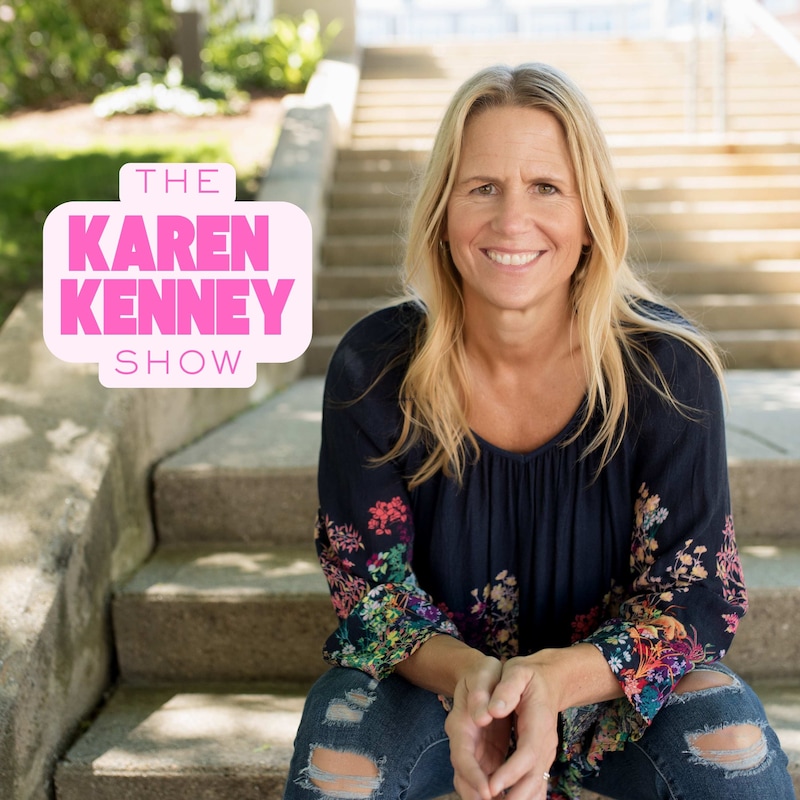
She's also a Gateless Writing Instructor, the creator of WRITE CLUB , and the host of The Karen Kenney Show podcast.
She coaches clients individually in her 1-to-1 program: THE QUEST and in her HEART-TO-HEART DAYS using Voxer. She also leads a group program and community called THE NEST.
CONNECT WITH KAREN:
Website: http://karenkenney.com/
Podcast: https://www.karenkenney.com/podcast
Facebook: https://www.facebook.com/karenkenneylive/
Instagram: https://www.instagram.com/karenkenneylive/
YouTube: https://www.youtube.com/@KarenKenney
Transcripts
It's the Karen Kenney show. Oh my God, you
Karen Kenney:guys. Okay, so I'm still coming down from the high. I just got
Karen Kenney:to be honest with you. I just had a conversation with somebody
Karen Kenney:I have been dying to share with you guys for so long, and he's
Karen Kenney:one of my literary heroes. He's he's a writer who I I just
Karen Kenney:admire and respect and love. And I was lucky enough to have a
Karen Kenney:private conversation with him last year. But I've been wanting
Karen Kenney:to talk to him and have him on the podcast, and I was just so
Karen Kenney:grateful that he said yes so that I could share him with all
Karen Kenney:of you. Now, some of you probably know who Stephen
Karen Kenney:Pressfield already is, but in case you don't, I think one of
Karen Kenney:the ways that a lot of people know who he is is from this book
Karen Kenney:here, The War of Art. Right, but he's written 25 books. You guys,
Karen Kenney:he had his first success not until he was like 52, and he
Karen Kenney:wrote this book, which many of you may know as a movie, called
Karen Kenney:The Legend of Bagavants. So I'm holding up the book right now,
Karen Kenney:The Legend of Bagavants, and it had Matt Damon in it. Shout out
Karen Kenney:to the Boston Boys. Had Matt Damon in it and Will Smith, and
Karen Kenney:it's a powerful allegory. It's an incredible story. So this was
Karen Kenney:his first novel that he got published. Not until he was like
Karen Kenney:52. He's had a 50-year writing career, and he has written 25
Karen Kenney:books, 12 novels, eight books on what I would call creative
Karen Kenney:resilience, creative discipline writing, and also a memoir, and
Karen Kenney:then three nonfiction books. I have them all here. Like I said,
Karen Kenney:I'm sure you've seen or heard of many of them. The War of Art,
Karen Kenney:right? The Artist's Journey, Put Your Ass where Your Heart Wants
Karen Kenney:to Be, The Authentic Swing, Turning Pro, Do the Work, right?
Karen Kenney:Nobody wants to read your shit, which totally makes me laugh
Karen Kenney:every time I see it. And the Daily Press field. Okay, but his
Karen Kenney:work is inspired, like other incredible artists and writers,
Karen Kenney:like Ryan Holiday and Rich Roll. If you've heard of the Rich Roll
Karen Kenney:podcast, Stephen has been instrumental in helping so many
Karen Kenney:creatives, so many artists, so many entrepreneurs to like
Karen Kenney:buckle down and do the work and push back against what he calls
Karen Kenney:capital I resistance. So in our conversation today, we talk
Karen Kenney:about his new book, The Arcadian. I'm going to hold that
Karen Kenney:sucker up too. We talk about his new book, The Arcadian. We talk
Karen Kenney:all about resistance. We talk about resiliency. We talk about
Karen Kenney:ritual. We talk about so many things that I think everybody,
Karen Kenney:everybody, whether you're a writer or a creative or not, is
Karen Kenney:going to find helpful, and that you're going to be able to apply
Karen Kenney:to your own life. He is such a fantastic person. He's wise.
Karen Kenney:He's entertaining. He's lovely, and I think you're going to walk
Karen Kenney:away from this. You know, loving him is-I don't know if maybe as
Karen Kenney:much as I do, but you're certainly going to get curious
Karen Kenney:about him. I don't know how you couldn't. And one part of the
Karen Kenney:conversation that like really stands out is we talk about this
Karen Kenney:concept that he says where resistance will kill you,
Karen Kenney:resistance will kill you, and I hope just that line alone makes
Karen Kenney:you curious enough to tune in to find out more about what he has
Karen Kenney:to say about that because every single one of us has bumped up
Karen Kenney:against resistance somewhere in our life, whether it's resisting
Karen Kenney:having the difficult conversation, resisting having
Karen Kenney:to speak your truth or use your voice, resisting sitting your
Karen Kenney:ass in the chair to write that book, resisting leaving the job
Karen Kenney:and really starting the business that you want to do, resisting
Karen Kenney:your calling, and if we don't resist our calling. There, if we
Karen Kenney:do resist our calling, I should say there are consequences. This
Karen Kenney:is an amazing conversation, like 60 minutes. It's jam packed,
Karen Kenney:full of so much goodness, and I hope, like from my heart, from
Karen Kenney:my heart to your heart, I hope you enjoy this conversation as
Karen Kenney:much as I had having it. Let me know what you think. Please
Karen Kenney:share this with people as well. I think it's a conversation that
Karen Kenney:is going to be helpful.
Karen Kenney:Like I said, to a lot of people, and just thank you so much for
Karen Kenney:being here and thank you for tuning in. Hey, you guys!
Karen Kenney:Welcome to the Karen Kenney Show. I am out of my mind wicked
Karen Kenney:excited to be bringing this very special guest, I was already
Karen Kenney:telling Stephen before we started recording what a treat
Karen Kenney:this is for me, and you guys know I love you out there at
Karen Kenney:home too. But this sucker is also for me in my hat because
Karen Kenney:I've been wanting to talk to him for a really long time. So
Karen Kenney:Stephen Pressfield, welcome. To the Karen Kenney show.
Unknown:Thanks for having me, Karen. I'm delighted to be here.
Karen Kenney:I'm so excited to have you, and I could talk. I
Karen Kenney:already know. Like we've got about an hour together. I know I
Karen Kenney:could talk to you for hours because I have so many things
Karen Kenney:that not only do I want to say, but I want to ask you. But first
Karen Kenney:and foremost, you have a new book out. We're going to get
Karen Kenney:into this sucker, the Arcadian. I'm not going to talk about
Karen Kenney:this, but before we dive into that, one of the things I like
Karen Kenney:to ask all my guests, especially people who have been around the
Karen Kenney:block for a wicked long time, who know their craft, know what
Karen Kenney:they're doing really well, and are known for whether whatever
Karen Kenney:they're whatever field they're in, one of the things I'm most
Karen Kenney:curious about, and obviously use your discretion what you want to
Karen Kenney:share, what you don't want to share. But I'm dying to know
Karen Kenney:because all of your books, I read your memoir, Government
Karen Kenney:Cheese, which I loved, but almost all of your stories, or
Karen Kenney:even when you're interviewed, they start talking to you when
Karen Kenney:you're like older, like 27. But and I'm curious, like, what were
Karen Kenney:you like as a kid, and the way that you were as a kid? Do you
Karen Kenney:think it informs the work that you do now?
Unknown:Oh, that's a great question. I grew up in a town
Unknown:that was so vanilla. Its name was Pleasantville.
Karen Kenney:Oh my!
Unknown:This is this is a real town in near New York City,
Unknown:suburb of New York City, and I grew up as just like a total
Unknown:sort of leave it to beaver kind of a kid, you know, sheltered,
Unknown:real sheltered, no real experience of the world. You
Unknown:know, my parents protected my brother and me from you know bad
Unknown:stuff, and yeah, there's really nothing, nothing really out of
Unknown:the ordinary as in in growing up, other than the fact that
Unknown:when I finally sort of I got married real young, and like
Unknown:right out of college.
Karen Kenney:Yeah,
Unknown:and then tried to write a book. The first first book I
Unknown:tried to write one, and that exploded, imploded, and I sort
Unknown:of wound up, as you know from Government Cheese, that memoir,
Unknown:kind of on the road and doing a lot of crazy jobs and sort of
Unknown:spiraling down the drain
Unknown:for
Unknown:quite a few years, but it was all I think very positive, and
Unknown:it was sort of a reaction to as sheltered as I had been as a as
Unknown:a little kid that I just sort of, on some level, though I
Unknown:wasn't deliberately trying to do this, I kind of needed to see
Unknown:some some of the hard side of the world, and that has informed
Unknown:everything writing-wise from then on. But not my childhood,
Unknown:really. You know,
Karen Kenney:yeah, I didn't
Unknown:grow up in an orphanage. I didn't know it
Unknown:wasn't like a Dickensian thing or anything like that. No, not
Unknown:at all.
Karen Kenney:Yeah. Well, I find it fascinating that you were a
Karen Kenney:caddy as a child, because as we know, like you you worked really
Karen Kenney:hard. I mean, you didn't like correct me if I get any any of
Karen Kenney:this wrong. So I've read so much of your stuff, and I hope I keep
Karen Kenney:all the facts straight. But you basically didn't get your first
Karen Kenney:novel published until you were like 52, right? Is that correct?
Karen Kenney:And it was the the legend of Bhagavan's, which I for this is
Karen Kenney:so fascinating. So okay, I've been a yoga teacher since like
Karen Kenney:1999, so of course I'm familiar with the Bhagavad Gita, right?
Karen Kenney:This film comes out, and I see the movie first. Okay, I used to
Karen Kenney:also live in L.A. and like, so I went from basically like Boston,
Karen Kenney:Mass to L.A. back. Now I'm in New Hampshire, but I remember
Karen Kenney:the film. Of course, Matt Damon was in all the things, and Matt
Karen Kenney:Damon is one of my favorite guys. And so, but I remember
Karen Kenney:watching the movie and being like, "This reminds me of
Karen Kenney:Idranist battle when he's resisting his call because I was
Karen Kenney:like I knew I had read the Bhagavad Gita and I thought it
Karen Kenney:was fascinating and then you know I got the book and stuff
Karen Kenney:but I just think it's amazing that you were a caddy as a child
Karen Kenney:but then your first big hit had to do with golfing you must have
Karen Kenney:drawn from your experiences when you were a kid and what you saw
Karen Kenney:in some ways, yes, no,
Unknown:yeah, definitely. I mean, back in those days, before
Unknown:there was such a thing as golf carts,
Karen Kenney:yeah,
Unknown:you know, everybody that played golf walked, and
Unknown:they had to, you know, somebody carried their bag for them, and
Unknown:it was if you were like I started when I was 11,
Karen Kenney:wow,
Unknown:and that was and so did everybody else that did this
Unknown:back in those days. It was a great way if you were a little
Unknown:kid to make money, you know, because you you know you know
Unknown:you could just walk on and do it. So yeah, I I kind of fell
Unknown:in. With the Bhagavad Gita,
Unknown:which
Unknown:is the story of the great warrior Arjuna, who receives
Unknown:spiritual instruction from his charioteer. So I thought, who's
Unknown:who is Krishna? In other words, God in human form, as you know.
Unknown:So I thought one day, why not do a story where instead of of a
Unknown:troubled warrior, it's a troubled golf champion, and
Unknown:instead of his charioteer, it's his caddie. Because I love the
Unknown:idea that when God appears in human form on Earth, He doesn't
Unknown:appear as a king or a wealth. He appears as a servant.
Karen Kenney:Yeah,
Unknown:like Jesus was a man of sorrows, right?
Karen Kenney:Yes.
Unknown:So I thought, you know, the charioteer is a servant of
Unknown:the warrior. He's, but yet he happens to be God. I like, so I
Unknown:love that that idea, and so I just I'm a big believer in
Unknown:stealing ideas, as long as you put a little twist on them. So
Unknown:that was so. It's great that you got that, Karen, because most
Unknown:people didn't. In fact, not one in 100 saw that that bag of ants
Unknown:came from the Bhagavad Gita.
Karen Kenney:Well, I thought it was just brilliant, and when
Karen Kenney:you're saying I loved the idea, I was like, I loved it, I loved
Karen Kenney:it too, Steve. So I'm so glad that you actually wrote it. It's
Karen Kenney:like so fantastic, and you know, it's amazing to me that you've
Karen Kenney:had a 50-year writing career, 25 books. That's like so wild, and
Karen Kenney:I have it here. Like, so you've written like 12 novels. You're
Karen Kenney:known for your like gripping historical military fiction. I
Karen Kenney:mean, some of your books are even-I don't know if I want to
Karen Kenney:say required reading, but definitely encouraged reading
Karen Kenney:for people in the military because weren't you in the
Karen Kenney:Marines? You were a Marine, correct?
Unknown:Yeah, yeah.
Karen Kenney:And and so you've had 12 novels. You've had eight
Karen Kenney:books on what I would say either writing or creative discipline.
Karen Kenney:You have your memoir, and then you have three nonfiction books,
Karen Kenney:which I also read. Right, the knowledge. I thought this was so
Karen Kenney:fantastic. So, but these books about because this is what like
Karen Kenney:when you look back here, like all of Ryan Holiday's books back
Karen Kenney:there. I got a Rich Rolls book. All your buddies, right? But you
Karen Kenney:have influenced so many writers, myself included, so many
Karen Kenney:creatives. You really you're well known for talking about
Karen Kenney:resistance, but today, and I do I want to totally get into that.
Karen Kenney:But the more I've been thinking about you and been thinking
Karen Kenney:about your work and just the effect that it's had in my own
Karen Kenney:life as a creative and just me as a human, I also think you
Karen Kenney:write a lot about, or you embody what I would call resilience and
Karen Kenney:ritual. All these A's, right? The three A's: resistance, the
Karen Kenney:resilience, and the ritual. But I want to kind of get into the
Karen Kenney:resistance, and I'm curious if you said that maybe not
Karen Kenney:consciously, but you worked before you started writing, like
Karen Kenney:seriously, right? You worked 21 jobs in 11 different states. You
Karen Kenney:were like a school teacher. You drove tractor trailers. I come
Karen Kenney:from a truck driver. I'm a blue collar kid. I come from a truck
Karen Kenney:driver family, right? You worked offshore rigs. You you picked
Karen Kenney:fruit with migrant workers or as a migrant worker. You then
Karen Kenney:eventually get into copywriting and and all of that stuff. But
Karen Kenney:there are times when you've lived in your van. There are
Karen Kenney:times when you like lived in this abandoned house in the
Karen Kenney:woods, right? Do you think that? Um. Do you think that these
Karen Kenney:diversions, these jobs before you were writing. Do you think
Karen Kenney:that was resistance and action in your own life?
Unknown:Yes, in in in it was more than that. I think looking
Unknown:back on it, of course, at the time you're so immersed in it,
Unknown:you have no idea what you're doing.
Karen Kenney:Sure,
Unknown:but I for sure the what preceded that period of my life
Unknown:was trying to write a novel and kind of having it crash and
Unknown:burn. So I was like running away from the idea of writing. I
Unknown:thought this is terrible. It's only going to drive me insane if
Unknown:I keep doing this. So you know, I sort of fell out of the bottom
Unknown:of the middle class and into the working class, and kind of lived
Unknown:there for for quite a while. So it was I was definitely running
Unknown:away from writing, and that period ended for me when I
Unknown:started writing again. At the same time, I think it was a
Unknown:really fertile period for me, as you know, solid gold all the way
Unknown:through. Even though I was miserable most of the time, it's
Unknown:stuff that you you call on on the soul level every day since
Unknown:then. You know. So it's you know I think it's a standard thing. A
Unknown:lot of people have this in their lives, you know that kind of a a
Unknown:time in the wilderness, so to speak. You know,
Unknown:yes,
Unknown:and that was it for me.
Karen Kenney:It is a time in the wilderness. That's like very
Karen Kenney:much that hero's journey act, right? When you're lost in the
Karen Kenney:world, you're lost in the wilderness, but it seems like
Karen Kenney:there's like these two pivotal moments. Like the first one is,
Karen Kenney:I think you wrote like a whole book, and then at the very end,
Karen Kenney:you like blew it up, and it blew up your marriage, and it blew
Karen Kenney:like you just didn't finish it. You wouldn't finish it, and
Karen Kenney:there was like that scene when you totally take yourself out at
Karen Kenney:the knees, right? Resistance so at work, and then you have the
Karen Kenney:other scene when you sit down, you sit your ass down, right,
Karen Kenney:and at the typewriter, and you hammer it out. And I love how
Karen Kenney:you describe that. You were saying that even the sound that
Karen Kenney:a manual typewriter makes is violet, right? Like, and you
Karen Kenney:were like hammering it out, and you found yourself. You finally
Karen Kenney:finished like writing something, whether it's a page or whatever,
Karen Kenney:and you said. Then you get up and you go to do the dishes, and
Karen Kenney:as you're washing the dishes, like you felt yourself change,
Karen Kenney:like your mood had shifted. You find yourself whistling, and
Karen Kenney:it's like so that resistance was like this, like you kind of
Karen Kenney:called that series of time, like a blue collar hell that you were
Karen Kenney:in, like this, this really intense time, and then there's
Karen Kenney:this decision, or whatever whatever went on inside of you.
Karen Kenney:We just sat your ass down and did it and typed, and then
Karen Kenney:you're changed, like you're resurrected in that moment. Like
Karen Kenney:that's a really big thing.
Unknown:Well, first, Karen, thank you for you are like a
Unknown:real. I'm sort of embarrassed because you're such a student of
Unknown:all of this stuff and how you remember. You know, it's like
Unknown:you know my life better than I do. Oh, come on! But but very
Unknown:definitely that moment that's described in the War of Art in
Unknown:my book, The War of Art, where I did, you know, finally got the
Unknown:typewriter out again after running away from it for about
Unknown:seven years, and that was a one of those mysterious moments in
Unknown:life, you know, where the goddess kind of smiles on you,
Unknown:and you you realize I've I've found something that works.
Karen Kenney:Hey, okay, so you were saying that that pivotal
Karen Kenney:moment when you sat down after like seven years of not writing
Karen Kenney:or resisting or whatever that it's that moment when like you
Karen Kenney:find something you find that thing that is working for you
Karen Kenney:and one of the things that I find so fascinating about this
Karen Kenney:and you said several things which I'm going to come back to
Karen Kenney:is I want to kind of talk about this whole thing about
Karen Kenney:resilience, about resistance, because this is what. So you
Karen Kenney:guys, writers at home. Anybody who's a writer, a creative. I'm
Karen Kenney:married to a professional musician. That's what he does
Karen Kenney:for his gig. So I'm, I'm, I'm, I'm, I'm married to one too. All
Karen Kenney:of these books here, all right, are so fantastic. This was the
Karen Kenney:one that like like sold over 500,000 copies. The War of Art,
Karen Kenney:with my accent, I apologize. That's the War of Art. Break
Karen Kenney:through the blocks and win your inner creative battles. But all
Karen Kenney:of these books, you guys, and I'll I'll link them all and tell
Karen Kenney:you all about them. We're going to talk about maybe a couple of
Karen Kenney:them. These books have been so incredibly helpful for so many
Karen Kenney:creatives. I hope that I know you're very humble. I've seen
Karen Kenney:you teach and speak, and you're a little. I was talking about
Karen Kenney:resistance. You're a little resistant sometimes to receiving
Karen Kenney:praise and receiving compliments. I just know this
Karen Kenney:about you, but you have to know, and I hope you let it in your
Karen Kenney:hat on some level. Just how many people, like how many writers
Karen Kenney:and creatives and people who are trying to do the damn thing,
Karen Kenney:like that you have given them such hope and such inspiration
Karen Kenney:and motivation and all this stuff, but in this book, in the
Karen Kenney:War of Art, there's this great thing that you say on your
Karen Kenney:website, and I just want to share it with people. I'm not
Karen Kenney:going to read the whole thing, but you say this: you say if
Karen Kenney:you're an aspiring writer or artist, I've got good news and
Karen Kenney:bad news. First, the bad news: one, there's an enemy. Oh, I
Karen Kenney:never forget the first time I read that. Two, you are the
Karen Kenney:enemy. Three, resistance will kill you. So let's start with
Karen Kenney:the bad news, Stephen. Let's dive into this whole thing about
Karen Kenney:resistance because I know that I have experienced it at such a
Karen Kenney:deep level in my life. Picture
Unknown:power grid is kind of like the Malibu power. Oh, here
Unknown:we go. Okay, we're back.
Karen Kenney:Yeah. So, so I was saying that. Did you hear me
Karen Kenney:talking about the bad? You were
Unknown:saying you are the enemy.
Karen Kenney:Yeah, yeah, you are the enemy. And then number
Karen Kenney:three, and this is a very serious thing to say. You say
Karen Kenney:resistance will kill you. So can you talk about? I know what you
Karen Kenney:mean by it, but for the listeners, or maybe somebody who
Karen Kenney:hasn't come across your work before, tell us a little bit
Karen Kenney:about resistance. Tell us about this enemy that lives within us.
Karen Kenney:That we are somehow the enemy, and then how this thing will
Karen Kenney:kill us if we're not careful.
Unknown:There definitely is a diabolical negative force in the
Unknown:world that nobody tells you about in school. Nobody prepares
Unknown:you for this, but when you sit down to the blank page or the
Unknown:blank canvas, or when you buy a treadmill and bring it home and
Unknown:find you never get on it, there is a negative force. The playing
Unknown:field is not level. The blank page is absolutely hostile to
Unknown:you. It's not neutral, and this force I call resistance because
Unknown:when, for me, when I sit down at the keyboard, it kind of
Unknown:radiates off the keyboard. This negative force trying to
Unknown:distract us, trying to tell us we're not good enough. That same
Unknown:voice is in all of our head, everybody's head. And but the
Unknown:crazy part about this is this force of resistance doesn't just
Unknown:want to stop you from doing your work. It wants to kill you. It
Unknown:wants to, and by that I mean almost. I don't. I don't want to
Unknown:overgeneralize, but when you find somebody that is a
Unknown:full-blown alcoholic or some kind of a drug abuser or any
Unknown:kind of vice, an addiction to drama in your life, or you know,
Unknown:abuse of others or yourself. Almost always, in my opinion, it
Unknown:comes from not following a creative imperative that's
Unknown:inside you, and that's what I mean. Why it'll kill you? It'll
Unknown:turn you into a drunk. It'll turn you into a child abuser.
Unknown:It'll turn you into somebody that's so depressed or alienated
Unknown:or whatever that they can't get out of bed in the morning. It'll
Unknown:finish you off. And if we look around at our friends and high
Unknown:that we went into went into high school with, you can see that
Unknown:there are casualties.
Karen Kenney:I agree.
Unknown:You know, along the way, and it's a lot. And I think
Unknown:if you if you get into the deep psychological inner stuff, a lot
Unknown:of times I think it comes from not following whatever call we
Unknown:have within us, a creative call, which doesn't have to be the
Unknown:arts. It can be a lot of other things. It can be ways of
Unknown:helping other people. It can be being the kind of pillar of a
Unknown:family that holds a family together, and you know that kind
Unknown:of thing. So anyway, I really do think that this force is not to
Unknown:be trifled with, and we have to be aware of it. And most people
Unknown:are not. I certainly wasn't for years and years. But once I sort
Unknown:of gave a name to it, resistance with a capital R, in my own
Unknown:mind, and recognized that there was an enemy that I had to fight
Unknown:every single day. Sort of, you have to slay the dragon every
Unknown:morning anew every morning. That that helped turn a corner for me
Unknown:and and kind of got me on a path of discipline and and of hard
Unknown:work that has saved me.
Karen Kenney:I double a men hands. I always say I could not
Karen Kenney:love this enough, and I 100% agree. And it is something that
Karen Kenney:that word kill is a very strong word, right? But it does. What
Karen Kenney:not only does it slowly? I think death by 1000 paper cuts, right?
Karen Kenney:Yeah. Not only does it kill us, it like it. What it does is it
Karen Kenney:robs you. It robs you of peace. It robs you of your ability to
Karen Kenney:take yourself seriously. It robs you of your self integrity. It
Karen Kenney:robs you of so many things, and that that is no joke when you
Karen Kenney:say every single day, you know. And part of the work that I do
Karen Kenney:is as a spiritual mentor, and one of the things I talk to
Karen Kenney:people, I talk about the five Ds of a DSP of a daily spiritual
Karen Kenney:practice, and I say you need dedication, determination,
Karen Kenney:discipline, and devotion. Daily is the first one, though, right?
Karen Kenney:Daily dedication, determination, discipline, and devotion, and I
Karen Kenney:think a lot of people give the word discipline like they think
Karen Kenney:discipline is like a dirty word. They don't like that word, and
Karen Kenney:we're not talking about discipline that is inflicted on
Karen Kenney:us from outside us, from somebody else, like a drill
Karen Kenney:sergeant or whoever. Self discipline is different, and
Karen Kenney:that to me is one of the most powerful. Tools that we have.
Karen Kenney:Can you talk about that a little bit?
Unknown:Well, you really hit the nail on the head, Karen. I
Unknown:mean, here's the thing that in school they should teach you
Unknown:that number one before they teach you how to spell or you
Unknown:know go to the bathroom, and nobody teach nobody teaches you
Unknown:that. You're lucky if you have a mentor or someone that can can
Unknown:kind of guide you, but like you say, there is discipline that is
Unknown:imposed upon us from without by a drill sergeant or coach or
Unknown:teacher or mentor or parents, right? But then when we're on
Unknown:our own, which we do become on our own the minute we become an
Unknown:artist or a writer or whatever, right? We quit a job, like you
Unknown:know, your husband is a musician, right? So all of a
Unknown:sudden, the question arises: What time do you get up in the
Unknown:morning? What is your mindset when you get up in the morning?
Unknown:What is your day like? Who do you spend your day with? What do
Unknown:you do during the during the working hours of the day, and so
Unknown:on and so forth. And then when it gets into deeper questions of
Unknown:like, what do you do when something you've been working on
Unknown:for two years crashes and burns? What do you do when your
Unknown:artistic calling is in conflict with the family, with your
Unknown:daughter that wants you to attend the soccer games, or
Unknown:somebody in the family that's sick, you have an aging parent
Unknown:or whatever. Like that, all those questions are
Unknown:self-discipline questions, and it's it's a it's a skill that we
Unknown:all need to learn before we even think about learning to be a
Unknown:dancer or a comedian or a all that stuff. It's great. the the
Unknown:writing part the artic artistic part is the easy part the hard
Unknown:part is the self discipline part
Karen Kenney:getting your great
Unknown:answer to this is once you've kind of got it there's
Unknown:nothing that can stop you
Karen Kenney:okay this is so important because what we're
Karen Kenney:talking about these these things are very linked, right?
Karen Kenney:Resistance and resilience. But before we get into this pot,
Karen Kenney:which is like what I would call, like from your book that I love,
Karen Kenney:put your ass where your hat wants to be, right? This is kind
Karen Kenney:of the solution to the resistance in a way, right?
Unknown:Yeah.
Karen Kenney:But so it's like you're talking about How, first
Karen Kenney:of all, to all the listeners out there, if you listen to what
Karen Kenney:Stephen's saying, he's like, "You're not alone in this. Like,
Karen Kenney:we are all bumping up against this. Whether you're an
Karen Kenney:entrepreneur, whether you're a writer, whether you're a mom,
Karen Kenney:whether whatever the thing is, we bump up against, and it is.
Karen Kenney:It's like a force field, isn't it? Doesn't it feel like it's
Karen Kenney:like you said? It like radiates off the keyboard or radiates off
Karen Kenney:the screen, but whatever it is, whether it's like you said you
Karen Kenney:were going to go to the gym, but then you don't. What the thing
Karen Kenney:that you're resisting that you know that on the other side of
Karen Kenney:it is like the real you, right? It's like the you that can like
Karen Kenney:like go after the dream, and you talk about how you and I had
Karen Kenney:this conversation. This is like twofold, and you said it to me,
Karen Kenney:but you've said it to 1000s and 1000s of other people. Is that
Karen Kenney:when the resistance is really big? In some ways, this is good
Karen Kenney:news because it's like the shadow on a tree, right? The
Karen Kenney:bigger the tree, the bigger the shadow this thing is going to
Karen Kenney:make. So the bigger the resistance, it's usually because
Karen Kenney:the dream or the book or the writing or the goal or whatever
Karen Kenney:it is is wicked important to you. Is that right?
Unknown:That's exactly right. I mean, the bigger, the bigger,
Unknown:like like you say, Karen, when we feel tremendous resistance to
Unknown:something, it's a good sign because it shows us resistance
Unknown:is kind of this. It's a it's an intelligent force, and it
Unknown:absolutely looks into us and can see like if if we're Herman
Unknown:Melville and we have the idea to write a book called Moby Dick.
Karen Kenney:Yes,
Unknown:Resistance knows. Wow, that's a big one. You know, if
Unknown:this guy gets this done, boy, that's going to be great,
Unknown:fantastic for him. So I'm going to stop him. Resistance gears up
Unknown:to throw the massive wave of resistance at Herman Melville
Unknown:because he has this giant project. Right. Same thing with
Unknown:us. If if we have some little idea, a project we want, there's
Unknown:going to be a very little resistance. If we have a big
Unknown:idea, there's going to be big resistance. And resistance takes
Unknown:so many forms. I don't want to kind of digress too much, but
Unknown:no,
Karen Kenney:please do.
Unknown:It it can be as simple as depression, we might find
Unknown:ourselves just getting down on ourselves, you know. And this
Unknown:has happened to me many times where I'll be struggling with
Unknown:something for weeks, just a bad feeling. I can't get it
Unknown:together, and I'll say to myself, "Wait a minute! Wait a
Unknown:minute! This is resistance. This is because I'm not working on
Unknown:that new thing." And the minute I start, it clears up. Another
Unknown:thing is that I think we'll get into we'll get sick. Resistance
Unknown:will take the form of making us sick. Another thing, it will get
Unknown:it in a car accident. We'll hurt ourselves. We'll hurt ourselves
Unknown:at the gym. All kinds of things that you would never think have
Unknown:any relation to some book or a dream that you have, but they
Unknown:absolutely do. This diabolical force knows how to stop us. And
Unknown:what's what's even more insidious is resistance will
Unknown:sometimes piggyback on legitimate things, like let's
Unknown:say we have an older parent that that needs our help. Resistance
Unknown:will grab grab onto that, and when we when we're trying to
Unknown:think, well, should I sit down at the piano and work on my new
Unknown:concerto, or should I go see mom, which is a perfectly
Unknown:legitimate thing, right? Mom is suffering. That's resistance. So
Unknown:the answer in a case like that is we have to compartmentalize.
Unknown:We have to learn. Okay, I can go see mom and I can work on the
Unknown:concerto, but I can't let going to see mom stop me from doing my
Unknown:real work because that'll kill me.
Karen Kenney:What I mean, I just want to. I just want
Karen Kenney:everybody to take in for a moment what you just said,
Karen Kenney:because if I don't do this calling, if I don't do this
Karen Kenney:thing, if I don't try to put energy, time, love, effort, you
Karen Kenney:know, into this dream, it will kill me. And I'm getting
Karen Kenney:emotional again because I because the last time I talked
Karen Kenney:to you, we we we had a call last year. We talked for like a half
Karen Kenney:hour, and I was telling you how I bump up against resistance.
Karen Kenney:How like in every other area of my life, I get shit done. It's
Karen Kenney:like I say I'm going to do it, I do it, and I've been writing
Karen Kenney:this memoir for like forever. I'm finally at the end stage of
Karen Kenney:the first draft, you know. And I'm good for you, kid. Thank
Karen Kenney:you. I've been I've been busting my ass right, but I have never
Karen Kenney:experienced so much resistance in my life, and I remember
Karen Kenney:telling you this when we were talking, and I was saying about
Karen Kenney:the DSP and my daily spiritual practice, and you said to me,
Karen Kenney:"It sounds to me like you want this, meaning the writing, you
Karen Kenney:want this to be your daily spiritual practice, and I just
Karen Kenney:burst into tears
Unknown:immediately.
Karen Kenney:I burst into tears, and you said to me, "I
Karen Kenney:love that you're having this reaction because what it's
Karen Kenney:telling me is like how much it really means to you. And can you
Karen Kenney:say a little bit more about this because I think what one of the
Karen Kenney:things you talk about is this ritual of writing, right? And
Karen Kenney:you talk about the muse, and you talk about writing as a
Karen Kenney:spiritual practice, and you, and it's not just ritual. So there's
Karen Kenney:like kind of the spiritual element for me, but then there's
Karen Kenney:also the ritual of like how you put on your work boots, your
Karen Kenney:Timberlands, and your lucky laces, and like you're going to
Karen Kenney:work, like you take it seriously. It's like you're
Karen Kenney:letting the muse know I'm serious or something, but I
Karen Kenney:don't want to put words in your mouth. But can you talk about
Karen Kenney:how writing maybe a spiritual practice or the ritual, and what
Karen Kenney:you mean for the listeners? I know what you mean, but what you
Karen Kenney:mean by the muse and and why you need to put your ass in the
Karen Kenney:chair with your work boots on. Why you do that invocation of
Karen Kenney:the poem that you recite before you write? Can you talk about
Karen Kenney:that process?
Unknown:Let me talk about something else and then we'll
Unknown:get to that. Yeah,
Karen Kenney:perfect.
Unknown:And forgive me if I might have we might have talked
Unknown:about this before, but I'll tell you a little story.
Karen Kenney:I love stories.
Unknown:I I had a neighbor a few years ago named Tom
Unknown:Laughlin, who was the actor and director of a couple of movies
Unknown:of the Billy Jack movies, which nobody has heard of now. But
Unknown:anyway, in his other life, he was a kind of a maverick Jungian
Unknown:therapist, and people would come to him with cancer life thing,
Unknown:and they would come to him at the last gasp after they've
Unknown:tried everything else, every kind of mainstream medicine
Unknown:thing, and what he would do is he would ask a lady. Let's say a
Unknown:lady came to him in the fourth stage terminal cancer. He would
Unknown:say to her, "Was there ever a dream that you had when you were
Unknown:a young girl that you didn't do? And let's say the lady would say
Unknown:something like, "You know, I loved. I wanted to be a concert
Unknown:pianist. I played for till I was 20 years old. Then I got
Unknown:married. I had kids, and I kind of set it aside. So he would
Unknown:immediately say to her, "Start playing the piano again,
Unknown:completely serious. Get the best piano. If you have to rent a
Unknown:Steinway for $1,000 a month, get it. Get the best teacher you can
Unknown:possibly. In other words, return." To that dream, and
Unknown:start to act out on it, and cancers would go into remission
Unknown:because those because that creative impulse, what I like to
Unknown:think of as an underground river that's flowing inside us, we
Unknown:when we don't let that river flow, it flows into malignant
Unknown:channels, you know. That's why I say resistance will kill you.
Karen Kenney:I believe
Unknown:it. So, in other words, that's sort of. I'm not sure why
Unknown:I got off on that, but I I think it's really important of how how
Unknown:powerful this negative force is, and how we say is writing a
Unknown:spiritual practice or art a spiritual practice, absolutely,
Unknown:100% the same as meditation, beyond meditation. If you ask
Unknown:me, in fact, I would say I'm a big believer that we're
Unknown:spiritual beings having a material existence, right? And
Unknown:we got dropped onto this planet, into this material flesh,
Karen Kenney:yes,
Unknown:and in this world that may be beautiful, but is also
Unknown:hell, and and and we. What is the answer to that? In my
Unknown:opinion, the answer is to make art.
Karen Kenney:I agree. Art
Unknown:is our answer, whatever form that takes. It doesn't have
Unknown:to be Picasso painting a painting, it can be, you know,
Unknown:guys, blue collar guys doing custom motorcycles in their
Unknown:garage on the weekend, or it can be any other kind of thing.
Unknown:Starting an organization that helps abandoned children,
Unknown:whatever, whatever it is, art is our answer to that. And if you
Unknown:believe in God, which I do. That's what he or she is looking
Unknown:for, and so the sitting down each day and or going to the
Unknown:studio to do your dance or working on whatever it is, is
Unknown:our answer to heaven, to God. You know, our way of overcoming
Unknown:whatever this dark force is. It's our response to this dark
Unknown:force. Why you know the Almighty put this into the world? I don't
Unknown:know, but it's there.
Karen Kenney:I I'm I'm rarely speechless, Stephen. Ask anybody
Karen Kenney:who knows me, but that is so beautiful, so powerful, and I
Karen Kenney:think so true. I have seen, even in myself, that if I'm not
Karen Kenney:making time to write my anxiety, I'll get a little more anxious.
Karen Kenney:I get a little more squirrely up in the head, you know. Get a
Karen Kenney:little more jumpy. You get a little more irritable, and it's
Karen Kenney:like there's this life force. There is this creative force
Karen Kenney:that is trying to flow through you, and it's like if you're not
Karen Kenney:if you're not doing what you're meant to do, it is like this
Karen Kenney:pressure that like builds up inside of you. And like you
Karen Kenney:said, I mean that this is where we get auto autoimmune disease.
Karen Kenney:I'm not saying the only way, but I do think it's one of the ways
Karen Kenney:that we slowly drive ourselves mad. Do you know what I mean?
Karen Kenney:And I think I think it's so important. And part of this,
Karen Kenney:though, if we can loop back to like the self discipline part,
Karen Kenney:and I might have these things wrong. So feel again, feel free
Karen Kenney:to correct me. But you're a person who really believes in
Karen Kenney:hard work. Like you had said several times, like some some
Karen Kenney:version of talent is bullshit. But the one thing I know how to
Karen Kenney:do is I know how to work. I can grind, and so. But you get up
Karen Kenney:like wicked early in the morning. You're at the gym at
Karen Kenney:like 445 or something. You work out, I think, like five days a
Karen Kenney:week, and then you write every day for a couple of hours. So
Karen Kenney:can you talk a little bit about why that, what, how that kind of
Karen Kenney:helps you push back against resistance as well? That
Karen Kenney:discipline,
Unknown:at least for me, that seems like the the only way to
Unknown:do it, Karen. Like I, I'm not a believer that you can kind of
Unknown:half-ass your way out of this thing and do, oh, you know, I'll
Unknown:do it when I feel like it. I'll do two or three. You know, for
Unknown:me, it's like an everyday thing. You know, and if I miss a day,
Unknown:okay, I gotta. I'll make up for it. You know, I mean, I'm not,
Unknown:you know, a machine. But to do it every day is a very important
Unknown:thing, and to do it as hard as you can, to do to leave it all
Unknown:on the on the table, you know, or on the basketball court,
Unknown:whatever. However you look at it, so I I do, you know. During
Unknown:my younger years, each day was a new adventure, one craziness
Unknown:after another. Now that when I became a writer, went from my
Unknown:hero's journey to my artist journey, which I know you know
Unknown:what I'm talking about.
Karen Kenney:Yeah. So when you when you turn pro, you mean when
Karen Kenney:you were turning pro?
Unknown:Well, do you have a book, The Artist's Journey, by
Unknown:any chance?
Karen Kenney:Of course, I do. Ah,
Unknown:there we go. So what I kind of said then was that I'll
Unknown:give you the real short version here for our listeners. I think
Unknown:the hero's journey. In our life that we all have, or have many
Unknown:of them, is when we're searching for our calling, and we bounce
Unknown:around, and we're we get divorced, and we get drunk, and
Unknown:we do all these kind of things, and we're we're lost, and we're
Unknown:and it's very exciting. It's a real adventure, you know. It's
Unknown:the Odyssey, it's Matt Damon, you know, going across, and then
Unknown:we come home to Ithaca, you know, and we kind of find our
Unknown:calling. We have that moment, like I had with the typewriter,
Unknown:where I said, "Okay, I'm a writer, right? And after then,
Unknown:you start to ask yourself, "Well, if I'm a writer, what am
Unknown:I? What am I going to write? What's what is my what's what's
Unknown:my genre? You know that kind of. But once we then we go on what I
Unknown:call the artist journey, and from the outside everything
Unknown:looks extremely boring. Our life becomes very very simple because
Unknown:we are dedicated, like I'm sure you were with your are with your
Unknown:memoir, to just doing this one thing, right? And I used to say,
Unknown:or I have said, that on my hero's journey I put 390,000
Unknown:miles on my old Chevy van. Now that I'm on my artist journey, I
Unknown:barely drive to the grocery store because I'm working. I
Unknown:haven't got time for that bullshit, you know. So that's I
Unknown:forgot exactly how we got on this subject, but the the ritual
Unknown:of a daily thing
Karen Kenney:is
Unknown:once you become a musician, you know you're in the
Unknown:studio. You know you're doing something every day. You know,
Unknown:so and it's the same with any other form of art or any other
Unknown:thing that's like that entrepreneurial. You know, if
Unknown:it's a business, it's it's an everyday thing.
Karen Kenney:Well, you know, one of the things that you just
Karen Kenney:said, which I want to jump off of, is to now coming to this
Karen Kenney:piece of the resilience. Now I know that you and your sweetie
Karen Kenney:Diana sadly lost your home that you had lived in for a wicked
Karen Kenney:long time to the fires in L.A. and I don't. I still think
Karen Kenney:you're not back there yet, but you said, but you said something
Karen Kenney:that struck me because I watch like your Instagrams, your
Karen Kenney:videos and stuff that you make, and on one of them you said, you
Karen Kenney:know, we're still not over there, we're still not back
Karen Kenney:there yet, but you said the work saved me, the work saved me, and
Karen Kenney:can you can you just speak to that a little bit? This
Karen Kenney:resiliency, because I think of resiliency with you as not
Karen Kenney:pulling the pin,
Unknown:but yeah, the work you know this house that we're in
Unknown:right here is a rented house.
Karen Kenney:Yes,
Unknown:but and the main thing I was asking, and I know Diana
Unknown:was too, when we moved in, is can we work here? Is it you know
Unknown:like your office behind you looks to me like a great place
Unknown:to work you know it's kind of homey and funky and it's got all
Unknown:your your little chachkis and everything, so I can work here
Unknown:in this house and so that has saved me you know that's like a
Unknown:grounding thing for me
Karen Kenney:yes
Unknown:like you know I know we've heard stories of like
Unknown:athletes that their father died or something, and but they found
Unknown:that when they got on the football field or they got on
Unknown:the basketball court, that was like a refuge for them. Yes, you
Unknown:know, and that's what you know writing is for me. So as long as
Unknown:I can keep doing it, everything else will find will sort itself
Unknown:out.
Karen Kenney:Yeah, I love that, and I also I want to say
Karen Kenney:congratulations because I know that I think if I recall when
Karen Kenney:when the fire happened, you guys lost a lot of your stock, a lot
Karen Kenney:of your books because you also have your own media company,
Karen Kenney:Sasperilla Media, and your your dad used to say to you when you
Karen Kenney:were kids about do you want to have a like a glass of sass or
Karen Kenney:something like that. So you named it. You know more
Unknown:about me than I do, Karen.
Karen Kenney:Well, no, I mean, I really, I, I, I'm, I'm very
Karen Kenney:curious about the people who have helped me in some way,
Karen Kenney:right? Like so, and when I show up, like I'm serious about this.
Karen Kenney:I take this seriously. I take your time seriously, and and I'm
Karen Kenney:really curious about what makes you tick and what inspires you
Karen Kenney:as well. But so I know now that people can get signed copies of
Government Cheese:The Memoir through through Sarsaparilla.
Government Cheese:They can get signed copies of Put Your Ass Where Your Hat
Government Cheese:Wants to Be, and then this daily tomb. Speaking of daily rituals,
Government Cheese:you guys, this book, the Daily Press Field, is so fantastic.
Government Cheese:It's like 365 days of little-I would call them like-call them
Government Cheese:little meditations, little lessons, little snippets of
Government Cheese:wisdom, but to help you start a project and get all the way
Government Cheese:through a project. And I know Ryan Holiday had like little
Government Cheese:inspiration for this as well, but this was this is so
Government Cheese:fantastic as well, and I could keep talking to you about all of
Government Cheese:this, but I would be remiss if we don't talk about this, the
Government Cheese:Arcadian, your new book. Now, something you said in an
Government Cheese:interview or on Instagram really struck me. You said this book
Government Cheese:was like 40 years in the making, and that you had to like wait
Government Cheese:like that inspiration from the quote. So, and I don't want to
Government Cheese:speak for you, but do you want to talk about this book because
Government Cheese:there's somebody who you're a friend with, a younger kid. He
Government Cheese:might be the guy who's been helping you make videos and
Government Cheese:promote and stuff, and he left a beautiful and brilliant review
Government Cheese:on Amazon about this book, and it was something about like how
Government Cheese:you're well known for writing about the warrior ethos and like
Government Cheese:being a warrior and what what it is, but this book and these
Government Cheese:characters, right? And I'll let you tell talk about them.
Government Cheese:There's something about like the cost of doing all that warrior
Government Cheese:stuff, the the soul level cost, and like, can you regain
Government Cheese:yourself? But I don't want to put. So tell me about this book.
Government Cheese:Tell me about the 40 years, and like the heartbeat of this
Government Cheese:thing.
Unknown:I found a quote about 40 years ago.
Karen Kenney:Yeah,
Unknown:from the ancient Greek philosopher Empedocles, and at
Unknown:the time I I said I got to save this because I know there's a
Unknown:book in here somewhere, and I carried it with me for like 40
Unknown:years and never could figure out how what what the book was, and
Unknown:the gist of the quote was, anyone who takes another
Unknown:person's life three is I'll try and quote it now three times
Unknown:10,000 years that soul shall wander, an outcast from
Unknown:felicity, etc. etc. In other words, you're doomed if you for
Unknown:this particular crime, so I just thought, oh, there's a book in
Unknown:there. It's got to be a hero there. That's gonna and and
Unknown:finally I connected it with a recurring character of mine who
Unknown:is the Arcadian, an ancient warrior, and this was the story
Unknown:and is the story of like his last lifetime, where he finally
Unknown:gets off the-he's been doomed karmic
Karen Kenney:wheel. He gets off the karmic wheel, the wheel
Unknown:of karma. Yeah, for crimes he committed in a deep
Unknown:many lifetimes in the past. Wow, he is doomed to be reborn,
Unknown:always as a warrior, always to kill and be killed. And so this
Unknown:story is like his last lifetime, where he finally gets off that
Unknown:that wheel of karma, and which, as you were talking about the
Unknown:the idea of of kind of the warrior virtues and that sort of
Unknown:stuff, I think really applies to an artist. But if you're an
Unknown:actual warrior that's actually killing people and doing that
Unknown:sort of stuff, you're rolling up some bad, bad karma for
Unknown:yourself, you know. So one has to move out of that archetype
Unknown:eventually, out of the warrior archetype into a higher
Unknown:archetype to be saved. So that's what this story is about.
Karen Kenney:This is so thanks
Unknown:for thanks for highlighting it a little bit
Unknown:here. Oh my
Karen Kenney:God, for sure. I mean, and you know, also Gates
Karen Kenney:of Fire and the Warrior Ethos. You guys, he write like I said.
Karen Kenney:You've written novels. You've written three nonfiction, a
Karen Kenney:memoir, whatever. And what we're just the the Arcadian. I to be
Karen Kenney:honest, I haven't read it yet, but I cannot wait. I've been
Karen Kenney:like sitting on it. It's in my it's in my pile, and part of it
Karen Kenney:is because, and I might have mentioned this when we talked
Karen Kenney:last time. I don't know if I did or didn't, but my mother was
Karen Kenney:murdered when I was 12 years old.
Unknown:Oh no, you didn't tell me that. Yeah,
Karen Kenney:so that this concept, this idea that anybody
Karen Kenney:who takes the life of another person is like on this karmic
Karen Kenney:wheel, and I think it's so fascinating. I think one of the
Karen Kenney:one of the most maybe the word is transformative things that we
Karen Kenney:can do is to take our traumas and our tragedies and turn them
Karen Kenney:into art. I think it's one of the most incredible ways that we
Karen Kenney:can kind of as maybe not the one I can't speak for my mother's
Karen Kenney:murderer. I mean, I can I can tell you that whole story
Karen Kenney:another time. But but I think about him and I think about that
Karen Kenney:the cost of of that that act. And I know for me, like the the
Karen Kenney:ripple effect or the echo of violence and what it was like in
Karen Kenney:my life. This is what my memoir is about. But being able to like
Karen Kenney:kind of take that thing and make something beautiful or helpful
Karen Kenney:or important or I don't know whatever the readers are going
Karen Kenney:to receive that book from me has been a healing has been a
Karen Kenney:healing process it's been an incredible journey you know
Unknown:I think that's you know absolutely right on Karen and
Unknown:and like I was saying before, our answer, our as mortal human
Unknown:beings, to the the difficulties and the tragedies of this life,
Unknown:is to create art in one form or another. One thing I would say
Unknown:to anybody that's listening and thinking about that for
themselves:the work that you produce doesn't have. Be
themselves:directly out of whatever the trauma was.
Karen Kenney:That's right.
Unknown:You know, I think like a lot of guys in in the armed
Unknown:forces come back from Iraq or Afghanistan or any of those
Unknown:things, and bearing various trauma or things like that, and
Unknown:want to write it. What you write doesn't have to be your war
Unknown:story. It can be something completely different. Think
Unknown:about Tolkien, and that came out of the trenches in World War One
Unknown:and wound up writing, you know, I'm blanking on the Hobbit, the
Unknown:Hobbits,
Karen Kenney:yeah,
Unknown:all that sort of stuff created this kind of magical
Unknown:fantasy world, you know, rather than telling the story of trench
Unknown:warfare, but absolutely that came out of that experience, you
Unknown:know. So it's our humans answer art, you know, to the to the
Unknown:horrors that we face sometimes in in life.
Karen Kenney:Okay, I have a final. I want to let you go, but
Karen Kenney:I have a final thing I want to share, and then ask you a final
Karen Kenney:question, if that's okay. So we talk. We're talking about the
Karen Kenney:work and the work that you do, and we're talking about art. And
Karen Kenney:you say this: you say the war of art is not about genius; it's
Karen Kenney:about work. And you say we can't control the level of talent
Karen Kenney:we've been given. We have no control over the nature of our
Karen Kenney:gift. What we can control is our self motivation, our self
Karen Kenney:discipline, our self validation, and our self reinforcement. You
Karen Kenney:said we can control how hard and how smart we work, and you have
Karen Kenney:this wonderful weekly newsletter that I'm a happy recipient of on
Karen Kenney:Wednesdays, Writing Wednesdays, and your last couple of emails
Karen Kenney:were actually about this, about self reinforcement, how we can
Karen Kenney:reinforce the self. Do you remember what you wrote in
Karen Kenney:those?
Unknown:Yeah. All
Karen Kenney:right. Do you want to? Can you just like leave our
Karen Kenney:listeners? Because I know somebody out there is listening,
Karen Kenney:and they're like, "Oh my God! But Steve, you don't understand
Karen Kenney:how hard it is, and I don't know how to grind, and I don't know
Karen Kenney:how to work, and like, how do I self reinforce? And you're
Karen Kenney:saying, hey, we can control how hard we work and how smart we
Karen Kenney:work. So, can you leave our listeners with maybe a little,
Karen Kenney:little kick in the ass, a little love, a little loving but firm,
Karen Kenney:you know, inspiration?
Unknown:You know, we were talking before, Karen, you and
Unknown:I, about the difference between externally imposed discipline
Unknown:and self-discipline.
Unknown:Yes. So, if
Unknown:we had, if let's say we're writers, we're dancers, we're
Unknown:whatever it is, if we had a coach or a mentor or a spouse or
Unknown:somebody that was our, you know, our champion. At the end of the
Unknown:day, they'd say to us, "Wow, Karen, great work! You sat down.
Unknown:You know, I know you were distracted today. I know you had
Unknown:a lot of shit on your mind, but you sat down. You did was a bad
Unknown:day. You weren't feeling right. You really didn't do very good
Unknown:work today. But goddamn it, you sat down and you did it. God
Unknown:bless you. You know, and here's an ice cream cone and a slice of
Unknown:pizza, you know. So that's what would happen if we had that
Unknown:person that was going to look after us, but we don't. So we
Unknown:have to do that to ourselves. Crazy as it sounds, we have to
Unknown:talk to ourselves, and at the end of the day, we have to say,
Unknown:you know, goddamn it! You know, you sat down, you did your work.
Unknown:Maybe you didn't work as long as you wish. Maybe you didn't do as
Unknown:well, but you kept grinding. You kept you were rolling the pee
Unknown:for another day. You know, and God bless you, and some sort of
Unknown:a you know reward or whatever. So that's another skill they
Unknown:never teach you. It seems silly when you actually do it, but
Unknown:nobody else is going to do that for us, you know, because nobody
Unknown:knows. That's the other thing. I'll say one last thing, Karen.
Unknown:It's like no,
Karen Kenney:we you can do as much as you want.
Unknown:You know this just like I do. When you're an artist,
Unknown:what of whatever form it is, and you achieve some kind of. You
Unknown:may have a great day working at the keyboard. You did something
Unknown:really wonderful. Nobody knows. There's no way you can share it
Unknown:with anybody. There's nobody cheering. Nobody throws confetti
Unknown:at you. You're all alone with this thing, and the voice of
Unknown:resistance is immediately going to come to your head saying,
Unknown:"Well, it wasn't that good, you know what you did today. It's
Unknown:really kind of a piece of shit when you look at it. You know,
Unknown:if we compare it to tolls, that kind of stuff. So we need in
Unknown:those moments to be able to reinforce ourselves. We have to
Unknown:be our own coach, our own mentor, and and it's it seems
Unknown:silly, but it's the difference. It's like the difference between
Unknown:a professional and an amateur, and the difference between being
Unknown:able to make it and falling by the wayside. And I'm guarantee
Unknown:you that anybody you admire in the creative arts, they do this.
Unknown:Stephen King does it. You know, everybody, everybody that knows
Unknown:how to Ryan Holiday does it. He is a master of this kind of
Unknown:thing.
Karen Kenney:Yes.
Unknown:So anyway, that's we could talk forever. I gotta go.
Karen Kenney:I appreciate you and your time and your wisdom,
Karen Kenney:your presence so much. Thank you for being here with me and all
Karen Kenney:of my listeners. It has been an absolute delight, and I hope one
Karen Kenney:of my goals is to get out to California. I would love to meet
Karen Kenney:you in person sometime. You're so fantastic, and I'm so
Karen Kenney:grateful for you. And I hope you really let that land. I hope you
Karen Kenney:let that land. Yeah, I
Unknown:let it land.
Karen Kenney:Okay. Thank
Unknown:you, Karen, for for the massive preparation you've done
Unknown:the last time and this time. And I hope we do get together and
Unknown:meet sometime in person. I'm sure we will. All
Karen Kenney:right. Give my best to Diana. Take care. All
Karen Kenney:right. Take
Unknown:care of yourself and good luck on the memoir. Keep
Unknown:plugging.
Karen Kenney:I will. Thank you, sweetheart. Bye bye.
Unknown:Okay. Bye.
Karen Kenney:Hey. Thanks so much for listening to the show.
Karen Kenney:I really love spending some time together. Now, if you dig the
Karen Kenney:show or know someone that could benefit from this episode,
Karen Kenney:please share it with them and help me to spread the good word
Karen Kenney:and the love. And if you want to be in the know about all of my
Karen Kenney:upcoming shenanigans, head on over to karenkenney.com/signup
Karen Kenney:and join my list. It'll be wicked fun to stay in touch.
Karen Kenney:Bye.



