Shownotes
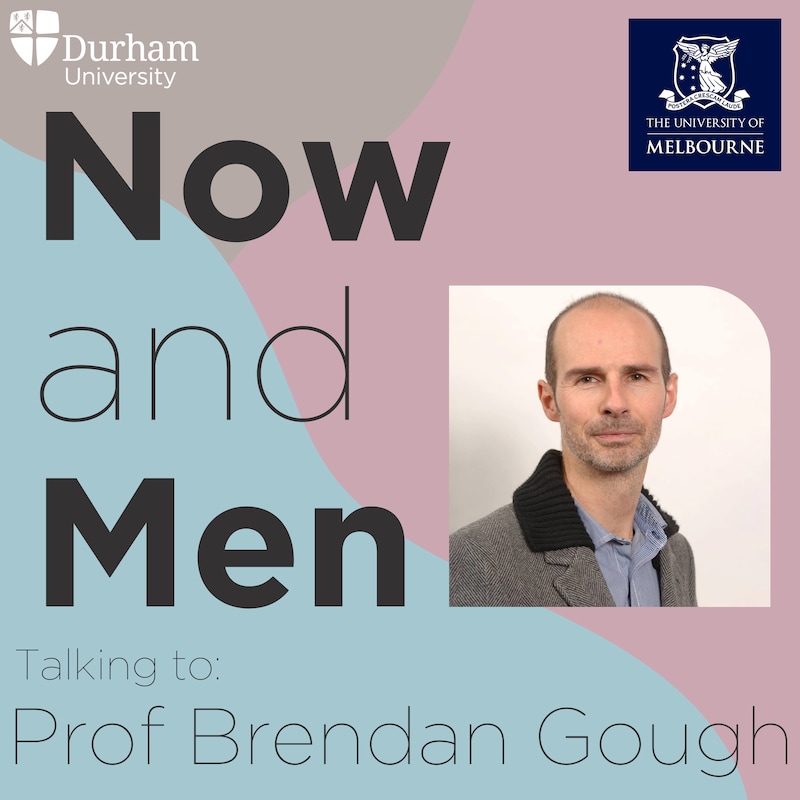
Many men are now engaging in a variety of behaviours traditionally associated with femininity – such as trying to make their bodies look good, worrying about their fertility, and opening up about their emotions. But what is driving these shifts? And to what extent do such practices challenge conventional norms of masculinity, or reinforce them? In this episode, Prof Brendan Gough discusses his wide-ranging research on contemporary constructions of masculinity.
We explore the pressures patriarchal societies place on men: to be fit and healthy, lean and muscular, sexually virile, and self-reliant, and how these combine with neoliberal expectations that disciplining our bodies and having good wellbeing is an individual responsibility. We also discuss the ways in which these norms are being subtly challenged and changed, for example through efforts to encourage men to be open and honest about their feelings and struggles such as depression, and provide support to one other, including in online communities. Brendan reflects on what can help to steer this change in healthy directions – and how spaces such as the Manosphere may be exacerbating men’s insecurities about their bodies. He also considers the strengths and weaknesses of the UK government’s new men’s health strategy and health promotion efforts aimed at men.
Brendan is a critical social psychologist and qualitative researcher based at Leeds Beckett University in the UK. Over several decades, he has published a wealth of research on men and masculinities, particularly in relation to health, lifestyle, and wellbeing.
Episode timeline
- Intro
- What sparked Brendan’s interest in masculinity (02:08-05:40)
- The positives as well as harms of online spaces (05:40-09:36)
- Men’s complex current relationship with gender equality (09:36-13:44)
- ‘Healthism’ and its connections to masculinity (13:44-15:40)
- The use of masculine norms in health promotion (15:40-19:55)
- The UK govt’s men’s healthy strategy (19:55-24:29)
- Break
- Men’s struggles with body image (24:41-28:53)
- How attention towards appearance is rationalised in masculine terms (28:53-32:00)
- ‘Metrosexuality’ and grooming practices (32:00-34:01)
- Pressures to have a lean and muscular body (34:01-36:18)
- The impact of infertility on men (36:18-41:39)
- Men’s bodies as machines (41:39-42:34)
- What helps men share their experiences of depression (42:34-45:58)
- The use of ‘masculine capital’ to legitimise vulnerability (45:58-47:57)
- The value of peer support (47:57-49:45)
- The influence of the manosphere (49:45-51:40)
- Conclusion (52:12-01:00:30)
More info