Shownotes
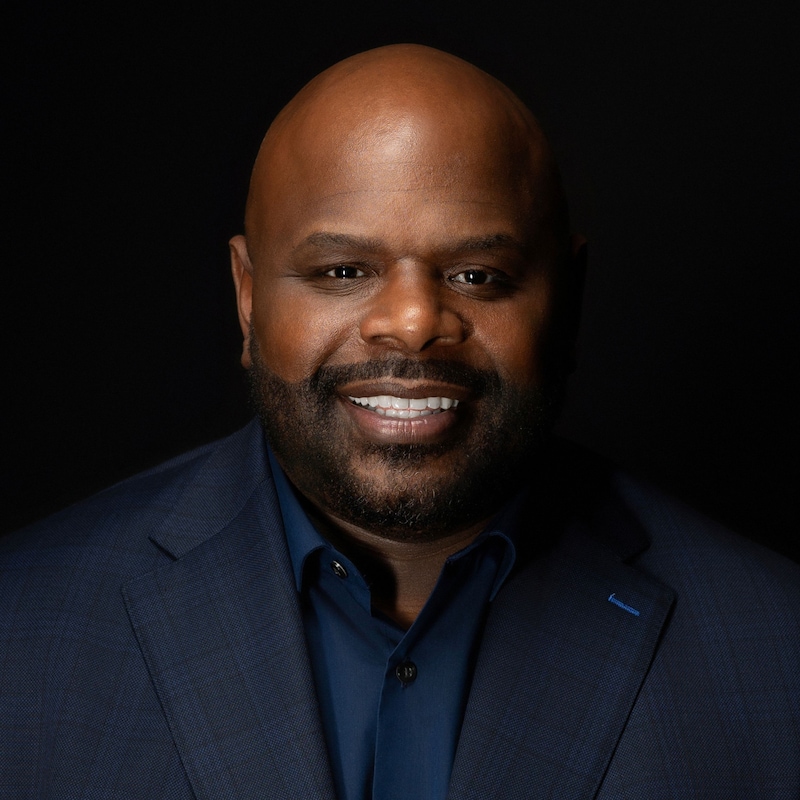
The dominant story isn’t working. In this bold conversation, Ben McBride challenges Christians to confront power, discomfort, and exclusion—and reimagine a faith big enough for belonging. Learn why he says we must be hard on systems, soft on people, and always building a bigger table.
00:25Iintro
01:34 Leaning into discomfort
06:10 Self-compassion, or hope that’s larger than our fears
09:24 Jer remembers similar experience with his dad
11:20 The need for a new story
15:28 The perceived righteousness of the dominant Christian story
17:52 Gospel of a dead Jesus
22:00 Personal Suffering and America’s Decline
26:22 Relationship with the powerful
36:00 Relationship with the suffering
38:42 The pace of transformation
42:51 Relationship with people in pain
45:25 Challenges engaging all sides at once
48:02 End
Mentioned in this episode:
Listen to Navigating Deep Disagreements with Loved Ones
Navigating Deep Disagreements with Loved Ones (Everyday Peacemaking Podcast)
In a world of division, your support fuels peace, courage, and connection. Help us keep going. Donate Now.
Transcripts
I mean, I've been studying a Bible for over 40 years and I'm just not sure
Speaker:that the Christian story, as it's been understood in the United States, can help
Speaker:us in a moment right now where it actually has been married with the dominant story
Speaker:of imperialism and dominance, but how do we answer the challenge of othering in
Speaker:our world with a story about othering?
Speaker:I just don't know how we get there.
Speaker:Welcome to the Mending Divides Podcast, your source for unfiltered conversations
Speaker:about conflict and how to deal with it.
Speaker:I'm your host, Jer Swigart, and today's conversation is with
Speaker:my dear friend Ben McBride.
Speaker:He's the founder of the Empower Initiative, an expert in
Speaker:helping organizations forge a culture of radical belonging.
Speaker:And the author of a book that talks about it all called Troubling the
Speaker:Water, which I want you to get 'cause it belongs in all of our libraries.
Speaker:In this conversation, we talk about discomfort as guide, and
Speaker:different approaches to dealing with conflict according to a
Speaker:person's proximity to power.
Speaker:Ben emphasizes the need to humanize those with authority.
Speaker:and he encourages us all in this time to be hard on systems, but soft on people.
Speaker:Our conversation gets especially provocative when Ben critiques the
Speaker:dominant Christian American story as too small to handle the world's
Speaker:suffering and as incongruent with Jesus in that it promotes othering
Speaker:and endorses the exclusion of enemies, both of which we don't need right now.
Speaker:So with that, here's my raw and fiery and unfiltered conversation with Ben McBride.
Speaker:And so I wanna jump in Ben with you straight away connected to
Speaker:your book, Troubling the Water.
Speaker:And one of the things that I was struck by right away, as you wrote, is the
Speaker:relationship you have with discomfort.
Speaker:And you invite us to actually step into the discomfort order to pursue
Speaker:justice, in order to pursue belonging.
Speaker:And I'm finding that we live in this moment in time where too many of us
Speaker:experience discomfort or understand discomfort as something wrong is happening
Speaker:rather than something, maybe right is happening that we actually need to lean
Speaker:into the discomfort, um, if we're gonna see a world of mutual flourishing.
Speaker:And so I'm curious, Ben, from your point of view, what has your relationship
Speaker:with discomfort been in the work of mending divides or bridging differences?
Speaker:And can you think of a time where you really had to confront
Speaker:discomfort for the sake of justice, for the sake of belonging?
Speaker:And what was that like for you?
Speaker:Yeah.
Speaker:Well, you know, I think the relationship with discomfort is a counterintuitive one.
Speaker:I think it's important to hold that up.
Speaker:I think the notion that we try to get away from discomfort isn't something
Speaker:that we should judge within ourselves.
Speaker:I'm learning more and more not to judge it within myself because it's
Speaker:just a function of our amygdala.
Speaker:So, you know, we are wired as mammals to try to stay away from discomfort,
Speaker:which is why the work of mending divides and bridging differences is really
Speaker:a spiritual practice because it's actually moving against the way that
Speaker:we are physiologically wired, right?
Speaker:So I think it's important for us to note that, so that somehow if we're feeling
Speaker:some resistance around the notion of leaning into discomfort, we don't judge
Speaker:ourselves too harshly and think that somehow maybe there's something wrong
Speaker:with my character or I don't really care about the world, or something like that.
Speaker:I think it's more to just recognize this is how I'm wired.
Speaker:My aspiration of wanting to resist how I'm wired is actually something that I should
Speaker:appreciate because it actually speaks to the spiritual nature of me seeking
Speaker:to live beyond just my raw instinct.
Speaker:And I think we can use that as a starting point to think about,
Speaker:you know, how we move forward and how we create a better world.
Speaker:When I think about it within my own life, I mean there's so many places that I
Speaker:could go with it, but I mean, thinking about the notion of mending divides with
Speaker:interpersonal relationships, I actually think about my relationship with a guy
Speaker:that, you know, Bill, who came in my life at a time where I was highly distrustful
Speaker:of particularly white evangelical men who were in a leadership position because I
Speaker:had some scars that I was just recovering from over the last five to six years,
Speaker:along with some of the stories that I had from my childhood that made it
Speaker:difficult for me to, to silence that tension that I was feeling inside myself.
Speaker:And yet, there's so much that came out of our relationship over the last 15 years
Speaker:that we've been on this deep brotherhood journey together, stepping into things
Speaker:that we care about in the world.
Speaker:But when I think about the beginning of that.
Speaker:It was really difficult for me because everything inside me was saying, this is
Speaker:just going to be like everything else.
Speaker:He's just going to show up like everyone else who's hurt you or harmed you.
Speaker:He's gonna misunderstand you.
Speaker:He's going to make mistakes, and he did a couple of those things that
Speaker:I just named along the journey.
Speaker:Yeah.
Speaker:I, what I've learned in that relationship was by disrupting my mistrust of that
Speaker:fuel by my own pain and trauma, there was actually a gift there, as well.
Speaker:Something that I needed, not just for like professional life and other things,
Speaker:something I actually needed for me.
Speaker:And you know, it, for me to say as this big black dude that like, I love this guy
Speaker:in the same way or the most similar way that I love my biological brothers and
Speaker:sisters is a deeply profound journey to go from deep distrust to a deep feeling
Speaker:of sibling ness and affection and love.
Speaker:Like I, I would say that I'm in love with this dude.
Speaker:Obviously not in a romantic way, but in a deep way that I would
Speaker:give my life for this dude and believe he would do the same.
Speaker:That's a journey, but I only got there through being willing to
Speaker:confront one of the things that really bothered me and I had fear about.
Speaker:yeah.
Speaker:Yeah.
Speaker:The, a couple things that I hear, Ben, I wanna explore with you.
Speaker:One is this sense of self-compassion, like a generosity that you have
Speaker:with yourself in that work.
Speaker:I'd love for you to reflect on, how has self-compassion, especially like
Speaker:the way that you even demonstrated a monologue around here's some of the
Speaker:questions, the concerns, the cautions that were going on inside of me.
Speaker:How are you gentle with yourself in those?
Speaker:second question is, where did you go with those questions?
Speaker:Like eventually, did you voice those questions?
Speaker:To Bill and invite Bill into that, or, you know what I'm saying?
Speaker:Like
Speaker:Yeah.
Speaker:how did those questions lose their power, lose their volume so that you
Speaker:could actually press in and work toward a new reality in this relationship.
Speaker:Well, because I come from a starting point of a lot of codependency
Speaker:and some of my own baggage, right?
Speaker:There was a lot of conversations that I first had to have about
Speaker:that relationship with myself.
Speaker:Like I had to ask myself, is this relationship I. valuable enough
Speaker:the potential of it for me to even explore that with him in person.
Speaker:Or is this something that I'm just gonna be a throwaway and actually say, no, I'm
Speaker:gonna let this relationship just stay in a transactional place and not really think
Speaker:about it being in a transformative place.
Speaker:So that was one of the things I had to think about.
Speaker:The notion of like self-compassion.
Speaker:I can see it now that it was there.
Speaker:I don't know that it was really present with me at the time
Speaker:that's what I was having.
Speaker:In a practical way, I think I was trying to find a way how to
Speaker:wade through the waters of that relationship and what I was feeling.
Speaker:I think what kept me moving was a couple things.
Speaker:Like one, there was some professional opportunities in that relationship.
Speaker:We wanted to do some good work together, so there was a
Speaker:carrot hanging from that stick.
Speaker:But then the other thing was I was really feeling deeply connected to
Speaker:this guy and I was recognizing that I wanted that connection, even though I
Speaker:was afraid of that connection going bad.
Speaker:So I don't know if it was self-compassion.
Speaker:There's a part of me that wonders if it was just really wanting to
Speaker:believe that my fears weren't the most authentic truth of my life, that that
Speaker:there was actually something else.
Speaker:I think that's continued to be a part of my journey too, and I think a lot
Speaker:of us, it's like we don't want to believe that the things that keep us
Speaker:up at night in a bad way, that scare us, that make it hard to breathe.
Speaker:We don't wanna believe that those are the most powerful things in the universe.
Speaker:Like our souls, our hearts want to find a way to that better way.
Speaker:And I think over time what, you know, he and i's relationship has taught me it,
Speaker:it's built some belief now that actually helps me do that with others because I
Speaker:have some evidence now in, in my life.
Speaker:And that's what we all need.
Speaker:I think the evidence helps us build more belief and like where that's difficult.
Speaker:You know, sometimes for me, like this is where the self-compassion,
Speaker:the reorienting for me, particularly somebody who grew up and was very
Speaker:vested in the Christian way is the whole value for me was actually about faith
Speaker:being the substance of things hoped for, the evidence of things not seen.
Speaker:Like I wasn't supposed to look for evidence, I was supposed
Speaker:to ya, you know, move forward.
Speaker:But I realized, no, I need some evidence.
Speaker:and it's okay to need evidence.
Speaker:It's okay to move slow enough to get some evidence.
Speaker:But in order to get some, we also gotta take some risks.
Speaker:Yeah, yeah, yeah.
Speaker:No, I'm hearkening back to a story.
Speaker:I think I told a few episodes back as it relates to a journey I took with my dad.
Speaker:And I'm not sure that going into some of the hard work that we did in the
Speaker:twilight of his life, I'm not sure that I had evidence to actually believe that
Speaker:you could be in an intimate co-creating relationship with somebody in this case,
Speaker:with somebody with whom you disagreed on some pretty major things, you know?
Speaker:and so I'm resonating with this idea that once we actually name the
Speaker:cautions, identify some of the fears.
Speaker:You know, find the courage to press into those and actually take some
Speaker:risks to move toward that person.
Speaker:like the story as it unfolds, the evidence,
Speaker:it built a belief in me that this kind of bridging is actually possible.
Speaker:and that I'm better off, like my dad didn't come around
Speaker:to think like I thought.
Speaker:I didn't necessarily come around to think, but like I was better because
Speaker:of the journey that I took with him.
Speaker:Such that, and this is the second thing I wanted to ask you about.
Speaker:Like the chemicals that flooded my body as it related to my
Speaker:dad were no longer animosity.
Speaker:It was affection.
Speaker:I wonder if that's some of the physiological evidence.
Speaker:This is what starts to happen in us as we dare to bridge across difference or
Speaker:we bridge divides or whatever it is, like suddenly when the chemicals that flood
Speaker:my body are the chemicals of affection toward that other, that irritant,
Speaker:maybe even that constructed enemy.
Speaker:Now something is actually changing.
Speaker:I'm transforming, you know?
Speaker:And so say a little bit more about the spiritual side, like the spiritual.
Speaker:Physiological fusion, you know,
Speaker:to go against the natural biology to resist and stay
Speaker:away for the sake of survival.
Speaker:But what is the juice that actually moves us forward anyway?
Speaker:And how do we tap into that better?
Speaker:Yeah.
Speaker:Well, this is where I think I've really been inspired by Harari's
Speaker:work, the author of Sapiens and Homo Deus and a couple other books.
Speaker:Because what I like that he talks about is this notion that as homo sapiens, right?
Speaker:As people, the way we've always understood ourselves and organized ourselves was
Speaker:both through organizing ourselves into clans and groups like, so the connection
Speaker:with the other and story, the story we told about ourselves, and often the
Speaker:gossip and the stories that we told about whoever reconstructed as the other, right?
Speaker:And so I think, you know, there's that muscle memory.
Speaker:That we all have.
Speaker:The spirituality to me, that he talks about and Dr. Powell,
Speaker:others talk about is new stories.
Speaker:What's the legends and lore that have oftentimes given people the
Speaker:ability to transcend that base story that just comes from their clan?
Speaker:and I feel like we're in a moment right now, like I feel like I am personally
Speaker:to just keep it all the way a buck.
Speaker:Like I'm in a moment right now where I am really wondering and thirsty
Speaker:for a new story that actually has the potential to help me, the people that
Speaker:I love, the people that I'm not sure love me and that I'm challenged to love.
Speaker:I, I feel like we need a new story that can help us figure out how.
Speaker:Yeah.
Speaker:We can be connected and aspire for a different kind of spiritual connection
Speaker:to each other because it does feel to me that the stories that we've had over
Speaker:time and I say it respectfully to all of us that are still rooted in some
Speaker:of these stories, there's a part of me as somebody who's birthed from those
Speaker:stories, particularly the Christian story, that's wondering whether the
Speaker:story has anything left to offer us for the moment that we're actually in.
Speaker:Hmm.
Speaker:Say more man.
Speaker:Give us more on that.
Speaker:'cause I'm with you in that it feels that the dominant story is that
Speaker:we get the world we want through force rather than friendship.
Speaker:I, I think so.
Speaker:And you know, this is just two friends talking, right.
Speaker:And all the rest of y'all listening.
Speaker:Right.
Speaker:So if we're gonna root this conversation in like our Christian religion, right?
Speaker:It's based a lot, regardless as to what expression you have
Speaker:on othering and supremacy.
Speaker:At the heart of the story, it's about being chosen as God's people.
Speaker:It's about there being, for most expressions of the tradition,
Speaker:one way for someone to relate, transcend, connect with the divine.
Speaker:It's about a very particular prescriptive process by which you can do that.
Speaker:That has a lot of different iterations, confession, baptism,
Speaker:et cetera, but it operates from this notion that there is one way.
Speaker:It is the only way, and those who don't are othered in sometimes more
Speaker:overt or sometimes covert ways.
Speaker:I don't know that story can actually help us in a moment right now where even
Speaker:here within the United States, we are dealing with a mass ideology of othering.
Speaker:Yeah.
Speaker:So how do you actually respond to the othering with a story of othering?
Speaker:Oh, come on, man.
Speaker:Un unless you're gonna significantly change that story.
Speaker:Right.
Speaker:and I'm just don't know because of all the money that's invested in the
Speaker:story, all the history that's invested in the story, that folks are really
Speaker:willing to try to change that story
Speaker:Mm-hmm.
Speaker:But I'm just not sure that I can be compelled as somebody that
Speaker:born and raised on the pulpit floor went to Christian school.
Speaker:I mean, I've been studying a Bible for over 40 years and I'm just not sure
Speaker:that the Christian story, as it's been understood in the United States, can
Speaker:help us in a moment right now where it actually has been married with
Speaker:the dominant story of imperialism and dominance, and we could throw hot lines
Speaker:about who Jesus was and how he was.
Speaker:I get all of that.
Speaker:But how do we answer the challenge of othering in our
Speaker:world with a story about othering?
Speaker:I just don't know how we get there.
Speaker:man, I was in a conversation this morning over coffee with a couple of
Speaker:friends about this very notion, this idea that the Christian story that
Speaker:many of us have been socialized into is one that is actually a story of power
Speaker:over, of conquering of domination.
Speaker:And which I actually think is pretty antithetical to the cross wearing God,
Speaker:I think that we might see in Jesus, you know, but fascinating to me, and this
Speaker:is where the conversation went, is how the story of othering or the story of
Speaker:domination is perceived as righteous.
Speaker:You know, so I'm with you in the, how do we flip the script?
Speaker:How do we tell a better story?
Speaker:I think it's especially hard when the story that we've been socialized
Speaker:into, we're not just convinced of it being like, intellectually superior.
Speaker:It's righteous, so therefore I'm not sure that we're in this moment
Speaker:where we can spar intellectually with one another about a better story.
Speaker:I think we actually have to put on display a better story,
Speaker:trusting that it may be contagious.
Speaker:So here's my, deepest concern right now, Ben, is so many of us who have
Speaker:been socialized into an American form of Christianity have developed
Speaker:muscles for self preservation, right?
Speaker:We don't have any muscle as it relates to sacrifice, especially sacrificing
Speaker:for the sake of another's good.
Speaker:And self preservation is actually seen as righteous, right?
Speaker:Because we all knew that if we prayed a particular prayer, we'll build some power
Speaker:and some safety and some and all the things, and then we'll go to be in heaven
Speaker:with people just like us when we die.
Speaker:Like self preservation's fine, right?
Speaker:and it's righteous.
Speaker:And what makes me really nervous right now as I watch people continue to surround
Speaker:themselves with people who think just like them and reinforce the perceived
Speaker:righteousness of their viewpoint.
Speaker:things continue to heat up in our country, and as people who have
Speaker:been dehumanized and denigrated for a long time, suffer even more.
Speaker:When this group of folk who have been socialized into this religion, when
Speaker:they watch this happen, their inertia is already towards self-preservation.
Speaker:It's not towards sacrifice.
Speaker:And so like, how do we live the hopeful alternative?
Speaker:What is
Speaker:mm.
Speaker:alternative story?
Speaker:Yeah.
Speaker:And how do we live it in a way that it's contagious, Ben?
Speaker:That, that is a phenomenal question.
Speaker:I'm not sure.
Speaker:What comes up for me, and I'm gonna say something that might sound a little
Speaker:provocative, but as you were talking, I was like, I think for Christians
Speaker:we need a gospel of a dead Jesus.
Speaker:I.
Speaker:what, I mean by that is the sacrifice that you were just talking about
Speaker:to me is the end of the story.
Speaker:That was the original Q gospel that we know for those of us that like to do a
Speaker:lot of theology in Mark that just had the women coming to the tomb, the stone was
Speaker:rolled away and they ran away terrified.
Speaker:Yeah.
Speaker:in that story.
Speaker:There's the hope of a resurrection.
Speaker:Nobody's seen Jesus.
Speaker:There's been no proclamations.
Speaker:There's wonder, you know, is he alive?
Speaker:But what is known is that he gave up his life and as he was dying, he was
Speaker:extending mercy to someone else who was dying beside him and offering forgiveness
Speaker:to the one who was oppressing him.
Speaker:The dead Jesus gospel is the one who actually could help us, I think in this
Speaker:moment that, like James Cohen used to talk about in his, you know, liberation
Speaker:theology is the one who doesn't succeed.
Speaker:Like it's the one who, who actually fails.
Speaker:And I think that is good news for this moment for us to
Speaker:not be seeking resurrection.
Speaker:But actually to be seeking the death on the cross for the sake of forgiveness
Speaker:for the other one who is suffering and also forgiveness for the one
Speaker:who is oppressing, like just trip.
Speaker:If that was the message that we were preaching that it was actually about
Speaker:being reconciled to the suffering and the oppress or the oppressor, and
Speaker:that you're dying in that process.
Speaker:But in that process, you're able to offer words to John the beloved, standing
Speaker:next to your mother to help the story of sacrifice live on, like that's a
Speaker:different story than the story about.
Speaker:You know, you rising with all power and within 40 days you have
Speaker:all control, not just, you got all control over power and earth.
Speaker:You're floating up to the sky.
Speaker:You've now gone from 12 disciples to 500.
Speaker:That to me somewhat lives into some of the story of our success and what
Speaker:we're longing for, what I hear you speaking to and if we're really gonna
Speaker:mend divides with the suffering and the people who are oppressing, we are going
Speaker:to have to become different people that
Speaker:Hmm.
Speaker:are seeing our lives as vehicles to help serve that.
Speaker:And I'm not calling for some kind of martyrdom like, bro,
Speaker:I want to enjoy my life.
Speaker:I want to enjoy Janelle, my wife, I want to enjoy my daughters.
Speaker:Like I want to have a good life.
Speaker:But I also don't want to miss the opportunities to put some stuff on
Speaker:the line for the relationships, the people and the moments that matter.
Speaker:yeah, man, I like that.
Speaker:I'm not alone right now in the heart pound of what you just shared, because
Speaker:as people who adhere to Easter Sunday and resurrection, I don't know, man,
Speaker:that also plays to this, our fixation, our addiction of the happy ending.
Speaker:Yeah, man.
Speaker:I just love how, what my question was, what is the alternative story?
Speaker:What's a better story?
Speaker:And you actually pointed to suffering
Speaker:Mm.
Speaker:and what happened in the midst of the suffering, the mercy, the
Speaker:forgiveness, the offering of belonging.
Speaker:I mean, I don't know that I've ever consi like yeah, the
Speaker:cross, the power of the cross.
Speaker:Unbelievable.
Speaker:God's declaration of unthinkable love uhhuh, and a story played out there.
Speaker:That is a model for us in this time, that in the midst of suffering for the
Speaker:sake of others, what does it mean to offer forgiveness, mercy and belonging?
Speaker:You know, Ben, that's...
Speaker:well, and you and I, you know, have had this conversation about grief.
Speaker:And you were talking about your dad, and you know, I'm living in a moment
Speaker:right now where my sister who loved God passed away the day after Christmas.
Speaker:And I'm still trying to resolve within myself that grief and the aspirations
Speaker:that she would be well, and the notions of all the people who I love
Speaker:deeply, who love God deeply, who all had words from God that she was
Speaker:gonna be healed and she wasn't then.
Speaker:Then kind of how we have to then move the goalpost and say, well,
Speaker:now she's healed in heaven.
Speaker:and just the inability for us to embrace an unhappy ending and get
Speaker:a new story that might still hold sadness and pain and mystery.
Speaker:But like the hope to me of my sister's passing is while she was
Speaker:fighting cancer and dying, I was able to offer my home to house her.
Speaker:I was able to serve her and make her organic meals and love on her.
Speaker:We had conversations in the three months of her journey to fight cancer
Speaker:that we had not had in 40 years.
Speaker:The opportunity to pick her up off the floor when she was throwing up, trying to
Speaker:deal with chemo, like there was a lot of sacredness and sacrifice, the work that
Speaker:I said no to so that I could say yes in the moment to be present with my sister.
Speaker:I think there are ways that we could find redemptive life and even resurrecting
Speaker:moments without trying to find our way to the happy ending because I think
Speaker:in the real world that we have right now, authoritarianism is on the rise.
Speaker:America as a nation is on the decline.
Speaker:and I am not actively trying to figure out, well, how do we make
Speaker:sure America can stay on top?
Speaker:Now I think it's on the decline, and most empires don't last beyond 300 years.
Speaker:So why are we surprised?
Speaker:The version of America that we were born into is dying.
Speaker:the way that we learned how to relate to each other within that imperial system is
Speaker:struggling because we've operated within this kind of, you know, shining city on
Speaker:a hill and that version of it is dying.
Speaker:But maybe there's an opportunity, and maybe it starts with not a new story that
Speaker:we necessarily tell, but one we actually live out with each other, that we start
Speaker:figuring out how to sit in those hard places, how to suffer with each other.
Speaker:That suffering for some of us that identify more as progressive or liberal
Speaker:might be how do I learn how to not get the things that I wish I was getting
Speaker:politically and yet not demonize the people that are active in doing it.
Speaker:This is hard stuff, right?
Speaker:but I found that in my life, bro.
Speaker:And you know, I have, because I had to humanize loved ones who
Speaker:were shooting other loved ones that looked like me in the community.
Speaker:they weren't just changing policies, they weren't using tough rhetoric.
Speaker:They were killing people.
Speaker:Let's just say what it was.
Speaker:Mm-hmm.
Speaker:And I had to learn how to sit with them.
Speaker:and think about what it meant to offer them mercy also trying to think
Speaker:about how to sit at the table with the police officer and offer forgiveness
Speaker:for a criminal justice system that has failed while also sitting with
Speaker:the mother who was losing her son.
Speaker:Now, I just described again the cross with the theif or insurrectionist,
Speaker:whatever story you buy into, and the centurion at the bottom with Mary
Speaker:and John in a modern day story in Oakland, California, and it that's.
Speaker:and
Speaker:Come on man.
Speaker:Come on.
Speaker:and that meant that I had to learn how not to have a transactional relationship
Speaker:with some police officers, but actually how to have a transformative one.
Speaker:Mm-hmm.
Speaker:was really invested in their lives, curious about their flourishing, also
Speaker:having deep pain and sometimes anger about the job that they were doing every day.
Speaker:Yeah.
Speaker:So let's take this real life story like this is some of the front lines
Speaker:of mending divides in your life.
Speaker:not all of us are gonna be at the intersection of high volume shooters,
Speaker:mothers who have lost their sons and police officers, but like this mercy
Speaker:forgiveness, belonging, we have to grow in our capacity for this right now.
Speaker:So let's, dive into that for a moment.
Speaker:Hmm.
Speaker:Let's maybe do this in three different ways.
Speaker:Let's talk about the police first.
Speaker:What did it mean for you?
Speaker:What did it require of you?
Speaker:What did
Speaker:Mm
Speaker:it look like to be in a transforming relationship within this case?
Speaker:I say the representative of the power broker, this person had the authority.
Speaker:They had the state backing them, right.
Speaker:so for us who are listening in this is the person who holds authority.
Speaker:What does it mean to be in a transforming relationship with that person rather
Speaker:than a transactional one, Ben.
Speaker:And then I want to play it out with the high volume shooter.
Speaker:Then I wanna play it out with the mother because it looks
Speaker:Hmm.
Speaker:Yeah, I would say for the person with most authority in my language, I call
Speaker:it the powerful, you're talking about the person with authority, right?
Speaker:I would say it looked like humanizing the person and separating them from
Speaker:their authority within my mind and heart.
Speaker:So, I mean, I had to have a bigger story so I could be, as John
Speaker:Powell says, hard on the system.
Speaker:But soft on the person.
Speaker:If I were to boil that all the way down inside a family structure,
Speaker:right, there's like the system of how a family might get down in
Speaker:terms of all of its familial roles.
Speaker:I might deeply disagree with how our family is functioning.
Speaker:But how do I at the same time humanize the person in that family system, recognizing
Speaker:they didn't create it on their own.
Speaker:It's been created by environment, things that have been passed
Speaker:down over generations.
Speaker:And maybe you're contending for a new way that this family functions where
Speaker:you or other people are not being othered, but it's being able to actually
Speaker:understand the family system and even the thoughts that could come from the
Speaker:person as separate from the person.
Speaker:Mm mm
Speaker:And you have, you've gotta become in or that
Speaker:that's my follow up right now, like your ability to do that is
Speaker:like hours of tilling, hours of
Speaker:for sure.
Speaker:Spiritual work.
Speaker:yes.
Speaker:So what did that work look like in order to be able to humanize the powerful
Speaker:Wow.
Speaker:I think at that time.
Speaker:And I'm saying at that time, because now it would probably be a little
Speaker:different for me at that time, it was my Christian ethic that I reached into.
Speaker:It was the tenets of my Christian faith that helped inform for me,
Speaker:like this notion that everybody is redeemable and because I believed that.
Speaker:I had to tap into this notion to see the person as so many of the
Speaker:stories that inspired me and still do, inspire me of Jesus seeing
Speaker:beyond the person's authority,
Speaker:Yeah.
Speaker:Come
Speaker:it's the centurion at the cross, or whether it's the soldier that he
Speaker:runs into and recognizes his faith while he's complicit within a system
Speaker:of oppression, whether it's the tax collector who's robbing and fleecing
Speaker:the people, you know , I saw it in him, and so I felt inspired around that.
Speaker:And because I aspired to be like Jesus, I was inspired to try to
Speaker:find a way to show up in those ways.
Speaker:Now, because I feel like I'm a little bit more of a mystic now that still loves
Speaker:Jesus a lot, but I don't know so much whether the church is the place for me.
Speaker:But now it's being more inspired and rooted in the aspiration of who
Speaker:I want to be in the world and how I want to finish my story as a human
Speaker:and the legacy that I want to leave.
Speaker:And so that informs for me to try to slow down and separate people.
Speaker:And I think still in that gumbo pot, inside me is my Christianity.
Speaker:Yeah.
Speaker:my dad and my mother's values.
Speaker:it's all the stuff that I've learned.
Speaker:But yeah, I mean, I think that's what it was for me then.
Speaker:And that's why like I was in Michigan with some folks yesterday and you know,
Speaker:I was telling them, you know, if it's your Christian ness, dig deep for that.
Speaker:If it's your Buddhist- ness, your muslim-ness, your Jewish-ness, your
Speaker:agnostic ness your human-ness, your ancestor-ness, I don't... whatever
Speaker:that power source is, that divinity source, pull from that place, use
Speaker:those resources and find a way to separate people from the system.
Speaker:'cause The reality is if we really want to keep it all the way above, we're
Speaker:all complicit in some kind of a system
Speaker:Yeah.
Speaker:Yeah.
Speaker:on who's viewing the story.
Speaker:Yeah.
Speaker:let's linger with the powerful just a little bit more, and then let's move on.
Speaker:I would imagine as I approach those with power, chances are good
Speaker:there's a conversation I want to have with them about the way that
Speaker:their use of power is causing harm.
Speaker:Mm-hmm.
Speaker:Talk to us about how humanizing them, being pro-human in that moment
Speaker:with them, is one piece of it.
Speaker:But then how do you also tell the truth with the kind of
Speaker:kindness that invites shift.
Speaker:So one, I'm a firm believer and have been for years that you have to earn
Speaker:the right to speak into people's lives.
Speaker:So it's one thing to critique the system that someone is a part of.
Speaker:It's another thing if you're actually trying to speak to the person about
Speaker:their participation.Within the system.
Speaker:Got
Speaker:I think as it relates to unjust systems that are harming people,
Speaker:it's not about humanizing folks or being in relationship to speak
Speaker:about the injustice within a system.
Speaker:You can do that.
Speaker:We should do that.
Speaker:But if you're going to try to engage with the person, then you have to
Speaker:humanize, build relationship to the point where you can, instead of calling
Speaker:them out, call them in, to a new kind of relationship with the system.
Speaker:But in order to do that, you have to actually bridge with that person, which
Speaker:means you're not just trying to convert them to your point of view, like in, in
Speaker:bridging you have to really be honest about, are you really interested in
Speaker:entering into a journey with the story of somebody else with some margin
Speaker:that you don't know everything about the story that you deeply care about.
Speaker:Woo.
Speaker:Come on, Ben.
Speaker:and it's fair to say, no, I'm not.
Speaker:I'm, that's not my jam.
Speaker:I think that's cool.
Speaker:and like I'm gonna boil it down right now to a super hot issue.
Speaker:It's totally fair for someone to say, when I look about the violence that is
Speaker:happening in Gaza, I am not interested in being in a conversation with someone
Speaker:who is complicit within a system of causing that violence to happen.
Speaker:I'm actually not curious about understanding why
Speaker:and et cetera, et cetera.
Speaker:We should just be honest about that and not pretend that we're
Speaker:trying to be in a transformative relationship where we're not.
Speaker:You might say, I'm just not interested in that.
Speaker:There might be others that might say, well, I am interested.
Speaker:I do want to figure out how to hear what is happening for that person
Speaker:in relationship to that military or that government or whatever.
Speaker:These are personal choices we get to make.
Speaker:I don't think we should shame ourselves or anybody else about our willingness or the
Speaker:emotional availability to engage in that.
Speaker:Everything is not for everyone, but I think we should be clear that if we're
Speaker:seeking a bridge, particularly with the human inside that authoritative system.
Speaker:Then we've gotta ask ourself, am I really willing to see this person?
Speaker:And if I'm not, don't waste your time or theirs.
Speaker:It's just going to create more harm.
Speaker:Come on, bro.
Speaker:Like it's, yeah, this notion that I can enter into this and convince you of the
Speaker:superiority of my idea and that you'll convert to my, that's just a power game.
Speaker:That's, that's, that's the broken story,
Speaker:Absolutely.
Speaker:And that's us living with the kind of self-righteousness that says, my
Speaker:viewpoint is better than your viewpoint, and now I'm gonna convince you of it.
Speaker:the other thing that I carry in, and this is just low hanging fruit friends,
Speaker:for those of us who are listening in, is I'm moving toward those with power.
Speaker:What's helpful for me is the mindset that I'm never fully
Speaker:right and always partially wrong.
Speaker:Hmm.
Speaker:My perspective is not 20-20, so there's a gift to be offered and received
Speaker:in this transaction, and what that does, it just keeps me generous.
Speaker:It keeps me curious.
Speaker:It keeps me present in, in
Speaker:Yeah.
Speaker:in, in your words, Ben, it gives the relationship a
Speaker:chance to be transformational rather than transactional.
Speaker:Mm-hmm.
Speaker:If I'm able to be present and curious, chances are there's a
Speaker:next conversation that will be had.
Speaker:Chances are the
Speaker:For sure.
Speaker:Yeah.
Speaker:will grow enough for them to say there's something about this guy I don't know
Speaker:yet, but let's have another chat,
Speaker:Yeah, and I think what the goal that we should be after is there a way,
Speaker:and this might feel controversial or provocative, is there a way for
Speaker:me to work my way towards love?
Speaker:With the person that I'm actually bridging with, like I'm starting to use the word
Speaker:love a lot more because I think if we can find a way to harness the materials
Speaker:that are in the ground to get a rocket into the stratosphere, then we gotta use
Speaker:our same minds and hearts to figure out how to harness some spiritual technology
Speaker:to harness the renewable energy of love.
Speaker:Because any of us that are involved in families or different dynamics, love will
Speaker:make you do some counterintuitive things.
Speaker:And so I think, instead of trying to find our way towards,
Speaker:how can I get this person to begin to do the things I want them to
Speaker:do that serve the goals that I had before I engage this person?
Speaker:It's how do I bridge with this person because of their authority?
Speaker:I really am curious about learning more about their story,
Speaker:to see how we can work together
Speaker:Yes.
Speaker:to decrease some of the harm and the violence that I'm seeing that's happening.
Speaker:And I also want to grow in my love for them as a human being.
Speaker:Yeah.
Speaker:So again, a mindset piece is I am the project to be undone and
Speaker:remade in this relationship.
Speaker:Yes, sir.
Speaker:like, Ah
Speaker:let's talk about the high volume shooter.
Speaker:What does bridging toward that person, what did that look like, and how was
Speaker:it different than with the powerful?
Speaker:Yeah, I mean, I think bridging with someone who's actually suffering usually
Speaker:is a recognition that you might have a little bit more privilege than they do
Speaker:Hmm.
Speaker:because of your awareness of their suffering juxtaposed to your experience.
Speaker:And what I've learned in that scenario has been to like mend that divide,
Speaker:it's about just learning to understand, to listen, to be available, and to
Speaker:offer what you can without overpromising so that you don't under deliver.
Speaker:Right?
Speaker:And so it's the notion that what I can do is I can hear you,
Speaker:I can make time to hear you.
Speaker:I can make time to try to understand where it is that you're coming
Speaker:from, and I can do the best that I can with the limited resources I
Speaker:have to try to offer you something that can aid you in your suffering.
Speaker:I mean, when I think about Jesus in relationship to this guy, he had
Speaker:no power to get him off the cross.
Speaker:Depending on how you see the story, he's like, I'm kind of in
Speaker:a similar situation that you are.
Speaker:I'm also deeply troubled by this.
Speaker:I'm hanging on the cross as well, but I also recognize, you are saying
Speaker:to me, if I can be with you in Paradise, you're wanting something
Speaker:and I'm trying to see how I can help.
Speaker:From this place that we're both at, we both are operating from some
Speaker:limited resources and opportunities.
Speaker:But I do want to figure out how I can give you what I can in the middle
Speaker:of us both experiencing, you know, obviously a not opportune scenario.
Speaker:So I just think, you know, it's us being available.
Speaker:I think we gotta get ourselves out of the, I've checked my, you remember
Speaker:when I was trying to be Batman?
Speaker:I think we gotta get ourselves out of the superhero jam.
Speaker:The world's too big.
Speaker:There are too many problems around it.
Speaker:And I think what we can do is you know, see those who are suffering
Speaker:around us, listen and be available,
Speaker:Yeah.
Speaker:and do our best.
Speaker:yeah, yeah.
Speaker:I mean, I'm
Speaker:finding that folk, the suffering.
Speaker:So you would distinguish like from the powerful and the suffering.
Speaker:My experience is telling me right now that a request or a desire by the
Speaker:suffering is presence, is companionship, is like authentic relationship.
Speaker:And yes, absolutely, I don't wanna suffer anymore.
Speaker:But I think
Speaker:Hmm.
Speaker:In, in my relationships, I'm finding that the solutions to what solutions,
Speaker:I don't even know if that's the right word, Ben, but the solutions to what
Speaker:oppresses them have been germinating in their souls for a long time.
Speaker:You know, and so the nearness, the and pace, and I'd like you to speak
Speaker:to pace there for just a second.
Speaker:because I too want to break agreement with the hero saviorism.
Speaker:I'm gonna swoop in and I've got some resources.
Speaker:I could redeploy some stuff, I could connect you out, we could
Speaker:get some help, whatever it is.
Speaker:But there's like a pace to this that is a lot slower than I want it to be.
Speaker:If I'm actually gonna be in solidarity rather than saviorism,
Speaker:you know, or saviorhood.
Speaker:Can you speak to that a little bit in how you hold intention, the urgency for
Speaker:change with the pace of transformation?
Speaker:Yeah, I think so.
Speaker:I think how I have tried and you know, maybe right now am trying
Speaker:is to hold a bigger story that doesn't cause the suffering that
Speaker:I'm seeing to be so overwhelming.
Speaker:Right.
Speaker:When I was in Johannesburg a couple months ago, I stood at a crater that
Speaker:a meteorite hit the earth over 200,000 years ago, and the people were asking
Speaker:us, what would it look like if we told the story of ourselves from this crater?
Speaker:Rather than starting it wherever it is that somebody starts it to understand
Speaker:the peace, and if it starts at that 200,000 year with the crater and there's
Speaker:another 200,000 years coming after us, then maybe our pace needs to be at the
Speaker:speed of, yeah, this suffering sucks.
Speaker:It's real.
Speaker:It does demand response, and yet there's a lot of suffering that
Speaker:unfortunately is going to keep happening.
Speaker:Mm-hmm.
Speaker:I need to figure out where I can make a contribution and realize that in all
Speaker:the contributions that I make, I am not going to end the violence of human
Speaker:beings on our journey to figure out how to do this without violence being at
Speaker:the center, like we're still learning that we need to contribute to that.
Speaker:I'm not encouraging people to sit out, but I, I am also trying to encourage us to,
Speaker:you know, drink some water and recognize that even the crises of our current
Speaker:moment, are not even the only crises happening right now at the current moment.
Speaker:It's just the one that we're focused on, the one that we see,
Speaker:however that shows up in our lives.
Speaker:So we gotta take some deep breaths and try to figure out how to show up and
Speaker:keep in mind that I think the greatest.
Speaker:Thing that we need to be trying to win is that war within ourselves and to
Speaker:try to think about how we can be the most honest responsible, accountable
Speaker:to the people that are around us.
Speaker:I'm still a big believer in this notion of charity love, beginning
Speaker:at home and spreading abroad.
Speaker:So let me be careful not to step over the unhoused person that I can offer
Speaker:a candy bar to, or some, a cereal bar to let me not step over that person
Speaker:to get to my office so that I can rail on social media about something that's
Speaker:happening thousands of miles away from me.
Speaker:Yeah.
Speaker:let me figure out how to root myself in my humanity and realize that
Speaker:Hmm.
Speaker:could master this.
Speaker:across the hall at my house, in my office, if I can master it in the
Speaker:neighborhood where I go get coffee maybe those are some of the biggest,
Speaker:areas that I might actually do well with myself and do well
Speaker:with the world that we're in.
Speaker:yeah.
Speaker:I mean, I remember the, the Ben and Jer of 15
Speaker:Hmm.
Speaker:sitting in a cafe in Walnut Creek, California, you know, stumbling
Speaker:over our capes as we had croissants.
Speaker:You know, and, and,
Speaker:That's funny.
Speaker:and I'm like, here we are now.
Speaker:maybe this is second journey kind of stuff that's
Speaker:Mm
Speaker:us, but like maybe believing a little bit more in what our indigenous kin say about
Speaker:Let's make decisions today for seven generations from now.
Speaker:And how does that actually, how might that be more helpful than
Speaker:let's solve the moment, you know?
Speaker:that's part of what I'm hearing in that.
Speaker:And, uh, I, I feel.
Speaker:Oh gosh.
Speaker:I wanna live my life in such a way that I'm stumbling into people's pain
Speaker:with them more than I'm stumbling over my own cape because I think that
Speaker:I'm God's gift to whatever, you know.
Speaker:Mm-hmm.
Speaker:speak really briefly, if you would, to to the mother in pain.
Speaker:And you've hit forgiveness, you've hit mercy, you know.
Speaker:Now let's talk belonging and what does, what has that looked like for
Speaker:you, in, to kind of round this out?
Speaker:Yeah, I would say concisely for me, it's looked like recognizing that I needed
Speaker:to build a big enough table that was large enough for everyone suffering.
Speaker:And that was rooted, you know, really with the mother who was
Speaker:losing her child to violence.
Speaker:To me, right now, it's the person that's the most vulnerable around us.
Speaker:The person whose voice is not heard.
Speaker:Yeah.
Speaker:how do we build a bigger table?
Speaker:And I think like when we think about this notion of mending divides.
Speaker:We need to be building tables that actually can invite people that
Speaker:normally would not be in relationship or proximity to each other, to
Speaker:be in proximity to each other.
Speaker:And some of the work that I think some of us can do is to think about
Speaker:that instead of just how to build a bridge, how can we be the bridge?
Speaker:So for some of the mothers, I tried to be the bridge, and sometimes that
Speaker:meant listening to their lament about the young men and their adulation
Speaker:about the police and how they wanted the police to go catch the person
Speaker:that took the life of their child.
Speaker:Sometimes it was hearing their critique about why I was humanizing the person
Speaker:who had done some violence, rather than assisting the police and them
Speaker:being thrown underneath the jail.
Speaker:It was just learning how to hold space and recognize that I'm never going
Speaker:to know enough to be of service to everyone the way that I would hope to.
Speaker:But what I can do is I can find a way to build spaces.
Speaker:I can become, multilingual in my ability to talk authority, talk mercy,
Speaker:Mm-hmm.
Speaker:talk belonging so that I can be in multiple spaces and learning how to carry
Speaker:the stories of what people need into those spaces while humanizing everybody
Speaker:in those stories and being a bridge when it's time for the person on the cross
Speaker:to get to the other person on the cross or the person on the cross to get to the
Speaker:person standing at the bottom with the nails or standing to the person who's
Speaker:weeping over, the person who's dying.
Speaker:If I can become someone who can be used as a bridge to help give hope
Speaker:to people and bring people together.
Speaker:That's what I found in my life.
Speaker:That's what I'm trying to do right now in different ways.
Speaker:And yeah.
Speaker:let me ask two final questions for now, Ben.
Speaker:there's a whole list of other ones for another episode, but I'm just
Speaker:grateful for the living illustration that you just were able to give us
Speaker:bridging in three different ways.
Speaker:I would imagine that you are misunderstood or distrusted by the others while
Speaker:you're bridging to one of them,
Speaker:Mm-hmm.
Speaker:example, that you're bridging to the powerful causes you to maybe be trusted
Speaker:less by the high volume shooter or the mother who's like, what are you
Speaker:doing, talking to them when you know or when you talk to them, you know what
Speaker:I want you to say, and if you don't say it, you're not doing it enough.
Speaker:You know what I'm saying?
Speaker:So.
Speaker:Yeah.
Speaker:In this work, it's not peaches and cream.
Speaker:It's not every, everybody's not grateful that you are humanizing all of them.
Speaker:How do you navigate that?
Speaker:You know, there were times where I was trying to engage
Speaker:everyone at the same time.
Speaker:In this period of my life, I've actually made some choices for my own
Speaker:self-care and wellbeing to not engage everyone at the same time, but actually
Speaker:to focus my attention on one group.
Speaker:And I think that's fine.
Speaker:I think we should really say to ourselves like, what can I do
Speaker:and really take care of myself?
Speaker:And so, you know, I've made a decision to try to actually be engaging right now
Speaker:in the season of my life with more of the people that have the authority and have
Speaker:the powerful, and to do more bridging with them and to try to figure out how
Speaker:I can invite them into their becoming.
Speaker:and to think about how we could be critical on the system, but really
Speaker:think about that deep relationship building that happens with them that
Speaker:can humanize them, helps me know a little bit more about what it means
Speaker:to be them, so that hopefully I can be a good sibling on the road with them.
Speaker:So I think one of the important things is everybody to just ask
Speaker:themself, what time is it for me?
Speaker:and listen deeply to your heart for that answer.
Speaker:We shouldn't rush it.
Speaker:It might take you a month, two months to get that answer back,
Speaker:but what time is it for you?
Speaker:and the moment of the emergency doesn't need to be what dictates our answer.
Speaker:We should listen well to ourselves, to the God of our understanding, as we all
Speaker:have that, and to make the most faithful response we can with the answer we get.
Speaker:Man, that sounds like the last word for this conversation.
Speaker:Ben, thank you.
Speaker:Thanks for the work that you're doing, man.
Speaker:It's.
Speaker:It's really it's amazing to be able to talk with friends like you who
Speaker:are navigating the front lines of all sorts of different conflicts.
Speaker:And then to be able to have a conversation like this where you get to pull the
Speaker:threads and help us as we're navigating the front lines of our own conflicts.
Speaker:So I'm grateful for you, brother, and be well my friend.
Speaker:I look forward to the next time we're on.
Speaker:Sounds great, man.
Speaker:Love you.
Speaker:Take care.
Speaker:The Mending Divides podcast is a production of Global Immersion.
Speaker:Learn more about our work, companioning Western Christians on a journey from
Speaker:a religion that dominates to a faith that restores @globalimmerse.org.

