Shownotes
Some songs don’t just play; They mark seasons of your life.
And you don’t realize it until years later.
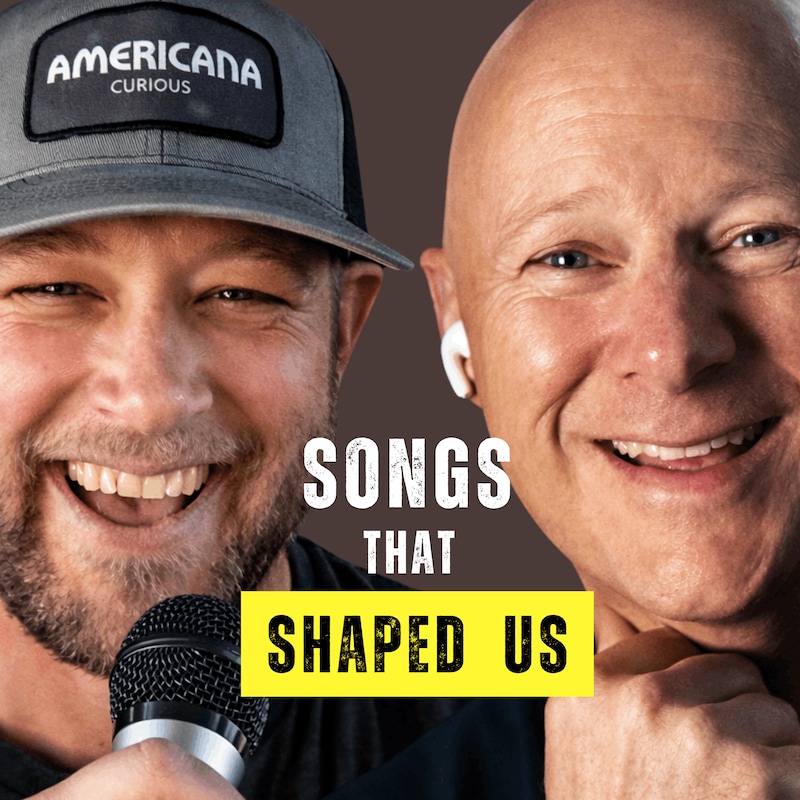
These are the Americana songs that shaped who we (Ben and Zach) have become.
As you'll hear it's not because they were chart-toppers or because everyone else loved them...
...it's because they found us at a very specific moment.
A long drive after a hard loss.
A tiny club when you felt invisible.
A lyric that said what you couldn’t say out loud.
That’s the part we don’t talk about enough!
We analyze strategy. We debate business models. We optimize everything.
But songs?
They bypass ALL logic.
They attach themselves to your identity. When you look back, you realize certain bands didn’t just soundtrack your life, they helped AUTHOR IT.
We can trace chapters of our own growth to specific records.
Certain risks we took. Certain conversations we had. Certain seasons we survived.
It’s wild how an honest lyric can do what no book ever could.
The real question becomes isn’t whether music changes us.
It’s this...
Are we CHOOSING the songs and bands that shape us…
Or are we passively letting whatever’s loudest do the shaping?
What if the music you surround yourself with is determining the leader, parent, and partner you become?
Transcripts
Americana songs that changed us.
Speaker B:Listening to Bob Dylan and Jim Croce, I would just type in alt country bands and just try to find it on Don't Sue Me Napster at the time and try to get these bands.
Speaker A:For me, it's one that literally changed my life.
Speaker A:A young woman walks in, she sits down in front of me, she's really cute.
Speaker A:Within seconds she tells me one of her favorite bands is the Indigo Girls.
Speaker A:Basically a couple years later we end up getting married.
Speaker A:We've been married for over 20 years.
Speaker A:And years later I get a text from Zach saying, saying, Ben, your wife and your daughter are in the Indigo Girls documentary.
Speaker B:I was like, wait, we gotta rewind that.
Speaker A:There can be community around music that cover time zones and connected us.
Speaker A:Was there one song that really encompasses that?
Speaker B:Yes.
Speaker B:They didn't just create other bands to follow, they created a whole music scene.
Speaker A:So what is your first landmark Americana song?
Speaker B:Well, I gotta tell a little backstory to it.
Speaker A:Raw Real Road Worn.
Speaker A:The artists we feature aren't chasing fame, they're chasing truth.
Speaker A:I'm Ben Fanning with my co host Zach Schultz and this is Americana Curious where we spotlight the unsung heroes of Americana music.
Speaker A:You'll get new songs, hard earned lessons, stories behind the music, and a big shot of inspiration.
Speaker A:Follow the show and rate us on Spotify and Apple and leave a review on Apple to help more people discover the power of Americana.
Speaker A:Let's get Americana curious.
Speaker B:You know, in high school I'm listening to Bob Dylan and Jim Croce.
Speaker B:Well, other my peers are listening to matchbox 20 and limp bizkit.
Speaker B:It wasn't for me.
Speaker B: s: Speaker B:I love the kind of old time rootsy music, but not country.
Speaker B:Because country at that time was so polished, it's even gotten worse.
Speaker B:But back then it was, you know, that was kind of the start of the polish.
Speaker B:So I used to sit in the library at school up in Northern Michigan and, and just.
Speaker B:I had heard that term alt country because Americana really wasn't a phrase yet.
Speaker B:So I would just type in the computer alt country bands and I would come up with lists and lists and just list, try to find it on Don't Sue Me Napster at the time and try to get these bands because that was how you consumed music if you couldn't find it, you know.
Speaker A:Yeah.
Speaker B:Early days of streaming, but I would come across a band called Blue Mountain and a song called Soul Sister and it, it kind of made My search engine go a hundred different ways in this crowd that's, you know, they're not country enough, but they're not rock enough.
Speaker B:So what is it and why did I fall in love with it?
Speaker B:That would eventually come America, Americana genre.
Speaker B:But blue.
Speaker B:Blue Mountain, Soul sister.
Speaker A:All right, I gotta check this out.
Speaker A:So this is.
Speaker A:This is reaching back.
Speaker A:This is like young Zach.
Speaker B:Yes.
Speaker A:Like exploring alt country.
Speaker A:And alt country is the grandfather of Americana or the cousin.
Speaker A:Step cousin.
Speaker B:Yes.
Speaker B:I mean, so you can go into more detail later on what band, I believe, you know, to took that took us from that alt country into the Americana realm that we're, you know, that we're seeing now.
Speaker A:Yeah, love that.
Speaker A:All right, y', all, that's your first tune.
Speaker A:Blue Mountain Sister.
Speaker A:Blue Mountain.
Speaker A:And then the song Soul Sister.
Speaker A:And by the way, if you're.
Speaker A:If you're watching this on YouTube, you can keep watching on YouTube, but in the audio, on the audio only versions on Spotify and Apple that we're going to release, we're going to be including snippets of these songs, just like we have in some of the previous episodes.
Speaker A:So if you want to get a flavor of the tune right here without having to search for it, go check it out.
Speaker A:So for me, it's one that a lot of you know, but to me, it's just so such a landmark song.
Speaker A:For me, it literally changed my life.
Speaker A:And it's Indigo Girls Closer to Fine.
Speaker A:I'm in high school and someone gives me this tape.
Speaker A:It's the Indigo Girls Closer to Fine album.
Speaker A:I hear that song and it pretty much changed the game.
Speaker A:I didn't realize there were any modern day people playing folk music like that, harmonizing like that and writing songs at that level.
Speaker A:I just remember laying on my bed looking at the lyrics and saying, man, there is something to this.
Speaker C:And lightness has a call that's hard
Speaker B:to hear
Speaker C:I wrap my fear around me like a blanket I sailed my ship of safety Till I sank it I'm crawling on your shores I went to the doctor I went to the mountains I look to the children
Speaker A:I even took one of my first big dates to the Indigo Girls concert.
Speaker A:And she hated it.
Speaker A:She absolutely hated the show.
Speaker A:And it's a real big disappointment for me because that was my first time to see them.
Speaker A:Let's just say that relationship did not continue too much longer after that.
Speaker A:However, years later, and this is a very true story from the archive at the University of Alabama on my first day of English class.
Speaker A:And we're in this in the smaller classroom.
Speaker A:And a young woman walks in and she sits down in front of me.
Speaker A:She's really cute.
Speaker A:And the teacher says, we're like, it's 15 person class at Alabama.
Speaker A:She's like, hey, we're gonna.
Speaker A:I want you to interview someone, and then you're gonna introduce that person to the rest of the class.
Speaker A:It's like an icebreaker.
Speaker A:I tap the girl on the shoulder who's in front of me.
Speaker A:Very cute.
Speaker A:I said, I want to interview you.
Speaker A:Within seconds, she tells me one of her favorite bands is the Indigo Girls.
Speaker B:And you're like, here's a ring.
Speaker A:Yep.
Speaker A:Basically a couple years later.
Speaker A:Well, a few more than that.
Speaker A:More than a few years.
Speaker A:But we.
Speaker A:But we end up getting married.
Speaker A:We've been married for over 20 years, and we have seen the Indiana Girls many, many times now just to sort of during that time, actually write a religion paper all about that song.
Speaker A:Going deep on what it means, what it means to me, exploring this song.
Speaker A:And we take our.
Speaker A:We have a.
Speaker A:We have a daughter.
Speaker A:And years later, I get a text from Zach saying, ben, your wife and your daughter are in the Indigo Girls documentary.
Speaker A:And I'm not even making this up.
Speaker A:This is.
Speaker A:I couldn't believe it.
Speaker B:And I saw it the first night I was watching it, and I was like, wait.
Speaker B:He's like, we gotta resign that.
Speaker A:Yeah.
Speaker A:Yes.
Speaker A:Yes.
Speaker A:There's the very end.
Speaker A:And they did a show.
Speaker A:The new girls did a special Covid show outdoors here, and they were interviewing people for their documentary.
Speaker A:And my daughter, My wife got in line forever to talk about this.
Speaker A:And they actually have a cameo at the end from that specific show.
Speaker A:And so this is.
Speaker A:This is landmark Americana, because for me.
Speaker A:But I think that if you asked a lot of people who love the Indigo Girls, this is.
Speaker A:They play an interesting part in their life somewhere.
Speaker A:They've inspired Brandy Carlisle.
Speaker A:They've inspired so many people.
Speaker A:Zach has met up with Amy multiple times and has his own stories from Amy.
Speaker B:I don't know if she would remember me, but I sure remember her.
Speaker B:Yeah, she's.
Speaker B:I love her.
Speaker A:But.
Speaker A:But there's like a through line from these people, like the.
Speaker A:These incredible women and their music to so many people.
Speaker A:And they're literally.
Speaker A:Their music is changing the world.
Speaker B:I agree.
Speaker A:Their music is literally changing the world.
Speaker A:This is not an Indigo Girls episode, but we may do one.
Speaker A:But for me, you know, it's.
Speaker A:I mean, think about.
Speaker A:I encourage everybody to think of.
Speaker A:Think about your life.
Speaker A:Like, what are those songs that do seem to connect the dots for You.
Speaker A:And it's important that you cherish those and share them with people.
Speaker A:And if you don't have one, will you just keep listening to Zach and I and we'll give you some?
Speaker B:And I would put those two up there with some of the best harmonic voices together of any band in history.
Speaker B:And they don't get their credit for their.
Speaker B:The way they harmonize.
Speaker B:But I love the Indigo Girls, too.
Speaker B:You know that?
Speaker B:I went to Indigo Girl University.
Speaker B:I have a shirt that says that, dad.
Speaker A:Yes, Professor Zach.
Speaker B:Yes.
Speaker B:Oh, I love that story.
Speaker B:All right, so I'm gonna go to another one of mine that really shaped, you know, my love for this genre, and they're right here out of the great state of Minnesota, the Jayhawks, one of my top five bands.
Speaker B:You know, Gary Laura's, you know, is the lead singer, main writer.
Speaker B:And the old saying is, if you need a chorus, give it, Dolores.
Speaker B:Because when he writes the song, it's catchy.
Speaker B:And I mean, I've seen this band more than any other band.
Speaker B:I.
Speaker B:Every summer I see it multiple times, especially once a year with my daughter, which has created such a great memory for me and her that she loves the band.
Speaker B:My wife's seen him a bunch of times.
Speaker B:My son's seen him a bunch of times.
Speaker B:But my very first song, probably Here into Theirs, was Waiting for the sun and the guitars and the harmonies and Gary's unique voice, but always a catchy tune.
Speaker B:If you need a chorus, bring it, Dolores.
Speaker C:It was not lost on me.
Speaker C:Walking on down the road
Speaker B:Looking for
Speaker C:a friend to hand out somebody
Speaker A:Bring it to Loris.
Speaker A:I have seen them one time in Atlanta, and it was.
Speaker A:It was an amazing show.
Speaker A:And I'm so disappointed haven't gotten to see them more, but they are on the Mount Rushmore, man.
Speaker B:Oh, yeah.
Speaker B:Music for no Doubt.
Speaker B:And, I mean, he's gone out to write songs for the Dixie Chicks on their Grammy Award winning album.
Speaker B:He wrote I think it's Not Ready to Make Nice.
Speaker B:He was a co writer on that one.
Speaker B:I mean, a couple other ones.
Speaker B:He's a prolific songwriter and just proud that I'm from the state that they're from.
Speaker A:Yes.
Speaker A:Now, I don't know about the Blue Mountain catalog, but I know the Indigo Girl catalog and the Jayhawks catalog can keep you busy for weeks.
Speaker B:Blue Mountain is long.
Speaker A:We need those, too.
Speaker B:Yes.
Speaker A:But there is a depth to the songwriting, so there.
Speaker A:That can keep you engaged and keep you really going back.
Speaker A:And it's.
Speaker A:It's so special that we live in the time of The Negro girls and the Jayhawks, where you still can catch them, right?
Speaker A:They.
Speaker A:They are still cranking it.
Speaker A:Yeah.
Speaker A:I tell you, for me, I think I discovered Jayhawks.
Speaker A:It's Hollywood Town Hall.
Speaker A:Is that the first album?
Speaker B:Yeah, that's a special one, but yeah,
Speaker A:it's not the first one.
Speaker B:Yep.
Speaker B:Not the first one, but probably their first mainstream one that kind of got people wondering who, you know, who.
Speaker B:Who are these folks from the Tundra?
Speaker A:Yes.
Speaker A:Who are these frozen Minnesotans that are cranking this great music?
Speaker A:Yeah.
Speaker B:Yes.
Speaker A:Yeah.
Speaker A:Really, really good stuff for me.
Speaker A:Another landmark one is one that we like to talk about here that David Brothers and.
Speaker B:Oh, I was going to top.
Speaker B:Yes.
Speaker B:I. I agree with.
Speaker B:On my list.
Speaker B:Yes.
Speaker A:Okay.
Speaker A:Well, I think about why they're a landmark for me is in that they really took the Americana sound and they added a lot of energy to it on.
Speaker A:On certain songs.
Speaker A:And I'll mention a couple here.
Speaker A:They really.
Speaker A:Their.
Speaker A:Their live performances seemed really to connect with me.
Speaker A:They're the first ones where I traveled overseas.
Speaker A:Overseas.
Speaker A:I traveled to Mexico and Dominican Republic.
Speaker A:To their.
Speaker A:To their.
Speaker B:We were at that concert together, but didn't know.
Speaker B:The very first year we didn't know each other.
Speaker B:Right.
Speaker A:Zach was there, I was there.
Speaker A:We know each other.
Speaker A:Yet we had to wait for the Brandy Carlisle one offer that.
Speaker B:Yes.
Speaker A:But I.
Speaker A:But I realized it was.
Speaker A:So why is really landmark for me was I realized there can be community around music that covered time zones and.
Speaker A:And connected us.
Speaker A:And it was like walk.
Speaker A:I was like, I'm walking around of all these Ava Brother fans for multiple days.
Speaker A:And they were all interesting and extremely cool and all we had in common, sort of.
Speaker A:Although there was a lot more what was their music.
Speaker A:But because we had this core music interest, I realized that that connects us in community and we have a lot more in common than we realize than just the music.
Speaker A:And also I got introduced to a lot of Ava oriented or Averte common music like Langhorne Slim that we talk about.
Speaker A:The Head and the Heart already knew John Prine, but John Prine was there the first year.
Speaker A:Right there was awesome.
Speaker A:That was.
Speaker A:That was awesome.
Speaker A:Although I'm not sure everyone knew how awesome it was, but.
Speaker A:But most people there knew how also we don't recognize it.
Speaker A:And I think that it just, you know, like later we got the Newport Folk Festival and all this stuff.
Speaker A:But for me, when I got into that specific world of Davids, it.
Speaker A:It made it really special.
Speaker A:And I got one more thing about this.
Speaker A:I wanted to get my daughter interested in Americana.
Speaker A:Although she's interested in a lot of other varieties of work.
Speaker A:And there was a.
Speaker A:They have a song called Kick Drum Heart and that Avits do.
Speaker A:I recommend checking this song out.
Speaker C:Before us up above we're holding hands in the rain Saying words like I love you do you love me?
Speaker B:Yeah.
Speaker C:My, my, my heart like a kid drum My, my heart like a kid drum My, my heart like a kid drum My, my love like a Boys.
Speaker A:The thing that I think really was the linchpin here is if you go on YouTube and you look up Kick Drum Heart and you look up Grand View elementary, okay, there's a fourth and fifth grade music class covering Kick Drum Heart.
Speaker A:And they're like going down the hallways on their little scooter deals.
Speaker A:They're.
Speaker A:They're like playing in their classroom.
Speaker A:And the Avetts shared this, like, this is like they absolutely loved it.
Speaker A:But there was something.
Speaker A:There was like a magic in my kid seeing this song performed by people close to her age in this great video.
Speaker A:She added it to her playlist.
Speaker A:It really created a little breakthrough.
Speaker A:And so for me personally, that was a breakthrough to kind of share my music with her in any way that she enjoyed.
Speaker A:And then we kind of all culminated and the Avett Brothers did a concert at the Charlotte Motor Speedway during COVID And you had to stay in the back of a pickup truck.
Speaker A:Like they wouldn't allow you to like leave and walk around because of.
Speaker A:They weren't sure how covet was spreading.
Speaker A:And she rode up there with us, my wife and I, and got to enjoy the Avett Brothers in the back of a pickup truck at the Charlotte Motor Speedway with us.
Speaker A:And it was a news I bought
Speaker B:from that show, even though I wasn't at that show.
Speaker A:The Merch king got his merch anyway.
Speaker B:Yeah, well, it was during COVID so I hadn't gone to a show for a while, so I needed some merch.
Speaker B:We watched it on tv, so.
Speaker A:So you want expound upon Avits?
Speaker B:Yeah, I do.
Speaker B:Because my first experience of the Avits is that album, their first album, country was.
Speaker B:And I always like that title, as if country was what.
Speaker B:What are, what are we talking about?
Speaker B:They brought a punkness to traditional music, I guess is one way to say it.
Speaker B:With Left on, you know, Left On Laura Left On Lisa Color show.
Speaker B:These are, you know, they have songs, you know, they have old time instruments.
Speaker B:You know, Joe plays the cello, they got the violinist, they kick out that banjo every once in a while, but they're playing kind of punky style, you Know whether Seth has got his electric or the piano just booming.
Speaker B:But yeah, one of my favorite bands.
Speaker B:I can't believe we were at those shows where together we didn't even know each other, but we went back many years later a few times.
Speaker B:Yeah.
Speaker B:And that's.
Speaker B:They're one of my favorite live shows to this day.
Speaker B:Just saw them recently and when we go, the whole family goes.
Speaker B:It's not just me and my wife, it's the kids.
Speaker B:They want to actually go and they have a heck of a time experience.
Speaker B:It's.
Speaker B:But yeah, it's one of my top five bands.
Speaker C:Tell me how you feeling one more
Speaker B:time
Speaker C:for long years and I just can't believe that I'm still yours and you're still mine While I was gone
Speaker A:Yes, I fell in love Was there one song Country?
Speaker A:Was that that really, I guess encompasses that.
Speaker B:Yeah.
Speaker B:November Blue is still one of my favorite songs of theirs in their whole catalog and it's off that very first album.
Speaker B:But I mean there are so many avid records that are so good and for.
Speaker A:And for the people that want to see how like go down the.
Speaker A:The Evett Brother lore, there is a website, right.
Speaker A:November Blue, where you can enter in your name and these shows that you have been to that like keeps a record.
Speaker A:If you want to go see who the biggest super fans are, you go to the November Blue website and it shows you how many like you can actually put in the date that shows you've been to.
Speaker A:It shows you what percentage of the albums you've seen live, what song.
Speaker B:That's my favorite part of that.
Speaker B:Yes.
Speaker B:Because I there.
Speaker B:I can't remember how long, how many shows it took me to get to November Blue, but I knew it because of that site tracking it.
Speaker B:You know, once I got there, I was like, yes, I finally checked that one off.
Speaker A:Again, community, good band.
Speaker A:All right, Zach, who else you got for us next?
Speaker B:All right, well, I am going to go to what I think is the most probably.
Speaker B:I mean, you can go all the way back to the band that's kicking off with roots music and what they're doing, but that brings it from this alternative country to the Americana realm that we know today is, in my opinion, Uncle Tupelo.
Speaker B:We've talked about it on the past.
Speaker B:It's, you know, Jay Farrar, Jeff Tweedy, high school buddies forming this band.
Speaker B:And I mean their first album had a song called no Depression on it, which later no Depression would become one of the biggest roots music magazines.
Speaker B:They named it after that song.
Speaker B:And when that Band breaks up it in, you know, early 90s they go in two different directions which Wilco and Sun Volt, which.
Speaker B:I mean Wilco is still going strong today.
Speaker B:Sun Volt as well.
Speaker B:But Wilco is on another level there.
Speaker B:Uncle Tuplo was everything to me in high school.
Speaker B:It was.
Speaker B:I mean I. I can remember friends listening to it so much, you know, just like the last episode it'd be on so much they just start sit in it and then they'd go God, why'd you get my head.
Speaker B:Why'd you get this off?
Speaker B:In my head it would be.
Speaker C:So I'm going where there's no depression To a better land that's free from
Speaker B:care I'll leave this world a toil and trouble My home's in heaven I'm going there.
Speaker B:They didn't, you know, when they broke or when.
Speaker B:When Uncle Tupelo starts and then they kind of break up.
Speaker B:They didn't just create other bands to follow, they created a whole music scene.
Speaker B:Chicago, you got Wilco, St. Louis, you got Sunvolt, North Carolina, you got whiskey Town.
Speaker B:That comes from that movement.
Speaker B:Dallas, you have the old 97s that come from there.
Speaker B:I mean they created this whole minor genre of.
Speaker B:It just blows my mind.
Speaker B:So I.
Speaker B:And then out of those you get the drive by truckers that then you get your IsBulls, your brandies and it's just like a pyramid.
Speaker B:And I always think that you could.
Speaker B:Uncle Tupelo's up at the top.
Speaker A:My opinion, Uncle Tupelo is like the Nick Saban as the football.
Speaker A:The coaching tree of Nick Saban.
Speaker A:All the coaches that are coaching now.
Speaker A:Uncle Tupelo's gotta.
Speaker A:I've never thought about it but Uncle Tupelo with that because they've.
Speaker B:Yeah.
Speaker A:And I.
Speaker A:Old 97.
Speaker A:Yeah.
Speaker A:I mean really, it's.
Speaker A:It is incredible, man.
Speaker A:How yeah a great band can make so many so much great music but inspire, you know, and then so many other bands to make great music.
Speaker B:And just like one thought.
Speaker B: t movie that comes out in the: Speaker B:Oh brother, we're out thou.
Speaker B:It puts roots music skyrocks it right to the mainstream.
Speaker B:So you then start hearing about Lucinda Williams and Steve Earl and kind of these amazing songwriters that were put just kind of down here when their music is the top of the game.
Speaker B:So I'm very passionate about it.
Speaker B:Ben.
Speaker B:Uncle Tupelo, check it out.
Speaker B:Any song from them.
Speaker A:But you're going no Depression.
Speaker A:Or is that.
Speaker A:Is that the song you wanna.
Speaker B:That's the song I would choose.
Speaker B:Because it was.
Speaker B:It was so different, you know, it was.
Speaker B:One is off their first album.
Speaker B:It inspired so much.
Speaker B:And it's.
Speaker B:It's not country, it's not rock.
Speaker B:But what is this?
Speaker B:And why are these kids in middle America writing about working in factories, working everyday job.
Speaker B:I mean, why are they writing about such hardships when they're these young kids?
Speaker B:But they all had the stories to tell.
Speaker A:It's a good life with.
Speaker A:With Uncle Tupelo.
Speaker A:Yeah.
Speaker A:Haven't been here, man.
Speaker A:Better.
Speaker A:Better world for us, for me.
Speaker A:Another.
Speaker A:So another one that people may not be expecting, but it has been a landmark.
Speaker A:Americana singer, musician and songwriter Mason Vi.
Speaker A:You might be saying, well, who is Mason Vi, and why is he important?
Speaker A:Well, he is the very first person to come on our show.
Speaker A:Americana Curious.
Speaker A:And this day, Zach and I were kicking this idea around.
Speaker A:We talked about the origin before of the show in a previous episode.
Speaker A:But, y', all, we kicked this idea around a while, you know, for a while.
Speaker A:Like, who's.
Speaker A:Who's going to be the first.
Speaker A:First person.
Speaker A:We're inviting them to a show that does not exist yet.
Speaker A:And Zach had been interacting with Mason over on Instagram, and he said, sure, man.
Speaker A:And, you know, Mason, y' all played with Old Crow medicine shows.
Speaker A:The youngest member for years.
Speaker A:He's incredibly talented, and I thought we'd hit the dang jackpot right out of the gate.
Speaker A:So his song Fireball, I can just hear it right now.
Speaker A:Such a good tune.
Speaker C:She's a sunny morning.
Speaker C:On a Porsche Gentle on my mind Like a southern pine Summer breeze Now my body Fireball and crazy thank God he sent that girl to save me.
Speaker A:And I want to highlight for the listeners a song that's not out yet on Spotify and Apple and whatnot on the album, but it's on YouTube.
Speaker A:It's called See it while you can.
Speaker A:And the first time I heard it, it.
Speaker A:He opened up recently for the Wood Brothers, who were huge.
Speaker A:I mean, we are huge on the Wood Brothers, y'.
Speaker B:All.
Speaker A:But when one thing Mason's got, and I know that Zach, you've seen him, is he's got stage presence, just oozes stage charisma.
Speaker A:And, you know, openers sometimes get a hard.
Speaker A:Have a hard time commanding the audience.
Speaker A:He has zero problem with that.
Speaker A:Everyone is looking and paying attention.
Speaker A:When Mason hits the stage, he starts cranking up this song.
Speaker A:And this song, y', all he wrote, see why youy can, is about saving and protecting the national parks.
Speaker A:There's a line, there's a beauty in this world that some don't understand.
Speaker A:So, folks, you better see it while you can.
Speaker A:And it's a.
Speaker A:You know, the.
Speaker A:The.
Speaker A:The national park's got a lot of problems right now.
Speaker A:People want that land.
Speaker A:They want to do things with it that is not going to preserve it for our great, great, great, great grandchildren.
Speaker A:And it's a real call to action on something I think we can all get behind.
Speaker A:And I just.
Speaker A:I think it's.
Speaker A:One of the great things about Americana is it does include protest music.
Speaker A:And this is something that I want to highlight because he, to me, he represents rising Americana youth, the people carrying the torch from the greats like Old Crow and the future is bright.
Speaker A:Zach, what's your.
Speaker A:What's your take?
Speaker B:Well, my take on that is just.
Speaker B:He just announced today on Instagram that song's out February 6th on streaming in Montana.
Speaker C:Where the rocks meet the ice there's glaciers that have cut a big old slice of paradise but this world's eating faster long than a frying pan so folks, you better see it while you can.
Speaker C:From the bright Smoky Mountains from the heart of Shenandoah to the wide open plain Yellowstone buffalo There's a beauty in this world that some don't understand supposed to you better see it while you can.
Speaker B:He realized that it's a popular.
Speaker B:No Mason.
Speaker B:I saw him with Old Girl, and I've seen Old Girl a million times.
Speaker B:But the last time I saw.
Speaker B:Or I guess a couple times ago, Mason was still in the.
Speaker B:In the band, and he captivated me.
Speaker B:I think I told him that in the audience.
Speaker B:I. I couldn't.
Speaker B:When you can take away from Catch C core, I mean, that's hard, and that's hard.
Speaker B:And they're both great performers, and Mason just captivated the audience.
Speaker B:And when I heard he was going solo, I was like, maybe this is an in for our very first episode.
Speaker B:Because this is.
Speaker B:This kid's gonna be.
Speaker B:He's going somewhere.
Speaker B:And, yeah, I've seen him sense solo, and I think what he's doing is great.
Speaker B:They also, these younger kids, these.
Speaker B:These torch bearers of Americana, they seem to be more.
Speaker A:That's another episode.
Speaker A:Torch bearers.
Speaker B:Yes.
Speaker B:Torch bearers.
Speaker B:Yes.
Speaker B:Newcomers.
Speaker B:They.
Speaker B:They're not afraid to write a song, record it, put it out.
Speaker B:You know, we're kind of the days of.
Speaker B:I mean, you still have to wait for your album here and there.
Speaker B:But these guys, they put out singles all the time, which I like and I don't like, but I like it for some artists.
Speaker B:But, yes, for Mason especially, I Like it.
Speaker B:I like getting his music out there, and I'm glad he does it right away.
Speaker B:He.
Speaker A:He's also got a great tune with.
Speaker A:With Sierra Pharrell.
Speaker A:It's like a.
Speaker A:Do a thing that is really cool about.
Speaker A:I think it's Mardi Gras.
Speaker B:It's really, really Mardi Gras, and it's so good.
Speaker B:And nobody knows about it except for me.
Speaker B:And you keep trying to tell everybody to go listen.
Speaker A:We tell everybody to get listed as.
Speaker A:Yeah.
Speaker A:So if you check out Mason Vi.
Speaker A:Check out this Mardi Gras.
Speaker A:Yes.
Speaker A:Sierra's on there.
Speaker A:She sounds amazing, and so does he.
Speaker A:And they sound like they go together like peanut butter and jelly on there.
Speaker A:A funny story with Mason.
Speaker A:We had a few.
Speaker A:So we really.
Speaker A:So Mason tours a lot, and he came to Charleston and a couple Charleston stories.
Speaker A:We'll focus on one.
Speaker A:So he's like, so.
Speaker A:So I was interacting with him.
Speaker A:It's like, Mason, you know, you did great on the show.
Speaker A:I want to.
Speaker A:I'm coming to see you at the poor house.
Speaker A:So he went to his show, and he's like, hey, man, we're doing a private party tomorrow.
Speaker A:You should come.
Speaker A:And this is just Mason.
Speaker A:So if you meet Mason, don't be surprised if he invites you to just go out or go to an extra show.
Speaker A:And it seems like all the musicians know him.
Speaker A:And then so he gives us the address, we end up in some random person in Charleston's backyard.
Speaker A:But it's.
Speaker A:It's a show where it's.
Speaker A:It's like a.
Speaker A:He's more of an Americana vibe, but it's like a bluegrass thing.
Speaker A:And I'm thinking, how is Mason going to hang with these speedy bluegrass players?
Speaker A:Well, he has no problem at all, y'.
Speaker A:All.
Speaker A:He's.
Speaker A:He's converted to a completely different music.
Speaker A:Playing bluegrass, like speed bluegrass, no problem.
Speaker A:And he's just telling stories and fits right in, and everyone loves him there.
Speaker A:We brought some of our other friends.
Speaker A:And then he starts telling me later about that.
Speaker A:He's like, after the previous night's show, he met up with some people, and they went to the beach after the show at the poor house and jumped in the water and a bunch of them.
Speaker A:I mean, he's just making friends all over the place.
Speaker B:Yeah, this guy is.
Speaker A:Yeah.
Speaker B:On that note, I saw on like a Tuesday in the middle of the summer up here and chatting with him after.
Speaker B:I said, so where you headed tomorrow?
Speaker B:And he was like, we got a day off.
Speaker B:What you up to?
Speaker B:You want to hang out?
Speaker B:And I was Like, I gotta work, Mason.
Speaker B:I was just asking where you're headed next.
Speaker B:And he was like, oh, oh, because I'm free.
Speaker B:And I was like, yeah.
Speaker B:He's like, we don't play for.
Speaker B:Till Chicago for the next day.
Speaker B:So he's a friendly young man.
Speaker A:Yeah.
Speaker A:Like, that's his energy.
Speaker A:But I'd like to see more of that in Americana, and I think we do, but I think that's the good vibe of that.
Speaker A:Like, we're all in this together, and the music unites us, doesn't divide us and keep us apart.
Speaker A:You know, something we can get behind.
Speaker A:And those artists are leading the charge.
Speaker A:All right, Zach, what's your next one?
Speaker B:I'm just going to stay about the torch bearers of Americana and go with Jack McEwen, who.
Speaker B:I just love this young man's storytelling.
Speaker B:Jack, from episode four or five of our podcast.
Speaker A:He was early, and he was a torch bearer.
Speaker A:Americana.
Speaker A:Curious.
Speaker B:Yes, he was.
Speaker B:And Crooked Teeth is about Americana song as there is.
Speaker A:Yes.
Speaker A:What a song, man.
Speaker A:Good.
Speaker A:National.
Speaker B:I can't wait to get him back on the show because he's been playing with Fancy.
Speaker B:Hey, good.
Speaker B:And another friend of our show, she returns from war, he's been playing with.
Speaker B:And he's got some new music coming out.
Speaker B:Well, he.
Speaker A:He really, like, exudes the.
Speaker A:The collaborative spirit of Americana.
Speaker A:He.
Speaker A:And, yeah, these musicians in Nashville, they mean.
Speaker A:They mean business.
Speaker A:Not just about their own music, but also lifting each other up.
Speaker A:And you got to find these artists and stick with them because you're going to see them supporting each other in ways that.
Speaker A:That's inspiring.
Speaker A:And I don't even understand why the rest of the world can't seem to do that.
Speaker A:But they don't see each other as competition for gigs and shows.
Speaker A:It's more of like, hey, a rising tide lifts all ships.
Speaker A:And that's the Americana vibe.
Speaker A:Yeah.
Speaker B:They seem to.
Speaker B:They want to collaborate, which we always talk about on our show.
Speaker B:And I love that that they, like you said, aren't.
Speaker B:It's not a competition of who's getting more streams.
Speaker B:They're trying to help each other out, especially the ones that.
Speaker B:That we really love.
Speaker A:What?
Speaker A:How much did you cry the first time you heard Crooked Teeth?
Speaker B:I listened to it about eight times in a row.
Speaker B:I mean, I was blown away.
Speaker B:And, you know.
Speaker B:You know, then you go to look at their Spotify, and it's one of their best or one of his best, you know, highest streamed or whatever, and it's, you know, less than a thousand, and I'm thinking I just did a quarter of that this evening, you know, but I mean, he's, he's since.
Speaker B:He knows what he's doing.
Speaker B:He's.
Speaker B:He's since become, you know, more and more popular and the more he keeps putting out, the more people are going to get on him.
Speaker A:Well, yeah, and here's the thing.
Speaker A:A lot of people look at like Spotify streaming, for example, or YouTube streaming.
Speaker B:Yeah.
Speaker A:They don't see a lot of downloads and they're like, oh, that's not worth listening to.
Speaker A:We take the opposite approach, right?
Speaker A:We're like, no, that, that's something we need to check out.
Speaker A:And you do feel like you're contributing, right?
Speaker A:You're spreading like if you're spreading the word on something that's been downloaded millions and millions and millions of times, well, whoop dee doo, everybody knows that stuff.
Speaker A:But you want to give someone a gift, you give them a rare jewel like crooked teeth.
Speaker A:Not so rare anymore thanks to Zach.
Speaker A:But you know, it's, it makes a big difference.
Speaker A:That's one of the reasons we do this show, man, the new music.
Speaker B:Well, I love that.
Speaker B:Well, why don't you.
Speaker B:If you have another one or you can take her away, take her home, my friend.
Speaker A:I've got, I've got one.
Speaker A:Well, I've got a bunch more as you probably do, but I've got one more I do too want to mention.
Speaker A:So I'll do one more, then you do one more.
Speaker A:Shovels and rope here.
Speaker A:Lives here, here on John's island here in Charleston and been following them for a long time and really enjoy this husband and wife rock duo.
Speaker A:They make a huge down on the stage.
Speaker A:They are not both playing guitar like a folk group.
Speaker A:They are pure rock and roll and Americana, you know, all a little bit alt country in there and they're a lot of fun to listen to.
Speaker A:One of the reasons I want to highlight it, that was sort of a landmark for me.
Speaker A:And if they ever listen to this Carrie Ann and Michael Trent, you might be surprised to why you're so landmark for me.
Speaker A:And it's because of the Ballad of Shovels and Rope, which is a movie documentary that you can go watch.
Speaker A: It's a: Speaker A:It's like three or four bucks to rent on Amazon and it is a behind the scenes Americana story of them getting started making this really cool early album called Obi Joyful.
Speaker A:It features a song on there called Birmingham.
Speaker A:And yes, I grew up in Alabama.
Speaker A:That's not the reason that I love that song.
Speaker A:So much.
Speaker A:But it's a great song about how, like, their romance, how they came to be.
Speaker A:And they really weave in, like, the documentary, which Jason is a.
Speaker A:And other.
Speaker A:Some other artists are in there, too, as I recall.
Speaker C:Let me hide myself Buried in the sand 500 miles from Birmingham.
Speaker B:The thing I like about.
Speaker B:About them is that they are just the duo.
Speaker B:Every time I've seen them live, it's just been the duo.
Speaker B:Whether it was in Mexico one time or Minnesota or down last year at road trip to Raleigh, they were just the duo.
Speaker B:And they got the kick drum and a guitar, and they switch spots and.
Speaker A:Yeah, the mics.
Speaker B:Yeah.
Speaker B:And they, you know, he'll play the guitar for a while, she'll play the guitar for a while, he'll play the drums for all.
Speaker B:And the sound is not, you know, it's boom.
Speaker B:And, I mean, it's loud and they can hear it.
Speaker B:Yeah.
Speaker B:No, I love it.
Speaker A:This group is so ambitious that they actually founded the coolest Americana festival in the state of South Carolina, maybe in the Southeast, I think.
Speaker A:Called.
Speaker B:What.
Speaker B:What is your festival called?
Speaker B:You're drawing a blank.
Speaker A:I'm having Americana moment called High.
Speaker A:High Water.
Speaker A:I call the High Water Festival.
Speaker A:And so my wife and I have been.
Speaker A:Every single year since.
Speaker A:It has been going on for, like, 10 or 11 years.
Speaker A:They've since graduated out of this, and I think a different group has taken over.
Speaker A:But they.
Speaker A:They were curating the lineup until, like, the last year.
Speaker A:And it's still, you know, there's been a little bit of a.
Speaker A:Make a move to more of a bigger.
Speaker A:Trying to go bigger with the festival.
Speaker A:But I just really love the fact that they have the gall and the gumption to create this big dream in Charleston for a town that was not really as much on the radar back then.
Speaker B:Yeah.
Speaker A:And just.
Speaker A:And they also.
Speaker A:They'd invite their friends.
Speaker A:David Brothers, Brandy Carlisle, Jason Isbel.
Speaker A:Right.
Speaker A:A lot of their buddies.
Speaker A:Everybody from Middle brother, you know, all that.
Speaker A:All those folks, Dawes and.
Speaker B:Yeah.
Speaker A:Deer Tech and all those bands.
Speaker A:Right.
Speaker A:All their buddies in their community, they would come to Charleston, and we were not getting great bands here at the time.
Speaker A:And I think that festival that they created really helped put us on the map musically as a visit spot.
Speaker A:Because if you look at the map of the U. S. Charleston's kind of off by itself a little bit.
Speaker A:It's not as easy to get to.
Speaker A:You know, you have to go a couple extra hours.
Speaker A:And I think that this, you know, due to that festival, what they did, you know, I thank them for it.
Speaker A:It's big for us.
Speaker B:All right.
Speaker B:Since I mentioned that where.
Speaker B:Oh, brother, we're out thou movie.
Speaker B:I gotta mention for my final one here is just anything by Gillian Welch or Gillian Welch and David Rollins is.
Speaker B:There's nothing more Americana than.
Speaker B:Than those two.
Speaker B:But look at Miss Ohio.
Speaker C:Look at Miss Ohio.
Speaker C:She's running around with her red down she says, I want to do right but not right now.
Speaker C:Gonna drive to Atlanta and live out this fan.
Speaker B:Look at Mrs. Ms. Ohio is a top 20 song for me.
Speaker B:Wrecking Ball.
Speaker B:It's a little different than the Miley Cyrus Wrecking Ball.
Speaker B:I prefer Gillian Welch's Wrecking Ball, but that's what I would say.
Speaker B:I love those old town time sounds.
Speaker B:And hey, me and you saw her and Dave at Newport two years ago.
Speaker A:Yes, they did.
Speaker A:They closed.
Speaker B:They closed down.
Speaker A:I think the second day.
Speaker B:The second day of the main stage.
Speaker B:And you could have heard a pin drop even with all those boats in the ocean there.
Speaker B:But, yeah, what a band.
Speaker B:What.
Speaker B:What a legacy that they've left.
Speaker A:Yep.
Speaker A:A lot to check out there with them.
Speaker A:Another.
Speaker A:So much music.
Speaker A:So much music to go down the rabbit hole to really explore them.
Speaker A:They are legends and high influencers of Americana.
Speaker A:Such honest, beautiful, and often haunting music.
Speaker B:Yeah, that's a great, great word to describe them.
Speaker A:Well, man, we're gonna wind this thing down.
Speaker A:But before we do, what.
Speaker A:What's most exciting to Zach right now in the music scene?
Speaker A:Just getting you fired up.
Speaker B:Well, we just released the episode the Band of Heathens, and their album is very good.
Speaker B:I mean, exceptionally.
Speaker B:Kind of went above what I was kind of expecting.
Speaker B:So I'm looking forward to people to hear that.
Speaker B:The Langhorn slid.
Speaker A:You had high.
Speaker A:You had high expectations.
Speaker B:Yes.
Speaker A:So it's hard to beat Zach.
Speaker A:Zach has high expectations of a lot of artists.
Speaker B:Since we last talked, we were talking about some albums we were looking forward to, and Langhorne outdid himself with that album.
Speaker A:He did.
Speaker B:My wife said who.
Speaker B:She never really fell out of love with Langhorne, but it.
Speaker B:She said it made her fall deeper back into love with Leghorn.
Speaker B:So it's a really great album.
Speaker B:And so is that Monrovia one, the
Speaker A:Monoravia one from the last one.
Speaker A:Yeah, I've been listening to that thanks to Zach.
Speaker A:It was not on my radar.
Speaker A:Really listenable.
Speaker A:Really listenable.
Speaker A:It's one of those.
Speaker A:You can kind of have the background while you're doing everything and kind of jamming around town, or you can turn it up and really listen to the, like, the lyrics, you know, it's a.
Speaker A:It's really good.
Speaker A:That Langhorn album, man, is so rock and roll focused.
Speaker B:Yeah.
Speaker A:And I'm seeing him.
Speaker A:I'll report back, because I'm going to see him in two weeks.
Speaker B:I'm curious to see how loud it is, because if I do have one complaint bad, I'm not.
Speaker B:But, you know, I listened to most my music through headphones and, oh, it was kind of a low mix, so.
Speaker B:But when I get in my car, I can turn it up.
Speaker B:I just can't.
Speaker B:My headphones don't go up any higher, but I love it.
Speaker B:But I wanted it louder so I could just dance.
Speaker B:Dance on through, as he would say.
Speaker A:Yeah, I have not noticed that.
Speaker A:That sort of lower sound, but I've been turning it up quite a lot myself.
Speaker A:I. Yeah, I really like it.
Speaker A:And I like it when he's.
Speaker A:I honestly always love it when someone takes.
Speaker A:You know, they basically do their Dylan where they go electric like that.
Speaker A:Not that Langhorn wasn't electric before, but now he's just going full.
Speaker B:Well.
Speaker B:I heard the story that he was.
Speaker B:What.
Speaker B:He was doing a show somewhere in Nashville, just one of his, you know, folky Langhorn shows.
Speaker B:And the dudes from Greta Van Fleet were in this audience, and they approached him and said, can we produce your next album?
Speaker B:And we.
Speaker B:And he was like, I don't really do that type of stuff.
Speaker B:And they were like, let's.
Speaker B:Let's see what we can do.
Speaker B:So that's where they kind of that harder Edge song come.
Speaker B:Songs come from, which I love.
Speaker A:Ken.
Speaker A:It's like a collaborative effort, man.
Speaker B:I can talk to you forever, Ben.
Speaker B:We better go.
Speaker A:They're not in their eye, but.
Speaker A:But the musicians, it just goes to show me people, really.
Speaker A:I hope they understand.
Speaker A:These guys are, you know, they're not living in the ivory tower, right.
Speaker A:They're like real life.
Speaker A:They have real people problems, and they also have real life friendships and connections, and they draw on these to make new music and again, go into collaborative effort.
Speaker A:Show me a music other than Americana that is this collaborative.
Speaker A:Greta Van Fleet in the audience.
Speaker A:Langhorne has not made it.
Speaker A:He always, always makes his albums right.
Speaker A:With the same group of people until now.
Speaker A:And look what came out,
Speaker B:my friend.
Speaker A:Yeah, man.
Speaker B:So I'll see you forever, Ben.
Speaker A:Yeah.
Speaker A:So I'm.
Speaker A:So for you out there, people that have listened this far, you get the Americana curious gold star of the day.
Speaker A:And I want to offer you to feel free to reach out with bands that, you know, that you think could be a good fit for the show, or at least share some music with us and we'll feature it, you know, in a future episode.
Speaker B:Yeah, please.
Speaker B:That'd be awesome.
Speaker A:Until then, stay curious, y', all, and subscribe.
Speaker A:Thanks for joining Zach and I for this episode of Americana Curious.
Speaker A:Subscribe where you listen to your podcast so you are notified when a new episode is released.
Speaker A:I'm Ben Fanning and it's been great sharing these artists and music with you.
Speaker A:Until next time, stay Americana Curious.


