Shownotes
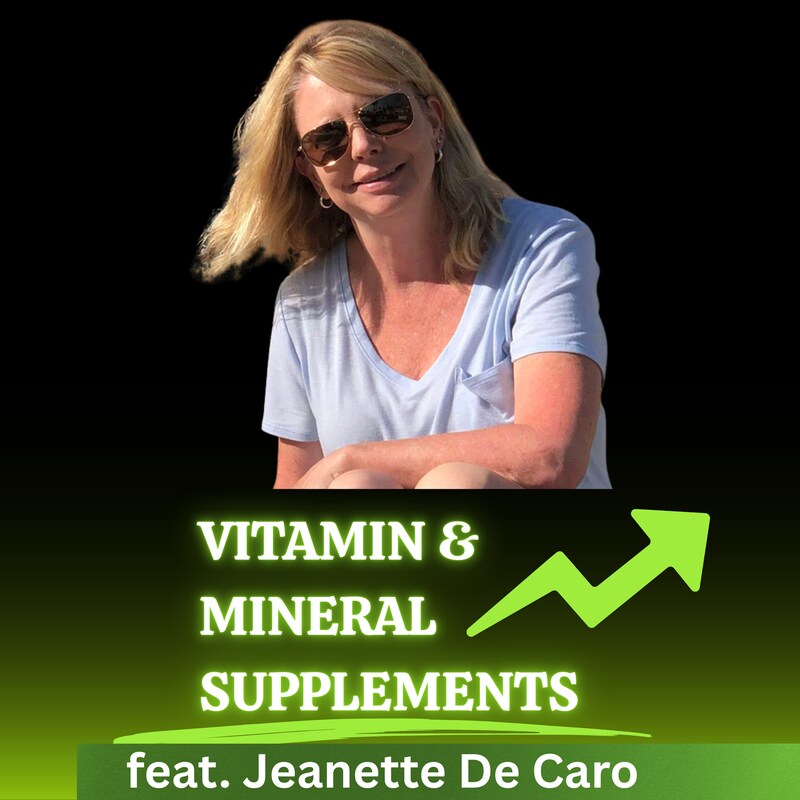
Today, we delve into the intricacies of nutritional supplementation, guided by the expertise of Janet, the founder of AL Asian Health and Wellness. The salient point of our discussion centers on the distinction between quality supplements and their often inferior counterparts, emphasizing the imperative of choosing practitioner-grade products that are rigorously tested for efficacy and safety. Janet shares her personal health journey, highlighting the transformative power of functional nutrition, which prioritizes addressing root causes rather than merely alleviating symptoms. We explore the nuanced differences between natural and synthetic vitamins, the potential hazards of over-supplementation, and the critical importance of individualized approaches to supplementation based on one's unique health needs. This enlightening conversation aims to empower listeners to make informed decisions regarding their health and wellness strategies.
Takeaways:
- The journey to health often requires understanding the underlying causes rather than merely addressing symptoms, as articulated by Janet, a functional nutrition expert.
- The quality of supplements can vary significantly, and it is critical to select those from reputable, practitioner-grade brands that ensure bioavailability and safety.
- Functional lab testing plays a pivotal role in determining the specific nutritional needs of an individual, allowing for tailored supplementation based on deficiencies.
- Natural vitamins derived from whole food sources are generally more effective than synthetic counterparts, which may require additional processing in the body.
- Over-supplementation can lead to adverse health effects, emphasizing the importance of consulting with a healthcare professional before starting any new supplements.
- Current agricultural practices have contributed to a decline in nutrient density in food, making it increasingly necessary for individuals to consider supplementation.
Links referenced in this episode:
Companies mentioned in this episode:
- AL Asian Health and Wellness
- FullScript
- pure encapsulations
- metagenics
- therapeutic
- integrative therapeutics
- microbiome labs
Transcripts
Hello everyone.
Speaker A:Welcome back to busy Free Mind Channel, a space dedicated to mental wellness, mindful nutrition and holistic living.
Speaker A:This is Shobna for you.
Speaker A:Today we are joined by Janet, the founder of AL Asian Health and Wellness.
Speaker A:After years of struggling with her own health challenges and feeling unhealed in traditional medical settings, Jennet turned to functional nutrition and restorative wellness to uncover root causes rather than just treating symptoms.
Speaker A:As a functional nutritional therapy practitioner and master restorative wellness practitioner, she now now helps others restore balance through bio, individual nutrition, functional testing and nutrient dense lifestyle support.
Speaker A:I'm so glad to welcome here.
Speaker A:Hi, Jeanette, how are you?
Speaker B:I'm doing well.
Speaker B:Thank you so much for having me.
Speaker A:Thank you.
Speaker A:When I created a question set for you, the question kept coming because we have so many doubts related to supplements.
Speaker A:And before I ask my first question, please tell us, how did you come into this field?
Speaker B:So I really started through my own health problems.
Speaker B:I was probably my mid-40s and I was going to the doctor all the time for one problem or another.
Speaker B:I was getting infections, I had plantar fasciitis, I had, you know, gained a bunch of weight.
Speaker B:I had had all of these problems, and it was just one pill after another that the doctor was putting me on.
Speaker B:It was incredibly frustrating.
Speaker B:And I think finally, you know, it was like the straw that broke the camel's back with one thing or another.
Speaker B:And so I found the world of functional medicine and I got a functional medicine provider.
Speaker B:I worked with her for about a year and my health completely turned around.
Speaker B:I found out that I had hypothyroidism, insulin resistance, you know, all of these things that were really chronic problems.
Speaker B:But the medical, you know, allopathic doctors would not pick up on it.
Speaker B:And they just kept on giving me another pill for another ill.
Speaker B:So, you know, I turned my life around at that point.
Speaker B:I was about 47 and feeling fantastic over the years.
Speaker B:And then, you know, you start slipping back into the same old habits.
Speaker B:You know, you just kind of fall back into that again.
Speaker B:And that happened to me.
Speaker B:And all of a sudden I ended up with an autoimmune disease.
Speaker B:So I ended up with rheumatoid arthritis.
Speaker B:That was incredibly debilitating.
Speaker B:But for me personally, when I then started getting into all of the studying and all of the literature and all of the training that I'd done, I realized that a lot of it had to do with my nervous system, with mold and mycotoxin illness and, you know, all of these other kind of underlying problems that brought me here.
Speaker B:But that brought me to the point where I wanted other people to experience their return to health the same way that I do.
Speaker A:So my first question is, are all supplements created equal or does brand really matter?
Speaker B:Yeah, that's a great question.
Speaker B:Brand really does matter.
Speaker B:It has a lot to do with things.
Speaker B:And unfortunately the supplement industry is really loosely regulated, you know, and different countries, you know, have different regulations around different supplements, supplements as well, and what they can go ahead and, you know, where they source, how they source, where they ship, all of those kind of things.
Speaker B:So it all really makes a big difference and very.
Speaker B:The quality can really vary between one and another.
Speaker B:Two bottles can look identical on the shelf, but they'll have completely different potency, absorption, you know, in the body, that kind of thing.
Speaker B:There actually have been studies that have found, looking at supplements over the years and they have seen that certain supplements will end up having heavy metals, pesticides, contaminants, and even certain herbals they found don't actually even have that herb in them.
Speaker B:So I use practitioner grade brands.
Speaker B:I think they do a much better job at sourcing, ensuring that the, you know, the supplement itself is very bioavailable and, you know, can be utilized by the body.
Speaker A:Yeah.
Speaker A:So what is the brand you mentioned?
Speaker B:So different brands, there are a lot of them, but what I call them is practitioner grade brands.
Speaker B:So many examples are out on the market.
Speaker B:So let's say pure encapsulations, metagenics, therapeutic, integrative therapeutics, microbiome labs.
Speaker B:There are quite a few of them out there.
Speaker B:But I wouldn't necessarily turn to the supplements that you find at your local CVS or Target or even Costco.
Speaker A:Okay, okay, yeah.
Speaker A:So what is the difference between natural and synthetic vitamins?
Speaker B:Yeah, that's a great question because there is a huge difference.
Speaker B:Natural vitamins come from whole food sources.
Speaker B:Right.
Speaker B:They're like biologically active sources.
Speaker B:So they're found in nature and they're already really in a form that your body can use without extra conversion in the body itself.
Speaker B:Synthetic vitamins are typically lab made and sometimes they need an extra step or an extra conversion in the body.
Speaker B:And that may not work well for everybody is the difference.
Speaker B:So an example would be like vitamin B12.
Speaker B:It's a very, very common vitamin that a lot of people actually do need.
Speaker B:Methylcobalamin is the bioactive form that's available in the body and you can use it immediately.
Speaker B:Cyanocobalamin is the synthetic form.
Speaker B:And that depending on, you know, how your body is, what genetic SNPs, you have, I don't know if you've heard of the MTHFR gene, but those people that have, that have a hard time processing certain synthetic vitamins.
Speaker B:I'm thinking also a folic acid versus methylfolate in the body, which is B9.
Speaker B:So you know, it's just, there's a, there's a large difference between the two.
Speaker A:Yeah, right.
Speaker A:When people find that their nails are brittle or their hair falling, they immediately go and find supplements by themselves without consulting a physician and take it.
Speaker A:Right.
Speaker A:So in that case, can taking too many supplements actually be harmful?
Speaker B:Oh, absolutely.
Speaker B:More does not mean better.
Speaker B:That is for sure.
Speaker B:Over supplementing can, you know, create a lot of problems.
Speaker B:And I think sometimes people think that since it's an over the counter, you know, type thing that, you know, there isn't a lot of consequences to whatever it is that they take.
Speaker B:And there, there are like for instance, if you take too much zinc, that will actually deplete copper in the body and that will actually cause fatigue or hair loss.
Speaker B:Right.
Speaker B:Certain fat soluble vitamins which, like vitamin A or vitamin D, too much of that can cause toxicity and you know, other things like too much iron.
Speaker B:A lot of people will take iron supplements, which I typically never recommend an iron supplement, but that can increase oxidative stress in the body and it can actually worsen your symptoms sometimes.
Speaker A:Wow, okay.
Speaker A:So are over the counter supplements really safe?
Speaker B:Yeah, it really, really depends.
Speaker B:And you know, like I said, there have been those studies that show, you know, there are certain contaminants or fillers or inaccurate labeling or things like that.
Speaker B:But safety really depends on testing and quality control.
Speaker B:So you want to look for companies that do third party independent testing on their supplements, you know, to ensure that they have high quality control standards.
Speaker B:And there are many, many reputable companies out there.
Speaker B:But again, I stay away from big box store supplements or those type of things because I don't feel that they are as regulated.
Speaker B:I utilize a online distribution platform for supplements called FullScript and they do all of their own independent testing to ensure that the supplements are high quality.
Speaker B:And that's why I kind of call those more, you know, professional grade or practitioner grade supplements versus things that you would just find at your local cvs.
Speaker A:But Janet, how do we know that which supplements are right for my body, whether natural or synthetic?
Speaker A:How do we know that?
Speaker B:Yeah, this is really, really where functional lab testing helps.
Speaker B:Because your symptoms alone won't tell us why, why you're feeling a certain way or what you really need.
Speaker B:So let's say as an example, fatigue.
Speaker B:Right.
Speaker B:Fatigue is a huge problem that a lot of people have.
Speaker B:They're just tired.
Speaker B:They don't have the energy that they need.
Speaker B:And only with testing will, you know, maybe one person is low in iron and they need to do some things, you know, that will help increase their iron in their body.
Speaker B:And.
Speaker B:And somebody else may be low in B vitamins, you know, or have high homocysteine levels or these kind of things that then you can address with a B vitamin supplement.
Speaker B:So testing really helps that because we can look at nutrient deficiencies, we can look at absorption issues, inflammation, oxidative stress, and metabolic needs.
Speaker B:Because those certain different problems that you see with lab testing will need different supplemental supports.
Speaker B:And some of those are short term, and some of those may be long term.
Speaker B:Wow.
Speaker B:Yeah.
Speaker A:Do I really need a supplement if I eat a healthy diet?
Speaker B:That's such a great question.
Speaker B:Honestly.
Speaker B:You know, in a perfect world and probably 100 years ago, you wouldn't.
Speaker B:Right.
Speaker B:But research has really shown that the nutrient content of the food, foods that we eat has declined over the past several decades.
Speaker B: ng vegetables from, like, the: Speaker B:So things like calcium and iron and vitamin C levels were greatly reduced.
Speaker B:And that's twofold.
Speaker B:Well, it's for, you know, a few reasons, right.
Speaker B:One of them is that how our crops are bred.
Speaker B:So foods now are selected for size, speed of growth, yield, all of these kind of things, and even shelf life.
Speaker B:Right.
Speaker B:And that's how our crops are bred.
Speaker B:In addition to that, it's the soil quality.
Speaker B:So we've done a lot of this industrial farming and monocropping over the years.
Speaker B:A lot of pesticides and herbicides, and these all disrupt the actual microbiome of the soil itself.
Speaker B:So bacteria and fungi and all of these things that the soil needs to produce, you know, enough minerals and things in, you know, your.
Speaker B:The food that you're eating.
Speaker B:So.
Speaker B:And then it's our modern life, right?
Speaker B:Chronic stress medications, gut dysfunction, our own lack of a, you know, good microbiome in our own bodies, those kind of things.
Speaker B:It makes it really difficult.
Speaker B:The amount of food, the amount of vegetables and proteins and things that you would have to eat in order to make it so you don't have to supplement.
Speaker B:And to be healthy would be, you know, too much to actually be able to consume.
Speaker A:That's true.
Speaker A:But.
Speaker A:But how do I know that if my supplement is of high quality?
Speaker A:Or fake.
Speaker A:And, and what is high quality?
Speaker A:Even though we buy a costly supplements, it wouldn't get absorbed for some people.
Speaker A:Right.
Speaker A:So what does the term high quality supplement really mean?
Speaker A:And how do we know that our supplement is high quality or fake?
Speaker B:Yeah, that's a great question.
Speaker B:And it really, it's kind of a multifaceted answer.
Speaker B:So like I said, the big thing is to look at standards, certifications.
Speaker B:There are certain certifications like USP and NSF and it's all of these kind of, you know, regulatory agencies that try to certify, certify supplements.
Speaker B:I would look at those type of things.
Speaker B:But also really doing your research on the brand itself that you're purchasing to look at, you know, do they have facilities that are what they call GMP certified facilities, meaning that they're good quality, you know, facilities that they're producing these supplements in.
Speaker B:Do they do third party testing that's independent of them?
Speaker B:It's easy for the company itself that's making, you know, millions of dollars on a supplement to go and do testing.
Speaker B:But you want them to have third party testing.
Speaker B:Right.
Speaker B:Transparent labeling.
Speaker B:You want to really stay away from those things that are like, oh, this is just a proprietary blend and I'm not going to tell you exactly what's in it.
Speaker B:Right.
Speaker B:So, and then like we talked about before, the bioactive forms, right, you want to look for things that are more bioactive for the body.
Speaker B:And this is where even something as easy as doing like some Google searches while you're at the store and looking at the, you know, the ingredients on the label, that's okay.
Speaker B:But again, it's one of the reasons why if I was going to tell somebody to go purchase some supplements, I would tell them, use a practitioner, you know, if you can, that will give you targeted supplementation that they know is high quality, that they've been using the company or I would say use a company like fullscript, right.
Speaker B:That is, does their own due diligence to ensure that what they sell is a high quality supplement.
Speaker B:And they work with a tremendous amount of brands out there or I would say even go to like a compounding pharmacy.
Speaker B:So some places like that will carry more of those kind of pharmaceutical grade supplements that you're looking for.
Speaker A:Okay.
Speaker A:So are the herbal supplements really natural and safe?
Speaker B:Yeah, herbs are, I mean they've been used for thousands of years, right?
Speaker B:I mean far before we ever had pharmaceuticals in.
Speaker B:And a lot of times people think that herbs just mean that they're automatically safe and they are biologically active.
Speaker B:Right?
Speaker B:So the thing that goes with that is that they can actually interact with certain things.
Speaker B:So some medications or they can affect hormone levels, blood pressure, liver function, that type of thing.
Speaker B:So quality definitely matters in all of those also.
Speaker B:Right.
Speaker B:But you really, really want to take these mindfully because you don't want to underestimate the impact that they can have in the body.
Speaker B:They're incredibly strong in a lot of cases.
Speaker B:So just another example would be somebody who would be taking St. John's Wort, maybe for, you know, mood.
Speaker B:Right.
Speaker B:That can actually interact with birth control pills.
Speaker B:So it could make your, you know, hormone, like you think you're being protected, but you're really not.
Speaker B:Right.
Speaker B:So you really have to pay attention to what you're taking and why.
Speaker B:There's a lot that are contraindicated, you know, depending on what you have going on with high blood pressure or this or that or all these other kind of things.
Speaker B:Yeah, right.
Speaker A:Is there something like best time of the day to take vitamins for absorption?
Speaker B:Yeah, I mean, great question.
Speaker B:And you know, there definitely is.
Speaker B:Just thinking about, like for instance, the fat soluble vitamins, right.
Speaker B:A, D, E and K. You really want to take those with food and primarily with fats.
Speaker B:Right.
Speaker B:Because it's a fat soluble vitamin.
Speaker B:It'll actually absorb better in the body.
Speaker B:If you're eating something like an avocado.
Speaker B:Right.
Speaker B:With breakfast and then you take your vitamin D, that'll work better.
Speaker B:B vitamins will actually disrupt sleep.
Speaker B:Right.
Speaker B:So you want to make sure that you're taking those in the morning, some type of methylated B vitamin and P vitamins in those, in themselves.
Speaker B:I always recommend taking a complex, like a B vitamin complex, because B vitamins can alter.
Speaker B:So like one B will offset another B.
Speaker B:So it's important to take kind of a complex of those.
Speaker A:Okay.
Speaker B:And magnesium is another one that comes to mind because it's great for helping your body get into that parasympathetic state and help with sleep and, you know, relaxation.
Speaker B:So I typically will recommend magnesium supports in the evening.
Speaker A:So this was my next question.
Speaker A:Should I take all supplements at once or spread them out?
Speaker A:But as you explained, now we have to take at a proper time and it depends upon the fat soluble and water soluble vitamins, right?
Speaker B:Yes, yes, that is really important.
Speaker B:And then also there's different times.
Speaker B:You know, some people are more sensitive and so maybe they want to spread out their AM supplements between breakfast or lunch.
Speaker B:Right.
Speaker B:But other people aren't.
Speaker B:I'm not one of those people that are very sensitive with supplements.
Speaker B:So I will end up taking all of mine with breakfast and I'm okay with that.
Speaker B:But then also if I'm working with a client, and let's say there's some gut dysbiosis going on, parasites, mycotoxins, any of these things that are causing, you know, some underlying health issues.
Speaker B:Right.
Speaker B:Some of these root causes that we're looking for.
Speaker B:I'm usually putting people on an eradication protocol and part of that will be taking certain herbals or certain supplements in between meals.
Speaker B:So I need them to take them for a limited amount of time in between meals on an empty stomach.
Speaker A:Okay, so are our supplements one size fits all or should they be personalized?
Speaker B:Yeah, they definitely need to be personalized.
Speaker B:One of the big things we look at in functional nutrition is bio individuality.
Speaker B:Right.
Speaker B:And bio individual means built for you.
Speaker B:So this is why, you know, your genetics, your gut health, your stress, the medications that you're taking, all of these kind of things have a lot to do with it.
Speaker B:So I always recommend, you know, beside taking just a really good quality multivitamin and maybe a multi mineral.
Speaker B:And I would say the biggest thing that people typically are deficient in is magnesium.
Speaker B:Right.
Speaker B:Because it's just impossible to get it from our soil anymore and from our foods.
Speaker B:Probably about 70 to 80% of people are deficient in magnesium.
Speaker B:Beside those generic kind of things where you just get a little bit of everything, I would say you really need to test, we need to look at your symptoms, look at testing and then figure out exactly what you need.
Speaker B:So it is very bio individual.
Speaker A:Right.
Speaker A:What supplements should you never mix together?
Speaker A:If I am going to take all the supplements together in the morning itself, what supplements should you never mix together?
Speaker B:Yeah, there's actually a few.
Speaker B:Right.
Speaker B:Let's say if you're looking at herbals and you're looking at stimulant type herbals, right.
Speaker B:You don't want to take a like high dose green tea extract along with maybe a ginseng and have caffeine.
Speaker B:That's just going to over stimulate your nervous system and it's going to increase your anxiety and you know, potentially disrupt your sleep.
Speaker B:Things like that would be a problem.
Speaker B:Iron and calcium actually compete with each other.
Speaker B:So that's something that you should really take kind of separately if you were going to do that.
Speaker B:Again, Iron is very controversial as to taking that.
Speaker B:And if people are low in iron, I typically recommend cooking with like a cast iron pan or making sure you have the cofactors needed for iron.
Speaker B:Another one that comes to mind is zinc and copper.
Speaker B:Too much zinc will actually offset copper.
Speaker B:It'll actually cause a copper depletion in the body.
Speaker B:And so you don't want to do that.
Speaker B:And then again, those fat soluble vitamins.
Speaker B:Right.
Speaker B:The water soluble vitamins were able to get rid of.
Speaker B:That's why a lot of times when you are taking high dose B vitamins, you know your urine will end up being bright yellow.
Speaker B:That's why it's just coming right out the body.
Speaker B:But those fat soluble vitamins will actually day and they can accumulate in the body and increase your overall levels.
Speaker B:I had a client one time and again, like let's say vitamin D level should be somewhere in that 50 range.
Speaker B:If you have an autoimmune disease, I usually Recommend More like 70 to 80 range.
Speaker B:But I was working with a client who had a vitamin D level of over 100.
Speaker B:That's just too high.
Speaker B:Right.
Speaker B:And because they weren't testing, they had no idea.
Speaker B:But that can cause some toxicity overall long term.
Speaker A:Okay.
Speaker A:But some people do believe that even if you take extra supplements, it will just get expelled in the urine.
Speaker B:Yeah, yeah.
Speaker B:And honestly there is sometimes that that happens.
Speaker B:And there could be different reasons for that.
Speaker B:It can be due to just your body cannot absorb what you're taking.
Speaker B:And a lot of people have that issue where they're not able to absorb even the right minerals and you know, trace minerals and vitamins and nutrients from food because you know they're not breaking it down and absorbing it properly.
Speaker A:Right.
Speaker B:There is some of that.
Speaker B:And you know, you don't want expensive urine.
Speaker B:Right.
Speaker B:So that's another reason why you really want to make sure it's bio individual and make sure you're taking a good quality supplement.
Speaker A:Right.
Speaker A:And which nutrient is harder to get from food alone?
Speaker B:Magnesium is the first one that comes to mind.
Speaker B:That's a big one.
Speaker B:It's just impossible because again, we would normally get that from the soil that the crops are grown in.
Speaker B:Vitamin D is another one that I can think of that's really, we kind of a lot of toxicity that we'll have in the body will actually deplete vitamin D levels and it's needed so much for immune support.
Speaker A:Yeah.
Speaker B:So that's another one that is very, very difficult to get.
Speaker B:And honestly therapeutic doses of omega 3s are actually very hard to get from the food.
Speaker B:Also you would have to be eating fish, you know, every day just about to be able to get those therapeutic levels of that.
Speaker B:And you need that again for immune support mostly if there's an autoimmune disease involved inflammation, which is.
Speaker B:Most people are suffering from chronic inflammation, I feel like, nowadays, which is kind of a precursor to a lot of disease that we have.
Speaker A:True.
Speaker B:And those are the big three, I would think.
Speaker A:Yeah.
Speaker A:Does kids need supplements?
Speaker B:Yeah, I mean, that's, you know, from a very early age.
Speaker B:You know, I have a new grandbaby who's actually like 11 months old right now.
Speaker B:And, you know, I think there are certain things.
Speaker B:Right.
Speaker B:It's never too early to start a child on a probiotic or if they can, you know, if they're a child and not necessarily an infant.
Speaker B:Right.
Speaker B:Introducing those probiotic rich foods are really important also.
Speaker B:I think those are great for children.
Speaker B:They have a lot of really good children's brands out there also.
Speaker B:You want to make sure they're getting enough, you know, outdoor time so that they can get that sun exposure and that kind of thing.
Speaker B:I know we have a huge kind of disconnect between the sun.
Speaker B:A lot of people feel they need to cover up and use sunscreen all the time, but we need that sun exposure to be able to really, you know, synthesize that vitamin D and be able to get that.
Speaker B:Yeah, yeah.
Speaker A:And especially for women after menopause, right?
Speaker B:Oh, my gosh, yes.
Speaker B:Absolutely.
Speaker B:Absolutely.
Speaker B:Post menopause.
Speaker B:That's a.
Speaker B:That could be a whole separate podcast in itself.
Speaker B:We'll do that.
Speaker A:We'll do that.
Speaker A:And that sums up my last question.
Speaker A:Janet, thank you.
Speaker A:Thank you so much for joining us and for sharing your journey, your knowledge and passion with us today.
Speaker A:This was a truly insightful and empowering conversation, and we are so grateful to have you had on the show.
Speaker A:And to the viewers and listeners, we hope you found something valuable and.
Speaker A:And encouraging in today's episode.
Speaker A:If this conversation resonated with you, please, like, share and subscribe for more thoughtful and inspiring discussions.
Speaker A:Take care of yourself, and I'll see you in the next episode.
Speaker A:Bye.
Speaker A:Bye.
