Shownotes
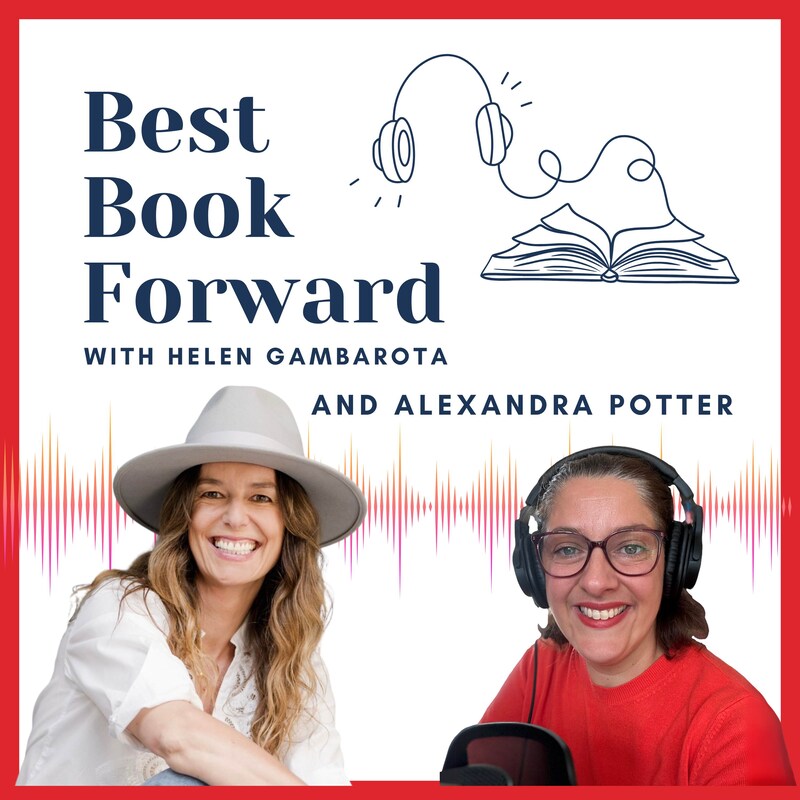
This was such a fun episode with Alexandra Potter, it was one of the times I felt like I was just sat down having a cuppa and catching up with a friend. So, I Met This Guy, Alexandra’s book that we discuss in this episode is out today and it is such a brilliant read. If you’ve been experiencing any January Blues this is the one you need to be grabbing.
And of course, no episode of Best Book Forward would be complete without book recommendations! Here’s everything we mentioned, with links to buy:
📚 By Alexandra Potter
Confessions of a Forty-Something F##k Up
✨ Books Mentioned
- The Magic Faraway Tree by Enid Blyton
- Wuthering Heights by Emily Brontë
- Pride and Prejudice by Jane Austen
- The Bell Jar by Sylvia Plath
- Bridget Jones's Diary by Helen Fielding
- I Feel Bad About My Neck by Nora Ephron
I’ll be back next week with another author conversation, and I’d love for you to join me for that too.
In the meantime, if you’ve enjoyed this episode, please subscribe, rate, and review Best Book Forward, and don’t forget to tell your friends... it really helps new listeners discover the show.
See you tomorrow, and happy listening.
Listen & Subscribe Now:
https://best-book-forward.captivate.fm/listen
To stay in touch with Best Book Forward news please follow me on Instagram @bestbookforward or visit my website: https://bestbookforward.org/
Transcripts
Welcome back to Best Book Forward, the podcast for bookworms who love to discover the books that have shaped their favourite authors lives.
Speaker A:You can think of it as a little like a bookish version of Desert Island Discs.
Speaker A:We have got such an exciting episode ahead of us today as I am delighted to be welcoming best selling author Alexandra Potter.
Speaker A:Alexandra has written 14 novels which have been translated into over 25 languages, including her hit Confessions of a 40 Something F UP, which has sold over a quarter of a million copies in the UK and been adapted into a major US TV series.
Speaker A:Today, Alexandra is joining me on the publication day of her latest novel, so I Met the Sky.
Speaker A:A brilliant, heartfelt and funny read about two women who are brought together as they try to track down a romance fraudster cruising around Europe.
Speaker A:It is a fantastic read.
Speaker A:I loved it so much and I know you're going to love it too.
Speaker A:In our conversation today, Alexandra will share her inspiration behind the story, share glimpses of her writing life, and of course chat about the five books that have shaped her life.
Speaker A:So let's not waste any time.
Speaker A:Let's give Alexandra a warm welcome to the show.
Speaker A:Alexandra, hi and welcome.
Speaker A:Thank you so much for joining me today.
Speaker B:Hi, thanks for, thanks for asking me.
Speaker A:I'm so excited to be chatting to you.
Speaker A:I loved your new book which we're going to be talking about today.
Speaker A:So this is so I Met the sky, which is obviously the proof copy.
Speaker A:We're recording this at the beginning of December and this episode is actually going out on publication day.
Speaker A:So hopefully by the end of this episode we will have convinced everyone to rush out and grab a copy.
Speaker A:So do you want to start off by telling everyone a little bit about what it is all about?
Speaker B:Right, yes.
Speaker B:So my, my new book so I Met this Guy and actually my husband thought of that title because we were sort of once I'd written the book, he'd said, I think that's a really good title for.
Speaker B:Because every love story starts with so I met this guy.
Speaker B:And I can imagine you're sat there with your girlfriend's having a drink and everybody leans in closer but with this one you just don't know how that story is going to end.
Speaker B:And this is a story I'm not giving a spoiler.
Speaker B:It's about a romance fraudster and it's about a woman called Maggie who is in her late 40s and she meets the love of her life and she falls in love with the guy that she's been waiting for for her whole life.
Speaker B:Really unbeknownst to her, he is a romance fraudster.
Speaker B:And so he doesn't just steal her heart, he steals her life savings, her home and her self esteem.
Speaker B:And I think with romance fraudsters, they've just been on the news so much, but I think the psychological, psychological damage is actually much worse than the financial damage.
Speaker B:And so we meet Maggie when she's lost everything and she's living in a caravan in the corner of a field in the Pennines.
Speaker B:And we then have another character flick who is.
Speaker B:She's a young 20 something reporter on a local newspaper and she's desperate for her big break and she's heard about this woman and she's heard about what happens and she goes to meet her and she convinces her to go with her because she thinks she's found this guy, this guy's disappeared, the police can't find him, they don't know where he is.
Speaker B:And she says, I know where he is.
Speaker B:And then they end up going to Europe to find him.
Speaker B:And we go on a bit of a, let's call it a caper.
Speaker B:So it's a caper to find the guy, but on the way they find themselves.
Speaker A:Oh, they really do.
Speaker A:It is a lovely story and there is a lot to it.
Speaker A:I just said to you I'm gonna really struggle today because there's so much that I want to talk to you about but we're gonna keep it spoiler free.
Speaker B:Yeah, no, it's kind of difficult, isn't it?
Speaker A:Yeah, there's so many things and there's like.
Speaker A:Actually I forgot to say to you before we came on, there's a character who I really wanted to talk about which I'm sure you'll probably know, but I just think that it's a real spoiler.
Speaker A:So much as I adore that character, I'm not going to to mention that person.
Speaker B:Yes, I know exactly who you mean.
Speaker A:I loved that character.
Speaker A:Sorry, that's.
Speaker A:Well, hopefully that is convincing you to go and pick it up as well.
Speaker A:So the book opens with a letter to your readers that explains how this idea came into your head and your hopes for the novel.
Speaker A:And I loved reading that actually.
Speaker A:I thought it set up the, the book really well.
Speaker A:So I wondered if you could share some of that with us today.
Speaker B:Yeah, it was actually my editor's idea to write a letter today, the reader.
Speaker B:And I really like doing that because I talk about the inspiration for the book and how I was walking the dog one day in the countryside where my mum lives and I saw a dilapidated caravan in a corner of a field.
Speaker B:And I just thought, who is living there?
Speaker B:Why would anybody be living in that old caravan in the corner of a field?
Speaker B:And that started the wheels and the cogs turning of my character of Maggie.
Speaker B:And what would happen, what would have happened to someone for them to have ended up there?
Speaker B:And then I was reading more and more about romance fraud.
Speaker B:I found it terrible and fascinating.
Speaker B:And I also think that even though this book is kind of a tribute to all those people that have had that happen to them, it's also on a much wider scale.
Speaker B:Everybody I know has been duped in love.
Speaker B:And I think many people have found themselves sometimes in life where they think they've lost everything, whether that's through heartbreak, or it could be a redundancy, or it could be a divorce, or it could be losing someone and you just feel that you're never going to be able to pick yourself up again.
Speaker B:And this book is for them because Maggie, the main character, feels like she's just completely lost everything.
Speaker B:And she's here to show you that when you think it's over, it's really not.
Speaker B:It's actually can be the beginning of something so much better.
Speaker B:And so that was.
Speaker B:That was sort of the starting point for this novel, which has kind of a catchy idea of a romance fraudster and he's trying to catch him, but it's actually got a lot.
Speaker B:There are much, much deeper layers within the book, which is often the case with my books.
Speaker B:You know, they're always billed as romantic comedies, but actually you're using humor and comedy to talk about a lot of quite difficult stuff.
Speaker A:And that's what I love about it.
Speaker A:I mean, it is a brilliant read.
Speaker A:And, you know, there's parts that sort of heartbreaking, heartwarming, it's funny.
Speaker B:But.
Speaker A:But there's.
Speaker A:So, as I say, when I was preparing for today, I was like, my gosh, there's so many things that we could, you know, hone into one area.
Speaker A:So it's a book that gives you.
Speaker A:I think it'd be a great book club choice, actually.
Speaker A:I can see a group of women reading it together, men, of course, if they want to as well.
Speaker A:It's a.
Speaker A:It's a really, really brilliant read.
Speaker A:So let's do.
Speaker A:You know, I love that when you look at the caravan on your walk and that makes your brain go into there, like, that's just incredible to me.
Speaker A:Like that something that people have probably walked past a hundred times and not even sort of thought about has sparked all this creativity for you.
Speaker A:I just Love that.
Speaker B:Thank you.
Speaker B:Yeah, no, I often.
Speaker B:I mean, that's kind of the life of a writer, isn't it?
Speaker B:Everything.
Speaker B:Everything that you see and everything that you experience in life sparks.
Speaker B:Sparks an idea.
Speaker B:And even if it doesn't spark an idea immediately, you kind of put it in your library, in your head, and pull it out later.
Speaker B:I think absolutely everything you do is as a writer, you.
Speaker A:You.
Speaker B:You tend to use in your writing.
Speaker A:That's amazing.
Speaker A:Okay, let's talk a little bit about Maggie, then.
Speaker A:I absolutely loved Maggie.
Speaker A:I love her journey, I love her development.
Speaker A:I felt for her very early on, like, I feel like you really sort of connected me to her and sort of not in.
Speaker A:I mean, yes, she's a victim, but I didn't sort of read her as, like, being victimy.
Speaker A:Do you know what I mean?
Speaker A:Sort of somebody who.
Speaker A:The way you describe what she's been through, I.
Speaker A:You know, you can tell it's a really awful story, but you just.
Speaker A:I really cared about her.
Speaker A:Like, I love her.
Speaker A:I still do.
Speaker A:So obviously you have this idea then when you're walking through the field, but how did she come to you?
Speaker A:Did you know her story once you sort of had the romance for.
Speaker A:Or did she sort of develop as you wrote?
Speaker B:I think.
Speaker B:I think characters develop as you write.
Speaker B:You have a sort of kernel of a character.
Speaker B:And I definitely wanted her to be an older character, so a woman in her 40s, late 40s.
Speaker B:Because a lot of what I've been reading about romance fraud is even though it can happen to all genders and all ages, it seems to be women in midlife that are the targets.
Speaker B:I don't know why that is.
Speaker B:I don't know if it's at that time of life.
Speaker B:You might be going through a divorce or empty nest syndrome or grief, but there tends to be a sort of vulnerability to that kind of midlife age.
Speaker B:And so I could see Maggie the character, but I was really keen to write her not as a victim, which is.
Speaker B:I'm glad that you touched on that, because I had to have her be duped by this guy.
Speaker B:But I didn't want her to seem naive or foolish or gullible.
Speaker B:I wanted her to be a woman like every woman, that this could happen to anyone.
Speaker B:Because when I've read stories about romance fraud, this, they are so clever and manipulative.
Speaker B:It can happen to anyone.
Speaker B:And so, you know, I created Maggie, and then I wanted to create the backstory of why she'd been kind of in a vulnerable position at the time when she Met the guy.
Speaker B:And then as you write, as you write and you bring in other characters, then your brain starts sparking and you kind of layer up a character.
Speaker B:It's really interesting.
Speaker B:And you feel they are like real people.
Speaker B:I mean, you feel like you really know them.
Speaker A:I felt like that when I was reading her.
Speaker A:Yeah.
Speaker A:Yeah.
Speaker A:And you know, she is, she's so clever and she's creative as well.
Speaker A:So you don't, I don't feel like I sort of thought, oh, you fool.
Speaker A:I can't believe you fell for that at all with her.
Speaker B:You know, she feels like a fool, though.
Speaker A:Of course she does.
Speaker B:She feels like a fool.
Speaker B:She feels very ashamed and she feels stupid.
Speaker B:But I, I, she's not, she's really not.
Speaker A:No.
Speaker A:Something you do really well in your books, and I think in this one, particularly with Maggie's story, is your, the way you balance the sort of humor as well.
Speaker A:Because, I mean, it is, it's a really sad story what's happened to her.
Speaker A:How difficult is it for you to strike that balance of sort of telling what's happened to her but keeping it sort of light and engaging to read as well?
Speaker B:That's a good question.
Speaker B:I think I've always used humour in life to deal with difficult situations.
Speaker B:I don't know if it's kind of the Northern sort of sense of humor, but it's very much, you know, what do they call it, Gallows humor or laughing in the face of it all?
Speaker B:And so when the chips are down, when really terrible things happen, you've always got to try and see the funny side of it.
Speaker B:And I, so I, I use sort of my sense of humor when I'm writing.
Speaker B:But it also, the thing, the brilliant, brilliant thing about humor is that you can write about really difficult subjects such as romance, fraud, or I've written about grief, or I've written about really divorce, you know, difficult things.
Speaker B:But if you use humour, you can write about those things without the book being depressing, without the book being a real downer.
Speaker B:Because I'm wanting to write about stuff that everybody goes through and the kind of serious subjects of life.
Speaker B:But ultimately I want to entertain my readers.
Speaker B:I want to give you hope, I want to uplift you.
Speaker B:I want you to feel better when you finish the book.
Speaker B:You know, I am trying to entertain you.
Speaker B:So that's, that's where you layer in the humor.
Speaker B:And often when I've written a book, I will do what I call the comedy pass and I will read through it again and try and just layer in Maybe a little bit more.
Speaker B:If some of the areas I feel are being a bit too, too depressing.
Speaker A:But there is that in life, isn't it?
Speaker A:Even at some of your sort of darkest times, there's humor and it might feel really inappropriate, but it's there.
Speaker A:Yeah.
Speaker B:No, very much so.
Speaker B:I mean, I've had, you know, I've had, you know, I remember when my father died and we left the hospital.
Speaker B:There was me and my mum and my sister and obviously we.
Speaker B:I mean, it was like the most terrible thing that had ever happened and we, we needed some humor.
Speaker B:And I remember we, we.
Speaker B:We bought the vicar of Dibley at the supermarket and we went home and we watched it because we wanted to.
Speaker B:We wanted to.
Speaker B:We wanted the humor.
Speaker A:Yeah.
Speaker B:And I.
Speaker B:And I think a lot of people, A lot of people do feel like that.
Speaker B:And I think that's why kind of the stuff I write is.
Speaker B:Is popular, I guess, with readers, because I manage to talk about difficult things but keep it uplifting.
Speaker A:Yeah, but that's why, I mean, that's why I love your books as well, because it's, you know, I don't mind just like reading something that's just funny or romantic or whatever, but I do also like to sort of understand other people's lives and what they're going through.
Speaker A:And that's what you do really, really well.
Speaker A:And so.
Speaker A:Well, and so I met this guy as well than.
Speaker A:So let's talk about Maggie, Theo and romance fraudsters then.
Speaker A:So I think sometimes when people sort of think of it or someone who's been through it, you could sort of be like, how could you possibly fall for that?
Speaker A:Like, why weren't you seeing the red flags?
Speaker A:Because it's easy to see when you're looking into somebody's relationship in.
Speaker A:So I met this guy.
Speaker A:You do a sort of dual timeline where we go back to see Maggie meeting Theo and he is a master manipulator.
Speaker A:There's many other words for him, but we'll stick there.
Speaker A:Yeah.
Speaker A:So you can see.
Speaker A:And as you say, she feels really foolish for what's happened, but he is an expert in what he is doing.
Speaker A:He is very cruel.
Speaker A:I'd love to know what sort of research you did into that then.
Speaker A:What sort of.
Speaker A:What did you.
Speaker B:I actually, I did.
Speaker B:I read a lot about romance fraud and there seems to be an awful.
Speaker A:Lot of it about.
Speaker B:Unbelievable.
Speaker B:It was like every day I would read something on the BBC or I'd turn on breakfast time or the news or there would be something about a romance fraudster.
Speaker B:And then I actually started to read about kind of personality disorders and people that were read about coercive control, about love bombing, breadcrumbing, people that manipulate.
Speaker B:And I actually.
Speaker B:I then sort of.
Speaker B:I sort of.
Speaker B:You know, obviously you're using your imagination to create this character, but I.
Speaker B:It was actually really.
Speaker B:I mean, it sounds awful, but it was actually really good fun because I could create this really evil character that did not have to be redeemable.
Speaker B:Because normally when I write, I always want my characters, even though they're flawed and they might do the wrong thing ultimately to be good people.
Speaker B:And I want you to be able to see what their motives are.
Speaker B:But with Theo, I could just create a character that was.
Speaker B:Was a master manipulator, that was.
Speaker B:There was no redeemable qualities about him whatsoever.
Speaker B:And that was actually really good fun.
Speaker B:But then with the dual timeline, which is the interviews throughout the book, I wanted to show the reader, I wanted to take you back and show you just what Maggie went through and to see from her point of view how she fell for this guy, how she fell for a con man.
Speaker A:Yeah.
Speaker B:And I think, you know, I think we all think that we wouldn't be scammed.
Speaker B:We all think.
Speaker B:We all think it would never happen to us.
Speaker B:But, you know, there's plenty of people out there that thought the same thing and it.
Speaker B:And it has happened to them.
Speaker A:Yeah.
Speaker A:Something as though you're going into the past with the storyline as well, when she starts to realize that it's going wrong and the money's gone.
Speaker A:The way you wrote that, I was thinking of the documentary about the tinless windler.
Speaker A:Just that, like, that I felt panicked for her because it's that sort of, you know, she's in love with him.
Speaker A:She doesn't want to believe that somebody could do that because it's so cruel as well.
Speaker A:I thought that was so clever because it really sort of put me in.
Speaker A:So if anyone has sort of ever thought, you know, how would you possibly have fallen for that in those scenes?
Speaker A:That sort of moment of realization is just heartbreaking.
Speaker A:Like, for her, just really awful.
Speaker B:It's terrible.
Speaker B:And even if it's not romance, fraud, you know, I've had neighbours that have been, you know, they've had a call, they think it's someone trying to be helpful.
Speaker B:Before you know it, they've taken money out of their bank account and they completely trust the person that they're speaking to.
Speaker B:They think the person is ringing them up to warn them that some money's gone from their Account.
Speaker B:But we're here to protect you.
Speaker B:And I think what's really sad is it's the trust that you put in someone, doesn't matter who it is.
Speaker B:And if you trust someone and then the scales fall from your eyes and you realize that whoever is you trusted has actually been the baddie.
Speaker B:Yeah, that is.
Speaker B:That's a knife to the heart.
Speaker A:It's that humiliation sort of thing as well, isn't it?
Speaker A:So not the same thing.
Speaker A:But I mean, when we were getting our dog and lockdown, we had a puppy that we were going for before we paid the deposit.
Speaker A:Been speaking to the lady loads, I think two or three days before we were supposed to pick the dog up.
Speaker A:I phoned to arrange a time and the phones were dead.
Speaker B:No.
Speaker A:And when we reported it, they're like, she'd sold.
Speaker A:There was a litter of puppies.
Speaker A:We'd seen them.
Speaker A:She'd sold the litter so many times.
Speaker A:But the thing that I kept on thinking as I was phoning her and I was asking about the puppy, she was probably like rolling her eyes at me and just like, oh, idiot.
Speaker B:And it was really like, oh, no, it's quite, quite.
Speaker B:Yeah.
Speaker B:If you've ever been.
Speaker B:Ever been taken in by anyone of.
Speaker B:In.
Speaker B:Of any circum.
Speaker B:Of.
Speaker B:Of any circumstance, when you discover it, it's.
Speaker B:It really makes you doubt yourself.
Speaker A:Yeah, yeah, it does.
Speaker A:So one of the parts of Maggie that I sort of found really quite moving was she says, he didn't just steal my life savings, he stole everything from me.
Speaker A:My trust, my heart, my home, my livelihood, my self esteem, all of it.
Speaker A:And it was that.
Speaker A:Oh, my.
Speaker A:Thank you.
Speaker A:By that point, you know, she was somebody who's very dear to me.
Speaker A:She obviously lived in your head when you're writing her as well.
Speaker A:Was that quite emotional for you to write that?
Speaker A:Yeah.
Speaker B:Oh, yeah.
Speaker B:No, to be able to write well, you have to.
Speaker B:You have to be a real empath.
Speaker B:You know, you have to really get into the character's head.
Speaker B:And so when you are writing a scene like that.
Speaker B:Yeah, it's upsetting.
Speaker B:You know, you do feel upset for the character because you've really got to feel how they're feeling to be able to write it.
Speaker B:So, yeah, no, I did really feel sorry for her.
Speaker B:And you always have to imagine if it happened to you.
Speaker B:So I'm like trying to imagine how I would feel if I was living in a caravan and I'd fallen in love with some guy and he'd betrayed me and, well, it would be just terrible.
Speaker B:I mean, really Bad.
Speaker B:So, yeah, and I, I did feel upset.
Speaker A:Yeah, I did, I did.
Speaker A:So along comes Flick then.
Speaker A:Who is this young journalist who is.
Speaker A:She's a cracker.
Speaker A:I absolutely love her.
Speaker A:She's young, ambitious, a little bit impulsive and she plays a huge part in helping Maggie to find a way to start to live again.
Speaker A:So tell us about Flick.
Speaker A:Where does she come from?
Speaker B:Yes, I really.
Speaker B:Because I love writing intergenerational friendships, which I did in Confessions, the whole Confession series.
Speaker B:And so I really wanted to bring in a younger character this time and I thought it would be really interesting.
Speaker B:I have a lot of readers in their 20s and I thought it would be really fun to bring in this young, ambitious 26 year old to counter Maggie, who's 49, turning 50.
Speaker B:And I.
Speaker B:So then I channeled back into how I felt in my 20s and that feeling of being in a, in a town and you want to be, you know, you want to break out.
Speaker B:And I mean, I remember in my early 20s I was desperate to move to London.
Speaker B:So I, I sort of tapped into all that again.
Speaker B:And what I loved about Maggie is Maggie and Flick's relationship is that they both bring something out in each other.
Speaker B:And I think that is the thing with any friendship, but particularly a friendship where you're different ages because I have friends that are in their 70s and 80s and I've also got friends in their 30s and their 20s.
Speaker B:And so we, we bring certain things out in each other and I find that really, really interesting and I love writing about that.
Speaker B:So that's why I brought those two together.
Speaker A:They are a perfect pairing, aren't they?
Speaker A:And I guess they're quite similar.
Speaker A:I've just thought about this in that Maggie doesn't know that she wants her life to begin again.
Speaker A:When they meet, she sort of feels like it's done.
Speaker A:Yes.
Speaker A:And Flick wants her life to begin so like very different circumstances and agent.
Speaker B:But they both kind of feel similar.
Speaker B:Stuck.
Speaker B:Yeah, I think they're both, they're both stuck in their lives in different ways.
Speaker B:And I think by coming together and going on this journey together, they, they kind of free themselves up.
Speaker A:And it's almost like in parts where it's almost like a mother daughter relationship, which is really.
Speaker A:There's some really touching moments between the two of them.
Speaker A:There's a scene when they're in Rome with.
Speaker A:I mean, I won't spoil it for anyone, but what Maggie says to Flick is just so kind and just so lovely.
Speaker A:So they obviously then go off trekking across Europe to find Theo And I feel like you've had so much fun writing this book because I had so much fun reading it.
Speaker A:What were your favorite parts to write about their sort of cape around Europe do you know?
Speaker B:I really wanted to write.
Speaker B:I really wanted to write a fun book.
Speaker B:You know, a fun book that people could read that was.
Speaker B:That would take you to lots of different places around Europe.
Speaker B:I thought that would be like a caper, like a road trip book.
Speaker B:And I love traveling.
Speaker B:It's one of my big passions in life.
Speaker B:And I have been to a lot of places in Europe.
Speaker B:But I had to kind of create a fake cruise ship itinerary.
Speaker B:Because there is a cruise ship in this book.
Speaker B:So that was quite fun.
Speaker B:And I hold my hands up now if it doesn't quite work.
Speaker B:But I spent hours and hours sort of plotting out how long the cruise would take to get to this place and then this place and this place.
Speaker B:And so I chose some locations around Europe.
Speaker B:And then, of course, I had to go research some of those locations around Europe.
Speaker B:So that was really good fun.
Speaker B:I went.
Speaker B:I'd been many years before, but I went with my sister back to Monte Carlo and we went back to the casino and we played roulette.
Speaker B:And so we did all that again in the name of research.
Speaker B:It was really good fun.
Speaker B:And I just liked.
Speaker B:You know, I've written books like One Good Thing where they're set in a little village in the Yorkshire Dales.
Speaker B:Whereas this time I wanted this massive sort of expanse of traveling from different places, this constant motion.
Speaker B:Because I don't think I've ever done that before.
Speaker B:I've written quite a few novels, but the constant moving I quite liked.
Speaker B:I mean, there's one point where they say they feel like they're in the witness protection scheme.
Speaker B:Every day they're moving somewhere else.
Speaker A:It's so much fun.
Speaker A:And like the casino scenes, I just loved.
Speaker A:It was so much fun.
Speaker A:It's such a great book to be coming out in January as well, isn't it?
Speaker A:Like.
Speaker B:Oh, yes, it's dark and it's cold and it's gray and.
Speaker B:Yeah, so it's.
Speaker B:I think it's like a little shot of sunshine in there.
Speaker A:Something else I loved in the book is there's lots of mentions of movies.
Speaker A:Some of my favorites.
Speaker A:At times I felt like Flick and Maggie were a little bit Thelma and Louise.
Speaker A:There was one part in this book that was so horrifying to me.
Speaker A:I was like, that cannot be right.
Speaker A:I've got to go and check.
Speaker A:So I've learned From.
Speaker A:So I met this guy that I'm older than Shirley Valentine.
Speaker B:I knew you were going to say that.
Speaker B:I knew.
Speaker A:That blew my mind.
Speaker B:It blew my mind.
Speaker B:It blew my mind.
Speaker B:I did exactly the same thing.
Speaker B:I looked up Shirley Valentine and I was like, crikey, she's 42.
Speaker B:She was 42.
Speaker B:And I watched that as a teenager.
Speaker B:I thought she was this old woman.
Speaker B:Yeah, I know.
Speaker A:I was like, there's no way.
Speaker A:There's no way.
Speaker B:I know, I know, I know.
Speaker A:It's crazy.
Speaker A:So there's lots of movies that are mentioned throughout the book and we were just talking before.
Speaker A:I think this would be a really brilliant, like miniseries to watch or a movie.
Speaker A:I think it would be absolutely brilliant.
Speaker A:Have you allowed yourself to dare to dream?
Speaker A:If that were to happen, who would you cast in these roles?
Speaker B:You know, it's really interesting to say that because when I write, I can't even really visualize my characters.
Speaker B:I feel them and I sort of do very broad brushstrokes and, you know, I know Maggie's tall and, you know, flick has the flicky eyeliner.
Speaker B:But apart from that, I keep them very in my head.
Speaker B:I can see, I can feel them, but I can't really see them.
Speaker B:So I can never.
Speaker B:When people say, who would you like to play?
Speaker B:I can never really see an actor or an actor, you know, so.
Speaker B:And I know when they made confessions of a 40 something F up into a TV show and they cast the show and people were like, you know, what do you feel about the actors?
Speaker B:And I was like, brilliant, because I'd never really imagined them in my head.
Speaker B:So I don't, I don't.
Speaker B:I don't have any.
Speaker B:Any names for you.
Speaker B:Who would you see?
Speaker A:I say I'm the same.
Speaker A:I'm not the same as in.
Speaker A:I don't picture them, but I know.
Speaker A:So if you were to say this person was cast, I'd be like either oh, yeah, totally, or that's not.
Speaker A:But I don't sort of see them, you know, I don't sort of.
Speaker A:When I'm reading, pick a person.
Speaker A:I had a very clear idea of who they were.
Speaker B:Right.
Speaker A:Yeah, yeah.
Speaker A:But I would love to see it as a show.
Speaker B:Yeah, No, I think it would be a really good kind of like six series, limited drama.
Speaker B:And I think it's sort of like actually, where do they go?
Speaker B:I think 10 places.
Speaker B:You could do 10 episodes, couldn't you?
Speaker A:Sort of.
Speaker B:Every single place they go could be an episode.
Speaker B:And I do write very visually.
Speaker B:You know, I'm always Imagining as if I'm watching this as a film.
Speaker B:I always have.
Speaker B:In fact, when I first started writing, my inspiration for my first book was I wanted it to be like a Richard Curtis film because I'd always loved those movies and I wanted a book like that.
Speaker A:Yeah.
Speaker B:So whenever I'm writing, I'm always seeing it in my head, you know, we're leaving a scene and we're coming back into a scene.
Speaker B:So, yeah, I could definitely see it as a TV show or a film, but I think I would like a longer.
Speaker A:Yeah, I think I would as well.
Speaker A:Oh, well, let's.
Speaker A:Fingers crossed.
Speaker A:So we said at the beginning, there's so much that we could talk about.
Speaker A:I mean, I could literally just sort of sit here all day and chat to you about it.
Speaker A:But we're going to keep it spoiler free, so I'll need to stop myself.
Speaker A:What is the message or feeling that you would like readers to take away from reading?
Speaker A:So I met this guy.
Speaker B:I always want readers to be uplifted at the end of a book.
Speaker B:You know, I always want you to feel better about things after you finish them before you started.
Speaker B:And what would I like people to.
Speaker B:I also want to give people hope that even when you feel like everything's over, you know, I call them sort of like lying on the kitchen floor moments, you know, when you kind of think it's gone wrong, it's all over.
Speaker B:I'm never going to be able to, you know, pick myself up from this.
Speaker B:That you can pick yourself up from it and you can start again and it can, you know, the best is yet to come.
Speaker B:You know, I'm a really big believer in that because I do think, you know, I've been through certain points in my life where, you know, really, you know, bad stuff's happened and you can feel.
Speaker B:You can feel like it's all over.
Speaker B:And I always want to write books to tell readers that it's not over, far from it.
Speaker B:You know.
Speaker B:And I also want to show them the kind of the power of female friendship, which, you know, I do write books that have romance in them and men in them, but for me now, particularly the age I am, I'm way more interested in the female friendships and the power of a female friendship.
Speaker B:I think, you know, so much is written about romantic love.
Speaker A:Yeah.
Speaker B:And not so much is written about the friendships that we have that sustain us through life.
Speaker A:Yeah.
Speaker B:And also the relationship you have with yourself.
Speaker B:I mean, that's really important.
Speaker B:And the sort of who am I and what do I want And I think a lot of that happens when you get older, and that really interests me.
Speaker A:Well, I think you have nailed all of that.
Speaker A:And so I met this guy, and actually, I do have to just say.
Speaker A:I'm just.
Speaker A:I think.
Speaker A:I hope I've got his name right, because I didn't write it down.
Speaker A:There is.
Speaker A:Is it George?
Speaker B:George the friend.
Speaker A:Oh, I mean, talking about friendships, Maggie's friend George.
Speaker B:I know.
Speaker A:I adore him, too.
Speaker A:Yeah.
Speaker A:What a good friend.
Speaker B:I know.
Speaker B:He's a great friend.
Speaker B:I love him.
Speaker B:He's a really good friend.
Speaker B:He's one of those characters that feels like a real person to me.
Speaker A:Yeah.
Speaker A:I love it when he phones her as well, because he's sort of.
Speaker A:He's very caring and sort of, you know, wanting to sort of support her, but he's also takes no nonsense as well.
Speaker A:Sort of wants to drag her back out as well.
Speaker A:The perfect blend, isn't he?
Speaker A:I could do with a George in my life, I think.
Speaker B:I know, I know.
Speaker A:Okay, so.
Speaker A:So I Met this Guy is out today.
Speaker A:By the time this podcast goes out, do go and grab a copy.
Speaker A:It will be such a wonderful book to escape into in January, and I'm envious of anyone who's reading it for the first time.
Speaker A:So enjoy.
Speaker A:Okay, Alexandra, we're going to talk about the five books that you've picked.
Speaker A:Just to remind listeners that all of them will be linked in the show notes.
Speaker A:They'll be easy to find.
Speaker A:I know this wasn't easy for you, was it?
Speaker B:I actually have.
Speaker B:Well, apart from the.
Speaker B:The childhood one.
Speaker B:I have the four books here.
Speaker B:Grab them off my shelf.
Speaker A:Yeah.
Speaker B:Because I'm like, I have them.
Speaker B:Yeah.
Speaker A:Oh, well, you found it quite tricky to choose your five, though.
Speaker B:That was really hard.
Speaker A:Sorry.
Speaker B:That is so hard.
Speaker B:It's.
Speaker B:It's like choosing your.
Speaker B:Well, anything, isn't it?
Speaker B:Your five best songs or.
Speaker A:Yeah.
Speaker B:Five Best meals or.
Speaker B:Especially for me, because, you know, books are my life, really.
Speaker B:I found that really tricky.
Speaker A:Yeah.
Speaker A:Sorry.
Speaker A:I'm sorry.
Speaker B:Okay.
Speaker A:Wait till I get you to pick one at the end.
Speaker A:Then you're gonna really hate me.
Speaker A:Yes.
Speaker B:Yes.
Speaker A:Okay, let's start then.
Speaker A:Do you want to tell us about your first book choice?
Speaker B:So if we're going kind of.
Speaker B:I kind of went in chronological order, and so the very first book was an Enie Blyton book, and it was the Faraway Tree.
Speaker B:I think, actually it was a series of four, and I think the first one was called the Enchanted Wood, but the Faraway Tree, I was a huge reader as A child.
Speaker B:I mean, you could not get me.
Speaker B:My head was in a book, you know, I would sort of sit and eat my lunch with the book like that.
Speaker B:I just read and read and read.
Speaker B:And I absolutely adored Eeni Blyton.
Speaker B:And the Faraway Tree is about these three kids that go into this enchanted wood and they find this tree and at the top of this tree are all these magical lands and they.
Speaker B:They're constantly moving.
Speaker B:And so the children can go up the tree and they can be these lands of light, the land of take what you want, or the land of really.
Speaker B:They can be good ones and bad ones.
Speaker B:And then there's all these magical characters.
Speaker B:Moon Face and Thorpe, man and Silky.
Speaker B:And I think there's a slide that goes down the middle of the tree, which, I mean, I was just like, wow, I want to find that tree.
Speaker B:And it really, you know, really sparked my imagination.
Speaker B:Yeah, I just.
Speaker B:Absolutely.
Speaker B:And then I loved all of her books, you know, from the.
Speaker B:The Secret Seven, the Famous Five, the Find Outers, all those little detective stories to the Saint Clairs, Malory Towers, as I got older.
Speaker B:And I know that I think she's kind of gone out of fashion now, but for me as a child, it just opened this whole world to me.
Speaker B:So it was a huge, huge influence on me.
Speaker B:And apparently they're making this into a movie.
Speaker B:Have you seen.
Speaker B:Have you seen the trailer?
Speaker B:It hasn't come out yet, but I.
Speaker A:It's March.
Speaker B:Have you seen the trailer?
Speaker A:Yeah, it came out yesterday.
Speaker B:Oh, okay.
Speaker B:That's really interesting because I was watching.
Speaker B:I think it was Graham Norton.
Speaker B:Was it Graham Norton?
Speaker B:And he mentioned the Faraway Tree and that it was going to be a film.
Speaker A:Yeah, it's Jennifer Saunders.
Speaker B:That's Claire Foy, I think.
Speaker A:Claire Foy.
Speaker A:Adam Garfield.
Speaker B:Yes.
Speaker A:What's the lady from Bridgerton, Nicola?
Speaker A:I can't think of her name.
Speaker A:The Irish lady.
Speaker A:Oh, wow.
Speaker A:The trailer looks great, actually.
Speaker B:Yeah.
Speaker A:Wow.
Speaker A:That.
Speaker B:I mean, that just had such a huge influence on my life.
Speaker A:Yeah, Good point you made about her books because you did sort of grow up with them.
Speaker B:Yes.
Speaker A:Like there were ones that sort of took you through.
Speaker B:So, I mean, very much so.
Speaker A:Yeah, yeah.
Speaker A:So, I mean.
Speaker A:Yes.
Speaker A:I mean, we've talked about this on the show before.
Speaker A:We know now there's lots of sort of problematic things about her.
Speaker A:Her books haven't aged particularly well, but for us growing up, they were really special.
Speaker A:I've got.
Speaker A:Look, hang on a second.
Speaker A:I've got one down here, actually.
Speaker A:Oh, look, actually, I've got the Folk of the faraway tree.
Speaker A:Wow.
Speaker A:Sat there so.
Speaker A:Oh, I love that.
Speaker B:I know.
Speaker B:Me too.
Speaker A:Okay, so where are you taking us to next, then, with book number two?
Speaker B:So the next one, which I have here, would be.
Speaker B:So if we're going in chronological order, the next one is Wuthering Heights.
Speaker A:Okay.
Speaker B:Now, this is really special to me because I was born in West Yorkshire, which is where the Brontes lived, and we lived not very far from the Bronte parsonage.
Speaker B:And so as children, my parents would always take us to Haworth, and we would go into the museum and we would look at all the little miniature books that they would write to each other.
Speaker B:And I used to write them to my sister and she would write them to me.
Speaker B:I think my mum might still have them.
Speaker B:And so that whole landscape of the moors and the wild weather and the, you know, the top withins and Wuthering Heights was kind of in me from being very small.
Speaker B:And then when I was about 16, I think we studied Wuthering Heights for.
Speaker B:I think it was O level, actually.
Speaker B:And it's really interesting because when you're 16 and you're this teenage girl and you've got all those hormones going.
Speaker B:I thought Heathcliff was like the most romantic character.
Speaker B:And I'm actually very excited to see the new film that's coming out.
Speaker A:Margot Robbie.
Speaker B:I know.
Speaker B:And the.
Speaker B:What's the name of the actor that played Heathcliff?
Speaker B:He looks amazing.
Speaker A:I can't think of his name.
Speaker A:It looks.
Speaker B:He's the guy from Saltburn.
Speaker A:Yes.
Speaker A:Yeah.
Speaker A:Looks really good.
Speaker B:And so I thought this whole sort of, you know, do not leave me in this abyss where I cannot find you and digging up the grave and all this kind of stuff.
Speaker B:I just thought it so romantic.
Speaker B:Obviously, as I got older and read it then as an adult, I realized that he's absolutely demonic and, you know, a very cruel character.
Speaker B:And it's very brutal and it's crazy and.
Speaker B:But I just have such a.
Speaker B:It just had such an effect on me.
Speaker B:It definitely inspired me to write, you know, when I was very young, you know, sort of reading about the Brontes and the sisters and how they all live together.
Speaker B:I've done that walk on the top Withhans up to the Wuthering Heights.
Speaker B:Yeah, no, I've done that.
Speaker B:And the weather's changed.
Speaker B:And, I mean, she writes about the weather just so wonderfully.
Speaker B:And she writes about, you know, the.
Speaker B:You know, the.
Speaker B:The sound of the curl.
Speaker B:I think it's the curlews.
Speaker B:You know, that sound that the birds make up on the moors and my mum still is in the Oxford ales and I know that sound that she writes about.
Speaker B:So, yeah.
Speaker B:So Wuthering Heights, I know it's kind of a classic that everyone mentions, but it does still have such an effect on me.
Speaker B:And it has some of the best lines, just the best lines of dialogue.
Speaker B:To think that Emily Bronte, living up there with her sisters in quite a sheltered life, could write this incredible story.
Speaker B:I mean, it's quite amazing.
Speaker A:I'm gonna really shock you now or horrify you.
Speaker A:I'm not sure.
Speaker B:You haven't read it?
Speaker A:I haven't.
Speaker A:I. I mean, I talk about this all the time.
Speaker A:I'm literally just starting to dip my toe into classics now after sort of.
Speaker A:I just didn't get on very well with them at school and sort of, you know.
Speaker B:Well, I did English literature at university.
Speaker A:So I read a. I read all.
Speaker B:The classics and actually, I'll be honest with you, I haven't read them since.
Speaker B:And I would like now I'm older because I think when you're reading the classics when you're 18 and 19, you haven't lived.
Speaker B:So I think coming back to them when you're older would be really interesting.
Speaker B:But, yeah, no, Wuthering Heights.
Speaker B:It's a pretty incredible book.
Speaker B:It really is.
Speaker A:Yeah.
Speaker A:I'm going to cheat and watch the movie first on this one.
Speaker B:I hope she.
Speaker B:Well, I don't know how faithful she's to the book.
Speaker A:Have to say.
Speaker A:Do you think she's cast.
Speaker A:Do you think Margot Robbie's cast well for it or.
Speaker B:No, unfortunately, I think Margot Robbie's.
Speaker B:She's too Hollywood, she's too old, you know, because she's about 18 in this book, I think is Kathy, and I think she's too Hollywoody.
Speaker B:But the actor whose name escapes me is to terrific.
Speaker B:He looks.
Speaker B:I mean, I listen to him and he's got like the perfect Yorkshire accent.
Speaker A:Oh, has he?
Speaker B:Yeah, he's got a really good Yorkshire accent.
Speaker B:And so let's see, let's see.
Speaker A:Maybe she'll prove us all wrong.
Speaker B:Yes.
Speaker B:It must be right.
Speaker B:I mean, it's difficult, isn't it, to take such a beloved classic.
Speaker A:Yeah.
Speaker B:Make it into a movie because you're going to get all the.
Speaker B:All the criticism's going to come down on you and, you know, everyone's going to have an opinion about it.
Speaker A:Yeah.
Speaker B:I do love her films.
Speaker B:I love Saltburn.
Speaker A:So, yeah.
Speaker B:Hopes for this one.
Speaker B:Let's see, let's see.
Speaker A:Okay, so we're going to move on to your third one.
Speaker B:Another classic Pride and Prejudice.
Speaker B:I again, I did this at school and when I was sort of giving this to read, I thought, oh gosh, this is going to be so boring.
Speaker B:It's going to have no relevance to my life whatsoever.
Speaker B: A girl in the: Speaker B:The kind of stuff that she writes about between all the different characters.
Speaker B:And it actually inspired one of my books, me and Mr. Darcy, because I fell in love with Mr. Darcy in this book and he became this kind of like fantasy figure that no teenage boy could live up to.
Speaker B:And so then when I was older and I was sitting around with my girlfriends and we were all just sort of talking about modern day love and how it was all a bit of a disaster, I remember thinking, gosh, imagine if you could, you know, date Mr. Darcy.
Speaker B:You know, why are men not like Mr. Darcy?
Speaker B:And that kind of then suddenly sparked this idea of a character who actually, you know, goes on a Jane Austen book tour, walks into a room, meets Mr. Darcy and gets to date him.
Speaker B:So that's got a real special place in my heart actually.
Speaker A:Oh, I love that I actually read it again.
Speaker A:So I read it at point some school, but I think it was the beginning of this year or end of last year, but only recently.
Speaker A:And it's so funny, I had to sort of really talk to myself about just read it to enjoy it, not to sort of study it.
Speaker A:And I really enjoyed it.
Speaker A:But what I thought was funny today just before we came on, I had a message that pops up and it was like, It's Jane Austen's 250th anniversary of her birthday on 6.
Speaker A:I was like, isn't that incredible that this book is still inspiring, inspiring things and still loved?
Speaker B:Like, yeah, it is absolutely amazing.
Speaker B:And that's actually I wrote my novel, me and Mr. Darcy almost 20 years ago and we re edited and repackaged it and just brought it out again this year for the 250th anniversary of Jane Austen because there is so much interest still in Jane Austen.
Speaker B:And I went to Bath a few weeks ago and you know, I went to the Jane Austen Museum and you know, there's people coming from all over the world.
Speaker B:I mean it's, it is amazing that she's still as popular today as she was then.
Speaker B:And I think her books, it's because her books are still relevant today.
Speaker B:You know, if you took everybody out of the Bonnets and, you know, and the costumes and you.
Speaker B:You sort of made it in a modern day setting.
Speaker B:It's all still very relevant, I think.
Speaker A:Yeah.
Speaker A:I wonder what she'd say.
Speaker A:She was like, pop back and be like, really?
Speaker B:I often think that, though, about people that, you know, have sort of remained famous or became famous after their death, if they could.
Speaker B:I thought about that, about Sylvia Plath, actually, because the Bell Jar was a book that was a big deal to me.
Speaker B:And obviously she died very young.
Speaker B:And it was only sort of after her death that, you know, she's now so famous.
Speaker B:Her books are so famous, her poetry.
Speaker B:And I always think, wow, if, you know, you'd lived long enough to see.
Speaker A:That, particularly for women, I mean, think of Jane Austen's time as well, to sort of see today that, you know.
Speaker B:No, it's amazing.
Speaker A:It's incredible.
Speaker A:I'm gonna have to get your book.
Speaker A:I haven't read that one, so.
Speaker B:Amazing, isn't it?
Speaker B:I'm just thinking all of the books I've picked are written by women.
Speaker A:Yes.
Speaker A:There we go.
Speaker A:Okay, well, let's move on then to.
Speaker A:What are we?
Speaker A:Number four.
Speaker B:Number four.
Speaker B:Okay.
Speaker B:It's got to be this one.
Speaker A:Yeah.
Speaker B:Bridget Jones's Diary.
Speaker B:So if we rewind to me being in my 20s and I was living in London and I came across this book.
Speaker B:I actually came across this book as sort of.
Speaker B:I think it'd be.
Speaker B:Already been out about a year or two.
Speaker B:And I sort of thought, I'm going to read that book.
Speaker B:And I. I had just never read a book before that was just.
Speaker B:I was just so relatable.
Speaker B:It was so relatable to my experience as a single woman living in London.
Speaker B:I was in my 20s then.
Speaker B:I know Bridget is in her 30s.
Speaker B:And it was so funny.
Speaker B:It was just so funny.
Speaker B:And it just had such a.
Speaker B:It had such a huge effect on me because I realized that you could write books that were.
Speaker B:That were about my experience, that were about our experience.
Speaker B:And I'd never seen a book like that before.
Speaker B:And I actually saw Helen Fielding.
Speaker B:Is that your dog growling?
Speaker A:Yes.
Speaker A:Sorry.
Speaker A:There's a squirrel.
Speaker B:It's okay.
Speaker B:I saw Helen Fielding in conversation a few weeks ago.
Speaker A:Oh, did you?
Speaker B:Yeah.
Speaker B:It was amazing.
Speaker B:And she was talking about the appeal of Bridget Jones and how it's still relatable and relevant today.
Speaker B:And.
Speaker B:And also a younger generation have come to Bridget and then she just unveiled the statue, didn't she?
Speaker A:Yeah.
Speaker B:Yeah.
Speaker B:Thank you.
Speaker A:Well, that's another one.
Speaker A:You think?
Speaker A:I bet she didn't think when she wrote that, that it was going to be huge.
Speaker B:Well, it started as a column in a newspaper, and she kind of wrote it anonymously, but created this character of Bridget, and she just never thought it would be so popular.
Speaker B:She just kind of did it, you know, something that made her laugh.
Speaker B:And then, of course, you got the book.
Speaker B:And then, of course, you got the movie.
Speaker A:Yeah.
Speaker A:With great casting.
Speaker B:Amazing casting.
Speaker B:And do you remember at the time when Rene was cast, and we were like, how could they not cast a British woman?
Speaker A:Yeah.
Speaker B:And how could they cast an American?
Speaker B:And of course, now when you think of Bridget Jones, you think of Rennie.
Speaker A:Yeah, yeah, definitely.
Speaker A:I mean, again, it's another one.
Speaker A:You think of the book.
Speaker A:If you sort of sat and think about it, you know, there's a lot of things you're like, I can't believe that we were thinking, she was so big and all this stuff.
Speaker A:It's.
Speaker A:But everyone loves Bridget.
Speaker A:Everyone.
Speaker A:Yeah.
Speaker A:It's been picked by Alice Wynn and Claire Pooley on this show.
Speaker B:Oh, really?
Speaker A:As well?
Speaker A:Yeah, yeah.
Speaker B:Well, because you're trying to.
Speaker B:At first I thought, oh, shall I pick some sort of more obscure ones?
Speaker B:But then I. I thought, no, I just want to pick the ones that really had the biggest impression upon me and the most influence on me.
Speaker A:Yeah.
Speaker A:I mean, some of them do come up again, like, we have.
Speaker A:The Time Traveler's Wife is the most people picked book.
Speaker B:I nearly.
Speaker B:I nearly.
Speaker A:Oh, did you?
Speaker B:That's interesting.
Speaker B:And funnily, the Times Travelers Wives come in for criticism, hasn't it?
Speaker B:You know, for saying how it's aged and.
Speaker A:Yeah.
Speaker B:You know, because he meets her when she's small.
Speaker B:And I never saw that when I read the book.
Speaker B:I think.
Speaker B:I mean, I just think that book's absolutely incredible.
Speaker A:I only read it recently.
Speaker B:Did you cry at the end?
Speaker A:I did, yeah.
Speaker A:I did find it, like, really emotional.
Speaker A:But I think reading it when I'm in my sort of late 40s, right.
Speaker A:I was looking at it, like, going, oh.
Speaker A:Oh, you did?
Speaker B:Okay.
Speaker A:I have a daughter as well.
Speaker A:So I was like, if I'd read it in my 20s, I don't know that I would have seen that.
Speaker B:I mean, I can't remember how old that book is now, but when I read it, I never.
Speaker B:That just completely went over my head, you know, I just read it.
Speaker B:It took me a while to get into the jumping around, and then once I was hooked, I thought it was incredible.
Speaker B:And the final scene just made me weep.
Speaker B:And then I never thought the film was as good.
Speaker B:And I Don't think the TV show.
Speaker A:I haven't seen either.
Speaker A:No.
Speaker B:No.
Speaker B:But I thought the book was amazing.
Speaker A:But that's like when you say, like when you read Wuthering Heights as a teen and like it's so romantic and then you read it again later, you see different things, don't you?
Speaker A:Like, there's books I've read, like the Handmaid's Tale I've read many times through my 20s, 30s and 40s, and I read it differently every single time.
Speaker A:I think.
Speaker A:You, you do, sort of.
Speaker A:Yeah.
Speaker A:I want, I do wonder if I'd read the Time Traveler's Wife younger, whether.
Speaker B:Yeah, no, probably.
Speaker A:Yeah.
Speaker B:You know, as we change as people, our views on things change.
Speaker A:Yeah.
Speaker A:Down there.
Speaker B:And the way we relate to certain films, I mean, there's some films that I loved, I don't want to name them and I watched them and now I watch them when I'm older and I just think, whoa, you know, I've got a few problems with that film.
Speaker A:But my daughter just said this to me about some music.
Speaker A:She was like, have you listened to the lyrics of that?
Speaker A:And should.
Speaker A:Did you sing that when you were young?
Speaker A:I'm like, yeah, yeah, I did actually.
Speaker B:I know.
Speaker A:Oh yeah.
Speaker A:So funny.
Speaker A:Okay, sorry, we went off on a little tangent then.
Speaker A:That was my fault.
Speaker A:Sorry.
Speaker A:Okay, your final book choice, let's have a look at that.
Speaker B:The final one is Nora Ephron.
Speaker B:I feel bad about my neck.
Speaker B:This, this is just such a great book.
Speaker B:It's a collection of essays.
Speaker B:Nora Ephron is just such a funny, brilliant, clever writer and she really inspired me.
Speaker B:I think she's famous for saying everything is copy.
Speaker B:So everything that happens to you in life, whether it's terrible or it's an evening spent really bored watching stand up comedy, or it's a disastrous thing, date or it's anything.
Speaker B:You can always use that in a book.
Speaker B:You know, you can always use it as copy, which I always think of when I'm writing.
Speaker B:And she, she just writes some really.
Speaker B:She writes some really funny stuff and some really moving stuff.
Speaker B:And I think, you know, you were talking earlier about using humour to talk about stuff that's kind of sad or quite difficult.
Speaker B:She's the master of that because she can move from being very funny in one sentence to, you know, wow, really, you know, getting it here in the next sentence.
Speaker B:And she was just inspirational.
Speaker B:She was amazing.
Speaker B:And of course she wrote, you know, the movies.
Speaker B:She was just so good.
Speaker A:Yeah.
Speaker A:I've actually got this on my shelf.
Speaker A:Somebody gave it to me as a gift ages ago.
Speaker A:And I haven't, for some reason, picked it up, so.
Speaker A:So I need to.
Speaker B:Quite good.
Speaker B:Because they're short, you know, they're just short.
Speaker B:You know, I think one of them's a list, like, you know, things that we should know before I was 35 or something.
Speaker B:And one of them is something like, put on a bikini and don't take it off till you're 35.
Speaker B:You know?
Speaker B:But really, some of them are sad.
Speaker B:She talks about a friend that she lost.
Speaker B:Some of them are funny.
Speaker B:Some of them are.
Speaker B:And they're quite good because, you know, we're also very short on time now that you can dip in and out of it and read, you know, it's a collection of essays.
Speaker A:Okay.
Speaker A:I'm going to dig it out then.
Speaker A:Okay.
Speaker A:Are you ready to.
Speaker A:For me to be born then?
Speaker A:Go on, then.
Speaker B:I can only choose one.
Speaker A:I mean, I wouldn't make you, but.
Speaker B:It'D have to be Wuthering Heights.
Speaker A:It would.
Speaker A:Yeah.
Speaker A:Yeah.
Speaker A:Okay.
Speaker A:I mean, I wouldn't.
Speaker A:I wouldn't do that to you, Alexandra.
Speaker B:Yeah, I think it would have to be Wuthering Heights, because within Wuthering Heights, you've got the Brontes, you've got Yorkshire, you've got all of that, which is just such a part of me and such an influence on me.
Speaker A:Is it a big book as well?
Speaker B:No, it's not a big book.
Speaker B:It's a small book.
Speaker A:Is it a small book?
Speaker A:Oh, well, that.
Speaker A:In that case, you have to take the others with you.
Speaker B:It's a little.
Speaker B:It's a little book saying that the writing's quite small.
Speaker A:Do you know, I'm just reading Jane Eyre at the moment, so I haven't read it since I was.
Speaker A:I don't know what edge.
Speaker A:It's tiny, but also the line spacing is like.
Speaker A:Seriously, they're like, just touching.
Speaker A:It's really.
Speaker A:It's really hard.
Speaker B:Not with my old eyes anymore.
Speaker B:I have to read it on my Kindle.
Speaker A:I know.
Speaker A:I'm like, I can't read it at night.
Speaker A:On Alexandra, it has just been so wonderful to chat to you.
Speaker A:I've loved it.
Speaker A:Thank you so much.
Speaker A:Me, too.
Speaker B:Thank you for inviting me.
Speaker B:Me on.
Speaker B:It's been.
Speaker B:It's fantastic.
Speaker B:I could just talk about books all day.
Speaker B:Books and writing.
Speaker B:I could chat away forever.
Speaker A:I could listen to you as well.
Speaker A:Thank you.
Speaker B:Thank you so much.
Speaker A:I hope you've enjoyed that conversation.
Speaker A:I love chatting to Alexandra, and I really hope that we've convinced you to rush out and grab a copy of so I Met this Guy.
Speaker A:It is out today and it is one not to be missed.
Speaker A:It is such a brilliant read.
Speaker A:You are going to love it.
Speaker A:As always.
Speaker A:All of the books that we've talked about today are listed in the show notes with links to buy, so do check those out.
Speaker A:In the meantime, if you're enjoying the show, I'd be so grateful if you could take the time to rate, review, subscribe, and most importantly, tell your friends about it.
Speaker A:It really does make such a huge difference to the show and I would be so grateful.
Speaker A:I'll be back next Thursday chatting to another author, and I really hope that you'll be joining me for that conversation as well.
Speaker A:In the meantime, thank you so much for listening.
Speaker A:Take care and see you next week.



