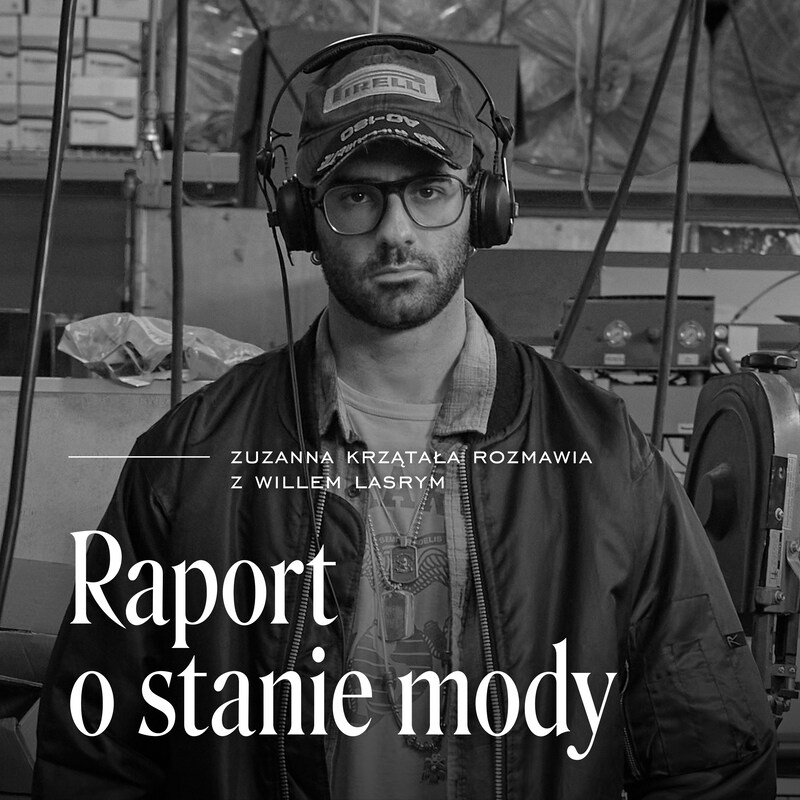
Razem z Willem Lasrym (@Manufacturer) – założycielem platformy Glass Factory, który odwiedził ponad sto fabryk na całym świecie, pokazując, jak wygląda przemysł od środka – zaglądamy za kulisy globalnej produkcji mody.
Dlaczego Japończycy uchodzą za mistrzów denimu, a okulary czy sneakersy najlepiej produkować w Chinach? Czy wysoka cena luksusowych produktów „Made in Europe” rzeczywiście idzie w parze z etyczną produkcją? I dlaczego jakości nie da się dzisiaj sprowadzić do kraju pochodzenia?
W czasie, gdy zaufanie do luksusu wyraźnie słabnie, a konsumenci coraz częściej kwestionują sens pojęć takich jak jakość, rzemiosło i wartość, ta rozmowa obnaża mity, które branża powiela od lat.
Wystąpienie Willa na konferencji Vogue Polska Business Fashion Environment Summit
Podcastu „Raport o stanie mody” możesz posłuchać na platformach Spotify, Apple Podcasts oraz YouTube.
English version:
Inside the Glass Factory: Will Lasry
What does „Made in” really mean today? In this episode of „Fashionable State of Affairs” we pull back the curtain on global clothing production with Will Lasry (@Manufacturer), founder of Glass Factory and one of the few industry insiders showing what actually happens inside factories, without PR gloss or brand spin.
Drawing on first-hand experience visiting over 100 factories across Europe, Asia, and the U.S., Will challenges fashion’s most persistent myths: why ethical production can’t be reduced to a country label, why China remains the world’s most powerful manufacturing hub, and why even luxury brands often lack real oversight of their own supply chains (blame scale and subcontracting).
As trust in luxury erodes and consumers question what craftsmanship and value really mean, this conversation offers a clear-eyed look at the complex systems behind the clothes we buy and why the future of fashion depends on making them visible.