Shownotes
In the latest instalment of Wildlife Matters, we delve into the intriguing realm of early nesters those audacious avian species that embark on the formidable task of rearing their progeny amidst the lingering chill of winter. This episode seeks to elucidate the motivations behind their seemingly perilous decision to nest early and to ascertain whether this strategy ultimately yields favourable outcomes for their offspring. As we traverse this compelling narrative, we will also pause for Wildlife Matters Mindful Moments, offering you an opportunity to immerse yourself in the soothing sounds of nature and foster a moment of tranquillity in your day. Additionally, we will present the latest developments in the natural world through our Wildlife Matters Nature News, bringing you the most pressing stories that demand our attention and reflection. Join us as we embark on this enlightening journey into the lives of our feathered companions.
Takeaways:
- This episode marks the commencement of Series 8, which brings forth new adventures and wildlife encounters.
- We delve into the intriguing behaviours of early nesters, birds that begin nesting while winter still prevails.
- The episode highlights the importance of responsible bird feeding practices to avoid harming local wildlife.
- Listeners are encouraged to participate in the government's trail hunting consultation, a significant moment for animal welfare.
- Wildlife Matters Mindful Moments invites listeners to pause and reflect, surrounded by the calming sounds of nature.
- The discussion emphasises the diverse nesting strategies of various bird species, showcasing their adaptability and resilience.
Links referenced in this episode:
- www.rspca.org.uk
- www.leagueagainstcruel sports.org
- www.bto.org
- www.publiclibraryofscience.org
- www.crimestoppers-uk.org
Companies mentioned in this episode:
- League Against Cruel Sports
- RSPCA
- British Trust for Ornithology
- RSPB
- Badger Trust
- Wildlife Matters Organisation
If you have some news to share or want to tell us about your project, campaign or maybe something exciting you have seen or heard about, then please get in touch
Our email is [email protected]
Transcripts
Hello and welcome to series eight of the Wildlife Matters podcast.
Speaker A:Eight series.
Speaker A:Can you believe it?
Speaker A:We are so pleased you're here and truly excited to start this new chapter with you.
Speaker A: Spring: Speaker A:New adventures are coming.
Speaker A:Extraordinary wildlife encounters are ahead and will bring you more of our popular Wildlife Matters guides too.
Speaker A:Along with the return of Wildlife Matters investigates, there is so much to look forward to.
Speaker A:We're also about to reach some important milestones and we can't wait to celebrate them with you.
Speaker A:In this week's Wildlife Matters main feature, we explore the world of early nesters, those bold, determined birds that brave the cold and start raising families while the winter still lingers.
Speaker A:What makes them take such a risk?
Speaker A:And does it pay off?
Speaker A:Well, we'll find out in this episode.
Speaker A:We all need a moment to pause and to reflect.
Speaker A:And Wildlife Matters mindful moment is here for you.
Speaker A:We'll surround you with the pure nature sense sounds, giving you a chance to let the noise of the world fade and let the natural world fill that space.
Speaker A:Breathe, listen and be still.
Speaker A:But first, let's look at the top stories in the natural world in this week's Wildlife Matters Nature.
Speaker A:Welcome to this week's Wildlife Matters Nature News, where we bring the biggest wildlife and nature news stories straight to you.
Speaker A:Each week, we bring you the nature stories that deserve to be heard.
Speaker A:Breakthroughs, battles and beautiful, unexpected moments unfolding across the natural world.
Speaker A:From the big political fights shaping the future of wildlife to the quiet dramas playing out in the woodlands and the rock pools of Britain.
Speaker A:All this and more is coming up right now on this week's Wildlife Matters Nature News.
Speaker A:Our first story is a long running debate in Britain's countryside that may soon end as the government has started a formal public consultation on banning trail hunting in England and Wales, a move that has sparked strong debate from all sides.
Speaker A: he wake of the hunting act of: Speaker A: rther promising to ban in its: Speaker A:Animal welfare campaigners, including the League Against Crawl Sports and the rspca, have remained deeply skeptical.
Speaker A:They say hounds often ignore the lay trail and follow live animal scents instead, and that trail hunting has become a convenient smokescreen for some groups to hunt boxes illegally.
Speaker A:The RSPCA says the evidence can no longer be ignored.
Speaker A:They point to what they call mounting evidence that trail hunting is often used as a smokescreen for illegal activity.
Speaker A:David Bowles, the RSPCA's head of public affairs, told Wildlife Matters that wild animals, pets and livestock are all placed in danger while rural communities endure what he describes described as intimidation and antisocial behavior.
Speaker A:The League Against Crawlsports, which has campaigned tirelessly for a ban, welcomed the announcement as a landmark step forwards.
Speaker A:Chief Executive Emma Slowinski told Wildlife Matters that the new legislation would allow the courts and police to tackle persistent and prolific illegal hunting.
Speaker A:She said for more than 20 years, Hunts have continued to break the law and flout the ban on chasing and killing wild animals with packs of dogs.
Speaker A:This is a pivotal moment for animal welfare and as well intentioned as the original fox hunting ban was, this time around we need to get it right.
Speaker A:With stronger measures to stop the cruelty and the killing, the government has framed a 12 week consultation as an open conversation.
Speaker A:It is a chance for the public, landowners, animal welfare groups, hunts and rural organizations to share their views on a range of complex issues.
Speaker A:Baroness Sue Hayman, the animal welfare Minister, offered a clear statement of intent.
Speaker A:The nature of trail hunting makes it difficult to ensure wild and domestic animals are not put at risk of being killed or injured and that is clearly unacceptable.
Speaker A:A spokesman for DEFRA said the government recognized that huntsman can support jobs and local businesses and bring people together across the countryside.
Speaker A:That includes drag hunting, which uses a fixed course for the hounds to follow, and clean boot hunting, in which bloodhounds chase the scent of human runners that they encounter before the hunt begins.
Speaker A:We have put a link to the trail hunting consultation in the show notes.
Speaker A:Please make sure you fill it in and return it.
Speaker A:This is a once in a lifetime opportunity to stop the cruel and barbaric practice of hunting wild animals with packs of dogs.
Speaker A:Our second story is also truly shocking.
Speaker A:Four badgers were found shot dead in a woodland near Tewksbury, Gloucestershire, a crime that has deeply affected the local community.
Speaker A:It was a grim discovery discovery on Saturday 21 March when Gloucestershire Police received a report that three death badgers had been found on a public footpath along the north side of Buckland Wood in Broadway.
Speaker A:This quiet rural spot should have been a refuge for the badgers, not a crime scene.
Speaker A:Officers believe the animals had been shot just days before they were discovered, with their deaths going unnoticed in the woodland until a passing walker stumbled upon them.
Speaker A:Then came a further blow.
Speaker A:Both the Badger Trust and Gloucestershire Badger Group contacted police to report a fourth badger found dead nearby.
Speaker A:Officers believe this animal too had been shot.
Speaker A:PC Parker from the Rural Crime Team was unequivocal.
Speaker A:Badgers are protected by law and it is a criminal offence to capture, kill or injure a badger intentionally.
Speaker A:This incident has understandably caused deep upset across the community and we are determined to do everything in our power to identify those responsible.
Speaker A:Craig Fellows, MBE, Wildlife Crime Manager at Badger Trust, said badgers in the UK continue to face illegal persecution despite clear laws prohibiting their shooting unless licensed.
Speaker A:Some regard badgers as firming which they are not and the law is crystal clear.
Speaker A:Unlawful shooting carries a penalty of up to six months imprisonment or an unlimited fine under the Protection of Badgers Act.
Speaker A:This incident in Gloucestershire is a stark reminder of the ongoing battles to protect badgers.
Speaker A:If you know anything at all, then please do get in touch with the Gloucester or report anonymously to Crime Stoppers.
Speaker A:Investigations are ongoing.
Speaker A:Police are urging anyone with information to come forward by completing the online form quoting incident 110.
Speaker A: March: Speaker A:Badgers remain one of the most persecuted native wild species and they deserve better.
Speaker A:Whoever is responsible for this horrific crime must be held to account.
Speaker A:Our third story today is the RSPB and the British Trust for Ornithology have both raised concerns about the possible harm that feeding garden birds can cause.
Speaker A:Feeding garden birds is a simple pleasure for many people in Britain.
Speaker A:However, what you feed them and when you feed them are more important than you may realize.
Speaker A:In the UK, around 40 to 50% of households actually feed their garden birds.
Speaker A:The BTO, or British Trust for Ornithology, estimates this adds up to 50 to 60,000 tons of bird food every year, creating a market that's worth up to 300 million pounds.
Speaker A:When feeders and accessories are included, people in the UK are very devoted to their feathered visitors.
Speaker A:There's a good reason for this.
Speaker A:People who feed birds often say it brings them joy and helps them feel connected to nature.
Speaker A:And research backs this up.
Speaker A: A: Speaker A:For many, particularly those living in cities, that daily flutter of wings at the window is the closest they come to genuinely wild animal behavior.
Speaker A:And the mental health benefits researchers suggest are very real.
Speaker A:But there is an important question that we really ask, and that is, is feeding the birds actually good for them?
Speaker A:Well, the answer isn't quite so simple.
Speaker A:Feeding birds does affect wild bird populations.
Speaker A:The BTO found that species such as great tits and blue tits which use garden bird feeders have increased in cities and urban areas, whilst birds that don't use garden feeders have mostly stayed the same.
Speaker A:The good news is that birds don't rely completely on garden food.
Speaker A:They do use it to supplement their natural diet, so if you stop feeding them they won't suddenly go hungry.
Speaker A:Over the last 40 years, bird feeding has affected some rarer species that don't visit gardens.
Speaker A: Research using BTO data in: Speaker A:But this is just one of several reasons for their long term decline.
Speaker A:James Robinson, chief operating officer at the rspb, told Wildlife Matters that he was clear that bird feeding can harm some species.
Speaker A:Instead of asking people to stop, though, he explained that the RSPB works with households near sensitive areas like Willow Tip breeding grounds to help them feed birds responsibly and avoid causing harm.
Speaker A:Robinson also brought up another concern.
Speaker A:When birds gather around a feeder, disease can spread quickly, especially if the feeder is dirty or old food is left to go mouldy.
Speaker A:He pointed to trichomonosis, a parasite that attacks the respiratory system and has been devastating for green finches whose numbers have dropped sharply in recent years.
Speaker A:Although other species are at risk as well.
Speaker A:Well, the RSPB has issued some guidance here.
Speaker A:It now advises against using bird tables or feeders with flat bases where food and waste can pool, and has stopped selling them altogether.
Speaker A:Crucially, the RSPB recommends pausing your feeders from 1 May until 31 October to reduce the risk of large gatherings that can extend accelerate disease.
Speaker A:Small amounts of mealworms, fat balls or suet can still be offered year round without concern.
Speaker A:In addition, both the BTO and the RSPB encourage gardeners to move feeders regularly, to stop waste from building up in one place and to clean the ground beneath the feeders.
Speaker A:Fresh water for drinking and bathing should still be topped up daily and kept supplied all year.
Speaker A:Robinson made it clear to Wildlife Matters that the RSPB still supports feeding birds.
Speaker A:Responsible feeding is still a key part of the Big Garden Bird Watch each January, one of the world's biggest citizen science events.
Speaker A:There's one final question that's worth asking, and it's one most of us never think about.
Speaker A:Where does our bird food actually come from?
Speaker A:Helping your local robin is a wonderful thing, but not if the cost is borne by wildlife or communities on the other side of the world.
Speaker A:Many seeds are grown right here in the uk, but peanuts and more exotic feeds travel thousands of miles to reach your feeder, burning fossil fuels along the way.
Speaker A:They may have been treated with pesticides, pesticides or artificial fertilizers, and in some cases grown at the expense of food crops that local communities depend upon.
Speaker A:It's a sobering thought.
Speaker A:Look for labels that guarantee sustainably sourced products and wherever possible, choose a locally grown product.
Speaker A:If you have an interesting wildlife story or are working on a project or campaign that you'd like to share with Wildlife Matters, then please let us know.
Speaker A:You can find our email address in the Show Notes and that has been this week's Wildlife Matters Nature News.
Speaker A:This really is a once in a generation moment.
Speaker A:The Government's trail hunting consultation is now live and the opportunity to help bring about real, lasting change has never been greater.
Speaker A:The League Against Crawlsports and others have put together excellent guidance to help you craft your response and we at Wildlife Matters urge you to take part.
Speaker A:Use the guidance, but make it your own, because your voice matters.
Speaker A:Let's bring an end to the deception of trail hunting and ban all hunting with dogs forever.
Speaker A:The news from Gloucestershire is disturbing.
Speaker A:Since this is an active police investigation, we are limited in what we can say, but we will follow this case closely and share updates as they come.
Speaker A:And we hope one day to report on a conviction for whoever committed this senseless, cowardly crime.
Speaker A:Sometimes, after news like that, we all just need to pause to get away from the news and our everyday lives and take time.
Speaker A:Time to reflect and to be at one with ourselves in nature.
Speaker A:So let me take you to a woodland in the last days of winter where the darkness is just starting to lift and the birds are waking up.
Speaker A:Let's sit together in the stillness and listen to the late winter dawn chorus on this week's Wildlife Matters Mindful moments.
Speaker A:While the February dawn chorus may not be as loud or as rich as what you will experience in May, the good news is that the dawn comes much later, so you don't have to get up quite so early.
Speaker A:This gives you a chance to get outside, into your garden, local woodland or park and enjoy the songs of the Robin, where both the male and female sing along with the beautiful songs of the missile thrush and the song thrush, both of whom start singing before their cousin, the blackbird.
Speaker A:We're staying in the company of birds as we move into this week's Wildlife Matters main feature, a journey into one of nature's most intriguing and counterintuitive strategies.
Speaker A:This is a fascinating look into the lives of Britain's early nesters, the species that have learned to raise their families against the odds, using extraordinary strategies to succeed.
Speaker A:So join us on this week's Wildlife Matters main feature.
Speaker A:The early nesters of brittle.
Speaker A:Hello, and welcome to this week's Wildlife Matters main feature.
Speaker A:Today, we're exploring one of the most fascinating stories in British wildlife.
Speaker A:The early nesters.
Speaker A:These are the bird species that start nesting before spring has really arrived.
Speaker A:And we'll look at why getting an early start can make such a big difference when it comes to raising a family.
Speaker A:It's an amazing story, so let's get started.
Speaker A:Here in Britain, spring generally marks the start of the nesting season, an exciting part of nature's annual cycle.
Speaker A:But many birds don't wait for spring, and some, like the wood pigeon, can nest all year round.
Speaker A:The nesting season in Britain is said to run from March to September each year, with most activity from March to July.
Speaker A:But still, not all birds follow this pattern.
Speaker A:Some start building nests as early as February, whilst others keep nesting throughout the year.
Speaker A:The British Trust for Ornithology has found that birds are nesting much earlier than they used to, which has a clear link to climate change.
Speaker A: ys earlier than it did in the: Speaker A:Starting nesting earlier does come with its challenges, though.
Speaker A:The plants and insects that birds rely upon for food don't always appear as soon as nesting has begun, which can lead to a fatal mismatch in timing.
Speaker A:But there is some good news as the weather changes.
Speaker A:Some plants and insects are now showing up up to one month earlier, which can really help close that hungry gap.
Speaker A:Keeping this timing in sync will be important for the balance of the whole ecosystem.
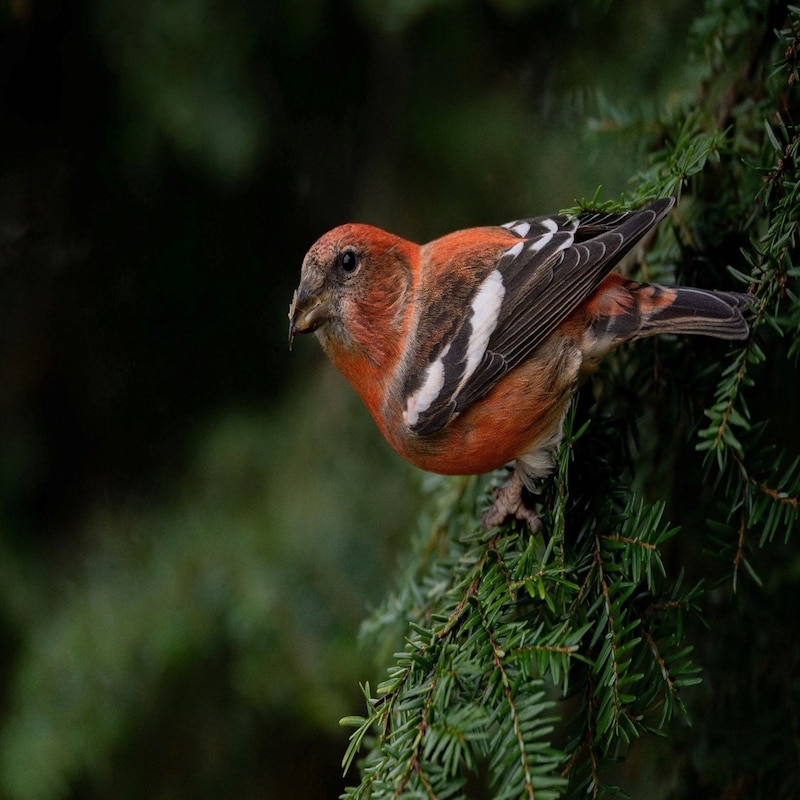
Speaker A:Crossbills are some of Britain's earliest nesting birds.
Speaker A:They mostly live in Scotland's old pine forests.
Speaker A:And these tough little birds can start nesting as early as January, which is impressive considering how harsh the winter can be in Scotland.
Speaker A:Scotland.
Speaker A:Although this timing might seem unusual, it is a deliberate strategy.
Speaker A:Conifer seeds, which are the crossbill's main food, are most plentiful in Scottish forests during the late winter.
Speaker A:When February comes around, the nesting season picks up speed.
Speaker A:Long tailed tits, long eared owls, grey herons and ravens will all start nesting, but each has its own reasons why.
Speaker A:By March, activity is peaking, with robins and blackbirds showing up in gardens all over the country that are now full of birdsong and the site of parents gathering Materials for their nests.
Speaker A:For most birds, nesting time is all about food.
Speaker A:The crossbill shows this well.
Speaker A:Its special bill helps it to get seeds from pine cones easily.
Speaker A:And since those seeds are most plentiful in January, that is when the crossbill starts nesting.
Speaker A:Whereas blackbirds, who mostly eat worms, which are much easier to find in the soft, damp soil of spring rather than the hard, frozen ground of early winter, owls do things differently, raising their chicks on small mammals by nesting early, they use the shorter grass and the thinner undergrowth to hunt more easily.
Speaker A:With prey easier to find and catch, they'll feed themselves and their chicks without wasting energy.
Speaker A:So what strategies do these early breeders use to give their young the best start?
Speaker A:Let's take a closer look at some of Britain's most interesting nesters, starting with the long tailed tit.
Speaker A:The long tailed tit is one of Britain's most dedicated nest builders, known for its detailed and domed nests.
Speaker A:They'll start building in late February, especially in the south of England.
Speaker A:But because their nests are so complex, the first eggs usually don't appear until April.
Speaker A: eathers, sometimes as many as: Speaker A:Both parents work together to build the nest.
Speaker A:The male will gather the moss and lichen, while the female shapes the inside and adds feathers.
Speaker A:The cobwebs woven into the nest material make it stretchy and strong, so it can expand as the chicks grow.
Speaker A:Their nests are usually built high in tree forks, or sometimes lower in thorny shrubs like hawthorne, which will help protect them from predators.
Speaker A:Starting from late February, the female long tailed tit will lay 7 to 13 small speckled white eggs and she'll keep them warm for about two weeks.
Speaker A:The chicks are altricial, which means that they are born blind, naked and completely dependent upon their parents.
Speaker A:What makes the long tailed tit extra special is its cooperative breeding strategy.
Speaker A:Helpers from previous seasons, who are often close relatives, will join the parents in feeding the chicks.
Speaker A:This teamwork greatly improves the chicks chances of survival.
Speaker A:And with this support, the young birds can usually leave the nest around 20 days later.
Speaker A:Unlike the delicate nests of long tailed tits, grey herons build much larger and bulkier nests from twigs and branches.
Speaker A:These nests sit high in a tree canopy, often near water.
Speaker A:Herons will nest in groups known as heronaries, where several pairs will be together instead of leaving their nests.
Speaker A:At the end of each season, herons return and add to them Each year, making their nests bigger and stronger over time.
Speaker A:Herons prefer tall trees near rivers, lakes and canals, although cliffs, rivers, reed beds and dense shrubs can also work.
Speaker A:If no suitable trees are available, they'll build their nests high in the canopy, usually at least 25 meters up, which gives them safety and a good view of the surrounding area.
Speaker A:Grey heron nesting will start in early spring and will peak by late March.
Speaker A:Ravens are some of the earliest birds to start breeding, often beginning as early as February.
Speaker A:They can nest in many places, including cliff ledges, tall trees, buildings and under bridges, just as long as the spot is safe and it offers a clear view of the area.
Speaker A:Ravens nests are big and sturdy, made from sticks and twigs and lined with moss.
Speaker A:Each year, ravens will return to the same place and their nests become larger and stronger.
Speaker A:The female raven will lay four to six striking blue green eggs and she'll incubate them for around 21 days while the male keeps watch and brings her food.
Speaker A:Once the chicks hatch, they grow quickly and are ready to leave the nest in about four weeks.
Speaker A:The fast growth is possible because the ravens start breeding early.
Speaker A:Both parents help feed and protect the young, and the family stays close together.
Speaker A:Ravens are very territorial and will drive away any intruder that dare come close to their nest.
Speaker A:Unlike ravens and herons that we've already met, Tawny owls don't build nests at all.
Speaker A:Instead, they are opportunistic, taking over whatever suits them.
Speaker A:Natural tree cavities, old nests left behind by other birds, squirrel drays, or even holes in buildings.
Speaker A:And when given the option, a purpose built nest box is readily accepted too.
Speaker A:Tawny owls start breeding early in the year.
Speaker A:Some pairs begin as soon as February, but most lay their eggs around mid March.
Speaker A:The female lays two or three eggs and stays with them during the month long incubation.
Speaker A:During this time, the male brings the food to the nest.
Speaker A:After the chicks hatch, both parents will help to care for them.
Speaker A:Young tawny owls, called owlets, don't all leave the nest at the same time.
Speaker A:They'll start by moving on to nearby branches before they try their first real flights.
Speaker A:This habit is known as branching.
Speaker A:The parents keep looking after them for several weeks after they leave the nest, and most owlets are fully independent by late autumn.
Speaker A:Chiff chaffs nest differently.
Speaker A:The female builds a tidy, domed nest close to the ground, hidden among thick plants like brambles or nettles, and lines it with feathers to help keep it warm.
Speaker A:She'll lay five to six eggs and sit on them for around two weeks, and then both parents will Help to feed the chicks.
Speaker A:The young birds will leave the nest after just 14 to 16 days, and the parents might raise another brood before the season ends.
Speaker A:The peregrine falcon is another early nester with a dramatic story.
Speaker A:Courtship and territory defence can begin as early as January, intensifying through Febr and March, as pairs strengthen their bonds and claim their nesting sites.
Speaker A:Egg laying happens in late March to early April, with the female laying three or four eggs over the course of around a week.
Speaker A:She'll start incubating the eggs after the second to last egg is laid, and incubation will last from 32 to 35 days.
Speaker A:When the eggs hatch, usually over two days, the female does most of the brooding and feeding, while the male brings her food.
Speaker A:Water birds bring their own fascinating range of nesting strategies to our story.
Speaker A:Mute swans are perhaps best known of all.
Speaker A:Mated pairs stay together for life and come back to the same nesting spot each year.
Speaker A:They work together to build big nests from reeds and twigs and other plants near the water.
Speaker A:Swans usually breed between April and July.
Speaker A:They lay eggs every two days, with each clutch holding four to seven eggs.
Speaker A:The eggs will take 34 to 44 days to hatch.
Speaker A:Once the cygnets hatch, they quickly learn to walk and leave the nest within just a few days.
Speaker A:Even then, their parents will watch over them closely for around five months and sometimes more, a much longer period of care than most birds provide.
Speaker A:This shows how much effort swans put into raising each brood.
Speaker A:Swans usually reach breeding age at around three years old, but finding a good territory can take them much longer.
Speaker A:Spring weather, food and calm water will all affect when and how well the breeding season goes.
Speaker A:Coots will show the same level of dedication.
Speaker A:Starting as early as February or March, they leave their winter flocks and begin claiming territories and pairing up before the nesting season.
Speaker A:They build their nests in shallow water, tying them to floating plants or tree stumps and weaving them from reeds, leaves, roots and twigs.
Speaker A:The female lays between six and nine eggs, and both parents take turns incubating from the second egg onwards.
Speaker A:Like cygnets, coot chicks can move around soon after hatching, but they stay close to their parents before eventually going off on their own.
Speaker A:Coops are determined nesters and may try for up to three broods in one season.
Speaker A:And if their first attempt fails, they will try again, and quickly.
Speaker A:Kingfishers have one of the most unusual nesting methods.
Speaker A:Pairing starts as early as late February, and then the birds dig a tunnel, sometimes up to a meter long, into a steep river bank.
Speaker A:They lay their eggs in the chamber at the end of the tunnel, which is an impressive achievement for such a small bird.
Speaker A:The first eggs usually appear in late April or May, and both parents take turns incubating them for around three weeks.
Speaker A:The chicks will hatch in May or early June and leave the nest within three to four weeks.
Speaker A:But what about seabirds?
Speaker A:Well, guillemots put on one of the most dramatic nesting displays among water birds.
Speaker A:They breed in huge, crowded colonies on cliffs, sea stacks and rocky islands, picking these spots because land predators cannot reach them.
Speaker A:Some colonies have tens of thousands of birds, but each bird only defends a very small area, just about the length of its beak around itself.
Speaker A:Guillemots do not build a nest.
Speaker A:They lay a single egg right on the bare rock, sometimes adding just a few pebbles or bits of seaweed around it.
Speaker A:Their breeding season lasts from March through to July and sometimes into September, when the chick is around three weeks old and still unable to fly.
Speaker A:It will make an impressive leap from the cliff down into the sea, where its parents will keep looking after it until it can survive on its own.
Speaker A:Oystercatchers are flexible ground nesters and can be found on shingle beaches, in short grass, rooftops, and sometimes even in flower beds.
Speaker A:They'll always choose spots with good visibility to watch for predators and close to water where they can take their chicks after hatching.
Speaker A:Their nests are just shallow scrapes, sometimes lined with a bit of local material such as grass or moss, but nothing more.
Speaker A:Oystercatchers breed from February through to July, with the most activity in April and May.
Speaker A:May.
Speaker A:The female will lay one to four eggs, each with glossy dark spots and blotches, and both parents incubate them for 24 to 27 days.
Speaker A:Oystercatcher chicks are active as soon as they hatch, but stay on the ground for about 35 days before they fly for the first time, as oystercatchers can live for up to 35 years, making them some of the longest lived coastal birds in Britain.
Speaker A:This shows that a slow, careful investment in each breeding season can lead to a long and successful life.
Speaker A:Herring gulls are among the most familiar coastal birds and are just as comfortable on clifftops as they are on rooftops in our cities far away from the sea.
Speaker A:They start building nests in early May, using straw, grass, twigs, and, in towns, anything that they can find.
Speaker A:They defend their territories strongly, using threatening displays and, if needed, direct attacks.
Speaker A:Herring gulls lay eggs from early May, usually in clutches of two to four, with both parents incubating the eggs for 25 to 30 days.
Speaker A:The chicks hatch with open eyes and Soft down and they can stand within just a few hours.
Speaker A:They rely on both parents for food, which is regurgitated for several weeks.
Speaker A:Fledging happens after about five to six weeks.
Speaker A:But even then, the young gulls are not fully independent and parents will keep feeding them for weeks and even months, especially if the chicks keep begging, a habit herring gulls are slow to outgrow.
Speaker A:Not all birds nest at the same time.
Speaker A:Even within the same species, the timing can vary widely.
Speaker A:Older, more experienced birds usually start earlier than the younger ones.
Speaker A:They know the best places, gather materials quickly and have no trouble in finding a mate.
Speaker A:Starting early is important because it gives them enough time to raise two or even three broods in one season.
Speaker A:In Britain, there are two types of birds, usually that nest later than others.
Speaker A:The first are seed eating birds like finches, who wait until there is enough food to feed their chicks.
Speaker A:The second are migratory birds, including swallows, swifts and martins, which have to wait until they've arrived here in April or May and then start nesting straight away.
Speaker A:For these birds, nesting late is just part of their journey.
Speaker A:The best way to help nesting birds is to leave them undisturbed.
Speaker A:In Britain, it is a criminal offence to damage or destroy an occupied nest.
Speaker A:Knowingly, the law protects not only the nests with eggs or chicks, but also those that are still being built.
Speaker A:And there are some simple things that you can do during the nesting season that can really help.
Speaker A:Firstly, try to avoid building work, if you can.
Speaker A:Nesting season often happens during the best weather for outdoor projects.
Speaker A:But birds commonly nest in and around buildings.
Speaker A:Waiting until autumn to start work is the easiest way to prevent accidental harm.
Speaker A:Wait until winter to cut your trees and hedges.
Speaker A:Pruning in winter reduces the risk of disease, protects the plant and prevents disturbance to any nesting birds.
Speaker A:Cutting back heavily in summer can hurt both wildlife and the plants.
Speaker A:And stay well away from places where you think birds might be nesting.
Speaker A:If you've noticed a lot of bird activity in one spot in your garden, it probably means that there is a nest nearby.
Speaker A:Give them some space.
Speaker A:It's easy for you and it really helps the birds to raise their young in peace.
Speaker A:And be careful when you're using a strimmer.
Speaker A:Birds will often nest under bushes or in long grass, so always check the area first.
Speaker A:During the nesting season, you can put out food and water for the birds.
Speaker A:Nesting takes a lot of energy, as birds have to to build nests, defend their territory and feed their young all at the same time.
Speaker A:So having food and a fresh water supply nearby can really help them to succeed.
Speaker A:So when do birds stop nesting?
Speaker A:Well, most garden birds in the UK finish nesting by the end of August.
Speaker A:However, if the autumn is mild, some species may try for one last brood, sometimes nesting as late as October.
Speaker A:Some birds, of course, don't follow any of these patterns and do things completely differently.
Speaker A:Birds such as wood pigeons, feral pigeons and collared doves are very flexible and they can breed at almost any time of the year if the conditions are right.
Speaker A:Unlike most garden birds, they don't rely on invertebrates for their young's food.
Speaker A:So they are not limited by seasonal changes that affect other species species and can take advantage and live in environments where many other bird species simply could not survive.
Speaker A:There are so many different strategies, each as fascinating as the next that wild birds use to build nests and to raise their young.
Speaker A:And today we have given just a brief glimpse into the world of our feathered friends to share some of their remarkable stories of the challenges they face, face and overcome in the annual drive to raise a new family.
Speaker A:And that is a good place to end this week's Wildlife Matters main feature.
Speaker A:I really hope that listening to the early nesters helped you to appreciate those remarkable birds and to view the winter landscape in a new way.
Speaker A:There's something special about those birds, carrying on, nesting and caring for their young whilst the rest of the world waits for spring.
Speaker A:And so here we are, series eight.
Speaker A:Nearly five years on air and close to 100 episodes, it still feels almost unreal.
Speaker A:Wildlife Matters started as a passion project, a way to share a lifelong love of nature and wildlife and the knowledge gained from years spent working outdoors with nature and wildlife.
Speaker A:We never imagined it would grow into this.
Speaker A:To those who have been with us since the start, and you know who you are, we hope you know how much that means to us and to everyone.
Speaker A:Listening, listening.
Speaker A:Whether this is your first episode or your hundredth, you are always welcome here.
Speaker A:We'd love to hear your wildlife and nature stories, your sightings, your moments in nature.
Speaker A:You can drop us a message at any time and you'll find our email address in the show notes.
Speaker A:Our audience keeps growing and it makes us truly happy.
Speaker A:Hundreds, sometimes thousands, of new listeners are joining us every episode.
Speaker A:Wherever you listen, in your car, on your walks, in your kitchens, or on your commute, or wherever you are right now.
Speaker A:We're really pleased that you're here and it's great to have you with us.
Speaker A:That brings us to the end of our first episode of Series eight, but the adventure is only just beginning.
Speaker A:In two weeks time, we'll be back.
Speaker A:As we head deep into the rainforests of the Weald, the ancient temperate wet woodlands and mysterious gill valleys of the Southern Weald.
Speaker A:It promises to be something truly special.
Speaker A:So if you enjoy what we do, please like subscribe and share Wildlife Matters with the wildlife lovers in your life.
Speaker A:Every share helps us reach someone new who might fall in love with the natural world all over again.
Speaker A:As always, thank you for spending your time with us today.
Speaker A:Spring is here, so get outside.
Speaker A:The natural world never stops surprising us.
Speaker A:And stay curious, wild ones.
Speaker A:This is Wildlife Matters signing off.
