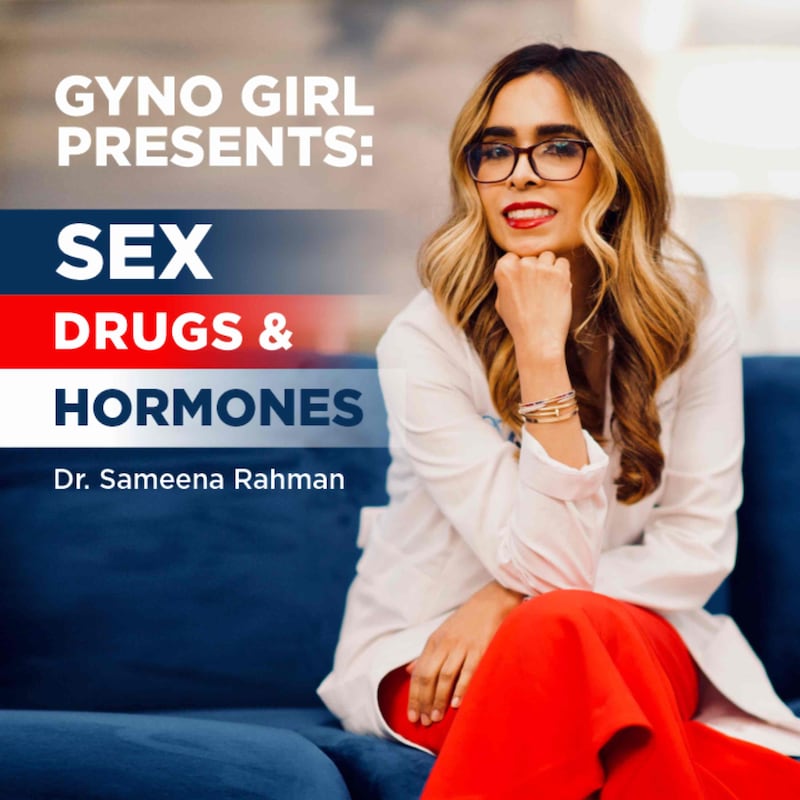
Shownotes
Join me as I sit down with Dr. Natalie Crawford, a reproductive endocrinologist and the author of The Fertility Formula. We start with what women should understand about their bodies before they try to get pregnant, which includes knowing what is going on with their ovaries and hormones.
Natalie weighs in on one of the more recently discussed questions in fertility: should an IUD come out before you start building your family?
Natalie shares what she and other fertility doctors are seeing in women who have had a progesterone IUD for years, and why she suggests taking it out about six months before you start trying. We also talk about how far egg freezing has advanced and how much better the results have become.
Along the way, Natalie shares what an AMH test can tell you about your ovarian reserve and the timing of perimenopause, and how inflammation and lifestyle can influence your ovaries.
What You’ll Learn
- What to understand about your body, including your ovaries and hormones, before you try to get pregnant.
- The debate over taking out an IUD before you start trying.
- How far egg freezing has advanced, and what it can and can’t promise.
- What an AMH test can tell you about your ovarian reserve and the start of perimenopause, and why it isn’t a menopause test.
- Why symptoms can get written off as perimenopause.
- How infertility and earlier menopause show up for women of color.
- How to choose a fertility clinic, and when to get a second opinion.
Get in Touch with Dr. Crawford:
Get in Touch with Me:
Transcripts
Dr. Sameena Rahman (00:00.444)
Hey y'all, it's me, Dr. Semy Ramon Gyno Girl. Welcome back to another episode of Gyno Girl Presents Sex, Drugs, and Hormone. I'm Dr. Semy Ramon, board certified OBG1, Sex Med gynecologist and menopause specialist in Chicago. And today I'm super excited to have a friend and an amazing colleague here who's doing so much interesting and amazing work around the world. Dr. Natalie Crawford, who is a reproductive endocrinologist with a fertility perspective that will
I really want to see how that intersects with so much of what we talk about here. and then I we're gonna talk about her new book, Fertility Formula. She is a owner of her own private practice for a fertility, which I think she started in the pandemic, which we'll have to talk about, which is amazing. As someone that owns her own practice, it's very trilogy. Anyway, and you know, the new the author of this new book, the fertility formula, take control of your reproductive future.
Natalie Crawford MD (00:45.783)
Yeah.
Dr. Sameena Rahman (00:58.256)
by Doctor Natalie Crawford. She has a very large list of C V resume information that we'll put into the show notes. But let's get into it. Thanks Natalie for coming or for joining me.
Natalie Crawford MD (01:10.242)
Yeah, Samina, thank you so much for having me. It's such an honor to be here on your show.
Dr. Sameena Rahman (01:14.14)
I'm so excited. well, you know, I'm gyno girl, so you know, I like a big good good backstory on how everyone got to where they are today. So I wanna know like what drove you into OBGYN and specifically fertility, and then like we'll talk about why you launched your book too.
Natalie Crawford MD (01:30.391)
I'll try to make this brief because it could probably be the whole episode. I actually matched in into emergency medicine. yeah, I just wanted to be a doctor since I was little. I loved taking care of people. I loved the diagnostic challenge that came with it. And I think that led me into not knowing being drawn to a certain specialty. And I had advice saying, hey, if you want to be a mom one day, which I always did want to, you should pick something that has shift work. So you like show up, do your job, go home. That would be more conducive to having a family.
Dr. Sameena Rahman (01:33.894)
Yeah. I r I've heard this.
Mm-hmm. Yeah.
Dr. Sameena Rahman (01:49.338)
Yeah.
Dr. Sameena Rahman (01:56.838)
Yeah, yeah.
Natalie Crawford MD (02:00.034)
And I matched into emergency medicine and like props to the ER docs out there because I think it's one of the hardest jobs. And I loved my colleagues and I loved taking care of people, but I was so unsatisfied. I didn't know if I'd done the right thing. And I realized really quickly I wanted to follow people through the end of their journey. Like I wanted to know, like, did I do the right thing? Did they get better? Did they get worse? What was happening? My own selfish curiosity about.
Dr. Sameena Rahman (02:06.553)
It is.
Dr. Sameena Rahman (02:22.458)
Yeah.
Natalie Crawford MD (02:26.732)
what was happening, it wasn't being fulfilled, that piece of being a doctor. So long story short, I didn't know what I was going to switch into. And this was one of many times where I said, this thing is wrong and I'm gonna start to leave it before I figure out the next thing. And I went to my program director and said, this isn't right for me, but I don't know what to do. And he was really supportive and said, well, if you finish out the year so that you don't leave people kind of like an alert or having to cover your shifts.
Dr. Sameena Rahman (02:30.297)
Yeah.
Dr. Sameena Rahman (02:44.186)
Yeah.
Natalie Crawford MD (02:51.468)
We can switch some of your other months and you can try out some other things and I'll help you get into another residency. And so, so nice. And I think really highlights when I mean, I felt like a huge failure. And when I told the rest of the world, the general advice was, well, intern year is just hard. Like you're not gonna like anything. Yet I really felt intuitively like that wasn't right. Like the thing I wasn't liking wasn't the long work hours or the cr the crazy work. It was something more
Dr. Sameena Rahman (02:57.499)
That's so nice. That's amazing. Yeah.
Dr. Sameena Rahman (03:10.619)
Yeah.
Dr. Sameena Rahman (03:17.231)
Sure. Because then why would you do but you want
Natalie Crawford MD (03:20.812)
Yeah, I mean, right. and but also I think sometimes there's this drive, especially for women, like highly successful women, to have everything figured out, to say, I can't leave this until I know what these next few things are going to be. And so instead, many times I've actually now felt confident saying you can't really figure those steps out until you're in the right mindset to do so. And sometimes that takes honesty and transparency. So
Dr. Sameena Rahman (03:31.055)
Yeah. Right.
Dr. Sameena Rahman (03:37.594)
Yeah.
Dr. Sameena Rahman (03:45.487)
Yeah. Yeah.
Sure, sure.
Natalie Crawford MD (03:50.657)
Against other people's advice, like sitting down in front of my program director and being really upfront honest made him one of the biggest advocates for me and probably why I was able to successfully match into OBGYN. And you know that intern. I so I got to repeat my intern year, everybody always asks. And but the the same desire, like I love the diagnostic challenge. So, like what is more diagnostically challenging than hormones? Like, really nerdy, drove me into REI.
Dr. Sameena Rahman (04:06.118)
But
Dr. Sameena Rahman (04:13.37)
Yeah. I love it, yeah. Uhhuh.
Natalie Crawford MD (04:16.108)
And I really love being able to walk with people through a journey. It's interesting because the field has changed, you know, in the 15 years since I matched into RAI. Whereas it, you know, my training was definitely right, like hormones, endocrinopathies, and infertility. And currently in practice, you know, what we tend to do most of is fertility specifically. So that's my my day-to-day job is taking care of people who are trying to get pregnant or maybe want to be pregnant one day.
Dr. Sameena Rahman (04:24.166)
So much.
Dr. Sameena Rahman (04:38.192)
Right. Right.
Dr. Sameena Rahman (04:45.435)
Yeah.
Natalie Crawford MD (04:45.538)
But I really feel like the reason why fertility is so hard is we just as women don't have a baseline fund of knowledge about how our hormones work or what's happening in our bodies. And so have always approached trying to educate both the patients in front of me and then, you know, leading that to online. I got sick, very similar to you, Sumina, of saying having women sit across from me and say, Had I known this information sooner, right, I would have done something different. And that really led me to get on.
Dr. Sameena Rahman (05:09.958)
I know. Yeah. No.
Natalie Crawford MD (05:14.584)
Social media and start a podcast and really the precipice for the book as well, because certain things you can learn in little tidbits or in long form or short form content, but telling a story where it can build off itself and say understand this knowledge and then grow with the next is really how we can make change. So I like to put my kind of content and the book into three buckets. It's educate, raise the fund of knowledge, it's optimize. What can you control? How do you know how to do that?
Dr. Sameena Rahman (05:21.306)
Yeah.
Natalie Crawford MD (05:41.379)
And then advocate. How do we learn to advocate for our own health? That includes like the language and also saying, I know this is normal. So I know what I'm experiencing is abnormal. And despite people gaslighting and dismissing women, giving them that confidence to stand up for themselves. So we're so aligned on how we approach patient care and women's health in general that thank you for asking that question. It's been a long road to be where I am right now.
Dr. Sameena Rahman (05:44.998)
Yeah. Exactly.
Dr. Sameena Rahman (05:58.557)
I know. Well why don't you yeah.
Yeah. Yeah, a hundred percent. And I think that's the thing, like I feel like that's
pretty much, you know, wherever whichever area you're entering this from, we're both like we cannot continue to dismiss women when they know something is going wrong, right? Like for me in the sexual medicine or menopause space, like patients know they know their, they know their bodies. They know, you know, and they they know their lived experience. So, you know, we have to start trusting them and trying to get and they have and they have to trust us too, which is I think is getting slowly eroded over time. I mean with OBGYNs, right? Especially I think OBGYN
Natalie Crawford MD (06:35.298)
Well, I think it goes both ways. absolutely. We definitely have colleagues who are very dismissive. I mean, even and I don't want to say it's just male colleagues. I mean, there's certainly female colleagues who are extremely dismissive. They're even dismissive online and dismissing the patient experience. And I know that makes it so hard to be an individual woman trying to seek care. But I will say, I think where we sit right now is the po showing the power of the individual woman.
Dr. Sameena Rahman (06:39.386)
community.
Dr. Sameena Rahman (06:45.914)
No. Yeah.
Dr. Sameena Rahman (06:52.262)
Yeah. Yeah.
Natalie Crawford MD (07:04.088)
How you can say this is not normal or I need better than this or this isn't okay. And actually we are seeing physicians change how they practice because the women who sit across from them are asking the right questions and asking them over and over again that now doctors are learning about, you know, hormone therapy who had never learned it before because this is who's sitting across from them. So like the power really is in the hand of the individual woman and to keep them.
Dr. Sameena Rahman (07:33.797)
Totally agree. I mean, just look at the IUD pain management thing for just a small example, right? Like I think you and I probably both know that when at least I learned in residency circa like, you know, 18 years, whatever it was, it was like, the cervix has no nerve endings, they don't really require much for pain, blah, blah, blah. And then you see it in your own office, you're like, no, this looks pretty painful. Like what? Or you get like
Natalie Crawford MD (07:35.168)
Yeah yeah.
Natalie Crawford MD (07:55.939)
Yeah, or you get one. When I had my IUD, I was like, absolutely not. Like
Dr. Sameena Rahman (08:00.293)
Yes, exactly. So, you know, you modify your if you're able to be a system that you can modify, then you modify it. But it it was that that spoke to me so much was what the power of like women who were, you know, tick tocking their IUD experience. And that caused really OBGY and the O ACOG to change their guidelines.
Natalie Crawford MD (08:15.246)
Yeah.
Natalie Crawford MD (08:19.882)
It is really powerful. It also, I think there takes from clinicians, especially in OBGYN, when we could all sit here and easily say that, you know, women's health is under-researched and underfunded, that also means there's so much we don't know. And we shouldn't approach science as if we know everything there is to know when it comes to treating women. Part of the scientific investigation is saying, like, what do I see? What do I clinically observe? You know, what literature exists, but how am I gonna care for the person right in front of me? So
Dr. Sameena Rahman (08:35.056)
Yes.
Natalie Crawford MD (08:47.622)
I I love that you and I approach that together. And I just want to tell, you know, women who are listening to like your experience matters. And if you feel like you are not having your questions answered, you're being dismissed, you're being gaslit, that is not how medicine is supposed to be. And you should go somewhere else.
Dr. Sameena Rahman (09:01.616)
Yeah. And I think part of people need to understand part of evidence based medicine, it's not only what's in the guidelines and what the research says, it's also your ten, twenty years of experience, right? Like of evidence based medicine. Right, exactly. So like I I
Natalie Crawford MD (09:11.542)
It's to say clinical experience is part of evidence based health care.
Dr. Sameena Rahman (09:18.254)
I know you know what I'm gonna ask you because because what recent it like I don't know a month or two that went kind of viral for you when you came up with you know, this is a clinical thing I noted as a, you know, fertility specialist. This is something I see in my office and it kind of like it it took internet by storm a little bit. Like they got triggered. Yeah.
Natalie Crawford MD (09:30.926)
Yeah.
Natalie Crawford MD (09:36.717)
Yeah, people got really mad when I shared a you know, I I'm used to people getting mad at me. I push the boundaries, right? I mean, you're not even supposed to check an AMH in somebody until they've been trying for 12 months. And you're there's a lot of things that I feel like are not right in how we do women's health. And one of them is to act like we know everything possible about certain contraceptive methods and tell them to patients with our full chest instead of expressing limitations on what hasn't been studied. And we've been noticing in clinical practice.
Dr. Sameena Rahman (09:47.728)
Yeah. okay.
Natalie Crawford MD (10:05.186)
That women who've had a progesterone IUD, specifically those who've never had a baby and who've had them for a long time, were having thinner endometrial linings, they were having more scar tissue inside the uterus, and really having a substantially harder time getting pregnant. And every woman, that same thing we started this conversation with, said, I've never heard this. Nobody ever told me. In fact, I was told there'd be no effect on my fertility. And
Dr. Sameena Rahman (10:27.012)
Yeah.
Natalie Crawford MD (10:32.504)
Just my only recommendation was like maybe you should get it removed six months before you want to start trying, because we do have endometrial receptivity research showing that it takes at least six months to have the endometrium more receptive to cause your estrogen progesterone receptors have been changed, saying, like, maybe take it out earlier, give your period time to regenerate before you try. And also, like, if your periods are different, get it evaluated earlier because we hate to be finding out this information later. And
Dr. Sameena Rahman (10:56.614)
Behind the APOL, yeah.
Natalie Crawford MD (10:57.922)
Yeah, was really wild because then people want to say, like, I like anti birth control and anti reproductive rights, like Sabina, like as which is wild. I mean, I started a non profit for reproductive rights. I've been very outspoken, but I but I'm
Dr. Sameena Rahman (11:01.894)
Yeah. And you're like, What? What? Right, right. And you're still in Texas, like doing the fight because people are not
Natalie Crawford MD (11:12.844)
You know, and I never said, my God, don't get an IUD because they're bad. But it's more about agency in your own healthcare comes from being able to make informed decisions and you can't make decisions on data you don't know. And I will tell you, almost every single fertility doctor I know messaged me too, saying that they were seeing these same things because we're the people who see it, right? Like if a patient's having trouble, they come to us, we put a camera in their uterus, we see what is happening. And so of course.
Dr. Sameena Rahman (11:34.136)
Exactly. Exactly. Yeah.
Natalie Crawford MD (11:40.717)
There is some selection bias, but that's actually how you first start seeing trends. I will say, yeah, one of my after saying that, you know, one of my peer, my colleagues who I love, it came out from UCSF, Dr. Heather Huddleston. Yeah. And she's actually, they've been doing a study on this. And I I anticipate within the next five years, the clinical recommendation for an IUD will change because they had, if you are a noliprous patient and you had a progesterone-based IUD for more than five years, you had an odds ratio of 12 for having intrauterine adhesive disease.
Dr. Sameena Rahman (11:45.018)
Right, exactly. Exactly.
Dr. Sameena Rahman (11:51.77)
Yes, I saw her.
Natalie Crawford MD (12:10.424)
Which is a huge number for people who do not listen. and it was like specifically those two kind of categories when they overlapped. So I think there's a combination of once a uterus has gone through a pregnancy, there's some remodeling. It's a little more resilient than an ellipse uterus. There's the size factor, probably a difference in some of our bigger versus our smaller IUDs and both the amount of progesterone and the physical size of it. and it looks like in her data, they're doing the subsequent like prospective study. This is all.
Dr. Sameena Rahman (12:10.876)
That's huge. Yeah.
Dr. Sameena Rahman (12:31.494)
Yeah.
Natalie Crawford MD (12:37.72)
We know retrospective studies. We got we have to start with the data that we have. But I think, and her hypothesis is that in women, because it doesn't prevent ovulation. So you take out the IUD, everybody tells you you can get pregnant right away. So pull the IUD and try to get pregnant. That the women who had scar tissue, it appears most of them actually conceived pretty quickly and then miscarried, which kind of makes sense if you and I think about it, right? Because the lining's been thinner, it's not as robust or receptive. But then that
Dr. Sameena Rahman (12:39.174)
Sure. Yeah.
Dr. Sameena Rahman (12:55.984)
Miscarried. Mm-hmm. I said. Yeah.
Natalie Crawford MD (13:02.456)
Pregnancy loss results in scar tissue because they don't have that endometrial resilience yet. And so she's studying that right now. But that to me just strengthens it to the point where I if if you have a progesterone IUD, I do not think that they are inherently bad. They're actually an amazing form of contraceptive. And there's many medical situations where they're indicated. But if you've never had a child specifically, I would want you to get it removed six months before you start trying. I don't think there's any harm in telling people that, especially.
Dr. Sameena Rahman (13:07.686)
Yeah.
Dr. Sameena Rahman (13:17.658)
No. Sure.
Natalie Crawford MD (13:31.639)
If they're of the mindset of, like, women can understand nuance, they can make smart decisions. Like that doesn't mean you have contraceptive, but we're trying to give your uterus time to heal. And I'll tell you, Semina, we see this so often in clinical practice. We've actually changed this within our own clinical practice where we won't do an embryo transfer until an IUD has been out for six months because the odds of transfer success are lower or the complication risk is higher. So that's where evidence-based medicine starts. I hated the OB.
Dr. Sameena Rahman (13:35.898)
Yeah. Yeah.
Dr. Sameena Rahman (13:50.694)
Yeah.
Natalie Crawford MD (14:00.001)
I mostly hated the OBJY and mean girl response because, like, I you can disagree with my science or you can come on and say, I've never seen that. Great, all perspectives are warranted. But to act like I was misin that it was misinformation, that a subspecialist's clinical observation would be misinformation. No wonder women are confused on the internet because misinformation is when you are.
Dr. Sameena Rahman (14:01.958)
I know.
Dr. Sameena Rahman (14:17.446)
Who sees us all the time, yeah.
Dr. Sameena Rahman (14:24.048)
Worse.
Natalie Crawford MD (14:26.83)
Purposefully misinterpreting data to mislead people. It's not when you are sharing your own experience. And if you were to tell me something about, you know, sexual health or vulgar health or women in menopause that you have noticed clinically more than anything that would spark curiosity in me, even if I hadn't seen it, right? wow, she sees these patients more than me. So I am curious as to what's really going on because maybe I'm not looking for it or I don't care for enough women like this. And I think.
Dr. Sameena Rahman (14:30.395)
Yes.
Dr. Sameena Rahman (14:53.35)
I mean, yeah, and and I'll tell you an example for like that I see is like, you know, women that and I would never tell a patient not to get a leap, right? Like they're so important to prevent cancer. But like I just say, you know, we should y ask patients how they orgasm. And if you orgasm PIV and you think it's a servable orgasm, guess what? Your orgasms can get affected. So I don't take honk and leaps on young kids people that like, you know, I just I I try to to to be, you know, as clinically appropriate as possible, understanding to
Natalie Crawford MD (15:00.46)
Yeah.
Dr. Sameena Rahman (15:23.344)
patient that like you know what I've I see patients with no orgasms after cerv after leaps because they have cervical orgasms and that's like you know if you ever talk to a woman who has a cervical orgasm they describe it as like they're on a different planet. You know like it's like it's like they they've they they've exited their bodies. Yeah.
Natalie Crawford MD (15:36.972)
Yeah, it's like ha
Natalie Crawford MD (15:42.252)
Their body levitates, right?
Dr. Sameena Rahman (15:44.145)
They levitate. Yeah, so like I know and I remember talking to other and they're like, You shouldn't say that. And I'm like, no, but this is what I see. And I would never not do a leak because of it. But I would say to my patient, how do you orgasm? And guess what? There are there is some data that some patients may have. You know, it's all about informed decisions, right? Same with birth control and effectual pain.
Natalie Crawford MD (16:00.972)
You know, women hand yeah. Birth control. I mean hormone therapy. We see this right now when it comes to do you use hormone therapy after you've had cancer. Like, why is that my decision and not yours if you're the individual who has to make the decision on what you're living with? Like you can understand risk benefit and it comes with clinical recommendation as well. And there are circumstances where IUDs or leaps or, you know, whatever the medical intervention may absolutely be the the right or the clinically indicated thing to do, but
Dr. Sameena Rahman (16:18.747)
Yeah.
Natalie Crawford MD (16:29.688)
Gosh, haven't we for so long been really fighting for women's bodily autonomy? Which means that in context of making decisions, it should be you who gets to make them and you should be able to make that decision with all available information in front of you. And it shouldn't be me passing my judgment on about what is right. And it shouldn't be me saying, that never happened, or the act of no study equals absence of impact.
Dr. Sameena Rahman (16:43.985)
Hundred percent.
Dr. Sameena Rahman (16:50.223)
Yeah.
Dr. Sameena Rahman (16:56.636)
Exactly.
Natalie Crawford MD (16:56.82)
Which is what a lot of people interpret, right? If we go to the IUD data, when it turns out looking specifically at noliprous women who've had an IUD over five years, there's like less than 10 women who've been included in studies who fit into that category who are trying to get pregnant because IUD long-term use was approved originally. I mean, do you remember when we were training? You had to have had a baby to qualify for an IUD, right? So we changed clinical practice based on effectiveness and oper options, which is great to have tools in the toolbox, but we shouldn't act like
Dr. Sameena Rahman (17:14.074)
Yeah, yes, yes, yeah, yeah, yeah.
Dr. Sameena Rahman (17:24.976)
Yeah. We know everything for every exactly.
Natalie Crawford MD (17:26.528)
Every study has always been done. I mean, that's really pervasive in the fertility world as well. And I think to a degree, we're used to data changing. Like how I do IBF today is so different than how I did it 10 years ago because the technology is still newer. And I just think if we take care of women, we've got to start to play in the game of understanding what new studies are out, how does this impact my patients? When I know better, I do better. And just because I've always done something somehow doesn't mean I have to keep.
Dr. Sameena Rahman (17:38.778)
Right. Subject.
Natalie Crawford MD (17:54.489)
doing it that way. But at the end of the day, like I I want women to sit across me saying I made the best decisions I could. Like I had the data I needed. This was the choice that I made. And I feel good with it because you and I aren't living those lives and walking exactly in that woman's shoes.
Dr. Sameena Rahman (18:01.702)
The information that you have. Right. Yeah. Yeah. Yeah.
Dr. Sameena Rahman (18:10.958)
Exactly. And I think that's where, you know
We buttheads with the with people. And and I get it, like, you know, I'm I I've been in a practice where I was a general OBGY and seeing thirty, forty patients a day and and to then have a patient come in with like, you know, I think that's what upsets a lot of gynecologists because they say, My God, they learn this on social media again, you know, like and they get really upset about it and and they don't have the time or the like capacity at that juncture to kind of review it with them, right? So they get very triggered by it, I think. But you know, that doesn't mean we don't address the issues or you know, we we say, hey you know what, why don't you look
At what Dr. Natalie Crawford says about that. She is the expert in this area. You know, like this is if I didn't that's what I do when I don't know something. I'm like, you know, that's not my area. I'm not an endometriosis surgeon, but I can tell you who is and who would do that for you. Yeah. Yeah. Yeah. That's humility, right? That's what we need in medicine, which we don't have all the time.
Natalie Crawford MD (18:56.392)
I say that all the time. Like I like I don't need to be an expert on everything and that's okay, right?
Natalie Crawford MD (19:06.19)
But how hard is it to be, you know, a consumer of this information or a woman living in her own body when things are don't feel normal to really know what to expect or what is normal? And that's the thing that struck me the most with the progesterone IUD controversy was how terrible, like personally attacking other female physicians were. That struck me so hard because it was like, gosh, what does this feel like if you are a like patient on the observer?
Dr. Sameena Rahman (19:16.721)
Yeah.
Dr. Sameena Rahman (19:25.701)
I know.
Dr. Sameena Rahman (19:33.904)
Yeah. Yeah.
Natalie Crawford MD (19:35.062)
State. Like if this is how and people commented this, if this is how you treat other doctors, how do you treat patients who are in front of you asking questions? my God, so Sash.
Dr. Sameena Rahman (19:41.465)
A yes.
And we know how they treat we know how to stop. But it's so true, like we
Natalie Crawford MD (19:48.384)
Why not? When someone shows you who they are, believe them.
Dr. Sameena Rahman (19:51.889)
Yeah, it's so true. my god, so true. I mean, I feel like, you know, medicine does evolve and we have to be able to like stay on top of it and provide the best. I mean, 'cause when I was a resident, I think I remember it was like what sever circa two thousand five or something. They were talking about this egg freezing that I think it was was it done in Italy first or something? I just I just have this memory of like this Italian clinician or OBGYN that was like, We're freezing eggs and I was like, man, you know, 'cause I was like twenty you know, I like in my late twenties, not dating. No no
Natalie Crawford MD (20:12.994)
Yeah.
Dr. Sameena Rahman (20:21.822)
No no future insight for pregnancy. And I was like, why can't I do this? But but now it's like pretty commonplace that we do this and we can talk about a little bit about w when and who you recommend egg freezing to. But it my point is that like that wasn't even something that we did routinely and now it's pretty routine that like we can offer it to people.
Natalie Crawford MD (20:42.326)
Yeah, we should be welcoming, you know, change and scientific discovery. I mean, since you brought up egg freezing, there's a lot of misconceptions about it. And I think you and I missed the boat. We were we weren't young enough in the time frame like to have it done. And I think because the technology is ultimately newer, it was experimental until around like 13 years ago. Then it became off IRB study. It took a while for it to be accessible to everybody. For a while it was just medical indication only, like if you were going to get
Chemotherapy for cancer, you could be a candidate to freeze your eggs. And the reality was the technology wasn't so great. At that time, we used a process called slow freeze, and only about 40 to 50% of the eggs survive the three freeze thaw process. But now current technology is around 90% national average of egg survival. And of course, it's not one to one, egg to baby, but that number makes it so much more accessible. And people in the lab, embryologists are trained in it. So that almost every fertility clinic offers it.
Dr. Sameena Rahman (21:24.963)
huh.
Dr. Sameena Rahman (21:29.828)
That's really good. Yeah. Yeah.
Natalie Crawford MD (21:40.601)
To women, which just is a tool in the toolbox. It doesn't mean you have to use it. I would say the big misconceptions are that it's a guarantee because it's not, it's an opportunity. People will often say it's an insurance policy for their fertility. And I hate that. I always say it's an investment, just like you're gonna play the stock market. investments often pay off, but they do not always. And you have to know like what's the risk of that investment and you know, diversifying your assets. Having more eggs at a younger age makes you have a higher chance of success.
Dr. Sameena Rahman (21:44.582)
Right.
Dr. Sameena Rahman (21:55.472)
Yeah. Yeah.
Natalie Crawford MD (22:10.2)
But I have had older women. I've had a 43-year-old woman who only had a couple eggs and she has a baby in her hands right now. So there's a lot of individual experience when it comes to egg freezing. And the second thing I always want to point out is that you're not going to run out of eggs faster if you do egg freezing or IVF. So a global concept for women is that you're born with all the eggs you're ever going to have.
And I like to imagine them as sort of a vault inside your ovary. So you have the most eggs when you're a baby inside your mom's womb at six to seven million. By the time you're born, it's one to two million. And by the time you start puberty, it's half a million. But we only ovulate at most around 400 eggs over the course of our lifetime. So what's a what's happening to all the other ones? Well, every month, a group of eggs is sent out of the vault no matter what. If you're ovulating, so if you started puberty, if you're not pregnant, if you're not on contraception that's preventing it.
One egg will be chosen to grow and ovulate and the rest will die. All the months you're not ovulating, all the eggs die. So you lose most of those eggs before you've ever had a single period, just because the brain isn't on, you haven't gone through puberty. And what's really interesting is when the vault is more full, aka you have more eggs, more come out every month. And when the vault is less full, or you're starting to run out of eggs, you have fewer eggs out every month. So when we do egg freezing or IVF or any fertility treatment,
I can only work with the eggs outside the vault. That's all I can get to grow. So I'm not tapping into the vault. You're not going to run out of eggs at any faster pace. But I do think it's important to understand that's why there's so much individual variation because that number is different. We're all born with a different amount of eggs. We run out of them with different rates. And then the quality of eggs are unique between us too. There is some tincture of time where chromosome damage is accumulated. So the longer the eggs are your body, the more chromosome damage you'll have. But also egg.
Quality and function itself, things like mitochondrial function, are really tied to inflammation levels and lifestyle and how overall cellular and metabolically healthy you are. So these factors make it so that no two women have the same experience if they're freezing their eggs or going through kind of fertility treatments, but also understanding that the ovary is so fascinating, right? I'm diverging, but it's so fascinating. It's really the key to female longevity.
Dr. Sameena Rahman (24:15.588)
It's so far from there.
Natalie Crawford MD (24:20.002)
The cells inside the ovary age at more than twice the rate of other cells because it's really metabolically and energetically expensive to constantly be having these eggs come out of the vault and to ovulate and to have eggs die and to repair and to have new eggs come out. But it also gives us the opportunity to get a lot of insight into what's happening. And that's why we say fertility itself is actually a health marker. It's representing a state of cellular and hormonal health. If you have infertility,
Dr. Sameena Rahman (24:28.347)
Yeah.
Dr. Sameena Rahman (24:42.353)
Yeah.
Natalie Crawford MD (24:47.948)
You have higher rates of chronic medical disease, higher rates of things like metabolic syndrome, heart attack, stroke, cancer, earlier death, which are all really scary things, but also of note, the same list that I would sit here and say if you went into menopause early, right? If I say, hey, the earlier you go into menopause, you have higher risks of these things. Cause they're all really tied to both an underlying state of metabolic health and representing what normal hormonal function and normal estrogen production is so protective to the body and learning to.
Dr. Sameena Rahman (25:03.471)
Exactly. Yeah.
Yeah.
Natalie Crawford MD (25:18.294)
understand that earlier, just giving you insight. And just because we're on this topic, as I'm going on my own tangent here from the egg freezing question, I do think it's really I was like, I was like, I do think it's really important to know that, you know, even though it's imperfect, there are tests to figure out how many eggs are outside the vault. And if that's a surrogate marker for your time to menopause, we should use it as such. So the yeah, I was like, I think but but medically, clinic what where we say perimenopause is a clinical diagnosis.
Dr. Sameena Rahman (25:24.476)
No, I love it. I love it. I was gonna ask you about any of this and it's anyway.
Dr. Sameena Rahman (25:40.624)
I do. I used
It's not
Natalie Crawford MD (25:48.099)
But everybody says that perimenopause is when you get to a critical egg threshold that starts to have hormonal change. And hormonal change starts before menstrual cycle change. Well, we know when a critical egg threshold is reached because we can do a test called AMH. So it doesn't tell you if you're in menopause because you can have an undetectable AMH and still have eggs available and still make hormones. So that's where I differentiate. It's not a menopause test, but I think it's a great perimenopause test. And I tell patients all the time you have diminished ovarian reserve, aka.
Perry menopause. And that doesn't mean you have to go on hormone therapy, but it means giving women the opportunity to say, hey, like this is your this is what's coming. These are the symptoms to look for. Here are the questions to start investigating. Here are things to notice if you feel abnormal. And also, this is probably like a decade of greatest opportunity for intervention in your long-term health outcomes, right? Based on building muscle and decreasing inflammation. And I think not checking AMH throughout our lifespan.
Dr. Sameena Rahman (26:36.806)
Hundred percent. A hundred percent.
Natalie Crawford MD (26:46.558)
One, it's ultimately still a newer test. It's only been around for about 10 years, interpreted from the ovair, the ovary standpoint. But it can give you insight early if you want kids one day, right? Even it's not telling us you're fertile, infertile, but if you have a lower egg count at a younger age, you will run out of eggs faster. And and why? Do you have endo? Do you have autoimmune disease? Is there something underlying that we could treat now? It could allow you to make different decisions, to go and freeze those eggs sooner, to maybe do fertility treatments faster than you were, you know.
Dr. Sameena Rahman (26:56.08)
Yeah, yeah.
Dr. Sameena Rahman (27:01.756)
Yeah. Yeah.
Dr. Sameena Rahman (27:08.048)
Yes. Yeah.
Natalie Crawford MD (27:16.396)
You and me or going through medical school or doing different things, but like had you had a partner and been told like this is the moment of opportunity because this door is gonna shut, you might make a different choice and you should be the one to make the choice, not have time make it. And then I think as we're navigating through the perimenopause time period, right? Like knowing your ovarian reserve, the data we don't have is how to calculate a rate of decline really well, right? if it's this now and I at what interval do I check the next one and how do I utilize that?
Dr. Sameena Rahman (27:26.598)
Hundred percent. Yep.
Dr. Sameena Rahman (27:43.642)
Is it gonna be seven years? Is it gonna be ten years? What's it gonna be? Yeah. Yeah.
Natalie Crawford MD (27:46.083)
I mean, we I don't think we know we don't know, right? And I do think though in the next five years we'll probably have that data. But I think we can start leveraging when women are coming in with symptoms and we're saying, is it thyroid? Is it iron deficiency? Is it perimenopause? Adding an AMH into those biomarkers allows us to understand ovarian function and then say, look, this is low, other things are normal. So we can more confidently walk the road of saying it's your hormones and treating you as such. Because also what I see, and I know you do too, I see hormonal problems getting underdiagnosed.
Dr. Sameena Rahman (27:51.493)
I do too.
Dr. Sameena Rahman (27:57.007)
Yeah.
Natalie Crawford MD (28:16.074)
And it's just aging, et cetera. But I also see the other thing. When I had my own celiac disease, I was diagnosed at 40 and I got dismissed by multiple doctors saying it was just perimenopause who didn't want to order a single blood test saying that's a clinical diagnose, it's just perimenopause, you just gotta deal with it, and we're not gonna order any other tests. And I though was very pushy because it's like, no, like I actually know my AMH, I'm not in perimenopause.
Dr. Sameena Rahman (28:27.918)
Yes. Yeah. Is everything puribenopause? Yeah. Yeah. Yeah.
Dr. Sameena Rahman (28:41.316)
Yeah, yeah. Yeah.
Natalie Crawford MD (28:41.814)
At that point, I was like, that's not what's happening. Something else is going on and pushed it, pushed it. And so, right, we we also don't want blame hormonal changes that are coming when there's real medical problems. So being able to have a marker for the ovary to understand at least category of where our eggs are, I think is really helpful.
Dr. Sameena Rahman (29:01.444)
It is. And I have to say, like, I also check AMH on these patients and sometimes it's you're right, you know, the menstrual cycle hasn't changed, but though what do they do? They don't feel like themselves, right? They they're going crazy. Everyone says it's just too much stress. And you know, you can talk about some of the subtle symptoms, yeah, maybe a little bit of musculoskeletal, maybe a little genital urinary, not the typical hot flashes, nice whatever that we see in like late perimenopause. But to say, like, you know what, your your AMH is low and so you know, this seems to be your start of perimenopause because you're even
And and then they're like, yeah, you know what, my cycle's more like twenty-w eight, twenty-six days. That used to be a perfect twenty-eight, you know, like they start noticing subtle changes and it's very like encouraging for them. They feel bad they feel validated to know that it's not that okay, this could be perimenopause and this is not just you telling me yes.
Natalie Crawford MD (29:49.227)
In my head, yes. I agree with you. So I think you know, a greater understanding of how the ovary functions is so important for women throughout all life stages, right? And right now the system doesn't allow us to evaluate things, at least the traditional model, until you failed or suffered, right? Like the ACOG, you have to suffer. I mean, ACOG says
Dr. Sameena Rahman (30:00.101)
Hundred percent. Yeah.
Dr. Sameena Rahman (30:08.442)
Yeah. You have to suffer first or you have to fail. You have to fail twelve months of, you know, tr trying to get ready.
Natalie Crawford MD (30:13.464)
There's an entire practice guideline about not checking AMH until women have diagnosed infertility and have failed to get pregnant for 12 months. Like, why? Why? And same thing. Like, we there's recommendations not to start menopause hormone therapy till women are in menopause, but menopause itself is defined as n well, you have to be hypoestrogenic for at least a full year. I mean, honestly, you and I know it's for longer than that. Like, why are we making women suffer?
Dr. Sameena Rahman (30:17.946)
Yeah. And you're like what what why yeah, why would I do that?
Dr. Sameena Rahman (30:27.61)
Yeah.
Dr. Sameena Rahman (30:31.866)
Yeah. Yeah.
Natalie Crawford MD (30:37.334)
or fail before getting data about their body and given opportunity for agency over their own decisions.
Dr. Sameena Rahman (30:42.468)
Interruption. Yeah, a hundred percent. And I I think it's so interesting too when when these patients end up, you know, going to these places, they're not getting the help they need. They you know, this is why we have the system failure, right? Because we are, you know, like not allowing them to get a blood test. Like, no, you can't have a like what is that? Yeah, like are we gatekeeping blood work now? Like what?
Natalie Crawford MD (31:02.506)
Yeah, I c I agree completely. I think, you know, th it takes a long time for something to get into clinical practice too and
Dr. Sameena Rahman (31:11.652)
It's true, it's true. And the coverage of insurance is all like all these things, right?
Natalie Crawford MD (31:14.381)
Maybe
yeah, I don't disagree. Right. And so I mean, but again, like why am I deciding what's worth your money to spend? And a lot of blood tests, like AMH is like $79. Like it's not a super expensive test to most people. especially I know if you're in that stage of suffering, like when I was, I was like, test all the blood, figure out what's going on with me. Like I need to know because I can't function like this.
Dr. Sameena Rahman (31:27.652)
Yeah, it's not yeah, yeah.
Dr. Sameena Rahman (31:39.141)
Yeah, yeah. Yeah. Yeah. You can't function exactly.
And so you know, when we talk about ovarian's function and how it really is a marker of, you know, longevity for so many, or you know, a a better health span, I guess I'd say. Do you what what do you think is coming down? I mean, I've read so many things coming down the pipeline of is there a way for us to preserve the ovarian function? Can we transplant and there's some I think someone in Yale is transplanting, you know, pieces of the ovari to so what do you think is the most, you know, hopeful stuff in the future for anyone wishing to preserve ovarian function?
Natalie Crawford MD (32:11.842)
I
I love this. I think there's different ways to look at it. So let's say for sure, if if the goal is to preserve fertility, it's egg embryo freezing, right? But let's say, and what your question was about ovarian function, which we know the longer the ovary makes estrogen, the better it is for your health for longer. I think two, I like to put in a couple of different buckets. So proven. I mean, we know, but what's not talked about enough is that.
Dr. Sameena Rahman (32:31.814)
Party.
Natalie Crawford MD (32:39.81)
Things that cause inflammation accelerate the rate of fibrosis inside the ovary and stop the ovary from being able to respond to the brain signals. Well established. Yes. Like, why do so many people are just not understanding like how many things too we do during the day that are inflammatory? We'll give a real easy example that's well established, right? You smoke cigarettes, these toxins cause inflammation inside the ovary.
Dr. Sameena Rahman (32:48.23)
Which I love your chapter, your first chapter is like inflammation, right? Like it's just amazing. Yeah.
Natalie Crawford MD (33:04.948)
And result in an earlier depletion of your eggs and a more fibrotic ovary and you go into menopause earlier. Like we all are taught. If you smoke cigarettes, you run out of eggs faster. So therefore, the simple act of not smoking cigarettes is helping extend your ovarian lifespan to the extent that it can. I would say for all these lifestyle behaviors and things that I talk about a lot, is there's a lot of things that are accelerated with DOR and premature ovarian failure that I see every day. Cause I take care of women at the end of their ovarian lifespan. Of course, most of them are trying to get pregnant and
Dr. Sameena Rahman (33:12.304)
Yeah. Yeah.
Natalie Crawford MD (33:34.671)
When we look at it, things like undiagnosed autoimmune disease, right? Having Hashimoto's that's never been treated or diagnosed, having celiac disease, having endometriosis that wasn't diagnosed accelerate to the loss of eggs that you have. yeah, it's actually like that inflammation. So from that same breath, I think many women walk through the world feeling like menopause is a predetermined date on a calendar and that they're going to approach that date.
Dr. Sameena Rahman (33:43.002)
Yes.
Not just the scarring and all the things that happen from the anger. Yeah.
Dr. Sameena Rahman (33:59.249)
Yeah.
No matter what.
Natalie Crawford MD (34:01.942)
And their ovary switch is going to be turned off. That there's nothing that they can do that can impact that day. And it's not that I think you can avoid that day. Like the day is coming, but I like to say it's like a dumber switch. And it's the choices you're making for years that are starting to add up. So little things like eating more fiber, eating more whole foods, avoiding the ultra-processed foods, fighting against insulin resistance, getting your potential other sources of inflammation diagnosed, right? Getting your endo diagnosed earlier.
Dr. Sameena Rahman (34:10.138)
Yeah. Yeah.
Natalie Crawford MD (34:30.348)
Getting your C yeah, I mean like kind of learning about, yeah, treating your PMOS earlier, like learning about it. And so cultivating an anti-inflammatory lifestyle, which is both lifestyle choices and earlier diagnosis when things are wrong, is going to ex you know, slow down the rate of our dimmer switch to our full potential, right? We're not going to avoid it, but we should give more agency and kind of stop this idea that like menopauses, there's zero things that you do because all of these different health behaviors, when you start looking at them,
Dr. Sameena Rahman (34:30.62)
P O S.
Natalie Crawford MD (34:59.298)
Gosh, Semina, a study just came out showing that getting less sleep chronically is associated with higher rates of diminished ovarian reserve, right? Okay. And so we know how important sleep is, and we're luckily talking about it like medically now as something that's so important. But think about that: getting less sleep contributes to insulin resistance and chronic inflammation. And that will over time impact your ovary. So, number one of improving ovarian longevity, and what I put in the more like proven category is.
Dr. Sameena Rahman (35:06.714)
I believe it. Yeah. Yeah.
Natalie Crawford MD (35:26.976)
Do what you can on most days to decrease your inflammation and really understand it instead of acting like, I just need five hours of sleep or it doesn't really matter. It matters. Like, you know, you be the one making the choice because one day the switch will be off. I think greater to your question is where are we having medical interventions? What I kind of consider trying to biohack the ovary. Where can are people looking to extend that ovarian lifespan beyond what is predetermined?
Dr. Sameena Rahman (35:28.368)
Yeah, I know.
Dr. Sameena Rahman (35:34.896)
Yeah. Yeah.
Dr. Sameena Rahman (35:50.416)
Right.
Natalie Crawford MD (35:55.821)
And the things that are showing the most prominence, you know, one, you mentioned ovarian tissue freezing and then like putting it back in the body. We've done that for patients who've gone through cancer treatment. So you take out a strip of ovarian tissue and then they go through their cancer if it's gonna destroy their ovaries, and then you can put it back in either abdominally where the ovary normally would be if they want to get pregnant, or if you're doing it just for hormonal function, you actually put it in the arm. and it's wild because you actually can do
IVF or egg freezing from the tissue in the arm as well. It's much easier to access. You don't have to go vaginally. The eggs will just grow there. But just just use a blood supply. But if you're just going after hormonal function, they'll put some of the tissue back usually in the arm and it'll make hormones in response to the brain. And so the brain I'll I like to say this: like we think that the brain is what's in control of both puberty. I mean, we think the ovaries what's in control of like puberty and menopause in different ways.
Dr. Sameena Rahman (36:37.708)
My ovary, everybody.
Natalie Crawford MD (36:50.2)
But the reality is puberty is the brain turning on. Menopause is the ovary turning off, right? And so it's not one, they're not two things. People kind of act like they're on the same spectrum, but it's like the ovary is active that whole time. It's just waiting for the brain to turn on. And then once the ovary stops being active, the brain is still on. It just the ovary isn't able to respond. So if you have an ovary that can respond, it'll do that. There are studies being done now, not just for cancer, but looking at for longevity purposes and postmenopause.
Dr. Sameena Rahman (36:52.977)
Yes.
Right, right.
Natalie Crawford MD (37:20.354)
Taking out ovarian tissue and putting it back in later and then extending the age of menopause. Will that be something everybody does? Probably not for a substantial amount of time, but surely it's interesting. The other two medical options, you know, one is rapamycin, which is an mTOR inhibitor, with the idea if I can slow, it's important in choosing the follicles coming out of the vault. With the idea if I'm having less eggs come out of the vault, am I slowing down the rate of loss of eggs? It is.
Dr. Sameena Rahman (37:47.877)
A tree channel.
Natalie Crawford MD (37:49.335)
In a very small study from China, showed promise from a fertility standpoint, like 30 patients. We've tried it on some fertility cycles, haven't noticed a difference, but we need a big study on that, especially when it comes to not fertility as the end point, but ovarian function. And then antifibrinolinics, like we're looking at medications that are going to decrease the fibrosis inside the ovary itself.
Dr. Sameena Rahman (37:54.748)
Okay. Yeah.
Dr. Sameena Rahman (37:59.633)
Yeah. Yeah.
Dr. Sameena Rahman (38:04.634)
Yeah, sure.
Dr. Sameena Rahman (38:11.42)
Mm-hmm.
Natalie Crawford MD (38:14.018)
Francesca Duncan's doing a lot of research on this in Northwestern. And I think like that research is going to be like very exciting to see can we intervene earlier before the ovary has kind of turned so stiff? And does that give us an opportunity for intervention? So I think it's an exciting time to be interested in the ovary. And but in medicine in general, like a flip to a medication, like that's the last step. We gotta also bring to the table optimizing everything we can too. Yeah.
Dr. Sameena Rahman (38:27.516)
Interesting. Yeah.
Dr. Sameena Rahman (38:38.97)
Yeah. Your lifestyle ever since.
Exactly, exactly. and when we're talking about some of these things, like, you know, obviously I like to think about some of the patients that are, you know, sort of the least centered in most discussions, which women of color, when you think about, you know, entering menopause earlier or, you know, how you know, black women experience menopause sometimes earlier with worse symptoms and the whole concept of like weathering and all the things. What do we know about that with fertility and how how does that, you know, intersect not only
Fertility about what you see in clinical practice.
Natalie Crawford MD (39:15.214)
Yeah, I mean, all black and brown women have higher rates of infertility than white women do. And we see across the spectrum a harder time getting pregnant, right? We see higher rates of insulin resistance, we see longer time to diagnosis, we see more dismissive and suffering of symptoms. but we see earlier rates of menopause as well and ovarian failure. So really tough I mean, it's a tough time to be a minority woman. I mean, you
Can speak to this better than I can, especially with your book that's out, you know, compared in this country. It's a hard place to be a woman in this country right now, but especially a minority woman when it comes to your health. I think it takes more advocacy for yourself, which means unfortunately the onus is on you as an individual woman, especially as a minority woman, to know what is normal so you can advocate for what's not and to find a healthcare team that you trust. And if you are at a stage of life that is time sensitive, so we'll say fertility specifically, like
Dr. Sameena Rahman (39:51.142)
Yeah. Yeah.
Natalie Crawford MD (40:09.91)
You have to be with somebody who you know is going to understand where you are and explain things to you and help you make these decisions. Because, you know, I don't know. There's a lot of corporate medical practices right now. There's a lot that's happening on the fertility side that is making it kind of more of a quote industry than a specialty. And I not every practice is great. There's a lot of great doctors and not great practices. There's some doctors who just aren't great.
But it's really a personal decision. So for something that is so, I liken it to cancer treatment. People have no because having cancer or having infertility are often times where somebody looks at their future and says, I don't know what's happening here. Right. I don't know what my future looks like. And that loss of self is really hard on top of everything you're experiencing medically. And for cancer, people feel really comfortable getting multiple opinions or saying this is the person who's right for me.
Dr. Sameena Rahman (40:56.06)
Scary.
Natalie Crawford MD (41:03.34)
And I think if we have the access to do so, we should for fertility as well. Because those are both circumstances where we don't always control the outcome. We try our hardest, but we do control the journey and feeling confident in the decision making along the way. And if the person who's, you know, steering your ship, you don't have full confidence in, I really encourage patients to try to get another opinion.
Dr. Sameena Rahman (41:25.852)
Yeah.
No, for sure. And that's what one of the questions I was gonna ask you is because I have patients all the time that I'll send to certain well, they'll go to certain centers and they'll come to me and say, I you know, I just feel like I'm a I'm a person in the mill that like, you know, I I feel like a number, like, you know, I I get told by the nurse this and that, this is my ultrasound, blah, blah, blah. But they don't feel actually taken care of. And there's not that many practices. There's a handful, I think. I mean, we know Dr. Jelani is great in in Chicago. But like, you know, across the country, I think, you know, you have these
huge practices that, you know, have brilliant interconal you know, REI docs and everything, but n I don't know if it's like the system in place that, you know, they work for a system that seems to make every patient feel like a a specimen or a number. You know what I'm saying? It's kind of dehumanizing.
Natalie Crawford MD (42:11.67)
Well, sure. I mean, if you are going to corporatized medicine, then your goal is to make as much money as possible. And that includes a certain throughput of patients, which is standardizing them to care versus approaching an individualized care. Even within the same kind of corporate sector, there's individual practices that can sometimes be run different. So what I usually say is be really aware of what's in your area. If you do go to a practice that maybe is a
Dr. Sameena Rahman (42:24.396)
Who wants to?
Dr. Sameena Rahman (42:30.267)
Yeah.
Natalie Crawford MD (42:37.4)
bigger practice or, you know, and you get that sense that you don't feel like you're being seen as an individual, like really do try to go seek another opinion. Like it's not hard or bad to try that if it's covered by your insurance or if it's closest to you. Right. I I do think that's the limitation is that, and it's not always, I mean, a lot of small practices, like we'd love to take more insurance, but they won't contract with you because like they are looking to have these big networks.
Dr. Sameena Rahman (42:49.36)
Yeah. Right. I think that's the limitation for some people either. Yeah.
Dr. Sameena Rahman (43:00.166)
Sure. They won't, I know. For the big volume. Yeah.
Natalie Crawford MD (43:04.364)
Yeah, even a lot of these fertility benefits that look like so like they're so patient centric. They actually like won't contract if you don't have, you know, these a network of clinics with you. So there's a lot that happens behind the scenes. It doesn't mean like the doctors are always one certain way. But yeah, I mean we did. We started our practice in the pandemic for this reason. We were at a different place that, you know, was part became part of a big network and that was.
Dr. Sameena Rahman (43:09.348)
Yeah. Yeah.
Dr. Sameena Rahman (43:16.412)
It's true. It's true.
Dr. Sameena Rahman (43:22.682)
Yeah.
Natalie Crawford MD (43:32.437)
Never the type of environment I first saw myself practicing in long term. And the pandemic just exposed the flaws in that model, we can say. And you know, my my my partner and I just felt like, you know, at the end of the day, it's really hard to be a physician. It's really hard to take care of women. it's really hard to take care of women in a really vulnerable place in their life, right? It we don't.
Dr. Sameena Rahman (43:39.868)
Sure. Yeah.
Natalie Crawford MD (44:01.45)
I always talk about my great friend Pamela Meta, who's an orthopedic surgeon who we both know. Like, she's got like, you know, 99% chance of success with her ACL repairs. Some patients come and they leave happy. And I'm like, my gosh, what would I do for a 99% chance of success? So you give a lot of yourself in the service of really taking care of people. And that's part of why we do it, right? We started with my story of why I did this, but I foresaw, and my partner, Dr. Skullarn, foresaw that the pathway we were running is like,
Dr. Sameena Rahman (44:04.826)
Yeah, yeah.
Yeah. I know. Yeah. Yeah.
I know. I know.
Natalie Crawford MD (44:29.362)
wasn't gonna be worth it much longer if you can't care for women in the way you want to. And that led us to leave and start our practice. But it's not without huge risk, huge financial loss. Like I mean, like starting in a pandemic, I mean we didn't pay ourselves for a long period of time because we want to pay our staff, keep there's just all these things, but in the same we don't learn the business of medicine in medical school. But also I I have a lot of female physicians who say this to me too, like, but starting a practice is so hard. And
Dr. Sameena Rahman (44:38.032)
Huge. Yeah.
Dr. Sameena Rahman (44:43.184)
Yeah, yeah. You got HR to deal with, you got all these like it's so much you don't learn in medical school. So Yeah.
Natalie Crawford MD (44:59.746)
You've going to medical school is so much harder. Like you can absolutely learn how to do it. I think people benefit from making physicians believe that it's too hard to start your own practice. And so we got to that same kind of same pivot when I was like switching residencies of saying, like, this job is not gonna be it. And like we just need to like drive off the cliff. We always we're Thelma and Louise. Just drive off the cliff and like here we go. Because we at the end of the day, like, you know.
Dr. Sameena Rahman (45:00.004)
It is, but yeah.
Dr. Sameena Rahman (45:10.523)
Sure.
Natalie Crawford MD (45:29.218)
Sync or swim, like we'd rather be taking care of people in the way that we want. And we've been very fortunate. Our communities rallied across us. We've got the best patients. We have a very different feel to IBF, but like we're not the cheapest practice in town. We're not in line with every insurance, but we do control what the patient experiences to such a stronger degree because at the end of the day, the buck stops with us, right? Like that's the benefit of owning your own practice.
Dr. Sameena Rahman (45:32.475)
Yes.
Dr. Sameena Rahman (45:49.871)
Yeah, yeah. Owner practice. Yeah, I agree. I mean and I, you know, I started a practice in twenty fourteen under an insurance based model and just within the last year came off of insurance because I couldn't do it anymore. I couldn't deal with like 'cause you know, I provide complex menopause and sexual medicine care that doesn't even get caught you know, always goes to a pick doctor and
Natalie Crawford MD (46:02.445)
Yeah.
Natalie Crawford MD (46:09.518)
Doesn't get covered.
Dr. Sameena Rahman (46:11.406)
I if I spend an hour with a patient, you know, they may or may not pay me for it. You know what I'm saying? And it's like, you know, you have to preserve your own sanity at some point. And like I think we're very similar in that I would s hear these patient stories and I was seeing like five to seven new patients a day. And I was like, this is really wearing on me because all of a sudden, you know, as I go through perimeter, I'm hearing all the stories of dismissal that that just they can affect you. You know, you're just like, wow, it sucks that to be a woman sometimes in this day and age and trying to deal with complications.
bubble vaginal issues or whatever. And I remember coming home just like super exhausted from like just the depletion, the emotional depletion, you know.
Natalie Crawford MD (46:47.564)
Yeah. And and then yeah, you lose that joy for why you do this in the first place too.
Dr. Sameena Rahman (46:53.626)
Right. That's right. So sometimes it's better to have smaller and and more, you know, laser focus on the smaller population of people, which is unfortunate. I feel bad about not being able to be accessible, but you know, I tried. I tried. Yeah. Yeah.
Natalie Crawford MD (47:07.854)
Well, you gotta start somewhere, you know, and I think that does provide a different model of care, but it also inspires other people who are taking care of women to take little tidbits from what you are doing in this one little lane and how you can do it. Because as we said before, it starts to filter down eventually, right? If we all just stayed in the same model and just like kept on the wit wheel, we're not able to push back and challenge and say, like, but wait, why why can't women who haven't tried for a year get fertility testing? That doesn't make sense. Like if you
Want to have kids one day, but not today. I don't care if you've tried zero, three, six, twelve months. Like you want to know about your body, you want to know about your partner's sperm count. Like, let's check it. What's the worst thing that happens is you decided to spend some of your money for testing that's reassuring and you keep trying and you end up getting pregnant. Great. On the other hand, if we find a problem, we could seriously start intervening a year earlier plus. Like for something that is very personal, like why?
Dr. Sameena Rahman (47:42.693)
Yes.
Dr. Sameena Rahman (47:51.462)
Right. Yeah.
Dr. Sameena Rahman (48:01.563)
Yeah. Why?
Natalie Crawford MD (48:02.166)
Is the decision to have testing withheld from the average person who will go to their doctor, say, I want to get pregnant, what should I know? And most women will be told, start a prenatal and just start trying and see what happens. There's no discussion about. Yeah, right. I mean, it's no fault of theirs, but that is what the big societies are telling them too, right? Don't check these tests. There's no length of time. You need to be off of contraception ahead of time. There's just no walking through something. And I just
Dr. Sameena Rahman (48:13.082)
Yeah. Well that's what you're taught, right? Yeah.
Dr. Sameena Rahman (48:26.256)
Yeah, yeah, yeah.
Natalie Crawford MD (48:29.346)
I don't feel like it's acceptable anymore. Like we don't have to tolerate that just 'cause it was done that way in the past.
Dr. Sameena Rahman (48:34.148)
It's not. And and that's the joy of having the autonomy to practice medicine the way on your terms based on your experience and too. Like, you know, it's like we have a lot of experience have seen thousands of patients. Like this is we we know the best way to provide nuance for our patients, I think.
Natalie Crawford MD (48:51.278)
I love that.
Dr. Sameena Rahman (48:52.506)
Yeah. Anyway, now this has been awesome. I wanna be cognizant of your time. I know I so appreciate you coming on today to talk about your book and all the great things that you do and where where are you gonna be soon? Where can people come meet you if they wanted to and
Natalie Crawford MD (49:06.447)
you're so sweet. well, I'm on Instagram at Natalie CrawfordMD. And if you have patients in Texas, I'm at Fora Fertility, which is here in Austin. The book is called The Fertility Formula, walks through a lot of what we talked about. I view it in three sections: like educate, learn those facts about your body, advocate. How do you seek care when something's wrong? And optimize how do you decrease inflammation, specifically looking through a fertility lens for this book. And then I'll be around. I'll be, I don't when this is coming out, but I'll be at Eudaimonia and
Dr. Sameena Rahman (49:16.016)
Right, ready.
Natalie Crawford MD (49:34.23)
November, I will be at Live Long. They're having a series of four conferences. You and I were just at the one in New York, but I'll be at the one in January and the ones that they're having throughout 2027. And hopefully we'll meet some of your listeners.
Dr. Sameena Rahman (49:39.888)
Yeah, New Hart.
Dr. Sameena Rahman (49:44.997)
Awesome. I know and hopefully I will meet up with you a lot of them. So we'll see. Anyway, thank you so much for being here. thanks everyone for listening. Guy No Girl Presents Sex Drugs and Hormones. I'm Dr. Samina Rahman. Remember I'm here to educate so you could advocate for yourself. Please join me next week.
Natalie Crawford MD (49:51.95)
I would love that.

