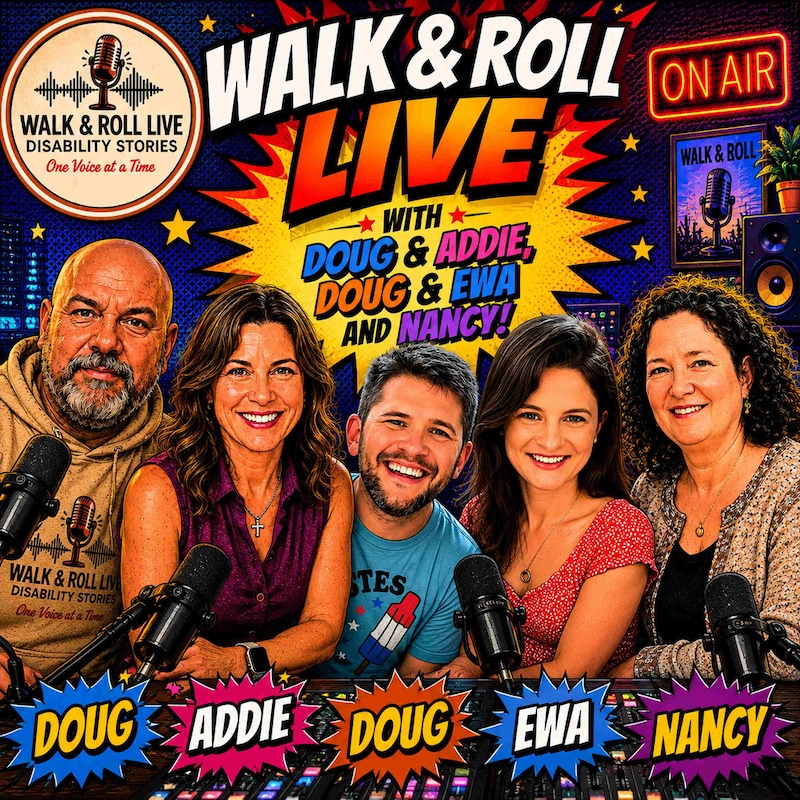
Shownotes
The discussion centers on the availability and significance of cochlear implants for infants, highlighting the transformative impact these devices can have on early childhood development. We engage with Dr. Nancy Young, a pioneering figure in the field, alongside Doug and Ewa Tweedy, whose daughter, Ella, received cochlear implants at a young age. The Tweedies recount their initial experiences and the emotional journey they undertook upon learning of their daughter’s hearing loss. Dr. Young elucidates the advancements in cochlear implant technology, particularly the recent FDA approval for infants as young as seven months, emphasizing the critical nature of early intervention. This episode serves to inform and empower parents navigating similar challenges, underscoring the importance of community support and informed decision-making in the journey toward enhancing their children's auditory experiences.
Takeaways:
- Cochlear implants for infants represent a significant advancement in the field of audiology, enabling early intervention for profound hearing loss.
- The Tweedy family shares their personal journey, detailing how their daughter Ella received cochlear implants shortly after her diagnosis at birth.
- Dr. Nancy Young discusses the importance of multidisciplinary care in supporting families navigating the cochlear implant process.
- Early identification of hearing loss through newborn screening is crucial for maximizing the effectiveness of cochlear implants in young children.
- The FDA has approved cochlear implants for infants as young as seven months, reflecting advancements in medical technology and research.
- Community support and resources play a vital role in assisting families as they navigate the challenges of hearing loss and cochlear implantation.
Companies mentioned in this episode:
- FIFA
- AGUIAR Professional Training
- El Camino College
- Purple Easel
- Ann & Robert H. Lurie Children's Hospital of Chicago
- MED-EL
Transcripts
The following is a productions original series.
Speaker B:Hello and welcome to Rock and Roll Live.
Speaker B:I'm Doug Vincent along with Addie Rich.
Speaker B:Our podcast is dedicated to amplifying the voices of the disability community.
Speaker B:I am a polio survivor and Addie Cerebral palsy.
Speaker B:Yes, you do.
Speaker B:So how was your week?
Speaker B:How's everything in Atlanta, Georgia?
Speaker C:It was hot.
Speaker C:Yeah, very hot.
Speaker C:Getting real mid-90s every day.
Speaker C:Which, like, isn't horrible, but the humidity is what makes it horrible.
Speaker C:Right.
Speaker C:So it's a combo platter that actually makes it pretty unbearable.
Speaker C:And I feel like we went from, like, temperance temperate.
Speaker C:Oh, my God.
Speaker B:Like, so I don't.
Speaker C:It's fine.
Speaker C:I mean, I'm.
Speaker C:I'm more than.
Speaker C:I know where I live.
Speaker C:I'm not complaining.
Speaker B:Right.
Speaker B:Yeah.
Speaker B:No surprise, right?
Speaker B:Yeah.
Speaker C:It's just here.
Speaker C:It's here and it feels early because it kind of lasts, but I don't know.
Speaker B:Do you.
Speaker C:You know, I like getting outside.
Speaker B:Sorry.
Speaker B:Sorry.
Speaker B:Yeah.
Speaker B:Oh, yeah, definitely.
Speaker B:Have you.
Speaker B:Have you seen any of the reaction.
Speaker B:The World cup going on, the FIFA World World cup and all the people from around the world that are going here and it's going viral with.
Speaker C:Yes.
Speaker C:Just because people aren't used to it.
Speaker C:But also it's funny.
Speaker C:It's one of those things of being a host city.
Speaker C:It's great for the city to, like, bring in income and do all these things and stuff.
Speaker C:But, like, literally, if you read different things where people are like, there's games.
Speaker C:Don't go out of your house.
Speaker C:Like, you know what I mean?
Speaker C:Don't go to midtown.
Speaker C:Don't go to the.
Speaker C:You know, don't go near the stadium.
Speaker C:Don't.
Speaker C:I feel for all the people that live in the surrounding neighborhoods of the stadium because people are getting drunk and just being crazy and like, they're not from here, so they don't care.
Speaker B:You know, again, you know, they.
Speaker B:It's.
Speaker B:Soccer is not new.
Speaker B:You know, they've.
Speaker B:They've been doing this for years.
Speaker C:You know, a million percent.
Speaker C:I think that it's just the people who decide that they're going to be a host city aren't typically the people that live in the area that are then hosting.
Speaker C:And so I feel like some of.
Speaker B:You mean coming to take part in it.
Speaker B:I mean, they.
Speaker C:Yeah, but I'm also saying, like, people that set it up don't live in that neighborhood.
Speaker C:So maybe the infrastructure that they're sailing up around it to, like, prepare for the large crowds is not ideal.
Speaker B:Yeah.
Speaker C:Because.
Speaker B:Never thought of that.
Speaker B:And you know.
Speaker B:Yeah, interesting.
Speaker B:But the thing I like about all these things that have gone viral is, you know, and it's common in every, no matter where they're from, Australia or you know, Italy or, or the UK has been a big one.
Speaker B:I've seen a lot of people from there.
Speaker B:It's just that they were really reluctant to come because they've grown up on a steady diet on their news.
Speaker B:This isn't, these aren't my words.
Speaker B:These are theirs.
Speaker B:You know, that, that, you know, America is this horrible place.
Speaker B:It's dangerous.
Speaker B:It's, you know, it's just, just terrible.
Speaker B:And they come here and they're just like, wow.
Speaker B:You know the things like having air conditioning, you know, they have no good air conditioning.
Speaker B:People are just, oh, they're melting down.
Speaker B:And you know, somebody will ask them, well, you know, so what's a hot day in England?
Speaker B:86.
Speaker B:Yeah, it's like.
Speaker D:What do you mean?
Speaker C:Yeah, yeah, yeah.
Speaker E:I mean there's a little bit more.
Speaker C:Yeah, yeah.
Speaker C:I feel like they have to almost have like more EMS and medical staff and things on duty for people that don't know what like.
Speaker B:And more ranch dressing.
Speaker B:They have to have plenty of ranch drinking.
Speaker B:They love that.
Speaker C:I know.
Speaker C:I mean I.
Speaker C:They're one of the, one of the people I love to listen to, of course.
Speaker C:Because I want to tell you their name on Insta, but it's a husband and wife team.
Speaker B:Oh yeah.
Speaker C:And they always chit.
Speaker F:Chat about stuff.
Speaker C:You know the one that has the ranch baby, the nickname.
Speaker B:I haven't watched enough to know that.
Speaker B:Is that the Squiggy or Squishy or chat.
Speaker C:Whatever.
Speaker C:But their little one they call a ranch baby because she's obsessed with the ranch dressing.
Speaker B:Yeah.
Speaker C:And so her.
Speaker C:Because they're not going to reveal their kids names.
Speaker C:Right.
Speaker C:So they're always like, I'm ranch baby.
Speaker C:And it makes me think of that.
Speaker B:I had a friend who might.
Speaker B:Yeah, she was into ranch dressing.
Speaker B:And I mean we sit down to have whatever it was to eat, you know, didn't.
Speaker B:Wasn't tied to anything in particular.
Speaker B:But you know, can you bring me a soup bowl full of.
Speaker B:And they look at her and then.
Speaker B:But they would oblige her all the time, right.
Speaker C:It's like, would you like some salad with your dress?
Speaker B:Yeah, you eat my salad with a spoon, man.
Speaker B:So I went to the Angel City games over the weekend, their annual big game and like 20 different adaptive sports.
Speaker B:Tried pickleball for the first time.
Speaker C:Okay.
Speaker B:And that was humiliating and interesting and fun all at the same time.
Speaker C:I'm like, it seems very weird.
Speaker C:Like, it seems like it would be a hard game to play.
Speaker B:Well, because you're in a chair and how do you move around it?
Speaker B:Yeah, yeah.
Speaker B:Well, they give you an extra bounce.
Speaker C:Oh, yeah.
Speaker B:So, yeah, the ball can bounce two times before you get to it.
Speaker B:I didn't even get that far yet.
Speaker B:I. I started by learning how to serve.
Speaker B:That's what really?
Speaker B:Really.
Speaker B:I just.
Speaker B:God, I could not quite get it.
Speaker C:Your poor shoulders.
Speaker B:Yeah, well, yeah, that's one of the reasons why I wanted to try to kind of see what it was going to be like afterwards.
Speaker B:So then I played some bocce ball, but I thought, I'm sorry, go back to.
Speaker B:To the pickleball.
Speaker B:Then I moved over to where the gal was.
Speaker B:We were just, you know, not.
Speaker B:She wasn't trying to beat me.
Speaker B:We were just getting that feel for lobbying them back and forth.
Speaker B:And that was much better, you know, that I got.
Speaker C:Okay.
Speaker B:Better.
Speaker B:So I feel at some point.
Speaker B:Yeah.
Speaker B:Like to get into it and play it.
Speaker B:Yeah.
Speaker B:And the shoulder, you know, was a little aggravated, but not too bad.
Speaker B:Not too bad.
Speaker C:Yeah.
Speaker C:So a funny thing that my friend and I went to, which I didn't even know was a thing.
Speaker C:Yesterday we went to indoor wiffle ball.
Speaker C:It's called, like, Major League Wiffle ball with a.
Speaker B:Like a bat.
Speaker B:Like a baseball game with the wiffle ball.
Speaker C:Yes.
Speaker C:You know how, like, when you're a kid, you get the plastic bat and.
Speaker B:The little whiffle ball?
Speaker B:This is.
Speaker C:And apparently it's a thing.
Speaker C:And it was being broadcast on espn.
Speaker B:Yeah.
Speaker B:I was amazing, isn't it?
Speaker B:The pitching, especially because that ball moves around so much, Right.
Speaker C:Yes.
Speaker C:And the fact that, like, they had one of the speed counter things and it's like 105.
Speaker C:I'm like, who threw the whiffle ball at 105?
Speaker C:But that pitcher dude was like, into it.
Speaker B:And that's exactly why they have a wiffle ball, because all those holes in it, it slows it down.
Speaker B:So it slowed down.
Speaker B:It's 105.
Speaker B:Wow.
Speaker C:Yeah, it was.
Speaker C:It was unique and entertaining.
Speaker C:And obviously, like a lot of places we go, they did not have handicapped seating.
Speaker C:So we ended up in an.
Speaker C:Actually a really good seat because they're like, where can we put you?
Speaker C:I was like, well, that's the trick.
Speaker C:You buy the cheapest seat.
Speaker C:Then they put you in a nice seat.
Speaker B:Don't tell your secret.
Speaker C:Exactly.
Speaker G:Right.
Speaker C:We were laughing.
Speaker B:Is this an old stadium?
Speaker C:No.
Speaker C:So there's a movie studio in Atlanta.
Speaker C:Well, like Northeast Atlanta.
Speaker C:And it was one of the sound stages.
Speaker C:They had built a whiffle ball stadium and then like, erected like bleachers and.
Speaker B:All this for this event.
Speaker C:For this event.
Speaker H:Yeah.
Speaker B:Gotcha.
Speaker B:I didn't see how they worked.
Speaker B:You know, a little tangent here, but in where we were playing pickleball and shout out to El Camino College.
Speaker B:That's where it was.
Speaker B:And they had grandstands and they had like, I want to say a padded seat, but not really padded, but a molded plastic seat on the.
Speaker C:Okay.
Speaker B:And it was.
Speaker B:So I'm sure it was not just a flat piece of wood.
Speaker B:So sure it was very comfortable.
Speaker B:But I noticed that there were some things written on the front row kind of in the corner that, you know, you know, had the universal sign, the wheelchair.
Speaker B:And so somehow they must have been able to move, fold them out of the way or something so somebody could sit there on that first row in the seat.
Speaker B:So I never.
Speaker B:Interesting saw how it was done, but, you know, nice that it was there.
Speaker B:So shout out to them.
Speaker B:The other thing I did this weekend, which was fun.
Speaker B:Have you ever been to Purple Easel?
Speaker H:No.
Speaker C:Nope.
Speaker B:It's a place where you go and they've got an arch place there where, you know, there's a bunch of rows of tables and they set you up with a easel and your.
Speaker B:Your canvas.
Speaker B:And then there's a teacher that comes up and step by step, he said.
Speaker B:So we did it for my friend's birthday, you know, Happy birthday, Darren.
Speaker C:Happy birthday, Darren.
Speaker B:Yeah.
Speaker B:Yeah.
Speaker B:So, you know, she got all of her family together and they always include me in those events, so God love them.
Speaker B:Yeah.
Speaker B:So had a good time.
Speaker B:We painted a little turtle.
Speaker C:Okay, turtle.
Speaker B:I'll share it.
Speaker B:Sometimes it.
Speaker B:Right.
Speaker B:Okay.
Speaker B:Thank you.
Speaker B:Thank you for listening.
Speaker B:Let's catch up on our wonderful, exciting lives.
Speaker B:And today we've got the infant cochlear implants that we're going to talk about.
Speaker B:We're going to meet Dr. Nancy Young and the.
Speaker B:The Tweeies, I think they.
Speaker B:That's their name, Doug and Ewa Tweety, the parents of a young gal that receive these.
Speaker B:And I didn't really know that they were so new with infants.
Speaker B:That's kind of the.
Speaker B:The point of this whole thing, you know, because I have some relatives that have a couple of their kids, you know, so.
Speaker B:So kind of like my.
Speaker B:My granddaughter seeds.
Speaker B:Yeah.
Speaker B:That have.
Speaker B:Have gotten those and they've worked very well, but they were a bit older.
Speaker B:So now.
Speaker B:Yeah, it's infants.
Speaker B:So we're gonna hear all all about that right after we come back from this word from our great sponsors.
Speaker I:AGYAR Professional Training At AGYAR Professional Training, we know that your greatest asset is your team.
Speaker I:Investing in their development, knowledge and happiness is essential for your business's success and growth.
Speaker I:To achieve new heights, it's important to hire intelligent, talented individuals and empower them to excel in their areas of strength and passion.
Speaker I:AGYAR is committed to transforming your employees into happier, more productive and fulfilled individuals.
Speaker I:When your team thrives, your business prospers.
Speaker I:Wise leaders understand that providing team members with opportunities to shine in their strengths unlocks untapped potential.
Speaker I:Elevate your team with AGYAR Professional Training and witness the growth of your business.
Speaker A:From the Ag Yar Professional Training Studio Studios, you're listening to Walk and Roll Live.
Speaker B:Disability Stories.
Speaker H:It's a disabled life rolling alone Leaving my struggles behind Feeling strong the road ain't easy but that's just fine cause I'm living my truth Walking my own line Life is full of joy I wouldn't change a thing Overcoming what life hands me.
Speaker H:You hear me say tough times don't last but tough people do.
Speaker H:It's a disabled life and I'm breaking through.
Speaker H:Every twist and turn it helps me grow I rise above the limits the world wants to show.
Speaker H:Wheels on the ground or crutches in hand I move through the world like a one person band Like a stolen toy I wouldn't change a thing day.
Speaker H:Overcoming what life hands me.
Speaker H:Hear me say tough times don't last but tough people do.
Speaker H:It's a disabled life and I'm breaking through.
Speaker B:Yes, we are back on Walk and Roll Live and we have a subject today that we've wanted to address for a while, but I couldn't figure out how to do a topic about hearing on an audio only program.
Speaker B:So I think this is a good way for us to at least, you know, get some information out there about this disability and that is a hearing loss.
Speaker B:We're talking today about infant cochlear implants.
Speaker B:But first of all, today on Walk and Roll Live, we are talking about hearing loss.
Speaker B:Today we've got Dr. Nancy Young and the Tweedy family to share their incredible stories.
Speaker B:So maybe how did you get involved with this whole field of cochlear implants?
Speaker E:Dr. Young well, when I wanted to be, I wanted to go into otolaryngology.
Speaker E:I knew that in medical school I thought I was going to be a head and neck cancer surgeon, but when I saw ear surgery, I said this is what I want to do.
Speaker E:And I actually think I'm very interested in language.
Speaker E:So between the type of surgery and my interest in language, that's why I became an ear specialist.
Speaker E:And then when I started my practice, cochlear implants were very, very new.
Speaker E:They were not yet FDA approved for use in children.
Speaker E:So I got to be on the front line, at least from the standpoint of once they were approved.
Speaker B:Yeah, you know, you said that so fluently, which makes sense because you've been in the field forever.
Speaker B:But give us the name of the field one more time.
Speaker E:A lot of people just call it ent.
Speaker B:Yeah.
Speaker E:But the official name is Otolaryngology and Head and Neck Surgery.
Speaker F:Okay, interesting.
Speaker B:So you founded the cochlear implant program at Laurie Children's Hospital and now serve as president of the American Otical Society.
Speaker B:Now, looking back, what has been the most rewarding part of the journey for you personally?
Speaker E:Well, being the founder of the implant program was.
Speaker E:I mean, that's the most rewarding part of my career.
Speaker E:And it's grown to be one of the largest for children in the United States.
Speaker E:And more important than the size is, I think, the quality.
Speaker E:We really offer multidisciplinary care.
Speaker E:We have a lot of different ways of supporting families.
Speaker E:And in terms of the otological society, that's an honor.
Speaker E:In a different way.
Speaker E:It's been around for over, let's say, I think we're in the 159th year, and I'm the fifth woman president.
Speaker F:Amazing.
Speaker B:Congratulations.
Speaker F:I mean, I don't know if that's a good or a bad thing.
Speaker F:Right?
Speaker F:I mean, hey, it's great, but it's like, wow, out of 150 years.
Speaker B:Yeah.
Speaker E:Well, I'll tell you another funny story.
Speaker E:When I got in, which is an honor, you know, you have to apply and, you know, be accepted.
Speaker E:I never thought this would happen to me.
Speaker E:I thought I was.
Speaker E:You know, I thought the times back then had changed too much.
Speaker E:But I received a tie.
Speaker F:You're like, okay.
Speaker E:And I framed it next to my certificate.
Speaker A:There you go.
Speaker B:That speaks volumes, doesn't it?
Speaker B:Well, hopefully, going forward, it'll be a little bit more equitable.
Speaker B:Is there a difference, and I imagine there is, between an adult device and a children's device?
Speaker B:And what are they?
Speaker E:Well, the.
Speaker E:Actually, for the cochlear implant, it's a system.
Speaker E:There's a surgically implanted device and an external device, and it's actually the same, be it for adults or children.
Speaker B:Okay.
Speaker F:Just the sizing is different.
Speaker B:All right.
Speaker E:And that's a common no, the sizing is not different.
Speaker F:Oh, wow.
Speaker E:No, no, because with.
Speaker E:Not at all.
Speaker E:It's with growth.
Speaker E:And that's a common question that parents have.
Speaker E:And it's like, no, no, no.
Speaker E:With growth, we don't have to replace it because of growth.
Speaker E:The inner ear is full size at birth.
Speaker F:Amazing.
Speaker F:That's also cool.
Speaker F:That's cool.
Speaker B:We're learning today.
Speaker B:So.
Speaker B:So how we also have Doug and have a tweety here, and they have a daughter that has received one.
Speaker B:Right.
Speaker B:So how do you guys come into the story?
Speaker A:So Ella was diagnosed at birth, you know, as part of both Illinois state law.
Speaker A:I believe it's federal law now, too.
Speaker A:But ultimately, you have to go through a newborn hearing screening as part of taking your child home.
Speaker A:And so part of screening is testing for, obviously, hearing loss.
Speaker A:And so for us, we went through that initial screening with Ella and that's kind of how we.
Speaker A:We got on.
Speaker A:Our initial journey was she had failed that exam and, you know, they kind of came back to us and said, oh, you know, this is not unusual.
Speaker A:You know, might be fluid.
Speaker A:We're going to do a couple more tests to make sure, you know, a few weeks later, we finally get, you know, confirmation through an ABR test, which is testing for brain activity when you hear auditory input.
Speaker A:And that's kind of when we got our official diagnosis of Ella, which is bilateral profound sensor neuro hearing loss.
Speaker F:It's interesting that they call it loss if she never had it.
Speaker F:Like, how do you lose something you didn't have?
Speaker F:You didn't just.
Speaker F:It wasn't factory installed, so that's a good question.
Speaker F:I didn't get balance, so I didn't lose it.
Speaker F:I never had it.
Speaker D:You know, it's more of a.
Speaker D:Just a difference.
Speaker F:Right, exactly, exactly.
Speaker A:You always say it's her superpower, you know, for sure.
Speaker A:Superpower.
Speaker E:There's.
Speaker F:She can turn her cochlear implant off and be like, I can't hear you.
Speaker D:And she.
Speaker B:Yeah, selectively.
Speaker B:Yeah.
Speaker F:That's selective hearing loss for sure.
Speaker F:Right.
Speaker B:I'm just curious about, you know, so much of the learning process, you know, from very early on is tied in with hearing.
Speaker B:What is the loss?
Speaker B:What would slow it down, you know, and how does it affect it if the earlier intervention with a hearing device is going to keep that on track.
Speaker B:Right.
Speaker B:And I don't know who wants to address that.
Speaker A:Yeah.
Speaker A:I think from the parental side of things.
Speaker A:Right.
Speaker A:You know, it is definitely a little.
Speaker A:You get a little bit of a worry.
Speaker A:Right.
Speaker A:Am I already behind?
Speaker A:Right.
Speaker A:How am I Going to catch up.
Speaker A:You know, you see these charts of the difference between hearing loss individuals and kind of, you know, your typical hearing individuals, and being able to see that there is a gap, you know, as you come out of birth.
Speaker A:You know, I'm sure Dr. Young can speak more about, you know, the medical process there in terms of both hearing prior to being born, as well as, you know, the importance of hearing early on.
Speaker E:You know, the cochlear implant is the first medical device to actually restore a human sense.
Speaker E:So it's really quite miraculous.
Speaker E:And it's important to do it early.
Speaker E:And that's one thing by being in this clinical trial, the tweet that helped the Tweedies to achieve.
Speaker E:Because we start, as Doug alluded to, we start hearing actually in our mom's tummy, and then we're hearing at birth, and you start to understand things.
Speaker E:And then eventually you start to talk.
Speaker E:Well, you know, you're behind the eight ball if you're, you know, not hearing when you're born.
Speaker E:But there's an amazing thing called neuroplasticity, and babies have a lot of it.
Speaker E:So we want to get the kids diagnosed and get them the effective intervention they need.
Speaker E:For some kids, that's a hearing aid.
Speaker E:It all depends on how much loss you have.
Speaker E:But for other kids, they really need the cochlear implant in order to hear all the soft sounds in speech, particularly, you know, your s, your f, your th.
Speaker E:They're said so softly in speech.
Speaker E:We need the kids to hear all of these sounds so that they can learn to understand and to speak themselves.
Speaker B:I just got hearing aids about six months ago, and if you ask my daughter, it was probably years and years too late, but.
Speaker B:But I finally got him.
Speaker B:But that's.
Speaker B:That's the biggest difference right there, you know, is those S's, those sibling sounds that.
Speaker B:It just made my comprehension just go through the roof, you know, because instead of.
Speaker B:It sounded like.
Speaker B:Like a Lucy cartoon, you know, I could actually, you know, hear those sounds.
Speaker B:And it's improved it so much.
Speaker B:So where are we in the process?
Speaker B:Are we going through the trials?
Speaker B:So is it available for infants at this point?
Speaker E:Well, cochlear implants have been around for.
Speaker E:For almost 30 years now.
Speaker E:More and more people have heard of them.
Speaker E:But in the early days, like when I started the youngest, the FDA approval was.
Speaker E:Was for 24 months, and then it went down to 12 months.
Speaker E:This clinical trial was for children as young as 7 months of age.
Speaker E:And the clinical trial is over, and the FDA reviewed the data and the indications for the Med el cochlear implant system.
Speaker E:Because this was a clinical trial specifically for that cochlear implant system, it is now FDA approved for age 7 months and older.
Speaker E:And they also expanded the audiological criteria.
Speaker E:So how much hearing loss did you need to have to be considered a candidate?
Speaker E:So the clinical trial was a great success because it showed that lowering the age did not impact safety and that it was tremendously effective, including for the children who were implanted who had a bit more hearing that their outcomes were excellent.
Speaker E:That's awesome.
Speaker F:So giving them a longer Runway.
Speaker F:I'm curious because we haven't really touched on it.
Speaker F:And for people that don't know about cochlear implants, like who invented them?
Speaker F:Like how did they come to be, you know, was it something that somebody was heading to create or stumbled upon it in creating something else?
Speaker F:Or how.
Speaker F:How does.
Speaker F:I mean we had to get here somehow.
Speaker E:There are a number of key individuals who are, depending on what country you're from, are credited with success.
Speaker E:So in the US the very early developer of the cochlear implant was William House at the Housing Institute and he started with a single channel device.
Speaker E:So one electrode, that one electrode device actually never got into commercial use.
Speaker E:And other companies developed multiple electrode devices that actually provide more information.
Speaker F:Amazing.
Speaker F:I'm just so, it's so fascinating.
Speaker B:So what were the concerns, you know, with the.
Speaker B:Anybody that objected to it?
Speaker B:I don't know if there's anybody fighting against it.
Speaker B:When they do a trial.
Speaker B:They just want to make, make sure.
Speaker B:But if it had been approved for adults and you know, and then was getting younger at that point, were there concerns or objections?
Speaker E:So.
Speaker E:Yeah, well, that's a good question.
Speaker E:So the fda, the primary concern of the FDA is safety.
Speaker E:So before a medical device can be widely used commercially available, you know, you need to prove safety and then.
Speaker E:Or they also, you also have to show that it has some effectiveness.
Speaker E:So that's the only reason that they had to do a clinical trial.
Speaker E:I mean it already, the device, the implant system already had FDA approval, but not for such a young age.
Speaker E:Now why is that important?
Speaker E:Well, part of it is safety, but actually you raise a good question for another reason.
Speaker E:One of the things that insurance companies do and public payers like Medicaid, Medicare is they'll sometimes say, oh, we're not going to pay for this treatment unless it's FDA approved.
Speaker E:And we're going to go by those indications.
Speaker E:And if it's an expensive device or an expensive drug, they will often you know, not let you have it if you don't meet those exact indications.
Speaker E:But all of us have been treated with things that are off, in quotes, off label, not FDA approved.
Speaker E:And any antibiotic you take was approved for a different use.
Speaker E:If it's not an expensive antibiotic, nobody cares.
Speaker E:They'll just cover.
Speaker E:Creates a situation where.
Speaker E:So when a company invests millions of dollars and gets something FDA approved, no matter what it is, you know, time goes on.
Speaker E:There's lots of publications showing, hey, it benefits more people, it benefits data this and that and the other thing.
Speaker E:And the insurance companies could choose to update based on that, but sometimes they're resistant to that and sometimes it's necessary for another clinical trial and in order to improve access.
Speaker E:So kudos to Med el for investing in this clinical trial which expanded indications.
Speaker E:But quite frankly, I already knew from my experience that I could, that this was being done safely by myself and others in children as young as seven months.
Speaker E:But there was an access problem.
Speaker D:Right?
Speaker E:Right.
Speaker F:I mean, especially if it doesn't affect them.
Speaker F:We know that insurance companies don't care about access if they don't need it.
Speaker F:Like, why you're a number, you're a name on a paper that they say, no, thank you, but when, if, if and were your child, then you care.
Speaker F:So I want to turn it a little bit back to the tweeties and what is it like?
Speaker F:Because Doug and I always talk about we are the kids with a difference.
Speaker F:So we don't know what it's like to be a parent raising a kid with a difference.
Speaker F:So, like, you get the news that Ella's different, like, now what.
Speaker F:And, and, you know, especially like hearing.
Speaker F:It's obviously you both hear, and so there's a lot of interaction and stuff that happens because you hear.
Speaker F:So what was it like for you guys to.
Speaker F:To get that news and, you know, think on your feet.
Speaker D:Yeah, I, you know, we found out the same day that she was born, so it was just a big day overall for us.
Speaker D:And it was a little bit jarring to hear at first because, you know, normal pregnancy and, you know, nothing came up on the anatomy scan, which it wouldn't because it is in sight.
Speaker D:And then, you know, it's.
Speaker D:There's a lot to process.
Speaker D:And I think Doug had said, you know, they tried to ease your worries.
Speaker D:You know, lots of times they say, you know, it's just the fluid in the ears.
Speaker D:It's probably nothing.
Speaker D:You know, let's move on to, you know, are they, you know, having enough to eat, you Know, are they having enough wet diapers?
Speaker D:Like, let's move on to, you know, all these other things.
Speaker D:And I had something, you know, that kind of just hit us at that point that we didn't really know how to navigate, especially as first time parents.
Speaker F:That's what I was going to say.
Speaker F:And also where you're a first time parent, so you don't have another comparison to be like, okay, this is, you know.
Speaker D:Yeah, Doug likes to say that we were kind of, we jumped right into expert level.
Speaker D:I mean, you know, video games, the.
Speaker F:Universe does that with, with people that can handle it.
Speaker F:They're like.
Speaker F:And here you go.
Speaker A:Exactly.
Speaker D:So it was just a balance of trying to navigate the emotions of that diagnosis, but also at the same time, well, you know, these emotions are for a reason.
Speaker D:What can we alchemize them into?
Speaker D:You know, and just moving forward together.
Speaker D:We leaned on each other and we kind of just also, you know, in a way took Ella's lead with everything.
Speaker D:It was a bunch of small decisions that then led to the, the big decision of getting her those cochlear implants.
Speaker F:How did you, how did you hear about that being an opportunity?
Speaker F:Who brings it to you?
Speaker F:I mean, you're already.
Speaker B:Yeah, that's another thing I wanted to ask too, along those same lines is, is we talk a lot about community here and finding your community, you know, for your particular disability or just at, at wide.
Speaker B:But did you find your community as well?
Speaker D:Yeah.
Speaker D:That's a big reason why, why we're talking with you today.
Speaker D:Is it?
Speaker D:You know, we were lucky enough.
Speaker D:We are in Chicago, we're close to Lurie's, have had impeccable doctors like Dr. Young and all the therapists.
Speaker D:But it wasn't until we spoke with other parents and other kids that had gone through this and yeah, just leaning on the team, leaning on the doctors, each other, our family and all the other families that have gone through something similar.
Speaker A:And Lori's has been great about, you know, kind of making space for that community and really creating a way they have a hearing experience, you know, session that they have.
Speaker A:I think it's like quarterly almost.
Speaker A:Well, where they kind of bring in both, you know, deaf children, parents of deaf children, staff representatives in the community, whether it be for education or financial or health care, and kind of helping you navigate some of those questions as you go through it.
Speaker A:And it's been really helpful for us.
Speaker A:You know, it kind of created a platform for us to kind of get help for people who have been in that situation to been in Those shoes.
Speaker A:So we definitely feel fortunate that we have that access to that community, because I.
Speaker A:We completely agree.
Speaker A:We think that community aspect a big part of her success.
Speaker B:Yeah.
Speaker B:How old is Ella now?
Speaker A:She's seven.
Speaker D:Seven.
Speaker B:Okay.
Speaker B:So she's had this for a long time.
Speaker A:That is for a long time.
Speaker A:She's in a mainline school now, you know, out of Chicago.
Speaker A:So, yeah, she's doing extremely well.
Speaker A:You know, her.
Speaker A:Her reading and listening is top marks in the, in the class.
Speaker A:So we're just so happy and proud of her.
Speaker A:And she's really taken well to, you know, cochlear implants, to the process.
Speaker A:I think the most important.
Speaker A:You know, you mentioned community before.
Speaker A:I think part of that community is also the parental and healthcare community as well, that you kind of create this bridge by, you know, meeting the obligations on both sides.
Speaker G:Right.
Speaker A:Hey, you know, this is when you come in for the therapy.
Speaker A:This is when you're coming in for audiology.
Speaker A:And being able to, you know, continuously commit to that is very important to the overall success and that trajectory of success for your.
Speaker A:For your children.
Speaker B:Yeah, yeah, you guys are leading that path at this age.
Speaker B:But at some point, you have to start to transfer the stewardship of her hearing over to her.
Speaker B:And so she learns along the way, too.
Speaker A:It's a great point.
Speaker A:Advocacy is a big goal for us in terms of both for her within a school environment, education system, but also for her not to feel that there's a bother here.
Speaker A:Right.
Speaker A:You have a right to learn just like every other kid in that class.
Speaker A:You know, you.
Speaker A:You deserve to have advocacy for yourself as well.
Speaker D:And she has just so much confidence, which is something that I was worried about.
Speaker D:You know, is she going to fit in?
Speaker D:Is it going to be something that kind of impedes her in any way?
Speaker D:And she just loves that she has cochlear implants and, you know, that she's deaf and, you know, it's almost.
Speaker D:I don't want to say a little too much, but we have to temper it sometimes.
Speaker D:For example, the, you know, just recently there is a new student in her class.
Speaker D:You know, she was saying, I wonder if she's going to have cochlear implants.
Speaker D:I. I think I want to be the only one.
Speaker B:I want to be the only one,.
Speaker D:You know, and we put her in a school where there were other kids that do have cochlear implants.
Speaker D:But I don't know if it's her or this generation just embracing who they are, which is.
Speaker B:Has been, you know, I, I can't get a handle on that either.
Speaker B:You know, I, I, I was going to school 60, 70 years ago, almost in.
Speaker B:And that's what I, that was my experience.
Speaker B:You know, the, the classmates would, we'd adapt different sports so I could be included, you know.
Speaker B:And now to hear that there's even talk of it, I'm like, we haven't made any progress in 50 years.
Speaker B:So I'm glad to hear that.
Speaker B:Yeah.
Speaker B:That they're just welcoming her in.
Speaker B:So, Dr. Young, is, is there efforts to actually get it able, get, I guess, certified to be implanted earlier or as well?
Speaker E:You know, I have to say that.
Speaker E:I certainly, I would love to be able to implant children a bit younger, five or six months, but I think a more important, more important than, than that is getting more children evaluated who are candidates evaluated and implanted before a year of age.
Speaker E:I mean, despite the fact that there's newborn hearing screening, many children are not diagnosed and treated with an effective intervention during infancy.
Speaker E:And it's for many reasons.
Speaker E:Sometimes the professionals don't recognize they're a candidate, but sometimes it's, it's, you know, this is an invisible diagnosis and an infant is not expected to be talking.
Speaker E:So some people, it's not surprising that some parents just can't believe the diagnosis.
Speaker E:I mean, there's, there are many, many barriers.
Speaker E:And for instance, in this country, the age that children get implants is much older than, in my opinion, it should be.
Speaker E:They're often over a year of age.
Speaker E:Whereas in Australia, they do a wonderful job getting the children that are born with major hearing loss, getting it all figured out and getting them fitted with the effective intervention and getting them implanted between six and nine months of age.
Speaker E:So, you know, it's not just about making a diagnosis and fitting with hearing aids, but it's getting them to the right place where they can get evaluated.
Speaker E:It's an art form to evaluate infants.
Speaker E:Right.
Speaker E:In terms of anything, especially hearing, and also getting them therapy.
Speaker E:So the Tweedies had wonderful therapists, finding therapists that are familiar with how do you teach a child to listen?
Speaker E:They're not, there are not as many of them as there need to be.
Speaker E:It's a real issue.
Speaker E:Most people are not trained in this in their master's level, so.
Speaker E:Speech language pathology program.
Speaker F:Yeah.
Speaker E:So there's a lot of barriers that parents face.
Speaker E:And that's something in my career, I've really worked hard in my state to try to help overcome those to the degree I can.
Speaker B:Sounds like it's a good career option for, you know, People in college now.
Speaker B:Right.
Speaker E:There's a lot of, there's a lot of need, but it's not easy to find.
Speaker E:Sometimes it's not easy to find the training, but there's work being done to try to expand that.
Speaker B:Ella was diagnosed on day one, so they must have a very robust program there where she was born.
Speaker E:Yeah, well, she failed newborn hearing screening on day one.
Speaker E:But then she had to have, as Doug said, had to have the special hearing test done, which is the abr.
Speaker E:And that's a test that doesn't require a child's cooperation.
Speaker E:The baby just lays there asleep and it's kind of like a mini eeg and they record the brainwaves in response to a repetitive auditory signal.
Speaker E:And at that point they knew not only the parents knew, not only does my child have hearing loss, but a really, really major hearing loss.
Speaker E:And because it was through our center, they were immediately told that, yes, we're going to fit your child with hearing aids and we're going to recommend you get therapy, but your child is going to need a cochlear implant.
Speaker E:But we need to go through the process of evaluating them for that.
Speaker B:Yeah, yeah.
Speaker B:So is that pretty universal, the initial screening?
Speaker E:Yeah, it's now mandated in every state to have newborn hearing screening done.
Speaker B:Okay.
Speaker B:And then that leads you indicated, if it's indicated to go on to something more involved.
Speaker E:Well, they.
Speaker E:So as the Tweety said, the most common reason that kids don't pass new bird hearing screening is a temporary hearing loss from fluid.
Speaker E:Right.
Speaker E:When you're in your mommy's tummy, your lungs are full of fluid, your ears are full of fluid, you cry, your lungs fill with air maybe.
Speaker E:Yeah, yeah.
Speaker E:So 90 and so a lot of people think, ah, they just, it's just fluid, it'll go away.
Speaker E:But it's important to do follow up, audiological follow up to see if in fact what's going on.
Speaker E:And some kids just get a second screening and they pass and all is good with the world.
Speaker E:Some kids continue to not pass the screening and they get the ABR and hopefully that gives the answer.
Speaker F:So thanks to therapies, physical and occupational therapies, I am able to live, you know, own my own house and do things and whatever.
Speaker F:So I'm curious as to, for the tweedies, what that therapy looks like versus like what it might have looked like for me who has physical challenges, but I hear perfectly fine.
Speaker A:So yeah, for, for us, you know, in terms of just our perspective on it.
Speaker A:I think first off, you know, as Dr. Young alluded to the ABR is kind of that final, you know, decision on what is the next step.
Speaker A:Then we get kind of immediately thrust into early intervention, right.
Speaker A:So we have three therapists who come, you know, they do kind of an occupational and auditory and a speech.
Speaker A:I think at that time she was two months old, but speech assessment to basically put her into a category around what kind of services she would require.
Speaker A:And so that occurred at her two month kind of mark.
Speaker A:It was right around her two month birthday.
Speaker A:So we immediately got her into early intervention, had therapists coming.
Speaker A:Most of the therapists that were coming initially were kind of that oral therapists who are really working on teaching how to hear.
Speaker A:Right.
Speaker A:So, you know, how do you do that?
Speaker A:Right?
Speaker A:How do you start introducing those sounds?
Speaker A:And you know, we mentioned before those, those very s, those very like soft S sounds, you know, that's a big part of it going through, you know, snake and shell, you know, they both have like that S, but slightly different, right?
Speaker F:Yeah, exactly.
Speaker A:And then, you know, that's kind of where, you know, speech banana and all these other kind of forms of evaluation come in around how do I kind of inject auditory information and make sure she's hearing it effectively.
Speaker A:So a lot of that is repetition, you know, I know as far as narrating and getting into that narration of every single thing that we do, right.
Speaker A:It's, it's kind of unusual at first where, you know, instead of just saying, oh, I'm going to go to the kitchen and get a dish, right?
Speaker A:It's, I'm going to go through the kitchen door, I'm going to open the cabinet door, I'm going to take a plate down, I'm going to put the food on the plate, right?
Speaker A:You kind of get into this narration.
Speaker A:So that way they get just the maximum amount of auditory information possible, you know, add throughout the day so they can hear all those little subtlety sounds that you have that you may not even be processing, you know, in the back of your mind because it's so easy for you to have that conversation.
Speaker A:So all that kind of like incidental listening that's happening in that background is just so important for her to just continue to get input and continue to get sound thrown her way, you know, and they start with hearing aids.
Speaker A:That's really just part of the process to validate.
Speaker A:You know, hearing aids are not giving her enough, you know, auditory information to be able to kind of show that cochlear implants are a better tool for her.
Speaker A:And so that's how we got to the point of it was right around, like, I want to say, the five month mark or so.
Speaker A:That's when Lori and Dr. Young kind of came to us and said, hey, you know, there is this study related to the FDA trying to change the, you know, the age at which you can be safely implanted with cochlear implants.
Speaker A:And, you know, would you be considering that?
Speaker A:Because obviously she's a good candidate, you know, and ultimately we need representatives.
Speaker A:So we thought about it.
Speaker A:I mean, a lot of the research that we did at that time, we looked at both international.
Speaker A:Right.
Speaker A:You know, what was available internationally.
Speaker A:You know, as Dr. Young mentioned, there's a lot of great cases internationally that show that earlier implantation is not only the standard, but results in better results.
Speaker A:And so those were kind of, along with like the fact that we looked into Med el and obviously Lori's is an excellent track record.
Speaker A:Those are the things that really gave us the feeling of this is the right choice for us.
Speaker A:And so that's when she got implanted and then finally turned on a month later.
Speaker A:And that was.
Speaker A:You know, you always see those YouTube videos online, you know, kid hearing for the first time.
Speaker A:You know, like, I'll never forget it.
Speaker A:You know, Ella was.
Speaker A:They turn it on.
Speaker A:You could see Ella gets really quiet.
Speaker A:Yeah, she stops breathing almost.
Speaker A:And she's like realizing she can kind of hear a little bit.
Speaker A:And then Evan says, is it on?
Speaker A:And she turns and looks at.
Speaker A:At Eva.
Speaker A:And it's just like in that moment, it's kind of like, you know, overwhelming.
Speaker A:Obviously, there's just so much.
Speaker A:But I think it's also important to know that that's kind of like you're at step one.
Speaker A:Right.
Speaker A:You've gotten the prerequisite ready.
Speaker A:Now is the journey of hearing with a cochlear implant, going through the process of therapy and being as committed as you possibly can in terms of making sure you're making the appointments, making sure you're going to the therapy to ensure that success.
Speaker E:Right.
Speaker B:Dr. Young, I want to turn back to you because a lot of what we've been talking about, I have questions.
Speaker B:And one of the things, and Doug was kind of talking about it right there.
Speaker B:The hearing is very complex.
Speaker B:You know, it's not just, you know, getting those sounds and being able to hear them.
Speaker B:We can be in a crowded room in a restaurant, everybody's talking, but you can focus in on the person across the table from you and just kind of all that other noise goes away.
Speaker B:There may be music playing overhead you don't hear that, but you can then change your focus to hear that by choice.
Speaker B:So does the cochlear implant have those abilities?
Speaker B:Does, does the brain kind of, once it's implanted, start to learn those things with all the input that Doug was talking about?
Speaker E:Yeah, you asked some really great questions.
Speaker E:So what you're getting, really getting into is the fact that we really hear with our brain.
Speaker E:You know, the input comes in through the ears, but we hear with our brain.
Speaker E:And the brain uses input from two ears to do a number of things.
Speaker E:One of them is to figure out where we are in space and connects us to our environment.
Speaker E:So it's a big, it's super helpful help, a safety issue.
Speaker E:And the other thing is hearing in complex listening situations.
Speaker E:So all of us, no matter who we are, have more difficulty hearing in the cocktail party situation.
Speaker E:What helps us is two ears.
Speaker E:So if someone is hearing only in one ear, they have more difficulty in that complex listening situation.
Speaker E: And in fact, in: Speaker E:To try to give them back that by that hearing.
Speaker E:Right.
Speaker E:So when I started doing implants, believe it or not, we were only doing one ear.
Speaker F:Yeah, I remember that.
Speaker E:Go back to the history of hearing aids, which I, I will tell you, I'm way too young to have been there then, but that's like a whole other generation.
Speaker E:But when hearing aids were new, they only gave one.
Speaker E:And in fact, I met a gentleman years ago who told he was an audiologist.
Speaker E:And when he started fitting a second hearing aid, people accused him of being unethical, that he must be doing that only for money.
Speaker E:Well, implants because they're, you know, it's a surgery started out in one ear because we had a.
Speaker E:Sure, you know, this work was safe.
Speaker E:And so I got to see the difference between when we went from implanting one ear to two and Ella was implanted in both ears at the same time.
Speaker F:Amazing.
Speaker E:She's always had the advantage of bilateral hearing.
Speaker E:So yes, having the two ears helps her.
Speaker E:But quite frankly, the brain is doing amazing things.
Speaker E:I mean, I've gotten interested in neuroscience research.
Speaker E:Research because of what I've been seeing over the years.
Speaker E:Because what the implant is giving us is it's not the same as normal hearing, yet these kids run with it.
Speaker E:It's amazing.
Speaker F:It's also, it must also be kind of from the standpoint, like if you don't have quote, unquote normal hearing.
Speaker F:You don't know what you're missing.
Speaker F:Right.
Speaker F:Like, so for me I'm like, I've never walked in high heels.
Speaker F:They don't look very comfortable.
Speaker F:I, you know, it's not like I like some other guests, you know, they were a quote unquote, like normal and then they break their back and they're like, oh my God, what if I never drive again?
Speaker F:Or all the.
Speaker F:Because they knew it, I don't know it.
Speaker F:So for me it's not a loss.
Speaker F:Right.
Speaker F:And Anabella has superhuman airs and that's what she got.
Speaker F:You know, going to run with it.
Speaker B:Now this is a.
Speaker B:Something that's introduced into the body that's foreign.
Speaker B:Is there any rejection issues?
Speaker E: I've actually done over: Speaker E:Right.
Speaker E:I've never seen one that was in quotes, rejected.
Speaker E:Now that doesn't mean theoretically it couldn't happen.
Speaker E:You know, there are people that are rare that, that react to all sorts of things that are non reactive.
Speaker E:But you know, occasionally people do develop an infection and a device may need to be removed.
Speaker E:So you know, things can happen and, and devices can need to be replaced.
Speaker E:But it's that, that it just rejection of the materials themselves.
Speaker E:That's rare as hen's teeth.
Speaker B:And then is there a power source?
Speaker B:Does that.
Speaker B:So does a battery need to be changed or that.
Speaker E:See there's, it's a system.
Speaker E:So the kids wear something on the outside.
Speaker E:There are different styles.
Speaker E:One is, looks sort of like a hearing aid, but has a coil that goes back to what has a transmitter that sends the information through intact skin so there's nothing sticking out.
Speaker E:And there's another style that I call a button processor.
Speaker E:It just all sits here on the side of the head.
Speaker E:And the external part of the system has the power source, the battery.
Speaker E:Okay.
Speaker E:And most people use rechargeable batteries.
Speaker B:Gotcha.
Speaker B:So for all intents and purposes, what you implant, you know, it, you know, notwithstanding any issues with it, it'll last her whole life.
Speaker E:There.
Speaker E:I know people, excuse me, I know people who have had cochlear implants for 30 plus years.
Speaker E:Like any sophisticated piece of electronics.
Speaker E:Yeah, it, it could stop working.
Speaker E:But I mean I've had patients that wish their device would stop working because.
Speaker F:You know, they're tired of the people talking around them.
Speaker E:They want the new.
Speaker E:They want new.
Speaker E:They might, let's put it this way.
Speaker E:So nowadays there are a lot of Upgrades, and you just get the new externals and you get the new features.
Speaker E:That's what's been going on for many years.
Speaker E:But when I started, there was no Bluetooth, there was no streaming.
Speaker E:So patients that got those very early devices when they became teenagers and adult.
Speaker E:Young adults, they wanted those features and they had.
Speaker E:And for that they had to get a new internal device.
Speaker B:Gotcha.
Speaker E:So nothing that transformative that, that, that can't be updated by just getting new external components has happened since then.
Speaker C:Yes.
Speaker E:But you can see, as technology advances, who knows what the future will hold.
Speaker F:Right.
Speaker B:So that.
Speaker B:Just another question popped into my head.
Speaker B:So if you have this device, do you use earbuds?
Speaker A:No.
Speaker A:All the device, all the hearing comes through the device itself.
Speaker A:And the device has multiple mics on it, and those mics are basically the input into ultimately what's causing the, you know, the electric, you know, stimulation inside the.
Speaker A:Inside the cochlea.
Speaker A:Right.
Speaker A:So there is no, you know, we.
Speaker A:There is no earbud.
Speaker A:There is no, you know, there's no device that's going inside her ear at all.
Speaker A:Right.
Speaker B:So.
Speaker B:So but if she wants to listen to the music on her, on her mobile, then there's Bluetooth connection where you could listen to it that way.
Speaker A:Yep.
Speaker A:And luckily right now it's still mostly plane rides, you know, throwing, throwing a phone or an iPad or something like that.
Speaker A:And we always laugh.
Speaker A:We always have to like double triple check because we don't know if it's working or not.
Speaker A:Only she does.
Speaker A:It's streaming straight to the device and going straight.
Speaker A:Right.
Speaker F:Well, that makes my brain hurt.
Speaker A:It's funny.
Speaker A:We always laugh that, you know, she has the best possible soundproofing earbuds that can be invented.
Speaker F:Exactly.
Speaker E:That's.
Speaker B:That's really cool.
Speaker B:One of the things I wanted to address too, with you guys coming on and, and just being, you know, we talk about community.
Speaker B:There is, I know, a faction of the hearing loss community that is kind of against these devices.
Speaker B:And have you run into any pushback from those folks?
Speaker D:We personally have not.
Speaker D:But, you know, I like to just.
Speaker D:There is an organization here in Illinois called Hands and Voices.
Speaker D:And their motto, you know, we've gone to their events, is there's different families with different children that have different levels of hearing and other additional needs.
Speaker D:And they say, you know, what works for your child is what makes the choice.
Speaker D:Right?
Speaker B:Yeah,.
Speaker A:Yeah.
Speaker A:And there's always, you know, a certain amount of philosophy, philosophical differences between, you know, you're getting into kind of capital D, lower D communities.
Speaker A:There in terms of deaf communities.
Speaker F:Yeah.
Speaker A:And I think, you know, Eva said it really well.
Speaker A:Right.
Speaker A:I think it really comes down to this is a choice that, you know, parents need to make.
Speaker A:Right.
Speaker A:And, and parents are making choices for their children every single second of every single day.
Speaker A:And some choices are more consequential than others.
Speaker A:But I think what is important to remember out of all this is that you're giving more choice to a parent.
Speaker A:And I think that that ultimately is a great thing.
Speaker B:Absolutely, absolutely.
Speaker B:You know, I wonder too.
Speaker B:You know, people always seem to resist change and resist new ideas.
Speaker B:So now that they've been around a long time, I'm sure that that whole argument may have subsided a bit.
Speaker B:Right.
Speaker B:And let's hope so.
Speaker A:I think it's generational for sure.
Speaker A:I think that younger generations being more embracing of, you know, you, you, you've chosen, you know, one path or another doesn't mean that it's right or wrong.
Speaker A:Right.
Speaker A:It's, it's the choice that you're making on a personal level for, you know, your, your life.
Speaker G:Right.
Speaker E:I just want to comment that the decision to get in a cochlear, you know, if one chooses to include sign language in communication, that doesn't mean you can't choose to improve your child's hearing.
Speaker E:Many of our children who have implants, many of them will, you know, can use sign.
Speaker E:It just depends on how they're doing and what their parental choice was.
Speaker E:Was so.
Speaker E:And actually there was NIH funded research done in the early days of cochlear implant that showed having hearing through an implant for children who were in educational programs where they were both working on listening and spoken language and sign that the rate of language acquisition doubled.
Speaker F:Yeah, that was going to be my question about like, so does she also know sign?
Speaker F:Because yes, she has implants, but gosh forbid, like they fail.
Speaker F:Like how do you.
Speaker F:Can we help her communicate?
Speaker F:Or you know.
Speaker E:Well, I mean, it's not likely that both would fail at once.
Speaker E:So I think situation is good.
Speaker E:We, there are children there.
Speaker E:I mean, I've implanted many children whose parents are deaf and, and they use sign language as their primary mode of communication, but they still want their child to have hearing.
Speaker E:They want their child's language in sign to improve.
Speaker E:They want their child to have the safety of hearing.
Speaker E:Many of them also have a goal.
Speaker E:Everyone's different what their goal is.
Speaker E:Many want spoken language too, because there are advantages to that for employment, for instance, more options.
Speaker E:So every family is unique.
Speaker E:And then there are, are kids that you Know, there.
Speaker E:I mean, people come to me and they'll say, I'll say, what is, you know, what is your goal?
Speaker E:And then they'll tell me, and then we'll tell them.
Speaker E:Well, these are the different choices that you can make.
Speaker E:But ultimately it's parental choice is.
Speaker E:Is key.
Speaker B:Yeah, yeah.
Speaker B:The more tools you have, I mean, I can't imagine somebody, you know, I was a brace and crutch user for your polio survivor and transitioned into a wheelchair over the last 20 years.
Speaker B:And I can't imagine anybody saying, you know, you shouldn't be using that wheelchair.
Speaker F:Like, get out of the chair.
Speaker B:Organic.
Speaker B:Way to get around.
Speaker B:Okay, whatever.
Speaker B:Great to have the tweedies here.
Speaker B:And I'm just curious, you know, how'd you get roped into this?
Speaker A:You know, we, you know, we volunteered, really.
Speaker A:I mean, I'll be honest with you.
Speaker A:I think, you know, not only has been transformative, obviously, for Ella and our family and our goals as a family and everything like that, but, you know, Med el and Lori's really just made it a phenomenal process as it relates to that.
Speaker A:It really.
Speaker A:It helped us.
Speaker A:It created a structure that I think we needed at the time.
Speaker A:Right.
Speaker A:At the time it was, you're kind of climbing out, right?
Speaker A:You're trying to figure out the shell shack of what has happened and, you know, how do I continue on and, you know, what am I doing next and what's my next decision?
Speaker A:And so it really helped us create kind of that scaffolding for us to be, you know, successful on getting her on a trajectory.
Speaker A:And so for us, we see it as, you know, the morally right thing to do is to give back and make sure that all parents can hear kind of our story and also make sure that, you know, it's okay.
Speaker A:Like, it's going to be okay.
Speaker A:And, you know, I remember when we were looking back and we were in that situation, you know, we.
Speaker A:We heard this from some of these, you know, videos, whether it be Med el or Lori's and, you know, parents saying the same thing, like, you know, it's gonna be okay, you know.
Speaker A:And so I think at the time we wanted to believe it.
Speaker A:And now I think we can, you know, believe it.
Speaker F:You can stand on it.
Speaker F:I feel like that that is one of the things that my mom does or family, friends or whatever.
Speaker F:You know, she'll meet somebody who has a child with CP that's still a child, and she'll be like, oh, you can call my daughter because she's an adult and she has a job.
Speaker F:And, like, I feel like sometimes I'm like, mom, really?
Speaker F:But at the same time, I'm like, I am appreciative of how scared they must be.
Speaker F:So to see somebody, you know, to think like, oh, they're never going to get married, they're never going to have a house, or, no, you can, and you're going to mess up just like every other human trying to figure it out.
Speaker B:Do your best.
Speaker B:You know, it just kind of dawned on.
Speaker B:We started the conversation with that.
Speaker B:He, you know, talking about that.
Speaker B:That change in somebody's life who may have an accident, has a mobility challenge.
Speaker B:Well, you know, your child had the hearing loss, but you're the ones that went through that.
Speaker B:That sudden change of life in that instant when you.
Speaker B:And then you wonder what the future is going to be like for Ella.
Speaker B:I'm sure that was your first thought.
Speaker B:All of the things that you were looking forward to and had dreamt about, you know, for the life of your child, all of a sudden that you get to write a different story.
Speaker B:It looks like you guys are doing a great job.
Speaker D:Yeah.
Speaker D:And we're doing this for other parents, but also, you know, we're doing this for Ella, too.
Speaker D:We wanted those advocates and that hopefully she knows right now that we're in this interview, and.
Speaker D:And I'm hoping that she just remembers that, and as she grows, she can become her own advocate.
Speaker D:And I would.
Speaker D:I just can't wait to see what she's.
Speaker D:She does.
Speaker A:And I think, you know, every kid you have is going to be different than the expectations you have for your kid.
Speaker A:Right.
Speaker A:And I think, you know, it took a while to realize that, like, to really internalize what that meant, you know, But I think that now looking back, it's like, well, you know, there's probably a million things that we were thinking about that, you know, she hasn't, you know, lived up, quote, unquote, you know, expectation, but, you know, was she ever going to.
Speaker A:Right.
Speaker A:And, like, that's the reality, too, is, you know, the.
Speaker A:The embracing of the fact that, you know, this is who you have, you know.
Speaker F:Yeah, yeah, yeah, for sure.
Speaker I:Right?
Speaker F:You want her to love pink and be a ballerina, and she's like, no, I like race cars and purple.
Speaker C:So, you know.
Speaker F:So, yeah, no, I think that's cool.
Speaker F:But that is, like, very much.
Speaker F:That is a good set of parents who will let you thrive as who you are, not the box they wanted to put you in.
Speaker F:And I think she's lucky to have you guys who are like, okay, here it Is.
Speaker F:Let's go.
Speaker B:Yeah.
Speaker D:Yeah.
Speaker B:Addie would agree.
Speaker B:You guys sound like our people.
Speaker F:Yeah, Right.
Speaker B:Yeah.
Speaker C:Yeah.
Speaker F:Good parents.
Speaker F:Good parents.
Speaker B:Yeah.
Speaker B:And then Addie always also wanted.
Speaker A:Yeah, she definitely wouldn't have it any other way.
Speaker B:Good.
Speaker B:Addie also wanted me to ask you, is there, you know, a little brother or sister in the future for Ella?
Speaker A:We actually do have a little boy as well, so.
Speaker B:Yeah.
Speaker B:Good, good.
Speaker A:And, you know, normal hearing, you know, but, you know, but yes, he is.
Speaker A:He is in the picture as well.
Speaker A:And she keeps him on his toes as well, so, you know, we need.
Speaker F:A little one to heckle.
Speaker F:I have a younger sister, too, who's like two and a half years younger than me, and the sacrifice they give up to be a.
Speaker F:A co pilot, whatever, through life with us is big.
Speaker F:And, you know, I think the older she gets, the more she'll appreciate that, because I completely appreciate that my sister gave up a lot of time.
Speaker F:Childhood.
Speaker F:To make sure that I had the adulthood I do.
Speaker B:Yeah.
Speaker B:Well, all of you, Dr. Young and in the Tweedies, thank you very much for coming on and sharing Ella's story with us.
Speaker B:We appreciate it.
Speaker B:Here on Walk and Roll Life.
Speaker A:Thank you.
Speaker D:Thank you for having us.
Speaker E:Yes, thank you.
Speaker A:Each week on Walk and Roll Live, we share honest and open stories of people living with a disability.
Speaker G:Yeah, you know, I mentioned earlier that, you know, I was bouncing back and forth and forth between Kaiser and Casa Kalina.
Speaker G:You know, obviously.
Speaker G:Well, I won't say obviously, but what had happened was I got spun around and as I mentioned, I broke my back and severed my spinal cord.
Speaker G:I didn't know that my legs weren't working other than the fact that the car next to me that hit me was on fire.
Speaker G:I knew that I had 21 gallons of gas in my tank.
Speaker A:Join us weekly for another powerful episode, Walk and Roll Live.
Speaker A:Wherever you get your podcasts.
Speaker A:Life limitless.
Speaker A:Subscribe now.
Speaker E:From the Agiar professional training Studios.
Speaker E:You're listening to Walk and Roll Live.
Speaker I:Disability.
Speaker B:Walk and Roll Live continues.
Speaker B:What'd you think of that conversation?
Speaker C:This is a super cool story.
Speaker C:I've always thought cochlear implants were interesting.
Speaker C:And obviously I'm a talker.
Speaker C:I like to talk.
Speaker C:And I realize, or you don't realize when you hear how much is missed if you don't hear and, like, how much that development happens, you know, and why these are so important and kind of like helping shepherd people into the life they're going to live in the future.
Speaker C:And it's cool that they put in all this time, effort, study, all these things to make this happen so that it can be done at a younger age, so there's less of a gap.
Speaker C:And when it searched for people, I guess.
Speaker C:Right.
Speaker C:And also, obviously, I admire these parents for taking a chance on a thing that is new and unique and.
Speaker C:And deciding that they were going to do that.
Speaker C:My own parents did that for a different subject.
Speaker C:But, I mean, obviously, I like to sit with these parents and to chat about that.
Speaker B:Yeah.
Speaker B:It is interesting.
Speaker B:And because I know I recently got hearing aids.
Speaker B:What did I.
Speaker B:Six months ago now, maybe something like that.
Speaker C:I would say.
Speaker C:Yeah.
Speaker B:And it's been a long time since.
Speaker B:I know I've had some hearing tests, you know, back when I was a kid or something.
Speaker B:But you know, how.
Speaker D:How?
Speaker B:I mean, I knew they were going to be testing my hearing by putting something in my ear and have me listen for it, but then they put the device, you know, there's something they kind of put on the bone right here on the back of your skull and test you that way.
Speaker B:Yeah.
Speaker D:So.
Speaker B:So that way they determine they can isolate where the problem is.
Speaker B:You know, if you can hear through the bone, but you can't hear it from in the ear, or if you can hear through your ear but not through the bone, the vibrations, you know, so that helps with the kind of device you get and all that.
Speaker B:Yeah.
Speaker B:So pretty sophisticated.
Speaker B:And I love them.
Speaker B:I love them.
Speaker C:I know.
Speaker C:I remember when you first got them, and you're like, God, I didn't realize how much I didn't hear.
Speaker B:Yeah.
Speaker B:You know, and I know people that are my age, obviously my peers, a lot of people have.
Speaker B:Just because of old age, you know, I think it certainly helped.
Speaker B:Helped and maybe the wrong words, but it advanced, you know, the loss of my hearing from.
Speaker B:Because I Wore headphones for 40 years, you know, and other people listen to loud rock and roll and whatever they did.
Speaker B:Some people I know that, you know, are into firearms, you know, so there's lots of ways that it can go.
Speaker B:But they're reluctant to wear their hearing aids.
Speaker B:You know, I hear people, you know, and the wife will say, I can't get them to wear them, you know, And I'm like, I love them.
Speaker B:I mean, geez, I look forward to putting them on every morning because I can suddenly hear and I'm not missing anything.
Speaker B:So.
Speaker H:Right.
Speaker B:If you're at that point and you're, you know, an old codger, you know, give in.
Speaker B:Wear your hearing aids.
Speaker B:It'll improve your life.
Speaker C:Yeah.
Speaker C:You'll be amazed so what you learn?
Speaker B:Yeah.
Speaker B:Anything exciting this coming week?
Speaker B:I guess.
Speaker B:We got 4th of July coming up this weekend, right?
Speaker C:Yes, we have Fourth of July.
Speaker C:So I think, I think I don't want to get myself too excited because if I'm wrong and I'm not off Friday, that's gonna suck.
Speaker B:I was gonna ask you.
Speaker B:Yeah, yeah.
Speaker C:I'm assuming I'm off Friday because I looked at, well, I mean, we get told on the yearly calendar.
Speaker C:So I went and looked at, like the thing that shows you the blanked out days.
Speaker C:And Friday is blanked out, I'm assuming.
Speaker B:Okay.
Speaker B:Yeah, that sounds pretty, like pretty strong.
Speaker C:Myself out if it's not the case.
Speaker B:Listen, coming up, we've got the Kelly Brush Foundation.
Speaker B:I just want to thank Lisa Hilborn from Casa Kalina for putting us on to them.
Speaker B:And that was a great conversation that we've had and we're going to share it with you next week right here on and Roll live.
Speaker B:All right.
Speaker B:Have a good night.
Speaker C:We'll be here.
Speaker B:Be Safe on the Fourth of July.
Speaker B:Talking to you, Ms. Addie, as well as our listeners.
Speaker C:Listeners, be safe.
Speaker C:I'm probably gonna be like, trying to manage dogs because, you know, fireworks and dogs.
Speaker C:Not my favorite.
Speaker B:Absolutely.
Speaker B:Alrighty.
Speaker B:So long.
Speaker B:From the Agar Professional Training Studio, this has been Walk and Roll Live Disability Stories Life Limitless.




