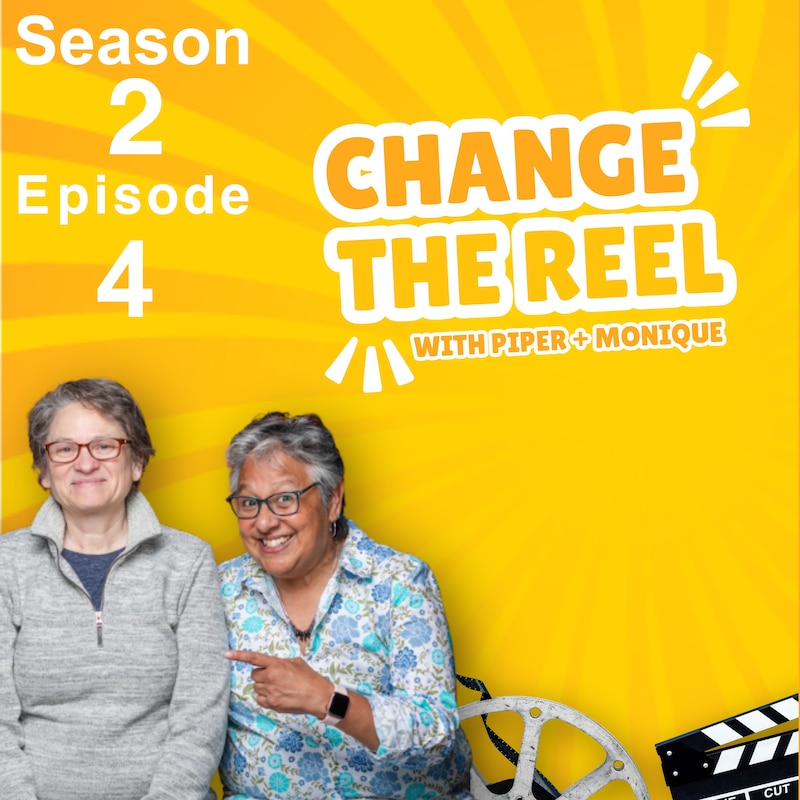
Shownotes
Getting DIY Video Right Without the Epic Fails
You've got your ring light, your fancy mic, and you're ready to hit record. So why does your DIY video still look... off? After 20 plus years behind the camera, we've seen every DIY video mistake in the book, and we're here to help you avoid them.
Why This Matters Now
Video marketers get 66% more qualified leads per year, and 83% say video gives them good ROI. But here's the catch: 39% admit production delays hold them back. The fastest way to increase your video output? Smart DIY. But "smart" is the keyword here.
When DIY Actually Works
DIY isn't the enemy; complexity is. If you're going live on your phone to share a quick message, that's perfect. DIY is part of the message. But when you start adding lights, external mics, multiple cameras, and editing software, you've just created a second job. And unless video production is your business, that's a problem.
The Most Common DIY Fails We See
Lighting Nightmares: Your face shouldn't be darker than your background. Put the light source in front of you (not behind). A window or a lamp works fine. Skip the ring light (it creates weird reflections in your eyes). If you're adding production lights…Congratulations, you've just added complexity and potential glasses glare to your to-do list.
Camera Confusion: Your laptop camera or phone works perfectly fine for most DIY content. But the moment you start using external cameras without auto-focus experience, you're asking for trouble. Someone walks behind you? You're out of focus. You lean forward? Out of focus. And unfortunately, the hard truth is you can't fix out-of-focus footage in post.
Sound Disasters: The biggest fail? That $100 mic you bought isn't actually being used. Your computer is still recording from its built-in mic. We see this all the time. The fancy microphone is just a visual prop. Here is a solution: wear headphones and listen to what you're actually recording. Also, audio buzz can ruin otherwise good content. You’ll have to spend time learning how to fix the audio, paying for software you didn’t want, and then put in more time to actually clean it up.
The Authenticity Trap
"I want to DIY because I want to be authentic." We get it. But authenticity doesn't require doing everything yourself. Some of the most "authentic" creators you follow have full crews, but you just don't see them. That CEO who insisted on being "authentic" and winging it without a script? His one-hour shoot turned into an eight-hour nightmare.
Making It Work: The Velasquez Media DIY Rules
1. Keep it simple: One camera, one mic (or none), one message
2. Limit complexity: Every piece of equipment you add is another potential failure point
3. Use headphones: If you're using an external mic, you need to hear what you're recording
4. Light from the front: Windows and lamps are your friends
5. Skip the fake backgrounds: Blurred is better than watching your hand disappear into a faux beach scene
6. One topic per video: Save the complex multi-point presentations for professional productions
7. Know when to get help: If it's for a major launch, event, or revenue-driving content, bring in a crew
The Real Question: What Business Are You In?
You can learn to do your own bookkeeping, mow your own lawn, and produce your own videos. But should you? Every hour you spend troubleshooting why your audio has a mysterious buzz is an hour not spent on your core business.
DIY video works when it's fast, simple, and serves your immediate communication needs. Potential for failure increases when you're trying to create something complex while also being the talent, the crew, and the editor.
Bottom Line
87% of consumers say video quality impacts their trust in a brand. You don't need Hollywood production values, but you do need to avoid the distracting failures that scream "I didn't prepare for this." Start simple. Stay focused on your message. And when the project matters to your bottom line – get help.
Ready to skip the fails? Book a discovery call to talk through your video plans. We’d love for you to visit our new, expanded studio space, where we handle all the technical headaches while you focus on your message.
Book a Discovery Call: https://velasquezmedia.com/velasquez-media-studio-launch-promotion/
Contact Us: [email protected]
#VideoProduction #DIYVideo #ContentCreation #VideoMarketing #SmallBusinessVideo #VideoProductionTips #ContentStrategy #MediaProduction #FilmCrew #VideoFails #CorporateVideo #LiveStreaming #PodcastProduction #SocialMediaVideo #VideoQuality
2 4 DIY Video Fails: What NOT to Do When Recording Your Own Content (+ How to Get It Right)
TIME STAMPS
CHANGE THE REEL with Piper and Monique
Executive Producers: Monique Velasquez and Piper Kessler
Producer: Arielle Morten
Director/Editor: Simon Beery/Meredith Sause/Alyssa D'Avanzo
Copyright 2026 Monique & Piper
Transcripts
You've just invested in a hundred dollar mic and you're not even using it. It becomes a visual
Piper:prop. There are things that I really, really want to watch and listen to, but the sound is so bad,
Piper:I can't do it. Right. I
Monique:turn it off. And one of the things when I was standing in front of
Monique:classrooms teaching video production, I tell my students that people will sit through and watch
Monique:bad video with good sound, but they will turn off a pristine picture with really crappy sound.
Monique:And let me just put my personal preference in here about the faux green screen fake backgrounds.
Monique:It is so distracting to see somebody's hand disappear or part of their hair disappear.
Monique:I get the idea that what you're trying to do is disguise or hide whatever's behind you.
Monique:And maybe it looks better with the fake picture.
Monique:But I am not a fan.
Monique:And I'm just going to say, stop it.
Monique:Stop it right now.
Monique:Use the blur.
Monique:Do anything else.
Monique:It is your opinion.
Monique:It is my
Piper:opinion.
Piper:If you can limit distractions, do so.
Piper:Change the Real, a podcast with Monique Velasquez and Piper Kessler.
Piper:For over 20 years, we've run a video production business that has achieved what only 3% of women entrepreneurs have done.
Piper:Exceed $250,000 in revenue.
Piper:We want to see business owners that look like us succeed.
Piper:That's why we've started this podcast.
Piper:Change the Real will drop twice a month.
Piper:We'll release two types of episodes.
Piper:One is with Piper and I kicking it and talking about using video in business.
Piper:And the second features conversations with business owners using media to drive diverse perspectives.
Piper:This is Change the Real. Representation starts here.
Monique:Hey,
:y'all.
Monique:I'm Monique Velasquez.
Monique:And I'm Piper Kessler.
Monique:Welcome to the show.
Monique:I love giving folks a way to think about things using video in their marketing.
Monique:I believe that recording or going live to talk about your brand is a valuable and underused tool.
Monique:Live video, that is.
Monique:You don't necessarily want to DIY live because it's a complex video scenario.
Monique:Unless the DIY is part of the message.
Monique:Today, we're here to talk about DIY fails in video production and how to get those basics right.
Piper:And I suggested this because when we're doing this podcast, it is a small crew.
Piper:It is Monique and I and Simon.
Piper:And Simon is having to handle three cameras, sound.
Piper:Two mics.
Piper:Two mics, sound.
Piper:Lights.
Piper:Lights and everything else.
Piper:Now, we've set everything up pre as much as possible.
Piper:But if anything goes wrong while we're filming, Simon has to take care of it.
Piper:And his attention is already divided.
Piper:Also, if we have a guest that is on...
Piper:Riverside.
Monique:On Riverside.
Monique:And a virtual guest.
Piper:So I get a little exasperated because I know what it takes.
Piper:And we can have failures.
Piper:And I've seen failures on the show where a cable mic has come out, the lavalier, the wire has come out.
Piper:Collar wasn't just right.
Piper:And these things would be taken care of by the crew.
Piper:And it's just it's too much to ask for one person to have to deal with all that and the tech.
Monique:It's like taking a group photo.
Monique:Got 10 people.
Monique:All 10 people have to be looking perfect.
Piper:Yeah.
Monique:And how hard is that?
Monique:So if you've got a good photographer, you can have that happen.
Monique:But in video, it's multiple people looking the best they can and sounding the best they can.
Monique:Having, you know, the right amount of attention on each person to make sure it's...
Monique:Plus
Piper:kiss.
Piper:And you have a crew that's backing you up, making sure that you look, sound the best.
Piper:That is why I wanted to discuss DIY.
Piper:because to me, this is the closest that we are going to get to DIY is doing this.
Piper:We
Monique:talk a lot about using video in marketing, using video for your business, and maybe it's
Monique:part of your core business. You have a course, or you have a membership that you go live to,
Monique:or maybe you do a lot of meetings or do desktop educational videos,
Monique:like how to do the software, how to log in, how to use your product,
Monique:or whatever it is that you have and you have some video going on there.
Monique:We like to start with some statistics about using video in business.
Monique:So let's take a look at some stats, right?
Monique:Video marketers get 66% more qualified leads per year,
Monique:according to a survey at OptinMonster.
Monique:This was in 2024.
Monique:So video marketers get better leads when they use video.
Monique:So I can understand using video more often.
Monique:And we talked about earlier in one of our episodes
Monique:that our average number of videos for small businesses is about one in every 24 days.
Monique:Where are you on that average?
Monique:Are you putting it out?
Monique:Increasing the average by using DIY is probably the fastest and the easiest,
Monique:quickest way to have that happen.
Monique:And it helps you get more qualified leads,
Monique:which is one of the reasons we want to use video.
Monique:83% of marketers say video gives them a good ROI, but 39% admit production delays hold them back.
Monique:This is why, Zao.
Monique:Wah, wah.
Monique:Right, production delays.
Monique:What does that mean?
Monique:What does that mean to you,
Piper:Piper?
Piper:I mean, like, you're doing your core business.
Piper:Your core business is probably not video production.
Piper:It might be, but you are having to pull yourself aside from your core business,
Piper:and you're trying to come up with scripts,
Piper:you're trying to come up with,
Piper:what day do we do this?
Piper:Who's going to help do this?
Piper:To me, those are production delays.
Piper:If you were having a guest,
Piper:maybe the guest can't appear that day.
Piper:And that is going to alter
Piper:because you may have had people coming in
Piper:that wouldn't normally have come in.
Piper:Now that is a delay and it's caused issues.
Piper:Right, and
Monique:I've seen this happen with other businesses
Monique:where they'll stockpile a lot of content, you know, either in front of their computer
Monique:or with their cell phone, holding it up and doing a batch of content.
Monique:And then they ship it off to a video editor.
Monique:And the video editor is maybe a high school kid who doesn't understand business
Monique:and what deadlines are about, or maybe it's a college kid,
Monique:and they get busy with their studies and they put you off as a priority. They're not used to having
Monique:a client and having client deadlines met. Or you've put it into somebody's hands who doesn't
Monique:necessarily understand what your needs are and your deadlines. And they...
Piper:Or it could be somebody
Piper:that is one of your employees and you've added it to their task list. And now it's like, well,
Piper:where does that fall in priority if you suddenly have a client that needs something right your core
Piper:video more important right your core business
Monique:offerings and services or products are probably
Monique:more important and so you might have some delays on that now the other thing about delays i get it
Monique:i mean doing diy especially if you're just going live you know cell phone right to facebook tiktok
Monique:or Instagram or wherever you're going is a very fast, simple way to do this. But I will mention
Monique:that 87% of consumers say video quality impacts their trust in a brand. So I am guilty of maybe
Monique:putting out some videos that are just a little more shaky than they need to. But part of what I'm
Monique:doing when I do these DIYs is the DIY is part of the message.
Piper:I don't think anything wrong with
Piper:DIY video. I would say that the simpler you can make it, the better off you are. You don't want to
Piper:put more pressure on yourself. And if you can just make it straight to your phone, you don't have to
Piper:worry about a mic. You're, you know, you're looking and you see the lighting the whole time. You see if
Piper:there's a problem. The same for going to a computer or recording on Zoom. Zoom automatically takes care
Piper:of some of the issues you may have with sound. Now, when you start having lots of guests, if you're
Piper:doing like a podcast or something like that, I would suggest having another person there that
Piper:control those guests. It's the more complex you start getting, that's when you need to
Monique:go,
Monique:wait a minute, I'm doing too much. Let go of the DIY, get some hands in there that are going to
Monique:take care of some of the extra burden.
Piper:And at the same time, you're also, you're not necessarily
Piper:editing those. I would say that's the simplification, knowing that that is a one take from beginning to
Piper:end, no editing. That's so much simpler. And you don't have to, you don't have production delays
Piper:because it's done.
Monique:So
Piper:it's also, and that's pre-planning a little bit of what are you going
Piper:to say? Again, like, what are you going
Monique:to say? When I'm doing these DIY, you know, quick, you know,
Monique:videos live, I know that that's part of the message. Now, I would never think that those
Monique:short videos or to stand there for 20 minutes and talk to my computer or my cell phone and think,
Monique:this is the best video, my brand, that it's going to explain everything and people are going to be
Monique:so jazzed by what I'm
:saying.
Monique:Engaged. And engaged because it isn't the right communication,
Monique:the right look, the right message, and the not on brand or on mission for what it is that I need
Monique:because DIY in that instance is definitely should not be part of the
Piper:message. Now, we hear a lot on
Piper:authenticity. It's like, well, I want to DIY it because I want to be authentic. And it's like,
Piper:You can be authentic with not necessarily DIYing it.
Piper:A lot of people that you don't even think about that are putting out videos,
Piper:they actually have really large crews behind them.
Monique:Or surprisingly, at least one person behind them.
Monique:At least
Piper:one person.
Piper:And so the authenticity, I get it.
Piper:I've been on sets before where a CEO one time of a large corporation,
Piper:wonderful guy and he I was there to run prompter he was opposed to having a prompter because he felt
Piper:like he would be inauthentic and he didn't really want it and what the producer convinced him of was
Piper:at least let her put up notes and I put up notes and we ended up what he thought we would be there
Piper:for an hour, we ended up being there for an eight-hour day. And that was because he wanted to
Piper:be off the cuff. He wanted to think it out. He didn't want it scripted. He didn't want to seem
Piper:inauthentic. And he ended up being very frustrated. I'm not saying everybody's going to have that
Piper:problem, especially if you're a speaker for a living. DIY doesn't necessarily mean you're going
Piper:to also get that authenticity across.
Monique:Right. And there is a space in the planning for that,
Monique:I think, becomes, you know, could he have done DIY if he had done a series of videos about
Monique:one topic? And this is where doing the DIY, you really want to keep it simple. Keep your message
Monique:clear. It needs to be one idea if you're DIYing it. In that situation where you had multiple
Monique:cameras and lights and a big crew and you had somebody who wanted to wing it, that was not the
Monique:best planning for that scenario. And the producer knew that. It's a matter of getting in front of
Monique:people and getting those, say, look, we paid for the crew to be here. Look, we want to expedite your
Monique:time in front of us. And if you just keep it down to, instead of a hundred words off the cup,
Monique:put 50 words together, we can get you to the rest of your day. Being on message, having a clear and
Monique:simple call to action, and the reason you're doing the video in the first place is understood,
Monique:right? That will help do the basics of understanding what you're doing with your DIY.
Piper:Now, I also know that I've heard folks say, why do DIY? Because I want to have control. I want to
Piper:decide when I'm going to do this, how it's going to end up being done, what it looks like. And
Piper:that's fine. Understand you're putting more pressure on yourself and it's not a necessity.
Piper:I want to have a wonderful looking yard. I don't because I don't have the time. I go out and I
Piper:mow the lawn so that the neighbors don't complain and also so I feel better. I would love to have a
Piper:beautiful lawn. Now, there's also the financial aspect there, but as for the control and everything,
Piper:I've let that go. It's like I know that I can easily hire somebody who's going to make it look
Piper:wonderful. I'm going to come home and it's going to make me feel great. I'm going to enjoy that.
Piper:And it's making that decision of, do I want to do it myself? And so then if I do it myself,
Piper:I need to understand I'm going to fit it in when I can. I'm not going to make it too complicated
Piper:for myself. But if I do, then I have to schedule it out.
Monique:We tackle it in that we have one goal.
Monique:I will edge you will mow I am not gonna mow this is true
Piper:I'm gonna edge now so for production I see
Piper:it as kind of being the same it's like I get it it's like it is an expense I know that is probably
Piper:number one it's an expense to me this is what I hear it's an expense that I don't want to pay for
Piper:and I don't think I have to
Monique:also high on the list is I don't know where to start
Piper:I don't know what
Monique:the
Monique:process is.
Piper:That's going to delay yourself even for DIY. Right. Because
Monique:what happens is you start
Monique:planning. I need research. What do you use video for? Right. What camera is the best? Should I even
Monique:use my cell phone? Should I buy a camera? Should I buy a microphone? Is the cell phone good enough?
Piper:What business are you in? There is going to be a learning curve. Unless your business is this,
Monique:you want and
Piper:need to learn it.
Monique:Do you mean video when you say this? Yes.
Piper:if you don't want to hire something else that is not your core to have it done for your business
Piper:do you want to spend the time learning it and you might want to it's like hire it's like hiring a
Piper:bookkeeper
Monique:yeah if you don't want i mean i'm one that i i like doing the invoicing i like collecting
Monique:the checks, putting it into the register and compiling when the bills are due and paying
Monique:people on time on other things.
Monique:I want to pay them.
Monique:Of course, I want to pay them.
Monique:But do I want to spend my time doing that or doing fun things like putting a podcast together,
:talking to
Monique:people about what cameras they're using, what edit software, what workflows
Monique:they're using in video?
Monique:I would do that and avoid doing my books.
Monique:So I have to decide what business am I in.
Monique:I'm in the business of creating video.
Monique:I don't want to be in the business of writing the accounting books.
Piper:And what's good enough?
Monique:And good enough, right.
Piper:Yeah.
Piper:I mean, because DIY, it might be good enough.
Piper:And that's for you to decide.
Piper:Of course, that's for you to decide.
Piper:People ask us a lot about cameras and sound and what equipment should I buy.
Piper:I'm willing to give the information and to help, but I do worry not to put ourselves out of business.
Piper:That's not my concern is I know what it is to be wearing so many hats on a set to show up and know that you're in charge of more than one thing.
Piper:And that's behind the camera.
Piper:In front of the camera, you're supposed to be also delivering your message.
Piper:That's why I'm saying DIY, make it as simple as you possibly can.
Piper:Spend the time to find the tool that's going to make it simple for you.
Monique:You know, let's talk about some of the fails that we have seen out there because you've been probably successful in some of the DIY or maybe you hit a snag and you had that epic fail in your DIY is why you're watching this podcast.
Piper:Right.
Piper:Yeah.
Piper:And we get asked a lot of why I did this.
Piper:Why am I getting this outcome?
Monique:I'm going to start with the easy ones like, what light should I have?
Monique:A ring light, a soft light.
Monique:Should I even buy a light?
Monique:Now, if you're not prepared to start spending money in this realm, there are lots of ways
Monique:to not have a dark face and not be able to see the eyes, right?
Monique:So contrast between skin tone and the background are the big things.
Monique:Having a backlight, like a window behind you.
Monique:We've heard these before, but let's just talk about this.
Monique:You want the light in front of your face so that when people are watching the video, they can see your eyes.
Monique:People look you in the eye because they want to know you.
Monique:They look you in the eye to see if you're trustworthy.
Monique:They look you in the eye to see if you are being authentic.
Piper:Because you're doing a video to replace you meeting them in person.
Piper:If they meet you in person, think of all the things that they gather.
Piper:When you go to meet somebody, all of the body language, things that you're not even aware
Piper:necessarily that you're looking at when you're engaging somebody.
Monique:Videography and photography are based on getting an image because of the light reflected back at the image sensor.
Monique:That is a fancy way of saying you need light to be able to be seen.
Monique:And so having the light in front of you, a lamp in front of you, a window in front of you,
Monique:and not a bright light behind you, which is going to create a lot of times the camera,
Monique:whether it's your cell phone or your video camera that you might have, webcam,
Monique:it wants to light for the brightest thing in the picture.
Monique:And if you aren't the brightest thing in the picture,
Piper:it's lighten something up.
Piper:It's
Monique:light, it's focusing or making other things bright.
Monique:And so that is where lighting.
Monique:And for me, you know, if you're not ready to buy, invest in lights, then, you know, don't.
Monique:just be very conscious that you're by a window or that you'd buy a very bright light source.
Monique:So there's that. And I am not a fan of the ring lights because it puts a weird specular light in
Monique:your eye that looks like a ring instead of like the sun, which is a solid dot, not a ring with no
Monique:dot in the
Piper:middle. And when COVID started and everybody was using the ring lights, even on
Piper:news broadcasts and stuff like that, I have to say I get distracted because I'm suddenly looking
Piper:eyeball and then I'm going, what did they say? So, right. So,
Monique:so lights and using lights can be a bit
Monique:of a trick. And then you start, if you start investing in lights, you start potentially
Monique:introducing unknown pitfalls for you as the DIYer. And one of them is glass, glasses glare. If you're
Monique:wearing glasses, it'll probably see some glare if you start adding lights. Just know that if you're
Monique:going to add lights, that means that you have made the conscious decision to take less time in your
Monique:business and focus more on this task that might be three, four, five percent of your business.
Monique:Camera. What camera should I use?
Piper:Well, I mean, you could use an iPad. You can use an iPad.
Piper:You can use a cell phone. You can use your computer. Now, once you go outside of that,
Piper:you don't have something that is automatically adjusting for things.
Piper:You are now adding in complexity.
Monique:And let me just put my personal preference in here about the faux green screen fake backgrounds.
Monique:It is so distracting to see somebody's hand disappear or part of their hair disappear.
Monique:I get the idea that what you're trying to do is disguise or hide whatever's behind you.
Monique:And maybe it looks better with the fake picture.
Monique:But I am not a fan.
Monique:And I'm just going to say, stop it.
Monique:Stop it right now.
Monique:Use the blur.
Monique:Do
:anything else.
:It is your opinion.
:It is my
Monique:opinion.
Monique:If you can limit distractions, do so.
Monique:And in that case, if your camera, if you have light, your camera is unlikely to color shift
Monique:if you have a light.
Monique:But you start introducing a layer of complexity by adding lights.
Monique:If you are going beyond what is sort of available to you in your computer, your laptop, your
Monique:cell phone, your iPad, whatever it is, and you start investing in a camera, you again
Monique:are investing in being able to DIY quickly with a better quality and more control, but
Monique:also complexity.
Monique:And again, what businesses are you in?
Monique:You've now gone to 5% more distraction in this one task than in your core business.
Piper:And I know this is because I'm an auditory person.
Piper:There are things that I find very distracting.
Piper:And that is, if a person is wearing a lavalier, but they are on their computer, and the sound
Piper:doesn't sound great to me.
Piper:For me, I know because I do this for a living, I'm going, oh, why am I not hearing the sound
Piper:that I think I should be hearing through the lavalier?
Piper:And then I'm going, oh, I know what it is.
Piper:They don't have it clicked or chosen, and they're actually using the computer or the camera mic
Piper:and not the lavalier that is on them.
Monique:That could also translate, maybe not the lavalier, but the desktop mic.
Monique:The desktop mic,
Piper:that happens too.
Piper:It's like you'll see a desktop mic happens all the time where I'm listening to some podcasts, whatever.
Piper:And I know that I'm not hearing that desktop mic.
Piper:What I am hearing is the computer.
Piper:And if they go to touch the computer, touch the table, you hear that and you're like, oh, it's the mic that is on the computer.
Piper:It is not the mic that is sitting there.
Piper:You've just added complexity by doing a microphone outside of your computer.
Piper:which you should because it is going to add better sound, but you need to understand
Piper:how are you going to make sure that it is using the source you want it to. And a lot of times you
Piper:can't hear yourself or you don't want to have the headphones on to hear that you're actually
Piper:hearing the correct source.
Monique:That is a very complex idea, and I want to
:break it down
:to this idea.
Monique:And these are valid points, but I'm going to go back to, as a business owner,
Monique:you've just invested in a $100 mic and you're not even using it. It becomes
Piper:a visual
Monique:prop.
Piper:Yeah. There are things that I really, really want to watch and listen to, but the sound is so bad,
Piper:I can't do it. Right.
Monique:I turn it off. And one of the things when I was standing in front of
Monique:classrooms teaching video production, I tell my students that people will sit through and watch
Monique:bad video with good sound, but they will turn off a pristine picture with really crappy sound.
Monique:Just to know. But, so we've covered lights, we've covered camera, we've talked a little bit how
Monique:when you have your DIY set up and you've added the complexity of a microphone,
Monique:You should also invest in $30 solution of headphones.
Monique:You should always listen if you are using an external microphone.
Monique:So in the sound category, the fails that we see are the connection from the microphone to the physical camera or the physical computer is a fail point.
Monique:either inside the software, it's not routed correctly, and not actually actively using
Monique:the sound from the microphone, the lavalier. And one of the things that you can do to help
Monique:figure out if that's true is by using headphones in the system. You need to train your ears what
Monique:good sound from that particular microphone actually sounds like, versus you just put some
Monique:headphones on and you don't know what you're listening to. Could be the camera, could be the
Monique:iPad, could be the cell phone. You don't know what it sounds like. And it becomes what business are
Monique:you in?
Piper:Because there's a learning curve. It's like even just saying, listen, well, how do you
Piper:set up your computer or that microphone to make sure that you're listening to what is going out?
Piper:I mean, it's everything is learning. Okay,
Monique:let's go. Let's circle back real quick to the camera.
Monique:Auto focus is one of the things that makes DIY possible and is one of the places where the DIY fail happens the most.
Monique:So if you leave it on auto focus and somebody walks behind you, guess what who is not in focus anymore?
Monique:So those are the places that that will be distracting where it goes out of focus, comes back.
Monique:If you invest in a camera that has the autofocus and it decides that this is the focus and I am not the focus any longer, then you've got to fail, right?
Monique:You either go with it out of focus and you hope your audience is kind enough to say, oh, they'll forgive me for being out of focus because I talked about something really great.
Monique:Or you just throw it onto the socials and don't even review it.
Piper:Now, professionals have fails, too.
Piper:We've had fails.
Piper:I've seen fails.
Piper:It just happens.
Piper:The thing is, is that because we do this, failures, if you're with a large crew and you
Piper:have a failure, somebody there, you got more brain power, somebody's probably seen it happen.
Piper:I've been on crews before that are not used to having a sound person and they're having
Piper:a failure.
Piper:And I'm not there for sound.
Piper:They're having a failure with their sound.
Piper:And I've resolved it quickly because I know what I'm used to hearing.
Piper:And anybody who's used to seeing something, now everybody who was on crew saw what just happened, they are now going to take that knowledge onto the next production.
Piper:So what kind of things are you hearing
Monique:as fails on DIY?
Piper:On DIY, I hear sound in one side, but not the other.
Monique:Oh, yeah. Headphones. There's only one ear working. I'm on the treadmill. I want the full experience.
Monique:Right. That seems to
Piper:be very common.
Piper:I would say for sound. So the other thing that I'm seeing is, like I said, it happens all the time.
Piper:That mic is not what you're hearing. That move up is not what you're hearing. You're hearing the
Piper:camera mic, which is across the room, or you're hearing the computer mic or something like that.
Piper:I also hear audio buzz, like a zzz. You're not necessarily hearing that the air conditioner is
Piper:really loud or a dog's barking or whatever because you're into what you're talking about
Piper:because you're there by yourself. That's a little bit less distracting for me because I'm more
Piper:forgiving of
Monique:knowing when that's... I think the buzz is the
Piper:big one. The buzz is a big thing.
Monique:And
Monique:having a pair of headphones is going to clue you into that right away. Now,
Piper:what can cause that?
Piper:It can be a lot of different things.
Monique:Right.
Monique:So I
Piper:couldn't tell you off the cuff necessarily.
Piper:It's not 100% the same thing.
Monique:Right.
Monique:And so we've been asked to fix cell phone footage that had a buzz.
Monique:And that was a real mystery what caused it.
Piper:Can't fix out of focus.
Monique:Cannot fix out of focus.
Monique:Can't fix a shirt color.
Monique:Well, you can, but you have to have a bigger budget to do that.
Monique:That's not a DIY budget.
Monique:Well, you know, AI is able to do a lot of
:this stuff.
:Yeah,
Piper:that's true.
Piper:Not
Monique:only is it just the equipment, but you also have the idea of DIY in the fail at the edit in the post.
Monique:In the post.
Monique:Right.
Monique:You know, you may have a late deadline.
Monique:You may miss a topical event by not having a skilled and quick editor be able to export and get your message out in a timely way.
Monique:The other thing is you can have editing that just is jarring or not in tune with what you are saying or your brand, right?
Monique:You could be missing branded elements. You could be missing the call to action. You could be missing the whole message and mission for the video communication because the editor just didn't understand what it was that you, as the message creator, really wanted out of the video.
Monique:And
Piper:my fear from you saying this is that we're instilling fear into people of, see, this is why I don't want to outsource any part of it. The thing is that when you hire folks, it's a communication. It is a pre-production, but those are things that you really should be doing even on your own in DIY.
:Those
Piper:pre-production things should also be thought of.
Piper:You may not be thinking of them or know that you should think of them.
Piper:The person who's the professional is going to say, well, what about this, this, and this?
Piper:And those questions are good questions.
Piper:We have a tip sheet to help you.
Piper:It doesn't matter if you're DIYing or hiring a crew.
Piper:These are things that you really should to make your video effective.
Monique:You're
Piper:spending your time on something.
Piper:Make it worth it.
Monique:We're not saying that it all turns out this way because we've had very successful go quick.
Monique:I'm going to tell you what I'm doing, tell you my story, my mission, and give me a call.
Monique:Those are the things that are just very thought out.
Monique:It's on brand.
Monique:It's on mission.
Monique:It's on task for what your marketing needs.
Monique:And those are, you know, great successes, but there are pitfalls and there are places, especially in the post-production, where even if you're doing it yourself, you may be having a learning curve on how this free software works.
Monique:Or you're not 100% sure how the AI spits out the clip.
Piper:Or I have that, and I bought a little plug-in that's 25 bucks.
Piper:It's going to clean it up.
Piper:but it may end up making your voice and all sound robotic or just not sounding,
Piper:and it's not fun to necessarily listen to.
Monique:Right.
Monique:And so there are places, there are pitfalls that happen.
Monique:Keep it simple.
Monique:Keep it simple.
Monique:Keep your message on task when you're in front doing your DIY.
Monique:If it is more complex, get an extra pair of hands.
Monique:Yes.
Monique:and delegate the task specifically. Yes. And if you are thinking about the DIY, putting it in your
Monique:own lap, you have to remember you're doing this because you like it. You're doing this because
Monique:it's enjoyable. You're doing this because you're saving money. You may decide you really don't like
Monique:that. And it's worth paying for parking instead of walking the eight blocks to miss the beginning
Monique:of the movie. So you have to decide what businesses are you in. Yeah.
Piper:What business are you in? There
Piper:you go.
Monique:All right. So this was a lot of information, right? And
Piper:as always, I'm worried that we may
Piper:have overwhelmed. And we don't mean to be overwhelming. What we're trying to say is our
Piper:suggestion, because we get asked a lot, is when we get asked for equipment and adding and making
Piper:things more complex for doing it yourself, we're going to lean to just make it simple on yourself.
Piper:You don't want to make this a drudgery. You want to enjoy it. It's going to come across on camera.
Piper:If it is becoming complicated, it shows when your brain is on two different things,
Piper:and you need to be fully engaged with your message
Piper:and not having to worry about,
Piper:is the camera recording?
Piper:Am I coming through in the sound?
Piper:You need to be fully engaged with the camera,
Piper:which is your client or the person you're trying to serve.
Monique:I just want you to know, I'm a little sad
Monique:because I could talk about this for a long time,
Monique:but I'm betting that you stayed this long in the podcast
Monique:to get something out of the DIYing video
Monique:because you're a planner or maybe you've had some DIY fails. My question to you is,
Monique:do you have a business quarter this year that has a big project, event, that might need video for
Monique:marketing or video that is to be featured for the event? Now is the best time to start planning to
Monique:get the fundamentals and the elements together and in place for your video marketing or your
Monique:video product.
Piper:And if you have a small team or no team, we're reminding you that you got this.
Piper:You can do this, but if you're feeling some doubt because you're not sure you're ready and you're
Piper:not sure you have a plan or that your idea works or you're not sure what comes next or can you
Piper:afford the external team. So basically just let's talk.
Monique:I can talk to you about your plans, your
Monique:outcomes, your goals, and give you information and make you confident in your plan. Book a call
Monique:to review your content plan. I want you to be successful. I know that this is just one tool
Monique:to get to the next level. Velasquez Media is here to help you accomplish your mission. We help
Monique:businesses and nonprofits, get it done.
Piper:So we have opened a new studio space and we'd love to record
Piper:your next video or stream your next event here. We're
Monique:here to serve. If you have questions about
Monique:today's episode, link in with us or hit the website, flaskesmedia.com and book a call.
Piper:See you next time. See you next time. Thank you
Monique:so much for listening to this episode of Change
Piper:the real. If you liked the episode, follow us, share it, or hop on podchaser.com and leave us
Piper:a review. And remember, representation starts here. Hasta pronto. See you soon.





