If your child hasn’t been the same since a bump, fall, or sports injury, you’re not imagining it.
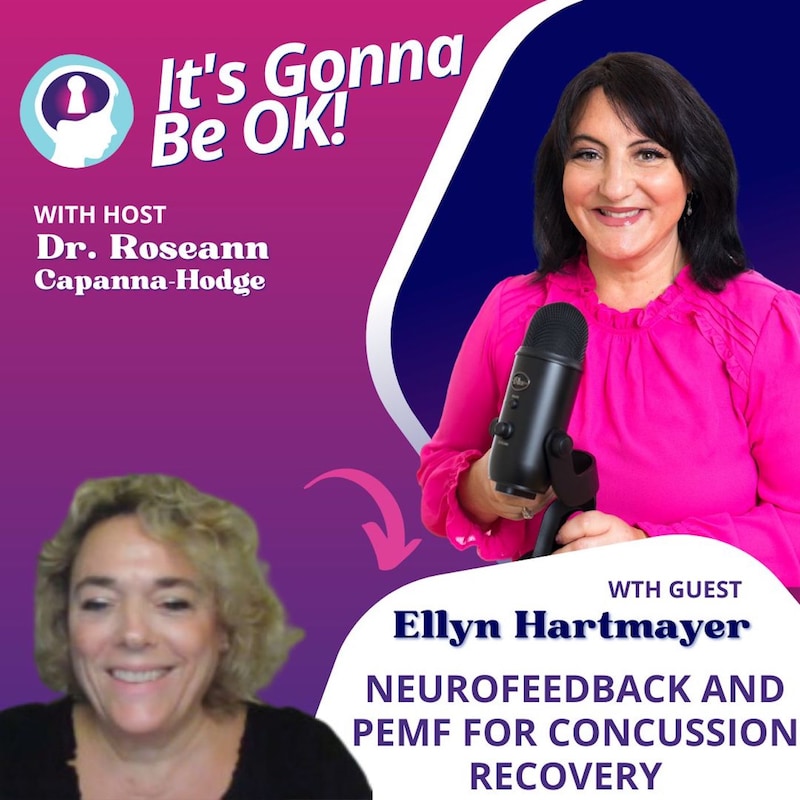
Concussions can quietly affect focus, mood, sleep, and emotional regulation long after the initial injury. In this episode, Dr. Roseann breaks down how neurofeedback and PEMF help the brain heal and why so many kids struggle silently after head injuries.
In this episode, you’ll learn:
• why concussion symptoms can linger for months or years
• how neurofeedback supports brain healing after a head injury
• why concussions can look like ADHD, anxiety, or depression
• how to support nervous system regulation in children during recovery
What’s really happening in the brain
A concussion can leave the brain stuck in a hyper-alert state.
That means kids may:
• wake up exhausted despite sleeping
• struggle with focus and emotional regulation
• experience headaches, anxiety or mood swings
• feel overwhelmed or shut down
The brain heals during sleep, so when sleep is disrupted, recovery slows down.
Parent scenario:
A teen sleeps 9 hours every night but still wakes up exhausted and emotionally fragile.
It’s not laziness—it’s a dysregulated brain trying to heal.
The reframe parents need
Behavior is communication.
It’s not bad behavior—it’s a dysregulated brain.
Concussion-related dysregulation can mimic ADHD, anxiety, or depression—even when the root issue is brain injury.
How neurofeedback and PEMF help
Neurofeedback gives the brain real-time feedback so it can learn how to regulate again.
Benefits may include:
• improved brain wave patterns
• reduced headaches and sleep issues
• better focus and emotional control
• improved mood and energy
PEMF helps calm the nervous system and support healing at a cellular level, helping kids feel more regulated and resilient during recovery.
What you can do next
If your child is struggling after a concussion:
👉 prioritize sleep and nervous system regulation
👉 reduce pressure and overstimulation
👉 create calm, predictable routines
👉 consider tools like QEEG brain mapping, neurofeedback, or PEMF
Kids don’t need to “push through” recovery—they need support for healing.
If you’ve been searching for how to calm a dysregulated child, concussion recovery starts with calming the brain first.
Listen + Take the Next Step
If this episode helped you understand concussion recovery differently, share it with another parent who needs it.
And if you want tools to support regulation and healing, get your FREE Regulation Rescue Kit here:
👉 www.drroseann.com/newsletter
Dr. Roseann Capanna-Hodge helps parents understand emotional dysregulation in children and teaches practical nervous system regulation and co-regulation strategies through her Regulation First Parenting™ approach.
Mentioned in this episode:
Join Us for Rewiring the Brain. What is Neurofeedback?
Are you a parent who's tried everything to help your child but they still struggle with attention, mood anxiety or other clinical issues? Well, that's exactly why I'm inviting you to this free workshop titled Rewiring the Brain. What is Neurofeedback? and it's on May 16. During this webinar, I'll be sharing my knowledge and experience with you helping you to understand just how neurofeedback can help your child improve their attention, their mood, or whatever else is going on with them. You'll learn about how neurofeedback is a safe and natural way to calm and regulate their brain and how that can really make a difference not just for your child, but for your family. Don't miss this opportunity to join me for this amazing neurofeedback webinar. You can register at the link below. And here we're going to explore just how neurofeedback can be a game changer for your child and family.
What is Neurofeedback?