Shownotes
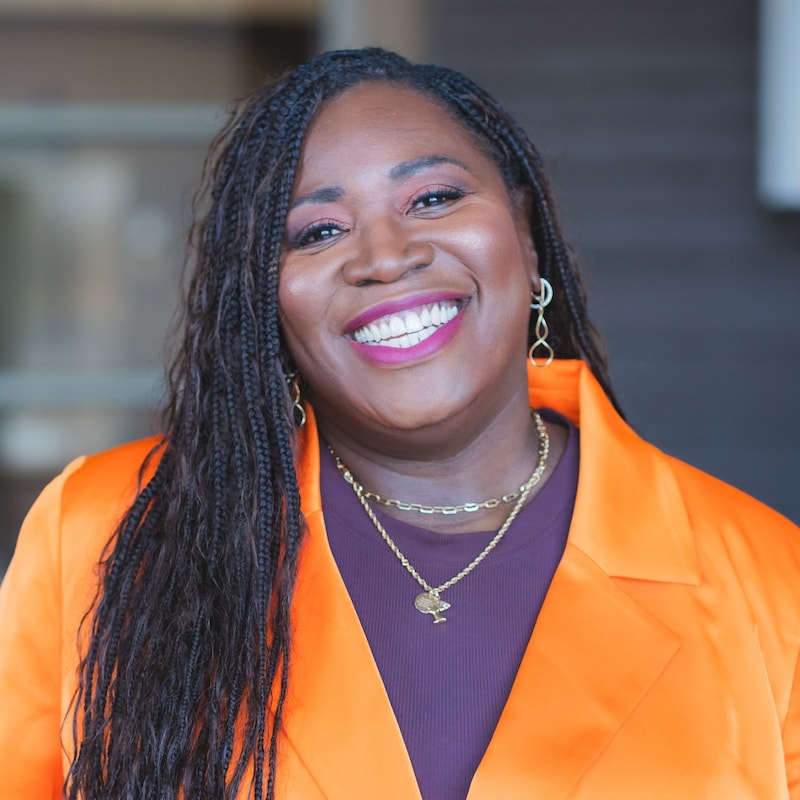
In a time of exhausting division, what we need isn’t a new moral majority—it’s a faithful remnant. In this timely conversation with Latasha Morrison of Be the Bridge, we explore what it means to follow Jesus into the hard and holy work of repair. We talk about the habits that shape bridge builders, and name the biblical and historical illiteracy at the root of so much of our current brokenness. We also reflect on the need for lament and explore prayer as the seedbed for the work of justice.
Mentioned in this episode:
In a world of division, your support fuels peace, courage, and connection. Help us keep going. Donate Now.
Transcripts
you look at everything your parents and your grandparents have fought for
Speaker:and taught you, and you're seeing it eradicated within the stroke of a pen.
Speaker:And you're looking at people, you call brothers and sisters
Speaker:that are cosigning it.
Speaker:and that's heartbreaking.
Speaker:And so with that, I'm looking to, okay, Lord, now
Speaker:maybe it has to burn down to be built back up.
Speaker:What, what are the opportunities?
Speaker:Because what we have built is deformed.
Speaker:How do we excavate now this land, this faith
Speaker:so that we can have, a more true honoring faith that sees the Imago Dei
Speaker:in everyone.
Speaker:Hey friends, and welcome back to Mending Divide's podcast, where we
Speaker:have raw, unfiltered conversations about conflict with those who
Speaker:are navigating it in real life.
Speaker:I'm your host, Jer Swigart, and I'm glad you're here.
Speaker:Today's guest is someone whose voice and leadership have shaped imaginations
Speaker:of countless bridge builders around the country and the world.
Speaker:Latasha Morrison is the founder and executive director of Be The Bridge.
Speaker:She's a New York time bestselling author and a deeply trusted guide in the really
Speaker:hard work of racial reconciliation.
Speaker:Now, if you know Latasha at all, you know that she doesn't offer shallow
Speaker:solutions or sugarcoated answers.
Speaker:She invites us deep into the waters, into truth telling, into repair and
Speaker:into community that's anchored to Jesus and expresses itself in justice.
Speaker:In this conversation, we explore what formed her as a bridge builder, how
Speaker:she's reading this cultural moment, and what it means to become the kinds of
Speaker:people who can hold tension, stay at the table, and join God's gritty work of
Speaker:restoration in the world as it already is.
Speaker:Lean in with me.
Speaker:Here's the conversation.
Speaker:in conversation with folk like You, Latasha, I'm always interested in
Speaker:story and I always say that Peacemakers aren't born, they're formed.
Speaker:And I'm wondering if you'd invite us into some of the experiences
Speaker:of formation for you as a reconciler and as a bridge builder.
Speaker:When did this become your life's work?
Speaker:How did you wake up to it?
Speaker:Yeah, that's so good that you know, you're not born, you're formed.
Speaker:And when I look at the threads of my life, this was something that was
Speaker:forming in me from some of the earliest memories of elementary school , you know,
Speaker:leadership , bridge building change agent.
Speaker:Those were like identifiers.
Speaker:I could not identify those words at that time.
Speaker:I wasn't able to identify those words until you know, I was an
Speaker:adult and did a life plan, you know, but that pattern, that thread
Speaker:was there since elementary school.
Speaker:But I think there are a few, I would say, catalytic moments in your life
Speaker:that change you and that shape you.
Speaker:And I think for me was when I was in high school, I tell
Speaker:this story in the first book.
Speaker:of leading the charge to have black history month recognized in our school.
Speaker:And I think it was an awakening to me that you know, I was in a school that
Speaker:was predominantly white, but it was the demographics represented the community
Speaker:and really the country in that sense.
Speaker:So I, it was probably about 13% African American at the school.
Speaker:And I remember I was in a leadership development class, and we actually
Speaker:came up with events for the schools.
Speaker:If there was an issue or if there was a problem, people could bring it to you.
Speaker:You take it into this class and you try to you know, critically
Speaker:think about it to resolve it.
Speaker:And we did it, you know, in a very diplomatic type, governing way
Speaker:and so I remember bringing it up.
Speaker:You know, not thinking I would ever get any pushback . And I just remember
Speaker:people in that class that I considered friends and how they pushed back and
Speaker:I was like in shock and I couldn't believe it.
Speaker:I didn't have words at that
Speaker:point.
Speaker:So I remember, you know, if you go into mostly any school, around the country
Speaker:even today, even in the nineties when this happened to me went into the, you know,
Speaker:the cafeteria sat with the black students.
Speaker:Most schools are divided in tribes, either gonna be by race or or by you
Speaker:know, affinity group or whatever.
Speaker:And, was telling some of the black friends, like, what happened?
Speaker:I was so shocked by the reaction.
Speaker:And I remember this young lady telling me, that's what we voted for you.
Speaker:You gotta fight.
Speaker:She said, we voted for you to fight.
Speaker:And I remember going back in there, but I think, you know, I had a teacher that
Speaker:saw, and that understood, but she came up with a compromise where we could
Speaker:have Black History month, but we would have to call it Brotherhood month.
Speaker:Oh, okay.
Speaker:And and the, the, the, the, very low percent of people of color,
Speaker:we had to share this month.
Speaker:So no longer black history month , but it was brotherhood month.
Speaker:I tell that story.
Speaker:Because it was a catalytic moment.
Speaker:Yeah.
Speaker:First, it taught me to use my voice,
Speaker:Yeah.
Speaker:It taught me how to bring people together to
Speaker:how you would say mend the divide.
Speaker:it also taught me courage and boldness because although it was a shared
Speaker:month black history was celebrated.
Speaker:The students, we stood in that
Speaker:Yeah.
Speaker:and in that room, and we learned what we call the African American Anthem,
Speaker:which was formerly known as the Black Negro Anthem, which
Speaker:Yeah.
Speaker:but I learned, and I know that song today because of us teaching it to
Speaker:the school, learning to play it.
Speaker:And that opened up a door because we sang it so well that we had the opportunity
Speaker:to sing it all across the city,
Speaker:That year.
Speaker:And that started a gospel choir for the school.
Speaker:That is so good.
Speaker:That is so, and there's so much to unpack.
Speaker:Like I'm even thinking about how oftentimes Peacemaking and
Speaker:peacekeeping are accidentally made into synonyms of one another.
Speaker:And the way that I talk about that is Peacemaking is disruptive.
Speaker:Peacekeeping too often maintains an unjust status quo.
Speaker:And so even in that story, as somebody who has followed you, and I read you,
Speaker:I quote you, one of the things that I love Latasha about your voice is that
Speaker:there is a fearlessness, yet wisdom in the way that you are disruptive.
Speaker:So peace in this case, the story that you told, a movement toward justice.
Speaker:A movement toward equity.
Speaker:A movement even toward an expanding and awareness.
Speaker:Your friend said, that's why we voted for you.
Speaker:Go, you gotta go fight.
Speaker:There's some fight in being a peacemaker.
Speaker:Talk about that a little bit.
Speaker:Talk about the role of being disruptive in the work of conflict.
Speaker:I remember that spoke to me and it, it resonated, it awakened something
Speaker:inside of me to give me this courage.
Speaker:So it didn't just start with school, but even outside of school,
Speaker:even using my voice when I went to college.
Speaker:Because.
Speaker:I was a person, I would say that was more of a peacekeeper because I came from a
Speaker:family on one side that was, you know, somewhat passive in their interactions
Speaker:where would speak their voice, but in order to really, for their voice to be
Speaker:heard, they did it in a very jokingly way,
Speaker:Yeah.
Speaker:so that their voice could be heard.
Speaker:So it was like kind of passive aggressive
Speaker:Yeah.
Speaker:My mother's side, they spoke their voice freely.
Speaker:It was like, we're gonna deal with the conflict,
Speaker:we're gonna love hard.
Speaker:Like, I'm gonna say what I need to say,
Speaker:Yeah.
Speaker:I'm not gonna, I'm not gonna remain mad at you.
Speaker:So
Speaker:this
Speaker:tension.
Speaker:that kind of formed me in that sense where
Speaker:Yeah.
Speaker:like knowing what to say.
Speaker:also how to say it,
Speaker:Yes.
Speaker:and so not so much as deflection, but disarming not so much as you know, being
Speaker:able to say what you mean, but let it come from a place of love and grace so
Speaker:Yeah.
Speaker:the person that's receiving it is not torn completely
Speaker:Yeah, yeah, yeah,
Speaker:And I,
Speaker:That's right.
Speaker:Conflict management, you know, and any kind of conflict that you're dealing with,
Speaker:you, you don't want to tear people down.
Speaker:Yeah.
Speaker:do that.
Speaker:We can do that with our words.
Speaker:So
Speaker:Yeah,
Speaker:a way that we can give truth, but also we can build people up.
Speaker:And some that comes from the muscle
Speaker:yeah,
Speaker:empathy.
Speaker:yeah.
Speaker:from meeting with grace and compassion.
Speaker:And those are words now that in many spaces are becoming
Speaker:bad words in a sense, you know?
Speaker:Yeah.
Speaker:Yeah.
Speaker:because in order to control in order to dominate you have to take that type
Speaker:of Christ-like thinking out of people.
Speaker:But those are things that,
Speaker:Yeah.
Speaker:that we glean from scripture.
Speaker:Those are ways that we see from Genesis to Revelation
Speaker:Yeah.
Speaker:and how God led his children.
Speaker:He could have took them right out and chose another group,
Speaker:That's right.
Speaker:That's right.
Speaker:I mean, and pulling from a title of Andre Henry's podcast, hope and Hard Pills, you
Speaker:know, like there, there's the conflict.
Speaker:Dealing with conflict requires some hard pills.
Speaker:But we also have to saturate with some hope.
Speaker:You know?
Speaker:and this is why I think conflict is hard.
Speaker:you pull from your stories of origin, which I so agree with.
Speaker:Like, my experience is as I train people for conflict, is that people
Speaker:are actually really adequately trained already because of their families of
Speaker:origin and their early socialization.
Speaker:They're either replicating or reacting to, for the most part,
Speaker:how conflict was handled in their families or their stories of origin.
Speaker:I think what then makes it so hard is it's a learned pra... It's a muscle
Speaker:that we grow over time, but rarely are there any feedback channels.
Speaker:You know, like rarely do we navigate conflict you and I and then five
Speaker:days later have a cup of coffee or something stronger and say, Hey, how'd
Speaker:that go when I said this this way?
Speaker:How'd that come across?
Speaker:There's not really feedback channels, so.
Speaker:You either have to be in a really trusting relationship with somebody where feedback
Speaker:and a processing is a part of the healing, or you have to be deeply self-reflective
Speaker:as a reconciler to get better at this.
Speaker:Talk to us about your growing skill at navigating conflict.
Speaker:What's been most helpful for you in doing this?
Speaker:Doing hope and hard pills better.
Speaker:Yeah.
Speaker:I would say there's these we call it the L words that we use in be the bridge.
Speaker:And the first one is listening.
Speaker:So in order for us to be able to understand each other you
Speaker:know, being able to listen
Speaker:and that, that looks different depending on the environment.
Speaker:And so that looks different as it relates to someone that's been marginalized
Speaker:and then someone who has more power.
Speaker:So
Speaker:That's right.
Speaker:you know, in the bridge building, we have to explain that like, we
Speaker:talking about bridging, and we're talking about moving towards justice.
Speaker:So we say the listening strength comes from those that have more
Speaker:power listening to those that are
Speaker:more marginalized and to understand that and what it
Speaker:means to really actively listen
Speaker:and
Speaker:then learning.
Speaker:I was raised in the same school system that everyone else was raised in.
Speaker:I didn't have a home environment where I was exposed to you know,
Speaker:a lot of historical readings, but I was exposed to the black church.
Speaker:You know, I was exposed to the history and
Speaker:Yeah.
Speaker:of the black church, which stirred me in trying to take black history,
Speaker:to my school.
Speaker:'cause I saw it, I
Speaker:Yeah.
Speaker:at my grandmother's church,
Speaker:Yeah,
Speaker:so they were raised in that AME Zion Missionary Baptist
Speaker:tradition and which stirred a lot.
Speaker:So that learning and growing and developing, not depending on other people
Speaker:to hold your hand and teach you, but
Speaker:Yeah.
Speaker:The agency to learn and to dig in to, and to find the missing parts is so important.
Speaker:And then this is the part that I think is really key in how I had to learn.
Speaker:Because when you're doing all this listening and learning,
Speaker:it can send you into despair
Speaker:That's right.
Speaker:and learning the theology, and this is what I would say in the black
Speaker:church tradition that is very common and not found in much of the white
Speaker:church tradition is that of lament,
Speaker:having a theology around lament and a theology around suffering.
Speaker:And how do we suffer?
Speaker:How do we suffer well?
Speaker:There was a saying, knowing where your hope comes from, you know, and
Speaker:like how my grandmother would talk of help and hope were like the same
Speaker:help and hope were like the same.
Speaker:and I never understood that.
Speaker:'cause she would use the word help in the place of hope and
Speaker:I thought always correct her.
Speaker:But just look looking deep into that,
Speaker:Yeah.
Speaker:hope meant help.
Speaker:And help meant hope.
Speaker:You know,
Speaker:So we have listening, learning, lamenting- learning to lament and to call out to God.
Speaker:It's a form of worship.
Speaker:yeah.
Speaker:That's right.
Speaker:and grows our capacity for merciful response, and it grows
Speaker:our capacity for solidarity.
Speaker:You know, I'm, I,
Speaker:we don't do that well.
Speaker:No, we don't, especially those of us who are more proximate to power because we
Speaker:haven't had to, we haven't had to suffer
Speaker:Yeah
Speaker:you, you know what I'm saying?
Speaker:And so there's pain and there's grief and there's all the things.
Speaker:But suffering under the weight of systems that dignify some while denigrating
Speaker:others is not our lived experience.
Speaker:And therefore, lament is not it.
Speaker:it's a muscle that is underdeveloped I think in majority culture.
Speaker:But it's needed.
Speaker:It's needed
Speaker:And it's needed right now.
Speaker:Because Lament leads us toward restoration,
Speaker:yes.
Speaker:And I Just feel like my upbringing was lament doesn't lead to restoration.
Speaker:My creativity and solutions and muscle leads to restoration, right?
Speaker:Like, that's the faith that I inherited.
Speaker:That's the religion that I was socialized into.
Speaker:It's not true.
Speaker:It's a myth.
Speaker:right?
Speaker:what's true is that lament is the journey toward restoration.
Speaker:and a muscle that so desperately needs to be exercised.
Speaker:And I think it's part of the reason why this moment is as particularly
Speaker:jarring for majority culture, white American Christians as it is
Speaker:because we're beginning to actually watch the systems that have been
Speaker:designed to benefit us falter.
Speaker:And my sense is that America is on the decline.
Speaker:And my personal goal is not to see, america reinstated into
Speaker:a place of global dominance.
Speaker:I see our role right now is to figure out what it means to be more faithful.
Speaker:And that's gonna require lament, right?
Speaker:But too few of us understand it.
Speaker:There's a lot to lament right now.
Speaker:And I'm curious, Latasha, from your point of view what are you
Speaker:seeing right now that is, I would probably say deepening your lament.
Speaker:You have been watching this stuff for a long time, and you've been
Speaker:talking about it for a long time.
Speaker:What are you seeing?
Speaker:Help us see the world through your lenses right now.
Speaker:What are the fractures that you're most concerned about
Speaker:that's deepening your lament?
Speaker:Yeah.
Speaker:Seeing the depth of our biblical illiteracy along with our historical
Speaker:illiteracy, you 'cause what you view about God, how you think
Speaker:about the doctrine of God, like
Speaker:is evident in how we're seeing how people are being treated and
Speaker:what has been said about God.
Speaker:And so what I'm realizing is you don't even recognize God.
Speaker:like you...
Speaker:It is like there's no way you could recognize God or know who God is repeating
Speaker:some of the things that you're saying or the things that you're centering.
Speaker:So when you're talking about domination is like, that's not the fruit of the spirit.
Speaker:Like, you know, and we know that, but like the center of power and domination
Speaker:and how we even view Dominion.
Speaker:I view it as cultivation and to take care of.
Speaker:But most view it as to control.
Speaker:and so those are two different worldviews that we're looking at.
Speaker:But we're both saying these views come from scripture.
Speaker:what I'm realizing is just that we have a lot of biblical illiteracy.
Speaker:What people view about God is wrong from the very core.
Speaker:That's hard to swallow, like when you start thinking about it.
Speaker:But that's the only way that we get these outcomes.
Speaker:'cause we're dealing with one outcome now.
Speaker:But historically, there have been outcomes when we start talking
Speaker:about the Christian faith.
Speaker:So it's not just starting here right now, what's happening within the
Speaker:last six months we're talking about, you know, the things that happened
Speaker:during the Atlantic slave trade.
Speaker:What kind of faith leads to that?
Speaker:Yeah, yeah,
Speaker:we're talking about, you know, we, when we think about the Holocaust.
Speaker:Christians were there
Speaker:yeah.
Speaker:The Nazis were Lutherans.
Speaker:and like, like what kind of
Speaker:faith leads
Speaker:to that?
Speaker:Yeah, that's right.
Speaker:we talk in South Africa, you know, we can go on, like the apartheid was
Speaker:started by Dutch reform, you know?
Speaker:Our interrogation of what's happening now, has to go back historically.
Speaker:Yeah.
Speaker:So we have to have historical literacy
Speaker:to understand what's happening.
Speaker:You know, through our faith lens and also through the lens of history.
Speaker:And if we can, and we can go on and on and name country after country,
Speaker:and we have to think about this, not just here in America, but we
Speaker:also have to think about it globally
Speaker:because we are really keen on just thinking about ourselves,
Speaker:individualistically, nationally.
Speaker:But Christianity is a global faith, and where Christianity is growing now the
Speaker:most rapidly is not here in America.
Speaker:Yeah.
Speaker:And
Speaker:Yeah.
Speaker:We have to train ourselves to think that way.
Speaker:I'm taking a class at seminary on the historical doctrines where
Speaker:we're talking through the creeds, the councils, and the confessions.
Speaker:And I know like over the years, like just with things that have happened
Speaker:. During the civil rights movement there were some confessions, like, you
Speaker:know, letter from the Birmingham Jail.
Speaker:I would say that was like a confession,
Speaker:Yeah.
Speaker:it was addressing faith leaders.
Speaker:And so we've seen that I would go back to even Frederick Douglas and
Speaker:how he addressed, how he really calls out the Christians of this land and
Speaker:basically saying like, I don't know this faith that you portray, like
Speaker:this God that you say you serve.
Speaker:This is slave whipping
Speaker:Yeah.
Speaker:you know, that whole
Speaker:Yeah.
Speaker:that he makes.
Speaker:But that was a confession.
Speaker:that was something to call the church into the trueness
Speaker:Yeah.
Speaker:and the faith of Christ.
Speaker:Like, but it's been ignored.
Speaker:What I'm looking at in where we are now, after I got myself
Speaker:together, like you said, where am I?
Speaker:I was trying not to fall into hopelessness.
Speaker:Yeah.
Speaker:Because it breaks your heart so much,
Speaker:And it creates so much fear because you look at everything your parents
Speaker:and your grandparents have fought for and taught you, and you're seeing it
Speaker:eradicated within the stroke of a pen.
Speaker:And you're looking at people, you call brothers and sisters
Speaker:that are cosigning it.
Speaker:yeah.
Speaker:Yeah.
Speaker:and that's heartbreaking.
Speaker:And so with that, I'm looking to, okay, Lord, now
Speaker:maybe it has to burn down to be built back up.
Speaker:What, what are the opportunities?
Speaker:Because what we have built is deformed.
Speaker:You look historically over the landscape.
Speaker:Yeah.
Speaker:have built has a lot of deformities.
Speaker:how do we excavate now this land, this faith
Speaker:Yeah.
Speaker:so that we can have, a more true honoring faith that sees the Imago Dei
Speaker:in everyone.
Speaker:That's just where I am right now.
Speaker:Yeah.
Speaker:I really appreciate the notion of historic and theological illiteracy.
Speaker:Like, like these things as a double-edged sword or massive factors in the
Speaker:growing catastrophe of this moment.
Speaker:And the way I think I'm talking about it right now is that for American
Speaker:Christians, we've got a theology that looks more like Jericho than Jesus.
Speaker:You know what I'm saying?
Speaker:And and so, and this is where it's hard.
Speaker:Earlier you and I offline, were talking about greed a little bit.
Speaker:and I'm just recognizing as I've interrogated the religion
Speaker:that I was socialized into at the epicenter of it was greed.
Speaker:it was the desire for more power, for more freedom, for
Speaker:more abundance, for more safety.
Speaker:And I actually, if my theology looks like Jericho, rather than Jesus, I
Speaker:can endorse my accumulation of power, wealth, and safety at high cost to
Speaker:others because, you know, Jericho, where God endorsed a genocide, right?
Speaker:and then, my experience is in American Christianity, we continue to live our
Speaker:lives fueled by a Jericho orientation more than a Jesus orientation, who is
Speaker:self-sacrificial and radically generous and hospitable and interdependent.
Speaker:and so I'm struck by this because, historical illiteracy.
Speaker:I think we can do some work if we're up for it to learn better,
Speaker:more honest, sober history.
Speaker:Yeah.
Speaker:theological renovation work
Speaker:Yeah.
Speaker:that, that feels like it needs some deeper companionship.
Speaker:I don't think we're gonna read our way into a more Jesus looking theology.
Speaker:I think we're gonna be companioned.
Speaker:We're gonna live and be companioned into a more Jesus looking
Speaker:theology that then has an ethic of restoration rather than domination.
Speaker:And so like, talk to me about that because I know that companionship
Speaker:of folk along this theological journey is part of what you're doing.
Speaker:Yeah.
Speaker:One of the things that we do in Be the bridge is the bringing together.
Speaker:I would say like one of the first parts of that is proximity,
Speaker:but not proximity alone.
Speaker:You know, and I always had to, you know, a lot of times people say, well, if you
Speaker:were just around more people, no, because, you know, slave holders were around,
Speaker:right.
Speaker:black people.
Speaker:So proximity doesn't change you.
Speaker:But when you are engaging in equitable conversations, when you are able to see
Speaker:people then that part can change you.
Speaker:And I think that's what we create is environments where people can have
Speaker:equitable conversations, but also where people can really see people,
Speaker:'cause seeing it creates belonging,
Speaker:And I think in our tradition, like even in our language sometimes we lack the words
Speaker:for truly seeing someone and belonging.
Speaker:In in South Africa in Swahili they have a word like Sawubona which means
Speaker:that I see you, you know, it's like
Speaker:Yeah.
Speaker:Sawubona.
Speaker:and then there's this reply.
Speaker:But it's not just saying like, it is a greeting it's like, you
Speaker:know, I see you, but then it's like the response, then I am here.
Speaker:You know, and it's like this deepening of relationship, of companionship,
Speaker:of brotherhood and sisterhood
Speaker:that you have when you truly see someone.
Speaker:and I think that is what this is calling for.
Speaker:And so I think this is an opportunity to kind of reshape because we
Speaker:live in a racialized society and I think that companioning the things
Speaker:that, that as we move forward.
Speaker:those are things in our system that are going to need to shift in order to
Speaker:have true deep companionship and unity.
Speaker:I tell people when I say that, a lot of times people say What you mean?
Speaker:We live in a racialized society.
Speaker:and I say, well, when you're born, what is documented when you die?
Speaker:What is documented?
Speaker:When you get a job, when you get insurance, when you get
Speaker:healthcare, everything that we do in this country, you have to put
Speaker:your race down, which is manmade.
Speaker:Everything that we do, that's a racialized society.
Speaker:It's not
Speaker:right.
Speaker:that in other countries.
Speaker:So that is set up.
Speaker:Our whole entire system is set up to divide.
Speaker:So, so what do we do about that?
Speaker:Because I feel like many would listen to that Latasha and be
Speaker:like, okay, yeah, you're right.
Speaker:And this is the world that we live in.
Speaker:And I think the hopeful alternative is that we get to start breaking
Speaker:agreement with some of the ways the structures and the systems and the
Speaker:categories you know, that have been.
Speaker:we the people can change that,
Speaker:That's right.
Speaker:to be willing to fight for it.
Speaker:Yeah.
Speaker:have to be willing to use our voice toward it.
Speaker:We have to understand that it's a broken system and we have to demand
Speaker:more, but we have to know that we can.
Speaker:And what I'm seeing is like, there has to be like like the young lady,
Speaker:Regina told me, you have to fight.
Speaker:And what I'm seeing is folk don't know how to fight.
Speaker:Yeah, yeah, yeah,
Speaker:Folk like to run,
Speaker:yeah,
Speaker:they like to flee,
Speaker:yeah,
Speaker:a as self preservation, but nobody wants to stay and fight,
Speaker:yeah.
Speaker:you know?
Speaker:And I think that is something that we can learn from each
Speaker:other, what that looks like.
Speaker:And fight doesn't necessarily look like, take it to the streets and
Speaker:actually battle them out . I'm talking about mentally, emotionally, spiritually.
Speaker:unity.
Speaker:Unity is a fight
Speaker:Like, unifying, coming together, having these conversations.
Speaker:that is fight.
Speaker:Fight looks different.
Speaker:Supporting organizations that are leading and doing this work like
Speaker:yourself, like be the bridge.
Speaker:And so many others, like some people are called to support financially,
Speaker:like fight looks different.
Speaker:That's right.
Speaker:physical fight, always, but a strategic
Speaker:yeah.
Speaker:I'm haunted by this quote by Reggie Williams who wrote the
Speaker:book, Bonhoeffer's Black Jesus.
Speaker:I got to meet him a couple
Speaker:Oh,
Speaker:Yeah,
Speaker:he is one of a kind and and he was working with Global Immersion Peace
Speaker:fellows a couple of months ago.
Speaker:And we were talking about the transformation of Bonhoeffer.
Speaker:Like, like you're talking about the, for him especially, it was
Speaker:a theological renovation that had to happen, but it required an
Speaker:Immersion and not just proximity.
Speaker:I love your thought here.
Speaker:Proximity is not enough,
Speaker:right.
Speaker:when Bonhoeffer got to Union Theological Seminary in New York City, it was his
Speaker:relationships with the black church in the midst of the Harlem Renaissance.
Speaker:Deep, personal, intimate sharpening, grading, conflicted relationships that
Speaker:actually began to recenter bonhoeffer's life away from an Aryan God and more
Speaker:toward the sermon on the mount, you know, offered by a dark-skinned Jesus.
Speaker:And it changes everything for Bonhoeffer, right?
Speaker:So we're in this conversation with him, which reinforces exactly what you're
Speaker:saying Latasha, proximity isn't enough.
Speaker:Moving into relationships of costly solidarity, that's
Speaker:where transformation is found.
Speaker:And that doesn't require you to be a professional humanitarian.
Speaker:That requires you accepting the public invitations that are happening in your
Speaker:city to get into spaces with people whose lived experiences completely
Speaker:different than your own, nonetheless.
Speaker:I asked Reggie at the end of this conversation, I go, what do you see
Speaker:as the most glaring similarity between the era of Bonhoeffer and today?
Speaker:And without skipping a beat, he said that too many people of faith stared
Speaker:evil in the face and did nothing.
Speaker:To your point, there's not enough of us who have the courage and the skill to
Speaker:actually fight against, break agreement with the rules that are being given to us.
Speaker:And standing up collectively hand in hand and saying, no, no, no, no.
Speaker:Not a chance.
Speaker:Not on my watch.
Speaker:How, from your point of view, Latasha, in this moment in time, how do we
Speaker:grow the muscle and the mass of U.S. American Christians to break agreement
Speaker:with the status quo and get a little grit in their teeth, get a little
Speaker:fight for justice and for repair?
Speaker:I'm gonna just give, one answer to that right now, but then I wanna, to take you
Speaker:on a little journey, right, right quick.
Speaker:But, conviction.
Speaker:This work has to be led with conviction.
Speaker:I am convicted into this work.
Speaker:This is not something that I would choose for myself.
Speaker:This is my call, but not my dream.
Speaker:You know, this is not what I dream for myself, but this is a part of my calling
Speaker:and that can look different, you know, and some people's calling is their dream.
Speaker:My dream is not necessarily my calling, but it's something
Speaker:that I'm passionate about, but
Speaker:it's conviction that keeps me, that holds me, that guides me in this work.
Speaker:And I think that is what we need.
Speaker:We need holy conviction.
Speaker:We need discontent.
Speaker:The kind that keeps you up at night.
Speaker:This is the stuff that keeps me up at night.
Speaker:This is the stuff that awakens me.
Speaker:This is the stuff that's in my daydreams, you know?
Speaker:and that is the type of conviction that sometimes you don't, when you don't know,
Speaker:you're trusting and you're surrendered to Christ.
Speaker:And that's what led the Civil Rights Movement.
Speaker:Yeah,
Speaker:they didn't know
Speaker:what they were doing,
Speaker:that's right.
Speaker:you know, they were doing, but they were being led by the Spirit of God.
Speaker:that was revival that was happening that we don't even document as revival.
Speaker:The civil rights movement was revival.
Speaker:God was,
Speaker:Mm.
Speaker:was, was, was meeting with them and the spirit of God was
Speaker:leading them and turning hearts.
Speaker:You know, and I would say a part of, that journey that we have to take,
Speaker:is one that transforms, you know?
Speaker:if I look through, I'm always like, historical context is so key.
Speaker:And that's why I keep going back to like history, because we as a
Speaker:society don't do that well, but we see scripturally it was always done.
Speaker:It was like, you know, Paul is repeating,
Speaker:biblical history.
Speaker:Stephen does it.
Speaker:He's recounting, you know, the Lord tells them, in Deuteronomy,
Speaker:that we are called to remember.
Speaker:And so when I'm doing that, when I keep going back in history it's remembrance.
Speaker:Remembrance is a guide,
Speaker:Remembrance gives us direction you know,
Speaker:And also remembrance gives us courage and it builds our faith
Speaker:because we can see what God has
Speaker:Yeah.
Speaker:And what God is doing and what God will do.
Speaker:Yeah.
Speaker:and so I think that is a part of this
Speaker:journey.
Speaker:We are praying now you know, like, I'm praying that God convicts,
Speaker:we, we just was talking, we have a prayer call on Wednesdays, and I was
Speaker:talking to a friend of mine that does ministry called Undivided up in Ohio.
Speaker:But he was saying one of the things that they had been doing they
Speaker:hadn't publicized it much, but they were praying every day at 11.
Speaker:Like, just wherever you are, whatever time zone you're in, you know,
Speaker:pray at 11 o'clock, you know, and the power of what prayer can do.
Speaker:and this is when I go back in history, I think about the life of Harriet Tubman,
Speaker:I think about someone who escaped the atrocities of enslavement, but
Speaker:was compelled to go back, not once,
Speaker:Yeah.
Speaker:not three, but like, I think she went back 11 times or seven times.
Speaker:I may be getting those numbers off, but she went back
Speaker:several times more than twice.
Speaker:Yeah.
Speaker:And not only did she do that, she became a general, like a
Speaker:spy during the the Civil War.
Speaker:Yeah.
Speaker:But the root of who she was, she was a faithful Christian woman.
Speaker:that led with conviction and that was led by the Spirit of God.
Speaker:And same God, you know, if he did it before, he'll do it again.
Speaker:Same God right now.
Speaker:Same God back then.
Speaker:And so those are just things that I have to remind myself to encourage myself in
Speaker:the Lord as we're facing difficulties
Speaker:, that we have been here before.
Speaker:Like, my people have been here before.
Speaker:It's different.
Speaker:It's not the same,
Speaker:but God was, and God is, and God will,
Speaker:Yeah.
Speaker:the things that I'm trying to remember as I'm sitting in this right
Speaker:now to kind of encourage myself.
Speaker:And that is the thing that fuels me with hope and which hope is about anticipation.
Speaker:Yeah.
Speaker:It's about expectation that God will, and so I'm living in the God will that God
Speaker:will even these things that are happening
Speaker:Yeah.
Speaker:be used to awaken people because there are people right now
Speaker:that didn't see that can see.
Speaker:I have a whole organization of people at one point that didn't see,
Speaker:but now they see,
Speaker:Yeah.
Speaker:and so that is encouraging and none of the work that we've seen
Speaker:biblically and also historically has been done by the majority of people.
Speaker:We're not gonna convince everyone,
Speaker:right.
Speaker:but there is always a remnant, right?
Speaker:There's always the remnant.
Speaker:A remnant.
Speaker:And just think about if we can pray towards this remnant of people who see.
Speaker:That is
Speaker:Yeah.
Speaker:we can do.
Speaker:That is something that is active, that's, that is something that is alive
Speaker:and that is something that is God led.
Speaker:Prayer is the seed bed for revelation, innovation,
Speaker:creativity, wisdom.
Speaker:All of those things come from prayer.
Speaker:And so just imagine, you know, just this five minutes of prayer at 11
Speaker:o'clock, God's people coming together,
Speaker:Yeah.
Speaker:and praying.
Speaker:And you know, this country may never look like
Speaker:what we want it to look like, you know, but we can look like
Speaker:what God wants us to look like.
Speaker:Come on.
Speaker:Well said.
Speaker:Yeah, that's it.
Speaker:I love it.
Speaker:Latasha final word.
Speaker:you're talking to so many of us who are growing more and more aware of
Speaker:the widening divides internally, interpersonally and institutionally, and
Speaker:the heat is gonna continue to turn up.
Speaker:Those divides are not trending toward mending at the moment.
Speaker:But those of us who are listening in are folk who want to learn how to
Speaker:move toward the divides, toward the conflicts, toward the injustice with
Speaker:the tools to heal rather than to win.
Speaker:Last word for us, what would you say to us, what is most
Speaker:important for us to know right now?
Speaker:This, we were on the brink of something, and this is where I
Speaker:lost my thought for a second.
Speaker:In 2020, we were on the brink of something with the murder of George Floyd.
Speaker:There were people that were awakened.
Speaker:There were people that saw atrocities and a reality that they had never seen before.
Speaker:There were people who leaned into a history that they had never
Speaker:desired to lean into before.
Speaker:There was conviction that was happening, and for many it was performative.
Speaker:But there are people who are still in this work that are, you know, a part of
Speaker:Global Immersion, that are part of Be the Bridge and so many other organizations,
Speaker:because God convicted them and
Speaker:Yeah.
Speaker:transformed their hearts in 2020.
Speaker:And what we saw that was different in that any other time period is 2020 was global.
Speaker:It was like this global, what I call un reckoning, because in some
Speaker:places they are still living out
Speaker:Yeah.
Speaker:reckoning.
Speaker:But it was global and it was diverse
Speaker:Yeah.
Speaker:and that was the fear.
Speaker:In 2020, what we saw was not just black churches coming together
Speaker:to talk about the injustice of what happened to George Floyd.
Speaker:And looking at the injustice overall, what has happened to
Speaker:marginalized groups in our country.
Speaker:It was a unified, I saw Asian churches here in Atlanta.
Speaker:I saw you know, Latin churches, white churches like this coming together.
Speaker:Just looking out into the masses.
Speaker:I had an opportunity to speak at a couple of the rallies and looking
Speaker:out into the masses and seeing the diversity was a beautiful thing.
Speaker:And even hearing people who are not Christians, people who are far from
Speaker:faith, like a Ta-Nehisi Coates, who was interviewed and, he's very pessimistic.
Speaker:And even in his writing, there's not a lot of hope in his writing.
Speaker:He's a beautiful, brilliant writer, but he doesn't write
Speaker:from a place of hope, you know?
Speaker:But he's writing.
Speaker:So like underneath that there is some hope, you know, and he sat on a interview.
Speaker:And he was in tears and he said, I know people are not gonna believe this,
Speaker:he said, but for the first time in my life, because he's witnessing this
Speaker:coming together, like whether it was performative or what this difference
Speaker:that was happening in 2020 and that ignited marches all across the globe.
Speaker:He said, for the first time in my life, I have hope.
Speaker:And
Speaker:from fringe areas of the church, like CRT, anti woke, now, anti DEI, it has
Speaker:snuffed the life out of that hope.
Speaker:But what he was witnessing was God's people coming together.
Speaker:They would know you by the love, they would know the father by the
Speaker:love that you have for one another.
Speaker:He was sensing something, feeling something that was drawing him, and it
Speaker:was snuffed out within a year basically.
Speaker:And that was done
Speaker:because of fear and the fear of loss of power, you know,
Speaker:but we saw the seeds of that.
Speaker:So I feel like those seeds are still here.
Speaker:I think my closing word is do not lose hope.
Speaker:Do not lose hope and be willing to fight.
Speaker:You know, like, if you don't know how,
Speaker:look at some of the people of color around you.
Speaker:You know, look at our indigenous brothers and sisters who have lost language
Speaker:and culture, but are still fighting.
Speaker:Know.
Speaker:Yeah.
Speaker:this group of African American people who are on this soil who lost
Speaker:cultural language you know, clan affiliation, tribal affiliation,
Speaker:all these identity markers,
Speaker:but still found hope
Speaker:and found a new language and a new culture you know, a new belonging.
Speaker:let us be your guideposts, you know?
Speaker:I don't know if that's, what I'm thinking.
Speaker:That's what's resonating with me right now.
Speaker:I don't know if that's what needs to be said, but that's what I said.
Speaker:yeah.
Speaker:Yeah.
Speaker:Have hope, and not to give up,
Speaker:yeah.
Speaker:right.
Speaker:And And not self preserve.
Speaker:Latasha, thank you for the gift of this and for your work and for your witness.
Speaker:And I can't wait for the next opportunity for us to be together.
Speaker:yeah.
Speaker:I wanna set something up because I think,
Speaker:Yeah.
Speaker:one of the words that I have been resonating with over the last year
Speaker:is that we are better together.
Speaker:We are better together
Speaker:Better together.
Speaker:and there's so much there's so much that you, in your heart and
Speaker:language that is so resonant with
Speaker:yeah.
Speaker:and ours.
Speaker:I mean, we're having conversations with folk around like, no, we're not trying
Speaker:to raise up the next moral majority.
Speaker:We're trying to actually reinforce the righteous remnant, you know, like this is,
Speaker:yeah.
Speaker:it has always been a fringe movement.
Speaker:The revolution has always been a fringe movement,
Speaker:yes, yes.
Speaker:you know?
Speaker:And I'm just completely disinterested in competing.
Speaker:We have to do this together.
Speaker:We have to do it together, you know?
Speaker:Hey, this has been a gift.
Speaker:let's be friends.
Speaker:Let's be friends and keep taking steps,
Speaker:let's do it.
Speaker:Okay.
Speaker:You have a good one.
Speaker:Stay Encouraged.
Speaker:Yeah, you as well.
Speaker:Bye-bye.
Speaker:So friends, I hope you're walking away from this conversation
Speaker:with a little more clarity.
Speaker:A little more courage and a little more commitment to becoming a person of costly
Speaker:solidarity and restorative presence.
Speaker:Latasha reminds us that true bridge building isn't about avoiding
Speaker:conflict, it's about entering it with truth, humility, and hope.
Speaker:That Peacemaking requires a little bit of fight, and is always grounded in prayer.
Speaker:If this conversation stirred something inside of you, share it with a friend,
Speaker:leave a review and keep showing up to the work of Peacemaking in your community.
Speaker:Until next time, keep walking the way of peace.

