Shownotes
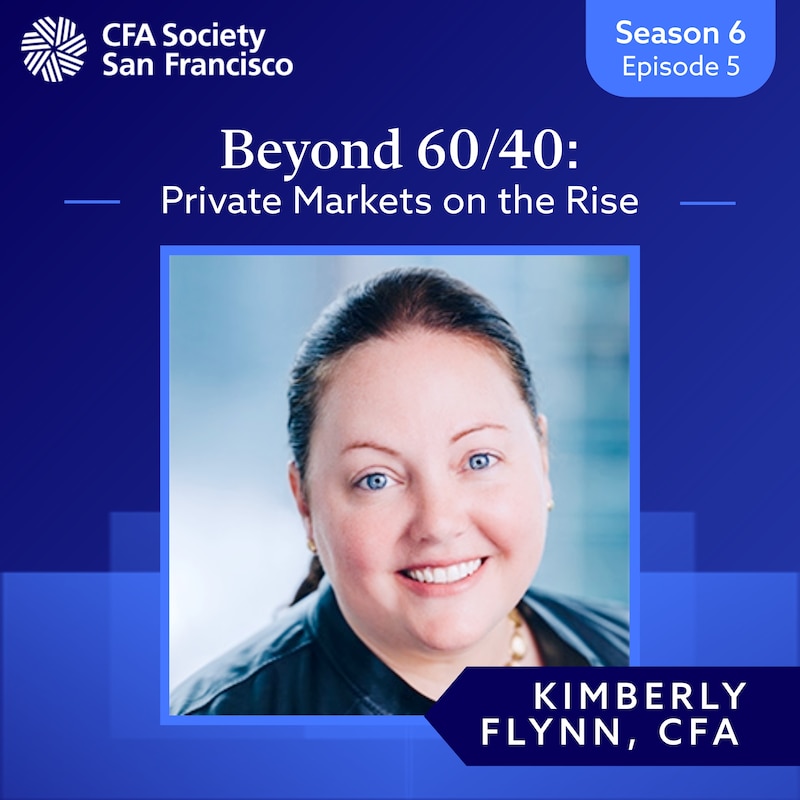
In this episode of Financial Perspectives, host Tanya Suba-Tang sits down with Kimberly Flynn, CFA - founder and president of XA Investments - to discuss the rapidly changing landscape of alternative investments. Following a period of disappointing returns for traditional asset classes, institutional and retail investors alike are seeking diversification and yield in the private markets.
Key topics covered include:
- The Rise of Private Credit: How the disintermediation of banks has created a gap for direct lending and private credit to fill.
- Emerging Opportunities for 2026: Why asset-backed lending, real estate debt, and infrastructure debt are becoming essential for income-oriented investors and retirees.
- Breaking the 60/40 Mold: The catalyst behind the 20–25% growth in the interval fund market and the push to include alternatives in 401(k) plans.
- The "Tangibility" Factor: Why wealth managers are turning to real assets like data facilities and infrastructure to help educate first-time alternative investors.
Whether you’re an institutional investor, advisor, or finance professional, this episode provides a forward-looking perspective on how private markets could transform portfolio construction in the years ahead.
Companies mentioned in this episode:
- XA Investments
- CFA Society San Francisco
Transcripts
Lindsey Helman: Hello and welcome to Financial Perspectives, a CFA Society San
Speaker:Lindsey Helman: Francisco podcast, where we interview and discuss trends
Speaker:Lindsey Helman: with leaders from across the investment and finance industry.
Speaker:Lindsey Helman: This month, our host, Tanya Suba-Tang, Membership Director
Speaker:Lindsey Helman: with CFA Society San Francisco, had the pleasure of speaking
Speaker:Lindsey Helman: with Kimberly Flynn, founder and president of XA investments.
Speaker:Lindsey Helman: Listen in as they discuss how
Speaker:Lindsey Helman: alternatives and private markets
Speaker:Lindsey Helman: are shaping the future of
Speaker:Lindsey Helman: portfolio construction.
Speaker:Tanya Suba-Tang: Hi, Kim. Welcome to Financial Perspectives.
Speaker:Tanya Suba-Tang: How are you today?
Speaker:Kimberly Flynn: Oh, I'm doing well.
Speaker:Kimberly Flynn: Thank you.
Speaker:Tanya Suba-Tang: Thank you so much for joining me on this show.
Speaker:Tanya Suba-Tang: So for all our listeners, Kim is
Speaker:Tanya Suba-Tang: the founder and president for XA
Speaker:Tanya Suba-Tang: Investments.
Speaker:Tanya Suba-Tang: And your firm focuses mainly on alternative investments.
Speaker:Tanya Suba-Tang: Is that correct?
Speaker:Kimberly Flynn: That's right.
Speaker:Kimberly Flynn: We do.
Speaker:Kimberly Flynn: Yeah, we we're about to celebrate our tenth anniversary
Speaker:Kimberly Flynn: and the entire time building on, demand for alternatives.
Speaker:Kimberly Flynn: And I think there's been a huge increase in that demand over
Speaker:Kimberly Flynn: that period of time.
Speaker:Tanya Suba-Tang: That is fantastic, because today
Speaker:Tanya Suba-Tang: I want to talk about all things
Speaker:Tanya Suba-Tang: alternative, but specifically
Speaker:Tanya Suba-Tang: talk about, you know, everything
Speaker:Tanya Suba-Tang: that everybody wants to talk
Speaker:Tanya Suba-Tang: about lately is private markets,
Speaker:Tanya Suba-Tang: right?
Speaker:Tanya Suba-Tang: It's been kind of buzzing around these couple of months.
Speaker:Tanya Suba-Tang: So kind of jumping into it.
Speaker:Tanya Suba-Tang: I am really curious about your
Speaker:Tanya Suba-Tang: perspective on the main
Speaker:Tanya Suba-Tang: geopolitical and economic
Speaker:Tanya Suba-Tang: factors driving institutional
Speaker:Tanya Suba-Tang: investors globally to allocate
Speaker:Tanya Suba-Tang: more capital to alternative
Speaker:Tanya Suba-Tang: assets.
Speaker:Tanya Suba-Tang: And what do you think is behind this trend?
Speaker:Kimberly Flynn: Well, I mean, I think if we all
Speaker:Kimberly Flynn: remember back just three short
Speaker:Kimberly Flynn: years ago, at the end of twenty
Speaker:Kimberly Flynn: twenty two, you know, investors
Speaker:Kimberly Flynn: worldwide were disappointed by
Speaker:Kimberly Flynn: both equity and fixed income
Speaker:Kimberly Flynn: performance.
Speaker:Kimberly Flynn: So neither traditional asset class performed.
Speaker:Kimberly Flynn: And I think in that three year
Speaker:Kimberly Flynn: period since that disappointing
Speaker:Kimberly Flynn: twenty twenty two where, you
Speaker:Kimberly Flynn: know, usually you can count on
Speaker:Kimberly Flynn: one side of the portfolio for
Speaker:Kimberly Flynn: diversification.
Speaker:Kimberly Flynn: in this case, both produced negative returns.
Speaker:Kimberly Flynn: institutional investors have long been diversified into
Speaker:Kimberly Flynn: private market investments.
Speaker:Kimberly Flynn: And, you know, this is going
Speaker:Kimberly Flynn: back, twenty five, thirty years,
Speaker:Kimberly Flynn: at least in terms of they've
Speaker:Kimberly Flynn: had, heavy allocations to
Speaker:Kimberly Flynn: private equity and to real
Speaker:Kimberly Flynn: estate investments.
Speaker:Kimberly Flynn: Part of that has to do with an
Speaker:Kimberly Flynn: institutional investors longer
Speaker:Kimberly Flynn: time horizon.
Speaker:Kimberly Flynn: But if you think about it, individual investors who are
Speaker:Kimberly Flynn: saving for retirement, they also have fairly long time horizons.
Speaker:Kimberly Flynn: You know, call it twenty to
Speaker:Kimberly Flynn: thirty years to save for
Speaker:Kimberly Flynn: retirement.
Speaker:Kimberly Flynn: But I think your question is really about what has changed.
Speaker:Kimberly Flynn: And, definitely capital market expectations, as we were talking
Speaker:Kimberly Flynn: about in terms of what are stocks and bonds going to do for
Speaker:Kimberly Flynn: me in my portfolio?
Speaker:Kimberly Flynn: And I think because of concerns
Speaker:Kimberly Flynn: about potential return
Speaker:Kimberly Flynn: disappointment, investors have
Speaker:Kimberly Flynn: looked to private credit and
Speaker:Kimberly Flynn: they have looked to private
Speaker:Kimberly Flynn: equity.
Speaker:Kimberly Flynn: we see a lot of regulatory
Speaker:Kimberly Flynn: reasons for this shift that's
Speaker:Kimberly Flynn: really occurred over the last
Speaker:Kimberly Flynn: ten years or more because, you
Speaker:Kimberly Flynn: know, everyone has heard, that
Speaker:Kimberly Flynn: companies are staying private
Speaker:Kimberly Flynn: longer, largely due to
Speaker:Kimberly Flynn: regulatory reasons.
Speaker:Kimberly Flynn: You know, there's a lot of burdens on public companies.
Speaker:Kimberly Flynn: And so unicorns have been getting bigger.
Speaker:Kimberly Flynn: And many firms that people want to invest in, they don't have an
Speaker:Kimberly Flynn: opportunity if those companies are still private.
Speaker:Kimberly Flynn: So there's investors, both retail and institutional, that
Speaker:Kimberly Flynn: have been clamoring for access to many of these innovative,
Speaker:Kimberly Flynn: oftentimes technology driven, investment opportunities in the
Speaker:Kimberly Flynn: private equity space.
Speaker:Kimberly Flynn: So if these companies are going
Speaker:Kimberly Flynn: to remain private longer, the
Speaker:Kimberly Flynn: only way to participate in the
Speaker:Kimberly Flynn: early growth, you used to be
Speaker:Kimberly Flynn: able to buy small cap stocks to
Speaker:Kimberly Flynn: participate in that kind of high
Speaker:Kimberly Flynn: growth phase.
Speaker:Kimberly Flynn: But now you need to get exposure to private equity, which is very
Speaker:Kimberly Flynn: challenging for individual investors if you don't meet
Speaker:Kimberly Flynn: suitability requirements, if you don't meet the investment
Speaker:Kimberly Flynn: minimums, or if you don't have access to some of the leading
Speaker:Kimberly Flynn: private equity firms.
Speaker:Kimberly Flynn: the same thing is true in terms of regulatory challenges, which
Speaker:Kimberly Flynn: has led to, basically the disintermediation of banks.
Speaker:Kimberly Flynn: Banks are no longer lending to small and medium US businesses
Speaker:Kimberly Flynn: the way they did ten years ago.
Speaker:Kimberly Flynn: And so to fill that gap, that
Speaker:Kimberly Flynn: has been created, companies
Speaker:Kimberly Flynn: still need to grow their,
Speaker:Kimberly Flynn: businesses.
Speaker:Kimberly Flynn: And so the private credit market
Speaker:Kimberly Flynn: specifically direct lending has
Speaker:Kimberly Flynn: taken the place of those big
Speaker:Kimberly Flynn: banks.
Speaker:Kimberly Flynn: So a lot of reasons why, investors are now participating
Speaker:Kimberly Flynn: in private credit and private equity, because the returns are
Speaker:Kimberly Flynn: attractive, in a way that, the need for capital to grow the
Speaker:Kimberly Flynn: companies, either through equity or debt, has really shifted to
Speaker:Kimberly Flynn: the private market side
Speaker:Tanya Suba-Tang: and talking about, you know,
Speaker:Tanya Suba-Tang: private markets, private credit
Speaker:Tanya Suba-Tang: sector has been quite a boom
Speaker:Tanya Suba-Tang: lately, kind of what you're
Speaker:Tanya Suba-Tang: mentioning.
Speaker:Tanya Suba-Tang: Looking ahead, which area of
Speaker:Tanya Suba-Tang: private markets do you believe
Speaker:Tanya Suba-Tang: will take off the fastest and
Speaker:Tanya Suba-Tang: what makes you optimistic about
Speaker:Tanya Suba-Tang: that?
Speaker:Kimberly Flynn: Well, for much of twenty twenty
Speaker:Kimberly Flynn: four and twenty twenty five, the
Speaker:Kimberly Flynn: focus has been on private
Speaker:Kimberly Flynn: credit.
Speaker:Kimberly Flynn: I think because we were in a
Speaker:Kimberly Flynn: higher interest rate
Speaker:Kimberly Flynn: environment.
Speaker:Kimberly Flynn: The demand for yield, the demand
Speaker:Kimberly Flynn: for income has led a lot of
Speaker:Kimberly Flynn: investors to, not just direct
Speaker:Kimberly Flynn: lending, but structured credit,
Speaker:Kimberly Flynn: multi-strategy credit.
Speaker:Kimberly Flynn: And now, one of the popular categories for investment within
Speaker:Kimberly Flynn: credit is asset backed lending.
Speaker:Kimberly Flynn: And I think this is in response to some of the concerns.
Speaker:Kimberly Flynn: We're starting to see cracks in
Speaker:Kimberly Flynn: corporate credit with some of
Speaker:Kimberly Flynn: the issues we've seen with
Speaker:Kimberly Flynn: Tricolor and First brands this
Speaker:Kimberly Flynn: fall.
Speaker:Kimberly Flynn: So, you know, income oriented
Speaker:Kimberly Flynn: investors are still going to
Speaker:Kimberly Flynn: need income.
Speaker:Kimberly Flynn: So asset backed lending, is a
Speaker:Kimberly Flynn: source of income that is going
Speaker:Kimberly Flynn: to be diversified from corporate
Speaker:Kimberly Flynn: credit.
Speaker:Kimberly Flynn: And that's where we're seeing people turn.
Speaker:Kimberly Flynn: I think for twenty twenty six
Speaker:Kimberly Flynn: we're going to see a lot of
Speaker:Kimberly Flynn: interest again where it's been,
Speaker:Kimberly Flynn: not the case the past few years,
Speaker:Kimberly Flynn: but real estate debt,
Speaker:Kimberly Flynn: infrastructure debt, those are
Speaker:Kimberly Flynn: other options for income
Speaker:Kimberly Flynn: oriented investors who are
Speaker:Kimberly Flynn: looking to diversify sources of
Speaker:Kimberly Flynn: income, especially important for
Speaker:Kimberly Flynn: retirees who count on that
Speaker:Kimberly Flynn: income.
Speaker:Kimberly Flynn: so I think that real estate debt, there's only a few
Speaker:Kimberly Flynn: products available in the marketplace, either in a
Speaker:Kimberly Flynn: Non-traded REIT or in an interval fund wrapper.
Speaker:Kimberly Flynn: So there's still some white
Speaker:Kimberly Flynn: space in that market, for fund
Speaker:Kimberly Flynn: sponsors who are looking to
Speaker:Kimberly Flynn: bring their private market
Speaker:Kimberly Flynn: strategies to market, I think
Speaker:Kimberly Flynn: for, real assets generally,
Speaker:Kimberly Flynn: because of the negative
Speaker:Kimberly Flynn: performance of real estate,
Speaker:Kimberly Flynn: private equity.
Speaker:Kimberly Flynn: It's been a while since we've seen new product formation.
Speaker:Kimberly Flynn: and, you know, financial advisers, wealth managers really
Speaker:Kimberly Flynn: love tangible assets because I think investors can get their
Speaker:Kimberly Flynn: arms around, an office building or, a data facility.
Speaker:Kimberly Flynn: And so I think that with the
Speaker:Kimberly Flynn: tangible nature of
Speaker:Kimberly Flynn: infrastructure as well, it helps
Speaker:Kimberly Flynn: to understand sort of the
Speaker:Kimberly Flynn: investment thesis.
Speaker:Kimberly Flynn: but in something that's tangible, you can tell the story
Speaker:Kimberly Flynn: if you're trying to get somebody interested in alternatives for
Speaker:Kimberly Flynn: the first time.
Speaker:Kimberly Flynn: It helps with that education process.
Speaker:Tanya Suba-Tang: And I'm sure everybody wishes they have a magic eight ball.
Speaker:Tanya Suba-Tang: So I'm going to ask if you had a venture a bold prediction.
Speaker:Tanya Suba-Tang: Where do you see the total value of private markets heading into
Speaker:Tanya Suba-Tang: the next few years?
Speaker:Tanya Suba-Tang: And a follow up with that is,
Speaker:Tanya Suba-Tang: what do you think will be the
Speaker:Tanya Suba-Tang: main catalyst behind that
Speaker:Tanya Suba-Tang: growth?
Speaker:Kimberly Flynn: Well, I mean, you can slice and
Speaker:Kimberly Flynn: dice, the wealth management
Speaker:Kimberly Flynn: market a number of different
Speaker:Kimberly Flynn: ways.
Speaker:Kimberly Flynn: If we just look at money in retirement accounts in the US.
Speaker:Kimberly Flynn: we're talking about a ten to fifteen trillion dollar
Speaker:Kimberly Flynn: investment opportunity because most retirement accounts have
Speaker:Kimberly Flynn: zero exposure to alternatives.
Speaker:Kimberly Flynn: And so, you know, we can all debate whether or not a two
Speaker:Kimberly Flynn: percent, a five percent, a ten percent allocation to
Speaker:Kimberly Flynn: alternatives is appropriate.
Speaker:Kimberly Flynn: But I think, the growth in
Speaker:Kimberly Flynn: alternative investments, the
Speaker:Kimberly Flynn: growth we're seeing today in the
Speaker:Kimberly Flynn: market is about twenty to twenty
Speaker:Kimberly Flynn: five percent.
Speaker:Kimberly Flynn: that's the growth in assets, in
Speaker:Kimberly Flynn: the interval fund market, which
Speaker:Kimberly Flynn: is one way to access
Speaker:Kimberly Flynn: alternatives.
Speaker:Kimberly Flynn: But if you look at McKinsey and Bain Research, it also notes,
Speaker:Kimberly Flynn: high twenty percent plus growth rates for alternative assets.
Speaker:Kimberly Flynn: And a lot of that is looking at
Speaker:Kimberly Flynn: where does, the portfolio, you
Speaker:Kimberly Flynn: know, it's a, shifting of assets
Speaker:Kimberly Flynn: from traditional exposures into
Speaker:Kimberly Flynn: private equity, into private
Speaker:Kimberly Flynn: credit.
Speaker:Kimberly Flynn: and I think it's challenging the
Speaker:Kimberly Flynn: status quo, which is the sixty
Speaker:Kimberly Flynn: forty.
Speaker:Kimberly Flynn: And, you know, I think the
Speaker:Kimberly Flynn: balanced portfolio got thrown
Speaker:Kimberly Flynn: out the window in twenty twenty
Speaker:Kimberly Flynn: two, but it really is opening
Speaker:Kimberly Flynn: the door for a lot of new
Speaker:Kimberly Flynn: investment opportunity and fund
Speaker:Kimberly Flynn: formation.
Speaker:Kimberly Flynn: And the industry right now, is
Speaker:Kimberly Flynn: very focused on both traditional
Speaker:Kimberly Flynn: managers and alternative
Speaker:Kimberly Flynn: managers are trying to move into
Speaker:Kimberly Flynn: this space because of this
Speaker:Kimberly Flynn: massive trillion dollar
Speaker:Kimberly Flynn: opportunity.
Speaker:Kimberly Flynn: So we're going to see a lot of money move, into this space.
Speaker:Kimberly Flynn: And with the recent executive order by Trump, there's a big
Speaker:Kimberly Flynn: industry push also to put alternatives into 401K plans.
Speaker:Kimberly Flynn: there's some regulatory hair on that.
Speaker:Kimberly Flynn: but the Department of Labor has been tasked to look at that.
Speaker:Kimberly Flynn: the SEC is looking at how we can do that because so many
Speaker:Kimberly Flynn: Americans are retiring short of their investment goal, and
Speaker:Kimberly Flynn: there's a gap that exists.
Speaker:Kimberly Flynn: And to the extent that alternatives can help.
Speaker:Kimberly Flynn: now, there's always risks that come with this.
Speaker:Kimberly Flynn: But that's what I think.
Speaker:Kimberly Flynn: industry professionals and, these government officials are
Speaker:Kimberly Flynn: sort of debating right now is what is the role for
Speaker:Kimberly Flynn: alternatives going forward.
Speaker:Kimberly Flynn: And, to the extent that it can be helpful for achieving these
Speaker:Kimberly Flynn: retirement goals, were encouraged by the incorporation
Speaker:Kimberly Flynn: of alternatives into both retail and institutional portfolios.
Speaker:Tanya Suba-Tang: Wow. Well, thank you so much, Kim, for all that insights.
Speaker:Tanya Suba-Tang: I think it's really exciting times that's happening.
Speaker:Tanya Suba-Tang: And as you mentioned, you know, these debates that's happening.
Speaker:Tanya Suba-Tang: I can't wait to see where we land a year from now.
Speaker:Tanya Suba-Tang: So hopefully I'll have you back
Speaker:Tanya Suba-Tang: in and you can give us your, you
Speaker:Tanya Suba-Tang: know, whether you hit it right
Speaker:Tanya Suba-Tang: on the nose on your prediction
Speaker:Tanya Suba-Tang: and what else to expect in the
Speaker:Tanya Suba-Tang: space.
Speaker:Tanya Suba-Tang: So thank you.
Speaker:Kimberly Flynn: Thank you very much.
Speaker:Kimberly Flynn: I'd be happy to be back on and
Speaker:Kimberly Flynn: be in front of fellow CFA
Speaker:Kimberly Flynn: Charterholders.
Speaker:Lindsey Helman: Thank you to this month's guest,
Speaker:Lindsey Helman: Kimberly Flynn, for joining us
Speaker:Lindsey Helman: today and breaking down the
Speaker:Lindsey Helman: latest in alternative and
Speaker:Lindsey Helman: private markets.
Speaker:Lindsey Helman: Join us next time for another
Speaker:Lindsey Helman: Financial Perspectives episode
Speaker:Lindsey Helman: airing on the last Tuesday of
Speaker:Lindsey Helman: the month.


