Shownotes
Episode Description:
In this compelling episode, Wendy Green and her guest, Kerri Lewis, engage in a profound examination of grief, exploring its complexities and the myriad ways it can impact individuals. They articulate that grief is an inherent part of the human experience, transcending age and circumstance, and affecting individuals at different stages of their lives.
The conversation touches upon the isolating effects of grief, as societal discomfort surrounding discussions of loss often leaves mourners feeling unsupported and alone. The speakers underscore the critical importance of fostering environments where individuals can openly share their feelings of sorrow and loss, thereby mitigating the sense of isolation that frequently accompanies grief.
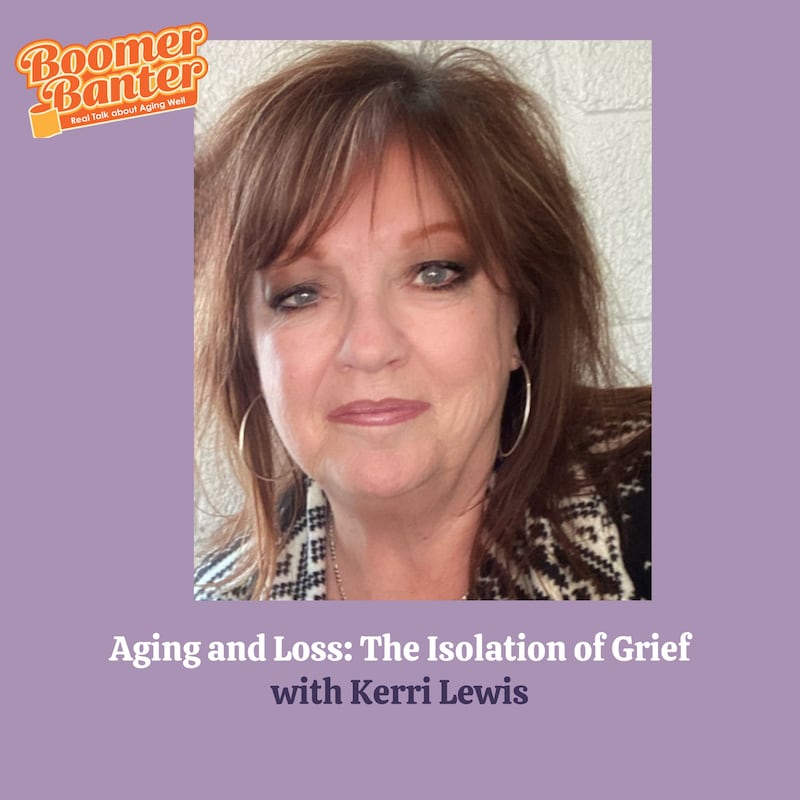
Kerri Lewis is a grief coach with a personal history of loss. She shares her journey of healing and transformation following the death of her husband. Her insights provide listeners with valuable strategies for coping with loss, illustrating that it is possible to find hope and purpose amidst the pain. This episode serves as a reminder that while grief is a challenging journey, it can also lead to personal growth and deeper connections with others.
Takeaways:
- The grieving journey is an inevitable experience that transcends age, affecting everyone at different points in their lives.
- Grief manifests in diverse forms, often leading to feelings of isolation as friends and family may be uncomfortable discussing it.
- Engaging in counseling and support groups can provide essential emotional outlets during the grieving process and foster connections with others.
- Practicing gratitude, even for small aspects of life, can significantly aid in coping with grief and enhancing overall well-being.
- The importance of reaching out for support cannot be overstated, as isolation during grief can exacerbate emotional and physical ailments.
- Mindfulness practices such as meditation and journaling are invaluable tools that assist individuals in navigating their grief more effectively.
Links referenced in this episode:
- To register for the Boomer Banter newsletter: bit.ly/navigateaging
- To reach Kerri Lewis: secondactmastery.com
This podcast uses the following third-party services for analysis:
OP3 - https://op3.dev/privacy
Transcripts
Hello, and welcome to Boomer Banter.
Speaker A:And we have talked about the grieving journey before.
Speaker A:It's not a journey any of us want to be on, but it is a journey that we will all experience at some point in our lives, no matter how young or how old we are.
Speaker A:And children can end up grieving for a lost pet or even a toy or a grandparent.
Speaker A:And as adults, we lose our parents or a sibling or a partner, and we sometimes lose our physical abilities, and we can find that we grieve for that.
Speaker A:Grief comes in many forms, and we all travel through it in our own ways.
Speaker A:What we do know is that grief can tend to isolate us.
Speaker A:We find that our friends or family are uncomfortable with hearing us talk about our.
Speaker A:Our sense of loss.
Speaker A:And so they want us to just get over it.
Speaker A:You know, they don't want to hear about it anymore.
Speaker A:So we tend to shut down and.
Speaker A:And not share those feelings.
Speaker A:And that can result in a sense of isolation.
Speaker A:I know for me, when my dad passed, he was in hospice, and hospice offered counseling and group coaching and things like that.
Speaker A:And that worked well for me because it allowed me a place could talk about my feelings to be with other people that were also feeling, think similar things and offer that love and support that some of my friends and family members maybe weren't comfortable with sharing.
Speaker A:So today we're going to speak with Carrie Lewis.
Speaker A:She is a grief coach who has had her share of grief and who has reinvented herself after the sudden loss of her beloved husband.
Speaker A:There is life after loss.
Speaker A:It is a journey and not a destination.
Speaker A:Welcome to Boomer Banter, the podcast where we have real talk about aging.
Speaker A:Well, my name is Wendy Green and I am your host.
Speaker A:And let me tell you a bit about Carrie.
Speaker A:She is a widow, a mother, a grandmother, and an optimist.
Speaker A:Carrie founded Second Act Mastery following the sudden death of her husband and best friend out of a desire to connect with and bring together others who are grieving.
Speaker A:Carrie studied to be a grief coach after his death.
Speaker A:She also likes to poke around local shops for old furniture and collectibles, work on restoring her historic home, and put her in her garden.
Speaker A:Carrie is a California native transplanted to Southern Utah with her canine companion and sidekick, Lulu, who we hope will behave during this episode.
Speaker A:If you like what we are talking about and you want to learn more about some of the topics that we talk about on Boomer Banter, I encourage you to sign up for the Real Talk About Aging well newsletter.
Speaker A:We publish once a week on Thursdays and Each edition contains nuggets on financial literacy, relationships, purpose or health.
Speaker A:And you can learn from and implement some of the ideas immediately.
Speaker A:So to sign up, go to bitbit ly, slash navigate aging and invite your friends to join us as well.
Speaker A:So I'd like to introduce you all to Carrie.
Speaker A:Hello, Carrie Lewis.
Speaker B:Hello, Wendy.
Speaker B:Good to be with you today.
Speaker A:Well, thank you for being with us today.
Speaker A:I'd like to start with you giving a brief overview of your husband and that relationship.
Speaker B:Oh, I'll be happy to do that.
Speaker B:First of all, this is what would have been his birthday today, his 75th birthday.
Speaker B:And so I'm, I, I find that this particular day is very appropriate to be speaking with you and your audience about loss and grieving.
Speaker B:Bobby was, he was a wonderful human being.
Speaker B:He was a very loving man.
Speaker B:I used to tell him that I fell in love with his big red heart more than anything else because he was kind, he was compassionate, he was funny, he made me laugh all the time.
Speaker B:I can remember in the early stages of our relationship or later in life relationship that my face used to hurt sometimes during the day from laughing.
Speaker B:He was very demonstrative.
Speaker B:So he was very.
Speaker B:We would be maybe standing there talking to a neighbor or something and he would just grab hold of me and spin me around and say, I just love you and put me to the conversation and things like that.
Speaker B:We had a business together.
Speaker B:He was a professional golf instructor.
Speaker B:And he had not.
Speaker B:That had not been his career.
Speaker B:But in later life, it's what he really wanted to do.
Speaker B:So we worked hard to make certain that that happened.
Speaker B:And we had so much fun doing that.
Speaker B:We really did.
Speaker B:And I was just his students and the people that, you know, at the golf courses and so forth, just adored him.
Speaker B:When he passed, I had a memorial service for him, of course, and I was expecting something like 80 people.
Speaker B:It ended up being nearly 300 people.
Speaker B:And there were people that came out of our past because Bobby and I grew up together.
Speaker B:We actually started our lives together at the age of 5 years old in kindergarten.
Speaker B:And we went all through school together until high school or through high school.
Speaker B:We were neighbors.
Speaker B:We had, we shared a lot of the same friends and things like that.
Speaker B:And then we eventually went off and did our own lives in a.
Speaker B:In a separate way.
Speaker B:And then later in life we came back together again, we reconnected again, and we had a 10 year marriage that was absolute.
Speaker B:We.
Speaker B:It was like a dream come true, at least for me.
Speaker B:And I think he felt the same way.
Speaker B:And he was just a Great man.
Speaker B:And so losing him, of course, was.
Speaker B:That was an enormous loss for me.
Speaker A:That was devastating for you.
Speaker A:Yeah.
Speaker A:And as we.
Speaker A:Before we came on Today, you were telling me about having your mother live with you and how difficult that was.
Speaker A:And, you know, I'm wondering if the loss of Bobby and your mother not giving you support, how that impacted your decision to look into grief coaching.
Speaker B:Well, initially, it just added to the burden of my loss.
Speaker B:But I am not someone who really enjoys being.
Speaker B:Being in that space, and I was just.
Speaker B:I didn't really know what to do.
Speaker B:About a year had gone by, my mother and I had reached a point where we were barely speaking to one another.
Speaker B:She was very angry and very bitter, and as was I.
Speaker B:And I think losing Bobby only exacerbated that problem.
Speaker B:So finally I got to a point where, honestly, I just became so tired of being so sad and carrying this huge weight on my shoulders, and my heart was hurting all the time, and I didn't feel like doing anything.
Speaker B:All of the things that we had done in the past or I had done in the past, I just had no interest whatsoever.
Speaker B:Obviously, the business that Bobby and I built together had gone by the wayside because he was the instructor, and without the instructor, there's no golf lessons.
Speaker A:Yeah.
Speaker B:So I decided to seek out some counseling.
Speaker B:And in my heart, I felt like, this is probably not going to work, but I.
Speaker B:I'm gonna start there.
Speaker B:And so I found two ladies.
Speaker B:They were recommended to me, and we talked and they said, you know, they would take me on.
Speaker B:And the first initial visit was really intense.
Speaker B:All the tears and the sorrow and sadness that I had been holding for so long just came flooding out.
Speaker B:And that was actually very cathartic because I realized that I had been holding all of that.
Speaker B:And once I was able to release it to someone I trusted, who wasn't trying to tell me what to do or how to handle things, just listened.
Speaker B:It made a big difference.
Speaker B:So I took on.
Speaker B:I started the counseling sessions with them, and some weeks into it, I began to have.
Speaker B:I had this little spark inside of me, and I thought, you know, I think I could help others myself doing this.
Speaker B:I don't know how to go about that, but I'd like to find out.
Speaker B:I'd like to learn, because I really would like to help others.
Speaker B:I think that because of my own experiences, I would be good at that, and I think I would really enjoy doing that.
Speaker B:And so that's what I did.
Speaker B:I pursued that.
Speaker B:And when I started, I wasn't entirely sure that you know, dealing with people who had lost loved ones or been through divorces or retirement jobs, whatever it is, whatever they've lost.
Speaker B:I wasn't certain that that was exactly what I was going to do, but I found pretty quickly that I really enjoyed it.
Speaker B:As painful as it can sometimes be, when you're speaking with a client who's lost, say, an adult child or they've lost their husband or their wife or whatever, it's difficult.
Speaker B:At the same time, at the end of those sessions, when the client looks at me and gives me a hug and says, you have made so much, such a difference in the way I feel, that is.
Speaker B:It's almost like taking a drug.
Speaker B:If there's a certain high that comes with that, that feels wonderful that you know that I've helped someone.
Speaker A:Yeah.
Speaker A:And as I said in the beginning, one of the things that's so difficult for people who are grieving is that nobody really wants to hear about it.
Speaker A:Right.
Speaker B:And so they don't.
Speaker B:Well, and you know, in fairness, it's because our culture, our society does not teach people how to react to the loss of, you know, some kind of a loss, whatever it might be.
Speaker B:And they just don't know.
Speaker B:They mean well.
Speaker B:I.
Speaker B:I knew that.
Speaker B:I mean, I obviously, I had lots of friends who were very kind to me and had kind.
Speaker B:What they felt were kind words and they were irritating to me.
Speaker B:But I also recognized that they just didn't know what to say.
Speaker B:They don't know how to talk.
Speaker B:They don't know how to say, talk.
Speaker B:Tell me about your husband.
Speaker B:Tell me about how you're feeling.
Speaker B:They don't know how to do that.
Speaker B:So I have tried to incorporate that in my practice because I think it's critically important.
Speaker B:There's.
Speaker B:People want to help someone that they care about when they're grieving, but they just don't know how.
Speaker B:They don't know what to say.
Speaker B:Yeah.
Speaker A:And I think part of it is, you know, it's the people you talk to, your friends, your relatives, they love you and they don't like seeing you in pain.
Speaker A:Right.
Speaker A:So they're trying to fix that.
Speaker A:When.
Speaker A:Whereas what you really need is just listen.
Speaker A:Don't fix things, listen.
Speaker B:I agree, Wendy.
Speaker B:That's the most important thing, is just being there for someone to hear and to sincerely listen.
Speaker B:Not dole out advice.
Speaker B:Try to put the shoulds completely behind you.
Speaker B:Because people don't.
Speaker B:They don't want to hear that.
Speaker B:It's not helpful at all.
Speaker B:All they want to do is just vent or talk about the person they care about, and that goes on.
Speaker B:My husband's been gone nearly eight years, and I'm still doing that.
Speaker B:I talk about him all the time.
Speaker B:I don't want people to forget about him.
Speaker B:I don't want to forget about him.
Speaker B:And so he is in the conversation on a regular basis.
Speaker B:Like I mentioned at the beginning of this conversation, he's.
Speaker B:This is his.
Speaker B:Would have been his birthday today, and I will be celebrating that.
Speaker B:I'll have a nice glass of wine this evening and I'll make a nice dinner and I'll talk with him.
Speaker B:I'll wish him a happy birthday.
Speaker A:Well, hopefully everybody who's listening today will wish him a happy birthday as well.
Speaker B:I hope so.
Speaker B:He's.
Speaker B:It was somebody that was definitely worth not forgetting.
Speaker B:I don't think that anybody.
Speaker B:Anybody that actually knew him would forget him anyway, because he just was.
Speaker B:He was that kind of a person.
Speaker B:He just had a big personality and big life.
Speaker A:Yeah.
Speaker A:Well, that's.
Speaker A:So let's talk about some of the emotions that people who are dealing with grief experience and how you handle it.
Speaker A:So I know one thing that I've heard people talk about is the guilt, you know, especially when it's either a lingering illness and they can't help them get better, or it's sudden and you're like, oh, man, I should have been there.
Speaker A:I should have known.
Speaker A:Whatever.
Speaker A:How do you help people get through some of that guilt again?
Speaker B:By allowing them to talk about it and share what they're feeling guilty about and helping them understand that the loss of their loved one is not their fault.
Speaker B:You know, that's very important to know that and just let them talk it out and help them understand that they're.
Speaker B:Is probably not a reason to feel guilty.
Speaker B:If you feel.
Speaker B:I.
Speaker B:I know one of my first clients was a woman who.
Speaker B:She did lose her adult child and she had.
Speaker B:She was carrying on this massive guilt because she hadn't.
Speaker B:Her daughter had invited her to come visit her a few months earlier, and her daughter was living in England and she is here in Cedar, and she was working and she couldn't go, but she was feeling this tremendous guilt.
Speaker B:So we talked a lot about that as to why she was feeling that way and helped.
Speaker B:I tried to help her understand that there was.
Speaker B:The guilt was misplaced.
Speaker B:There was no need for it.
Speaker B:There was no way that anyone could have known what was going to happen.
Speaker B:And, you know, it's just something that the individual has to work through and realize that it's.
Speaker B:The person that passed is not mad at you, they're not upset with you or anything like that.
Speaker B:It's just, it's just a part of losing someone.
Speaker A:Yeah, it's a hard one to let go of when you're feeling that it is.
Speaker B:It's very, very difficult.
Speaker B:And you know, I, I think that's oddly enough, even though I had Bob, no Bobby, nor I had any idea that he was going to pass the way he did, but it was something that we were aware of and we never let a day go by without telling one another we loved each other.
Speaker B:And when we went to bed at night, we tried to, if there was any rough spots between us or arguments, whatever it might be, we tried to resolve those before going to sleep at night, just always knowing that it could happen.
Speaker B:But if, even if it, even if you don't do that, you don't live that way.
Speaker B:Again, just working through that guilt and trying to understand that it is part of the grieving process, but you can work through it and it's probably not necessary.
Speaker A:So what are some of the other emotions that you hear your clients talk about?
Speaker B:Anxiety and fear are two of the big ones, particularly fear when there is, in my case, like I said, we had a business together and when he, he died, that was the end of that business.
Speaker B:And so financially I wasn't sure what was going to happen and I was fearful, I was fearful about a lot of things.
Speaker B:How was I going to go on with my life?
Speaker B:In the early stages of my grief, I, I didn't want to live.
Speaker B:I wasn't really suicidal, I don't feel, but I just didn't want to live anymore.
Speaker B:I was like, well, I want to be with him, I don't want to be here.
Speaker B:So there was a lot of fear in my case again, because my mother was living with me.
Speaker B:I wasn't sure how I was going to handle all that.
Speaker B:And there's the anxiety that goes with that.
Speaker B:It's just a really tough thing and until you start working through it, you really don't know what you're going to do.
Speaker B:I don't think most people have a big master plan and under the circumstances, so.
Speaker A:Yeah.
Speaker A:So do you typically meet with people one on one?
Speaker A:Do you do groups?
Speaker A:What works best, do you think?
Speaker B:I started off purely doing one on one sessions and then I found that I really would, you know, want to help a number of people, a lot of people, and doing one on ones is difficult.
Speaker B:I still do them, but I have switched to, to doing small groups and I find them to be considerably more effective.
Speaker B:And more fun.
Speaker B:And it's not quite so intimidating as sitting down and talking one on one with someone that maybe you don't know or you know, you don't know what you're going to say or so forth.
Speaker B:So I like the groups, like I said, I keep them small.
Speaker B:I usually between four to six people because that's the.
Speaker B:Makes it a lot more manageable.
Speaker B:Everybody gets a chance to say whatever they want to say and talk about what they want to talk about.
Speaker B:And so that's what I do.
Speaker B:And then I'm also planning to do a.
Speaker B:An online private community which will be a membership based community and it'll have a forum and I'll do a monthly session with everybody that wants to join.
Speaker B:And I feel like it's so important that people connect with others who are going through the same things they're going through because the fe.
Speaker B:The feeling of being completely alone is another big problem with people who are grieving and they're really not, but they don't know that.
Speaker B:And maybe if they have a family who is not necessarily, necessarily sympathetic or supportive of what they're going through, then they, yes, they are alone and they need to connect with others if they can and will.
Speaker B:And so I'm going, I'm developing that right now.
Speaker B:I'll offer some courses, some, you know, different kinds of worksheets, tools, techniques, all of those things to the group.
Speaker B:And it'll be a small monthly fee and see how that goes.
Speaker A:Yeah, and I like the idea of a group and I also done group coaching and I find that sometimes the group, you know, they, the way they gel, they tend to help and support each other.
Speaker A:So, you know, you may be coming into it thinking you're the only one that's feeling this way.
Speaker A:And when you find that you're not, it kind of takes some of that tension, that anxiety off that you talked about.
Speaker B:It does.
Speaker B:And it helps them realize that they are not alone, that there are others who are probably going through much the same thing.
Speaker B:They are.
Speaker B:And they might be at a different stage, you know, early on.
Speaker B:In grief, it's more about mourning than anything else.
Speaker B:But even as I said earlier, like in my case where my husband's been gone nearly eight years and I still have carry grief, it will be with me forever.
Speaker B:And that's the case with everyone who loses someone they care about.
Speaker A:And it doesn't, it doesn't control your life like it did in the beginning.
Speaker B:It does not.
Speaker B:It, it comes and goes.
Speaker B:I have most days where I feel okay, I Feel good, and then I have days that I don't feel so good or I have periods.
Speaker B:We just came through the holidays, Thanksgiving and Christmas.
Speaker B:For whatever reason, this particular year was a really tough year for me.
Speaker B:I didn't feel like celebrating Christmas.
Speaker B:I didn't feel I.
Speaker B:I was really missing Bobby for some reason.
Speaker B:I have no explanation for that, except to say that all you can do is allow it to flow through you.
Speaker B:It will pass, and you can move on with whatever you're doing, you know, whatever you.
Speaker B:Whatever in your life that's going on.
Speaker B:It's just important to allow that to happen.
Speaker B:Most of the time now, I feel pretty good.
Speaker B:And one of the things that has helped me a lot, and I encourage others to think of it this way, is try to imagine having a conversation with the person that's passed and ask them, what.
Speaker B:What would you like me to be doing?
Speaker B:And you.
Speaker B:You know the answer to that before you ever even ask that question.
Speaker B:But it helps to imagine that person saying to you, well, I want you to be happy, or I want you to do this or that or the other thing.
Speaker B:I've done that with Bobby, and I.
Speaker B:I know that I want to please him.
Speaker B:I mean, I still want to please him.
Speaker B:So I am going to do whatever I have to do to make my life the best it possibly can be.
Speaker B:And I feel like he's.
Speaker B:If.
Speaker B:If he is, in fact watching, which I think he is, I feel like he's proud of me.
Speaker B:He's saying, yeah, that's.
Speaker B:That's what I want you to do.
Speaker B:And I encourage others to do the same because it's very helpful.
Speaker A:Yeah, I like that.
Speaker A:I feel like he's proud of you, you know, And.
Speaker A:And when we talked.
Speaker A:That was probably a couple of months ago when we first talked, and you said something about the mindset of gratitude and.
Speaker A:Which almost seems like.
Speaker A:Like, how can you be grateful while you're going through this grieving process?
Speaker A:So tell me about that.
Speaker B:It's a strange thing, but the.
Speaker B:If you can muster up the gratitude for whatever it is, it is.
Speaker B:It is enormously helpful.
Speaker B:And I.
Speaker B:I'm not exactly sure why that is.
Speaker B:I just know that it is.
Speaker B:I.
Speaker B:I can remember very shortly after Bobby died, I had a tremendous amount of gratitude for the fact that, one.
Speaker B:I was with him until he took his last breath, that I had had a life with him.
Speaker B:I actually had a full lifetime with him.
Speaker B:We reconnected later and married.
Speaker B:And I was very grateful for that.
Speaker B:Even though it was only 10 years before he died.
Speaker B:It was a wonderful 10 years.
Speaker B:And I'm so grateful to have that.
Speaker B:I have.
Speaker B:I can carry those memories in my heart and in my mind until the end of my time.
Speaker B:And it helps to make me feel like he's closer.
Speaker B:So I encourage others to do that.
Speaker B:This is where journaling is a really effective tool.
Speaker B:I use this a lot or encourage people to use it a lot in the practice.
Speaker B:In my practice.
Speaker B:And that is that.
Speaker B:Write down the things that you're grateful for and what begins to happen.
Speaker B:You start off with one or two things, and then you.
Speaker B:But it puts you in that Right.
Speaker B:Mindset.
Speaker B:You start thinking about that, and it could be really small things like, oh, I just love the way my bed feels at night when I crawl in my bed.
Speaker A:Exactly.
Speaker B:Get in the shower in the morning and you feel that nice, clean hot water hit your body.
Speaker B:It feels great.
Speaker A:Yes.
Speaker B:You know, even simple things like that can change the way you think overall about everything.
Speaker A:Yeah.
Speaker B:And I think it's really, really important.
Speaker A:Oh, I agree.
Speaker A:I think gratitude is so powerful.
Speaker A:So.
Speaker B:Yeah, it really is.
Speaker B:Power, Gratitude and appreciation.
Speaker B:I mean, there's.
Speaker B:We really do have a lot to be appreciative of and grateful for, and it's important that we remember that every single day.
Speaker B:And pretty soon, it becomes more of a habit.
Speaker B:You.
Speaker B:You just kind of automatically think that way.
Speaker B:It can.
Speaker B:It can literally pull you out of a dark place.
Speaker B:Sometimes in the mornings, you know, I'll wake up and I just feel this heavy darkness.
Speaker B:And I walk in here in the kitchen, and I think, oh, you know, look at that beautiful view I have out my kitchen window.
Speaker B:And then I start thinking that way and I.
Speaker B:I just start feeling better right away.
Speaker A:Yeah.
Speaker A:Grateful for my morning cup of coffee.
Speaker A:Those kinds of things.
Speaker A:Right.
Speaker A:I know.
Speaker A:It's the simple things.
Speaker B:It is simple things, especially.
Speaker B:Very meaningful.
Speaker A:And especially with all the craziness going on in the world today.
Speaker A:You know, you got to find those little things to be grateful for.
Speaker B:There's actually a lot more than.
Speaker B:Than you realize when you start thinking that way and that.
Speaker B:That's along those lines.
Speaker B:I really encourage anyone to stay away from the news, if you can.
Speaker B:It's very addictive.
Speaker B:It's very easy to get caught up in it.
Speaker B:It's everywhere.
Speaker B:Facebook, Instagram, it's everywhere.
Speaker B:But I encourage people to stay away from it because.
Speaker A:Because it'll bring a grief, too.
Speaker B:It brings you a lot of grief, and it gets you angry, puts you in a place in a.
Speaker B:In a negative space, and that's where you want to Stay away from all of that.
Speaker B:There's nothing you can do about what's going on other than just get involved in the conversation, but it's not going to be helpful.
Speaker B:So stay away, stay away from movies, you know, being very careful in what you consume, even in movies and things like that.
Speaker A:Yeah.
Speaker A:And so that's an interesting segue to what I want to talk about next because it's true.
Speaker A:Grief is not just about the loss of a person.
Speaker A:It could be the loss of control when we look at, talk about the news.
Speaker A:It could also be about the loss of some of our physical ability as we get older, you know, the loss of mobility or hearing or eyesight.
Speaker A:And, and it can create a lot of grief.
Speaker A:And so I'm wondering what you would encourage people how, how they can shift their mindset about some of our physical losses.
Speaker B:That obviously is a little tougher.
Speaker B:But I, you know, it starts with again, simple things like being, getting your body moving every day, even if you are maybe in pain or you're having a difficulty moving, just getting out in your yard if you have one, or if you're living in an apartment or something like that, get outside.
Speaker B:There's, I know there's always green spaces around places like that.
Speaker B:Just get outside and enjoy some fresh air and you know, move around your house.
Speaker B:You can walk around your home if you have stairs, go up and down your stairs time or two during the day so that you're, you're moving your body.
Speaker B:That's very important, you know, and I.
Speaker A:Think gratitude there too, right?
Speaker B:Like, yes, exactly.
Speaker B:I mean, no matter how bad things might be there, they could always be worse.
Speaker B:And if you can think of.
Speaker B:Not necessarily, oh well, I, I'm doing better than the next person.
Speaker B:But just think about the, again, the things that are, you can do, but you still can do, you still can do.
Speaker B:And you know, it helps to build your stamina.
Speaker B:It's very good for your, for your brain, keeps your, your mind active and so forth.
Speaker B:And if you get tired after a little bit of that, that's okay.
Speaker B:You just, at least you're able to do it.
Speaker B:And so I think that's very important.
Speaker B:Another thing I think is really important is just doing simple things.
Speaker B:Like if you, if you meditate, do even a brief 10 minute meditation during the day is very helpful.
Speaker B:Or if it's not meditation, how about prayer?
Speaker B:You know, those things are, they're very positive things and they make you feel better, they help you feel better, they help you live in the moment instead of projecting into the future and worrying about what's going to happen next, or living in the past and dwelling on whatever has happened to you, whatever it might be.
Speaker B:And so you.
Speaker B:These are things, I think, that are.
Speaker B:They're valuable and they're important and they help.
Speaker B:Yeah.
Speaker A:And I think it's.
Speaker A:I think it's finding those things, you know.
Speaker A:So, like, we talk about our cup of coffee in the morning.
Speaker A:Well, what if you make it a ritual?
Speaker A:You know, you set out a nice cup and maybe a little cookie, and you just make it special because you're worth it.
Speaker A:Right.
Speaker A:And so I think that that's a mindset thing, too.
Speaker B:It is mindset, Wendy, and it's very, very important.
Speaker B:In fact, that's funny that you talk about a ritual, because I have.
Speaker B:I used to have my coffee and not think much about.
Speaker B:Bobby used to bring me my coffee every morning.
Speaker B:It was wonderful and all of that, but now I have turned it into just that.
Speaker B:It's a ritual.
Speaker B:I grind my own coffee beans and I prepare a cup of coffee.
Speaker B:I only prepare one, but I grind my own beans, make a cup of coffee, put a little cinnamon in there and maybe some whipped cream or something like that.
Speaker B:And I sit down and I, you know, I might.
Speaker B:That might be the time that I look at my email or something like that.
Speaker B:But I try to stay within the realm of positive things.
Speaker B:Not something that's going to upset me or anything like that.
Speaker B:So, yeah, it might be just sitting down to watch a YouTube.
Speaker B:I love to watch YouTube videos.
Speaker B:There's many, many of them out there.
Speaker B:Podcasts like yours and others.
Speaker B:They're very beneficial and they're entertaining and they're.
Speaker B:They bring a lot of good information that we need and it puts us in a positive mindset.
Speaker B:So, yes, all of those things.
Speaker B:And the same thing with meals at night.
Speaker A:Exactly.
Speaker A:Treat yourself.
Speaker B:Treat yourself to a nice meal.
Speaker B:Cook yourself a nice dinner.
Speaker B:Doesn't have to be anything elaborate.
Speaker B:It might simply be a piece of steak and a salad.
Speaker B:Or it might just, you know, whatever it is, turn it into something that's delightful.
Speaker B:Light some candles.
Speaker B:Put the candles on your table and light them.
Speaker B:Dim the lights in the room.
Speaker B:You know, just enjoy the meal.
Speaker B:Savor it instead of.
Speaker B:Right.
Speaker B:Slowly.
Speaker B:I don't like eating by myself.
Speaker B:You know, again, it's a thing.
Speaker A:Right.
Speaker A:Or, you know, or my back hurts or like, you know, my hearing's not.
Speaker A:So whatever.
Speaker A:If you say, well, I'm still worth being treated special, you know, I'm going to make this a special time for me, that's Kind of nice.
Speaker A:Yeah.
Speaker A:Wrap yourself in your favorite blanket when you read whatever it is.
Speaker B:Well, and the other side of that is when your friends or your loved ones see you behaving that way, it encourages them to be around you more.
Speaker B:They want to, you know, they admire what you're doing.
Speaker B:And.
Speaker B:And that.
Speaker B:That feels good.
Speaker B:That feels really good to have that as well.
Speaker B:So, yeah, I.
Speaker B:I think it's.
Speaker B:It's important to do for a variety of reasons.
Speaker A:Yeah, I like that.
Speaker A:So you and I are both coaches, and as a coach, we always are trying to find the growth opportunities from the challenges that life gives us.
Speaker A:But no one wants to journey through grief.
Speaker A:You know, that's not the challenge you asked for.
Speaker A:But I wonder what you've learned about yourself in your journey of healing from this very sad loss.
Speaker B:I've learned that I.
Speaker B:I actually feel like I have become a better version of the person I was.
Speaker B:I liked a person I was before, but I was slammed with this terrible event, and I had to figure out how to live my life after losing my husband.
Speaker B:And so I.
Speaker B:You know, as you mentioned, I enrolled in a course, a certification course, and took that on.
Speaker B:I have just, you know, I learned how to meditate and journal and all of the things that I'm talking about today day.
Speaker B:I do all of those things.
Speaker B:Those are all practices that I've taken on in my life.
Speaker B:I've learned that when you go through something like grief from the loss of someone or.
Speaker B:Or it could, like I said, it could be a divorce, it could be a job, retirement, loss of a pet, anything like that, it helps you grow.
Speaker B:It helps you look at your life and in a different way than you did before.
Speaker B:It makes you appreciate the things that you have, makes you feel more grateful for the things you have and that all of those things help you grow.
Speaker B:They help you become a different person, but you're the same.
Speaker B:But you're better.
Speaker B:You're just a better version of you.
Speaker B:And as far as my practice goes, I find that talking with people, I absolutely love doing that, because, once again, I know that it's helping them.
Speaker B:I was where they might be now, where, you know, they're suffering.
Speaker B:It might be the early stages of their loss, and they're suffering terribly, and I can help them, and that makes me feel better.
Speaker B:And they do get help when they speak with me.
Speaker B:The hardest part of bringing people in is.
Speaker B:Is convincing them that that's what they need to do.
Speaker B:Speaking with someone and seeking the support they need is vitally important.
Speaker A:Well, and And I'm, I was curious about that.
Speaker A:Like you in your practice, as you've explained you, you acknowledge the feelings that they have, you don't make them wrong for having those feelings.
Speaker A:And then you're trying to show them a path, I guess, to finding purpose or joy or some other way of looking at life.
Speaker A:How do you find the balance in that?
Speaker B:It's not easy.
Speaker B:It really is.
Speaker B:And it depends a lot on the person, of course.
Speaker B:But I try, before I ever take on the client, I talk with them and I try.
Speaker B:We have a conversation and I try to determine whether they're of the mindset to even work with me, if they're completely resistant to the idea of talking with anybody, if they are of the mindset.
Speaker B:And this is particularly true of women and other people in our age group where they just want to buck up, they want to, you know, be tough and just grind through it.
Speaker B:It's one of the worst things they could actually do.
Speaker B:They're not going to get better.
Speaker B:They're not going to feel any better a year from now, two years from now, whatever it might be, because they, they have all these emotions that are stored up inside of them.
Speaker B:And it can lead to not only isolation, but it can lead to a deep depression and physical ailments.
Speaker B:And as a matter of fact, along those lines, I just had a client yesterday and she was talking about she lost her husband about the same time I did.
Speaker B:And she was telling me that when she, the first few years she didn't want to live anymore and so she just isolated herself.
Speaker B:And now what has happened is she's become sick, she's got some serious ailments that she's having to deal with and she believes, and as I do, that she brought those on herself because she just would not reach out for support.
Speaker B:Now that she's doing that, she is feeling better and she will get better, I believe, and her life will improve.
Speaker B:And while she'll always carry that grief with her, it takes on different forms and it has different intensities as time goes on.
Speaker A:Yeah.
Speaker A:Well, there certainly is scientific evidence that shows how stress can be so damaging to our, to our physical well being.
Speaker B:Yes.
Speaker A:So before I let you go, do you have two or three suggestions for people that are in an a stage of grief for whatever reason, Right.
Speaker A:About how to try and lessen some of the pain?
Speaker A:Is that even, is that even the way to say it?
Speaker A:I don't even know if that's the right way to say it.
Speaker B:Well, I don't know that lessening the pain is really the goal.
Speaker B:But what you do want to do is move forward and try to heal.
Speaker B:And there.
Speaker B:Depending on where you are in the grief process, if you're, for example, in the early stages of grief, I've written a very simple but effective guide for people, giving them steps on what they can do, which includes simple things like, you know, get out of bed in the morning, take a shower, go outside and walk around and things like that.
Speaker B:So that's available.
Speaker B:It's a free guide that I have put out to anyone that is interested in it.
Speaker B:Then get it on my website, which is second act mastery.
Speaker B:And then there's a link for the free.
Speaker B:It says free guide right up at the top of the the.
Speaker B:So it's easy to find.
Speaker B:And so I would encourage people to download that.
Speaker B:It's a download and read it and follow some of the steps because it will help you.
Speaker B:I know for me it was this.
Speaker B:This is where it came from, actually is the things that I did in the early stages after I lost Bobby, just getting up in the morning and things like that.
Speaker B:So I encourage people to do that again.
Speaker B:We talked about the practice of, you know, journaling and writing down the things that you're grateful for.
Speaker B:If you don't want to do that, then just put it in your mind to say it out loud while you're having your coffee in the morning.
Speaker B:I'm grateful for this wonderful cup of coffee.
Speaker B:I'm wonderful that I have a roof over my head, that I have, you know, a life that at least I'm living.
Speaker B:I woke up this morning, I'm breathing, I'm walking around, things like that.
Speaker B:Meditation is another one.
Speaker B:Or prayer, if that's what your preference is.
Speaker B:But just having some very simple method that helps you to be in the moment, be in the now, if you will.
Speaker B:It helps because again, nothing bad is happening in the now.
Speaker B:It's.
Speaker B:Try not to worry about what's going to happen in the future when you're doing that.
Speaker B:Those can come later.
Speaker B:And listening to nice music is another thing.
Speaker B:It's a wonderful thing too.
Speaker A:It's wonderful.
Speaker B:Yeah, it really can be.
Speaker B:And it doesn't make any difference what kind of music is.
Speaker B:Whatever you prefer.
Speaker B:I'm of the age where rock and roll is what I grew up on.
Speaker B:And I still like that, that and I still listen to that.
Speaker B:And it makes me feel good Sometimes it might be more meditative.
Speaker B:It might be some blues or jet.
Speaker B:Whatever it is, whatever makes you feel good.
Speaker B:And you'll know that immediately.
Speaker B:And it can help heal.
Speaker B:And at least in the moment, absolutely.
Speaker B:Don't isolate yourself.
Speaker B:That's one of the absolute worst things you can do, even though that's what you feel like doing.
Speaker B:You don't want to talk to anybody, but it's important that you allow people in, let them help you if they're willing to do so.
Speaker B:And if you don't have anybody like that, then seek out professional help.
Speaker B:Like people like you and I who are coaches and we're trained to do this.
Speaker B:And in my case, certainly I've been through it.
Speaker B:I know exactly how those people feel and I want to help you.
Speaker A:Yeah.
Speaker A:And we appreciate how open you were about sharing your story and what you're trying to do.
Speaker A:You can find Carrie@second act mastery.com and as she said, that's where you can download the guide for helpful things that you can do to start moving forward again.
Speaker A:So Carrie, this.
Speaker A:Go ahead.
Speaker B:One other thing if I could mention it.
Speaker B:I do have a, a group starting up tomorrow and it's going not too late to sign up if you're interested.
Speaker B:And again, that's posted right on the front page of my website.
Speaker B:It's, it's, it's online zoom meeting and all the information is there on the website.
Speaker B:So if that's of interest to you, if tomorrow is a little too soon for you.
Speaker B:I run these groups often, so they're, I have new ones coming up all the time.
Speaker A:So it's a grief support group.
Speaker B:It's a grief support group.
Speaker B:I call it heal your heart.
Speaker B:And.
Speaker B:And that's exactly what it's for.
Speaker A:Yeah.
Speaker A:Beautiful.
Speaker A:As part of the stuff that I do, I am in collaboration with fellow podcasters who have shows designed for people in our age group.
Speaker A:And so this month I want to introduce my listeners to a podcast called Fading Memories.
Speaker A:PO Podcast in Fading Memories, Jennifer Fink, who is the host, she offers valuable insights for effective caregiving techniques and self care strategies.
Speaker A:She discusses brain health recommendations and some of the challenges of being a caregiver of a loved one with dementia.
Speaker A:So check out Fading Memories podcast for practical advice and compassionate support through your caregiving journey wherever you listen to podcasts.
Speaker A:And next week we are talking with a wonderful woman named Jessica Smith.
Speaker A:And Jessica and I will explore the deeply personal and transformative journey of caregiving for a parent who is no longer the same person you grew up with.
Speaker A:Join me as I talk with Jessica about how her relationship with her mother, who is living with advanced Alzheimer's and Lewy body dementia, has shaped her own outlook.
Speaker A:On self awareness, resilience and accepting help.
Speaker A:It's sure to be a powerful conversation.
Speaker A:Jessica explains things very well, so you won't want to miss that.
Speaker A:So thank you so much, Carrie, and thank you.
Speaker B:I really appreciate the time and the opportunity to speak with your audience, Wendy, and speak with you.
Speaker B:And this has been a wonderful experience for me.
Speaker A:Thank you.
Speaker A:And thank you all for joining us and sharing your time with Boomer Banter.
Speaker A:I will see you in next week.



