Shownotes
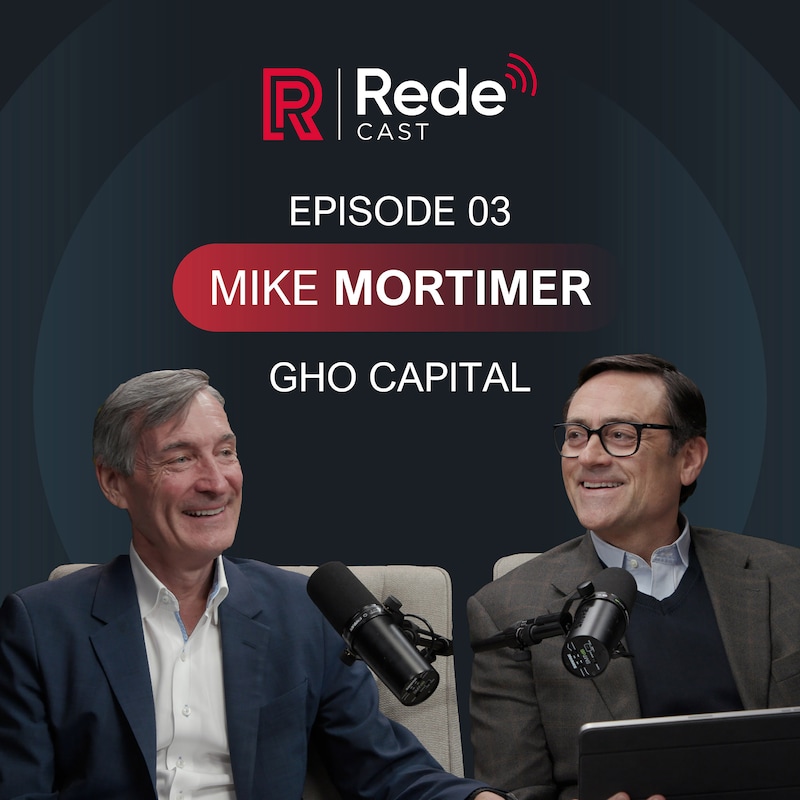
Mike Mortimer is Co-Founder and Managing Partner of GHO Capital, Europe's leading specialist investor in healthcare. Founded in 2014 with partners Alan MacKay and Andrea Ponti, GHO has grown from a first time fund of €660 million to a fourth fund of €2.5 billion, with €9 billion in AUM and a team of 75+ professionals spanning biopharma, medtech, health tech and life science tools. Scott and Mike go back to GHO's debut fundraise, making this a particularly candid conversation about what it really takes to build a specialist firm that endures.
In this episode, Mike traces the founding vision behind GHO, built on the conviction that healthcare was a global endeavour being served by firms thinking locally. We explore how GHO navigated a global pandemic, the current wave of regulatory and geopolitical uncertainty, and why Mike believes sustained profitable growth is the only strategy that holds up regardless of what the market throws at you. Mike also shares a remarkably honest take on people decisions, succession planning and what he would tell his fund one self today.
Key themes from this conversation:
- Why GHO saw a global opportunity others were missing in 2014
- How the pandemic tested and ultimately validated their investment philosophy
- The role of technical expertise and deep networks in winning founder trust
- Building a we culture not a me culture across 18 nationalities
- Why GHO deliberately stays in the mid market and sells to the big guys rather than competing with them
- Succession planning done right, transparency with LPs and building a firm that outlives its founders
- The people decision Mike wishes he had made faster
RedeCast Legal Disclaimer
The information discussed in this podcast is for general information purposes only and does not constitute financial advice, investment recommendation, invitation or inducement to engage in investment activity or an offer to buy or sell any financial product. The views expressed are those of the speakers as at the time of the recording and do not necessarily reflect those of Rede Partners or the firm employing the guest speaker (Guest) or any of their respective affiliates. The information discussed, including any forward-looking statements, should not be relied upon for any purpose and listeners should seek independent professional advice before making any investment decisions. References to specific companies or products are for illustrative purposes only and do not constitute an endorsement or recommendation. None of the content should be copied, distributed or reproduced.
Past performance, where indicated, is not a guarantee or reliable indicator of future results. Any references to past performance, track records, or investment returns are for illustrative purposes only. Actual results may differ materially from any projections, estimates, or implied performance discussed.
Rede Partners is engaged by its clients to market their funds and the firm employing the Guest and/or its affiliates is or has been a client of Rede. In the U.S. Rede Partners operates through its wholly owned subsidiary, Rede Partners Americas LLC, which is a registered broker-dealer with the Securities and Exchange Commission and a member of the Financial Industry Regulatory Authority, Inc. Rede is not a current advisory client or fund investor of its client funds, although its partners and employees themselves invest in client funds via a pooled vehicle established for such purpose which may have negotiated beneficial economic terms in connection therewith (e.g., reduced or no management fees and/or carried interest). For providing its services, Rede is entitled to cash compensation paid by the client rather than the client fund. Rede has a significant economic incentive to solicit investors to commit capital to their clients’ funds, resulting in a material conflict of interest on its part.
No compensation has been received by Rede Partners in connection with the Guest’s participation in this recording and the views discussed herein do not constitute an endorsement or testimonial of Guest, its employer or its private funds.
The information contained in the Podcast is believed to be accurate as of the date of publication and will not be updated or supplemented to reflect subsequent events.
Transcripts
But there are, you know, there are outbreaks of very nasty things that happen all the time around the world and they just aren't of a scale or magnitude that, you know, warrant, you know, kind of pandemic attention.
Speaker B:Right.
Speaker A:But you know, it will happen.
Speaker A:It will happen at some point in time.
Speaker A:Bunch of companies out there, both in North America and Europe that really wanted to export their business but didn't have the skills, the ability, the know how or the money to actually do that.
Speaker A:Now we have more than just a basic understanding and knowledge of their business.
Speaker A:So we lead with technical expertise.
Speaker A:Win these these founders and managers over through our knowledge of what they do.
Speaker B:Hello and welcome to reedcast, a podcast series sponsored by Reed Partners featuring founders and thought leaders in the private markets industry.
Speaker B:I'm your host Scott Church, a co founder and Senior partner at Reed, and it's my absolute pleasure to be leading this discussion with Mike Mortimer of GHO Capital.
Speaker B:Mike, thanks for being here.
Speaker A:Thanks Scott.
Speaker A:It's great to be here with you and the REIT team today.
Speaker B:So Mike and I go back to the early days of gho, when Reed was engaged on their debut fundraise and I am thrilled that he accepted our invitation to be our guest today.
Speaker B:First, let me provide a brief rundown of Mike's background and career.
Speaker B:Mike is a seasoned healthcare executive with more than three decades of experience helping healthcare companies transform their businesses, drive meaningful growth and stay at the cutting edge of innovation.
Speaker B:Earlier in his career, Mike was Executive Vice President at Quintiles, now iqvia, where he played a pivotal role in the company's evolution into a leading global clinical research organization, or CRO, spearheading international growth across multiple markets.
Speaker B:Before that, he served as a Senior Vice President at Charles Schwab, with responsibility for the firm's global retail and Internet businesses.
Speaker B:He's also spent time giving back to the industry as a non executive Chairman and of the Multiple Myeloma Research Consortium, a nonprofit dedicated to accelerating the development of new treatments.
Speaker B:As a co founder of gho, Mike has been instrumental in the success of the firm, its fundraising, and partnering with world class leadership teams on a global stage.
Speaker B:Mike holds a Bachelor's degree in Behavioral Sciences from the Ohio State University and has lived and worked across the U.S. the U.K. and Asia, bringing a truly global perspective perspective to everything he does.
Speaker B:But we both have our roots in the Midwest, which is nice.
Speaker A:Yep, not too far from each other.
Speaker B:Exactly.
Speaker B: GHO, the firm was founded in: Speaker B:The Firm manages some 9 billion euros of AUM with a team of 776 professionals and has completed over 100 transactions across biopharma, medtech, advisory and data, life science tools and diagnostics and health tech subsectors.
Speaker B:So Mike, let's start with some reflections on GHO's trajectory.
Speaker B:Just last year you finished raising your fourth fund.
Speaker B:A real coming of age moment and the first time, one of Reid's first time funds reached this milestone.
Speaker B:So congratulations.
Speaker B: Take us back to: Speaker B:What is it that you saw in healthcare that maybe others were missing?
Speaker A:Yeah, I think what we saw, Scott, was healthcare was or is a global endeavor.
Speaker A:And what we saw at the time were a lot of funds or firms focused on either local healthcare, regional healthcare, but nobody was really looking at it more globally.
Speaker A:So we knew that there were a bunch of companies out there, both in North America and Europe that really wanted to export their business, but didn't have the skills, the ability, the know how or the money to actually do that.
Speaker A:So we thought, you know, there was, there was a, there were a meaningful number of businesses that were looking to do that.
Speaker A:And we took a first mover advantage.
Speaker B:And the journey from fund one to fund four, how has that played out relative to how you maybe originally envisaged it would?
Speaker A:Yeah, so maybe rewinding the clock a little bit.
Speaker A:You know, I think you guys picked us, Reed picked us.
Speaker A:We didn't pick Reed.
Speaker A:We wanted Reid.
Speaker A:But if you rewind the clock first time fun, first time team, you know, some of the feedback was, well, three big egos.
Speaker A:How are three founders going to get along and how are they going to be able to keep this together and endure the test of time?
Speaker A:And I think really what's happened is we've been really fortunate.
Speaker A:We've had great partners.
Speaker A:You guys have been with us through every raise.
Speaker A:I think we've got a great team of people both in North America and in Europe and the focus that they bring to the investments and the founders that we work with have given us some credibility, I think in the LP market that have allowed us to grow in time.
Speaker B:So you've achieved some real scale.
Speaker B:What has that unlocked for you that you maybe couldn't do in fund one?
Speaker A:Yeah, I think it gives us more credibility.
Speaker A:I think when we talk to companies that we're interested in partnering with, the ability to write that check or speak for that money is important and it creates more certainty in a deal.
Speaker A:That said, we still want to stay focused to where we were at fund one.
Speaker A:There's a lot of success in that zip code, in that EV range.
Speaker A:And we don't want to compete with the big guys.
Speaker A:So yes, we have a bigger fund, but we want to do more deals in that mid market space, not fewer big deals where we're competing with much bigger names in the industry.
Speaker B:So you're able to stay in the mid market.
Speaker A:We want to stay in that mid market and we want to sell into the big guys.
Speaker A:We don't want to compete with the, the big guys.
Speaker B:And yeah, I mean, I guess as GHO scaled, how have you maintained the things that make the firm special and maybe guarded against any complacency.
Speaker B:Complacency that success sometimes brings?
Speaker A:Yeah, I think the we versus me culture is the thing that actually has helped endure the test of time.
Speaker A:We need to work together on deals.
Speaker A:We work together with one of our key tenants is to partner with management back strong management teams.
Speaker A:And I think some of those, those founding principles that we established day one, we've made a concentrated effort to really stick to those, those three or four fundamentals that made a difference back when we were a little bit smaller.
Speaker A:And frankly, we should be able to maintain over time as we grow.
Speaker A:That's great.
Speaker B:I'll probably circle back to culture in a minute.
Speaker B:And how do you keep the team motivated?
Speaker B:I mean, I guess you've achieved a lot of the goals you set out to achieve.
Speaker B:So how do you keep moving the.
Speaker B:Keep the bar high, so to speak?
Speaker A:Yeah, I think what's changed in the market has been the marketplace and talent.
Speaker A:I was in a corporate role.
Speaker A:I think the way we work with talent was very different than the way we work with talent today.
Speaker A:I think we had ambitious people that were, they were focused on a mission to create a better world through the drugs and the products that they worked with every day.
Speaker A:It was a mission that they really believed in.
Speaker A:And the challenge of talent today in what we do is we don't hire people with a lot of healthcare experience.
Speaker A:That seems strange to people.
Speaker A:But what we'd rather do is we have a core group of people.
Speaker A:We have plenty of people with healthcare experience, but we like to hire people that don't have any experience in the industry.
Speaker A:And they come in with different ideas and different ways of doing things, different industries that, that make the investment decisions we take more effective.
Speaker A:So getting that talent to understand the impact that these companies have in the world.
Speaker A:And it kind of sounds a little corny, but the people that work in the companies that we choose to invest in believe in what they do.
Speaker A:They believe in the mission.
Speaker A:They believe that they're making the world a better place, making healthcare better, faster, more accessible.
Speaker A:And that's the piece that sometimes we're challenged with our team.
Speaker A:We're just getting them to understand it's not about sitting in an office in London and looking at a financial spreadsheet.
Speaker A:That business actually is contributing to society and you're a part of that.
Speaker A:So that's really important to us as a firm.
Speaker B:That's great, that's really meaningful.
Speaker B:And that sense of purpose, I think motivates people every day.
Speaker B:So, you know, you've been through in your first decade a global pandemic.
Speaker B:The pandemic was an unexpected stress test of the healthcare systems globally.
Speaker B:What did it teach you about your own portfolio and strategy?
Speaker B:And has it changed how you think about resilience and systemic risk when you invest now?
Speaker A:So I think there's a, I think there's a fundamental when you invest.
Speaker A:And I think the pandemic, actually there are elements of the pandemic that really underscore focusing on companies that have sustained profitable growth.
Speaker A:So through the pandemic, we saw a number of companies that just rocketed and their valuations rocketed because they were tied into some aspect of COVID be it needles or injectables or ppe, stuff like that, where you hear these amazing stories where 100, 200% year on year growth.
Speaker A:Virtually every one of those companies came back to earth and most of them actually struggled quite significantly post Covid because they had focused on almost, it was almost like a fad diet.
Speaker A:They focused on the here and now, not the long term growth of the business.
Speaker A:So we were fortunate in the sense that we continued to do what we were doing day in, day out.
Speaker A:And we didn't see a lot of that, that positive effect Covid had in health care, nor did we see the negative effect post Covid.
Speaker A:So I think the learning for us is sustained, profitable growth will win the day regardless of the environment you're investing.
Speaker B:In and what it throws at you.
Speaker A:And what it throws at you.
Speaker A:Exactly.
Speaker A:Right.
Speaker B:Yeah.
Speaker B:Well, look, there's been a lot of discussion about the political and regulatory shifts on both sides of the Atlantic.
Speaker B:How have you navigated this?
Speaker B:I mean, you're a European firm, but in a global industry.
Speaker A:Yeah, I think it's been choppy.
Speaker A:I think we're transparent with our LPs, we're transparent with our teams, our management teams.
Speaker A:I think for anyone to say that it hasn't been choppy.
Speaker A:I'd love to know what industry you're in and I'd love to probably, you know, join that team, but it's been really choppy.
Speaker A:And I think the regulatory uncertainty globally has been difficult.
Speaker A:And then you overlay some of the geopolitical issues, tariff war, then on top of that, you overlay AI.
Speaker A:You know, there's.
Speaker A:It's just a time of uncertainty now.
Speaker A:There are certain businesses that will endure the test of time.
Speaker A:So our manufacturing businesses in particular are doing exceptionally well.
Speaker B:Right.
Speaker A:It's.
Speaker A:And that's not about a US for US or a Europe for Europe.
Speaker A:A lot of countries are taking a view that they want their production closer to home and I think many people can understand and respect that.
Speaker A:But you are seeing some manufacturing businesses that are just doing a really, really good job producing high quality products for patients very efficiently.
Speaker A:And I think that's really kind of what's driving kind of this renaissance, at least that we're seeing in some of our production businesses.
Speaker B:That's great.
Speaker B:And what do you see as the biggest unmet healthcare challenge facing the world right now?
Speaker B:Where do you think that private equity can actually genuinely play a role in solving them versus maybe not, or falling short?
Speaker A:Yeah, I think the biggest issue is access.
Speaker A:So people getting access to high quality health care.
Speaker B:Yes.
Speaker A:And I think there are places where private equity can invest to deliver better, faster and more accessible health care, making it more economical for people to get high quality health care or high quality products.
Speaker A:There's also a number of products out there, things that are really amazing.
Speaker A:They're cures, not treatments.
Speaker A:There's a sickle cell anemia product that we're involved in that is a cure for sickle cell anemia.
Speaker A:So it's very expensive to make and it's very expensive to prescribe, but it's a cure.
Speaker A:So it takes, it gives patients access to a cure for sickle cell anemia and it takes a tremendous cost burden out of the health care systems in right now, Europe, specifically the UK and in the us and over time, we would hope that that will, that product will become less expensive and then there'll be more places that that and more patients that can get access to that product.
Speaker B:Amazing.
Speaker B:How do we prepare for the next healthcare crisis?
Speaker A:Yeah, I think the next pandemic will happen.
Speaker A:It's not a question of if, it's a question of when.
Speaker A:And I think the biggest issue is going to be the cynicism or skepticism that people will have around how serious to take it.
Speaker A:So in our lifetime, I think if, if we have another crisis in our.
Speaker A:In our lifetime, I think that there'll be a lot, a lot of noise, a lot of political noise, a lot of cynicism, a lot of skepticism on taking another pandemic seriously.
Speaker B:Yeah.
Speaker A:But there are, you know, there are outbreaks of very nasty things that happen all the time around the world, and they just aren't of a scale or magnitude that, you know, warrant, you know, kind of pandemic attention.
Speaker B:Right.
Speaker A:But, you know, it will happen.
Speaker A:It will happen at some point in time.
Speaker A:And I think our response will be, you know, important on and how, you know, the medical community responds as politicians respond and, you know, people, you know, people respond.
Speaker A:Yeah.
Speaker B:I mean, one hopes we take some lessons from COVID 19 pandemic, but, yeah, we'll see.
Speaker A:Yeah.
Speaker A:Yeah, certainly a, you know, a lightning rod.
Speaker A:You know, it's an.
Speaker A:It's an issue that's divided families.
Speaker A:It's, you know, it's really, you know, the fact is, you know, millions of people did pass away from COVID That's a fact.
Speaker B:Yeah.
Speaker A:You know, and some groups navigated it very well, and some groups didn't.
Speaker A:So hopefully a lot of lessons learned, though.
Speaker B:Another subject that's getting a lot of attention right now.
Speaker B:AI.
Speaker A:Yeah.
Speaker B:How are the rapid advances in that area affecting your opportunity set and how you see the market opportunity?
Speaker A:Yeah.
Speaker A:AI in healthcare is really hot right now.
Speaker A:So the two things that every conference you go to, every management team you go to, they talk about AI and they talk about China.
Speaker B:Okay.
Speaker A:So a lot of innovation coming out of China, and what is the effect of that on healthcare more broadly?
Speaker A:And then AI is sometimes built into the China question, but AI is the other hot topic.
Speaker A:And if you talk to our portfolio, they struggle to articulate how it's actually impacted them so far.
Speaker A:So there are a number of tasks that are being done in our portfolio with AI.
Speaker A:A number of sponsors, pharma companies or biotechs, Biopharma companies.
Speaker B:Yeah.
Speaker A:They're using some elements of AI, but they're not doing drug discovery in the traditional sense.
Speaker A:That's very.
Speaker A:There's some early data to suggest that you could use AI to discover new compounds.
Speaker A:Yeah.
Speaker A:Without going through your traditional clinical development process.
Speaker A:But those are still very early stages.
Speaker A:So I'd say right now it's very nascent.
Speaker A:A lot of talk.
Speaker A:Very nascent.
Speaker A:The biopharma industry is very slow to adopt new technologies.
Speaker A:So it's not a question of if, it's a question of when, but it's not going to happen overnight and it's not going to be.
Speaker A:I don't believe it'll be transformational for many, many years.
Speaker A:Okay.
Speaker A:I think it'll be very bespoke on certain areas that require large number of people.
Speaker A:Like things like data management, things like pharmacovigilance, which is around safety, product safety.
Speaker A:But again, I think you're seeing pharmabio testing AI in very rudimentary ways and then looking for proof points and then they'll build on those proof points over time.
Speaker B:Right.
Speaker B:Okay.
Speaker B:Maybe taking a step back for our audience that isn't as familiar with GHO as I am and certainly you are.
Speaker B:Can you describe in a nutshell the investment strategy and your positioning in an ever more crowded market?
Speaker A:Right.
Speaker B:Sort of what, what you've chosen to focus on and how it's different from others?
Speaker A:Yeah, we like to focus on more technically complex businesses in healthcare.
Speaker A:Businesses that are typically an industry leader or certainly well known for providing a differentiated product or service.
Speaker A:We then overlay our network.
Speaker A:So where we're a little bit different is, is all private equity firms talk about their advisor networks and operating partners and that sort of thing.
Speaker A:We're a little bit different.
Speaker A:There is, we have a network that we all the partners and the investment team all personally know and we apply that network of 2 to 300 people to the opportunities and put them in front of the management teams to demonstrate that, you know, we have more than just a basic understanding and knowledge of their business.
Speaker A:So we lead with technical expertise, win these, these founders and these managers over through our knowledge of what they do.
Speaker A:Candidly, it also helps that a couple of us have actually been in companies, we've run companies so we can, we've been on that side of the table and we talk about, we know how difficult going through a transaction is hard is for you and your business, you and your team.
Speaker A:So I would say we're a bit more empathetic on what, what they're going through.
Speaker B:Yep.
Speaker A:We're not a sharp elbow firm.
Speaker A:You know, we're around collaboration.
Speaker A:We, as I said earlier, we, we back strong management teams.
Speaker B:Yeah.
Speaker A:So we've walked away from deals.
Speaker A:Good companies that had very dysfunctional management teams.
Speaker A:That, that's not the right opportunity for us.
Speaker A:Us, we like to, we like to get behind a management team, invest in that management team, help them grow the business, not spend time retooling the management team, slowing things down.
Speaker A:We want to execute that, that value creation plan from day one.
Speaker A:The organic and inorganic growth of the Business is important to us as well.
Speaker A:So we want to take North American companies, bring them into Europe.
Speaker A:You're European companies, bring them into North America.
Speaker A:And there aren't many firms that'll do that.
Speaker A:Right.
Speaker A:So if your customers are pulling you to a new geography, we're kind of a go to firm.
Speaker A:We want to help you do that and we know how to help you do that.
Speaker B:That's powerful.
Speaker B:Yeah, you've sort of answered part of this question, I think.
Speaker B:But thinking about founders that, you know, you appeal to them with your technical expertise and really understanding their company and through your network, I'm sure you, you have good access.
Speaker B:What are some of the other reasons founders want to work with gho?
Speaker A:Well, I think it's, we understand the business, first of all.
Speaker A:So there's nothing worse than a generalist fund.
Speaker A:That, and we hear this a lot where, you know, we've got a generalist investor, they don't understand our business.
Speaker A:We repeat, you know, every board meeting, you know, kind of the, the same thing, and try to explain the business.
Speaker A:You know, we want a partner that can help introduce us to new customers.
Speaker A:And what we find also very effective is we don't force this, but we introduce our portfolio of companies to each other.
Speaker A:Yeah.
Speaker A:And they actually take it upon themselves to work together and look at opportunities together, either to deliver a product or service together, to coordinate customer interactions together, together.
Speaker A:But when we go to potential investments in those management teams, that's a differentiator.
Speaker A:If you look at kind of the ecosystem we play in healthcare is huge, but everybody kind of knows everybody, so they're just looking for introductions and help and support and we can help facilitate that.
Speaker A:And that is a differentiator.
Speaker A:That is huge for a founder to have that kind of support.
Speaker B:Absolutely.
Speaker B:Thinking about the growth that you've achieved, the benefits of scale, just wondering how far that can go as a sector specialist with real deep domain expertise, how far away you are from reaching that and how well you know you've reached it.
Speaker A:So do you have your read hat on or are you asking as the host of the podcast here?
Speaker B:So host of the podcast.
Speaker B:I'll follow up on that.
Speaker A:So the reason I say that is I do think that there is a limit to what we as a specialist fund in healthcare can do.
Speaker A:So I don't know exactly what that fund size is, but if we really want to stick to kind of what we're good at and what we're known for, I think there is a theoretical limit.
Speaker A:Now, I think we're a ways Away from that.
Speaker A:But I don't think you can have a 10 billion dollar health care fund.
Speaker A:It just the market opportunity isn't there.
Speaker B:So I know one guy that may disagree with you.
Speaker A:There's probably a lot of people who disagree with me.
Speaker A:But I, I think as it stands today, I would prefer to be really, really good at a part of the market, put that money to work for our LPs and then come back into the market and you know, raise another fund and then put that money to work again.
Speaker A:Access to capital is not a problem for us.
Speaker B:Right.
Speaker A:We have great LPs that are more than willing to write large checks.
Speaker A:Co invest checks.
Speaker B:Yeah.
Speaker A:So I, I think it's, I'd rather focus on quality, not quantity.
Speaker A:I don't feel the need to be the biggest or have the biggest fund.
Speaker A:I want the best fund.
Speaker A:Yeah.
Speaker A:And I want the best team.
Speaker A:And I think you know that that's what we strive for, that's what we want.
Speaker A:That's what we're, that's what we're about.
Speaker B:That's great.
Speaker B:And as you say, if there's a fabulous opportunity that you just can't pass up that you have to reach for, your co invest partners will help you get there.
Speaker A:Yeah, we've done deals as small as I think our smallest is like 50 million euros.
Speaker A:And our largest, we did a 2.2 billion dollar transaction.
Speaker A:So we are, we can do that today.
Speaker A:Yeah.
Speaker A:We don't have to have a huge fund to do it.
Speaker B:That's great.
Speaker B:I want to circle back to culture.
Speaker B:Like I said earlier.
Speaker B:What was your North Star in terms of the culture you wanted to build when you founded gho and how has that shaped strategic decision making?
Speaker A:Yeah, again it goes back to that we.
Speaker A:You know, it's a we culture, not a me culture.
Speaker A:I think it was important particularly for a couple of my co founders, Alan and Andrea.
Speaker A:They came out of much, much different environments than I came out of.
Speaker A:One came out of private equity and one came out of investment banking.
Speaker A:And those are and can be very sharp elbow cultures.
Speaker A:So early days we talked about an environment where we wanted really people who were intellectually curious people who didn't necessarily have that healthcare experience but were interested in the space.
Speaker A:People that had an inclusive culture.
Speaker A:We wanted diversity in the firm.
Speaker A:50% Of our firm is female, which is in private equity, I think pretty, pretty remarkable.
Speaker A:Remarkable.
Speaker A:We wanted a culturally diverse team as well.
Speaker A:So we've got 18 different nationalities, something like 21, 22 different languages.
Speaker A:That's the kind of firm that we wanted when we started and I think, you know, we've achieved most of that.
Speaker A:I think we want some more female senior executives in the firm and I think we are growing our own talent in that partner rank to get help, more women and into partner roles.
Speaker A:So I think some of the basic principles that we started with we just wanted and have done a reasonably good job of retaining.
Speaker A:Our firm is run by three managing partners and people thought we would kill ourselves within the first 18 months, probably two months.
Speaker A:The three of us complement each other really well.
Speaker A:So.
Speaker A:So we offset each other's strengths and weaknesses.
Speaker B:I can attest to that.
Speaker B:Good.
Speaker A:Thank you.
Speaker A:I think as we think about the firm and the future of the firm, we don't think at least while we're around it's going to be run by one individual.
Speaker A:Obviously we're going to.
Speaker A:Succession is a big part of the discussion that we've got going on right now.
Speaker A:And we've been very transparent with our LPs.
Speaker A:But as you think about the firm and the culture of the firm, we don't want a firm that's built around one ego or one personality, much like you guys.
Speaker A:You have Adam and Scott again.
Speaker A:You guys are a bit different.
Speaker B:There's six other partners now.
Speaker A:I should give them credit.
Speaker A:Yeah, sorry.
Speaker A:Yeah, yeah.
Speaker A:And we have four others as well.
Speaker B:Yeah.
Speaker A:But I think having just one person run the firm.
Speaker A:Firm is not healthy.
Speaker A:We want a more a team approach, a more inclusive approach to managing the firm.
Speaker A:Nine times out of ten that works really, really well.
Speaker A:Of course sometimes there's rubs where everyone doesn't agree, but we work through it.
Speaker A:We're adult about it.
Speaker B:That's great.
Speaker B:Thinking about the firm architecture, what went into the design of the organization, if you thought about it that way.
Speaker A:Yeah.
Speaker A:When we started, we kind of approached it a little bit differently I think than others.
Speaker A:We wanted to establish really kind of an institutional grade organization from day one.
Speaker A:So we actually, when we started, we started with actually the back office.
Speaker A:We started with governance, the strong finance team, legal.
Speaker A:So we wanted that in place before we made investments and we, before we brought LPs in and more team.
Speaker A:I remember that.
Speaker A:And that worked out really well for us because we were able to very quickly get some very big names.
Speaker A:Yeah, you guys were instrumental in that.
Speaker A:I mean we, we had, you know, a couple of names that there's no looking back.
Speaker A:It's like, how did we ever do that?
Speaker A:You know, I think one.
Speaker A:One of our first LPs was one here in New York who you introduced us to the guy went through the pitch and said it was the worst pitch he'd ever seen.
Speaker A:But he was our first investor because he believed in the story and what we could do with it.
Speaker A:And I think he also saw that we were thinking about it the right way.
Speaker A:We had kind of the guardrails in place so that institutional investors felt safe.
Speaker A:It was a safe bet.
Speaker B:So really it was just a harsh critique on your fundraising advisor?
Speaker A:No, that was when you guys, actually that's when you guys were.
Speaker A:That was the test meeting.
Speaker A:That was.
Speaker B:Oh, that's what convinced you you needed some help?
Speaker A:No, that was the one where you guys were seeing how we would play to an lp.
Speaker A:That was like.
Speaker A:That was your.
Speaker A:You were interviewing us.
Speaker B:Got it.
Speaker A:Yeah.
Speaker B:I'm glad you clarified that.
Speaker B:Yes.
Speaker A:You were interviewing us.
Speaker A:Yeah, yeah.
Speaker A:And, and you know, it's, it's worked out really well for, for all of us.
Speaker A:It's been, it's been a pleasure, actually.
Speaker B:You alluded to succession.
Speaker B:You know, the depth of the founders is self evident.
Speaker B:It's a real strength.
Speaker B:And the complementarity, I agree with that.
Speaker B:But how are you ensuring you're building a platform that outlives your respective tenures?
Speaker A:Yeah, it's funny, we talk about succession pretty much every day to our portfolio companies and then we got to do it ourselves.
Speaker A:You know, it's really hard.
Speaker B:Yeah.
Speaker A:So we, you know, we've, we've built a bench, partners and, and we've built a bench of really talented executives beneath the partners.
Speaker A:So I think if you think about the next generation, we have a great bench and the future leaders of the firm are in the firm today.
Speaker A:There's not a doubt in my mind this next generation, as we start fading away, we've tried to turn over some of the day to day responsibilities to the other four partners and they've done a good job of really starting to take over the tactical elements of running the fund and the firm.
Speaker A:You know, I think having four people run the firm is a bit awkward.
Speaker A:So it's somewhere between two or three.
Speaker A:It's not one, it's not four.
Speaker A:And you know, as we get more comfortable with, and the team gets more comfortable with the work that those, those, those other partners are doing, you know, we'll make our decision.
Speaker A:We want to be in a situation where when we make the decision, the whole organ organization says, well, of course,.
Speaker B:That makes total sense.
Speaker A:That makes total sense.
Speaker A:Yeah.
Speaker A:So that's why we're being a bit more contemplative or taking our time.
Speaker A:We've Been totally transparent with our LPs along along the way, you know, we've tried to also demonstrate that the economics need to go to the team.
Speaker A:So, you know, the three of us are pushing more and more economics, more and more ownership of the team, of the company and the firm to the team.
Speaker A:So we're trying to demonstrate we're and actions so that again, when we move into more strategic roles, the organization will go, of course, and the team that's running the business will do even better than we'd done historically.
Speaker B:And I suppose the obvious question is, what are you looking for in the next gen leaders?
Speaker A:Yeah, next generation leadership is really more a balance of on entrepreneurialism and wise choices, which is sometimes it's a judgment.
Speaker A:Yeah.
Speaker A:And sometimes that's easier said than done.
Speaker A:You know, we see really interesting opportunities, but is that the right opportunity?
Speaker A:And yeah, it's got a lot of sizzle to it, but it also has a lot of risk to it.
Speaker A:So it's exercising that judgment.
Speaker A:I think the hardest thing for the three of us is, is when we see situations like that to say, oh, okay, you go with it.
Speaker A:You do what you think's right.
Speaker A:I think we have to be a bit careful because you're always going to have that shadow of the leader.
Speaker A:As long as we're around, we're going to be there.
Speaker A:And we may not be visible, but I think there'll be kind of a shadow of the leader.
Speaker A:And I think that's what we have to be careful of when we're working with kind of the talent in the organization.
Speaker A:But we've always one.
Speaker A:I think one of the strengths of our organization has been we've always let people do or perform or act at levels higher than their title.
Speaker A:So one of the things that someone taught me a long time ago early in my career was probably some of the best advice I got from someone I hated working for.
Speaker A:But he said, promote yourself to the level of the individual you're talking to.
Speaker A:Always put your mind, you know, if you're talking to a CEO and you're an analyst, think of yourself as a CEO and engage at that level.
Speaker A:And I always thought that was great advice.
Speaker A:So as I think about our firm, that's what I.
Speaker A:That's what I want to see.
Speaker A:I want to see our most junior people being able to carry on a dialogue with the CEO.
Speaker A:And they do that and they do a great job of it.
Speaker A:And I think that's what's going to build the firm and that'll help create that test of time, enduring that test of time.
Speaker B:You mentioned a lesson learned.
Speaker B:So I want to maybe pivot that way.
Speaker B:This good segue to career learnings.
Speaker B:What would you tell your fun one self?
Speaker B: our fun one, Mike Mortimer in: Speaker A:Yeah, I think the, the thing I've learned and the thing I want to.
Speaker A:Would want to do differently is I probably would have been more decisive on some people decisions that we made and we made some mistakes.
Speaker A:Yeah, we're a soft culture, candidly, you know, and we know it and we know we should do better, but we tend to be a little bit more on the softer side and I think more decisive on some people decisions would have made us a stronger firm earlier.
Speaker B:Okay.
Speaker B:It's a good one.
Speaker A:Yeah.
Speaker B:People decisions are tough, and especially if they're hard.
Speaker B:Confrontational.
Speaker A:Yeah, not so much confrontational, but it's, it's.
Speaker A:You want to be sensitive to the individual and, and you also have to look out for the best interest of the firm and the fund.
Speaker A:And that, that made it, sometimes that made it tougher, you know, getting that, that balance where, you know, and, and you would appreciate this.
Speaker A:You know, you don't want disruption going into a fundraise.
Speaker A:Right.
Speaker A:You know, even to this day, 11 years later, we have LPs asking.
Speaker A:We've had very little turnover.
Speaker A:Yeah, very little.
Speaker A:And one of our early hires from 11 years ago still gets called reference calls from LPs asking, why did you leave?
Speaker A:And say, well, I married my co worker and we had a baby together and I was more senior than him.
Speaker A:And it was kind of awkward.
Speaker B:It's a good answer.
Speaker A:It was a good answer.
Speaker B:Maybe.
Speaker B:What's one career?
Speaker B:Investment Career or investment decision decision.
Speaker B:You made that the time look reckless or risky, but turned out to be the right move and why did you take it?
Speaker A:That's an easy one.
Speaker A:GHO doing ghl.
Speaker B:There you go.
Speaker A:Yeah, it was, I think, had a lot of other opportunities to work in other private equity firms, I'm sure.
Speaker A:And I kind of sat there and said, well, how hard can this be?
Speaker A:And you know what I learned?
Speaker A:It's really hard.
Speaker B:It's really hard.
Speaker A:It's really hard.
Speaker B:It's incredibly hard.
Speaker A:Yeah, it's a lot, you know, it's a lot more than going to a board meeting, showing up and opining on things, or making a few introductions here or there.
Speaker A:I'm glad I did it because it really, you know, I had a great career in a great company.
Speaker A:I'd still be at that company today, if we were private, it was a great experience.
Speaker A:I saw the best of private equity and I saw the worst of private equity over that.
Speaker A:That 11 years at Quintiles.
Speaker A:Making this move though, and working with Andrea and Alan to start the firm was risky, but I'd do it again in a heartbeat.
Speaker B:That's great.
Speaker A:Yeah.
Speaker B:And I'm sure they would too, most.
Speaker A:Days,.
Speaker B:Maybe a couple more.
Speaker B:What did you most underestimate about investing in health care specifically, and how did that shape how you operate today?
Speaker A:I think where we underestimated at times the dynamic around what a, a company really needed to help transform it and create that, and, and create that value creation plan or develop that many value creation plan.
Speaker A:I, I think we've been surprised at times how these, some of the companies that we invest in, they don't have, have some of the basics in place.
Speaker A:So coming out of.
Speaker A:I've always been in large organizations where, you know, many of the infrastructure things are in place and you just kind of take them for granted.
Speaker A:But virtually every company we invest in needs a retooling or some sort of improvement in the sales function.
Speaker A:For example, we have businesses that are hugely successful that don't have any salespeople.
Speaker A:We had one business that didn't have a finance function.
Speaker A:They outsourced all of it and they were doing 30 million of EBITDA.
Speaker B:Wow.
Speaker A:And it worked for them.
Speaker A:So I think the surprise was that although these businesses are well established and very successful, to scale them you had to actually take a step back and put more infrastructure in place.
Speaker B:Right.
Speaker A:You know, it's the, the adage, you know, why do they put brakes on cars?
Speaker A:So you can go faster.
Speaker B:Yeah.
Speaker A:So.
Speaker A:Right.
Speaker A:You know, it's, it's, it's been, it's been interesting though.
Speaker A:And the great thing is the businesses that we choose to invest in, they want this help and support.
Speaker A:They, they really welcome, you know, the, the help, the guy guidance and the support to put those things in place so that they can scale.
Speaker B:Yeah, yeah, sure.
Speaker B:Is there a portfolio company or founder that maybe changed how you think about what great looks like as a healthcare investor, either in terms of performance or positive impact?
Speaker A:Yeah, I think there is one that we just started recently working with who took over for an individual who had a pretty serious medical issue and he had to step away from the business.
Speaker A:And he was a great CEO.
Speaker A:He's great.
Speaker A:We were really sad to lose him.
Speaker A:But the new individual came in and that good to great that you hear about, he just totally came in and looked at the business a little bit differently.
Speaker A:And he was very sensitive to the history and what had happened to date.
Speaker A:But he brought in a couple of key individuals that just looked at the business in an entirely different way.
Speaker A:And that really, it transformed the business from a business that was growing at call it 10 to 12 to 20 to 30.
Speaker A:And I think his thought process, his how he brought the team along was really impressive.
Speaker A:And I actually, you know, picked up a few really good ideas on how he did that, how he brought those people along, how he measured success, and as importantly, how he rewarded success.
Speaker B:Right.
Speaker A:That's interesting.
Speaker B:And maybe to conclude, what's next for gho?
Speaker B:What will progress look like for the firm over the next five years?
Speaker A:Yeah, I think we want to build our brand or continue to build our brand.
Speaker A:We want to be known as the best, not the biggest.
Speaker A:We want to be known as a high quality organization with high quality people.
Speaker A:We want a firm that is known for investing in and building great companies that people want to buy and want to pay a premium for.
Speaker A:We want to have a reputation or continue to have a reputation with our LPs, that we're transparent, we're forthcoming, we tell them the good, the bad, and the ugly so that they can make an informed choice from a firm perspective.
Speaker A:At some point in time, we would like to look at platform extensions when the time is right.
Speaker A:Right.
Speaker A:You could argue it's been 11 years.
Speaker A:Mike, why don't you do something?
Speaker A:And I think it hasn't been right.
Speaker A:So I think as we think about the next chapter, there are a number of opportunities that come to us now that we don't do and can't do because they're, you know, out of our investment mandate.
Speaker A:And we have opportunity to take advantage of those.
Speaker A:And I think at some point in time we probably will.
Speaker A:But again, the focus right now is really on portfolio execution, putting that current fund to work.
Speaker A:Focus on team, focus on succession.
Speaker A:That's great.
Speaker A:Yeah.
Speaker B:Well, thank you very much, Mike.
Speaker B:There's one more thing I'd like to do.
Speaker A:Yes.
Speaker B:Since we have 10 more minutes of studio time, we.
Speaker B:We may or may not use it.
Speaker A:Okay, here it comes.
Speaker B:It's rapid fire.
Speaker A:Oh, okay.
Speaker B:Should we do rapid fire?
Speaker A:Yeah, sure.
Speaker B:This is the fun part.
Speaker A:Do it, do it.
Speaker B:The fun part.
Speaker B:Go for it.
Speaker A:Yeah.
Speaker B:These are more so we can get to know Mike Mortimer the man personally.
Speaker A:Okay.
Speaker B:Favorite movie of all time.
Speaker A:Ooh, favorite movie of all time.
Speaker A:Apocalypse Now.
Speaker B:Okay.
Speaker B:Favorite song, singer, and or performance of all time.
Speaker A:Now this is going to be this is going to sound really bad, but I saw Harry Styles in Chicago and it was great.
Speaker B:I love it there.
Speaker B:You go with younger people or just.
Speaker A:I went by myself.
Speaker A:Yes.
Speaker A:My kids.
Speaker B:Local sports.
Speaker B:Cubs or socks?
Speaker A:Cubs.
Speaker A:Thank you.
Speaker A:Dog or cat?
Speaker A:Dog.
Speaker B:Smooth or chunky?
Speaker A:Peanut butter?
Speaker A:Mm, chunky.
Speaker B:Guilty pleasure.
Speaker A:Ice cream.
Speaker A:Cherry Garcia.
Speaker B:Last impulse purchase?
Speaker A:Last watch.
Speaker B:I'll come back to you on that most consequential relationship of your life.
Speaker A:Hmm.
Speaker A:Most consequential.
Speaker A:That's tough.
Speaker A:I'd probably say my dad.
Speaker A:Yeah.
Speaker A:Yeah.
Speaker B:Hidden talent.
Speaker B:That we didn't.
Speaker A:We don't know about hidden talent.
Speaker A:I can wiggle my ears.
Speaker B:You can.
Speaker B:Can you do it now for us, please?
Speaker B:That's priceless.
Speaker A:That's a hidden talent.
Speaker B:Something you've recently changed your mind about.
Speaker A:And why?
Speaker A:Something I recently changed my mind about.
Speaker A:People decision.
Speaker A:First people decision.
Speaker A:And I changed my mind because I didn't feel the person was committed.
Speaker B:Okay.
Speaker A:Yeah.
Speaker B:So you went negative on the person.
Speaker A:Yeah.
Speaker B:Okay.
Speaker A:I like the person.
Speaker A:But the indecision was.
Speaker A:Was frustrating.
Speaker A:And because they weren't committed, it was difficult for me to commit to them.
Speaker B:That's totally fair.
Speaker B:What are you streaming right now?
Speaker A:What am I streaming right now?
Speaker A:Alex Cross on Netflix.
Speaker A:Sorry.
Speaker A:Airplane time.
Speaker B:Love it.
Speaker B:Are you binge or episode?
Speaker B:Exotic?
Speaker A:Binge.
Speaker B:Okay.
Speaker B:What app would your screen time show as the most used last week?
Speaker A:Copilot?
Speaker A:360.
Speaker B:Excellent.
Speaker B:What car, make and model are you personified?
Speaker A:Rivian pickup truck.
Speaker B:Rivian pickup.
Speaker B:That's very specific.
Speaker B:I love it.
Speaker B:Pet peeve.
Speaker A:Oh.
Speaker A:People that talk over each other.
Speaker B:What do people most get wrong about you?
Speaker B:Hmm.
Speaker A:What do they?
Speaker A:You tell me.
Speaker A:I think easygoing.
Speaker B:Yeah, I can see that.
Speaker A:Way.
Speaker A:Laid back.
Speaker A:And I think I am.
Speaker A:To a point.
Speaker B:Childhood nickname.
Speaker B:Unwanted or prized?
Speaker A:Mikey.
Speaker B:Mikey.
Speaker B:First job.
Speaker A:Construction.
Speaker B:What your profession would have been if not private equity.
Speaker B:Well, you've had other professions, but.
Speaker A:Yeah, something I probably would have stayed in the brokerage business.
Speaker A:Yeah.
Speaker A:Yeah.
Speaker A:Schwab.
Speaker A:Yeah.
Speaker B:Your happy place.
Speaker A:Ooh.
Speaker A:Probably Turks Caicos.
Speaker A:Turks Caicos.
Speaker B:Okay, last one.
Speaker B:Three people from any era you'd like to invite to a dinner party.
Speaker A:Oh, three people from any era.
Speaker A:So.
Speaker A:Three people from any era.
Speaker A:So Kennedy would be interesting.
Speaker A:John F. John F. If you brought Marilyn Monroe.
Speaker A:No, I think Kennedy would be interesting.
Speaker A:I'm reading a book about the Challenger disaster.
Speaker A:And?
Speaker A:And kind of.
Speaker A:It's an interesting time, you know, just an interesting time.
Speaker A:An interesting decision making process.
Speaker A:I'd say.
Speaker B:There's no wrong answer.
Speaker A:There's no wrong answer.
Speaker A:I'd say Kennedy.
Speaker A:I'd say the Queen.
Speaker A:Queen Elizabeth and I would say Barack Obama.
Speaker A:Yeah, great.
Speaker A:Those three.
Speaker B:Awesome.
Speaker B:Well, thank you Mike.
Speaker B:This has been an absolute pleasure.
Speaker B:Appreciate your time.
Speaker A:I've enjoyed it and I enjoy working with the Reid team and as do we, you great, great group of professionals.
Speaker B:Thanks Mike.
Speaker A:Yeah, thank you.
Speaker A:We should shake.
Speaker B:And we're and that's a wrap.
Speaker C:Disclaimer the information discussed in this podcast is for general information purposes only and does not constitute financial advice, investment recommendation, invitation or inducement to engage in investment activity or an offer to buy or sell any financial product.
Speaker C:The views expressed are those of the speakers as at the time of the recording and do not necessarily reflect those of Reed Partners or the firm employing the guest speaker or any of their respective affiliates.
Speaker C:The information discussed, including any forward looking statements, should not be relied upon for any purpose and listeners should seek independent professional advice before making any investment decisions.
Speaker C:References to specific companies or products are for illustrative purposes only and do not constitute an endorsement or recommendation.
Speaker C:None of the content should be copied, distributed or reproduced.
Speaker C:Past performance, where indicated, is not a guarantee or reliable indicator of future results.
Speaker C:Any references to past performance, track records or investment returns are for illustrative purposes only.
Speaker C:Actual results may differ materially from any projections, estimates or implies performance discussed.
Speaker C:Reed Partners is engaged by its clients to market their funds and the firm employing the Guest and or its affiliates is or has been a client of reed in the U.S. reed Partners operates through its wholly owned subsidiary, Reed Partners Americas llc, which is a registered broker, dealer with the securities and Exchange Commission and a member of the Financial Industry Regulatory Authority.
Speaker C:Reid is not a current advisory, client or fund investor of its client funds, although its partners and employees themselves invest in client funds via a pooled vehicle established for such purpose.
Speaker C:Purpose which may have negotiated beneficial economic terms in connection therewith, for example Reduced or no management fees and or carried interest for providing its services.
Speaker C:Reid is entitled to cash compensation paid by the client rather than the client fund.
Speaker C:Reid has a significant economic incentive to solicit investors to commit capital to their clients funds resulting in a material conflict of interest on its part.
Speaker C:No compensation has been received by Reid Partners in connection with the guest's participation in this recording and the views discussed herein do not constitute an indication, endorsement or testimonial of Guest, its employer, or its private funds.
Speaker C:The information contained in the podcast is believed to be accurate as of the date of publication and will not be updated or supplemented to reflect subsequent events.
