Shownotes
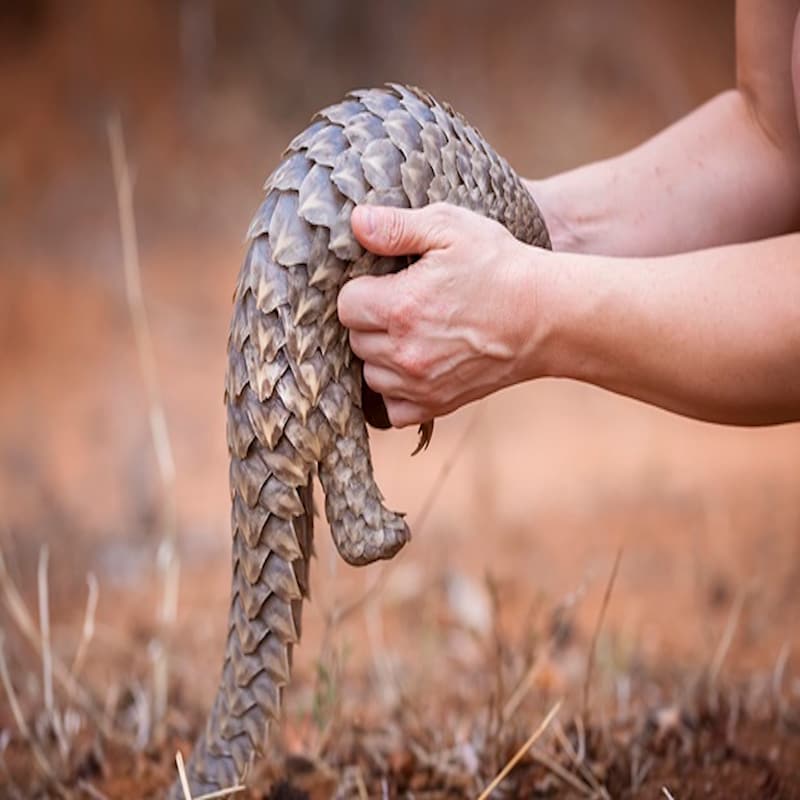
In this week's Wildlife Matters podcast, we delve into the remarkable yet heart-wrenching story of the pangolin, the most trafficked mammal on the planet.
My involvement with the CITES committee has given me deep insights into the numerous challenges these beautiful anteaters face.
The episode outlines the four species of African pangolins: the Ground Pangolin, White-Bellied Pangolin, Giant Pangolin, and Black-Bellied Pangolin. Each species plays a unique ecological role and faces distinct threats. We examine their habitats, dietary preferences, and the crucial environmental functions they serve, particularly in controlling insect populations.
As we address the realities of wildlife trafficking, the discussion highlights the global implications of the illegal trade in pangolin scales and meat, which is fueled by mistaken beliefs regarding their medicinal benefits.
This grim reality is contrasted with a segment featuring a local African community, known for their vibrant red costumes, reminding us that wildlife conservation is inherently tied to cultural heritage and community identity.
Through this episode, we aim not only to raise awareness about the pangolin's plight but also to inspire action, encouraging our listeners to advocate for the protection of these remarkable creatures and the ecosystems in which they thrive.
Additionally, we will include our regular Mindful Moments, this time from the African bush, as well as the latest Wildlife Matters Nature News, which highlights the urgent need to address climate change and adopt sustainable practices to protect our planet's biodiversity.
Key Takeaways: - This episode focuses on the pangolin, the most trafficked wild animal in the world, a species I have personally worked with as part of the CITES committee. - We emphasise the importance of protecting pangolins, as they play a critical role in their ecosystems by controlling insect populations, particularly ants and termites. - Our Wildlife Matters Mindful Moments feature highlights a unique community in Africa, celebrated for its vibrant traditional red costumes, enriching our understanding of local cultures. - The episode discusses the severe threats faced by pangolins due to poaching and habitat loss, underscoring the urgent need for conservation efforts. - We examine the misconceptions surrounding the medicinal properties of pangolin scales, which lack scientific backing but persist in the illegal wildlife trade. - As we conclude Series Six, we invite listeners to engage with future episodes focused on wildlife conservation and the challenges of protecting endangered species. For more information, please visit: www.helpanimals.co.uk
Companies mentioned in this episode: - Wildlife Trusts - Department for the Environment, Food and Rural Affairs - Woodland Trust - CITES - Maasai - Wildlife Matters - British Hedgehog Preservation Society
Transcripts
Hello and welcome to this week's Wildlife Matters Podcast Podcast.
Speaker A:In this episode, we're taking you to Africa for a remarkable wildlife adventure, focusing on a species I had the privilege of working with as part of a CITES committee.
Speaker A:Tragically, it has become the most trafficked wild animal in the world, the humble and in my opinion, exquisitely beautiful pangolin.
Speaker A:And we have a very special Wildlife Matters mindful moments ready for you.
Speaker A:We'll introduce you to a truly unique community in Africa, renowned for its stunning traditional red costumes.
Speaker A:It's a mindful moment not to be missed.
Speaker A:But first, let's take a look at the wildlife and nature stories that have caught our attention in this week's Wildlife Matters Nature News.
Speaker A:Hello and welcome to this week's Wildlife Matters Nature News.
Speaker A:Today we have three stories to share with you, starting with the news from the Wildlife Trusts, which warns that the UK remains shockingly unprepared for increasing frequent extreme weather brought on by climate change and criticizing the government for its inadequate response.
Speaker A:This year, the UK experienced its hottest summer on record, with average temperatures reaching 60 Celsius between June and August.
Speaker A:The most severe damage, however, results from the boom and bust patterns of weather extremes, including droughts, heat waves, floods and storms, as stated in the Wildlife Trust's latest report, Resilient Nature.
Speaker A:Publishing its annual review of the 2,600 nature reserves.
Speaker A:The the Wildlife Trust described climate change as accelerating at a frightening pace, with worrying impacts on both wildlife and public health.
Speaker A:Catherine Brown, director of climate change at the Wildlife Trust, told Wildlife Matters that while our staff and volunteers race to adapt land management practices, government action on climate change is raised rapidly, falling behind.
Speaker A:Wildfires and floods across southern Europe, which endanger both people and nature, highlight the UK's lack of preparedness for extreme weather.
Speaker A:The UK government therefore must urgently overhaul adaptation policies, boost funding and strengthen coordination to meet this escalating danger head on.
Speaker A:Last September, sudden downpours caused floods at Flickwick Moors in Bedfordshire, raising water levels rapidly across its 67 acres and leaving some fields completely underwater.
Speaker A:Aidan Matthews, the senior reserves manager for the Beds, CAMS and North Hants Wildlife Trust, is explained that the wetland's primary function was to halt water from reaching nearby homes and roads.
Speaker A:But now, months later, and after four severe summer heat waves, the waterlogged meadows have only started drying out.
Speaker A:The spring and summer were the driest I've seen in 15 or 20 years I've known this site, aidan said.
Speaker A:Large areas have dried up.
Speaker A:Grassland turned dusty, wildflowers and pollinating insects vanished, affecting the whole food chain.
Speaker A:Birds reliant on wetlands are already suffering.
Speaker A:Wildlife trusts criticize the government's first year of climate change adaptation as disappointing and weak.
Speaker A:They urge ministers to study Europe's heat waves and and make comprehensive UK wide contingency plans in response, the Department for the Environment, Food and rural affairs, or DEFRA, told Wildlife Matters, we are committed to transforming the UK's climate resilience and taking decisive action for future impacts.
Speaker A:We have already moved to restoration or flood defences and through the Plan for Change are delivering a 7.9 billion 10 year investment to protect over 800,000 properties better.
Speaker A:Professor Ed Turner, insect ecology expert at Cambridge, said that there is still time to act.
Speaker A:We're living in a world rapidly losing biodiversity stuff.
Speaker A:Species are disappearing at an alarming rate, he said, but it is not hopeless.
Speaker A:Like climate change, biodiversity loss can be tackled if people get involved and care.
Speaker A:At Clee next to the sea in North Norfolk, the Wildlife Trust is already seeing some progress.
Speaker A:Recent years of storms, surges and flooding have exposed the vulnerability of the freshwater habitats adjacent to an unpredictable coastline.
Speaker A:Norfolk Wildlife Trust responded by rerouting the new Cut drain, which marks the boundary between fresh and saline habitats and helps keep salt water out of the reserve.
Speaker A:With climate change, the sea is rising, expanding and storms are becoming stronger, said Nick at the Trust's ambassador.
Speaker A:And Nick continued increased storm frequency and intensity are pushing seawater into the reserve, altering the wildlife that CLEE attracts, which underscores the importance of their work elsewhere in Norfolk, where they're creating habitats for waterfowl that are unable to breed on the coast.
Speaker A:You may remember that earlier this year we covered the launch of the Woodland Trust's annual Tree of the Year Awards right here on the Wildlife Matters podcast and this week they announced the winner is a much loved ash tree in the heart of Glasgow.
Speaker A:While many trees featured in the competition are located in the remote British countryside, the Argyll street ash is situated on one of the city's busiest roads.
Speaker A: wan described the tree in his: Speaker A:This is a point of pride for those who live nearby, and the quote is displayed in the pub that lies opposite the tree.
Speaker A:Cowan's book also recounts an urban legend that a sapling grew by accident when a local family returned from a holiday with some primrose roots, one of which contained the ash seed.
Speaker A:It is the only ash in the street and it stands a remarkable 75ft tall, casting shade on the sandstone tenement houses.
Speaker A:Many ash trees across the country have had to be felled due to the fungal disease ash adiebag, which causes their death.
Speaker A:So far, the Argyll Street Ash, which was planted in the Victorian era, has survived the Clydesdale Blitz of World War II, recent redevelopment and the dreaded ash dieback disease.
Speaker A:The tree beats the king of Limbs oak, which inspired a Radiohead album title, and the Lonely Tree, which sits on the edge of Llympadran in Wales.
Speaker A:Also in the top five were the Lady Jane Grey Oak in Bradgate Park, Leicester, the majestic cedar with its low sweeping boughs where the Beatles were once photographed at Chiswick House in London.
Speaker A:Adam Cormack from the Woodland Trust told Wildlife Matters, trees really matter to people, and this is clear from the response we've seen to the Argyll Street Ash.
Speaker A:Trees inspire us to write stories and to create art, whilst connecting us to cultural legacies and a sense of place.
Speaker A:We encourage people to notice and enjoy the trees that are around them and learn more about how they benefit us from boosting biodiversity and our well being to mitigating the effects of climate change.
Speaker A:David Treynor, a local arborist who has been managing the ash in recent years, nominated the tree, which is protected by a tree preservation order, which is thought to be one of the first in Glasgow.
Speaker A:Among others who nominated the Argyll Street Ash were the local MSP Paul Sweeney and Stuart Murdoch of the band Belle and Sebastian.
Speaker A: t, which takes place in early: Speaker A:The Argyll Street Ash is a truly spectacular tree in a unique setting and we are due to take a look at the picture we have shared on our social media.
Speaker A:Now try to imagine being a hedgehog during the hottest, driest summer in recent memory.
Speaker A:As the sun beats the down, the ground hardens, food becomes scarce and survival grows tougher every day.
Speaker A:This year's relentless heat has affected all wildlife species, but as they prepare to hibernate, hedgehogs face what the British Hedgehog Preservation Society calls a complicated and often perilous energy conservation strategy.
Speaker A:The period before hibernation, typically starting when the clocks go back in autumn, is crucial for a hedgehog's survival.
Speaker A:So after consulting with leading hedgehog experts, Wildlife Matters has identified six signs indicating that a hedgehog may need your help, along with guidance on what to do and who to contact.
Speaker A:The first sign to look out for is lethargy you see, hedgehogs are nocturnal creatures and they don't come out and sunbathe in the day.
Speaker A:So if you're seeing one out in the day, it means it needs your help.
Speaker A:The second sign to look for is flies.
Speaker A:If flies are swarming around a hedgehog, it is a bad sign and the hedgehog is does need help.
Speaker A:If you see what looks like small white rice grains on the hedgehog's face or between its spines, it does need urgent help, as this could well indicate a fly strike.
Speaker A:The third sign is a hedgehog wobbling as it walks.
Speaker A:If a hedgehog appears to be unsteady on its feet, it may well have a neurological condition which requires urgent and specialist treatment at a wildlife rescue centre.
Speaker A:The fourth sign is an obvious injury.
Speaker A:Just check the hedgehog's legs, feet, face, eyes and ears.
Speaker A:And if you see wounds or there are clear signs of distress, then you should seek help.
Speaker A:The fifth sign relates to the hedgehog's curious and adventurous nature which can result in them becoming trapped.
Speaker A:Hedgehogs have often been found in uncovered drains, garden ponds, building holes, rope works, discarded plant pots, those garden refuse sacks that you get, and of course builders bags.
Speaker A:Watch for a hedgehog.
Speaker A:Keep an eye open for hedgehogs in unusual places because they may need your help.
Speaker A:And if a hedgehog is trapped in plant or sports netting, please do contact a wildlife rescue as netting can cause compression injuries which will not be noticeable to the naked eye.
Speaker A:The sixth sign is unaccompanied hoglets, which are baby hedgehogs.
Speaker A:They may be alone or with their siblings.
Speaker A:If you see them out wandering, often squeaking, then take a look around the area because you may find a sick, injured or possibly even dead adult nearby.
Speaker A:In any situation, or if you can't find the adult, you should collect the hoglets and place them in a box lined with towels and put a warm but not hot water bottle beneath the towel.
Speaker A:Ensure that the box has a lid with holes in which will prevent escape whilst allowing airflow.
Speaker A:So what should I do if I spot a hedgehog in need?
Speaker A:Well, firstly, do not feed or give water to any sick or injured hedgehog or indeed any wild animal that you rescue.
Speaker A:As this can be harmful, feeding should be left to the professionals at the wildlife rescue centre.
Speaker A:Carefully pick up the animal using gloves or a towel.
Speaker A:Keep it warm and quiet by placing it in a secure box indoors and contact your local wildlife rescue immediately for further instructions.
Speaker A:Most local wildlife rescues can be found via an Internet search or you could try at one Voice for Animals website address www.helpanimals.co.uk which lists wildlife rescues throughout the whole of the country.
Speaker A:The advice provided here offers general guidance.
Speaker A:Contact your local wildlife rescue centre for expert and local advice.
Speaker A:Save their number on your phone now so it's ready should you need it in the future.
Speaker A:Hope you found that helpful and that has been this week's Wildlife Matters Nature if any of this week's nature news stories have struck a chord or have inspired you to take action, please do let us know by leaving us a message on our social media channels or by sending us an email.
Speaker A:We love to hear your stories stories and we would like to share them with other listeners.
Speaker A:You can find our email address in the show notes below.
Speaker A:Now I invite you to join me for an exceptional experience as we immerse ourselves in the sounds of an African evening during this week's Wildlife Matters Mindful MO moments.
Speaker B:It Sam.
Speaker A:We hope you enjoyed the sounds of Africa.
Speaker A:Our experience was truly special as we were guests of the Maasai in one of their camps in the wilds of Kenya, with our feet warmed by the deep red soil as the sun set beneath an endless sky.
Speaker A:In this week's main feature of the Wildlife Matters podcast, we return to Tsavo East national park to explore four species of African pangolins.
Speaker A:We will discuss their ecology and the challenges they face in their native habitats across Africa, highlighting how this humble anteater has become the world's most trafficked wild animal.
Speaker A:Hello and welcome to this week's A Wildlife Matters main feature where we look.
Speaker B:At the story of the pangolin, probably the world's most persecuted wild animal.
Speaker B:The story of the pangolin has become tragic in recent years.
Speaker A:From their humble origins as scaly anteaters that roam through Africa and Asia, the.
Speaker B:Pangolin stands out as the most poached mammal in the wild.
Speaker B:It is a unique and fascinating creature.
Speaker B:Around a decade ago, I was a CITES committee member looking at how more protection for pangolins could be implemented at the following COP meeting and that began.
Speaker A:A personal journey that saw me return to Tsavo national park in Kenya, where.
Speaker B:I had previously worked on projects with elephants and rhinos.
Speaker B:The grounds pankling the Cape, or Temnix pangolin is found in the Tsavo area.
Speaker B:A second species of pangolin is the white bellied or tree pangolin.
Speaker A:This species is only found locally in.
Speaker B:The Kakamega Forest, a community reserve and government protected area.
Speaker B:The third pangolin species is the giant pangolin found in the Lake Victoria region and the fourth pangolin species in Africa is the black bellied pangolin, which is not found in Kenya.
Speaker B:Its home range is in the west around Nigeria.
Speaker B:The word pangolin originates from the Malay word pengaling, which means something that rolls up.
Speaker B:This refers to the pangolin rolling itself up into a tight ball as a defense.
Speaker B:Dissect that pangolins have been on earth for approximately 80 million years.
Speaker B:It can be found in 51 countries across Asia and Africa and inhabit a variety of environments, from tropical forests to dense brush and grasslands.
Speaker B:So let's begin with a brief overview of the ecology of pangolins.
Speaker B:There are eight species of pangolin, four of them in Asia and four in Africa, showcasing their diverse habitats.
Speaker B:In this podcast, we're focusing on the African pangolin species with a separate podcast dedicated to the Asian pangolin to follow in future.
Speaker B:In Kenya, three of the four African pangolin species can be found.
Speaker B:The Grounds Pangolin is the most widely distributed African species, primarily inhabiting southern and eastern Africa.
Speaker B:It thrives its scrubby savannah woodland at low elevations and lives in burrows that feature semi spherical chambers, sometimes large enough for a person to stand up in.
Speaker B:The giant pangolin, the largest extact pangolin species, is found in various habitats across West Africa to Uganda, including primary and secondary forests, swamp forests and wooded savannas.
Speaker B:The black bellied pangolin is an arboreal species located in the western and central Africa, and in contrast, the white bellied pangolin is most frequently found in Africa, typically in the southwest of the region.
Speaker B:Pangolins belong to the order Bolidota and are intriguing creatures with some remarkable features.
Speaker B:Despite their scales, pangolins are mammals and not reptiles.
Speaker B:These solitary animals are nocturnal and rely on their acute sense of smell to hunt for insects.
Speaker B:When threatened, they can roll into a tight ball, using their muscular tail for protection.
Speaker B:One striking aspect of pangolins is their long tunnel, which can extend between 10 and 15 centimeters beyond their lips.
Speaker B:The tongue originates deep in the chest cavity and is attached to the lowest part of the breastbone.
Speaker B:When not in use, it retracts into a cartilaginous structure, keeping it out of the way.
Speaker B:Understanding a pangolin's diet sheds light on the purpose of its long tunnel.
Speaker B:Approximately 90% of a ground pangolin diet will consist of ants, with the remaining 10% being termite.
Speaker B:Remarkably, a single ground pangolin can consume an estimated 70 million insects in a year.
Speaker B:Pangolins do not have teeth.
Speaker B:Instead, they lap up insects using their skin saliva covered tongues.
Speaker B:As they retract their tongues into their mouths, a bony protection scrapes off the insects for swallowing to aid in digestion.
Speaker B:They also ingest small stones or bits of sand and soil, which their muscular stomach uses to grind the insects into a digestible ball.
Speaker B:Apangolin scales constitute around 20% of its body weight and are composed of carotene, the same protein found in human hair and fingernails, as well as rhino horn.
Speaker B:While keratin lacks scientifically proven benefit, it is often used in traditional medicine, which we will explore further later in the podcast.
Speaker B:Pangolins do walk on their hind legs, using their front legs and tail for balance.
Speaker B:They typically will have one puff per year with the baby riding at the base of the mother's tail.
Speaker B:Ground pangolin are known to adopt abandoned burrows from warthogs and aardvarks.
Speaker B:They are critically endangered and among the most illegally trafficked animals worldwide.
Speaker B:As Africa's second largest pangolin species, they are distinguished by their protective layer of horny scales.
Speaker B:When threatened, ground pangolins can curl into an almost impenetrable all, wrapping their strong tails around their bodies and exposing only their sharp scales to predators.
Speaker B:These solitary nocturnal creatures often venture out in the late afternoon during the winter, although they primarily stay on the ground.
Speaker B:Ground pangolins are adept climbers and also swimmers.
Speaker B:They typically stroll with their heads swaying and their tails dragging, but are capable of running and walking on two legs.
Speaker B:Ground pangolins are also known as Temigs pangolin, after the Dutch zoologist Conrad Jakob Temnek primarily dig their burrows but prefer to inhabit those created by spring hares or anteaters curling up to sleep within them.
Speaker B:Communication among these creatures is not Bilanta's understood, although it likely involves a combination of visual cues, smells, sounds and touch.
Speaker B:Pangolins exhibit polygynous behaviour, with males competing fiercely for access to females.
Speaker B:Breeding occurs year round, even as females rear their young.
Speaker B:The gestation period lasts approximately 139 days, typically resulting in the birth of one pup in an underground shelter.
Speaker B:The young are carried on the mother's back at the base of her tail from around two weeks old.
Speaker B:The pup remains with its mother for about three months and may stay with its father for an additional month, although this is rare.
Speaker B:By the age of one year the young pangolin becomes fully independent but usually stays within its mother's home range until then.
Speaker B:Females will reach breeding maturity at three to four years old, whilst males mature at a similar age but often breed later, between five and seven years.
Speaker B:Ground pangolins face threats from poaching due to the high economic value of their flesh and the scales, as well as habitat loss from agricultural expansion.
Speaker B:Natural predators include lions and hyenas, and they are also at risk of brush fires and electrocution from electric fences.
Speaker B:Although considered widespread, ground pangolins are pretty rare.
Speaker B:With the population size not documented on the IUCN Red List, where they are classified as invulnerable, their numbers continue to decline dramatically.
Speaker B:Ecologically, ground pangolin plays a crucial role and as predators of colonial insects in their ecosystems.
Speaker B:The white bellied pangolin is also known as the tree or three cusp pangolin.
Speaker B:It is the most common species found in African forests.
Speaker B:These semi arboreal specialists inhabit much of the central and western Africa, extending as far east as the southwestern Kenya and northeastern Texas, Tanzania.
Speaker B:They prefer lowland tropical and savannah forests and have shown some adaptability to commercial plantations.
Speaker B:The white bellied pangolin is named for its white skin on the underside of its body, distinguishing it from other pangolin species due to its smaller size, larger eyes and hairy forelimbs.
Speaker B:Adult white bellied pangolins will range in size from around 60 up to maybe 105cm in length, with their long prehensile tails accounting for about half of their total body's length.
Speaker B:These tails, along with their clawed feet, aid in climbing trees and navigating high branches.
Speaker B:When threatened, they curl into a ball, protected by their sharp, overlapping scales.
Speaker B:Dominantly knocked terminal white bellied pangolins exclusively feed on ants and termites using their long tongues, which can extend up to 25cm, to access their prey.
Speaker B:Breeding occurs continuously, with females giving birth to a single cub after a gestation period of just under 140 days.
Speaker B:Male home ranges can extend up to 30 hectares, while females occupy smaller areas averaging just 3 to 4 hectares.
Speaker B:While foraging or crossing open ground, they quickly ascend nearby trees if they are disturbed.
Speaker B:Although equally comfortable on the ground and in trees, their populations are declining.
Speaker B:The latest IUCN assessment classifies the white bellied pangolin as endangered, with populations having decreased by over 40% in the last 10 years.
Speaker B:This decline is primarily driven by habitat loss, international trafficking of their scales to Asia, and increasing local use of bush meat.
Speaker B:These scaly mammals are among the world's most trafficked animals, making their conservation critical.
Speaker B:The giant ground pangolin is the largest of the eight pangolin species, reaching lengths of up to 1.8 meters and weighing as much as 33 kilograms.
Speaker B:This species primarily inhabits forests, rainforests and savannas, with significant populations in Uganda, Tanzania and western Kenya, although they are sparsely distributed along the west coast of Africa.
Speaker B:As a terrestrial species, giant brown pangolins prefer to rest during the day under piles of plant debris, in thickets under fallen tree roots and sometimes in burrows.
Speaker B:They are nocturnal and elusive, which makes surveys challenging and results in limited information regarding their population abundance and density.
Speaker B:These pangolins favour areas near near water sources and spend most of their time on the ground.
Speaker B:Unlike the white bellied or black bellied pangolins, which are mainly arboreal, covered in protective scales, the giant's brown pangolin can roll into a defensive fall when threatened, shielding its vulnerable body.
Speaker B:They possess long front claws ideal for digging into ant colonies and a long tongue that's suited to the feasting on ants and termites.
Speaker B:The reproductive biology of the giant ground pangolin remains poorly understood, with breeding possibly being seasonal.
Speaker B:Females typically give birth to a single pup, perhaps annually or every second year.
Speaker B:The young pangolin rides on its mother's back while nursing and foraging for ants and until it becomes independent.
Speaker B:Greatest threat to the giant ground pangolin comes from human activity.
Speaker B:Their populations have significantly declined due to habitat loss and like all pangolin species, the international trafficking for their scales.
Speaker B: Between: Speaker B:Scales of pangolins are highly valued in traditional Chinese medicine, contributing to this exploitation.
Speaker B:Black bellied or long tailed pangolins are diurnal arboreal species found on the west coast of Africa.
Speaker B:Known locally as the ipi.
Speaker B:Their name reflects their distinction distinctive physical traits such as their exceptionally long tail and the dark fur covering the underside of their body and limbs.
Speaker B:The long tailed pangolin features a tail that can reach lengths of 60 to 70 centimeters, that's 24 to 28 inches.
Speaker B:The tail also contains 46 or 47 caudal vertebrae, a record among mammals.
Speaker B:The body's size will range from 30 to 40 centimeters or 12 to 16 inches and they are typically weighing in between two and two and a half kilograms, with males being slightly larger than females.
Speaker B:Despite their long tail, they are the smallest of the eight pangolin species.
Speaker B:Their bodies are covered with nine to 13 rows of overlapping artichoke leaf shaped keratids, scales which are dark brown with a lighter rib for camouflage.
Speaker B:The feet have large curved claws and the tail's tip is bare with a sensory pad that helps them to grip branches.
Speaker B:Pangolins don't have teeth, but they do possess long tongues.
Speaker B:In contrast, their abdomen, limbs and face are covered in a dark fur instead of scales.
Speaker B:Long tailed pangolins in inhabit parts of western and central Africa, from Senegal in the west, to Uganda in the east and down to Angola in the south.
Speaker B:They prefer moist, tropical, riverine and spot forest environments but can also be found in haworted forests and agricultural areas.
Speaker B:Typically they will be located near to water sources.
Speaker B:They are solitary and shy creatures that spend most of their lives in the canopy.
Speaker B:Using their long prehensile tails for balance and support.
Speaker B:They can dangle from branches or extend their tails to reach other holes.
Speaker B:Their strong claws allow them to dig deep into tree bark to climb.
Speaker B:And they are adept swimmers capable of dropping into streams and moving through the water with a quick undulating motion.
Speaker B:As the only diurnal pangolin species, they have developed various self defense techniques against predators.
Speaker B:Their scales provide camouflage and when threatened they can roll into a tight ball exposing only their sharp scales.
Speaker B:They can also emit a foul smelling liquid from their anal glands when resting at night.
Speaker B:They have been observed sleeping in a rolled posture in tree hollows, epiphytes, tree ferns or old ant nests.
Speaker B:Communication among long tailed pangolins primarily occurs through pheromones produced in their anal scent glands.
Speaker B:Likely used to attract mates and to establish territory.
Speaker B:They primarily consume ants.
Speaker B:They locate arboreal ant nests using their keen sense of smell, then tear them open with their strong claws and capture the ants with their long sticky tongues, swallowing them whole.
Speaker B:Little is known about their mating habits, but it is believed that they mate all year round with an average gestation period of around 140 days.
Speaker B:Females typically give birth to a single offspring which has soft scales that harden within a few days.
Speaker B:The young ride on their mother's tail for up to three months and reach reproductive maturity around two years of age.
Speaker B:Unfortunately, long tailed pangolins are heavily hunted for bush meat and traditional medicine while also facing habitat loss.
Speaker B:They are relatively tolerant of moderate habitat modification as observed in populations adapting to agricultural areas of former lowland forests.
Speaker B:Currently, this species is classified as vulnerable on the IUCN Red List with decreasing population numbers though the total population size remains as unknown.
Speaker B:So why are pangolins poached?
Speaker B:At first glance, many people mistake the pangolin for a reptile due to its scaly armor.
Speaker B:However, it is the only mammal fully covered in scales.
Speaker B:Of the eight species of pangolin found in Asia and Africa, four are critically endangered whilst the others are considered as vulnerable.
Speaker B:The primary threat to pangolin populations is poaching.
Speaker B:Tragically, these scaly mammals are the most trafficked animals in the world with many parts of Asia and this trend is now spreading through Africa to meet the demands of of the Asian market.
Speaker B:Estimates suggest that around 200,000 pangolins are poached every year, with over 2.7 million taken in the last decade.
Speaker B:Pangolins are highly valued for their scales, meat, blood and fetus, which are believed to possess magical medicinal properties.
Speaker B:Despite this believe, there is no scientific evidence to support claims that pangolin body parts have any health benefits.
Speaker B:In countries like China and Vietnam, pangolin scales are used in traditional medicine and the meat is regarded as a delicacy.
Speaker B: In: Speaker B:Pangolins are adept at hiding in the wild, often found underground or in trees.
Speaker B:But unfortunately, local hunters smoke them out with fires or fallen from their hiding spots, often using brutal methods.
Speaker B:Many pangolins are boiled alive and placed in sacks for transport, with hunters receiving around US$1 per pangolin, whilst their scales can sell for up to US$3,000 per kg in Vietnam.
Speaker B:Pangolin meat is particularly sought after in Vietnam where whole foetuses are served in a broth, whilst in China where the scales are used in traditional Asian medicine.
Speaker B:Despite laws designed to protect these rare creatures, the illegal poaching and trafficking of pangolins has continued to grow.
Speaker B: Since: Speaker B:The trade route analysis of pangolin trafficking indicates that Lagos serves as the primary connection point both domestically and globally, particularly for shipments to Southeast Asian countries.
Speaker B:Key transit countries for pangolin scale shipments from Nigeria include Malaysia, Lao and Singapore, with China and Vietnam being the leading destinations for the illegal shipments.
Speaker B:So is it too late to save the pangolin?
Speaker B:Pangolin conservation is crucial for many reasons.
Speaker B:Firstly, pangolins play a vital role in local ecosystems by controlling insect population, particularly ants and termites, which helps maintain ecological balance.
Speaker B:Their digging behavior also contributes to soil health by aerating the soil and promoting nutrition cycling.
Speaker B:Pangolins also serve as indicators of a healthy ecosystem.
Speaker B:Their presence or absence can reflect the overall well being of their habitat.
Speaker B:Protecting pangolin safeguards biodiversity and the integrity of their ecosystems.
Speaker B:Pangolins also hold cultural and economic value in many regions, significantly contributing to eco tourism.
Speaker B:Unfortunately, they are victims of human greed and ignorance.
Speaker B:Their scales, which are made of keratin, a protein compound similar to human hair and nails, are wrongly believed to have medicinal properties.
Speaker B:Despite having no cancer curing benefits.
Speaker B:The myth that pangolin meat possesses magical properties persists with dried scales being roasted, ashed or cooked in various ways.
Speaker B:To cure ailments ranging from excessive nervousness to malarial fever and deafness.
Speaker B:Furthermore, the consumption of a pangolin fetus is falsely thought to enhance fertility, leading to the tragic loss of both mother and unborn baby pangolin for this misguided tradition, pangolins the typically have just one baby per year, making this tradition particularly damaging to the populations in the wild.
Speaker B:In Vietnam, a significant hub for illegal wildlife trade, pangolin scales are sought after for the traditional medicine practitioners who believe that they can treat various illnesses including mammary gland blockages in breastfeeding women had three.
Speaker B:This belief has driven demand to alarming levels, pushing pangolins to the very brink of extinction.
Speaker B:Relying on wild sourced medicinal ingredients can also pose severe health risks, including potential viral infections.
Speaker B:The future for the pangolin species looks bleak right now.
Speaker B:Despite the efforts of NGOs to combat trafficking, the demand for pan affluent Asian markets and the poverty in many African communities continue to fuel the trade.
Speaker B:This situation mirrors the challenges faced by rhinos who approach for their keratin horns and elephants killed for the ivory in their tusks, both symbols of status and prestige in some Far Eastern cultures.
Speaker B:A kiss to how diamonds of gold are valued in the West.
Speaker B:To protect these iconic species from extinction, we must prioritize education and conservation efforts against human greed and persecution.
Speaker B:The story of the pangolin is indeed a tragic one.
Speaker B:They are unique and fascinating animals that deserve much stronger protection from the money focused world of wildlife pride before it is too late and we lose another distinctive and iconic wild animal to human freedom.
Speaker B:That has been this week's Wildlife Matters main feature.
Speaker A:We hope you enjoyed our adventure in the Tsavo east in Kenya where we explored the four African pangolin species and learned about these incredible animals.
Speaker A:We must end the illegal wildlife trade for their scales which are mistakenly believed to cure cancer.
Speaker A:In future episodes we will also examine Asian pangolins and other wildlife species I have had the pleasure to work with.
Speaker A:And this marks the end of series six of the Wildlife Matters podcast, a remarkable milestone we are proud to have achieved.
Speaker A:Wildlife Matters will return in two weeks for series seven featuring an urban wildlife adventure around London's Greenwich Park.
Speaker A:So make sure to subscribe like and follow us and please leave us a comment or a review wherever you listen to your podcast as it helps other wildlife and nature lovers to discover our show.
Speaker A:Thank you and as always, stay curious.
Speaker A:Wild ones, this is Wildlife Matters are signing off.
