Shownotes
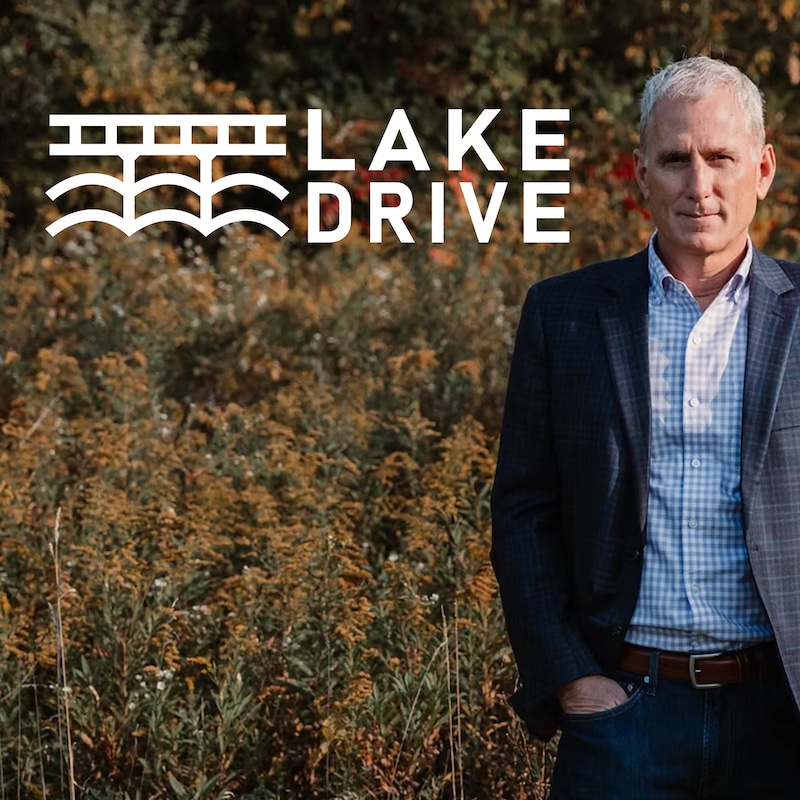
This episode’s guest is David Morris of Lake Drive Books.
In today’s interview, David tells us more about Lake Drive’s mission, publishing practices, and unconventional financial model. David also offers his takes on how to determine what works for you when it comes to choosing a publishing path and gives some platform-building insights for authors.
--
- Publishing Disrupted - Podcast - Apple Podcasts
- Hyponymous Literary
- Free 30-Day Plottr Trial
- Hybrid Pub Scout's Bookshop.org Shop
- Lake Drive Books | Spirituality, Self Help, Wholeness
- IBPA’s Hybrid Publishing Criteria
Hybrid publishing has a bit of a nebulous definition at the moment, but as authors are becoming more disenchanted with traditional publishing and discovering how grueling self publishing can be, they’re becoming more relevant.
Since it’s been the standard for such a long time, people are used to the traditional publishing model. They expect that:
- Publishers pay for everything
- Authors get advances and royalties
- Publishers take care of book promotion and marketing
But here’s a few problems (among others):
- The “everything” that publishers pay for has a big asterisk attached to it, even in trad
- Advances and royalties are more underwhelming than ever (or maybe “less whelming”?)
- Book promotion and marketing mostly falls on the author now (see point 1)
I’ve seen a lot of talk about hybrid publishing being predatory and no different from vanity presses, and in some cases…sure. But when you don’t have a major corporation paying all the up front costs, there are some practicalities to consider. Namely, who’s going to pay for all these professionals to do the work of making a book?
If you listened to the show before, hopefully you’ve gotten the message of how hard ghostwriters, editors, designers, marketers, and other publishing professionals work to create the best book possible. And that work needs to be compensated. But, authors, obviously, should get the best deal possible for their work, too.
So where does that leave us?
How do we bring books into the world while making sure it’s fair to everyone, especially when everyone who isn’t a CEO of a major corporation has such a tight budget? And how do you, as an author, know the money and effort you spend on the publishing side is going to get you to your goal?
The Independent Book Publisher’s Association (or IBPA) has tried to set up some standards for hybrid presses in the last several years. At last look, these are what the IBPA says a good hybrid publisher should do:
- Define a mission and vision for its publishing program.
- Vet submissions.
- Commit to truth and transparency in business practices.
- Provide a negotiable, easy-to-understand contract for each book published.
- Publish under its own imprint(s) and ISBNs.
- Publish to industry standards.
- Ensure editorial, design, and production quality.
- Pursue and manage a range of publishing rights.
- Provide distribution services.
- Demonstrate respectable sales.
- Pay authors a higher-than-standard royalty.
As you may have noticed, there’s considerable wiggle room in there for these definitions (for example, you as the author are responsible for deciding how to define things like “respectable sales”). And the definitions are constantly evolving. So, that’s a big part of what we’ll be looking at in this and upcoming episodes.
Transcripts
Welcome to the hybrid pub Scout podcast helping
Emily Einolander:you navigate the publishing landscape. I'm M Einolander, and
Emily Einolander:I explore resources and services so authors can be successful and
Emily Einolander:safe as they pursue publishing. Fun fact, when I first started
Emily Einolander:this podcast, I quickly realized that the actual name was a
Emily Einolander:little bit not what I meant. I had set out to talk to
Emily Einolander:publishing professionals and writers about their experiences
Emily Einolander:working with traditional and indie publishing, especially
Emily Einolander:people who had done both what I quickly and too late realized
Emily Einolander:was that when people hear hybrid a lot of them think of hybrid
Emily Einolander:presses. Well, good news for me. Since I went on hiatus, hybrid
Emily Einolander:publishing has proliferated, and there's a lot more to explore.
Emily Einolander:Seven years later, I've finally aligned more with the name of my
Emily Einolander:business. I'm sure some would say there's something cosmic
Emily Einolander:about that, but maybe hybrid publishing has a bit of a
Emily Einolander:nebulous definition at the moment, but as authors are
Emily Einolander:becoming more disenchanted with traditional publishing and
Emily Einolander:discovering how grueling self publishing can be, they're
Emily Einolander:becoming more relevant. Since it's been the standard for such
Emily Einolander:a long time. People are used to the traditional publishing
Emily Einolander:model. They expect that one publishers pay for everything.
Emily Einolander:Two authors get advances in royalties, three publishers take
Emily Einolander:care of book promotion and marketing, but there's a few
Emily Einolander:problems with that. Number one, the everything that publishers
Emily Einolander:pay for has a big asterisk attached to it. Two, advances in
Emily Einolander:royalties are more underwhelming than ever. And three, book
Emily Einolander:promotion and marketing mostly falls on the author. Now,
Emily Einolander:regardless of how they're publishing, I've seen a lot of
Emily Einolander:talk about hybrid publishing being predatory under every
Emily Einolander:circumstances, and I want to push back on that, even though
Emily Einolander:in some cases they are predatory. But when you don't
Emily Einolander:have a major corporation paying all the upfront costs, there are
Emily Einolander:some practicalities to consider, namely, who is going to pay for
Emily Einolander:all these professionals to do the work of making a book? If
Emily Einolander:you listened to the show before, hopefully you've gotten the
Emily Einolander:message of how hard ghost writers, editors, designers,
Emily Einolander:marketers and other publishing professionals work to create the
Emily Einolander:best book possible, and that work needs to be compensated,
Emily Einolander:and authors obviously should get the best deal possible for their
Emily Einolander:work too. So where does that leave us? How do we bring books
Emily Einolander:into the world while making sure it's fair to everyone,
Emily Einolander:especially when everyone who isn't a CEO of a major
Emily Einolander:corporation has such a tight budget? And how do you as an
Emily Einolander:author, know the money and effort you spend on the
Emily Einolander:publishing side is going to get you to your goal. The
Emily Einolander:Independent book Publishers Association, or ibpa, has tried
Emily Einolander:to set up some standards for hybrid presses in the last
Emily Einolander:several years at last look. These are what they say a good
Emily Einolander:hybrid publisher should do, and I'm just going to run through
Emily Einolander:the list, rather than read every single part of it. I'll include
Emily Einolander:the link in the show notes, so you can go check out what they
Emily Einolander:have there yourself. And maybe it's changed since I looked who
Emily Einolander:knows. Number one, define a mission and vision for its
Emily Einolander:publishing program. Two, vet submissions. Three, commit to
Emily Einolander:truth and transparency in business practices. Four,
Emily Einolander:provide a negotiable, easy to understand contract for each
Emily Einolander:book published. Five, publish under its own imprint and ISBNs.
Emily Einolander:Six, publish to industry standards. Seven, ensure
Emily Einolander:editorial design and production quality. Eight, pursue and
Emily Einolander:manage a range of publishing rights. Nine, provide
Emily Einolander:distribution services. 10, demonstrate respectable sales
Emily Einolander:and 11, pay authors a higher than standard royalty. As you
Emily Einolander:may have noticed, there's considerable wiggle room in
Emily Einolander:there for these definitions. For example, you as the author are
Emily Einolander:responsible for deciding how to define things like respectable
Emily Einolander:sales, and the definitions are constantly evolving. So that's a
Emily Einolander:big part of what we'll be looking at in this and upcoming
Emily Einolander:episodes. In today's interview, I'm talking with David Morris,
Emily Einolander:founder and publisher of like drive books, a conventional
Emily Einolander:publishing company with an unconventional financial model,
Emily Einolander:full disclosure, in case it isn't obvious, I do work with
Emily Einolander:like drive in a managing editor position, and I'm having a
Emily Einolander:pretty good time, too. David has 30 years of experience in
Emily Einolander:editing, marketing and corporate leadership with major publishing
Emily Einolander:brands like HarperCollins, sondern. In where he served as
Emily Einolander:vice president and publisher and worked on numerous best sellers.
Emily Einolander:His sole focus is working with spiritually progressive and
Emily Einolander:personal growth authors, leveraging his experience to
Emily Einolander:help them achieve publishing success. David is also a
Emily Einolander:literary agent at hyponomist literary co host of the
Emily Einolander:publishing disrupted podcast an author and holds a doctorate in
Emily Einolander:psychology and religion. Lake Drive books vision is to serve
Emily Einolander:authors and readers who want to break the mold and ask honest
Emily Einolander:questions about religion, spirituality and personal
Emily Einolander:growth. These books aim to help readers understand the past and
Emily Einolander:move forward in a life where they can be real and feel seen.
Emily Einolander:We'll get more details on Lake drive's mission and model. David
Emily Einolander:also offers takes on how to determine what works for you
Emily Einolander:when it comes to choosing a publishing path, and gives some
Emily Einolander:platform building insights for authors.
David Morris:And here we go. Hi, Emily.
Emily Einolander:Thanks for coming and talking with me.
Emily Einolander:Yeah, thanks for inviting me. David and I work together at
Emily Einolander:David's press Lake, drive books. And would you tell us a little
Emily Einolander:bit about that, please?
David Morris:Well, you're a really great worker. I know, I
David Morris:know, I know. I knew you meant talk about, like, drive books,
David Morris:but you, technically, from an editor's point of view, the
David Morris:logic of your paragraph there meant you were referring to our
David Morris:working relationship. So I wanted to comment on that.
Emily Einolander:Well, yeah, okay, yeah, I totally meant to
Emily Einolander:do that. That was on purpose.
David Morris:Anybody out there is listening hire Emily without
David Morris:a doubt. You know when you get those, when you're when you're a
David Morris:boss, you former employees will they apply to other jobs and
David Morris:you, I'm maybe it says good things about me, but I get used
David Morris:as a reference. And they always ask you, or they will often ask
David Morris:you, would you rehire this person? And I would absolutely
David Morris:say yes, I am honored if you ever, if you ever left and
David Morris:needed to come back or whatever. But okay, anyway, yeah, so
David Morris:there's, there are, I'm already plugging you. You don't have to
David Morris:plug me.
Emily Einolander:You're here. Nope, I just got here. Well, I
Emily Einolander:mean, I wouldn't, I wouldn't have, I mean, we met when I
Emily Einolander:walked up to you and said, What do you do? And like, this looks
Emily Einolander:cool.
David Morris:So, yeah, at a conference, yeah, well, okay, so
David Morris:answering your question, yeah, I mean, you're, you're the, you're
David Morris:the production. I'm sorry, managing editor, managing
David Morris:editor. Sorry for, for Lake Drive books. We're a small,
David Morris:independent publishing company. We use the hybrid model, as you
David Morris:know. But what I like the my my favorite definition of that is
David Morris:it's conventional publishing with an unconventional financial
David Morris:model. Because I think a lot of people don't realize just how
David Morris:much they're used to a certain financial model in book
David Morris:publishing and and it's as if that's the only model that is
David Morris:reputable, and I think that's what's changed so much in recent
David Morris:years. But we're going to get into that. I mean, Lake Drive
David Morris:books. I started it when I exited the corporate publishing
David Morris:world after being in it for many, many years, and I wanted
David Morris:to do my own kind of books. I've always been really fascinated
David Morris:with how we identify who we are, how culturally, spiritually,
David Morris:Faith wise. I've always been very interested in people who
David Morris:are struggling with figuring that out for one reason or
David Morris:another. And there are a lot of reasons, and there's a lot of
David Morris:change going on, and people need more authors helping them write
David Morris:this stuff out, put words to it. So like, where are we going?
David Morris:What? What is it that we call spiritual in our lives to come?
David Morris:Not, I don't mean that in, like, the the great beyond life to
David Morris:come, but no, our lives right now is what I'm talking about,
David Morris:and that's the kind of spirituality we need to be
David Morris:talking about more so. So yeah, and it's not strictly religious.
David Morris:It's, it's very much with a self help bent. I have a psychology
David Morris:background, and I, you know, at least academically, and I think
David Morris:that's really the new spirituality in many ways, we
David Morris:just haven't called it that, which is also a whole sort of
David Morris:philosophical discussion about how we name religion and
David Morris:spirituality and psychology. It's a whole philosophical
David Morris:discussion about what, what is, what when you're talking about
David Morris:those things. So we do, we do memoir. We've done a lot of
David Morris:memoir because, you know, we're trying to tell stories that are
David Morris:gritty, that are on the margins, and storytelling is a great way
David Morris:to affect change in attitudes and mindsets. Sharing the
David Morris:experiences we have a few we have a few queer stories, and
David Morris:one of my favorite lines about them is you might know. Someone
David Morris:who's gay or trans or intersex, but have you ever really heard
David Morris:their story from their point of view? And I think, I think that
David Morris:a lot of us haven't, and I certainly have friends in most
David Morris:of those categories. And I had no idea once I started reading
David Morris:these books what I learned, just the just the difficulty, you
David Morris:know, just the sheer emotional difficulty that goes on. But
David Morris:there's things like that. There's also just people who
David Morris:are, you know, struggling with Christianity, or there's a book
David Morris:about not denying our emotions like grief, which is something
David Morris:we're trained to do in many religious cultures. We're
David Morris:supposed to just be happy that, you know, we have our faith, and
David Morris:that doesn't always help in real life, emotional circumstances.
David Morris:And I'm really thrilled about a book like that, because that's,
David Morris:that's, that's up my alley, for sure. Got a book on spiritual
David Morris:abuse, got a book on sexual abuse and clergy sex abuse. It's
David Morris:all the real light topics,
Emily Einolander:yeah, all of those things that are very easy
Emily Einolander:to process, you know, digestible books here, yeah?
David Morris:But it's been it's been fun. It's been some of the
David Morris:hardest work I've ever done in my entire professional career,
David Morris:the learning curve in the last few years for someone who's in
David Morris:his probably last third of his professional life, I've had the
David Morris:hardest learning curve of my professional life and my final
David Morris:third and but also it's been, without question, the most
David Morris:gratifying work I've ever done in publishing. I'm so much
David Morris:because it's grassroots, and I'm doing all kinds wearing all
David Morris:kinds of hats. In in the business, I'm much closer to the
David Morris:authors. I mean, when you're an editor, you're closer to an
David Morris:author. When you're when you're marketer, you're closer to the
David Morris:author. My last job, I was publisher, and I wasn't as close
David Morris:to the authors, but now I'm all those things, and it's, it's
David Morris:just a delight. I was talking to an author the other day, and
David Morris:I've said this more than once where, like, another author was
David Morris:talking to me, and she said, You know, I haven't talked to you in
David Morris:a while. I miss you. We used to talk so much when we were
David Morris:working on the book. I was like, oh, that's, that's very nice.
David Morris:Thank you. And I miss them too. I miss them too. It's fun to
David Morris:become a part of someone's life for a while and there, and for
David Morris:them to become part of my life for a while and but also it's
David Morris:gratifying, mainly because of the kind of work we're doing.
David Morris:You know, we're publishing stories that wouldn't otherwise
David Morris:get told, partly because of cultural norms being what they
David Morris:are, and just the the great crush of media in our in our
David Morris:marketplace today, not having much room for alternative voices
David Morris:unless, you know, just, just in terms of the mainstream and the
David Morris:economics of it, so that that that's very, very gratifying to
David Morris:be telling some of those stories. It's also, you know, I
David Morris:have, I'm a I'm a PhD in religion and psychology and
David Morris:society, and I and I want to affect. I want to try to be an
David Morris:agent of change with with what I've learned and what I know
David Morris:about how the world works, and I feel like the books I'm doing,
David Morris:instead of kind of living in the ivory tower, I'm actually on the
David Morris:street. I'm actually doing stuff that is making a difference in
David Morris:that way, not that I'm trying to, you know, put put off
David Morris:academic the value of academic contribution, scholarly
David Morris:contribution. But especially in religious studies, though
David Morris:there's a lot of scholarly contribution that goes on, it's
David Morris:not really helping, and I don't. And those who are helping, you
David Morris:know who you are, but those who aren't helping, they actually
David Morris:don't know who they are.
Emily Einolander:So, oh, that's true. Yeah, that's absolutely
Emily Einolander:true. Yeah, you're you're applying, you're applying all of
Emily Einolander:those learnings that you've had to be able to help other people
Emily Einolander:tell their stories in less academic way, and
David Morris:that's what I'm doing, too. Publishing wise, I'm
David Morris:taking, like, all these years of experience, and I'm trying to
David Morris:apply it to a different audience, at a different
David Morris:readership, a different author, a different author group. I
David Morris:mean, the irony of it is, I'm I'm having to learn things about
David Morris:this group, you know, I thought I knew, or just how to, how to
David Morris:create networks, and how to market books on this level, and
David Morris:what is, what is the content really like on this level? Is
David Morris:it's, it's actually different. I've had to, that's part of the
David Morris:that's been part of the learning curve, just because I was an
David Morris:executive at a major publishing company, it doesn't mean I know
David Morris:all that stuff, even though I thought I did right?
Emily Einolander:Well, let's talk a little bit about how this
Emily Einolander:model differs from, you know, the unconventional model that
Emily Einolander:differs from what traditional publishing does. Like, how does
Emily Einolander:Lake Drive sort of divert from that? You know, it's. Hybrid
Emily Einolander:publisher, but you do things your own way. Because that's
Emily Einolander:sort of the the territory we're in right now is, like, we're
Emily Einolander:defining what works for us and what doesn't.
David Morris:Yep, yep, high, yeah, yeah. I would say Lake
David Morris:Drive is a version of hybrid publishing. And there's, the
David Morris:thing is, like in publishing, there's, there's definitely a
David Morris:spectrum of businesses and publishing identities that go on
David Morris:in within any one sort of nomenclature, you know, or
David Morris:labels, yeah. I mean, like I said, it's un it's conventional
David Morris:publishing, but with an unconventional financial model,
David Morris:I think the thing to do is to do is to back up just a little bit
David Morris:and say the way publishing works is that it's a very speculative
David Morris:business. On the whole. There's exceptions, of course, but when
David Morris:you're publishing to a general readership, every every
David Morris:publisher is looking for what we call breakaway title. And why
David Morris:you want that breakaway title is because it pays for the rest of
David Morris:the business Exactly. So. So you could have I heard, I once heard
David Morris:the Random House CEO. It's a different CEO now, but I heard
David Morris:the Random House CEO the time when all that antitrust stuff
David Morris:was going on in publishing business, there was a there was
David Morris:court proceedings that were recorded, and a lot of us
David Morris:publishing people, went and looked at that transcript. I
David Morris:didn't look at it firsthand, but I read about it, and he was
David Morris:quoted as saying that, I think I'm not going to get it right,
David Morris:but it was something like 4% of our books drive 65% of our
David Morris:business, you know. And for me, and I would feel, I would say
David Morris:that in publishing in general, like it's more like maybe five
David Morris:to 10% of your books actually pays for the other 90 to 95% of
David Morris:what you do. So you're putting a lot of books out every year as a
David Morris:publisher and on especially when you're working at higher levels,
David Morris:you're paying some big advances that never earn out. And
David Morris:sometimes they aren't they, they do so badly you actually lose
David Morris:money on them because you paid a half a million dollar advance to
David Morris:somebody like like a musical artist. That happens. That
David Morris:happens. A lot publishers fall into this trap. I'm kind of
David Morris:going down rabbit trails, but yeah, but my the whole point is
David Morris:that that that publishers have to establish, like, this deep
David Morris:bank account so that they can go out and do all this speculating.
David Morris:Well, when you're starting out a new or when you're working on
David Morris:the grassroots level, and you're not, it's, I mean, I'm not, I'm
David Morris:not in a business that it makes a lot of sense to just go out
David Morris:and find financers, you know, because, you know, even still,
David Morris:my books aren't going to perform in a huge way. It's not going to
David Morris:be a big payoff for investors. So it's sort of a more of a slow
David Morris:build kind of business, no matter what I do, and honestly,
David Morris:it can last things up when all that money gets involved.
David Morris:Granted, I wouldn't mind having a nice a nice angel investor to
David Morris:help out with some things. It would certainly be nice if we
David Morris:could do it responsibly, absolutely. But But, but,
David Morris:because publishers have those those those big bank accounts,
David Morris:they can go out and do all that speculating when you're starting
David Morris:out or when you're working at the grassroots level, you've got
David Morris:to figure out a way to pay for those books up front. And I
David Morris:didn't even quite understand this when I first started a few
David Morris:years ago. But if you're talking about paying for freelancers,
David Morris:you know when it comes to developmental editing, copy
David Morris:editing, design of the cover, design and composition of the
David Morris:interior, proofreading, two passes of proofreading. You
David Morris:know, that's, that's easily, that's easily $7,500 if not
David Morris:$10,000 right? Yeah, we're talking about professionals to
David Morris:to, I mean, you can, you can find ways to make it work a
David Morris:little bit less cheaply, but, but it's like anything in this
David Morris:world, you'll find that the quality goes down when you start
David Morris:spending less money than five to 7500 to $10,000 I get by with
David Morris:five too, because we will handle the developmental edit in house,
David Morris:meaning, meaning me, but it's worth it. It. I think I'm worth
David Morris:my my weight in developmental editing, especially at this
David Morris:point, but, but, yeah, that's the thing. It's, it's, it's
David Morris:expensive up front to pay for it. So the hybrid, what the
David Morris:hybrid model does, basically, is it just says you're going to
David Morris:fund those upfront costs, and then you since. Since the
David Morris:publisher has no risk involved, they should also reward you with
David Morris:a higher royalty rate, right? So that's that's what we do as
David Morris:well. Our royalty rates are 50% higher than conventional
David Morris:publishing, and I'm committed to that because publishers rely on
David Morris:authors now more than ever to market books with their with
David Morris:their online platforms in particular. So I, you know, I
David Morris:think that authors should be paid better by publishers, but
David Morris:they still pay the same that they've been paying for the last
David Morris:100 years, or whatever it's been at least last 20 or 15 years,
Emily Einolander:the methods of doing it or art, yeah, yeah, so,
David Morris:but you but I say it's conventional publishing
David Morris:with unconventional financial model. So I sort of explained
David Morris:the financial model. What's what's conventional about it is,
David Morris:and I guess I said that it's, it's professional editing and
David Morris:design, you know, strong production disciplinary
David Morris:practices, which you can attest for, yes,
Emily Einolander:especially like the last couple of weeks.
Emily Einolander:Yeah.
David Morris:And then also, also, I mean, we punch way above
David Morris:our way in terms of marketing and publicity. I mean, I do
David Morris:something that I think all publishers should do, but they
David Morris:don't, on the whole and I get into the weeds with my authors
David Morris:on their platforming and how they're getting the word out
David Morris:about their book. How's it going with their social media? How's
David Morris:it going with their email list? Most publishers don't ask those
David Morris:kinds of questions, and then they don't have, they might have
David Morris:a newsletter, you know, that they send out to everybody, but
David Morris:I give, I give one on one, attention to that, both with
David Morris:with dedicated meetings about that early in the contract
David Morris:signing stage. But then that becomes a, you know, a part of
David Morris:the conversation going forward. It's built in that we're always
David Morris:going to be talking about platform. So when it comes time
David Morris:to actually market the book where the publisher is relying
David Morris:on the author's platform, more than ever, I'm already really
David Morris:familiar with that platform, and I can go and I can really dig in
David Morris:with them and customize and say, here's, here's where your
David Morris:strengths are. Here's where my strengths are in terms of
David Morris:marketing. And, you know, we do a great job with launch teams.
David Morris:You know, which, which is a known quantity. It's, it's one
David Morris:of the, to me, it's one of the most powerful ways, one of the
David Morris:most powerful ways that authors can directly affect their
David Morris:upfront sales when they put their book out. It's a known
David Morris:quantity, but we're also really good with publicity. Got a good
David Morris:sized publicity list, one that really suits well for the kind
David Morris:of books we do as well, and so I feel like we're punching, we're
David Morris:punching way above our weight, our weight there. And you also
David Morris:have to, you also have to have a sense of perspective about
David Morris:publicity these days. You know, we live in such a segmented
David Morris:market, a digitally segmented market. So, so what you know, if
David Morris:you got yourself in your local newspaper. Let's say you even
David Morris:live in a big city, and you got yourself a book review in the
David Morris:look in the big city newspaper. Well, number one, nobody reads
David Morris:print newspapers anymore. They're not even delivered. You
David Morris:know, hard
Emily Einolander:they always have paywalls. The
David Morris:most, the online ones have paywalls. Exactly
David Morris:which, which, which baffles me, because, you know, if they're
David Morris:also running ads at, you know, on a lot of those newspaper
David Morris:sites, and they have paywalls, and then a publisher like me
David Morris:wants to promote my author's book in Virginia and at the
David Morris:local paper there, and, oh, I can't promote it, because
David Morris:everybody's going to hit a paywall to go see the article,
David Morris:even though they would see the ads, I never it's just that has
David Morris:not caught up with the times yet in my mind, plus all those ads
David Morris:are just overwhelming these days, X out of like five things
David Morris:before you can even read the article.
Emily Einolander:Yeah, for sure, I actually in the same
Emily Einolander:vein that you're talking about with the like collaborating on
Emily Einolander:marketing and publicity, I would like to ask a question that I
Emily Einolander:think a lot of authors have about the value of having
Emily Einolander:someone else shepherd that process versus doing it on their
Emily Einolander:own, because at this point, authors are able to, like at
Emily Einolander:least have the breakdown Of all of the processes and the things
Emily Einolander:they might need. They can access those things on their own in a
Emily Einolander:sort of rudimentary way, and if they're paying for the editing
Emily Einolander:and the design and all of that stuff, what's, what's the value
Emily Einolander:of having a company logo on their book if they're paying for
Emily Einolander:so much of it.
David Morris:I do think that when you're if you're an author
David Morris:and you want to publish your book, whether it's even like
David Morris:some of the more like lower level self publishing services,
David Morris:will offer marketing services, I don't really think they do a
David Morris:whole lot. Uh, they maybe have an email list, and they send out
David Morris:an email blast, but I think it's pretty mass emailing, which is
David Morris:not, which is, which is a very standard tactic. But I don't
David Morris:think they're curating it very well. I don't, I doubt there's
David Morris:much nudging and following up going on. I doubt there's any
David Morris:leveraging of a personal relationship with a media
David Morris:outlet, which can happen from varying publishers with varying
David Morris:types of books. But so I think, because you can easily spend
David Morris:like they can add on, you know, I don't know what they do, but
David Morris:you know, 10,000 $15,000 for a marketing a publicity package at
David Morris:a hybrid publisher or even a self publisher. And I, I would
David Morris:caution most of the time, you probably shouldn't
Emily Einolander:do that. So the marketing ones are the most
Emily Einolander:tenuous. You would say, like those, those types of services
David Morris:that add on? Yeah, yeah. I mean, you know, every I
David Morris:think there's exceptions where there's good stuff going on,
David Morris:depending on the kind of book it is, again, and the kind of
David Morris:author we're talking about. That's the thing about
David Morris:publishing. You know, it's always like, what's the context
David Morris:here? People use the same terms, but they mean different things,
David Morris:or they're in different contexts. And so you kind of
David Morris:have to define those things, you know, because there are hybrid
David Morris:publishers, and you've you've mentioned this is that are
David Morris:working really well for affluent folks who are business people
David Morris:who want to have sort of a calling card, and maybe they
David Morris:even get their book on a bestseller list for a week or
David Morris:something like that, but, or maybe they'd even do better, but
David Morris:most the time, they don't, most the time, it's like 250 initial
David Morris:books, and then they sell copies every time they go speaking or
David Morris:something like that.
Emily Einolander:And there can be value if they don't expect to
Emily Einolander:make a ton of money on the actual book,
David Morris:and if it gets them what they want, they may
David Morris:have a big enough bank account where spending 2530, or even
David Morris:$50,000 is some high rep publishers charge is, you know,
David Morris:that's, that's enough, that's okay for them, because otherwise
David Morris:they wouldn't get it right. Exactly it's, it's supply and
David Morris:demand. And so, you know, if you want a reputable hybrid
David Morris:publisher that does a really good job with with editing and
David Morris:production and design, it might be worth $50,000 to you, but for
David Morris:the average aspiring author, no, ain't, no way that's a really
David Morris:dumb idea.
Emily Einolander:Yeah, that's that's too much.
David Morris:Yeah, yeah. And I think there's some authors where
David Morris:it's where they even have the money that they could spend on
David Morris:that. But, and they're not the affluent business person trying
David Morris:to create a calling card. They actually just want to create a
David Morris:book that people are going to read and and they still could
David Morris:get enticed to some of those big, big package publishers,
David Morris:service oriented, hybrid publishers. And that feels
David Morris:exploitative to me. It does. I, you know, like spending that
David Morris:much money on a book hardly anybody's going to read. Just
David Morris:tell the person to go, you know, write it into a Word file and
David Morris:send it to your best friends and leave it at that. You know?
Emily Einolander:Well, I mean, when someone does have a book
Emily Einolander:that they either want to write, and like, I'm specifying, they
Emily Einolander:want to do it themselves. They don't want to hire a ghost
Emily Einolander:writer if they want to do it, do their own book. They want to
Emily Einolander:sell their own book and get a decent amount of sales. How do
Emily Einolander:they look at it? And just like, decide which path to go to,
Emily Einolander:like, either, Should I, should I spend a lot of time sending this
Emily Einolander:in traditional publishers? Should I look for a hybrid
Emily Einolander:publisher, or should I just try to do everything myself? Right?
Emily Einolander:What criteria would you say someone should use to decide?
David Morris:I think, I think the first thing to realize is
David Morris:that going into being being an author, consider it a part time
David Morris:job, if not a full time job. And is, you know, so it means
David Morris:educating yourself about publishing. It means getting
David Morris:involved in every aspect of it. I don't mean control in terms of
David Morris:things like design and, you know, editing and so on. I mean,
David Morris:learn about how the business works. Learn about the different
David Morris:options. I think that strict self publishing, total DIY,
David Morris:through Amazon, KDP or Ingram Spark is, is great. Actually,
David Morris:it's, it's, it's not that difficult to use. However, there
David Morris:is a big learning curve, and it takes time, and it can be
David Morris:frustrating, and there's a lot of unknowns, and will you get
David Morris:the kind of result that you want? I know of an author right
David Morris:now who is looking to publish it on KDP, and this author
David Morris:realized, oh, you can't do. Pre orders through KDP for the print
David Morris:book. So I've got a how do I how do I deal with that? That's a
David Morris:weird bugaboo about Amazon KDP. Well, you know, there's a lot of
David Morris:hair pulling moments like that. I think when you start out
David Morris:DIYing it. I did that with my own, my own dissertation. I
David Morris:polished it up, and it was the guinea pig book for, like, drive
David Morris:books. I mean, I was said I was using it in a process to learn
David Morris:about, you know, setting up a small book business. But it was,
David Morris:you know, it's challenging to, you know, even if you're going
David Morris:to typeset it in Word, if you're going to DIY everything, it is a
David Morris:long time consuming process. And again, it depends. Is it
David Morris:nonfiction? Is it fiction? You know, what are we talking about?
David Morris:Are there illustrations? Are there tables? Are there
David Morris:endnotes? It can get really detailed fast on you, depending
David Morris:on what it is, or maybe you're publishing something pretty
David Morris:simple. And no worries, you know,
Emily Einolander:editor that isn't just going to put your
Emily Einolander:stuff into chat, GPT, like, yeah, yeah. Like, how do you
Emily Einolander:find people that you can trust to do all this stuff?
David Morris:Yeah, yeah, yeah. And you can, I mean, there's
David Morris:services like reeds, which has a lot of great freelancers, and
David Morris:they vet them pretty carefully, but so that's DIY in it. Then
David Morris:there's self publishing, which is much more like assembly line,
David Morris:mass market publishing. I don't want to name too many names, but
David Morris:like, author house is known as one that sort of like, is a it's
David Morris:a white label brand for other self publishing services that
David Morris:are out there.
Emily Einolander:I think there's Hay House has one also,
Emily Einolander:but I can't, yep,
David Morris:a lot of the major publishers actually have a
David Morris:brand, have a brand like that. And then there's hybrid
David Morris:publishing, and that can be a whole spectrum of like, you
David Morris:know, mom and pop, one person setups, which is kind of what
David Morris:Lake Drive is, although we're really, like a one plus plus two
David Morris:part time setup, plus, we use a lot of great freelancers, so
David Morris:we're not doing it all here to larger operations that do a lot
David Morris:more titles. They have the big ticket invoices for their
David Morris:services. They break them down. And so, yeah, I mean, there's,
David Morris:there's those different options. What you know, you can go on to
David Morris:the independent book Publishers Association website, and they
David Morris:have criteria for hybrid publishers. A lot of times in
David Morris:the past, they've identified that criteria. As to me, one of
David Morris:the things that stands out is that you have what's called
David Morris:distribution, full distribution of your books, which is kind of
David Morris:lingo, e term for you have some access to a sales team that's
David Morris:pitching your book to bookstores. But that's a bit,
David Morris:that's a bit of an antiquated notion. Yeah, there's, there's,
David Morris:you know, book bookstores have just faded. They, they still
David Morris:aren't what they were 25 years ago, and maybe there's more of
David Morris:them out there now. Barnes and Noble has been on a comeback,
David Morris:doing making smaller footprint stores finally, which is really
David Morris:smart. Good of good for them, but it's still under 700 stores
David Morris:nationwide, in the US. I mean, that's not that many you know.
David Morris:Think of all the Walgreens there are out there. It's not even
David Morris:close. And and, you know, they're still carrying just sort
David Morris:of the top listed titles, you know, by and large, by and
David Morris:large, I or even think of like an independent bookstore in your
David Morris:local community. We've got one here where I live in Michigan,
David Morris:and we've got several actually, and some are new. It's really
David Morris:cool, but I work in religion and spirituality titles. They've got
David Morris:18 inches of shelf space for that, and they're carrying CS
David Morris:Lewis,
Emily Einolander:yes, bunch of Enneagram stuff.
David Morris:They're carrying all this. I mean, there's I went
David Morris:this last time. Was like, Okay, I didn't expect them to have
David Morris:that shelf there. That's nice, but they still had a lot of
David Morris:other things taking up most of that shelf space. Nothing from
David Morris:an independent publisher,
Emily Einolander:20 copies of The Purpose Driven Life,
Emily Einolander:exactly.
David Morris:So does that really matter? Do you need a
David Morris:sales team for your your especially if you're a one
David Morris:person Author, Publisher, do you really need a sales team? Or
David Morris:even if you're a hybrid publisher that's putting out
David Morris:five to six titles a year, like like Lake derived books, do you
David Morris:really need a sales team? It's a great question. You know, books
David Morris:are arguably marketed more by the author platform. Then, see
David Morris:the thing is, sales teams used to also be the functional
David Morris:equivalent of marketing. They pushed your book out into the
David Morris:marketplace. The bookstores were a marketing mechanism, but that
David Morris:was when, that was when the only way you could get a book was by
David Morris:going to a bookstore. Now books are a click away, and you've got
David Morris:it in maybe even 24 hours or less. So that just changed
David Morris:things. All the all the foot traffic is now online, and the
David Morris:way to market is online. And so with online author platforms,
David Morris:that's that's arguably more where you should be putting your
David Morris:money and not setting up a whole distribution feature of your
David Morris:hybrid publisher now, and honestly, with if you're using
David Morris:some of these platforms for publishing, especially Ingram
David Morris:Spark or Ingram Lightning Source, they get the book
David Morris:everywhere in books in English language are sold. I mean,
David Morris:that's global. Yeah, yeah, Amazon arguably does that too,
David Morris:but, but with Amazon bookstores, or I don't know, most people are
David Morris:not using Amazon to to distribute exclusively
David Morris:throughout the world. They just use Amazon for the Amazon
David Morris:ecosystem, and they're using room spark to get to the rest of
David Morris:the world. That's what we do at Lake Drive. And that's
David Morris:distribution. I mean, that's, that's worldwide distribution
David Morris:for a little, tiny publisher.
Emily Einolander:Yeah, it's amazing. And I know that there's
Emily Einolander:a lot of just with my experience with booksellers, if, if they
Emily Einolander:have an account with someone, that's when they're going to
Emily Einolander:order it. So if someone doesn't have an account with Ingram,
Emily Einolander:right, then they're just like, Nope, we're just not going to do
Emily Einolander:that. Because there's all these, like, application processes that
Emily Einolander:bookstores have to do to be able to, like, work with different
Emily Einolander:distributors. So most of them just don't bother going with
Emily Einolander:something different. Also, I think the brick and with the
Emily Einolander:brick and mortars, there's a little bit of animosity in there
Emily Einolander:too, which, yes, fair enough
David Morris:with Amazon. Yeah, yeah. The other thing to mention
David Morris:about hybrid publishers that I think stands out in terms of
David Morris:what makes them different from a self publisher, or, you know,
David Morris:like, like we were mentioning before, not the DIY level, where
David Morris:you're doing it all yourself, but the self publishing service
David Morris:and and maybe even across the spectrum of different hybrid
David Morris:publishers, is the question of, how much do they actually curate
David Morris:the books that they do, or are they just publishing whatever
David Morris:comes their way because someone is paying them? And I think, I
David Morris:think that there are plenty of hybrid publishers where you can
David Morris:look at their you can look at their titles and go, I don't
David Morris:really see an identity here. And why is that identity important?
David Morris:I think it's important because it shows you that you work with
David Morris:editors who understand your content, the genre that you're
David Morris:in. It means you're working with a publisher who understands the
David Morris:right media outlets, the right professional and cultural
David Morris:networks, and especially in the area of nonfiction,
David Morris:spirituality, books, that stuff matters a lot. It's not like
David Morris:publishing, you know, a really classic category like romance.
David Morris:So, yeah, I think, I think that's something, that's
David Morris:something to look out for. I don't mean to be ungracious
David Morris:about publishers that the highway publishers that are not
David Morris:being that discerning about or they're not. I mean, because
David Morris:it's different, it's different from different again, it's
David Morris:different contexts for different situation.
Emily Einolander:There's a lot of traditional publishers who
Emily Einolander:like, if you just take a look at their catalog, and you don't
Emily Einolander:already know who they are, they might seem like they're all over
Emily Einolander:the map as well, right?
David Morris:There's that too, right? That's true. That's very
David Morris:fair. I think that's one of the other big criteria there. And
David Morris:then there's, you know, then there's the big question of,
David Morris:should I just try to get to a conventional publisher? Should I
David Morris:work through an agent that I get that I actually illiterate agent
David Morris:as well? So I'm working on the grassroots level. I'm not trying
David Morris:to, you know this is not, this is not toxic capitalism by any
David Morris:means. I'll show you my bank account if you're if you don't
David Morris:believe me, I have people coming to me all the time who want me.
David Morris:They think they need me as a litter agent for them, what
David Morris:they're really looking for, I'm finding out, though, what they
David Morris:really need is more of a publishing coach, writing coach,
David Morris:publishing coach. You know, they, they, especially when
David Morris:you're talking about nonfiction books, the part of platform
David Morris:starts to really matter. I mean, it matters no matter what you
David Morris:do. But in nonfiction publishing, where you have, like
David Morris:a where you're an expert on a topic, or you've got a great
David Morris:memoir, especially if you've got a great memoir, you also really
David Morris:need a good platform to sell it. There's this idea that I just
David Morris:need to find a publisher, and then they'll pitch the book to
David Morris:the world for me. Well, yeah, there is still value to that,
David Morris:and it for certain contexts that can make a lot of sense, and
David Morris:that still goes on a very high level. But for the average
David Morris:person you know, are you really, do you really have that
David Morris:interesting of a story that's really going to, you know, break
David Morris:through, even if you do, you might get that big public book,
David Morris:big publisher, book publishing deal. But remember, again,
David Morris:they're speculating. On you. You know, there you might be one of
David Morris:those books that they plan on losing money, that they're
David Morris:they're willing to risk losing money on. It's not a done deal.
David Morris:It's not like you've gotten the golden ticket at the will to the
David Morris:Willy Wonka Chocolate Factory by any means they you. You mean,
David Morris:you mean as much to them as a speculating for gold at the Gold
David Morris:Rush. Think about that sometimes, when you want to go
David Morris:with a big publisher and get an agent and so on, think about
David Morris:that. There's still some of those publishers are still
David Morris:looking for 50,000 Instagram followers or 100,000 Tiktok
David Morris:followers, or 10,000 member email list or substack e
David Morris:newsletter. They they really go gaga over those things,
David Morris:depending on the publisher. And I've seen it, they go, you know,
David Morris:they go that because that's, that's known quantity for them.
David Morris:And they can, they can make things happen. They can work
David Morris:with that. So I don't, so a lot of times I have to tell folks,
David Morris:you just, you're just not quite ready. They're ready yet. But
David Morris:oftentimes I get people pitching me with a book, with a book,
David Morris:they've a manuscript, even that they've written, and there's no
David Morris:like, there's not much in the way of, like a professional
David Morris:network. They're not out there speaking or creating content
David Morris:already that where they've become known, even on a small
David Morris:scale. And that's what I say, is like, start looking at some of
David Morris:these other mediums, like social media and E newsletters, as just
David Morris:another medium to get your ideas out there, and start building an
David Morris:audience, and then they're going to want the more immersive,
David Morris:60,000 word book from you.
Emily Einolander:Yeah, that's a that's a tough truth for a lot
Emily Einolander:of people to deal with, I think, is just they, they look at the
Emily Einolander:sheer amount of followers that most people who are getting
Emily Einolander:published right now have, and just think, well, why should I
Emily Einolander:even bother like, yeah, there's no
David Morris:hope here. And that can be discouraging. That's
David Morris:true.
Emily Einolander:Yeah, exactly so as a small press like, what,
Emily Einolander:what kind of platform would you look for, and what would, what
Emily Einolander:would play into your decision if you decide to go for smaller
Emily Einolander:versus bigger?
David Morris:Yeah, that's a that's a hard question to
David Morris:answer. Sometimes I think, I think, let's just say 5000
David Morris:followers on a platform like Instagram, Tiktok usually means
David Morris:you need to have more because of just the way that it's more
David Morris:ephemeral. I guess is that the right word?
Emily Einolander:I think so, yeah, sure, it'll work,
David Morris:but it's not so much that number as it is also,
David Morris:are you growing? Are you still attracting new people, new
David Morris:followers? And then also, are people engaging with your
David Morris:social, with your are they? Are they? Are they liking, and are
David Morris:they commenting and are they sharing? I think you can come.
David Morris:You can like, line up 10 authors who have 5000 Instagram
David Morris:followers, and you'll find or five or 10 people with 5000
David Morris:Instagram followings, and you'll find a great variety of how many
David Morris:people are actually commenting on their their posts. And so I
David Morris:look for that when I mean, so you could have maybe just 1000
David Morris:but if you, if you've got, like, a really, you know, active
David Morris:following, and you're growing at the same time, you could be
David Morris:worth more than somebody with 5000 at least, for the future.
David Morris:And publishing is a long play, so I want to set up long term
David Morris:relationships to authors. I don't want to just be like a one
David Morris:off service. No way. That's That's not what I'm here for
David Morris:Yeah, so I'd say that, and then and then with email, it's, it's
David Morris:probably like at least 1500 would be ideal. But, you know,
David Morris:I've published authors with neither of those things, but
David Morris:they had incredible professional networks. And they they
David Morris:connected with their professional again, there's an
David Morris:academic I've published, a professor who is really well
David Morris:connected in his academic community, and he's out speaking
David Morris:quite often, and he's in front of people. And I was really
David Morris:surprised. I thought, Oh, this is not going to sell. But then,
David Morris:you know, his his institution actually took the launch team
David Morris:recruitment email and published it in their own blog, and
David Morris:suddenly this author that I just I loved I loved it, I loved him,
David Morris:and I wanted to publish it absolutely, but I wasn't sure,
David Morris:you know, I wasn't sure how it was going to do, didn't think,
David Morris:didn't have a high expectation. And then all of a sudden, he's
David Morris:generated the biggest launch team of any of my authors, and
David Morris:we sold a lot of books up front, and the book continues to sell
David Morris:nicely. I'm very happy with it, and I hope he is too.
Emily Einolander:This is a little off book, but do you have
Emily Einolander:any like recommendations for marketing for introverts?
Emily Einolander:Because, I mean, I know most writers probably are to a
Emily Einolander:certain extent, but the need to. Reach out to people on social
Emily Einolander:media and, like, have some kind of presence in the world that
Emily Einolander:isn't just their book. Like, is really daunting.
David Morris:Sometimes, I'd say number one, don't, don't read
David Morris:all of the marketing advice that's out there, because it can
David Morris:be pretty shallow. And, you know, read some of it, but then
David Morris:that's enough. Start. Try to go deeper, try to understand it in
David Morris:a deeper way. I always single out this one sub stack guy named
David Morris:Dan blank, spelled just like it sounds, and his his substack is
David Morris:called the creative shift. And what I haven't listened or I
David Morris:haven't watched read one of his posts in a while, but he is
David Morris:pretty consistent with helping you just get into the right
David Morris:mindset for what social media marketing or what talking about
David Morris:yourself. Basically, he says it's about relationships. Yeah,
David Morris:it's not about marketing. It's about relationships. And he's
David Morris:not just saying that to make a euphemism out of marketing. He's
David Morris:not. It's about genuine connection and authenticity. And
David Morris:if you get into his stuff and you read it consistently, you'll
David Morris:start getting it, you'll start understanding and you'll start
David Morris:seeing some of these mediums, even as introverts, and I'm one,
David Morris:you'll start seeing them as a way to create connection. Maybe
David Morris:you don't want connection as an introvert, yeah. But if you want
David Morris:to be an author, you've got to be putting yourself out there.
David Morris:What you've got to do is find the right kind of guidance and
David Morris:advice and start coming up with your own sort of philosophy
David Morris:about how to use it. And because there's, you know, there's as
David Morris:many ways of using social media as there are people out there, I
David Morris:guess. And yeah, I think that, I think that that's possibility. I
David Morris:do think that there are experts out there who can help, and Dan,
David Morris:Dan does that with authors. There's a lot of people, though,
David Morris:who are kind of like mass marketing their services in that
David Morris:way. And that that's okay, I think, to an extent, but I think
David Morris:it's worthwhile doing those kinds of webinars or short term
David Morris:studies, but, but I think it again, it kind of gets back to
David Morris:context, you know, like I've seen a lot. I've seen I know
David Morris:someone who does that stuff for people who are doing mostly
David Morris:business books, and if you're writing fiction or you're doing
David Morris:a memoir, it's a different game. And when it comes to getting
David Morris:yourself out there and establishing an audience, you
David Morris:know, and I wish there was more people out there helping people
David Morris:do this and teaching them how to do it, I actually think
David Morris:publishers have some have a lot of responsibility in this, and I
David Morris:don't see them doing that. I think it's worthwhile to get
David Morris:help. This is not a speech you have to give most people who are
David Morris:under 30 to go out, to go out and find a way to promote
David Morris:yourself on social
Emily Einolander:media like they already know is what you're
Emily Einolander:saying.
David Morris:Yeah, yeah. The greatest thing about social
David Morris:media is, especially as an author, is that you can more
David Morris:than ever. You can have a direct connection to your readers, and
David Morris:you can get direct feedback right away. You can you can
David Morris:create online community that can lead to real community. And I
David Morris:think that's actually pretty exciting, if you can kind of get
David Morris:into that mental space and find a way of using it that works for
David Morris:you, but getting help, getting help from what's reputable
David Morris:people are really taking the time to sort of customize what
David Morris:it is you need. I think that would be really valuable. If you
David Morris:can find, if you can find instructions on that customize
David Morris:to who you are, that would be very valuable.
Emily Einolander:Big thanks to David for coming on the show and
Emily Einolander:providing all of these insights about hybrid publishing and ways
Emily Einolander:to improve your platform as an author. And I'll include the
Emily Einolander:link to the Lake Drive website so you can check out all of the
Emily Einolander:wonderful books we've got there. You can find both me, M
Emily Einolander:Einolander and hybrid pub scout on LinkedIn, my website,
Emily Einolander:hybridpubscout.com or you can find me on blue sky at Emily, I
Emily Einolander:know you can also email me emily@hybridpubscout.com and be
Emily Einolander:sure to check the show notes for links referenced in the episode,
Emily Einolander:as well as ones to sign up for plotter with the HPS affiliate
Emily Einolander:code And to visit HPs bookshop.org shop. Thanks for
Emily Einolander:listening. You.
