Shownotes
Download Our Free Guide to Self Directed IRAs!
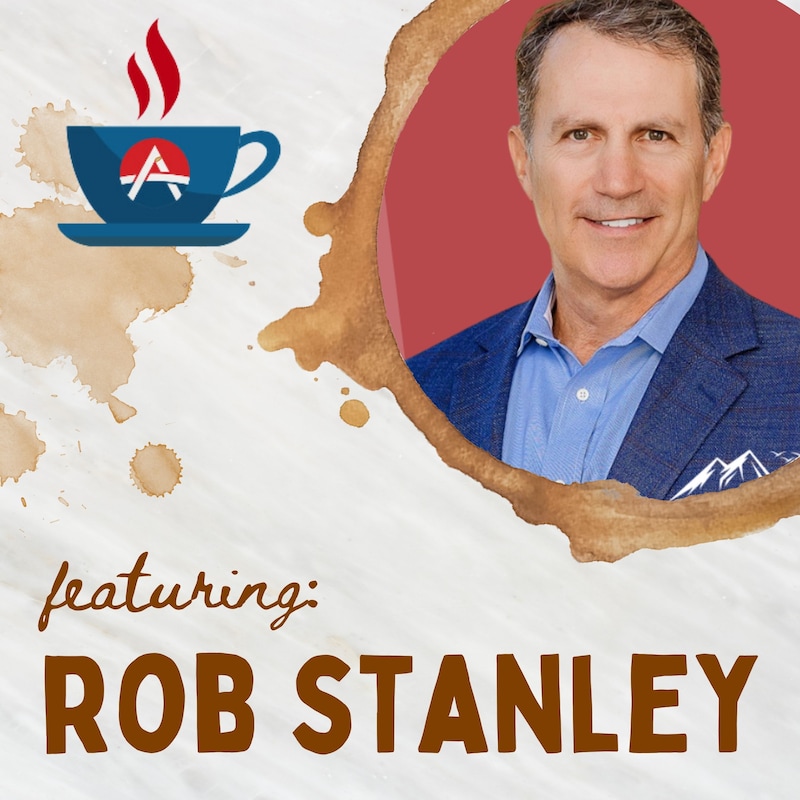
Welcome back to another episode of the IRA Cafe podcast! Join Jasmine Trocchia, head of marketing at American IRA, as she sits down with the dynamic father-and-son team, Rob and Clay Stanley, managing partners at Shining Rock Equity. In this episode, Jasmine dives into the family dynamics behind this North Carolina-based real estate investment firm and unpacks the unique perspective Rob and Clay bring to multifamily real estate, investor relations, and private credit funds, all with a special highlight on the importance of due diligence and investor education. Rob, with nearly three decades in real estate, discusses his transition into multifamily projects and working closely with his son. Clay, whose expertise is in acquisitions and financial analysis, explains how Shining Rock Equity evaluates new opportunities and structures offerings for both new and seasoned investors, sharing insights on their current focus: the Aspen Private Credit Fund. The conversation also explores how working with family impacts Shining Rock’s business culture, what the Stanleys see for the future of real estate, and the regional and market-specific trends they are watching for 2025 and beyond. Jasmine poses thoughtful questions around advice for new investors, best practices for performing due diligence, and how to approach investing through a self-directed IRA. Whether you’re new to real estate investing or seeking more sophisticated strategies, this episode is packed with expertise and practical advice. Key takeaways:
- Early Action in Real Estate: Rob and Clay both stress the value of getting involved in real estate early, encouraging new professionals and investors to take their time but remain proactive in seeking educational opportunities and deals.
- Multi-Generational Family Business: Shining Rock Equity stands as a true family enterprise, involving multiple family members and leveraging shared trust and values to enhance business operations and client relationships.
- Private Credit Fund Strategy: The Aspen Private Credit Fund, Shining Rock’s current active offering, is designed to appeal to investors seeking lower-risk, more stable returns. The fund works by lending investor capital to commercial real estate borrowers, with returns generated through interest and fees.
- Emphasis on Due Diligence: The Stanleys highlight the importance of rigorous due diligence not only on deals, but also on operators, and encourage investors to build relationships with firms to ensure alignment of values and trust.
- Market Outlook: Clay provides a macro-level view of multifamily trends, noting a short-term oversupply in certain Sunbelt markets, but anticipating strong rent growth in the coming years due to a pipeline drop-off in new development starts.
- Advice for New Investors: Both Rob and Clay underscore the importance of understanding investment risks and advocate for investors to ask questions, understand sponsor track records, and prioritize personal comfort and trust before committing funds.
- Client-Centric Approach: Shining Rock Equity works with a broad range of investors and is committed to providing education and guidance, especially for those using self-directed IRAs for real estate investments.
Whether you’re looking to better understand multifamily real estate investing, want tips on working with family members, or need practical guidance for making your first alternative investment with your IRA, this episode of the IRA Cafe offers valuable insights and actionable advice straight from experienced industry professionals. Tune in to learn how to take your investment journey to the next level! [embed]https://youtu.be/5n7pauo4yXQ[/embed]
Transcripts
Welcome back to another episode of the IRA Cafe podcast. I'm Jasmine Trocchia. I'm head of the marketing department at American IRA. And today, I am joined by the dynamic father and son duo of Rob and Clay Stanley. Hi, guys. Welcome. I'm super excited to chat with you today.
Clay Stanley [:Hi, Hi, Jasmine. Absolutely. For having me today.
Jasmine Trocchia [:Yeah. Fantastic. So, we'll just go well, I I definitely wanna have a chance to talk to both of you, like, collectively. But will you introduce yourself? Tell us who you are and what you do. Rob, do you wanna go first?
Rob Stanley [:Sure. I'll kick that off. I'm Rob Stanley, managing partner here at Shining Rock Equity. Been in real estate for twenty seven years and, am thrilled to be able to work with my son on Shining Rock. We formed this company, in late twenty two. And the interesting thing is even though with that history of real estate, investing in multifamily is, somewhat new to me. So Clay and I are able to work together, and learn this business together and grow it together, which is super exciting for me.
Jasmine Trocchia [:That is exciting. And, Clay, we introduce yourself. Who are you and what do you do?
Clay Stanley [:Sure. Sure. So I'm Clay Stanley, and I'm a partner here at Shining Rock. Just to give a little bit more background on myself, I have been doing since I started my career, I've been doing acquisitions in real estate for a couple of different private equity funds, working for a firm out of Charlotte. And, for the first couple years of my career, was doing acquisitions in the single family world. And then now I do land acquisition for residential development for that same firm out of Charlotte. And on both of those sort of verticals, I'm very much in the financial analysis side of things. And so that's a big part of what I bring to Shining Rock Equity.
Clay Stanley [:So when my dad and I and another partner of ours, Kim Solomon, started Shining Rock Equity mid twenty two, that's really what I brought to the table, especially initially before I was able to connect with, investors and all that good stuff. But, that's really what I bring to the table. And, now I dive into the Excel spreadsheets and sort of a nerd out on that stuff so that Kim and Rob don't have to. But I very much enjoy that aspect and and that side of things. And so that's what I what I do at Shining Rock Equity.
Jasmine Trocchia [:Am I thinking correctly, is Kim also related, a family member?
Rob Stanley [:She is, my sister-in-law. I'm Yeah. I'm married to her twin sister. So this truly is a family family business.
Jasmine Trocchia [:Oh my goodness. So okay, Clay. I'm gonna ask you an uncomfortable question. What is it like working with your dad, and does that relationship ever sort of get in the way? Business, personal, or are you pretty good at, like, compartmentalizing that?
Clay Stanley [:I would say that's one thing that we definitely discussed on the onset. Like, how is this gonna work? And I think we've both been hopefully, I'm not speaking for my dad here, but I think we've both been really pleased with how well we work together. I mean, generally speaking, on 90% of items, we just actually happen to agree on those items. And then the 10 of things where we might not agree on a certain avenue or or, you know, certain aspect of the business, we have a really good conversation about how to move forward, and it's never contentious or anything like that. So I would say we work really well. I hope you agree that.
Rob Stanley [:Yeah, absolutely. I mean, I think it comes from a place of trust and shared vision and values. So, we're we're so similar in that regard that it does we do agree on 95% of everything we had come across.
Jasmine Trocchia [:So does business not come to, like, the Thanksgiving dinner table? Do you do you manage to
Rob Stanley [:just keep it out
Jasmine Trocchia [:of that? Yeah?
Clay Stanley [:I know. We talk real estate. It comes wherever we go.
Rob Stanley [:Yeah.
Clay Stanley [:But we still we still
Rob Stanley [:can go we still go fishing together, and, you know, we don't talk real estate the entire time.
Jasmine Trocchia [:Okay. Yeah. Oh, riveting. Those spreadsheets, man. I tell you.
Clay Stanley [:That's right. Yep.
Jasmine Trocchia [:That's fair enough.
Clay Stanley [:Always that's the cool thing about real estate is there's always something new to talk about, whether it's market dynamics or a particular deal that we're working on. There's always something new, and so it keeps it exciting. And then, you know, my dad's been in real estate for thirty years, and I've spent my entire career in real estate. And then our other partner, Kim Solomon, has oh, I mean, been in real estate for twenty plus years. That's right. And so with with all the, stuff that we come across collectively, there's really it keeps it exciting. There's endless things to talk about at the Thanksgiving table.
Jasmine Trocchia [:Riveting conversations. So, let's ask a couple of the questions I like to ask pretty much all of my podcast guests. So it's a a little, like, semi small segment that I like to call past, present, and future. So what is one piece of advice that you would tell your younger self? Maybe yourself that just graduated high school or is just entering the workforce. What would you tell your younger self?
Rob Stanley [:I'll start with that one. And, actually, I I've told Clay this before. He has gotten such an early start in real estate, and investing in general and education along those lines, real life education. I've unfortunately did not start that early. And, if I had it to to if I could give my 18 year old self some advice, it would be to follow with the the line that, Clay has and to get busy early on. So it just thrills me no end to see him doing that, actually.
Jasmine Trocchia [:That's fantastic. Alright, Clay. That wasn't too many years for go for you. But what would you tell your younger self?
Clay Stanley [:So what immediately came to my mind is when you get into real estate, all you wanna do is deals, and you wanna get into a deal as fast as possible. And so I would tell my younger self that the, the next best deal is always right around the corner. And so by skipping out on the deal, you're not going to, to miss a once in a lifetime opportunity or a generational opportunity, generally speaking. And so don't rush into things. Take your time and and move slowly and and be able to make make decisions effectively, but with all the information that we can possibly have.
Jasmine Trocchia [:That's awesome. I love that. So in the present, twofold question just because I I wanna talk a little bit more about your business. So what does your ideal client look like? And then the second part of that is, what are your newer initiatives or offerings? You know, what are you guys doing in the present? What's going on right now?
Rob Stanley [:Sure. As far as, you know, ideal client, so we we raise capital for a lot of multifamily, investments. And so, we have we are fortunate enough to have, many ideal clients right now. And a lot of those are North Carolina based. They don't have to be, but, we love it, when we can connect with people, in person. And then, of course, twofold. We like working with newer investors because we feel like we can add a lot of value, and help them diversify their investing. But then at the same time, we have some very sophisticated investors that we work with where we learn from them too.
Rob Stanley [:So, it keeps very interesting. And then Clay, do you want to talk a little bit about, our active offering currently?
Clay Stanley [:Aspen? Sure. Yeah, absolutely. So, you know, just to touch on the ideal investor really quick. I picked my dad hit the nail on the head. Really, we can work with a broad range of investors and add value whether you're new or or sophisticated. And our business is built around doing due diligence on deals and doing due diligence on operators. And so while we always are pushing education and sort of showing investors and people in our network how best to do due diligence on these deals and on these operators. We we also do a lot of that ourselves.
Clay Stanley [:And so, if there's someone that everyone can you know, assuming you're in a good place financially, you can benefit from, Shining Rock Equity. Yeah. So our our what we're currently working on, and we're always looking for deals and we're always looking for the next opportunity, but we're very selective. Like, last year, I think we did, two common equity deals and one private credit fund. And we're still that private credit fund, we're gonna be raising capital for that fund for a couple of years. And so that's what we're continuing to work on, now and into the future. And so that's really, you know, just to give a high level, overview of that one. We wanted something that we could offer our investors that was a little bit more of a lower risk proposition and a little bit more of a, hopefully, steady return.
Clay Stanley [:And this is through a referral, and that sort of goes sort of goes back to due diligence. We're very big on referrals. We wanna work with people that other people have had great experiences with. And that's sort of how we start new sponsor, new sponsor introductions is through referrals of other people. And so that's how we came into contact with the Aspen Fund. And these guys have a long ten year plus track record of performing on their funds that they've offered to their investors. And so through that, that's sort of how we got comfortable with them initially, which then spurred more and more conversations with them. And we realized that they're not in the business to take big risks.
Clay Stanley [:They have a great, reoccurring revenue business model that allows them to be super selective in what they pursue, and they don't have to go hit home runs. And sometimes if you try to hit a home run, you might not get anything. And so we felt like this was a great opportunity to jump into an investment that's going to be a little bit more cash flow focused, first of all, and best for someone who's a little bit more risk averse or not even necessarily risk averse. I would consider myself personally, you know, I'm younger. I'm willing to take some of those larger risks. But I have a a a nice allocation, of my portfolio in this fund as well because I like the fact that it can withstand, market downturn. It can withstand some things going on in the economy and in the market, and I don't really have to worry. I mean, there's no guarantees, of course, but I don't really have to worry about this one, about, you know, losing money in this kind of fund.
Clay Stanley [:And so that's what we wanted to offer our investors, and and that's why we're excited about it.
Jasmine Trocchia [:What is a private credit fund? So it's easy to say I'm investing in real estate. Right? For example, I have $25,000. I'm gonna put in with other investors, buy a piece of property. I I know what that is. If an investor were to invest with the Aspen private credit fund, what is it, and how does that work?
Clay Stanley [:Absolutely. So in a nutshell, we provide our capital ourselves and our investors provide our capital to the Aspen Private Credit Fund. And then from there, the fund managers of that fund will then go lend that money out to commercial real estate borrowers and multifamily, industrial, and retail mainly with a large focus on multifamily. And so they'll lend this money out, 500 k there, a million dollars here, a million and a half dollars there. And then those commercial real estate borrowers pay interest on those loans. They also pay fees on those loans, origination fees. And those origination fees and the interest that they pay back to the fund essentially is what drives returns for ourselves and our investors. And and so that's really at a high level what this fund is meant to do.
Jasmine Trocchia [:Oh, I see. Okay. Yeah. You have a lot of great stuff on your website. I need to talk to your marketing person, which I I presume is a family member.
Rob Stanley [:You. That's Sarah, my wife. Oh. She she has her own graphic design company. So, she, she definitely helps us out on that end.
Jasmine Trocchia [:Oh, well, I have to pick her ear because that looks really great. So in the future so that's we did past, present. Let's talk a little bit about the future. What sort of trends, either in your industry for business or investing, do you see coming down the pipe, like, for 2025 and beyond, good or bad? What do you what do you think is the future of of your business?
Rob Stanley [:Clay, you wanna take that one?
Clay Stanley [:Yeah. Absolutely. So, I mean, there's a couple of things that come to mind. And, you know, we could talk market dynamics, and we could talk about the short term oversupply that a lot of the multifamily or the multifamily markets are seeing in the Sunbelt markets, particularly. And right now, there is short term oversupply in these markets that's leading to flat or even negative rent growth in some cases. I live in Austin, Texas, and, right now rents are falling here just because so many developers came in and built. But these projects were started in '22 and '23. And since then, you know, the market has changed changed dramatically.
Clay Stanley [:And so now you have, developers who are not able to get projects started. Really, since, you know, the end of twenty three and '24, they haven't been able to start new projects due to interest rates and and a variety of other factors, including high construction costs. And so what you have now is we're absorbing an incredible amount of supply. Everybody talked about supply in 2024, and, really, one of the biggest stories was demand. Demand was the highest it's been in twenty, thirty years in 2024. It was an incredible year for demand. And, hopefully, so I mean, it would be hard pressed to say that we'll see that continued demand for an extended period of time just because it was so incredible. But assuming we keep a a good level of demand, supply is looking like it's going to drop off a cliff just because no projects have been started in the last couple of years.
Clay Stanley [:And so as we get into '26 and '27, if we can acquire property now and we get into '26 and '27, we should be able to benefit from increased rent growth in those years and potentially even longer than that. And so that's one trend that is really exciting for us. You know, being in the multifamily space, we see that riding on the wall with supply, dropping off a cliff and hopefully the demand story is staying strong. And then another thing too is, you know, 2013 to 2021 and early twenty two was the heyday of private market real estate investing. And people could jump in and pretty much, you know, throw a dart and do really well. And those times have changed with higher interest rates. And so I think and and our business is built around this, but I think investors, retail investors, particularly people writing, 25 k to a million dollar checks or 500 k checks. I think these people are becoming much more educated because now they've gone through a little bit of a market cycle and are seeing some of their investments where they jumped in sort of all willy nilly and are seeing those maybe not pan out as well as they hoped.
Clay Stanley [:And so I think that many investors are becoming much more educated on what they're investing into, and that's a big part of our business model. We wanna provide education to others so that they can do their own due diligence while knowing that Shining Rock Equity is always evolving and always improving our due diligence processes so that when we speak or when we bring a deal to our investors, they know that they know the kind of due diligence that we've done on each sponsor and each opportunity, and we're always going to be evolving and and improving that process. And so that's another trend, just the increased due diligence on operators and
Rob Stanley [:deals.
Voiceover [:Mhmm.
Rob Stanley [:That's your great points, Clay. And, you know, I think that bears out in the investments that, we've brought to our investors so far. In addition to the Aspen private credit fund, our other investments are doing very well, at least as well as expected and some much more. For instance, we have a 12 doors in Upstate New York. It is already, performing. We it's a ten year hold, but it's already performing, as if it were year eight, and we're only two years in. We're returning a 10% distribution at this point, just for example. So, we're really pleased with, because we've been very selective, it's bearing those kinds of fruit.
Clay Stanley [:That's right.
Jasmine Trocchia [:Fantastic. So, a couple of follow-up questions. This the sort of trend where you said rents are falling and supply is going down, is that very regional, or do you think that that's nationwide?
Clay Stanley [:I would say absolutely that's regional. I mean, that's Sunbelt, so you're talking, you know, sort of the Southeast Texas and some areas in the West. But the Midwest is performing still really well. It's sort of a slow and steady market. Developers didn't jump into that market and start building a ton just because it is it's not as sexy as Dallas, Texas, so to speak. And so you didn't see all the supply growth that some of these Sunbelt markets felt, and you're still seeing, you know, two to 4% rent growth in a lot of those areas. And so that's a good thesis for the Midwest and, you know, we do consider that to be a decent market and worth our consideration. One thing that we like about our business is that because we are not operating in the day to day, of these assets, we can look at the macro level trends going on and be able to allocate capital or, offer opportunities to our investors that we think are have tailwinds from the macro perspective.
Clay Stanley [:Mhmm. And so we can sort of jump around strategies. We don't have to specialize in one particular thing. Whereas when we're investing with an operator, we want them to specialize in one particular thing. We only want them to do what they're best at, and we don't want them jumping around to a bunch of different asset classes or geographies. Whereas, because we're allocating capital more so, we can we can do it in a way that, you know, benefit or has the the macro level tail
Rob Stanley [:lens. Do you
Jasmine Trocchia [:wanna add to that, Rob?
Rob Stanley [:No. Yeah. He's a % right. And, that's that's why we have chosen we've got a property in New York. We have a property in Ohio, one in Houston, and one in Dallas. And each one of those, the lead sponsors specialize in those areas in in that asset class. So, to Clay's point, we, follow follow the, expertise of those, lead sponsors.
Jasmine Trocchia [:You've also said too, that you like working with new investors. So if I'm a brand new investor, technically, I am. I don't invest. So if I come to you with my IRA account money, what's some really good questions that a well educated client should ask you guys before coming on to invest with you?
Clay Stanley [:That's a great question. Yeah. And I think and, yeah, initially, it goes with what are the risks of this investment? And the only answer that you should hear from anybody's, that you hear from anybody is that you do risk your money and any kind of investment. It doesn't matter, you know, our preferred or our private credit fund, we feel is extremely safe. But at the end of the day, there's always risk when you're investing. If you're investing in anything more than, you know, treasury bills from the United States government, then there's a there is risk in that investment. So that's the biggest thing. And that sort of goes back to the heydays of, you know, call it 2013, '20 '15 to 2020, early '20 '20 '2, is people were just sort of investing blindly thinking that, you know, the old adage, real estate always goes up.
Clay Stanley [:And while we have seen that to be true, it's only true over very long periods of time. In the short term, real estate does fluctuate. And so that's one thing that I would sort of harp on for a newer investor to ask is what are the risks and making sure that they understand those risks for any particular development. And then secondly, you know, that's sort of a high level risk, but what are the risks with that particular investment? Opportunities do the do the group or the sponsor that you're speaking to, what do they pursue? Are they riskier? And are you being compensated for that risk through, a higher return? Or is it sort of slow and steady and, you know, you're not taking quite as much risk, but, you know, maybe your return isn't quite as high as it would be on a development deal, for example. So I would just I would make sure to understand the different levels of risk within the investment that you're making.
Rob Stanley [:Good point. I would add to that too, particularly for, new investors. You know, you need to know, like, and trust the people that you are working with. And so I would advise folks to, take the time to get to know the, the people you're investing with. Make sure your values align. You can tell a lot if you can spend thirty minutes to an hour on the on the phone or on a call or in a meeting, you can tell if you align. And, so I would I would suggest they get to know the people that they, invest with as well.
Jasmine Trocchia [:I love that. That's such
Clay Stanley [:a valuable
Rob Stanley [:tool too.
Jasmine Trocchia [:Yeah. At American Heart Rate, it's it's it's a person first relationship. Sorry, Clay. Go ahead.
Clay Stanley [:No. You're totally right. And just to piggyback off of that, I was looking at a chart of the amount of meetings that it takes an institutional private equity group to, feel comfortable investing with an emerging manager. So you're talking someone who's a little bit newer to the business, certainly, you know, has potential, but these institutional funds were meeting with these emerging managers before investing with them an average of five plus times. And so, you know, that is a lot of meetings to to go over, sort of the business plan or or the emerging managers mindset and investment thesis. And so we wanna bring that same approach not only to the operators and sponsors that we work with. I think generally speaking, we actually have many more than five meetings with them. But True.
Clay Stanley [:Also, we encourage our direct investors to, like my dad said, don't feel bashful or don't feel like you're taking up, someone's time by asking for a meeting, even if it's just a chat and you have, you know, you're you're gonna take it slow and and steady as you look at different investments. Don't feel like you're you're taking up, unnecessary time. I mean, that's part of the process. That's what we do. That's what other people with similar firms do. They should be willing to speak to you and making sure that you're comfortable and knowledgeable about the investments that you're making. And so don't feel bad about asking for, two, three meetings to get comfortable with somebody, if not more.
Jasmine Trocchia [:So where can, listeners, if they're interested to contact you for more information, where can they find you?
Rob Stanley [:So we are, you can go to our website, shiningrockequity.com, and find all of our information there.
Jasmine Trocchia [:Perfect. Shining rock equity dot com. Fantastic.
Clay Stanley [:Yes. And our email addresses are just our our names. So it's [email protected] and clay at shining rock equity dot com. And if you're listening to this and you know Kim, hers is [email protected]. Right?
Jasmine Trocchia [:There you go. Wonderful. Any, anything we didn't discuss that you want the listeners to know about yourselves or about Shining Rock or about Aspen Credit that we didn't get a chance to talk about?
Rob Stanley [:Well, I will make one plug. I am a client of American IRA, and have been super pleased with the service, that Jasmine and her group have provided to me. So, shout out to you, Jasmine. Thanks.
Jasmine Trocchia [:Aw. Thanks so much. We appreciate that. We really do.
Clay Stanley [:No. We we second or I second that for sure. We've had very happy investors who have worked for y'all. And so, appreciate that. And then other than that, I don't have anything extra to add other than thank you for having us all.
Jasmine Trocchia [:Yeah. No. This has been lovely. I would love to have you guys on maybe later this summer, again, just to chat and say hey, and maybe we'll have Kim if she's not camera shy. So, that would be that would be a lot of fun to bring you guys back, and we can, continue the conversation. So thanks so much for joining us.
Clay Stanley [:Sounds good. Thank you. Sounds great, Jasmine. Thank you.
Jasmine Trocchia [:Now it's time for the IRA cafe q and a segment. This is where we answer a question from a client or a listener about your IRA concerns. And I'm actually taking the liberty to explain a little bit more about an EIN number or an employer identification number, EIN, kind of like a Social Security number, but for your IRA account. And so if your IRA account enters into investments that usually result in UBIT, unrelated nope. Business income tax. UBIT. And if you enter into investments where that comes into play, your IRA account most likely needs an EIN number of its own. It is super, super easy to go to the IRS website and apply for an EIN number.
Jasmine Trocchia [:Just takes about ten or fifteen minutes, and it's free. You don't have to pay anything to the IRS at this time for the EIN number. We just sent out an e blast, an email, a couple of days ago. And check your email if you're an American IRA client, and it has much more information about obtaining an EIN or for your IRA account. Now we get a lot of questions, and I know that our client services team has had to answer a lot of questions about this. If you think that your IRA account needs an EIN or you're entering into an investment and you're being asked for an EIN for the investment, it is not the American IRA EIN. It is not New Vision Trust EIN. You need to get an EIN for your IRA account.
Jasmine Trocchia [:So if you have any other questions, reach out to your CPA or a tax attorney and ask them if your investments for your IRA account require an EIN.
Voiceover [:American IRA LLC, a North Carolina LLC, acts as a third party administrator for New Vision Trust Company, a state chartered South Dakota trust company. As a neutral self directed IRA administrator, American IRA does not recommend or endorse any investments, individuals, or entities, including financial representatives, promoters, or companies. American IRA and the IRA cafe are not responsible for other statements, representations, or agreements, nor do we evaluate the quality or profitability of any investment. American IRA does not endorse guests on the IRA cafe podcast. Guest opinions are their own and do not necessarily reflect the views of American IRA, its subsidiaries, associates, or custodian. Participation in the podcast is voluntary, and no compensation is provided. American IRA is not a fiduciary and cannot offer financial advice. Please consult your CPA or another professional before making financial decisions.
