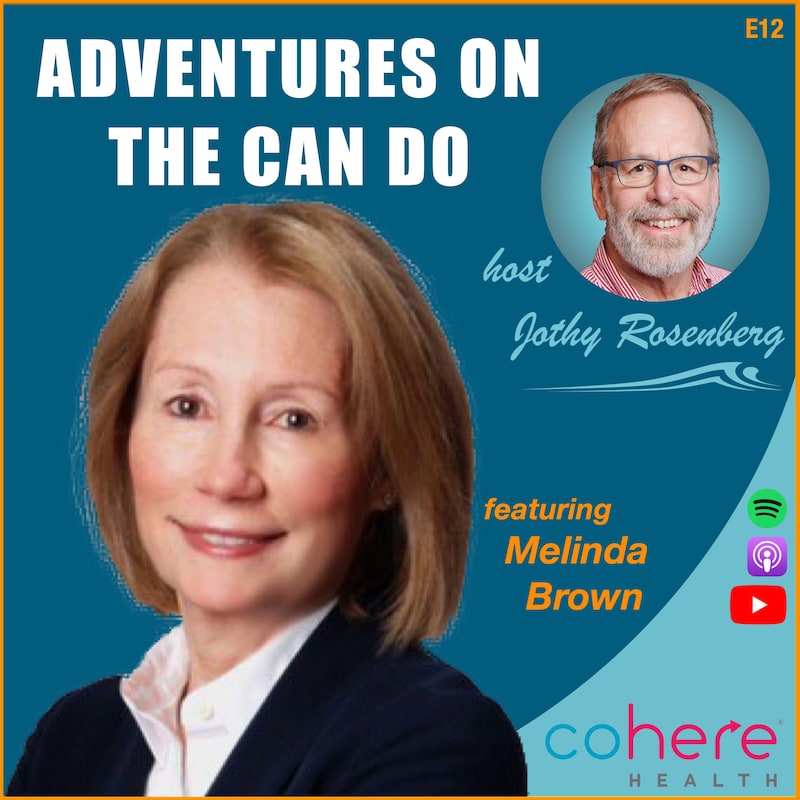
Shownotes
Summary
In this conversation, Jothy Rosenberg and Melinda Brown discuss their experiences working together at Draper and the challenges they faced in setting up a spin-off company. They talk about the importance of trust in legal agreements and the difficulties of navigating intellectual property ownership. They also touch on the complexities of incubating a startup within a larger organization and the need for clear communication and understanding between all parties involved. The conversation covers various challenges and complexities in contractual relationships, the importance of clean and clear provisions, the difficulty of interpreting vague terms, the significance of memorializing agreements in contracts, the challenges of collaboration and regular deliveries, the value of protecting intellectual property, the role of grit in entrepreneurship, and the importance of passion and control in starting a company.
Takeaways
- Setting up a spin-off company within a larger organization requires careful negotiation and clear communication to ensure the protection of intellectual property rights.
- Trust is essential in legal agreements, especially when dealing with sensitive issues such as intellectual property ownership.
- Incubating a startup within a larger organization can be challenging, but having leaders with experience in raising money and navigating the startup ecosystem can increase the chances of success.
- The field of use in intellectual property agreements can be ambiguous and require ongoing negotiation as the startup develops its own IP.
- Interpreting vague terms in contracts can be challenging and may require establishing boundaries.
- Memorializing agreements in contracts is important for future reference and understanding.
- Protecting intellectual property is essential to prevent theft and disputes.
Sound Bites
"Trust is so important, right? To do the right thing."
"If you're not busy, that's worrisome. Basically, that means the company's probably not going to succeed."
Chapters
00:00 Introduction and Background
07:17 Challenges of Incubating a Startup within a Larger Organization
13:25 The Importance of Trust in Legal Agreements
29:44 Managing Collaboration and Regular Deliveries
36:10 The Value of Protecting Intellectual Property
Links
Please leave us a review: https://www.podchaser.com/AdventuresOnTheCanDo
Melinda's company: https://coherehealth.com/
The book Think Like a Startup Founder (early access): https://www.manning.com/books/think-like-a-startup-founder
Jothy’s site for speaking, podcasting, and ruminating: https://jothyrosenberg.com
Jothy’s non-profit foundation The Who Says I Can’t Foundation: https://whosaysicant.org
Jothy’s TEDx talk on why people with a disability over-achieve: https://www.youtube.com/watch?v=PNtOawXAx5A
Transcripts
And here is Melinda Brown. Hi. Hi, Melinda.
Melinda (:Hi, how are you?
Jothy Rosenberg (:I'm good, it's good to see you. You're looking well.
Melinda (:Same, same, we're both sporting glasses. Yes.
Jothy Rosenberg (:Ha ha ha.
Yes, I did have to get glasses. And I'm also sporting a beard, which I didn't have while the whole time we were working together. So I do like to start by just having people say, where are you from? I don't even know that actually. And where do you live right now?
Melinda (:Yes, that's right. That's right.
Melinda (:So I grew up in Kentucky and yeah, came to Massachusetts for college, fell in love with Massachusetts and the Boston area and basically never left. So been here a long time. That's a great, it's a great city.
Jothy Rosenberg (:Yeah, yeah.
I had a, I similarly came here 28 years ago on a one year assignment from a company in Silicon Valley and I was supposed to go back, but we were here maybe three months, went to the, my kids were in junior high. We went to the back to school night in, it's usually in October or sometime. And when we walked out of that.
Melinda (:Mm-hmm.
Jothy Rosenberg (:building, that school building, we looked at each other and said, we are not leaving this place. Not while we have kids, for sure. And of course, once you're through all that, you're not leaving anyway. So we both, we worked together at Draper and I mentioned it in your bio that you were
Melinda (:Yeah.
Melinda (:Yeah.
Melinda (:Right.
Jothy Rosenberg (:the chief legal officer at Draper. And when I first met you and you were introduced as the chief legal officer, you know, I sort of figured, oh my gosh, this is gonna be somebody that I have to, you know, be really careful of and tiptoe around, you know. But the, I just wanted...
get your perspective on when you got that job and you've got, it's a, what is it about? It's a $500 million company. It's about, I think, 1,500 people maybe, isn't that right?
Melinda (:Yeah, somewhere in the neighborhood of 1500 to 2000. I think the revenues were somewhere in that neighborhood.
Jothy Rosenberg (:And of course, there's a lot of sort of unlike a commercial company, you're going to have all kinds of little sensitive things, secret things going on around the building. And so you had to have, I assume, a top secret clearance so you could deal with that stuff, right?
Melinda (:Mm-hmm.
Melinda (:Correct. Yes.
Jothy Rosenberg (:Had you ever had that before, a top secret clearance?
Melinda (:No, and because I hadn't known what the process would be and the fact that one is supposed to alert one's neighbors just that they may be approached that I'm in this process, they should be honest, but that there's someone may come knocking at the door. I neglected to tell one of the neighbors and so they were quite disconcerted when someone showed up at the door.
to say, do you know this person? Has this person ever been involved in anything to your knowledge regarding illegal activities, blah, without explaining why they were there. So that neighbor contacted me that evening and said, is everything okay? I said, yes, everything's okay. So.
Jothy Rosenberg (:When my neighbors were contacted about for my getting a top secret clearance, they started to explain, like I think the examiner said something like, have you ever seen any kind of weird behavior out of him? And they would say, well, would you think that somebody who's got one leg and is loading a kayak on the car?
is kind of weird. So they had fun. They actually had fun with the person too. Because they just said, well, this is all the things that he does. And he's, you know, seems kind of weird to us, but not in the way you're worried about. So you reported to the CEO and
Melinda (:Yeah, yeah.
Melinda (:Mm-hmm.
Melinda (:Mm-hmm.
Jothy Rosenberg (:And he's a tough guy, but he's a guy I really like a lot. I didn't work for him in the way you did. I kind of was a little bit of an arms-length distance. And I got the sense that he worked everybody pretty hard. And it seemed like you guys had a lot of...
Melinda (:Mm-hmm.
Jothy Rosenberg (:on your plate. The whole legal team had a lot.
Melinda (:Mm-hmm. Yeah. I don't think that's unusual. I think every, every place where I've served as general counsel, chief legal officer, including my current situation, there's, you know, if you're not busy, that's worrisome. Basically, that means the company's probably not going to succeed. And so.
Jothy Rosenberg (:Hmm.
Melinda (:I think Draper may have been more complex because of the nature of its work. I think that understanding the technology and applying it to whatever we needed to provide, like intellectual property protection, like making sure the contract terms, whatever they were, reflected our needs, that was very challenging.
because of the highly, highly sophisticated nature of what Draper produces. But yeah, always busy because any company that's bringing in new business that's creating high performing technology that has, you know, people and facilities and just the whole panoply.
of, of issues, those, those never slow down. They never stop, you know, regardless, as I said, unless the company is really in decline, then, then it's sad. Yeah.
Jothy Rosenberg (:Yeah, of course. Well, so obviously the reason that I really wanted to have you, you know, beyond this podcast was because of sort of the relationship to startups. And in particular, you know, I had come to Draper with the ideas. There wasn't any intellectual property from the previous work because it was basic research.
with DARPA that ultimately became, you know, after we spun out, became Dover, which is still my, I'm still there, my ninth and last startup. And it was because I was reaching out to lots of different people. I talked to Amazon and I actually talked to Ken at, he was at Google.
Melinda (:Mm-hmm.
Jothy Rosenberg (:And what I had done was I reached out to somebody that I knew at Google, and I was trying to see if Google might be interested in incubating this. And they pushed me over to where the part of Google where Ken was. And Ken said, it's a great idea. Google should do it. I'm leaving next week. I got a new job in Cambridge, Mass. And if you can't make it happen with Google...
Melinda (:Mm-hmm.
Jothy Rosenberg (:Don't bother me for three months from my start date, and then let me know if you can't make it work with Google. So Google wasn't interested. I waited three months and one day and called him. And he was very interested in having Draper incubate this kind of thing, which I was surprised of and thrilled at.
And then I think, you know, he wanted to think about it broadly and have Draper do more of that, which ultimately didn't work out because, and I sort of look back and I think, okay, so I don't think incubation at a, even at a small defense contractor is necessarily going to work if you don't have people that are leading it.
who have done things on the outside, like raising money. That, you know, if you're coming up the ranks of a defense contractor and you don't have that experience, then it's gonna be pretty darn hard when you spin out to know what exactly you need to do. But I wanted to ask you about, you were involved from the very beginning in setting up.
Melinda (:Mm-hmm. Yeah.
Melinda (:Yeah.
Jothy Rosenberg (:what the deal was going to be between, well, essentially me and Draper, because there wasn't an entity yet. And I just sort of maybe start with, what was it like? The whole thing, I just have to make sure that my emails don't disturb us anymore. I hadn't turned that off.
Melinda (:Oh, that's fine.
Jothy Rosenberg (:What is, what, what it, going into it, what were you thinking? Um, cause obviously you want to protect draper's rights, draper's ownership of some things. Um, and, and everything that we were doing was brand new. I mean, so I assume that was probably kind of fun though. Right. Was it?
Melinda (:Oh, yeah. Yeah, incredibly challenging though, because the people that you worked with had a lot of knowledge in their heads and figuring out the intellectual property ownership piece of it.
Melinda (:It was a clean break when you were leaving, a clean, positive break. You had the rights you needed going forward. Draper didn't cede any of the rights it needed to retain because there was some overlaps there that the people could go. And we felt like they wouldn't use any Draper specific knowledge to, I'll call it form, what you were doing in a way that wasn't appropriate.
So there was that and getting everybody comfortable inside Draper, that this was okay. You know, many commercial companies have what I'll call skunkworks or incubation and they can spin out. They understand what that means. This was very new. In fact, you know, as you said, the first of its kind. And it helped that I had a commercial background.
Jothy Rosenberg (:Mm-hmm.
Melinda (:and a technology background, I think, because if I'd had the classic government contracts background, that might've made it more challenging. But I think the other piece of it that worked was that Ken is very transparent. He knows what he wants. He knows what the goals are going to be. That made it much easier to set up the structure.
And the fact that you and he had a relationship of sorts and he trusted you, because trust is so important, right? To do the right thing made all of this possible, but it was very difficult. As it always is where there's, I'll call it interconnected technology and intellectual capital, what's in the minds of the team as they're working on it. Yeah, yeah.
Jothy Rosenberg (:Right, right. So one of the things that was, I mean, it really helped that Ken had founded a startup and sold it. And it meant that he understood some of the things that I was asking for. For example, that I needed the team to be altogether in one space and not...
completely separated from but somewhat cordoned off from other people in the company because that way I didn't want there to be cross-pollination of ideas because that would just make everything more difficult later and we wanted to own what was being developed.
Melinda (:Mm-hmm.
Melinda (:Bye.
Melinda (:Mm-hmm.
Jothy Rosenberg (:there were some lot of strange moments after spin out where it's like, okay, so these are things that we did while at Draper. These are the patents we've got licensed to, uh, from Draper. And then, you know, now we're starting to develop our own things. And these are now going to be property of Dover. And, you know, we had to be very careful to understand what was what. And, and, um, but
Melinda (:Yeah.
Jothy Rosenberg (:You mentioned that there were some.
grumpiness and misunderstanding on the part of some other people at Draper. And there certainly was. I mean, just before I like six months before I was going to spin out myself. So I was going early and the rest of the team was going to follow a couple of months later after I had done a bunch of things to get, you know, get ready for them. I had to make sure I had money to pay them. And
Melinda (:Mm-hmm.
Jothy Rosenberg (:And I had been talking to various groups within the company, who's going to take this on? And that wasn't a conversation most people wanted to have. And it was just, I was kind of a very repetitive, steady drum beat of who's going to take this on, who's going to take this on. And then a week before I was leaving, a bunch of those people I'd been talking to said, oh my God, we've got to have this big meeting. And I said, okay, yeah, let's do it.
And in this meeting, they decided not to be friendly about it and to basically say, why are we letting this happen? You're stealing our IP. You know, it was this literal blunt stealing our IP. It's like, okay, well, this isn't going to go all that well. But anyway, back to this setting up part.
Melinda (:Yeah.
Melinda (:Mm-hmm.
Jothy Rosenberg (:Um, one of the things that was, uh, interesting, and you talked about Ken's being very transparent and he was so easy for, you know, for me to work with on all this, all this stuff. I would, I would say, well, you know, this is going to be really important to me. And he would say, yep, I get that. He puts himself in, in my shoe shoe, my shoe. Um, and, and then
Melinda (:Mm-hmm.
Jothy Rosenberg (:And he would say, well, this is really important to Draper. And I would say, OK, I understand that. And we'd work through things. But one of the things that he explicitly did, and I wonder if this was hard for you, was that he said, I want to leave this, whatever it was, ambiguous, on purpose, because we don't know enough. And that turned out to be extremely helpful, up to a point.
Were those things like where you maybe got into a little bit of a, you know, back and forth with him or?
Melinda (:Well, we talked about it and I understood why we were doing it. It was the right thing to do for you and for Draper because you don't know exactly where that bright line is going to be in terms of the spin out, the timing of it, the IP overlaps, right? Exactly what IP you would want to have rights to, exactly what we felt we need to retain.
We had to leave some of that ambiguous until it got closer to it, which made it harder because basically what that meant was you're negotiating, if you will, along that timeline. And then as you get closer, there's a hope that you'll come to agreement on exactly what's going to leave, what's going to stay. So the deal was maybe 80% done.
baked, but that last 20% was put to later. And there's always risk there, always. And I do think as it got closer, and although I think you and Ken, that was the right thing to do because it was so new and because of all of the interwoven aspects of this, I think that's in part what made it hard for the
Draper team staying behind and not that they were left behind, but you know what I'm saying, the Draper people that weren't involved, that weren't going to go. Hard for them to understand, first of all, why it couldn't have been finite. Why didn't everything, because that's how they managed. That's an engineering firm. They want 100% and they want that clear, bright line. And then the fact that you were quote, taking. They were so worried about that because...
Their work had been to provide services to the government, to provide technology to the government. They wanted to make sure that wasn't gonna be upset in any way, right? Impacted in any way. So I think Ken was trying to balance all of that by leaving some ambiguity there. Would I have ideally preferred crisp, direct, yep, we know this is what it's gonna be, and then on the day you leave, that's what it will be.
Melinda (:But I don't think we had that luxury because you were incubating. That was the other piece of it, right? You weren't just occupying office space. You were actively incubating and working on the IP. So we didn't know where it would be at the point that you were leaving. So we had to.
Jothy Rosenberg (:Yeah, and it made things easier in some respects and harder in another. One thing that I think is worth bringing up as a sort of a specific example is this concept of field of use.
Melinda (:Mm-hmm.
Melinda (:Oh yeah.
Jothy Rosenberg (:an exclusive worldwide license to the IP that had been developed while we were officially Draper employees with a carve out back to Draper for which would be a non-exclusive license in their field of use. And field of use was really ambiguous.
And I was nervous about it, walking out the door, but it said things like, for government contracting purposes, in research and small quantities. And so it was trying to avoid, do you remember all that? And yeah, I'll never forget it to my last breath. And...
Melinda (:Yes, yes, yes. I do, yeah.
Melinda (:Because that was difficult. That was probably the most difficult issue for us to work through, don't you think?
Jothy Rosenberg (:and
Jothy Rosenberg (:Yes. And it was one of the most difficult things to then, once you're gone and then Ken's gone, it became an absolute nightmare.
Melinda (:Right.
Melinda (:Ah, I did not know that.
Jothy Rosenberg (:for me. So yeah, because there was no, this is the other thing, you know, you said, you said when you're doing these kinds of legal agreements, trust is essential. Well, it and it's trust in people. And then when the people, half the people, let's say, are, are gone, then, you know, things
things change and somebody has a different attitude or they have no context or whatever. Fortunately, I set the team on a path once we were pretty established, maybe a year and a half or maybe even two years out. I said, we have to go all out on creating our own IP and
Melinda (:Mm-hmm.
Jothy Rosenberg (:And we have to make sure that this IP is built on top of our ideas that are not connected to the original IP that we had. And fortunately, the technology moves forward. And sometimes you're adding and everything is accretive to what you originally had.
Melinda (:Mm-hmm.
Jothy Rosenberg (:And fortunately in our case, that's not what happened. What happened was all the IP was associated with an approach. And we, we subsequently learned from difficult, you know, push back from, from customers who said, it's way too big. It's gargantuan compared to what we need. And it was in the process of making it.
Melinda (:Mm-hmm.
Jothy Rosenberg (:smaller and we ended up making it 87% smaller that we, there was this sort of moment where we said, oh, that thing that everything we did while we were a Draper was, it was based on, we're going to stop doing it that way and we're going to make it much simpler, much smaller. And then that
Melinda (:Wow.
Jothy Rosenberg (:complicated thing that was done in hardware, we moved over into software in a different way. But I mean, so basically we did this trade-off where the new product, version 2, is way smaller and therefore lower power. But the trade-off was instead of building a new application taking five seconds, it might take 30 minutes. It might take five hours.
Melinda (:Hmm.
Melinda (:Yeah.
Jothy Rosenberg (:but it's something you do once. And that is the final moment when I could go back because I got into, I spent so much time with legal people and business people who were saying, you're not allowed to go into the, to talk to DOD customers. And I said,
But the field of use doesn't say that I can't. It says Draper can. And it also doesn't say that if it's a high volume situation, which is all we're interested in, that's not what Draper does in their business. Well, but then the people said, well, but we want those high volume things. And...
Melinda (:Mm-hmm.
Right.
Jothy Rosenberg (:And so, you know, at one point I was finally able to say, look, we're going to have, we can stop yelling at each other for, you know, once a month, difficult meetings, because we're going to terminate the license, not in a negative way. We just don't need it anymore. And it's, we don't, we don't have to, we don't have to have fights. You're, you're our, our friendly uncle.
Melinda (:interesting.
Jothy Rosenberg (:Now you're just a nice friendly uncle. And we don't have to see you very often either.
Melinda (:So I think you raised the two most challenging pieces of any, basically of any contractual relationship. The first is, can you develop clean, bright lines that can be articulated in a contract? You can't always do that. And then if you can't, you're stuck with, can the interpretation of what is, I'll call it vague.
Um, be clearly interpreted, right? You know, we'll meet on a mutually agreed basis. Well, that says basically, okay, if we don't agree, we won't meet. Um, not very helpful, but if it says, okay, the parties will get together, you know, at least once a year, we at least have a boundary there. Right? So you want to get as many boundaries as you can, but you can't always. And so.
Jothy Rosenberg (:Hmm.
Melinda (:I do think having less crisp provisions in a contract, it's necessary, but it is really hard because my view of contracts is they memorialize the understanding of the parties and they are intended for later people who, as you said, weren't involved in it, weren't even at the company at the time, can go back and say, okay, I understand what this says. And part of the problem was that...
Draper knew its business model, but it didn't know exactly what it would be doing with this technology. You knew your business model, but you didn't know exactly what you would be doing with the technology. So there was no way to perfectly articulate it. And you didn't have two commercial mindsets. This is the other piece that made it so difficult. You had people on the Draper's side that were delivering to different customers with a wholly different mindset of what it means.
Jothy Rosenberg (:Right.
Melinda (:to have and use technology, right? And so I think that natural tension was there. It's unfortunate. I'm not sure if we went back and looked and stepped back into that point in time, maybe we could have done better. I'm not sure how though, right?
Jothy Rosenberg (:I'm not sure either. I don't think about it that way. I don't think, oh, I wish we would have done this differently. It did create some angst. And that wasn't the only thing. Another thing that was really challenging and is always going to be challenging when you got two entities that are in the legal agreement, it says, you know,
Melinda (:Yeah.
Jothy Rosenberg (:there will be this collaboration. And what that turned into was we were supposed to make deliveries of the technology because Draper wanted to continue to use it, right? And Draper hadn't yet, it took a long time for Draper to even have a team that could collaborate, but eventually they did. And then they wanted these regular deliveries, which sounds...
Melinda (:Mm-hmm.
Melinda (:Mm-hmm.
Jothy Rosenberg (:you know, nice on paper and even, even Ken thought it was going to work. But it turns out that we were moving very fast and we would change things just incredibly fast. And, and, but everybody within this tiny set of offices that we had in, in Waltham was able to keep up, but, and the builds were changing like fast.
But then we were supposed to make this delivery every, like say six months to Draper. And how do you, their stuff hasn't been tracking. So if we just dumped everything we just done to them, then nothing they already had done would work. And so we started to have just enormous amounts of time in just figuring out what changed.
and to give Draper something incremental that would allow their existing stuff to work and still be a delivery from us. That we shouldn't have agreed to. That is the one thing we shouldn't have agreed to. But I mean, that was, you know, it was, that was the idea. And so there was this famous time when, when Ken was visiting us.
Melinda (:Yeah.
Jothy Rosenberg (:and Wal-Tham and he said, oh, we should stop this now. We should just, cause I explained to him what was going on. And he said, well, we should just stop this now. We really don't need this anymore. It was a thing that had to happen at the beginning. And I thought that was great, except that was two months before his departure from Draper.
and off to his new thing. And that's when, you know, it's like, then the people at Draper saying, where's our delivery? Where's our delivery? And I didn't even think to get his statement about, let's stop doing it, document it as in a legal way, because we were still operating on this sort of, you know, trust thing.
Melinda (:Yeah, yeah.
Melinda (:Mm-hmm. Yeah, sure. Sure.
Jothy Rosenberg (:And so it was a wonderful thing. I mean, we wouldn't exist if not for that two years at Draper. And I wouldn't know you and Ken. And Ken is, to me, he's just somebody very special. I've only.
I don't throw the word mentor around. I've had two mentors in my entire career, and he's one of them.
Melinda (:one of them. Yeah. And you know, I think you lived through this experience um, with Dover. I have lived through this many times where you do your best, but with technology and with business, the rapidity of change is so great that you cannot at any point in time.
get a contract that is clear and workable and projects forward. You just, you just, you just can't. You, I say to people, a statement of work is, is by its nature, a living and breathing document and what a customer says they want this year in 18 months is going to be very different. So you do your best to anticipate. And I think staying close and hoping that you have alignment.
on goals and that's where I think the Dover thing became so tough, right? There wasn't, once Ken left, there wasn't alignment really, right, on the goals and on the relationship and on the collaborative nature of what he had hoped at the outset would be achieved. And that the great thing, and this was the goal, was we were transitioning.
as phenomenal technology into the commercial marketplace, right? Which is part of Draper's mission. So it was a real achievement to have done this, but it wasn't easy. It wasn't easy.
Jothy Rosenberg (:Mm-hmm.
Jothy Rosenberg (:No, no. And, you know, there was another, I mean, there was really only one other real attempt. And it was one that was led by Brad Gaynor and tried hard. It was very hard on Brad. He just was, he was
Melinda (:That didn't work. It did.
Jothy Rosenberg (:You know, he was a little over his head and super smart guy, incredible at writing proposals and doing all the stuff that, you know, traditional Draper business model needs. And I felt so bad, you know, that trying to raise money and, you know, it's, it's like, it's like he was trying to fix the bike while he's riding it, you know,
Melinda (:Yeah, well, and this is the reason Dover succeeded. You are an entrepreneur. You have lived in the commercial technology for-profit world. So you knew what you needed to do to get the company launched. And that was the other piece that made this successful, if you will, as a spinout. Not easy, but successful.
Jothy Rosenberg (:Yeah, successful to a certain extent. I mean, it's had lots and lots of challenges. One of the things that I definitely learned in the process was I put more effort and more money into IP, partly because it was hardware, and partly because I felt like
I wasn't sure where all of the value that we were going to have was where it was going to be. And it's the area that we had the most control over. You don't have control over your customers, but you do have pretty much control over your IP. We've had five patents issued now. We did a slow roll for a while because you can sort of do that right.
Melinda (:was going to be. Yeah.
Melinda (:Right.
Jothy Rosenberg (:the whole process along, but then we accelerated it and we've got like, I don't know, 10 more in the, 12 more actually in the process and they're all approaching that point of issuing and they're wonderful. I mean, the patent attorney we have, who's like a contract person for us, it says it's the...
Melinda (:Mm-hmm.
Jothy Rosenberg (:It's the best portfolio she's ever worked on, which is awesome.
Melinda (:Mm-hmm. Yeah, and it's incredibly expensive. But if you don't protect the IP, even if you make your best guess at what you need to protect and how to protect it, if you don't protect it, right, somebody can come along and just take it or it walks out the door. If you have a disgruntled employee who says, oh,
Jothy Rosenberg (:Yeah.
Melinda (:boy, well, these guys don't realize they've got crown jewels and the doors, the, the door to the display case is just wide open. Um, I can take them. Right. And that, that would be very difficult to do. You have employees sign something when they come in the door to say, you know, the company owns all of the IP and that sort of thing. But if you don't protect it, that lends to certainly disputes. It can be disputes with.
As I said, this ground of employees, it could be disputes with, um, with competitors, it could even be disputes with customers who will continue to have you build, uh, and enhancements. Right. And that line between what you've developed for them and what, and what, you know, what you own. So the IP in, in technology is, I don't know, it's so central and people have invested an awful lot in portfolios.
I think the fact that your patent attorney said, this is a really, really powerful portfolio says something and you don't know where it's going to be useful. Somebody may come in the door and say, I'm going to make this up. This of course wouldn't necessarily be the case, but you know, I've got an internet of things device and I think there's an application for your hardware.
You know, it could go into, let's say a refrigerator or something, right? So certain applications of it may work in ways that you guys aren't focusing on. That's not even part of your market, but you may get approached by that. Right. So you just never know. You just never know with IP.
Jothy Rosenberg (:Hmm.
Jothy Rosenberg (:Well, I think it's going to be extremely helpful right now, because we just hired an investment banker.
Melinda (:then you know what, it solidifies the value of the company. Nobody that's interested in investing will be worried about whether you've protected your IP. That's a crucial validation point for any investor, for sure.
Jothy Rosenberg (:Well, I meant, acquirer. You mean acquirer.
Melinda (:Well, I didn't want to go that far, but sure.
Jothy Rosenberg (:Yeah, we're not hiding that fact. We think it's a good time. For obvious reasons, why would you? You haven't tracked all the steps that Dover's gone through. The business model that we have of licensing IP to a big...
Melinda (:Absolutely.
Jothy Rosenberg (:company, they're always going to be very big companies. It's not an ideal model for a very small startup. And we've been sort of squeezed and bled by big companies along the way. But we're at a stable point. We've got great IP. We've got a certain amount of traction. And I think that the time is right for.
Melinda (:Mm-hmm.
Jothy Rosenberg (:somebody that has a lot of resources to take this on and run with it, and they'll be able to make it a major competitive advantage that we just weren't able to do on our own. But we built something very valuable. You've heard the term grit, obviously, and it's applied to...
Melinda (:Yeah.
Melinda (:Mm-hmm.
Melinda (:Right.
Melinda (:I'm sure you did.
Melinda (:Mm-hmm.
Jothy Rosenberg (:startup people all the time. We all talk to each other about, yeah, you know, it takes a lot of grit to be a startup person. But I'm guessing it takes a lot of grit to be a senior, the senior most attorney at a company and as a woman.
Melinda (:Hmm. Yes. It does. No, it does. It does. Uh, yeah.
Jothy Rosenberg (:Where does your grit come from?
Melinda (:It has gotten.
Melinda (:Well, I did grow up in Kentucky. Okay. So we can start there. Uh, you know, um, I had parents that challenged me. That was good. I was able to, uh, play some sports, mostly individual cause it was pre title nine, but I did learn a little bit about, you know, falling over and getting back up I wish, and I'm very grateful. My daughter.
Jothy Rosenberg (:Hehehehe
Melinda (:was able to participate in team sports because it prepares you for life, but very much so for the rough and tumble of the business world, because most men have experience with some sort of team sports. So they understand that dynamic, you know, winners, losers in a good way and coming back. Um, so the, the sports helped a lot. And then, uh, I had the benefit of.
going to a woman's college. So I felt I was in an environment that was, you know, was not gender driven in a bad way. I didn't compete with anyone in the classroom. You know, my voice was heard just like everybody else in the classroom. And I was allowed to sort of come into my own.
And then I will tell you that in my early working life, I was often the only woman in the room.
But I, you're right, but I had, like you, I had some really great mentors, just great mentors. And either I would go to them or they would come to me to say, all right, now listen, this is what went down or this is how I perceived it. And that translated through my career. As I advanced in my career, there were more women and I could watch them and learn from them.
Jothy Rosenberg (:I'm not surprised.
Melinda (:And, and I had been sort of, so I think it was in, it was cumulative, but you do learn early on that, you know, there's this, you gotta be, you, you have to, you have to understand the toughness. The other piece that I will say is that learning how to be strong and, you know, uh, stand your ground, I guess. Um, on the business side.
And not create any and not make it personal and not create any personal sort of issues also allowed me to be more effective. And I was in environments that fostered that. So where you're in an environment where it's tolerated to really go toe to toe. Um, but it's not personal also allows you to develop skills that, you know, you can be tough.
but everybody knows you're being tough because you care about the job and care about the issue. Not because you care about power or you care about, you know, displaying that for the sake of it. But yeah, yeah.
Jothy Rosenberg (:Like you, my mom went to Wellesley quite a few years before you, and then to Yale Medical School where she was like, I think there were like two women in the entire class. And she was all, I mean, and then she was a, she practiced medicine first as part of a university, but then in a private hospital. And she was almost always the only woman in the whole department.
Melinda (:Wow.
Melinda (:Mm-hmm.
Jothy Rosenberg (:and the only woman at every party. Now, the one benefit she had that, you know, this was not something you could fix is that my mom was six feet tall. And so, and so she was looking down on most of the men.
Melinda (:Ehh...
Melinda (:Interesting. My daughter is almost six feet tall. It is. She hasn't always enjoyed that height and being that tall. But I think it's a good thing. Yeah, yeah, because six, one and a half. So, yeah, I come from a long line of short. So yeah, so I was surprised that all three of my kids work.
Jothy Rosenberg (:Oh great.
Jothy Rosenberg (:How tall was her dad?
Jothy Rosenberg (:Hehehehe
Melinda (:especially my daughter was that tall. And yeah, so as you know, that's another disadvantage. I'm often the shortest person in the room. And yeah.
Jothy Rosenberg (:Yes.
Jothy Rosenberg (:Yes. So, but sitting in a chair around a conference table, it all gets evened out, the height thing.
Melinda (:Mm hmm. The height thing does. Yeah. So yeah, I think it does take some grit. I don't know. I think it takes I also think that if people understand that you're passionate about the business, you're passionate about achieving success for the business. I think that goes a long way towards buying so I'll cut you some slack if you will.
Jothy Rosenberg (:Yeah.
Melinda (:or you have some credibility because they'll think, okay, she's taking this seriously. She's toeing the line because it's for the company.
Jothy Rosenberg (:Well, thank you very much. This has been very interesting. I think it's going to be, you know, we're going to have a lot of listeners eventually who are, they want to hear about all the different things that matter in startups, where the startup came from, how the ideas came about, IP, you know, legal stuff, all of that.
Jothy Rosenberg (:So it's great to be able to do this. And what I'm finding is that, so the reason I started doing this podcast is because I finished the book, which is called Think Like a Startup Founder, and it's in production, gonna take a couple months before it comes out, but that's based on my experiences and my stories. And this,
Melinda (:Mm-hmm
Jothy Rosenberg (:This is about getting a whole bunch of people to come on. I'm doing these once a week and augmenting what, you know, augmenting this with their stories. So the sort of, you know, you can imagine you have this little, here's the stories that I had. And now slowly over time, we're gonna have this nice accumulation of all the other stories about different kinds of companies.
I talked to a guy yesterday who owns a franchise business. I forget what the business does, but it's a franchise business. And that's a different kind of business, but it's got a lot of the same challenges and issues. And so it's all the same, but people have passion, like you're saying, about I don't wanna be part of a huge, big company. I wanna...
Melinda (:All right.
Jothy Rosenberg (:I want to have more control. I want to be in more control of my own destiny. And I have something I really want to do. And I have an idea. And I want to implement it. And the way to implement it is through a company. And so this is going to be fun.
Melinda (:Mm-hmm.
Melinda (:I think it's gonna be great and before we sign off, I just, you know, I, your listeners don't know you necessarily, but you know, coming to know you getting to know you was it was really, it was really a privilege. You are. You are really an amazing.
accomplished, sort of self-confident without ego, individual, you just have this sort of the whole package and whether that's because of your life story or because of the genetic wiring, or maybe I'm sure a combination, but you know you're always someone that I point to as you know what.
I, you're, you know, there's a baseline here. Look, look at what this, this person has accomplished. Look at who he is. And that's just, it's a, it's just good to good for me to, to have that as a, as a marker of what I respect and admire in people. So kudos to you for everything you've done and everything you've done. Jothi. Yeah. You're welcome.
Jothy Rosenberg (:Well, thank you. And I appreciate your doing this and taking the time. And when it's all wrapped up and gets published, I send a little package over. And everybody who's a guest on my podcast gets an autographed copy of the book when it comes out.
Melinda (:Sure, of course.
Melinda (:Hmm.
Melinda (:Great. Thank you. No, thank you. No, that's good. I love to read. All right.
Jothy Rosenberg (:Yeah.

