Shownotes
📺 Watch the Video on Spotify, YouTube & Rumble
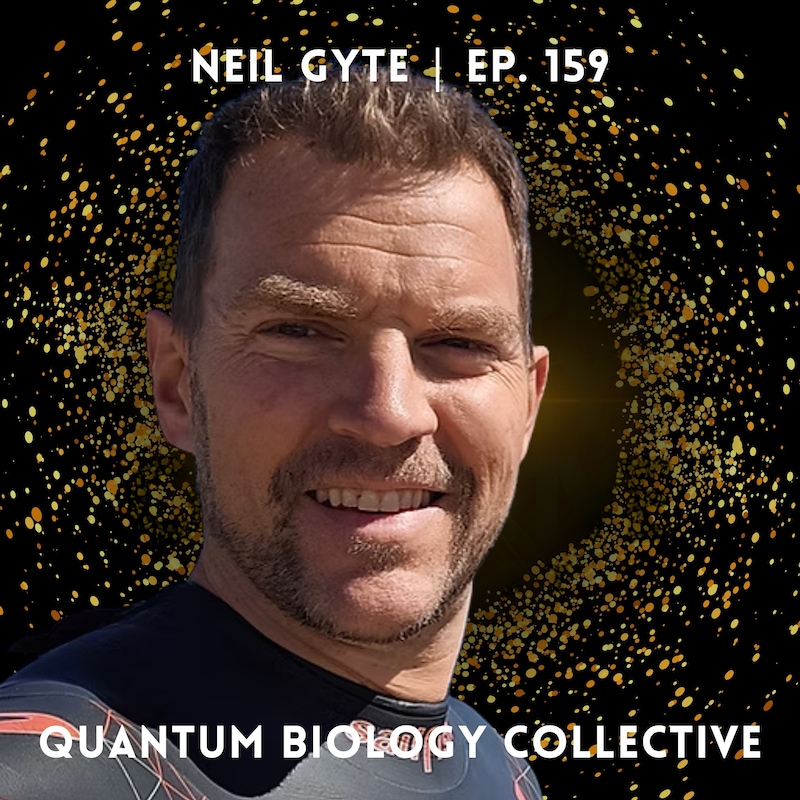
“My mission has to be to help a billion plus people to become metabolically healthy,” says Neil Gyte, former Google executive turned wellness innovator, who joins the Quantum Biology Collective Podcast to share his journey from leading Google Maps and Earth to building a groundbreaking AI platform for quantum and metabolic health.
After witnessing firsthand the limits of conventional healthcare—and a pivotal health crisis in his own family—Neil Gyte was inspired to leverage his tech expertise for a new purpose: empowering people to reclaim root-cause health. In today’s episode, he reveals what led him to leave a dream job in Silicon Valley and how metabolic and quantum biology research opened his eyes to the preventable nature of most chronic disease, from diabetes to cancer.
Neil Gyte discusses the launch of Metabolic Wise, an independent AI-powered tool designed to cut through mainstream health misinformation and deliver evidence-based answers about mitochondrial health, disease reversal, and quantum biology. He also explores why so many chronic conditions are misunderstood, the revolutionary potential of metabolic therapies, and how technology can democratize access to life-changing information—no small goals required.
Tune in to learn how Neil Gyte is leading the charge to create a new bridge between tech and true root-cause health, why chronic disease stats are a call to action, and the untapped wisdom of our mitochondria.
5 Key Takeaways
- Don’t wait for a crisis to address your health—start small by getting morning sunlight, improving your sleep, and questioning mainstream information.
- Take charge of your well-being: seek out root-cause knowledge and explore metabolic and quantum health perspectives beyond standard medical advice.
- Share transformative resources with your community—tools like Metabolic Wise make it easy to empower friends and family with accessible, evidence-based insights.
- Tune in to your own body—track your habits if you need accountability, but aim to reconnect and trust your inner signals above all.
- If you’ve experienced a health transformation, document and share your story—you could inspire someone else’s healing journey and help build a library of hope.
Memorable Quotes
"I realized the vast majority of chronic diseases are preventable and reversible, and I've seen firsthand the suffering that happens in parallel with these conditions. That was one of the pivotal moments that made me decide to leave Google and set myself a new mission."
"Hopefully what we've built is designed to be the glitches in the Matrix and to offer you that red pill—to choose to go into a totally different world, because the reality is most people are living in a big food, big pharma, big tech-driven world. It is literally the Matrix."
"Our bodies are being exposed to much more stress from so many different angles than we’re designed for. The combination of mitochondrial dysfunction and nervous system dysregulation is actually at the root of pretty much all of the modern diseases."
Connect with Neil
Website: https://metabolicwise.com/
LinkedIn - https://www.linkedin.com/in/neilgyte/
Resources Mentioned
Metabolic Health Summit - https://metabolichealthsummit.com/
The Metabolic Approach to Cancer by Dr. Nasha Winters and Jess Higgins Kelley - https://amzn.to/4rKgYUb
Cancer as a Metabolic Disease by Dr. Thomas Seyfried - https://amzn.to/4iI26BL
Connect with The Reverse Aging Club:
On Substack: reverseagingclub.substack.com
Visit The Reverse Aging Club: reverseaging.club
Join us for a weekly live hang out, Thursdays at 12noon ET https://zoom.us/meeting/register/j_07VPOWRbWYtZWbimO9bg
Institute of Applied Quantum Biology
RAC is a proud supporter of the non profit Institute of Applied Quantum Biology, a 501c3 dedicated to integrating quantum and circadian biology into health and wellness practice. Without ipublic support this science will take decades to become widely adopted.
Donate to launch JAQB: https://givebutter.com/AQBjournallaunch
You can join the FREE QBC online community here: https://qbcpod.com/freecommunity
The Institute of Applied Quantum Biology, a non profit organization translating the new science into practical application: https://www.iaqb.foundation/certification
Podcast website: reverseaging.club
Tools we use: https://qbcpod.com/products/
Recommended Products:
Lifewave phototherapy patches. Highly recommended for women 45+ or anyone with a condition or symptom they'd like to see shift. Start with x39.
Purchase retail: https://lifewave.com/qbcpodcast/store/products/40825027-6466-4cb8-92d3-dfc318d34a65
For more info from Meredith, fill out this form: https://qbcpod.com/patches/
Join Us On Social
Instagram: https://instagram.com/reverseagingclub
Facebook: https://www.facebook.com/QuantumHealthTV
Rumble: https://rumble.com/c/TheReverseAgingClubwithMeredithOke
X/Twitter: https://x.com/QBCPOD
IAQB Resources
Instagram: https://www.instagram.com/iaqb.ce
🎙️🎙️🎙️
This podcast uses the following third-party services for analysis:
Podscribe - https://podscribe.com/privacy
Transcripts
Neil Guy, welcome to the QVC podcast.
Speaker:Thank you, Meredith. It's wonderful to be here. Very much looking forward to
Speaker:our conversation. Okay, me too. Because
Speaker:I have to say, I've had a lot of people on this podcast who've gone
Speaker:on a journey from the medical industry
Speaker:into metabolic and quantum
Speaker:health. But I think you might be by the first big tech
Speaker:story. Well,
Speaker:hopefully the first of many, if that's the case. Yes, I
Speaker:think so. I think that's what it's going to be. Okay, so
Speaker:let's start sort of, we'll back up a little
Speaker:from where you are now with this incredible offer
Speaker:of an independent AI that is going to help us
Speaker:connect with information in the metabolic and quantum health space.
Speaker:But backing up a little bit. You were an employee
Speaker:of a. Of a small company perhaps, perhaps people
Speaker:may have heard of, called Google. And
Speaker:you are having health challenges. So let's start there. Yes.
Speaker:So, yeah, So I spent 12, 12 great years at Google, actually,
Speaker:and my whole career has been in tech. Digital mapping and
Speaker:geography was my first love. Back to kind of university days when
Speaker:I came across computer programming and the fact that you could
Speaker:model the real world inside a
Speaker:computer and use that to ask and answer loads of different questions
Speaker:that obviously it was difficult to necessarily do in the real world. And
Speaker:so digital geography was my first love. I kind of fell into
Speaker:consulting, building software programs, and I ended up joining
Speaker:Google. Being at Google for 12 years, really building the Google Maps, the
Speaker:Google Earth, kind of the developer platform that a lot of
Speaker:the, you know, developers. Oh, I didn't realize that's what you worked on.
Speaker:Yeah. So I have to say, like, I'm just going to jump in for a
Speaker:sec. Like, a seminal moment in my life in
Speaker:terms of my relationship with technology was when Google Earth first
Speaker:came out and you could look at the roof of your house
Speaker:and then hit zoom out and have it pull back and back and back and
Speaker:back and back and back and back and back until you were seeing the full
Speaker:Earth. Like, I have to say, that was kind of a spiritual experience.
Speaker:So that's really cool. I think it was. I think for most
Speaker:people. I remember the first time that I used Google Earth and I
Speaker:was doing my Master's in Geographical Information Science in
Speaker:Edinburgh. And, you know, typical kind of science lab, they had this
Speaker:underground basement with no windows, just kind of darkness. And at the time
Speaker:we were using command line interface to run software
Speaker:programs. And one of the other guys on my course
Speaker:said, hey, have you seen this new Google Earth tool? And
Speaker:so we downloaded it and similar to you, I was just blowing, you know, going
Speaker:from this command line, understanding the world to being able to
Speaker:zoom anywhere in the world was just. And from that moment I was like, right,
Speaker:I want to go work for Google.
Speaker:A few years to get there. But I ultimately did because I just, you know,
Speaker:Google's Earth and Maps mission, to kind of map every square inch of the
Speaker:planet and make that digitally accessible for everyone to understand,
Speaker:interact with the real world is a pretty amazing mission. And So I
Speaker:had 12amazing years at Google, kind of being part
Speaker:of the team building that. But as
Speaker:we said, I also then had kind of, I would say, my own health journey
Speaker:in parallel, which led to me in the end deciding to leave
Speaker:Google. So, yeah, happy to dig into that.
Speaker:So what was going on with your health? Yeah,
Speaker:so if we'd have spoken probably about 11 years ago now, I was
Speaker:260 pounds. I'm pretty sure that I was pre
Speaker:diabetic and I'm sure fast track to many of the major chronic
Speaker:diseases. And that was just travel,
Speaker:lifestyle work, thinking that sleep didn't matter.
Speaker:And ultimately I hadn't connected the knowledge of how
Speaker:what I consumed and the kind of the environment that I live in and what
Speaker:I did to my body actually had a huge impact on health. My
Speaker:kind of turning point, the seminal moment, was becoming a father
Speaker:at my daughter's christening. Sport had always been a big part of
Speaker:my upbringing. I swam a lot, played rugby,
Speaker:did a bunch of other tennis, different sports. But I was so out
Speaker:of shape at my daughter's christening. You know, family, friends and kids were
Speaker:playing football, soccer, kicking a ball around. So I went to join in
Speaker:and literally after two minutes, I had to sit down because I was out of
Speaker:breath. And I just had this seminal moment of
Speaker:how can I be an active father if I can't even spend two minutes kicking
Speaker:a football around? You know, kids are running circles around me. And
Speaker:so that just set me on a slightly new path because I had the right
Speaker:motivation to be the best father that I could be. And
Speaker:so I just started to learn and educate, be more conscious
Speaker:about what I ate, put better foods in my body. I. I started exercising
Speaker:more. Before I knew it, I'd signed up to a sprint triathlon.
Speaker:I absolutely loved that. And then went down the slippery slope into
Speaker:the kind of endurance, ultra endurance world. So I kept on doing longer
Speaker:and longer triathlons until I eventually did a couple of full
Speaker:Iron Mans. And so it was through that that I really got
Speaker:introduced to metabolic health. Because when you're pushing your body for,
Speaker:you know, 9, 10, 11 hours straight. Understanding how your
Speaker:body produces, creates energy is really important. And so
Speaker:through that, I was amazed to learn that your body actually
Speaker:utilizes fat as a fuel source as well as carbohydrates. Because
Speaker:the mantra and the paradigm is, you know, sugar and carbs. If you don't have
Speaker:that, you're going to bunk after two hours and your body is going to stop
Speaker:working. And so a lot of my time through that
Speaker:was focused on, you know, more lower carb approaches, making
Speaker:sure I had metabolic flexibility to utilize different fuel substrates
Speaker:because it makes you more efficient as an athlete, but also, as I came
Speaker:to realize in later years, it's much more healthy for you from a, you know,
Speaker:from a longevity perspective. And so I would say that was my
Speaker:kind of first journey myself. But even through that, I hadn't connected the
Speaker:dots of just how important our mitochondria and metabolic health were.
Speaker:I thought I knew a lot, but actually didn't. The second chapter
Speaker:of my journey was really then the impact of chronic
Speaker:disease on different family, loved ones and friends. So I had
Speaker:very close family members being diagnosed with
Speaker:autoimmune diseases, with depression,
Speaker:with bipolar, different, you know,
Speaker:cardiovascular diseases. But it was about two and
Speaker:a half years ago, almost three years ago now. A very close family member's stage
Speaker:four cancer diagnosis really got me digging into what
Speaker:causes cancer. How do you stop? How do you reverse cancer? And I came across
Speaker:the amazing work of Thomas Seyfried and Nasha Winters and the
Speaker:metabolic approach and theory of cancer. And as I dug into that and
Speaker:realized that ultimately cancer is really a
Speaker:metabolic mitochondrial disease that is
Speaker:perverse and preventable through natural
Speaker:metabolic therapies. And there are thousands of examples out there on
Speaker:the Internet of people having amazing success.
Speaker:That kind of blew my mind that, because
Speaker:the common paradigm that you, that you read about through the news
Speaker:outlets, through all of the current modern technology platforms is cancer is
Speaker:a genetic disease. It can be caused by, you know, environment and
Speaker:toxins and so forth, but ultimately, you know, chemotherapy, radiation,
Speaker:immunotherapy are the only ways to treat it. But even at stage four,
Speaker:often they just extend life. They don't tend to
Speaker:reverse stage four. Whereas there are, you know, thousands of stories out
Speaker:there of people putting stage four cancer into remission. So
Speaker:that really got me kind of understanding that
Speaker:the vast majority of these chronic diseases are preventable and reversible. And
Speaker:I was still at Google at the time, and I remember having this seminal
Speaker:moment of back to kind of Google Maps and Google Earth. And
Speaker:one morning before my day, I just remember thinking
Speaker:the world of digital mapping is in pretty good hands. Everybody knows Google Maps,
Speaker:Google Earth, Apple Maps, you know, it's, it's such
Speaker:a pervasive part of everyone's lives.
Speaker:And I then had this knowledge around how important mitochondria,
Speaker:metabolic health were. And I thought that I knew a lot about health. And I
Speaker:also realized this was the start of my journey. I didn't even know about quantum
Speaker:biology yet or the importer of, you know, what the importance of water,
Speaker:light and magnetism. But still back then I was thinking, well, I'm
Speaker:probably one of the most educated people that I know in my circles yet, you
Speaker:know, almost nobody, there's a very small population really knows and
Speaker:understands this. And that was one of the main kind of, I would say,
Speaker:pivotal moments of me deciding to leave Google and make a
Speaker:new mission to try and help a billion plus people in true ex Google style.
Speaker:You know, you can't have, you can't have, you know, simple,
Speaker:easy goals, but no small goals. No small goals. But when you look
Speaker:into the, obviously you look at the stats and you see that, you know,
Speaker:93% of Americans are metabolically unhealthy and are
Speaker:on the fast track to developing one of the chronic diseases that. Chronic
Speaker:diseases, you know, 74% of
Speaker:the world's deaths are chronic disease related. It's like 54 million
Speaker:people a year. And then you understand that probably 90% of those are
Speaker:preventable and reversible. And I've seen from impact on my own
Speaker:family and through others the, you know, the suffering that happens
Speaker:in parallel with these chronic diseases. So I was sat
Speaker:kind of thinking, well, the world's in good hands for
Speaker:digital mapping. Very few people know, more people know, need to know about
Speaker:metabolic mitochondrial health. And that was one of the pivotal, I
Speaker:would say, decisions of me deciding to leave Google and set myself this kind of
Speaker:new crazy goal. Because yeah, the world needs
Speaker:more people, tools, technology, people,
Speaker:you know, amazing like yourself and the QVC and all of the network
Speaker:that you have. Because a lot more people need to be educated about
Speaker:true root cause health. Yes.
Speaker:Wow. And good for you for listening to that call,
Speaker:heeding the call, so to speak. Right. It's like you
Speaker:and I are not in and of ourselves health experts,
Speaker:but we got to the point where we're like, we know so much
Speaker:more than our peers and there is no one talking to them
Speaker:about this. So how can we use our
Speaker:skills, our talents to contribute to the
Speaker:spread of, of this, of the truth really.
Speaker:Is what it is and it's. And it wasn't actually, I make
Speaker:it sound easier than it was to make that decision, but it was also,
Speaker:it was actually a really difficult, I would say, decision to
Speaker:make. And actually, yeah, I mean, you have. A
Speaker:wonderful job at one of the top companies in the world working on something
Speaker:that you like and believe in. That is huge, what you
Speaker:did. Huge. Like, yeah, talk us through it.
Speaker:Well, I was going to say actually it's part of my
Speaker:continual learning journey is for years I've tried to
Speaker:get more into meditation, but never really saw the
Speaker:benefit. I stopped, started, stop started, stop started.
Speaker:But around the time that a lot of this was happening, I'd managed to get
Speaker:back into the habit. And so, but I was just doing kind of guided
Speaker:meditation, you know, kind of 20 minutes a day. And
Speaker:I actually had just come back from, I went to the
Speaker:Metabolic Health Summit, which is one of the kind of conferences events
Speaker:in Florida. So this was back maybe two and a half years ago.
Speaker:And, you know, I'd obviously spent the last couple of years reading
Speaker:a lot into Metabolic Health, reading books, kind of devouring content and
Speaker:learning. Being at that conference and, you know, seeing people
Speaker:like, you know, Ben Bickman present and kind of a lot of these people that
Speaker:have been reading their work and being surrounded that community
Speaker:obviously kind of just gave me a lot of sense of, wow,
Speaker:there's a really amazing community around this. But I got back home and the
Speaker:following morning I was having, I was doing my meditation
Speaker:and again, just a guided meditation. All of a sudden my brain just kind of
Speaker:switched into a different mode, different gear, and it was like the last
Speaker:kind of 20 years of different experiences all just kind
Speaker:of collided and this experience happened. Maybe it was like 10,
Speaker:15, 20 seconds, but it was just such an out of
Speaker:body experience. And that was when this notion,
Speaker:inspired by others, that I need a new new North Star, I
Speaker:need to, I need something audacious. And that's when I kind of came up
Speaker:with this, right? My mission has to be to help a billion plus people
Speaker:to become metabolically healthy. But I remember coming out of
Speaker:that meditation and immediately it was the negative thoughts of,
Speaker:you know, that's absolutely. How are you going to do that? How are you going
Speaker:to do that? Who do you think you are? You know, you don't actually know
Speaker:anything, you know, well, you obviously know something about metabolic health. But
Speaker:all those negative things started and, but I'd listen to enough
Speaker:podcasts about that negative chat and so I literally, I went
Speaker:into the bedroom. My wife was just waking up and I just said, I have
Speaker:to share this with you because if I don't share it with someone,
Speaker:then I might well chicken out of this and kind of not do it. So
Speaker:I shared, I shared it with my wife. And just even that accountability of
Speaker:kind of putting it out there helped kind of create the
Speaker:seeds for me to ultimately, you know, follow that. But
Speaker:still, you've got this head versus heart of exactly what you just
Speaker:mentioned. You've got a great job, a great team, a great company that you
Speaker:love. But the counterbalance of that is actually there are people
Speaker:suffering out there with all these diseases that need help and access to information.
Speaker:And so. So, yeah, so it hasn't been an easy
Speaker:last kind of couple of years transition out of that. But.
Speaker:But it's, but it's, it's very pure and purposeful and that
Speaker:gives me, I would say, a lot of the drive to continue to try
Speaker:and build technologies and tools and other things that help people
Speaker:because the world needs it now more than. More than ever.
Speaker:Well, Neil, well done. You know, I think
Speaker:a lot of people hear the whisper of inspiration and it's like,
Speaker:what? No. And, you know, some people maybe aren't in
Speaker:a position to do it financially or otherwise, but
Speaker:to be able to connect to that calling,
Speaker:to feel that higher level inspiration and.
Speaker:See a way that you could help to meet a need in the world
Speaker:is. Really inspiring. So thank you
Speaker:for following it. It could. I understand it was not
Speaker:straightforward. These things never are.
Speaker:I sometimes hear myself being. Yeah, and then we did this and then we. Then
Speaker:we sold our house and moved to Louisiana for a year. And people are like,
Speaker:yeah, yeah, but like the actual micro decisions
Speaker:and of. Are we really gonna do this? Oh, my God. Like
Speaker:what? I. I totally agree.
Speaker:Inspiration from, you know, people like yourself and others. So I was listening to a
Speaker:lot of, you know, different podcasts at the time and, and
Speaker:yeah, others talking about, you know, through those challenging times and,
Speaker:and I think so much of it is back to, as you say,
Speaker:connecting a little bit more to the universe
Speaker:or kind of whatever you call it. And I've been definitely been
Speaker:pulled in this direction for many years, but it was getting stronger and stronger
Speaker:and stronger. And that's just where. Yeah, I just, I had to
Speaker:tune into that and say, no, I think this is, I think this is what
Speaker:I'm supposed to be doing. So, you know, let's. Let's take a
Speaker:different turn in life and see where it leads.
Speaker:Yes. And this is, I think, one of the sort of
Speaker:unintended consequences of having really healthy
Speaker:mitochondria is that our mitochondria, you know, as
Speaker:we know, our antenna to our environment, but they're an antenna to
Speaker:all kinds of. All kinds of
Speaker:energies. And so our ability to
Speaker:be inspired, the kinds of ideas we're going to have, our ability
Speaker:to see, see a vision, I think all of these
Speaker:things are enhanced. You know, even if we're just starting out to like, oh, I'm
Speaker:just going to improve my health a little. It's like that is
Speaker:only the beginning. It is. I
Speaker:totally agree. But this is also back to, I think,
Speaker:I would say one of also the reasons why
Speaker:we're calling the service Metabolic why is because there's this element of
Speaker:wisdom which has been there for the generations that knows this, that I think has
Speaker:been lost a lot through the last 50, 60, 70
Speaker:years. But I would also say, you know, a few years ago, if
Speaker:we'd have had this conversation, I would have been very dismissive, you
Speaker:know, of that. But the more you learn, the more I think you
Speaker:kind of connect with yourself a little bit more, the more you start to,
Speaker:to realize that and the more you learn about mitochondria
Speaker:and which is one of the things that we're really trying to do with Metabolic
Speaker:wise is, you know, sadly, the biology textbooks, everyone
Speaker:still just thinks, oh, it's the powerhouse of the cell, it creates energy. And
Speaker:okay, that's one of things it does. But as you said, it is
Speaker:a truly kind of amazing organelle
Speaker:that actually controls what happens in every kind of cell tissue of your body
Speaker:through inputs, through the way it connects and signals to
Speaker:other mitochondria. And the more you learn and understand that,
Speaker:then the more you kind of start to get curious and so trying to
Speaker:kind of build this into a service to meet people where they are
Speaker:that help kind of, you know, lead people there because it is,
Speaker:it's a journey for, for everyone. But I've come to
Speaker:realize that they are, yeah, way more powerful than, than even
Speaker:I ever thought. And even right now, way more powerful than we
Speaker:understand. Even right now. The science is pretty amazing.
Speaker:Each day, week, year that goes by.
Speaker:Yes. And I think we're just at the very beginning the, the
Speaker:field of quantum biology is exploding. Um,
Speaker:the, there are independent labs being funded all over the place. A
Speaker:coup. You know, even some universities are starting to have quantum biology labs,
Speaker:which is interesting because you can't actually study it in
Speaker:undergrad. So it's like, it's, it's sort of like this
Speaker:decentralized phenomenon of curious
Speaker:scientists who are, who see the validity of
Speaker:it then coupled, I think we now have a lot of.
Speaker:Investment from people who can see potential
Speaker:technologies and products coming out of it. So I think that's where a lot of
Speaker:the funding has started to come from. Which brings it back to,
Speaker:you know, what you and I are focused on, which is making
Speaker:sure that the, that the knowledge can be distilled
Speaker:down for regular people in their
Speaker:day to day lives. And, and you know,
Speaker:if someone develops a light based cancer
Speaker:treatment that's FDA approved in 10 years, like
Speaker:amazing, but right now, like right this minute,
Speaker:and that's where I see what you have built to
Speaker:be just so, so crucial and important. And I
Speaker:would love for you to explain what it is.
Speaker:Yes, yes, of course. Well, firstly, I would also,
Speaker:through this, I would love to hear, I would say your feedback, I know gave
Speaker:you access and you've had a little bit of a play around.
Speaker:But let's start with the problem that we're trying to solve because I think
Speaker:it's always great to have that as a lens. So the
Speaker:problem we're trying to solve, as you and most of your listeners I think
Speaker:know our healthcare system and the knowledge and technology
Speaker:are generally very good at acute care, but they really fail at
Speaker:chronic disease because they're managing symptoms, not really looking at
Speaker:root cause. At the same time, everybody's
Speaker:lost in a sea of conflicting health information. So for
Speaker:every article you read about something curing cancer, you'll read that it
Speaker:cures cancer. So there's all this conflicting information.
Speaker:And the main resources that people go to, like Google,
Speaker:ChatGPT, etc. They don't have
Speaker:metabolic root cause understanding of the major chronic
Speaker:diseases. So the answers reflect the majority of the science which has been
Speaker:big food, big pharma, big tech driven. And so the
Speaker:facility, they're focused on isolated biomarkers rather than
Speaker:actual health outcomes. And there is
Speaker:a lot of amazing kind of, you know, metabolic and quantum
Speaker:biology science out there, but it's dwarfed
Speaker:by the 90% of all of the rest of the studies which
Speaker:are kind of, you know, focused on very individual, specific kind
Speaker:of mechanisms. And so what that leads to is when you go
Speaker:to Google and ChatGPT and you ask, you know, what causes cancer, how do you
Speaker:stop, how do you reverse cancer? You won't get any mention of
Speaker:metabolic therapies that actually
Speaker:fundamentally understand the disease at its root cause. You will get a
Speaker:reflection of, you know, chemotherapy, radiation,
Speaker:immunotherapy, all of these kind of, you know, I would say different
Speaker:standard of care, which generally don't tend to
Speaker:be very successful at reversing stage 4 cancers, whereas
Speaker:metabolic therapy has been very effective at
Speaker:reversing stage four cancer. So that's the problem we're trying to solve.
Speaker:So what have we built? We've built an AI based tool called Metabolic
Speaker:Wise, which really, it uses AI and
Speaker:technology to really map and understand the world's credible
Speaker:metabolic health science, helping everybody to find
Speaker:evidence based root cause knowledge and really to help make
Speaker:sense of it all. So we translate complex metabolic
Speaker:and quantum biology science into accessible wisdom
Speaker:through a chatbot interface. And I think one of the
Speaker:amazing things about AI and chat technologies is
Speaker:it can meet you where you are. And so if you have simple
Speaker:questions, it can give you simple answers. If you have more complex questions, you can
Speaker:get more complex answers, you know, versus kind of the traditional way
Speaker:of, you know, having to spend hours reading books or
Speaker:reading articles to kind of find and dig what you want to, you can get
Speaker:to the heart of the question that you're asking, you can get an answer.
Speaker:And we then link to science papers, to podcasts, to YouTube
Speaker:videos, to testimonials, to articles. So and
Speaker:that's a very curated set of,
Speaker:you know, intentionally so. And so people can then really
Speaker:kind of find and connect with content that can educate themselves and then
Speaker:they can hopefully go down this kind of rabbit warren of learning. And, and we
Speaker:built in some of the cool features like suggested follow on questions
Speaker:which really kind of help to prompt to, for you to think
Speaker:down kind of different areas. Because when you do look at kind
Speaker:of health and optimal health and disease prevention, mitochondria are
Speaker:a huge part of that. And important into that are all of the signals that
Speaker:it takes a lot of people focus on food and nutrients, which is, you
Speaker:know, one port. But as you know, light, water, magnetism are
Speaker:also really important signals that our mitochondria take in
Speaker:that ultimately impact how they, how they operate.
Speaker:And so how to kind of, you know, explain
Speaker:that in a simple way to users that help build these follow on questions that
Speaker:pique their curiosity so they can go down the rabbit hole of
Speaker:any specific chronic disease or any aspect of it to really
Speaker:educate people so people can realize that they actually
Speaker:have a lot more power in their own hands than a lot of your listeners
Speaker:will know this already. But also, I think we all have
Speaker:family and loved ones who aren't necessarily quite on the same journey that
Speaker:we are. So one of the key kind of second
Speaker:users are for those people who want to share content
Speaker:with others. So we've also got a sharing content where you can ask a question,
Speaker:get an answer, click share and that will effectively share just that question
Speaker:and answer with someone else. So if you have somebody else who's
Speaker:suffering or you want to kind of share this knowledge wisdom with
Speaker:some podcast links and some articles and so forth, you can do that in a
Speaker:very simple way. Rather than. If I look back at my journey,
Speaker:I'm sure you're the same over the last few years is, you know, you have
Speaker:to spend hours searching and research trying to
Speaker:find the needles in there. And then the person is like,
Speaker:you're like, here's my compilation of papers backing up that.
Speaker:Why I mentioned the blue blockers. It's like they don't want to read that,
Speaker:they just want to know that you're not crazy because they've never heard of what
Speaker:you're talking about. And what I think is super, super,
Speaker:like just life changing about this is that
Speaker:a lot of the time when a diagnosis comes through or a health
Speaker:condition reaches a critical point.
Speaker:Right. Like the person and the experiencing it and the people
Speaker:closest to them are in crisis mode. Yeah. And that is a tough
Speaker:time to find the energy to
Speaker:research. And so I think that is, you know,
Speaker:I often say that the medical system is a, you know, a crisis management system
Speaker:and they're very good at that, but.
Speaker:They also in a way take advantage of it because you're not in
Speaker:a, you're not in learning mode when you're, when you get a stage
Speaker:four diagnosis, you're in freak out mode. And so anything
Speaker:that can make it easier to get to the
Speaker:essence of what would be useful for you in
Speaker:that particular moment or for someone close to you
Speaker:who wants to do it. This is a huge
Speaker:unlock, like huge.
Speaker:Yeah. So I really hope it's useful to that and really
Speaker:myself. So I have two co founders, amazing
Speaker:people, Steve and Jess, who both have managed to
Speaker:reverse so called irreversible diseases. Steve
Speaker:managed to reverse systemic lupus and Jess
Speaker:reversed LADA latent onset autoimmune
Speaker:diabetes through metabolic therapy. And so one of the other key things
Speaker:that we've built into the platform as much as we can, that it's
Speaker:kind of limited at the moment, we're looking to try and expand that is testimonials.
Speaker:Because one of the things that I certainly found with supporting my
Speaker:family member with the stage 4 cancer diagnosis is I want to find
Speaker:somebody out there who's had same cancer, same stage, same
Speaker:age, who've used Metabolic therapies to cure and
Speaker:you know, reverse that because there just simply aren't, you know, randomized
Speaker:controlled trials done about a lot of these things, you know,
Speaker:for its, for its own reason. But for me, even just. And I remember
Speaker:having to, you know, hunt around and kind of search and search and search to
Speaker:try and find those. Because when you're in that crisis mode, if you can
Speaker:relate and hear somebody else has been through a similar condition. For me,
Speaker:oh, actually there's not just one person, there's multiple, you know, different people.
Speaker:I think that is a really important part of, okay, I understand the science,
Speaker:or I've now educated a little bit on the science, but are there other
Speaker:people who've done, you know, the same thing? So really curating this combination
Speaker:of science papers if you want to read them, but you know,
Speaker:YouTube's articles, podcasts as well as
Speaker:testimonials is kind of really important because all of
Speaker:that factor into people's decision when especially
Speaker:as you say, you're in kind of crisis mode, facing one of these
Speaker:chronic diseases or a family member does, it just
Speaker:really helps shorten that path and allow you to ask
Speaker:all of the questions that you want and get immediate answers back.
Speaker:So yeah, that's one of the other hopes that we have, that
Speaker:the tool will be really helpful for people, people in that situation, having
Speaker:been there ourselves. Yes. That's so cool.
Speaker:Yeah. And now I'm like, I'm thinking because at the
Speaker:Institute of Applied Quantum Biology, our next
Speaker:phase is to teach practitioners how to do case study write
Speaker:ups according to the standard, according to peer
Speaker:reviewed publication standards. So maybe we could get a
Speaker:pipeline of case studies going in to Metabolic. Wise
Speaker:would absolutely love that because it is one of the, yeah,
Speaker:there's just, there's not enough, I would say, well structured
Speaker:testimonial content out there. There are a lot of good case studies that, you know,
Speaker:have been published and that's, you know, that's great. But often
Speaker:I would also encourage, you know, people obviously love videos as well as, you know,
Speaker:reading case studies. And so, so the more of that we can
Speaker:have, the better because there are so many amazing stories yet haven't been
Speaker:captured that can, you know, inspire others. And hopefully people
Speaker:don't get to the point where they have one of these advanced late stage
Speaker:chronic diseases. Because I think that's one of the other things that
Speaker:I've learned is, you know, the vast majority are
Speaker:preventable if you take the right interventions early on.
Speaker:But convincing people to do that is
Speaker:difficult because it's Counter to everything that everyone's been
Speaker:told for the last 50, 60, 70 years, the modern world is
Speaker:set up really against that. If you look at the. The food environment,
Speaker:the technology environment, just the. You know, the.
Speaker:Especially if you live in a big city, the deck is. The deck is
Speaker:stacked against you. And so people need the knowledge to be able to
Speaker:understand how they can start to, you know, take
Speaker:control of that and stack the deck in their favor. Because our
Speaker:bodies are just. Especially the last 10, 15, 20 years, have been
Speaker:exposed to so much more stress from so many different
Speaker:angles than our bodies are designed for. And I think,
Speaker:you know, the combination actually of mitochondrial dysfunction
Speaker:and nervous system dysregulation, and the two are very
Speaker:tightly connected, is actually kind of the root cause of
Speaker:pretty much all of, I would say, you know, the modern diseases,
Speaker:because we're just being. Yeah. Subject to so much more
Speaker:stress in different ways than our evolutionary biology is
Speaker:designed for. Yes. I mean, I was thinking
Speaker:about that when you were talking about your office space
Speaker:earlier. Working in a basement in front of a bunch of screens.
Speaker:Yes. I mean, how many people, even if they're not in a
Speaker:basement, even if they're in a high rise.
Speaker:Maybe the windows are a little better than a basement during the day. But
Speaker:we're contained within these
Speaker:environments that are actively working against us on so
Speaker:many levels, and we don't even realize it. And I think, you know, that's what
Speaker:we're, you know, you and I are both trying to get at is like, you
Speaker:know, knowledge is power. It's like if I was eating,
Speaker:you know, gummy worms three meals a day, and someone was like, you know.
Speaker:There is. There is. There are other ways to feed yourself. It'd be like, that
Speaker:would be good information to have. And so if you want to just
Speaker:speak to that for a minute, because I, you know,
Speaker:you and I have taken drastic steps, but, like, not everyone will or
Speaker:can. And so just the idea of
Speaker:how a person who does have an office job can think about
Speaker:this, like, you know, if I was an office worker being
Speaker:like, neil, what are you talking about? Like, how would you sort of walk me
Speaker:through that? Yeah. So I think the first thing to realize is,
Speaker:yes, we have both taken drastic steps, but. But there was a
Speaker:little, you know, it wasn't kind of like just a light switch. There was that
Speaker:pivotal moment. But for me, I would say in 10 years
Speaker:building up to that, I was on this journey of
Speaker:learning and kind of educating myself. So I think that's just, you know, one
Speaker:part of it. Is a lot of people will ultimately maybe get to a tipping
Speaker:point moment. But I think the
Speaker:way I would encourage approaching it is just, I would say, you know,
Speaker:be curious and really think about our
Speaker:biology through a little, just through an evolutionary lens
Speaker:and then just seek to understand where you're at. And it's
Speaker:not like you have to make dramatic changes overnight. Some people want
Speaker:to, it's more about how can you. Okay, yeah, I'm in a, an office
Speaker:job, I'm in my, you know, my office. What can I do?
Speaker:Okay, well I can, you know, at least in the mornings I maybe I can
Speaker:get up and you know, see 20 minutes of morning sunlight to at least start
Speaker:to set my circadian rhythm. Can I, you know,
Speaker:go out for lunch and at least get outside of the office to have, you
Speaker:know, some natural light exposure I would say during the day. So there are
Speaker:small things you can do to lead, I would say towards that. But
Speaker:then there's also then as you build up the knowledge base. But to do that
Speaker:you need to be convinced that actually, you know,
Speaker:we're deficient in sunlight and it's a key driver of,
Speaker:you know, mitochondrial and metabolic health. And so that's where
Speaker:why we built metabolic wise to make kind of, I would say these
Speaker:simple questions to start to help to educate people.
Speaker:And I think a lot of it is then just around making small
Speaker:different changes and
Speaker:understanding that the environment and the signals that your body
Speaker:takes in are really important. And then for everyone is going to
Speaker:be starting from a slightly different place which is also where I love the
Speaker:benefit of the AI kind of technologies and interface. Because
Speaker:you know, you can start with that, it can start in light, you can start
Speaker:with sleep, you can start with food, you can start with nutrition, just start
Speaker:somewhere and then as you continue to be curious,
Speaker:you'll change one things you'll see hopefully
Speaker:changes in yourself. And that will start this journey that you go
Speaker:on, which is a constant journey. Because I think one of the other biggest
Speaker:misnomers that people expect is, you know, well, two things.
Speaker:One is, you know, there's basically, there's one way of doing things
Speaker:which works for everyone, which is totally the opposite. We're all
Speaker:individual. But whilst we're all individual, what works for us
Speaker:will change at different points in our lives or when we're on different locations
Speaker:in, you know, on the planet or even when the context and
Speaker:situation in our life changes. And that's where you know, you
Speaker:think, oh, I've got this set, I've got my, I know my own body. I
Speaker:know my biology. This is what works for me, for me. And that may work
Speaker:for one period in your life, but five years later
Speaker:something different might work for you. So this constant being open minded
Speaker:to change and adapt and evolve. But I think the more that you can
Speaker:look at things from an evolutionary perspective and
Speaker:from a local seasonal perspective, kind of understanding where
Speaker:we've evolved from as human beings, ultimately
Speaker:mitochondria that have been around for two and a half billion years,
Speaker:you know, kind of way longer than anything. And when you start to understand from
Speaker:that perspective, I think it becomes easier to
Speaker:start to make these changes because hopefully what
Speaker:reflects back from that is actually I'm starting
Speaker:to feel a bit better. I'm starting to see or notice a change and hopefully
Speaker:for people it does lead to a significant, you know, change,
Speaker:whatever that is. But I also think you can still have an office
Speaker:job and thrive and be optimal. So it's not just to
Speaker:say, because it's not realistic. I'm in an office right now, as are
Speaker:you, to just live out outdoors all the time so you can
Speaker:have this balance. I think it's more. How do you educate yourself just to
Speaker:stack the deck in your favor to keep your
Speaker:body in this nice, kind of more of an equilibrium state
Speaker:rather than a chronic stress state?
Speaker:Yes, yeah, absolutely. And understanding even just like
Speaker:how to stack the deck, it's like, oh, I didn't even know that
Speaker:this was, this was in the bad pile. Okay, good to know.
Speaker:And, and that's what, where again, I think the metabolic AI is so
Speaker:helpful because what I have found it's
Speaker:gotten a little bit better, you know, but like I'll have a conversation with somebody
Speaker:and then they'll go Google or they'll come into our community and
Speaker:they'll hear all the quantum biology nerds talking about something and they'll go Google it
Speaker:and they're like, and they'll come back and they'll be like, Google says
Speaker:this is not true or this is pseudo science or this is unproven or
Speaker:this is fringe science or the, this is all nonsense. And it's,
Speaker:you know, to be like, well okay, we've spent the last five
Speaker:years waiting through, waiting through all of that
Speaker:to just be, send them to a resource that
Speaker:they can trust that will just give, bring them straight
Speaker:to the point. Right, yeah. So that is one of the
Speaker:hopes that we have for metabolic wise is it, is it can play that role
Speaker:because I think we all face exactly the same. And this is,
Speaker:I would say back to the broader Challenges with AI
Speaker:and the large language models that built and developed, which is,
Speaker:they are absolutely amazing because they're ultimately trained on the
Speaker:world's information and resources. They are largely
Speaker:biased by the sheer volume of
Speaker:kind of information. Which is why, you know, you go to Google and ask, you
Speaker:know, does you know, does LDL cause heart disease, heart
Speaker:attacks? And you know, all of these platforms will say yes, it does
Speaker:because there's been so much research funded looking
Speaker:specifically at, you know, the LDL molecule.
Speaker:And, and so that's just where, so there's 95%
Speaker:of that which is not true root cause science. It's just
Speaker:looking at an isolated part of the system, not looking at the
Speaker:system as a whole. But you have, you know, 5% of the research
Speaker:which is then looking at the system at whole and you look at LDL and
Speaker:cholesterol in context and you realize that actually, you know, it's much
Speaker:more of a innocent bystander. And there's other things
Speaker:driving heart disease which even I've only learned, you know, over the
Speaker:last kind of year or so, you know, the importance of structured water and
Speaker:some of these other things. And so these large language models
Speaker:just reflect the corpus of knowledge of the world. That
Speaker:doesn't necessarily mean that that is the best and most accurate knowledge. And
Speaker:sadly, a lot of the science of research that's been done over the last
Speaker:30, 40, 50 years hasn't been great because it's
Speaker:looked at separating the body into discrete
Speaker:organs and tissues and exploring those and you
Speaker:know, the various kind of biochemistry in isolation
Speaker:rather than ultimately looking at our body as this amazing
Speaker:intricate system, system that it is. So if we can,
Speaker:so what we've really tried to do is to kind of curate
Speaker:the science and evidence that reflects that to hopefully
Speaker:then give a, you know, a different, different perspective
Speaker:that I think people who have seen the
Speaker:transformations that you can have by really focusing on your
Speaker:mitochondria metabolic health effectively know and realize that actually
Speaker:yeah, this, this, this does work. This is what returns us to
Speaker:ready to health and optimal well being.
Speaker:Yes, this is a really important
Speaker:bridge that. And. You know,
Speaker:I think what you've, I think there's, yeah, there's a big
Speaker:missing chunk in this bridge out of a purely
Speaker:allopathic model of health controlled by the medical industry and
Speaker:big pharma and big food. And then because I often have
Speaker:talked about it feels like we're live, I live, there's like, I live in a
Speaker:different world than a lot of people. Like they live in the, in a world
Speaker:where that is. That is the only thing. Yeah.
Speaker:And we live over here. Where that is
Speaker:one thing. And it's totally incomplete is like incomplete. And
Speaker:we live in this whole robust world. But that there are not the bridges.
Speaker:Are not there. And so I think what you've done is to construct
Speaker:a really integral piece of the bridge. Because once
Speaker:you see the robust research and
Speaker:evidence for this other model, then you can take a next step. And
Speaker:it's like, oh, look at. There's a whole world of doctors and naturopaths and
Speaker:practitioners and support people working out of that model
Speaker:that I didn't even. People don't even know they exist. Exist.
Speaker:They don't even know. It's like my doctor said. I used this,
Speaker:this example recently. I heard a young woman talking about. She was given
Speaker:a diagnosis, was called like
Speaker:premenstrual dysphoria. It's a new diagnosis that is like
Speaker:just extreme hormonal imbalance leading to suicidal
Speaker:ideation. And. Right. And the doctor was like, yeah, you might need a
Speaker:hysterectomy to get over this. And that was it. And that she
Speaker:thought that was her options were suffer or get a hysterectomy. Yeah.
Speaker:So I totally agree. So I always reflect back
Speaker:to just because I love the movies like most people do. The
Speaker:Matrix and Right. For me,
Speaker:Metabolic Wise and what we've built is designed to be
Speaker:the glitches in the Matrix. And I love it. And to
Speaker:offer you that red pill to choose to
Speaker:go ultimately into a totally different world because the reality
Speaker:is, and I was living in this world, I think you probably were
Speaker:as well before we managed to see the glitches and find our way
Speaker:out is we're living in a big food, big pharma, big tech
Speaker:driven world. And it is literally it is, it
Speaker:is the Matrix. So hopefully Metabolic Wise
Speaker:is, is helps people see the glitches and ultimately
Speaker:decide to take that red pill. But as long as people do that,
Speaker:for me it's just all about empowering people with knowledge to make conscious decisions.
Speaker:So as long as you're making a conscious decision about anything. And there are some
Speaker:amazing things about, you know, the medical health
Speaker:care system. Not discounting that back to my opening, which
Speaker:is great for acute care, not so great for chronic care. Sometimes
Speaker:drugs can, you know, be a helpful short term
Speaker:bridge to kind of help you gain momentum. But
Speaker:ultimately they all come with side effects. None of them
Speaker:really treat our biological body. And so the
Speaker:more you can empower people with access to knowledge, hopefully,
Speaker:you know, the more that they can. Kind of
Speaker:at least make a conscious decision about what they do. And if that is decided
Speaker:to go back and live in the Matrix, consciously, totally happy with
Speaker:that. But I think most people will make the decision to
Speaker:live outside of the Matrix because when you know
Speaker:somebody who has cured an uncurable disease,
Speaker:you see the energy that comes from that, the energy that comes
Speaker:from knowing and connecting with yourself and your, you know, biology,
Speaker:having brain, heart coherence, all these sorts of things which even
Speaker:I'm. I would say at the kind of early stage of my kind
Speaker:of, you know, journey of really dialing into that, you
Speaker:realize that you can live a much richer real
Speaker:life. And naturally, the life that you really were kind
Speaker:of living wasn't really. Yeah, it was. It was a
Speaker:different life. And it doesn't always lead to, you know,
Speaker:I would say, vibrant, healthy, healthy outcomes.
Speaker:Yeah, no, not very often. Okay, so
Speaker:I want to just talk about the. Metabolic
Speaker:wise for one more second and then I'm gonna. We're gonna go back to the
Speaker:Matrix and go cosmic. So I just want everyone to understand.
Speaker:Okay, so what you do is you go to mellow. Okay. It
Speaker:will be launched when I. When this airs. So you go to metabolicwise.com
Speaker:and there's a little. There's a little box and it says, ask
Speaker:a health question. And you know, I'm. I'm noticing
Speaker:in trending questions, the cholesterol one is at the top.
Speaker:Is cholesterol good or bad? Right. So, like, great,
Speaker:that. Let's just start with that. And
Speaker:then it's gonna. It's giving me feedback, it's giving me links to
Speaker:podcasts. If I just want to listen to a podcast, it's giving me
Speaker:studies if I want something hard to take to my doctor.
Speaker:But it's coming. It's skipping over that part that you talk,
Speaker:that you just talked about, Neil, where it's like cholesterol, high
Speaker:cholesterol, needs statins and will give you a heart attack. Right? Like, we've skipped that
Speaker:and we've just gone straight to like. Yeah.
Speaker:Looking at the important molecule that does everything
Speaker:from build hormones to, you know, 20 of your brain is
Speaker:cholesterol. So like, foundationally, it's so important in, in the
Speaker:body and so it comes with it for. Yeah. Hopefully from
Speaker:a. From a different, A different perspective. And. Yeah, so the first
Speaker:link it's giving me is cholesterol myths and truths. A quantum biology
Speaker:and biochemical perspective. Beautiful. Okay.
Speaker:The truth about cholesterol and quantum biology. That's the next link. And
Speaker:then there's you know, it breaks it down into
Speaker:brains and nerves, hormone production, light sensing, you know, all
Speaker:of, all of. And then there's a list of top references.
Speaker:There's a paper, a YouTube, a testimonial, an article and
Speaker:a podcast. And you can sort of choose whichever
Speaker:works best for you. And
Speaker:go from there. Like, hopefully you see that. So
Speaker:good, right? Because I'm like talking to my friend
Speaker:who's totally healthy on statins because her
Speaker:cholesterol was slightly elevated as she's going through menopause and I'm
Speaker:like. I could
Speaker:just send her this link. Well, yes, well,
Speaker:well, very soon you will be able to. So we are, right now
Speaker:we're expanding a little bit just into a broader kind of private
Speaker:beta access, so sharing it with a slightly
Speaker:broader community just to get feedback to make sure that it's
Speaker:kind of, it's robust enough. But the feedback so far has been
Speaker:overwhelmingly pretty positive. So we'll make sure that we. Yeah,
Speaker:Neil, listen, just launch this effort. Okay? It's
Speaker:great. I'll take the password off.
Speaker:Tomorrow. And so I would say that the
Speaker:two of the important, I would say things that are in there. So one, hopefully
Speaker:the follow up questions are really interesting and useful as well because quite often
Speaker:you do have your own curiosity. Other times those
Speaker:follow up questions can help kind of prompt. And the
Speaker:second thing is there's obviously there's the share link as well.
Speaker:And so your last asked question and answer, if you hit that share link,
Speaker:it will just copy a URL you can then put into WhatsApp,
Speaker:iMessage or email. And so if you wanted to
Speaker:send to your friend, you know, what's the relationship between
Speaker:cholesterol and statins? Or if you ask what are the
Speaker:downsides of, for example, of using statins, we should give a pretty good kind of
Speaker:answer to that. So then you can simply share that with all the links and
Speaker:resources and then your friend will get that question and answer
Speaker:with kind of that same experience and be able to take that experience and
Speaker:go and ask their own questions.
Speaker:Beautiful. So good. Yeah. And then of
Speaker:course, if you then are like, oh, well, now I want a doctor or a
Speaker:health coach or someone who understands me through this lens.
Speaker:I have a list of those.
Speaker:We. There are many. Right. Like it opens up a whole new world
Speaker:where you can then create your health support team.
Speaker:Yes. Populated by people who get this and you're not,
Speaker:you know, you might, you might have your insurance doctor. Right. Where you'll have
Speaker:to navigate through that. But I, what
Speaker:I like to say to People is like have at least just one person in
Speaker:your life who gets this. Even if it's like
Speaker:whether it's a health coach or your optometrist or just
Speaker:somebody with, with a background, you
Speaker:know, with a practitioner background who can support you through this.
Speaker:Yes, absolutely. So, so that, and that's part of some of the next steps
Speaker:of what we'll build is how to make it also easier to
Speaker:find those like minded people support and services.
Speaker:Because having the knowledge is one thing, but you're absolutely right.
Speaker:Having the support network of people
Speaker:to help you because ultimately we all need help in different ways
Speaker:is also a really important part of it as well.
Speaker:Yeah, no, I think this is so fun. We're really just on the
Speaker:cusp of. I think
Speaker:circumventing big tech, which is, I'd love to wrap up
Speaker:on that topic. You are very helpful and
Speaker:supportive. When we got randomly deleted off YouTube and it
Speaker:really did cause me to reflect even more than I
Speaker:already had sort of on the role of big tech in our
Speaker:lives. In the way that it keeps us,
Speaker:it's in some ways programmed to lock us into the
Speaker:matrix and in other ways is a portal to find
Speaker:all of the, to find like minded souls. So
Speaker:someone who was like deep on the inside and is now way on the outside,
Speaker:what are your thoughts? I would say it's similar to almost,
Speaker:almost everything in, in life and in our bodies which is
Speaker:everything can be a double edged sword and the things that cure you can harm
Speaker:you. It depends upon, you know, the kind of different levels and states.
Speaker:And so I think just understanding that is
Speaker:important. Yes, tech and the big tech companies are a great tool and
Speaker:resource. But also I think like you have learned through
Speaker:this process, you also can't rely on that. You need to have a plan
Speaker:B, you know, a plan C and almost have this, build this kind of layer
Speaker:of independence around it. So I think
Speaker:that's, that's really important because you know, and it's
Speaker:the part partly the nature of the capitalist kind of
Speaker:world and system which is they are now kind of, you know, driven by
Speaker:profits, by shareholders. And I, at my time in, you know, in
Speaker:Google just you did see a culture shift, I would
Speaker:say, you know, more towards that. Back in the early days
Speaker:it was, you know, and still Larry and Sergey's the kind of the founders
Speaker:letter that they wrote that you know, we're going to be an unconventional company. They
Speaker:did stick to that for, you know, for a number of years. But Google then
Speaker:ultimately lost that and it did, it did Just become a
Speaker:corporate company like any of the other kind of big companies.
Speaker:But I also think. And hopefully we're, you know,
Speaker:we're evidence of this is Metabolic Wise, which is
Speaker:it allows, you know, the advances in AI and technology are
Speaker:really allowing, you know, individual and small
Speaker:organizations to build really powerful kind of
Speaker:independent tools that do what Metabolic Wise does.
Speaker:Or, you know, there's tons of other companies out there doing kind of pretty amazing
Speaker:things. And so I think you just need to understand, you know, the double
Speaker:edge kind of nature of that and.
Speaker:Then make sure you've got some alternative, you know,
Speaker:strategies. Should your YouTube channel be, you know,
Speaker:accidentally deleted and still, I guess we'll never know exactly,
Speaker:just, you know, just what happened there. But yeah, I think
Speaker:it's just, it's important and the more we can
Speaker:decentralize and kind of maintain a bit more independence, you
Speaker:know, around things, you know, you know, the better. And so I think a large
Speaker:part of what's really exciting about the future of technology,
Speaker:if you look at, you know, blockchain and
Speaker:a lot of the things that are supporting much more of a decentralized system,
Speaker:I sincerely hope that, well, that is going to hopefully power
Speaker:a lot of the future of the next 20, 30, 40, 50 years to have
Speaker:much more decentralized systems rather than centralized systems.
Speaker:So. But obviously there's a big battle
Speaker:there. Back to the matrix.
Speaker:Yes, no, there is. And I think
Speaker:we are living through the unfolding of a new
Speaker:paradigm. It's not coming, it's here. We're in it
Speaker:and. We'Re all
Speaker:sort of making our contributions as best we can
Speaker:for decentralized truth seeking
Speaker:and truth telling to at least be an option
Speaker:if not the dominant force.
Speaker:Yes, amen to that. Yeah. And
Speaker:then just on, you know, looking at
Speaker:AI from a broader perspective,
Speaker:I've had several people, you know, reach out to me looking
Speaker:to be on the podcast with AI based health companies and they're using
Speaker:AI for diagnostics and they've. And different things
Speaker:like that. And I just haven't quite like
Speaker:thought it through enough to follow up in one way or the other. And I
Speaker:don't have a super strong opinion, but I'm just wondering what
Speaker:your thoughts are on, on the role so
Speaker:of AI in from a
Speaker:diagnostic clinical perspective?
Speaker:Yeah, good question. So, so that's where I think it can be
Speaker:incredibly powerful. And this is back to
Speaker:just the principle. The earliest stage you can spot that
Speaker:things are going wrong to then course correct the better.
Speaker:So I do think some of these kind of AI diagnostic
Speaker:tools if they are trained in the right
Speaker:way to spot the right thing, can be super
Speaker:powerful. But the combination of that is when you
Speaker:understand there's a problem, then what's the solution that's recommended.
Speaker:And that's where again, you know, it's amazing. We
Speaker:can detect cancer much earlier than previously stated. But then the
Speaker:standard of care is okay, well still
Speaker:chemotherapy, still radiation, still do some
Speaker:immunotherapy. You know, there's, there's very
Speaker:few places that are looking at natural metabolic therapies that could,
Speaker:you know, treat that much more effectively, much less toxically,
Speaker:much using your own body as, you know, to
Speaker:heal itself. And so I think there's immense
Speaker:possibilities within that. But so much of it depends upon
Speaker:then what that information is going to be used for
Speaker:really dictates how good an event outcome it will be.
Speaker:Right? Yeah, that, that makes total sense. So
Speaker:it could be helpful in seeing where you
Speaker:are earlier and keeping track of things more easily. But again,
Speaker:yeah, choice of what you then do with that information is
Speaker:so the key thing. It really is. But I
Speaker:also, but it's not to get yet testing and biomarkers. I've
Speaker:got my own kind of specific perspective on this because you know, I think
Speaker:the world's gone a little bit too crazy around, you know, the,
Speaker:all of these different testing companies now, 150 like 200, 250
Speaker:biomarkers. And and for me all those biomarkers are
Speaker:just leaves on a tree. And ultimately if you tend
Speaker:to the soil and the roots of the tree,
Speaker:those leaves will be the shape, the color, the size
Speaker:that they're supposed to be. And that's going to be different for every single human
Speaker:being in the world because we're all different, we're all individual. And there are
Speaker:some simple basic tests I think you can do to understand
Speaker:the soil and the roots that I would say
Speaker:negate a lot of this kind of advanced testing and so forth. And
Speaker:so I also think, you know, there's hopefully
Speaker:some more interesting simplification that comes out of
Speaker:this. Instead of chasing optimization of 150 or 200
Speaker:different biomarkers which will self optimize.
Speaker:If you have your, you know, your metabolic
Speaker:terrain and your autonomic nervous
Speaker:system, if you have them functioning and working together, then
Speaker:your, the leaves on your tree will be the shape and color and size that
Speaker:they're supposed to be. Yeah, that makes,
Speaker:that makes perfect sense. And we,
Speaker:I do, you know, I. There are people
Speaker:where the quest for health sort of takes over their life and then
Speaker:people where the Quest for health is in. In service of living a full
Speaker:life. So getting going psycho
Speaker:on these biomarker spreadsheets. Yeah, it's totally. I am
Speaker:useless at tracking. Like, every time I've worked with someone who's like, can you track
Speaker:this or that? Or I'm like, I ate breakfast. I don't
Speaker:know, what do you want? So. So I'm not good at
Speaker:that. Well, this is where it's back to everyone's different. Some
Speaker:people love the accountability of tracking it, and I would say so. And so
Speaker:for me, it was actually a really important part of my journey at
Speaker:the start to help keep me accountable. But I
Speaker:think what I've learned about all these tracking tools is
Speaker:if you're not naturally in tune with your body, which I wasn't back
Speaker:then because I was just abusing my body from, you
Speaker:know, from pretty much every single angle. And when you do that, you are. I
Speaker:would say a lot of it is personal context. But, you know, I couldn't read
Speaker:my body's signals. So tracking and understanding
Speaker:things and seeing kind of, you know, getting feedback from
Speaker:wearables and stuff really helped me tune into my body.
Speaker:But then I also found then once I'd done that, I could put
Speaker:those tracking devices away. And then I was much more in tune with my body.
Speaker:And so for me, all of the tracking devices are just tools to
Speaker:help people connect with themselves more. Some people need them, some
Speaker:people, you know, don't. But over time, hopefully you can
Speaker:intuitively get to know your body and therefore rely on
Speaker:them less. But sometimes it's still useful to kind
Speaker:of, you know, keep track based on, you know, what's. What's going on
Speaker:in your life. Yeah, I agree.
Speaker:And, you know, I think, like, whatever a person needs to get to the next
Speaker:step and seeing that data is super
Speaker:helpful. And I did wear an aura ring for, I don't know, like, six
Speaker:or eight months or something. And I learned some really interesting things
Speaker:about that I was not paying attention to. I was expecting it
Speaker:to. I didn't want to wear it because I'm like, it's going to tell me
Speaker:to exercise more. And I know. Like, I know. Okay. And I
Speaker:started wearing it and it would give me these little messages, and it was the
Speaker:opposite. Was like, yeah, you haven't had any restorative time
Speaker:today. You might want to take care of that or you're going to be. You're
Speaker:not going to have enough energy tomorrow. And I was like, oh,
Speaker:thanks, aura. And I actually hadn't, you know,
Speaker:and I Was you know, again working with someone who was supporting me who
Speaker:know was like, yes, you need to, you need to like
Speaker:fully rest and like. So unloading the dishwasher doesn't count?
Speaker:No. Sit down,
Speaker:sit down and be still. Oh, okay. Right.
Speaker:So yes, we all, we're always on a learning journey.
Speaker:So, so yeah, that's, that's, that's a great, it's
Speaker:a great insight and so but sometimes it will tell you the things that you
Speaker:know that you don't want to admit to yourself. But that's also back
Speaker:to making conscious decisions which is, but
Speaker:yeah, so the technology, it's like, like so many things, it's a double edged
Speaker:sword. So I think yeah, at least try it and use it and
Speaker:kind of learn something from it. But hopefully then as you've done, once you learn
Speaker:those things, then put it down for a while, get in tune with your body
Speaker:and just kind of dip back in as and when you. As and when you
Speaker:need. Yes.
Speaker:Beautiful. And would be so will be so fun
Speaker:when more and more people understand this and
Speaker:can connect to the information behind it. So Neil, I want
Speaker:to thank you again for taking the risk
Speaker:and heeding the call to build out this tool. It's going to be so
Speaker:exciting. Let us know how,
Speaker:when people can access it if they want to be one of
Speaker:the testers, can they do that? What are the plans
Speaker:for Metabolic Wise? Yeah, so hopefully when we release it,
Speaker:we'll probably time releasing this podcast with it openly available.
Speaker:Right. Which should be in the next, in the next couple of weeks. We
Speaker:are kind of that close and I would say look between now and then. Yeah,
Speaker:I'm happy to, to share with, you know, with a few others if there's people
Speaker:that are interested to test. But yeah, by the time this goes out it will
Speaker:be available. So people just need to go to metabolicwise.com and
Speaker:then ask your questions or there's some. Yeah, there's some trending and pre
Speaker:planned questions that people can kind of get started. Yeah and
Speaker:right now there's not. There's no login, there's no paywall. It's just
Speaker:for just there to be used. Is that what
Speaker:it's going to be like? So that, so that is the plan.
Speaker:No login, no paywall. At the same time we probably will
Speaker:introduce a login but that's purely just to know
Speaker:humans are there. A lot of people do want more of a personalized experience.
Speaker:They want to store chat histories like you can in most of the other kind
Speaker:of major AI platforms. So we are going to build that in, but initially
Speaker:we just wanted as minimal barriers as possible
Speaker:because the mission of the company is to empower and educate
Speaker:people. So I say, yeah, so the plan is for it to be kind of
Speaker:openly and freely available to people to use and share and
Speaker:hopefully, you know, educate themselves
Speaker:to make. Yeah. Make their
Speaker:lives better and live in better, more
Speaker:optimal health.
Speaker:Onward. Hurrah to that. And for
Speaker:everyone listening, if you ever wish, like, you had a really simple way to,
Speaker:you know, just get a very specific
Speaker:reference or something to somebody who needs it, this is
Speaker:going to be really helpful to you. So,
Speaker:Neil, thank you. And we should chat again. I'd love to
Speaker:check in, you know, down the road and see how things are going and what
Speaker:you've been learning from people's searches. I think it'd be really fun. Yeah, no,
Speaker:we'd love to come back on. Yeah. Once we've. Once we've launched and we've got
Speaker:hopefully a nice. A nice healthy user base of people using
Speaker:it. So, yeah, I would love that. Thanks, Mary, if it's been. And I would
Speaker:just say thank you again, because if you hadn't taken your leap of faith,
Speaker:I have learned a huge amount through your podcast
Speaker:and through, you know, others in this space. So Sarah Pugh, she sits on
Speaker:the science advisory board of Metabolic Wise. So we've got
Speaker:Sarah Pugh, Ben Bickman, kind of
Speaker:quite a few different, diverse, kind of big names in the metabolic health
Speaker:space. And I've learned so much through your podcast and through
Speaker:their work because I'm still on my educational journey, I think, as are
Speaker:you, as. As are everyone. So I really appreciate the work
Speaker:that you and the team do at qbc and we'll definitely partner
Speaker:more moving forward because people need more great
Speaker:content, resources, testimonials and stories. And so
Speaker:the more we can make that happen and make that simple and easy for everyone,
Speaker:hopefully the better. Great. Yeah, maybe we
Speaker:can. We can collaborate on getting more testimonials
Speaker:from our. From the audience here. Anyway, if you want
Speaker:to do a testimonial for Metabolic Wise, let me know. Yeah,
Speaker:reach out. We would absolutely love to do that. So.
Speaker:Yeah, because that's probably the. Yeah, there's just.
Speaker:There's tons of podcasts and articles and YouTube videos,
Speaker:but I would say really robust testimonials out there. There's. There's
Speaker:just a lot less. So. So, yeah, so you're looking for like a video.
Speaker:Video testimonials generally direct directly from people
Speaker:who have recovered their health. Yes. So directly for people.
Speaker:So right now, you know, effectively anything, you know, if there were great
Speaker:testimonials on YouTube, then we bring them in, but we. We look at them,
Speaker:obviously they need to have kind of a bit more evidence
Speaker:around, you know, what the person was suffering with, you know, what they
Speaker:ultimately did to help reverse that. If they've got any supporting
Speaker:your kind of data behind that, to make it a little bit more of a
Speaker:robust. Very similar to, you know, to. I would say, to publishing a case
Speaker:study. So if people have those, then please
Speaker:send them through. If not, one of the next plans is to set up just
Speaker:a simple platform that people can ultimately kind of, you know, record and create these
Speaker:testimonials. So, yeah, we'd love to collaborate. Yeah. Now, I'm thinking while we're
Speaker:doing if, when we're doing the case study workshop, we could add in
Speaker:testimonial. You know, here's how to write it up as a case study, and here's
Speaker:how to record it as a testimonial. Yeah. And we can provide the
Speaker:tools to do that as well. So. All right,
Speaker:now we're sharing our business meeting with the audience. I'm sure they're
Speaker:enjoying it. Okay. If anyone else has ideas, let us know. Right.
Speaker:We're building. That's the quantum universe. We can do what we want and build what
Speaker:we want. And we are. Exactly.
Speaker:Exactly. Thanks, Neil. Thanks,
Speaker:Meredith.




