Shownotes
In this empowering episode, Dennis McCurdy, Principal Owner of McCurdy & Andrew Investments, shares why going it alone as a solopreneur leads to the Valley of Dead Dreams and how accountability changes everything. If you’re grinding alone and watching your best ideas collect dust, you won’t want to miss it.
You will discover:
- Why you need a selective “gang” that will tell you the truth and push you forward
- How to choose accountability partners who show up and call you on your stuff
- What makes peer accountability more powerful than family or friends for growth
This episode is ideal for for Founders, Owners, and CEOs in stage 2 of The Founder's Evolution. Not sure which stage you're in? Find out for free in less than 10 minutes at https://www.scalearchitects.com/founders/quiz
Dennis McCurdy transformed his life from graduating near the bottom of his high school class and sleeping on an office couch to achieving a seven-figure net worth. Following his military service, he built eight businesses, managed 29 properties, authored four books, and led mastermind groups for over a decade. He teaches that mindset, accountability, and strong relationships drive true achievement. He is the author of the book Unleash the Power of Connection. He actively runs personal development workshops to help others reframe their failures into fuel for growth. He consistently proves that strong network connections and daily discipline directly accelerate personal transformation.
Want to learn more about Dennis McCurdy's work at McCurdy & Andrew Investments? Check out his website at https://www.mccurdyinvestments.com/
Connect with Dennis through his LinkedIn at https://www.linkedin.com/in/dennis-mccurdy-cfp-465a1bb/
Check out Dennis McCurdy's personal website at https://dennismccurdy.com/
Get a copy of Dennis McCurdy's book Unleash the Power of Connection at https://www.amazon.com/Unleash-Power-Connection-accountability-procrastinating/dp/097988635X
Transcripts
Hello, hello, and welcome, welcome once again
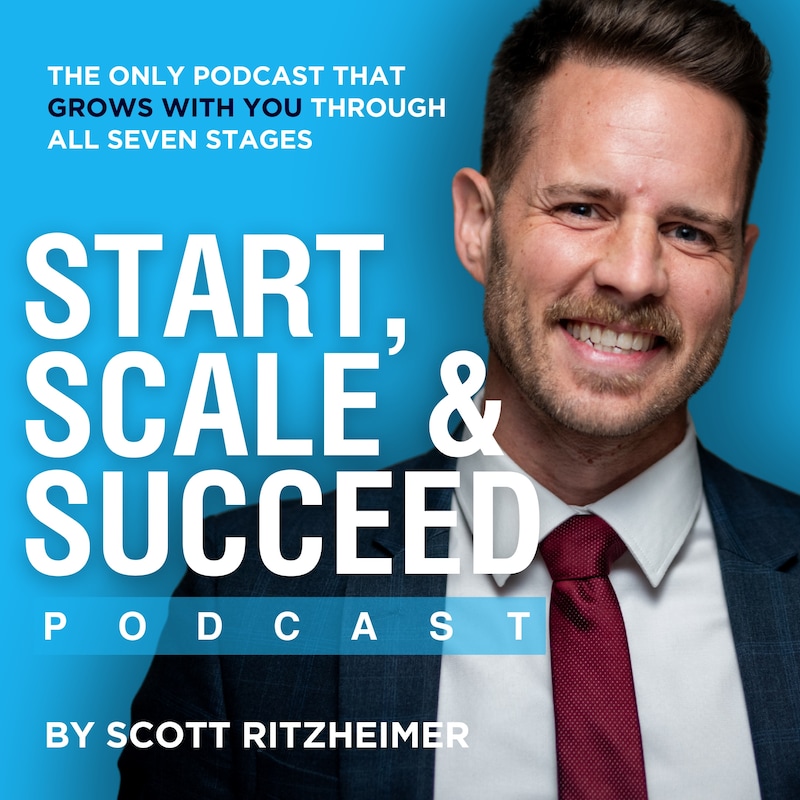
Scott Ritzheimer:to the Start, Scale, and Succeed podcast-the only podcast that
Scott Ritzheimer:grows with you through all seven levels of your journey as a
Scott Ritzheimer:founder. I'm your host Scott Ritzheimer, and too many
Scott Ritzheimer:founders think that grinding alone is a necessary part of
Scott Ritzheimer:building a business or a nonprofit, especially those of
Scott Ritzheimer:you in the startup entrepreneur stage, trying to succeed as a
Scott Ritzheimer:solopreneur, the challenge though is without anyone
Scott Ritzheimer:watching, very few of us does our very best, especially over
Scott Ritzheimer:the long haul, which leaves so many of our best ideas to gather
Scott Ritzheimer:dust in what my guest calls the Valley of Dead Dreams. Doesn't
Scott Ritzheimer:that sound wonderful? We'll talk about what that is and how to
Scott Ritzheimer:avoid it here in just a bit. But my guest has built a system for
Scott Ritzheimer:himself and spent over a decade teaching others to do the same.
Scott Ritzheimer:With us here today is Dennis McCurdy, who transformed his
Scott Ritzheimer:life from graduating near the bottom of his high school class
Scott Ritzheimer:and sleeping on an office couch to achieving seven-figure net
Scott Ritzheimer:worth. Following his military service, he built eight
Scott Ritzheimer:businesses, managed 29 properties, authored four books,
Scott Ritzheimer:and led mastermind groups for over a decade. He teaches that
Scott Ritzheimer:mindset, accountability, and strong relationships drive true
Scott Ritzheimer:achievement. He's the author of the book "Unleash the Power of
Scott Ritzheimer:Connection, and he actively runs personal development workshops
Scott Ritzheimer:to help others reframe their failures into fuel for growth.
Scott Ritzheimer:He consistently proves that strong network connections and
Scott Ritzheimer:daily discipline directly accelerate personal
Scott Ritzheimer:transformation. Andy's here with us today, Dennis. Welcome to the
Scott Ritzheimer:show. Glad you're here. I love I love me a Harvard Business
Scott Ritzheimer:Review stat, and and you you give us one about a study. I'll
Scott Ritzheimer:let you set this up for us. But what is it that that we can
Scott Ritzheimer:learn from this study, and how does it apply to that founder
Scott Ritzheimer:that's that's trying to succeed in that solopreneur stage?
Unknown:We're talking about the we all do better when someone's
Unknown:watching. We are yes, which is true. I mean, I just was telling
Unknown:somebody the other day that it doesn't even have to be
Unknown:somebody. Sometimes just a picture of somebody can, you
Unknown:know, can cause us to to focus more, to be more accountable.
Unknown:You know, the whole thing is, and I think that's the big
thing:is we're not meant to do this alone. And we say that I
thing:say that in the book. You need to really reach out to people,
thing:be connected. Again, accountability is one of the
thing:most important things that we can have. I always tell people,
thing:I don't like to be pushed, but I love the results, and and we you
thing:know we need that kind of thing. I mean, unfortunately, probably
thing:we all need a drill instructor in our life, but we don't have
thing:one. And and I was raised by a drill instructor, so I know how
thing:that can go. But
Scott Ritzheimer:so it's a fascinating dynamic because the
Scott Ritzheimer:folks who go out and start their own thing tend to be more
Scott Ritzheimer:comfortable with doing their own thing than a lot of people, and
Scott Ritzheimer:and the the flip side of that, maybe the negative for or for
Scott Ritzheimer:better or worse, I guess, is a tendency to do our own thing,
Scott Ritzheimer:our own way, at our own time, on our own terms, all by ourselves.
Scott Ritzheimer:How do how do you help folks? Because there's a tension there
Scott Ritzheimer:of having that accountability, having folks that are in your
Scott Ritzheimer:corner and care about you, but how do we keep at bay that that
Scott Ritzheimer:resistance to push back, that that that rebel spirit that may
Scott Ritzheimer:serve us in other ways, but doesn't necessarily serve us
Scott Ritzheimer:well here?
Unknown:I think that we have to understand that you know
Unknown:basically it's accepting it's for your own good. You know, I
Unknown:mean, because you're right, we're very independent. I always
Unknown:tell people the best thing about being self-employed is being
Unknown:self-employed. The worst thing about being self-employed is
Unknown:being self-employed, because there's just nobody to to push
Unknown:you. You know, except when you're fire a customer fires you
Unknown:or something, which is the worst thing you want to have happen.
Unknown:So, you know, having you know, I've had a lot of mentors in my
Unknown:life. I've had accountability partners, and and coaches and
Unknown:consultants I've hired. I'm actually part of a national
Unknown:mastermind group now with about 50 other insurance agency
Unknown:owners, and it's good to be able to have that and hear other
Unknown:people's stories to be able to get out, get out of your own
Unknown:way. That's our biggest our biggest problem for most people
Unknown:in the world. Just getting out of our own way, and and we can
Unknown:be stubborn. Plus, it's nice, you know, being the boss
Unknown:sometimes.
Scott Ritzheimer:Yeah, yeah. So the way that we're not going to
Scott Ritzheimer:go solve for this problem is to go get a boss somewhere else,
Scott Ritzheimer:right? That's that's that's out of the equation, at least for
Scott Ritzheimer:these folks. Might be right for some folks, but let's let's just
Scott Ritzheimer:rule that out for the the sake of the conversation. So we're
Scott Ritzheimer:not going to go get a boss from somebody somewhere else. Even if
Scott Ritzheimer:you hire an employee or two, you're their boss, and so having
Scott Ritzheimer:someone there might help a little bit. But it's not quite
Scott Ritzheimer:the same. We're not necessarily talking about going and getting
Scott Ritzheimer:a business partner and giving up equity in your business. These
Scott Ritzheimer:are all like real complicated, can work in some situations, but
Scott Ritzheimer:that's that's not the solution that that you've proposed here
Scott Ritzheimer:in the book. What
Unknown:Having your own gang? We talked about that earlier. I
Unknown:mean, I'm a big believer in mastermind groups. Again, I
Unknown:think as an entrepreneur, solopreneur, you have to
Unknown:understand and be open to these things if you really want to
Unknown:grow and accelerate. I mean, just everybody. We're not all
Unknown:one thing. We can't do all. Everybody has our quirks and
Unknown:their quirks. Everybody has their strengths and their
Unknown:weaknesses. So I remember once when I was talking to one of my
Unknown:buddies in a group, we were saying he was saying, write all
Unknown:the things down on the left side of a piece of paper that you're
Unknown:good at. Write all the things on the right side that you're not
Unknown:good at. You don't like. You should tear it in half and put
Unknown:an ad in the paper for that part, because again, we're not
Unknown:perfect. So having someone who you know again, why I like the
Unknown:gang concept, having which means goal achieving nudging group.
Unknown:It's having people around you that are not afraid to call you
Unknown:on your stuff, because we all have stuff. I mean, if you think
Unknown:you don't have stuff, you're in denial, right? And so, being
Unknown:vulnerable enough to accept that and and accept the. I want to
Unknown:say I don't want to say criticism, but accept the pushes
Unknown:because, in fact, it was James Allen said in his book *As a Man
Unknown:Thinketh* a person who doesn't shrink from self-criticism can
Unknown:always achieve their goals, and so having people that will give
Unknown:you that loving kick in the butt when you need it is really
Unknown:important because
Scott Ritzheimer:yeah, this is this is this is at least the
Scott Ritzheimer:first and may end up being the last. I don't know. We'll see.
Scott Ritzheimer:But episode where we talk about this question, I don't know that
Scott Ritzheimer:I'll ever ask this of anyone else. What's the difference
Scott Ritzheimer:between a good and a bad gang member.
Unknown:A good and a bad gang. Well, a a good gang member shows
Unknown:up for you, and you show up for them. A good gang member will
Unknown:tell you the truth. You know whether you want to hear it or
Unknown:not. You know to say, hey, wait a second, you know, let's get
Unknown:off this. You've been on this too long. You're making these
Unknown:excuses. You're not. You're you're lying to yourself. That's
Unknown:what you want. I mean, you don't want to punt to people who just
Unknown:say yes, yes, you're great, you're wonderful. That that
Unknown:doesn't get you anywhere. I mean, nobody's perfect, and so
Unknown:we're all trying to improve, you know, a little bit every day.
Unknown:And so, and it's easy to deny, you know, hey, I'm, I'm, I'm,
Unknown:this, I'm okay, I'm doing this, it's right, and somebody else
Unknown:will go, wait a second here, you know, you're a little off track,
Unknown:or you're, or you're letting some of your maybe negative
Unknown:patterns, you know, filter in your sabotaging behaviors, which
Unknown:we all have. I always liked that cartoon way back in the day by
Unknown:this little guy called Pogo, and he said, "We've met the enemy,
Unknown:and it's us. And so we have to realize and be open enough to
Unknown:accept that.
Scott Ritzheimer:What is your take on who to invite into your
Scott Ritzheimer:gang? Is it family members? Is it friends? Is it other business
Scott Ritzheimer:owners? What are some of the mistakes you see folks make
Scott Ritzheimer:there? I guess I would set up and say I think most people have
Scott Ritzheimer:a gang, whether they want to or not. Right, it's more that they
Scott Ritzheimer:haven't been selective in who that gang is. Would you agree?
Unknown:I agree. I totally agree, and that's really
Unknown:important. I mean, sometimes it just happens through osmosis.
Unknown:They just, you know, and people just in our our natural life.
Unknown:But having people in your family can create a whole. It's a whole
Unknown:nother dynamic there. So in fact, I remember talking to a
Unknown:woman who it was a husband, two daughters, and the wife in a
Unknown:very successful restaurant. But there were always there was
Unknown:always this stuff going on. In fact, one of them said, "Well, I
Unknown:want to leave here and I want to go to New York City, and I want
Unknown:to get a good job and I want to make this kind of money. And I
Unknown:said, "Wait a second! You get six weeks off at this job. You
Unknown:drive two miles to work, and you're the boss. What are you
Unknown:talking about? So I had said to them, "You know, hire a coach
Unknown:for the family. Hire a psychologist if you have
Unknown:whatever you have to do, because this is a gold mine and you're
Unknown:going to kill it. And they actually did, so they ended up
Unknown:selling it and being miserable.
Scott Ritzheimer:Oh, that's awesome. So
Unknown:yeah, having that's important. Go ahead.
Scott Ritzheimer:What are some of the best places to find your gang?
Unknown:That's a tough one. It you have to just be very. I
Unknown:mean, sometimes you can find them online through things like
Unknown:LinkedIn. Sometimes through business groups, people you
Unknown:know, even maybe even through customers who might know people.
Unknown:It's there are some online mastermind groups now, which can
Unknown:be helpful because you have facilitators who actually pay
Unknown:and they facilitate the meetings and things, so that can be
Unknown:helpful. It's it's a process, and and some and sometimes I
Unknown:know in the book I talk about my friend Margot Chevers, and she
Unknown:and I had decided to have a mastermind group, and so we
Unknown:started meeting once a month, and other people said, "Well, I
Unknown:want to come. I want to join party, be part of your group.
Unknown:And they would come, and they would they would they would show
Unknown:up. Maybe they come twice, and then they say, "Oh, I'm just too
Unknown:busy on this. I said, "Well, we're busy, but we show up every
Unknown:month. We commit to our goals, and we get them done. So you're
Unknown:too busy to do that. And Margot and I met every month for seven
Unknown:years.
Scott Ritzheimer:Wow!
Unknown:And so we used to. I know. I know if you read it in
Unknown:the book, but we used to write a check to each other after each
Unknown:meeting for 500 bucks, post dated 30 days, and if you didn't
Unknown:do your goals, the other person got to cash the check.
Scott Ritzheimer:Yes. Yes. I love that. I love that, and and
Scott Ritzheimer:I I think what that taps into is how you're saying ahead of time
Scott Ritzheimer:is like these are people who are advocating for you, and and when
Scott Ritzheimer:when you look to some of the more common places, a a spouse,
Scott Ritzheimer:a parent, a friend of yours, they either like a friend cares
Scott Ritzheimer:but doesn't necessarily understand. A family member is
Scott Ritzheimer:probably afraid and understands, right? But when you can find
Scott Ritzheimer:other people that you can, to some extent, go shoulder to
Scott Ritzheimer:shoulder with, like the two of you did, I think that goes back
Scott Ritzheimer:to what you opened with of the power of peer groups. Where did
Scott Ritzheimer:you find that? How did you discover that?
Unknown:Where did I find the power-the power of a group? You
Unknown:mean, or yeah, many, many, many years ago, I was invited to a
Unknown:men's group that was more of a not a business group, but it was
Unknown:just basically men building intimacy with men,
Unknown:communicating, and I discovered all of the different opinions
Unknown:and variety you can get from that, and that's when I decided
Unknown:to start my own mastermind group. And then also, I when I
Unknown:was teaching my workshops back in the day, I was concerned that
Unknown:they would they would leave the workshop, and that would be it.
Unknown:So I said to them, anybody who attends the workshop can come to
Unknown:a free mastermind group. We meet every month. We had here's the
Unknown:location. This is what we're going to do. And you know, of
Unknown:the hundreds of people that came, only maybe about a half a
Unknown:dozen actually did it consistently, and eventually we
Unknown:disbanded. But you know, it was like you need to have that
Unknown:constant accountability. Every human being needs that;
Unknown:otherwise, we'd all be perfect, right?
Scott Ritzheimer:For sure, for sure. Dennis, there's there's so
Scott Ritzheimer:many different questions I could ask, and in so many ways that
Scott Ritzheimer:you could go with this. But there, I want to make time for a
Scott Ritzheimer:question that I ask all my guests. I'm interested to see
Scott Ritzheimer:what you have to say, and the the question is this: What would
Scott Ritzheimer:you say is the biggest secret that you wish wasn't a secret at
Scott Ritzheimer:all? What's that one thing you wish every founder watching or
Scott Ritzheimer:listening today knew?
Unknown:You don't have to do it alone. It's it's that simple.
Unknown:You can, and if you're, if you don't want to involve, like say,
Unknown:a gang kind of person, get yourself a coach or consultant,
Unknown:someone that you trust enough and you have enough, like
Unknown:enough, where you're willing to open yourself up to take that
Unknown:advice again, because nobody's good at everything, nobody's
Unknown:perfect at everything, and so we need to really recognize that.
Unknown:Because if you if you can capitalize and move past your
Unknown:weaknesses, almost anything's impossible. Impossible. It's
Unknown:just a matter of doing that and being humble enough. I think.
Unknown:Sometimes, which is harder when, as you get more successful,
Unknown:sometimes.
Scott Ritzheimer:Yeah, yeah, it really is. It can become more
Scott Ritzheimer:and more isolating. There's some folks listening that they're
Scott Ritzheimer:they're ready to start a gang, or or they're they're just
Scott Ritzheimer:interested in learning more and how they can not do this alone.
Scott Ritzheimer:Tell us a little bit about the book. Remind us of the name and
Scott Ritzheimer:where we can get a copy of it, and then how folks can connect
Scott Ritzheimer:with you and learn more.
Unknown:Sure. So the name of the book is "Unleash the Power
Unknown:of Connection, and it can be bought on Amazon or Barnes and
Unknown:Noble or Digital Chalk or any of those any of those platforms,
Unknown:and they can reach me at just. McCurdy.com. If they want to
Unknown:reach out, be happy to chat with them, give them some ideas. I've
Unknown:been involved in a lot of mastermind groups and a lot of
Unknown:coaching and consulting from from both sides, both giving and
Unknown:receiving. So I'm very open to. Yeah, I think you have to be
Unknown:open to learning and being. You know, realize you're not
Unknown:perfect.
Scott Ritzheimer:Yeah, yeah. So true. So true. Recommend it,
Scott Ritzheimer:especially those of you who have that feeling of being alone,
Scott Ritzheimer:because you're the only one in your business. That's a very
Scott Ritzheimer:real thing, but it doesn't have to be that way. And Dennis, I
Scott Ritzheimer:love the idea, love the approach. Really enjoyed the
Scott Ritzheimer:book, and really enjoyed this conversation. Thanks for being
Scott Ritzheimer:on. It was really a privilege having you here, and for those
Scott Ritzheimer:of you watching and listening, you know your time and attention
Scott Ritzheimer:mean the world to us. I hope you got as much out of this
Scott Ritzheimer:conversation as I know I did, and I cannot wait to see you
Scott Ritzheimer:next time. Take care.
Unknown:Thanks, Scott.
Scott Ritzheimer:Hey, everyone. Scott Ritzheimer here. Thank you
Scott Ritzheimer:so much for listening to the Start Scale and Succeed podcast.
Scott Ritzheimer:I hope this episode gave you exactly what you need for the
Scott Ritzheimer:level you're in right now. If you want to discover what level
Scott Ritzheimer:you're in, take our 10 question Founders Evolution Quiz for free
Scott Ritzheimer:at foundersquiz.com. That's foundersquiz.com. It'll pinpoint
Scott Ritzheimer:exactly where you are, and give you tailored tips to move
Scott Ritzheimer:forward and reach that next level in your journey as a
Scott Ritzheimer:founder. If you got something out of today's episode, don't
Scott Ritzheimer:forget to subscribe, rate, or review. It helps us reach more
Scott Ritzheimer:founders like you, and let's be honest, it means a ton to me, my
Scott Ritzheimer:team, and all our incredible guests. So keep starting,
Scott Ritzheimer:scaling, and succeeding, and I'll see you in the next
Scott Ritzheimer:episode.