Shownotes
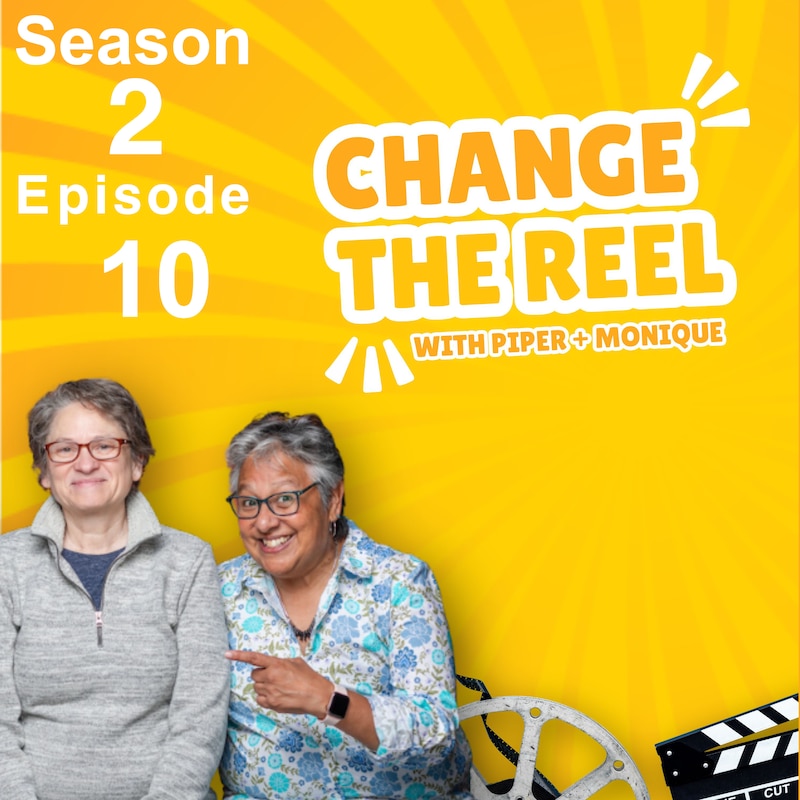
E2 E10 Live Streaming Costs Explained: What You Actually Need to Budget
Join hosts Monique Velasquez and Piper Kessler as they break down exactly what it costs to run professional live streams for your business—from bandwidth to tech support, and everything in between.
In This Episode You'll Learn:
- What live streaming actually is (and why it's different from posting a selfie video)
- The business scenarios that benefit most from live streaming events
- Why 80% of people prefer watching a brand's live stream over reading their blog
- The four budget categories you MUST plan for (most people forget #4)
- How to calculate if live streaming makes sense for YOUR business goals
- DIY approaches that work (and the shortcuts that backfire)
- The technical glitches that make you look unprofessional—and how to avoid them
- Why 50% of viewers leave in 90 seconds if your stream quality is low
Key Timestamps:
- 00:00 - What is live streaming and why it matters for business
- 01:42 - Business scenarios that benefit from live events
- 04:22 - Platforms explained: YouTube, Twitch, Facebook, Zoom
- 06:36 - YouTube is now competing with Netflix on big screens
- 07:20 - Types of live stream events: meetings, conferences, Q&As, webinars, demos
- 11:10 - The stats: 82% prefer live streams over social media posts
- 12:11 - Compelling live streaming statistics for businesses
- 14:00 - Twitch personalities are making REAL money (not just YouTubers)
- 14:38 - The live streaming market will hit $223.98 BILLION by 2028
- 19:11 - The four budget categories you need to plan for
- 22:21 - Why 43% of live stream viewers buy premium products
- 22:50 - Budget Breakdown #1: Bandwidth & internet costs ($30+/month)
- 23:25 - Budget Breakdown #2: Streaming platform fees (Free - $30/month)
- 24:29 - Budget Breakdown #3: Equipment & production costs (The wild card)
- 26:23 - Budget Breakdown #4: Tech support during the event (Most people forget this!)
- 27:30 - The 90-second rule: Why stream quality determines bounce rate
- 28:03 - Copyright warning: Music, images, and footage you CAN'T use
- 29:09 - The cons of live streaming (technical glitches, trolls, and unpredictability)
- 30:30 - Why negative comments and Zoom-bombing are real risks
- 32:36 - Your action plan: How to decide if live streaming fits your budget
The Budget Reality:
Live streaming isn't just "hit record on your phone." Professional live streams require:
- Bandwidth ($30+/month for reliable internet/cellular data)
- Platform fees ($0-$30/month depending on features, audience size, quality)
- Equipment & expertise (The wild card—in-house staff, contractors, or VAs)
- Tech support (Monitoring chat, troubleshooting, managing Q&A in real-time)
The Stats That Matter:
- 80% would rather watch a live stream than read a blog from the same brand
- 82% prefer live streams over social media posts
- 67% who watched a live event bought tickets to similar future events
- 43% of engaged live stream viewers buy premium products
- 50% of users leave in 90 seconds if video quality is low
- Every 6-second delay = 6% viewer bounce rate
Key Takeaway:
"Live streaming is powerful and it's growing fast. It can absolutely elevate your brand when you understand what goes into doing it well. The costs add up depending on how polished and interactive you want your event to be—so plan your message, know your goals, and understand what level of support you need."
Ready to Plan Your Live Stream? Book a call with Velasquez Media: velasquezmedia.com
We'll review your live stream plans and help you budget for success—whether you're hosting a webinar, Q&A session, product demo, or virtual event.
Production: Velasquez Media - 20+ years helping mission-driven organizations create video strategies that work
#LiveStreaming #VideoBudget #LiveStreamCosts #VideoStrategy #Webinars #VirtualEvents #VideoProduction #SmallBusiness
CHANGE THE REEL with Piper and Monique
Executive Producers: Monique Velasquez and Piper Kessler
Producer: Arielle Morten
Director/Editor: Simon Beery/Meredith Sause/Alyssa D'Avanzo
Copyright 2026 Monique & Piper
Transcripts
You will benefit from extra content professional eyes and hands monitoring your chat.
Monique:And so this becomes another thing that you should consider.
Monique:Those four items and the last being your tech support.
Monique:You have a goal and you want to take this time and it's going to be more than 30 seconds, 90 seconds, two minutes.
Monique:I'm talking about real engagement, having a Q&A, taking the time that allows your audience to get, digest, and consume your message or your service, whatever it is that you're doing, your goal, and to actually take action on the goal in the videos.
Monique:Change the Real, a podcast with Monique Velasquez and Piper Kessler.
Piper:For over 20 years, we've run a video production business that has achieved what only 3% of women entrepreneurs have done.
Piper:Exceed
Monique:$250,000 in revenue.
Monique:We want to see business owners that look like us succeed.
Monique:That's why we've started this podcast.
Monique:Change the Real will drop twice a month.
Monique:We'll release two types of episodes.
Monique:One is with Piper and I kicking it and talking about using video in business.
Monique:And the second features conversations with business owners using media to drive diverse perspectives.
Monique:This is Change the Real. Representation starts here.
Piper:Hey
:y
Monique:'all, I'm
Piper:Monique Velasquez.
Piper:And I'm Piper Kessler.
Piper:I love giving folks a
Monique:way to think about using video in their marketing.
Monique:I believe that recording or going live to talk about your brand is a valuable and underused tool.
Monique:You don't necessarily want to DIY this type of complex video content unless the DIY is part of the message.
Monique:Today, we're here to talk about understanding and being educated about how much it costs to livestream.
Monique:We're going to break this into a few ideas first.
Monique:And we will
Piper:define livestreaming uses, list a few business scenarios that benefit from these livestream events,
Piper:and why you should live stream. The stats. Discuss the value-based costs of live streaming.
Piper:What type of support do you need? Suggestions for DIY or how to cut costs for lower budgets.
Monique:Live streaming refers to content, either audio or video, that's being broadcast live
Monique:through the internet via dedicated streaming software or webinar platform. It's similar to
Monique:a traditional TV or radio broadcast, only users get more options on how or where they'd like to
Monique:watch the content. Maybe rewinding the live stream is possible. Having a public or having a private
Monique:audience is also possible. The most popular platforms for live stream include Twitch, YouTube,
Monique:and Facebook. Live streaming. How much live streaming? We've talked about live streaming
Monique:before in some other episodes.
Piper:True.
Monique:And we do a lot of it. We do a lot of it. And so we watch a
Monique:lot of meetings, live meetings that are public, right? I like to watch live sports as well. Now,
Monique:I pay for a streaming platform to watch these sports. So I get to watch certain leagues and
Monique:certain sports on these paid-for platforms.
Monique:Now, is that private?
Monique:Is that public?
Monique:It's kind of public.
Monique:It's kind of private because I had to pay for it to get there, right?
Monique:And I can't rebroadcast it.
Monique:I don't watch much Twitch.
Piper:No, I don't.
Piper:I don't
Monique:understand the whole watching a gamer.
Monique:But that is not for me.
Monique:That's for a very much
Piper:younger audience.
Piper:It could happen.
Piper:Yeah, you know what?
Piper:I can see it happening.
Piper:I, you know, maybe I should probably try it out and see what's going
Monique:on.
Monique:And, you know, YouTube is one of those places where I love to stream for my clients on the
Monique:YouTube because it is so easy.
Monique:They make it so simple for us to be able to get in and get the connection and make that
Monique:happen.
Monique:And Facebook, not so much.
Monique:Blah.
Monique:I am not a fan of the Facebook streaming opportunities because they lock it down and they really want you to be on their platform only.
Monique:Now, there are other places where, you know, streaming happens.
Monique:Webinars.
Monique:True.
Monique:You know, Skype was a thing at one point where you might be able to talk and do an interview or Q&A.
Monique:Zoom.
Piper:Right, right, right.
Monique:And so I find it interesting that, you know, we're putting this together.
Monique:We mentioned and there are a lot more stats about YouTube and Twitch and Facebook as live streaming platforms and places to go versus Zoom.
Monique:Zoom is probably more of a private or ticketed event.
Monique:Yes.
Monique:Yeah.
Monique:You would hope.
Monique:And I think it would be very difficult to get stats about what's happening
:on a platform
Monique:like that.
Monique:Some of the other things that I know that, you know, podcasting, there are some podcasts that actually go live.
Monique:And so they might actually do a live audio stream.
Monique:XM and Sirius, I don't even know if those are still things.
Monique:I think XM is still a thing.
Monique:I don't think Sirius Radio is
Piper:still out
Piper:there.
Monique:One of them got gobbled up, I can't recall.
Monique:And so, you know, those as platforms are places that I see as, you know, extensions of the old broadcast places.
Monique:And YouTube, interestingly enough, we found out today, is becoming watched more on big screens.
Piper:Right.
Monique:It is vastly
Piper:consumed.
Piper:Living rooms.
Piper:Right,
Monique:living rooms.
Monique:It's vastly consumed on small devices, tablets, and mobile devices.
Monique:But it's now competing with Netflix.
Monique:As on the big screen.
Monique:Can you imagine?
Monique:That just seems a little strange to me that, you know, YouTube is...
Monique:But we kind of have done
Piper:that.
Piper:If you think about it, it's like when we've wanted to consume some stuff together at the same time, we kind of have done that in
:a way.
:We watched a game
Piper:that way.
Piper:Yeah, we did watch a game that way.
Piper:That's right.
Monique:We did a basketball game.
Monique:Yeah.
Monique:It was a basketball game.
Monique:Used YouTube to access the private broadcast.
Monique:So that was where we are.
Monique:It was a different,
Piper:yeah, finding out about that was different thinking.
Monique:Yeah.
Monique:That's what we have as far as places to go for live streaming.
Monique:And let's talk a little bit about live stream events, the types of events that are possible for businesses.
Monique:So
Piper:most live streamers broadcast gaming content, though there are other applications such as meetings, conferences, schools, classes, music.
Piper:I've seen a lot of concerts lately, especially a lot of benefit concerts.
Piper:V-logging, demonstrations, Q&A sessions, and webinars.
Piper:If you think about live streaming,
Monique:I recommend starting by defining your goals if you're going to start thinking about using live streaming.
Monique:So your business goals and who your audience is.
Piper:Right.
Monique:That's the first thing.
Monique:As a professional, you know, video production and communicator, you know, having that audience defined and having your goals for why you're communicating is super important to start.
Monique:If you're trying to increase your brand as a goal, if you're trying to drive sales as a goal, especially if you have a new product or you have a demonstration of some service that you have, right?
Monique:Engage your community and build loyalty with an informal chat.
Monique:Maybe that's your goal, to have a community built around a Q&A session or to provide customer support.
Monique:Like, oh, we're having this big bug happen, and so let's jump on a Q&A and have all our paid clients come in and, you know, access our engineers to help get them through this bug or how to install this patch or get past this obstacle.
Monique:Maybe you want to showcase your company culture behind the scenes.
Monique:So you might do, you know, you have an event and you're setting up and you want, you see
Monique:how happy your employees are, you know, putting up the decorations.
Monique:And so this is a way for you to showcase how your company works well together.
Monique:So what other things can you see that would be interesting to see behind the scenes or in
Monique:a live setting for demonstration or your goals in particular?
Piper:I mean, I've watched people's yards
Piper:stuff. Like, how did they do stuff just to get an idea? I mean, it's a learning thing, right? So
Piper:the advantage for the live streaming is you can sit there and you can interject and you can become
Piper:part of it. You can ask a question, even if it's just in the chat.
Monique:Right. That's
Piper:the advantage of
Piper:live streaming and you start feeling like you're part of you may feel like you're part of the
Piper:production right it's like oh you guys I can't see this part of the board or you know you're not
Piper:attending to this other person's question
Monique:yeah and so you know live streaming has the ability to
Monique:help your customer get engaged with your business either your goals or your message or your mission
Monique:And so I see that's where having the live stream goals and your audience really define because it will inform the type of live stream that you might actually engage in.
Piper:Well, and you need to understand your customers and, you know, how are they going to engage?
Piper:What's the best platform to maybe catch them on?
Monique:That's true.
Monique:It's like where they are on the journey.
Monique:are they in the buying phase? Are they in the application phase or the learning about how to
Monique:use it phase? And so those types of things will also, you know, you're going to find data about
Monique:your company by how they engage with you at different types of live stream focused goals,
Monique:right? Live streaming also has the capacity to engage learners. We've seen, you know, Snow Day's
Monique:you know, reduce because teachers are expected to teach and have students in front of the screen
Monique:and engage. And there's supposed to be a two-way. It's not Aristotelian where they're just
Monique:lectured at. There's supposed to be an engagement, right? And so the world has changed quite a bit.
Monique:And I believe what we know about live streaming will take over quite a bit. It used to be a lot of
Monique:static, like, you know, the TikTok thing where you're just watching. But I think live stream is
Monique:positioned to take over more of business and education and learning as far as a platform and
Monique:a way to engage with learning as the style or an addition to or a support of, you know, one-on-one.
Piper:I mean, yeah, with pandemic, everything changed, right?
Piper:And how we engage with one another is very different.
:So
Piper:today we're going to have some numbers for you.
Piper:Let's start with some compelling stats about using live streaming for video for businesses.
Piper:Livestream, in partnership with New York Magazine, surveyed a thousand adults to see how they use live streaming.
Piper:80% of respondents said that they'll watch a stream from a brand rather than read a blog from the same company.
Piper:82% would watch a live stream rather than go through a brand's social media posts.
Piper:67% of people who watched a live streaming event ended up buying a ticket for a similar event.
Piper:87% said they prefer watching live stream videos because it features behind the scenes content.
Piper:I do that.
Piper:Like if it's got a little bit of behind the scenes, yeah, I'm suddenly perked up and
Monique:I'm listening.
Monique:You tune in because like we're interested in the tech part.
Monique:What kind of mics
Piper:are they using?
Piper:Yeah, that's true.
Piper:What kind of light are they dragging out?
Piper:How are they?
Piper:Oh, what did they get there?
Piper:I know.
Piper:What kind of monitors
Monique:are they putting out?
Piper:I mean, people are there helping with the production.
Piper:54% of live streaming content is focused on gaming and eSports.
Piper:Twitch is one of the biggest live streaming platforms with 30 million daily visitors.
Piper:And there's
Monique:another little thing about
Piper:Twitch.
Monique:Twitch personalities are making money.
Piper:Yeah.
Monique:I mean, you hear about YouTubers and you hear about influencers,
Monique:but you don't think about Twitch as a place where you're going to go live
Monique:and get engagement and get sponsors and get, you know, real cash money coming in the door for
Monique:being live and doing the thing that you do. So I find Twitch an interesting addition to our
Monique:conversation lately.
Piper:I gotta check some stuff out. So the live streaming market is going to grow to
Piper:223.98 billion.
Piper:With a B.
Piper:By 2028.
Piper:Not that far away.
Piper:According to Grandview Research, there are several reasons for the expected growth.
Piper:For example, the rise of technological advancements like blockchain and video streaming.
Monique:That's really interesting.
Piper:The blockchain, like
Monique:it's
Piper:not just Bitcoin.
Piper:That's right.
Piper:So, yeah, that you can, the security and everything, all those computers out there, that helps video, right?
Piper:And streaming, artificial intelligence will improve video quality, leading to increased demand.
Piper:And that's interesting because we go back and forth about AI.
Piper:We do.
Piper:And it's helpful, but there are times, too, where you notice that it's there.
Piper:And is that...
Piper:A little heavy-handed.
:A little heavy-handed maybe?
:I'll be pushing the
Piper:future
Monique:by allowing, you know, it's like the jump cut.
Monique:Yeah.
Monique:TikTok, you know, introduced the jump cut.
Monique:And the first time I used it in a professional video, I wanted to pull my hair out, but I let
Monique:it go.
Monique:What is a jump cut?
Monique:So, you know,
:the idea
Monique:that there's a static camera and maybe my hand is up and then all
Monique:of a sudden I'm in the same sentence and my hand and my head are pointed in another direction.
Monique:So it jumped immediately somewhere else.
Monique:So the editing cut
:is not
Piper:what used to be acceptable.
Piper:Yes, it was
Monique:invisible.
Monique:And to be trained, you would learn that the transition from shot to shot should be invisible.
Monique:And now it's not.
Monique:And so using our artificial intelligence in a way that's heavy-handed will potentially push the subtleties and use to a more acceptable for audiences the more we use it.
Piper:And so cloud-based video streaming solutions will also increase the reach of video content.
Piper:Right. The
Monique:technology in general, right?
Monique:having access to the internet. We're going to be dependent a lot. And, you know, this whole
Monique:disruption with the, was it cloud fare?
:Might,
Piper:you
Monique:know, it's going to, I
Piper:think it's going to
Monique:impact. And so for me, it's, I think about this a lot of times, this, this idea that the internet
Monique:and this technology and access, I've seen, I'm going to analogize it to 3D video at home. I've
Monique:since the 90s and it's been sold to the consumer since about the 90s we don't talk about 3d video
Monique:on the daily and about i think it was about uh seven ten years ago 3d video which is 360 video
Monique:was like all the rage in in my industry
:and
Monique:with my colleagues but i'm not hearing a whole lot of
Monique:companies that are just doing that. And so like the internet and the cloud-based and the access
Monique:to these things, I think a lot of things have to change before it becomes common and daily.
Monique:There are lots of options to use the cloud-based video and streaming, and they are good and they are
Monique:useful and they are definitely worth paying for, but know that you need to make a backup for when
Monique:you don't have access to the power, to the cloud, to the internet. Be prepared. Other reasons for
Piper:such
Piper:positive outlook include the growing acceptance of smartphones alongside the acceptability of high
Piper:speed internet technologies. So along your lines of saying, yeah, you know, the cloud flare
Piper:down-age, down, and how it affected everybody doing work. It's also, don't just assume you're
Piper:going to have high-speed internet wherever you go, if you are mobile. It's true.
Monique:There's a digital
Monique:divide in this country, in the rural places, and in poor or economically depressed areas,
Monique:just like banks aren't available everywhere.
Piper:And, I mean, there are some dead holes. Like,
Piper:We've discovered you're somewhere and sell drops.
Piper:And it doesn't make any sense.
Piper:But there it is.
Piper:Just a warning.
Piper:Just be prepared.
Piper:If you're going to do something live stream, make sure that the Internet is working there and you have a backup.
Piper:There's also a growing demand for hardware, mobile devices that are capable of supporting digital media from anywhere in the world.
Piper:So you could, and we have had this issue where you are in a rural area or you've gone to another country, you can.
Piper:There is now a way and it's easier for the consumer to buy Internet that's going to work wherever you are.
Monique:Let's get to some ideas to consider when thinking about the value of your live streaming.
Monique:82% of consumers prefer to engage with the brand on a live stream rather than through
Monique:social media posts.
Monique:67% of the audiences claim that video quality is the most important factor while watching
Monique:a live stream.
Monique:I think they mean audio more than they mean video, but let's move on.
Monique:It probably depends.
Monique:If it's a sport, they might, you know, that might be true.
Monique:Yeah, they can watch it with mute.
Monique:75% or more millennials believe that live streams have helped them compare products while shopping online.
Monique:Live shopping can include haul videos, unboxing videos, demos of products, right?
Monique:These are straightforward live streams and are cost-effective.
Monique:They help the consumer learn about your product and as a way for you to expand your business
Monique:reach and communicate directly with audiences in real time.
Monique:And, you know, you can turn the live stream off and walk away after it's done, right?
Monique:So that's one of the favorite, my favorite things about live streaming.
Monique:You know, we're talking about live streaming that is not just, you know, hey, selfie, you
Monique:know, with a phone, you know, going live. We're talking about more of a longer event live.
Piper:That has engagement. You're streaming live and you are communicating in some way.
Piper:Right. And that is the thing of it being live, right?
Piper:You
Monique:have a goal and you want to take this time and it's going to be more than 30 seconds, 90 seconds,
Monique:two minutes. I'm talking about real engagement, having a Q&A, taking the time that allows your
Monique:audience to get, digest, and consume your message or your service, whatever it is that you're doing,
Monique:your goal, and to actually take action on the goal in the video. So that's what I mean by a longer
Monique:video.
Piper:And you can take it and break it down later. That live event can definitely be made into
Piper:lots of little videos. Right.
Monique:And that is like we talk about, you know, preach, get that long form
Monique:content chopped up into smaller content. Let me talk a little bit about, you know, your viewers,
Monique:right? Why do this? And the big one is, let's see, every six second delay in the start results,
Monique:it results in 6% of viewer bounces.
Piper:Right. And then we read later that that actually may be
Monique:It may
Piper:actually be higher.
Piper:Like people are quicker to leave.
Monique:And I love this one too.
Monique:People who are engaged in live streams are 43% more likely to buy a premium product or service.
Monique:So this is really important.
Monique:If you have a service that is a high ticket, you know, considering live either a challenge
Monique:or a webinar or something that is actually live that is going to get engagement where you
Monique:audience truly asking questions, truly... They're there for a reason. Getting value from what it is
Monique:that you're talking about. Well, let's talk about the money and what you need to spend, right? Which
Monique:is the reason why you've tuned in, right? In the first place, you need to factor in these ideas for
Monique:spending money. First is bandwidth of your internet or your cellular data costs. So you can think,
Monique:yeah, 30 bucks if you go with kind of a limited data or a limited internet action, right?
:So you're
Monique:starting with a fairly small cost over a month, right? Second is the streaming platform. Do you
Monique:need to pay extra for bandwidth or is there a cap on how many audience members or how many streams
Monique:or how many minutes or what quality you stream in, whether you can have a multi-stream. So your
Monique:streaming platform can actually be a cost that you're kind of negating, especially if you're
Monique:thinking, eh, just do the selfie with the cell phone. So that is some place. And you can get a
Monique:monthly for free in some places. But if you want some of the other ability to go to multiple places,
Monique:what they call multi-stream, or you want to have a lot more bigger audience, because I think Zoom
Monique:caps you out at about a few hundred.
Piper:And is there a time cap? It might be on the recording.
Piper:I think it's 45 minutes
Monique:for a meeting, I think was the Zoom capacity. And then, you know, you've got
Monique:places like StreamYard and some of the other places that have free, but you're limited to
Monique:the number of minutes. And sometimes it's the, you're limited on the quality and how much bandwidth
Monique:you use in a month. So you might, you might come out with, you know, between five and 30 bucks
Monique:for streaming platform. So about $65 so far. The third thing, the third thing that you need to
Monique:consider is equipment and production costs. Will you do this in-house? Will you do this in-house
Monique:with AI support or outsource it to a contractor or a virtual assistant? So these are the places where
Monique:you may decide the more complicated it is, and by it, I mean your stream, your live stream,
Monique:the more you'll pay for the equipment that you need and the expertise needed to function or to
Monique:make that equipment work. So those are the types of things that you want to consider. Now,
Monique:I can't put a number on that.
Piper:Right. Do you need people in the chat to help talk to other people?
Piper:Well, I mean, let's just talk about the equipment. Okay. So the equipment. Yeah. And the equipment.
Monique:So, I mean, that becomes kind of the wild card. If you're going to do it in-house, you're already
Monique:they're already on the payroll. You're doing a VA, I don't know what you're paying per month,
:what you're willing
Monique:to pay. And so those are the types of things on the equipment and the person to
Monique:run the equipment. And AI, you may subscribe to an AI assistant for your staff to do that.
Monique:You know, what is that a month? Could be 30 bucks a month. So we're looking at a theme here.
Monique:And so the fourth thing that you need to consider in your money and your budget is your tech support during the event.
Monique:Are you going to have internal staff or a virtual assistant again?
Monique:If you have plans to drop information or to do a poll or have workshop experience where people are doing the work and maybe need to ask questions for clarification while they're working,
Monique:you will benefit from extra content professional eyes and hands monitoring your chat.
Monique:And so this becomes another thing that you should consider, those four items,
Monique:and the last being your tech support.
Monique:So let's talk about your tech support needs.
Piper:Live video beyond the selfie mode is complex.
Piper:You need a platform to go to and you need a plan.
Piper:We always advocate that you have a message planned and your outcomes defined for the live stream.
Monique:50% of users leave a live stream in 90 seconds or less if it has low quality video.
Monique:The general guideline is that every six second delay in the start results in the 6% viewer bounce.
Monique:We talked
:about this.
:We just talked about it, yeah.
Monique:And so, you know, these sorts of things, we need to make sure that we are pegged to the money, to the message, to the goal.
Monique:Okay.
Monique:Cost cuts and DIY approaches need to also include the ideas of whether you're going to pay for copyrighted music,
Monique:whether you're going to pay for copyrighted images or footage or talent.
Monique:because Facebook, Instagram, Zoom don't necessarily flag those places.
Monique:Facebook does flag music.
:Who else
Monique:has flagged muses?
Monique:Well, YouTube.
Monique:YouTube definitely flags music.
Monique:And so you have to decide, you know, what kind of music are you going to use?
Monique:Are you going to have images?
Monique:Are you going to use stock photos?
Monique:You know, there are lots of things that can flag your content.
Monique:even live content for replay can be flagged because of some copyright issues. So those are,
Monique:you know, some things that I'm just warning you about as far as money, outlay of money needs. And
Monique:if you have a video professional, they'll also walk you through copyrighted content that's also
Monique:there. Let's talk about the cons. We talk about the cons of live streaming. Let me just add here
Monique:some important information about the disadvantages of live streaming. While the advantages very much
Monique:outweigh the disadvantages, it's good to cover some of the tripping points
:and the obstacles
Monique:so that
Monique:brands and businesses can be proactive in making their live video marketing successful. So technical
Monique:glitches and unpredictability are one of the biggest drawbacks, right? We talked about, you know,
Monique:do you have internet? Do you have cell access? You know, is it good? Are there a thousand people
Monique:trying to get on one network, right? As seen in the stats that we've talked about, viewers care
Monique:about the quality of the live stream. You know, is it stuttering? Is it buffering? You know, we're
Monique:seeing less than that as we get high-speed internet. You know, these are disadvantages when you're
Monique:live stream. And it can depend on the planning that you do before you connect. Poor connections,
Monique:buffering and low quality can make your brand look professional and untrustworthy, right?
Monique:You don't mean to, but there it is. They blame you for it. I can't tell you many times I've had
Monique:bad sound happen because somebody didn't have their mic on and they all whip their heads at
Monique:Piper and go, what's wrong with you? It's
Piper:like, well, they didn't turn on the mic,
Piper:But
Monique:they're still looking at you as
Piper:if you're
Monique:the person that made that.
Piper:If you have headphones on, they're looking at you.
Piper:That's
Monique:right.
Monique:So live video marketing is relatively cheap.
Monique:It's easy to get to, right?
Monique:Brands may also have to fund the initial investment into lighting and appropriate equipment to ensure video and audio quality is high.
Monique:Right?
Monique:So that's some drawbacks.
Monique:That's a con.
Monique:You may have to, you know, get more equipment.
Monique:equipment that is not core to your business. Another factor that brands need to consider before
Monique:holding live video is the possibility of negative comments. You know, you risk
:having people
Monique:come into
Monique:the comments and dump things. I remember when Zoom was at the beginning of the pandemic, people were
Monique:bombing Zoom meetings and doing terrible things, porn or just yelling or disrupting meetings.
Monique:It's kind of nuts. And so you really have to look at, you know, how private, how controlled can it
Piper:be? It goes
Monique:into the planning,
Piper:right? It's still part of the planning and it's kind of,
Piper:it's security in a way, right? Right. You
Monique:have to come up with a plan of action for addressing
Monique:these sorts of things that happen live. Flubs, lights going out, mics dropping, you know. So
Monique:those are some of the cons. Those are some of the things that you need to look out for.
Monique:That's it for today. We did a deep dive into the real costs of live streaming,
Piper:and we covered a lot,
Piper:but the big idea is this. Live video is powerful. It's growing very fast, and it can absolutely
Piper:elevate your brand when you understand what goes into doing it well. We broke down what live streaming
Piper:is, the different types of events that you can use it for, and the goals it can support, from boosting
Piper:awareness to creating real-time community moments.
Monique:We also hit those useful stats, like how folks are
Monique:way more likely to watch a live stream than read a post, how behind-the-scenes content keeps people
Monique:engaged, and why high-quality video matters if you want viewers to stick around.
Piper:And of course,
Piper:we talked about the money. From bandwidth to platforms, equipment, production help, and tech
Piper:support, the costs add up depending on how polished and interactive you want your live event to be.
Monique:Plus, we share what the real risks are. Tech glitches, low-quality streams, trolls on the chat,
Monique:and all the fun stuff you want to be prepared for before you hit
Piper:the go live button. And at the end
Piper:of the day, live streaming can be a smart strategic investment as long as you plan your message,
Piper:know your goals, and understand what level of
Monique:support you need. So go create with intention,
Monique:experiment, and treat your live streams like the business assets they are. And if you need help
Monique:figuring out what version fits your budget, what kind of live stream you want,
Monique:talk to us. You know how to find us. Piper and I are here to encourage you to step up in front of
Monique:the camera and be seen as expert in your field. Representation starts here. You got this. You can
Monique:do this. But if you're not feeling confident of your plan or of your live streaming and it's going
Monique:to come off kind of not so good? Or you think it might not come off so good? Let's talk. Book a call
Monique:and we'll review your live stream plans. I want you to be successful. I know this is just one tool
Monique:to get to the next level. Velasquez Media is here to help you accomplish that mission. We help
Monique:businesses, associations, and nonprofits confidently and smoothly get it done.
Piper:And this is how we have a
Piper:studio space. We'd love to record your next video or stream your next event from right here.
Monique:We're here to serve. If you have questions about today's episode,
Monique:link in with us or hit our website, velasquezmedia.com and book a call.
Monique:We'll see
:you next time.
Monique:Thank you so much for listening to this episode of Change the Real. If you liked the episode,
Monique:follow us, share it, or hop on podchaser.com and leave us a review.
Monique:And remember, representation
Piper:starts here.
Piper:Hasta pronto.
Piper:See you soon.
Piper:Субтитры сделал DimaTorzok





