Shownotes
We recorded this rapid-response conversation on January 15, 2026, in the immediate aftermath of the police shooting of Renee Good in Minneapolis and new threats to invoke the Insurrection Act.
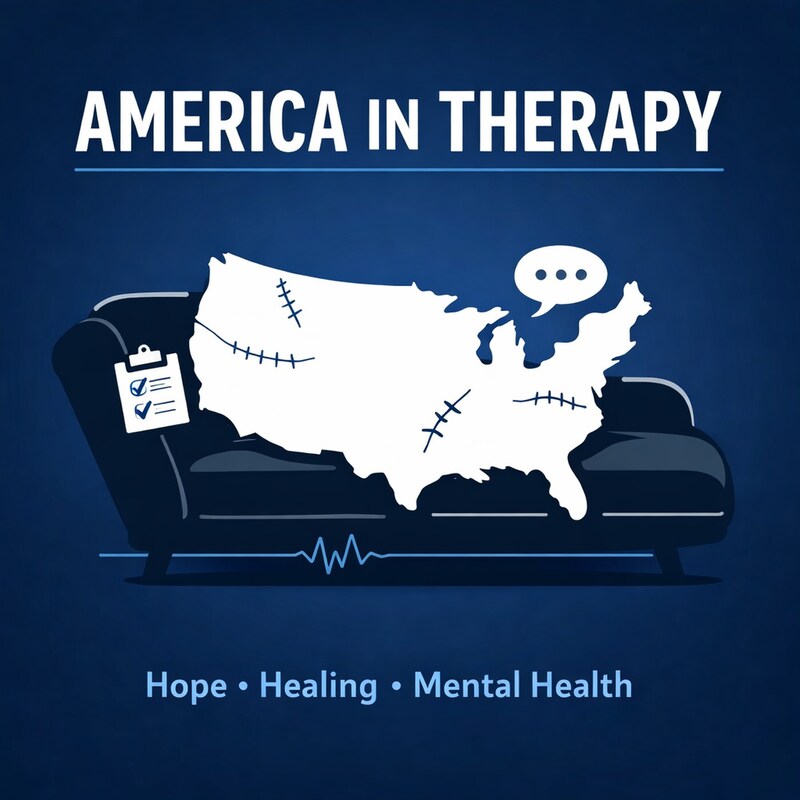
Psychotherapist and author Phyllis Levitt (America in Therapy: A New Approach to Hope and Healing for a Nation in Crisis) joins hosts Anthony Wright and Adam Dietz on The Living Conversation to ask a hard question:
What if our political crisis is, at its core, a mental health crisis?
Drawing on decades of work with trauma, family systems, and abuse dynamics, Phyllis maps what we’re seeing in the U.S. onto patterns we’d recognize instantly inside a violent household: power without accountability, normalized cruelty, and victims who are retraumatized just by witnessing events—even when they’re not the direct target.
We talk about:
- How to answer a child who asks, “Where’s mommy?” after a politically charged killing
- Why Phyllis sees current U.S. politics not as “left vs right,” but as an escalating mental health emergency phyllisAudio transcript
- The psychology of aligning with the “bully on the playground” and how unhealed victims can become abusers
- Secondary trauma: why you don’t have to be directly attacked to be deeply affected by constant violence and threats
- Cult dynamics, double binds, and what it means to “deprogram” people without dehumanizing them
- Anger vs hatred: how to turn righteous anger into constructive action instead of burnout or vengeance
- The difference between belonging and safe belonging—and how wounded people can be pulled into movements that feed on fear and division
Adam and Anthony bring in their background in Chinese philosophy and Confucian family ethics—including the image of “outlaws of the marsh” who withdraw when government becomes unsafe, and the I Ching’s reminder that history moves in cycles of rise and decay.
They also connect Phyllis’s work with:
- Gandhi and Martin Luther King Jr., and the refusal to answer hatred with hatred
- The idea of seeing the “goblin” of projection instead of the human being in front of us—and what it takes to reverse that
- The claim that spirituality is the one thing that can’t be co-opted, and why tending your own inner life is a form of resistance
Throughout, Phyllis returns to a simple, difficult standard: holding compassion and accountability together—recognizing the deep wounds behind abusive behavior and insisting on limits, consequences, and a collective commitment to healing.
If you’re feeling overwhelmed, enraged, or just numb watching the news, this conversation is meant as a kind of group session: an attempt to name what’s happening, protect your sanity, and point toward ways of acting that don’t simply repeat the cycle.
Transcripts
I'm Anthony Wright and I am your host today on the Living Conversation with my co host, Adam Dietz.
Speaker B:Welcome.
Speaker A:And we are here with our guest, Phyllis Levitt.
Speaker A:Welcome, Phyllis.
Speaker C:Thank you so much for having me.
Speaker C:I'm really delighted to be here with you.
Speaker C:Thank you.
Speaker A:Well, we're glad to have you.
Speaker A:And you are a psychotherapist and you're located in Dallas, New Mexico, is that right?
Speaker C:That's right.
Speaker A:And you've written a number of, a number of books and I guess the main one is America in Therapy.
Speaker A:And I'm very curious about that.
Speaker A:What is the basis of your psychotherapeutic training, please?
Speaker A:Is it Jungian or Freudian or.
Speaker C:It's really a psychodynamic and family systems, I would say.
Speaker C:Yeah.
Speaker A:And you work with people that have been in trauma.
Speaker C:I think inevitably any psychotherapist is going to encounter that.
Speaker C:And I've worked with a lot of people in trauma.
Speaker C:There's a lot of trauma and dysfunctional family dynamics probably in the world today, but certainly in many places in America.
Speaker A:Yeah.
Speaker A: th of: Speaker A:And I have to say that I am struggling a bit myself with what's been going on in Minneapolis personally, particularly with the shooting of Renee Good.
Speaker A:And one of the things that I, I wonder about is what do we say to her six year old son when he asks where's mommy?
Speaker A:Yeah, you know, what are your thoughts about that?
Speaker C:Well, that's a good question.
Speaker C:And I think a lot of people are probably asking that in their own homes, with their children's and loved ones, exposure to what's going on that's violent and discriminatory in our country today.
Speaker C:And I think, you know, I think it's a hard answer.
Speaker C:I think there's a place for the truth.
Speaker C:There are, there are people out there, honey, who don't understand how to treat each other well, who have tremendous biases against who's good and who's evil or who's right and who's wrong.
Speaker C:And they have a belief that they're entitled to act out on people they don't agree with.
Speaker C:And on very, very unfortunately, your mommy was one of the people that, you know, maybe randomly got selected to be hurt by people who don't have that kind of care in their hearts and don't, haven't, haven't learned how to deal with disagreement and conflict in a peaceful and loving, cooperative way.
Speaker C:And it's a very, you know, know, tragic thing that happened to your mommy.
Speaker C:And, and a lot of people have shown up in support and love for her cause and that that may be the only silver lining of this for you.
Speaker A:Well, and now we get he that who shall not be named threatening to activate the Insurrection Act.
Speaker A:And we'll see what happens over the weekend because the court, many, many Minnesota Keith Ellison, Attorney General, has asked federal court to in place an injunction.
Speaker A:And they said they'll wait for the response over the weekend, but by the time this broadcasts, we will have known what, what's going on.
Speaker A:I guess my key, my key question, Phyllis, as a psychotherapist, how do we get to a point of reaching out in a humane, compassionate way to the people that are so determinedly polarized?
Speaker C:Well, you know, I think there's many ways, and my way has been, especially through my book America in Therapy, is to reach out with education and deep understanding of the roots of some of that kind of violence and discriminatory behavior and injustice and justification for cruelty.
Speaker C:Because my, you know, my whole premise is that this is not a partisan issue.
Speaker C:It's not an ideological issue.
Speaker C:It's a mental health issue.
Speaker C:And the reason why I say that is because mentally healthy people are committed to working out their differences peacefully and aiming toward cooperation or resolution or compromise the best they can.
Speaker C:And when they can't, they're still committed to leaving each other alone in peace.
Speaker C:And we don't see that as what's being condoned or perpetrated in our country today.
Speaker C:And it's escalating the mental health distress stress that many, many people are feeling.
Speaker C:I feel I live on a, you know, up in a mountain in Taos, and I'm not in the middle of Minneapolis, but I'm witnessing this terrible behavior and this violence.
Speaker C:And we know in the world of psychology that you do not have to be the direct target of abuse and neglect to be traumatized by it.
Speaker C:And I think many, many people in our country are being traumatized by it.
Speaker C:They feel powerless to do anything about it, and they're becoming symptom in their own ways, whether it's depression or anxiety or fear or turning more to drink or distraction or, you know, exploding because they're, the tension is building inside of them or turning around and targeting other people and, you know, back at you.
Speaker A:Right, right.
Speaker A:So it's a, it's a curious thing I was going to ask you about.
Speaker A:How is the abuse that he who shall not be named suffered as a child become so resonant with 30% of our population?
Speaker A:And he's been, you know, I'm not a psychologist, but there have been a number of people who have commented that he's a narcissistic sociopath with demonstrable dementia.
Speaker A:And.
Speaker A:And the nuclear codes.
Speaker C:Yeah, well, it's terrifying.
Speaker C:It's absolutely terrifying to have someone who behaves like an abuser in an individual family running a country and having that kind of power over untold numbers of people who are not just in our country but around the world.
Speaker C:So it's a, you know, it's a very severe call to look at our mental health.
Speaker C:Why.
Speaker C:Why are 30% of people, if that's the number, supporting such behavior?
Speaker C:And what I try to outline.
Speaker C:And again, there's many.
Speaker C:There's many ways to look at this.
Speaker C:I'm taking the view of psychology because I really believe that it is one of the biggest missing pieces in the puzzle of what's going on today that's really not being named.
Speaker C:We talk about economy, we talk about race, we talk about gender, we talk about culture, we talk about religion, but I don't think mental health is at the top of what we should be talking about because I think it's people's unhealed wounds, their own sense of powerlessness or invisibility or having been turned on themselves that has them align with the bully on the playground.
Speaker C:And, and of course, there's a lot more detail to.
Speaker C:To talk about about that, but.
Speaker C:And I really go into detail about that in my book.
Speaker C:But people who have brought.
Speaker C:Been brought up safely with love and support and some practice of nonviolent communication skills and abilities don't do what's being done in our country.
Speaker C:They don't look for people to target.
Speaker C:They don't act out their rage and justify it.
Speaker C:These are the things that abusive people do.
Speaker C:But what we must understand, and I really try to emphasize this, is that inside the abuser is an unhealed victim of something.
Speaker A:Absolutely.
Speaker C:So if we're not committed as a society to heal the victimization going on on all levels in the home, in communities, in churches, in schools, in businesses, if we're not committed to that, or maybe I'll put it in the positive, if we commit to that, we can help break this cycle.
Speaker C:And I'm not sure there's another way to break the cycle, because right now many people in power have, through their own wounding or their own lack of education or their own limited exposure to role models for human behavior, have identified with the aggressor and feel completely justified in being the aggressor.
Speaker A:So I've Been really dominating this.
Speaker C:You.
Speaker A:Do you have some thoughts, Adam?
Speaker B:Well, first and foremost, I just want to encourage everyone to stay safe.
Speaker A:Right.
Speaker C:You.
Speaker B:Stay safe and stay safe in your heart and your mind as well.
Speaker B:Take care of your mental health, take care of your spirituality.
Speaker B:It's all you have.
Speaker B:And also stay safe.
Speaker B:When we talk about reaching out to people like this, it might not be safe.
Speaker B:Some of these people are complete, clearly unsafe to be around.
Speaker B:So this is something where deeply in Chinese philosophy, you keep yourself safe first and foremost.
Speaker B:This too shall pass.
Speaker B:The.
Speaker B:The tides of society go up and down sometimes in, you know, when we look at the I Ching, the book of changes, it.
Speaker B:It's littered with ups and downs of society.
Speaker B:So sometimes low people will rise to power.
Speaker B:And in that time, it gives us advice that you, you stay safe.
Speaker B:And they're going against the principle of humanity.
Speaker B:They're going against the principle of the universe.
Speaker B:They will flame out.
Speaker B:But if you're, if you get caught up in the crossfire, either mentally or physically, you can't endure it.
Speaker B:So keep your.
Speaker B:And keep yourself.
Speaker B:Keep yourself as sane and happy as you can.
Speaker B:I know since the election, you know, I was, I was very involved in the news before the election, and since the election, I took a huge news fast and it's been just excellent for, for that aspect of compartmentalizing, staying, keeping politics more at arm's length because I, I'm in no position to affect it very well, you know, obviously.
Speaker B:And I also say, like, in, in our background, the, the big, biggest, best thing you could do is take care of yourself.
Speaker B:If you're taking care of yourself, taking care of your relationships, taking care of people around you, then, okay, let's put it in these terms.
Speaker B:You are not perpetuating the violence.
Speaker B:You're not adding flame to the fire.
Speaker B:Like when you're saying, Phyllis, that so many people have.
Speaker B:They've been victimized and they're perpetuating it.
Speaker B:So if the better you take care of yourself, the better you use your tools, use your words, use what you learned in kindergarten for goodness, sa.
Speaker B:Sharing and caring, then.
Speaker B:Then you'll help.
Speaker B:You'll help us break the cycle.
Speaker C:I totally agree with that.
Speaker A:I have to say that what we're doing here is one of the things that we can do in.
Speaker C:That's right.
Speaker A:Having this discussion.
Speaker B:So I just really, really appreciate your work too, Phyllis, because it's just so important right now.
Speaker B:I, I once, you know, I thought a few years ago, we really need.
Speaker B:Right now is.
Speaker B:Is an army of cult deprogrammers who are trained in this kind of thing because that's, that's what we're going through.
Speaker C:Right.
Speaker C:And really just to translate cult deprogramming into layman's language, it's healing your wounds.
Speaker C:If you heal your wounds, you're not subject to be, you know, co opted and inscripted or whatever the word is conscripted into.
Speaker C:Conscripted into some kind of cult thinking or very, very extreme rigid mentality that makes people other.
Speaker C:And so healing your own wounds is the way out.
Speaker C:What makes people subject to be in a cult is I think deep unhealed wounds of some kind.
Speaker C:Sometimes it's overt abuse, sometimes it's terrible role modeling, sometimes it's powerlessness over abuse that's happening around you.
Speaker C:And sometimes it's no limits and boundaries.
Speaker C:Children and adults who have no limits on their behavior, who have been thought or either overtly or not, that they're the center of the universe and they get to have whatever they want and believe whatever they want.
Speaker C:And that's right.
Speaker C:And they don't have to factor in the feelings of other people or their impact on other people are equally wounded in a different kind of way than if they were beaten or molested or ostracized.
Speaker A:Yeah.
Speaker A:There's no accountability, unfortunately.
Speaker A:We have to be accountable right now.
Speaker A:I'm Anthony Wright.
Speaker C:Right.
Speaker A:I'm your host today on the Living Conversation with my co host Adam Dietz.
Speaker A:And our guest today is Phyllis Levitt.
Speaker A:And how can people contact you, Phyllis?
Speaker C:Yeah, the best way to contact me is on my website, phyllis levitt.com and I also have a business email which is phyllisphyllis levitt.com and you're welcome to contact me that way.
Speaker C:I'm happy to talk to anybody.
Speaker C:And I'm on all the social media, Facebook, LinkedIn, Instagram, YouTube, that kind of thing.
Speaker A:And the spelling of your last name, please.
Speaker C:L E A V as in Victor, I T T Phyllis Levitt.
Speaker A:And it's Phyllis levitt.com right as one word.
Speaker A:All right, we're going to take a short break and be right back.
Speaker A:So stay tuned.
Speaker A:I'm Anthony Wright and I am your co host on A Living Conversation with Adam Dietz.
Speaker C:Welcome back.
Speaker A:And we're here with our guest Phyllis Levitt.
Speaker A:And before the break, Phyllis, you were saying you were speaking about when children grow up in a family where they get to do whatever they want and there's no accountability, that can be a different sort of trauma.
Speaker C:Yeah.
Speaker A:And in we've been speaking a little bit about cult deprogramming and there's a.
Speaker A:And it's the double bind model by Gregory Bateson.
Speaker A:And one of the things that I have noticed with those involved with cult deprogramming is, or with cults is that they become ego defended so that if you question a behavior, it becomes a question about who they are.
Speaker A:And can you talk a bit about how to approach such a person who is ego defended like that and isn't really invested in a belief system that is really rather disconnected from.
Speaker C:Right.
Speaker A:From the other?
Speaker A:You know, And I, and I would say to dehumanize is to become inhumane, and to demonize is to become demonic.
Speaker A:But can you talk to us about how do we reach out?
Speaker A:How do we make space for.
Speaker A:And there are those of us who have people in our own families who are.
Speaker C:Right.
Speaker A:Oriented in a.
Speaker A:In a very different way.
Speaker C:Right, right.
Speaker C:Well, let me just say a couple of things.
Speaker C:I'm not a cult deprogrammer.
Speaker C:So my, my, you know, I've worked, but I've worked with a lot of abuse family dynamics, and they're similar.
Speaker C:So I can speak from that perspective where one person or two in a family has ultimate power over everybody else.
Speaker C:And there's no mechanism for safe feedback.
Speaker C:There's no mechanism for safety, period.
Speaker A:Right.
Speaker C:So I think that's where there's a similarity.
Speaker C:And I can speak from that point of view that you know so often and I talk about abuse dynamics in detail in my book because I think many people don't really know that they're abuse dynamics because they've either been brought up in them or they've been led to believe that power over others is acceptable, even if it's harmful to the people that they're impacting.
Speaker A:So the first step is really to recognize what's happening.
Speaker C:Absolutely.
Speaker C:Absolutely.
Speaker C:And not everybody's open to that, you know, so in my experience, you look for where there is an opening.
Speaker C:If you really want to put in something that might be a little bit healing or a little bit opening the conversation to a new perspective, you look for an opening.
Speaker C:And sometimes the opening is the other person's pain.
Speaker C:That's usually what brings people to therapy and looking for a new way to be and heal in the first place.
Speaker C:So if there's an opening through their own pain, that that can be a place where you might be able to touch the other person's heart and move behind their defenses.
Speaker C:But attacking another person's defenses or butting up against them usually doesn't work.
Speaker C:And so, I mean, I, I don't see it work, period, because it usually just reinforces those defenses.
Speaker C:So part of the work is to put our own down, is to really work on putting our own defenses down, having an open heart and an open mind.
Speaker C:And to your point, Adam, about being safe, if it's really not safe to venture there, don't go there.
Speaker C:Go where there's an opening.
Speaker C:I don't know where the tipping point is for America, but I think it, it.
Speaker C:If we're going to reach a tipping point where we come back to some state of mental health and care for our brother and sister human beings and really want to create policies that reflect that we're a family of mankind and not separate parties, then I think we, we have to find that healing in ourselves that we bring that vibr into the world.
Speaker C:It may be in words, it may be in actions.
Speaker C:It may be in leaving the scene of something that's violent because it's not safe to be there.
Speaker C:And there's nothing to do that could actually impact.
Speaker C:May be writing articles, it may be doing podcasts, it may be being a better friend or parent.
Speaker C:You know, there's.
Speaker C:I really believe we all have something we can contribute and it doesn't have to be that we affect tens of thousands of people.
Speaker C:But if our mission is to have a voice, if our mission is to clean up the water supply, run for office or work for women's rights or racial equality, then that's what we do.
Speaker C:And for somebody else, it might just be, I take care of, I grow trees, you know, in my backyard and it all matters.
Speaker C:And I.
Speaker C:Because I think.
Speaker C:Go ahead, go ahead.
Speaker A:Well, I really appreciate what I've been doing and what Adam has been doing before they closed down our philosophy department, which is to teach critical thinking to 18 and 19 year old people.
Speaker C:Wow.
Speaker A:And it's just a, a real deep joy to assist these young people to go, wait, this is seemed.
Speaker A:This argument seems to follow through, but this other argument seems to be bs, you know, so.
Speaker A:And both Adam and I are trained in Chinese philosophy.
Speaker A:And one of the ways that I, I think at least, and I know I'm kind of dominating the conversation a bit here, is to make space for whatever people are doing and to develop.
Speaker A:I never ask my students, do you trust me?
Speaker A:I ask my students, do you feel that trust is being built in our classroom?
Speaker C:Yeah.
Speaker A:And what are your, what are your thoughts about this, Adam?
Speaker C:Well.
Speaker C:Oh, go ahead, go ahead.
Speaker B:You go, Phyllis, go ahead.
Speaker C:Well, I was just going to say kind of, that's the heart of psychotherapy of good psychotherapy is.
Speaker C:Is healing your own wounds or your own biases or your own dysfunctional behaviors enough that you can be open to another point of view, that you're actually willing to hear someone else's pain and not just want to be heard yourself.
Speaker C:Because that's kind of the culture we have grown up in, that I'm right, you're wrong, you need to hear me, and I don't need to hear you.
Speaker C:You need to ascribe to my point of view.
Speaker C:Right.
Speaker A:I really appreciate the work of Brene Brown in this model.
Speaker A:Totally, you know, totally about where she talks about vulnerability as an ultimate strength.
Speaker C:And it is, and it is.
Speaker C:And when.
Speaker C:When you can lead with your own vulnerability, you're more likely to find an openness to someone else's vulnerability.
Speaker C:But you may not.
Speaker C:And we have to know that.
Speaker C:That sometimes opening your vulnerability only gives certain people who are wounded enough more ammunition to attack you with.
Speaker C:And we just have to know these things and really safeguard against them by educating ourselves about what.
Speaker C:How we're made psychologically, what produces our wounds, and what helps heal them.
Speaker C:But the de.
Speaker C:I mean, that's the heart of therapy, right?
Speaker C:You go to a therapist who's really going to hear you, who's going to see you, who's going to affirm the good in you, the innocent being that you were born into this body in.
Speaker C:Regardless of what's happened to you and regardless what you may have done, that's hurtful, because we all have.
Speaker C:We've been hurt and we've been hurtful, and that's the human condition right now.
Speaker C:And so the heart of therapy I'm going back to is really to be seen in a safe way by someone who actually wants the best for you, somebody who wants to see you heal your wounds and fulfill your life's purpose in a meaningful and constructive and fulfilling way.
Speaker C:So these are fundamental to healing.
Speaker C:And what if we had a society that was actually directing us in that direction?
Speaker C:And I don't know how we get there, except to keep talking about it and being it, ourselves, our imperfect selves, the best we can.
Speaker A:I think we're all doing it.
Speaker A:So.
Speaker A:And what is your experience in the classroom, Adam, with this kind of modality of.
Speaker A:And even in the world, I guess.
Speaker B:Well, let's think about that for a second.
Speaker B:What I want to say, first of all, Phyllis, I really love what you're saying.
Speaker B:I feel like I'm in therapy right now, just hearing it.
Speaker B:And.
Speaker B:And that speaks to our humanity when you talk about our Innocence.
Speaker B:We have layers of who we are.
Speaker B:And that innocent person inside us is our pure humanity.
Speaker B:And that's what we all have, and that's what we all have to join.
Speaker B:The other thing that comes to mind as you're both speaking is that it's so interesting that you are involved with family dynamics, because in Confucian philosophy, it starts from inside yourself.
Speaker B:And the first place you practice it is in your family.
Speaker B:When you learn how to harmonize with your family, then you are modeled how to interact with the rest of the outside world.
Speaker C:That's right.
Speaker B:So when you.
Speaker B:As you're speaking about family, it really resonates for me as far as the classroom goes and as far as just in general.
Speaker B:I'm writing an article right now that has a section on readiness.
Speaker A:So.
Speaker B:So when your student or anyone, you're talking about vulnerability, okay?
Speaker B:So if your student is ready, then they'll make the jump.
Speaker B:If your patient, I imagine, in therapy is ready, then they'll make a leap forward.
Speaker B:But it has to do with readiness.
Speaker B:And sometimes that vulnerability comes when you're at a time.
Speaker B:I think all of us who have had any kind of insight or breakthrough, we've all had a moment of readiness where we maybe hit rock bottom.
Speaker B:We saw a pattern that we didn't want to live anymore, and we were ready to take the next step.
Speaker B:So as you're speaking, I'm thinking about, for students or for anyone, just this concept of when we're ready, when we're vulnerable, then we can take the next step.
Speaker B:And it's.
Speaker B:You know, we live in a business kind of evangelical society.
Speaker B:We're always trying to push our views on other people.
Speaker B:If they're not ready, they're not gonna make a breakthrough.
Speaker B:So it has to come from within.
Speaker C:Right?
Speaker C:I really think that's true.
Speaker C:And I think.
Speaker C:I think pain is the biggest readiness element.
Speaker C:Or maybe there's two.
Speaker C:I would say, in my own life, I'll speak for my.
Speaker C:And, you know, I think this has been reflected in many of the clients that I've worked with over the years.
Speaker C:I think there were two big elements.
Speaker C:One was that some part of me, no matter how buried it was under layers of my own personal trauma, never lost complete connection to my essential self.
Speaker C:And that essential self was always striving to find life and embodiment in my living, in my daily life and in my personal expression and in relationship.
Speaker C:The other big factor was the pain of not having that, you know?
Speaker C:And so those two things together created a readiness in me, and I've seen that in many, many people.
Speaker C:And in one of my wonderings for the family of America and the family of mankind is how can we help ignite that?
Speaker C:You know, that seeing the essence in one another and feeding that through our goodwill and responding to the pain appropriately, which might be putting limits on the way certain people act, but also really hearing the pain and addressing it at its core so that there's a possibility of healing and recovery.
Speaker C:I've had many people in my practice who weren't treating their children or their spouses very well.
Speaker C:And when they were allowed in a safe place to really go into their own pain and trauma and early conditioning that set them up to be the way they were being harmful to others, they automatically saw how they were being in their present life and wanted to correct that.
Speaker C:They didn't have to be shamed and blamed.
Speaker C:And like you shouldn't do that.
Speaker C:And that's not right.
Speaker C:That's not therapy.
Speaker C:But, but they, it wasn't necessary.
Speaker C:They saw it from their own feeling, their own victimization and their own understanding, their own coping mechanisms.
Speaker C:They saw how they could be different in their relationship life.
Speaker A:Well, we're coming up in another break.
Speaker A:I'm Anthony Wright.
Speaker A:I've been your, I'm your host today on the Living Conversation with my co host, Adam Dietz.
Speaker A:And we are speaking with our guest Phyllis Levitt.
Speaker A:And how can people contact you, Phyllis?
Speaker C:Yeah, the best place is my website, www.phyllislevitt.com.
Speaker C:it's P H Y L L I S L E A V I T T. And you can also email me@phyllisphyllis levitt.com and I'm on all the social media.
Speaker C:You can contact me there too.
Speaker A:Great.
Speaker A:All right.
Speaker A:We'll take a short break and be right back.
Speaker A:So stay tuned.
Speaker A:I'm Anthony Wright and I am your co host today on the Living Conversation with Adam Dietz.
Speaker A:Welcome back.
Speaker A:And we are today talking with our guest psychologist Phyllis Levitt, who has written a book.
Speaker A:What is the title of your book, please?
Speaker C:It's America in Therapy, A New Approach to Hope and Healing for a Nation in Crisis.
Speaker A:My goodness.
Speaker A:And my, I'm from very timely, very tiny.
Speaker A:Yeah.
Speaker A:I'm from Minneapolis and you know it.
Speaker A:I think the thing I, I really appreciate this idea of pain, but there are, are those who become attempt to become hardened to pain and they don't necessarily have to deal with that pain if they've got a bunch of money, for example.
Speaker A:And, and yet it's, it doesn't go away.
Speaker A:And again, of course, we need to stay safe.
Speaker A:And there are.
Speaker A:There are time frames when people in charge and Adam, maybe you could talk a little bit about the.
Speaker A:The.
Speaker A:The people who lived in the marsh during difficult times in Chinese philosophy.
Speaker B:Yeah, There.
Speaker B:There are four classic books in Chinese literature.
Speaker B:One is called the Outlaws of the Marsh.
Speaker B:And this is.
Speaker B:It's a very deep Chinese cultural traditional value that you want to serve the country, you want to help, you want to aspire to be a high official.
Speaker B:You educate yourself your whole life to.
Speaker B:To do so.
Speaker B:And when government is functional, I think we can all kind of imagine in our minds in.
Speaker B:In even recent, at some point, there were some good government officials that were around, and you can aspire to see.
Speaker B:You can see how you might want to aspire to help them out.
Speaker B:You can see how they really, genuinely wanted to help the country.
Speaker B:And this is when it's functioning well.
Speaker B:Well, we're witnessing right now is very similar to many periods in Chinese history when people entered into government and they just emphasized profit.
Speaker B:So in Chinese philosophy, this is called low people.
Speaker B:There's superior people.
Speaker B:And this would be like low people, anyone who just only emphasizes profit no matter what status.
Speaker B:So the point is, when this type of person enters government, it's not safe.
Speaker B:It's not safe.
Speaker B:And good people, even when they endure and try to keep serving the country, they're kicked out or repressed or oppressed and.
Speaker B:Or they resign.
Speaker B:And so in this novel, these people found each other and gathered together and created their own outlaw society, so to speak, and just.
Speaker B:But their.
Speaker B:Their passion and their desire was always to wait for a good time when the government would open up again and allow them to.
Speaker B:To allow them back in to serve.
Speaker B:Is that what you were looking for, Anthony, there?
Speaker A:Oh, yeah.
Speaker A:It's unfortunate that sometimes pain is the only way forward, but I don't know if that's necessarily.
Speaker A:If that's necessarily true.
Speaker A:What do you guys think?
Speaker C:Well, I think.
Speaker C:I think pain is a motivator.
Speaker A:Yeah.
Speaker C:But I don't know that it's the only way forward.
Speaker C:And I certainly pray for humanity that it becomes less and less the way forward and that our experiences that we create of love and connection are actually a call to create more of that.
Speaker C:I love the clip that you just showed because I think it really does take that kind of adherence to your own inner integrity and truth to stomach a lot of what's going on and still have a voice for peace, for love, for unity, for compassion and cooperation.
Speaker A:I'm such a fan of Gandhi and King, you know.
Speaker C:Yeah.
Speaker A:And I think, Adam, there's also Chinese philosophers that embody the same thing.
Speaker B:Well, I think a few things resonate for me in this regard.
Speaker B:Where earlier Phyllis was talking about how when you have this space, you naturally can come back to a sense of self, right?
Speaker B:And it reminds me of Lao Tzu, where we naturally want to have this feeling.
Speaker B:We naturally want to gravitate back to our true self.
Speaker B:I mean, I'm paraphrasing very generously here with Lao Tzu, but the idea is that whether it's through pain, just through insight of seeing patterns repeated, that we all want this inner peace.
Speaker B:We all want our humanity to flourish, we all want to feel that way.
Speaker B:And so for Lao Tzu, the idea is that it's natural.
Speaker B:It's the most natural thing.
Speaker B:All we have to do is get out of our own way, get out of each other's way, and we'll flow like water back to this equilibrium.
Speaker B:Him.
Speaker C:One of the things you make me think of is that even scientifically we know that we're born wired for love and connection.
Speaker C:We are born that way.
Speaker C:And love and safe belonging are the best foods for human beings.
Speaker C:And it's our injuries to love and safe belonging that create our worst symptoms.
Speaker C:And I think that's how one of the ways to understand some of the worst symptoms that are manifesting in the human race today.
Speaker C:And the antidote has to be some way to bring back love and safe belonging to all of us.
Speaker C:And sometimes when I say that, it sounds like I'm talking Pollyanna or pie in the sky.
Speaker C:But isn't that what we all want in our own lives?
Speaker A:But my point, my thought about this, Phyllis, is that's one of the mechanisms about if you will accept my call to be afraid, then you can belong with us.
Speaker C:Right?
Speaker A:But wait, does that really satisfy the bully?
Speaker C:Well, it's not safe belonging.
Speaker C:No, it's belonging.
Speaker C:It's not safe belonging.
Speaker C:And, and that's the difference.
Speaker C:And I think the fact that many people are attracted to belonging to something violent or hateful or discriminatory or self serving is a testimony to their unhealed woundedness.
Speaker C:And one of the big points of my book and my work is that that injury to love and safe belonging happens often in the home and in the community.
Speaker C:But it's happening on a global, collective, national and international scale.
Speaker C:And so it's really important to address these issues on a national level.
Speaker C:What is the family of America doing and why is it doing it?
Speaker C:And how can we heal as a country by applying the principles of the best psychotherapy that we use in our offices.
Speaker C:And like I said, it might sound like Pollyanna to think that we could actually have a facilitator in Congress who would help people listen to each other or instruct them in how to listen with an open mind and with a desire for collaboration and meeting themselves somewhere in a compromise or in the middle.
Speaker C:But what an incredible role model that would be.
Speaker C:That's what we do in our offices when we have a warring couple or a family that's at odds.
Speaker C:We help people restrain their worst impulses and learn to listen.
Speaker C:And when they get that that's actually to their benefit, then they want more of that.
Speaker C:That.
Speaker A:How do you offer that call to restraint?
Speaker C:Well, I mean, you know, I think I, I'll, I'll say this, and you know, I've said this many times.
Speaker C:I think that we are at this very pivotal place in human history where a lack of restraint and a lack of call to arms could really mean that the human race and a lot of life with us goes extinct.
Speaker C:We have the ability with our weapons of mass destruction and our pollution of the planet to take ourselves out.
Speaker C:That is suicidal and homicidal behavior and impulse.
Speaker C:And if that isn't seen for what it is, then we're going to keep building nuclear weapons.
Speaker C:We're going to keep threatening war, and that's insanity.
Speaker C:If you looked at an individual family and they were spending their hard earned dollars on building an arsenal of bombs in their basement, and they weren't feeding half of their family or ostracizing them or blaming them, we'd say they were seriously disturbed.
Speaker A:Well, in family systems, though, there is this kind of stockpiling of armament with each individual in a, in a couple that has somehow lost their connection.
Speaker C:That's right.
Speaker A:And so how do you, how do you, how do, how do we make space for this vulnerability and deep listening to occur?
Speaker A:You certainly model it.
Speaker C:Well, I think we start with whoever's willing.
Speaker C:I think that's the only place to start because we also don't know the ripple effect.
Speaker C:If you have two people that are willing.
Speaker C:Right.
Speaker C:You have two people are willing.
Speaker C:Let's just say it's a couple who are really at odds.
Speaker C:They're fighting, they're screaming.
Speaker C:They might be hitting each other or slamming doors or triangulating their children or whatever they're doing.
Speaker C:If they're willing to try to heal that relationship, they're going to heal their family as well.
Speaker C:And I think that's where we start with ourselves.
Speaker C:What am I willing to do what am I able to do in with the people that I love and the people that I interact with?
Speaker C:Because we really, there is a ripple effect.
Speaker C:There's, we know there's a ripple effect of hatred.
Speaker C:Do we, do we know that there's a ripple effect of love?
Speaker C:I think we have to know that.
Speaker A:Yeah.
Speaker A:We have to take a short break.
Speaker A:I'm Anthony Wright and I'm your co host today on the Living Conversation with Adam Dietz.
Speaker B:Thanks for joining us.
Speaker A:1Our guest, Phyllis Levit.
Speaker A:And how can people contact you?
Speaker A:Phyllis?
Speaker C:Yeah, please contact me on my website.
Speaker C:It's www.phyllis levit.com.
Speaker C:i'm on all the social media where you can contact me and I have an email address which is phyllis phyllis.
Speaker A:Levit.Com and that's levit L E A V I T T. Is that correct?
Speaker C:That's correct.
Speaker C:And it's P H Y L L I S And also you can buy America in Therapy from all major booksellers.
Speaker B:Great.
Speaker A:All right, we'll take a short break and be right back.
Speaker A:So stay tuned.
Speaker A:I'm Anthony Wright and I'm your co host today on the Living Conversation with Adam Dietz.
Speaker B:Welcome back to the Conversation.
Speaker A:And we're here with our guest Phyllis Levitt who is a psychotherapist.
Speaker A:And you know, one of the, you were talking about.
Speaker A:Refusing to respond to negativity with hate and I, I think one of the most profound things I've seen, I'm from Minneapolis and so I'm kind of reactionary here.
Speaker A:Right.
Speaker A:But the most profound things that Renee Nicole Good said at the end of her life was I'm not angry with you, dude.
Speaker A:I think that's such a, such a poignant and profound thing.
Speaker C:Yeah.
Speaker A:Can you guys talk a little bit about that?
Speaker B:So sad.
Speaker B:I mean it's just so sad.
Speaker B:But also it just goes to show you like in times of crisis, some people rise up and some people just falter.
Speaker B:And she, she in the most, you know, critical crisis filled moment of her life just stood strong and her soul was shining.
Speaker B:And you have someone else that was just as weak, feeble and pathetic as you could possibly be.
Speaker B:And so it just shows the, the different, it shows your humanity.
Speaker B:You know, it's like when you're in a tight spot, you show who you are.
Speaker B:And these two people both showed who they were.
Speaker A:But I think there's also Jonathan Ross is do our compassion and, and you know, he, I can't, I can't imagine what he, his, his deep experience must be we have to have compassion for that person.
Speaker A:So.
Speaker C:Well, I think what we're faced with is how to have compassion and hold compassion.
Speaker C:And really this is the heart of psychotherapy in some ways.
Speaker C:And there's many hearts of psychotherapy because I'll say that in different ways.
Speaker C:But is holding compassion and deep understanding for how our wounds and faulty conditioning manifest and holding ourselves and others accountable.
Speaker C:And from a healing point of view, is the person.
Speaker C:I watched this documentary, I don't remember the name of it, but it was so moving.
Speaker C:It was interviews with men in prison who had committed terrible crimes, terrible crimes.
Speaker C:Every single one of them was extremely traumatized and got no help.
Speaker C:They had witnessed murders, they had witnessed people in their family being beaten or sexually abused or they had been raped or they had been, you know, given as sexual victims to their father's friends or, you know, whatever.
Speaker C:They had terrible role models.
Speaker C:They had no escape from violence.
Speaker C:They had been abandoned and they were highly symptomatic and filled with rage.
Speaker C:So I think it's partly our society's responsibility to look at what we're doing to people, whether it's economically or our discrimination or our racial biases or all the things that we do that is setting up people to be filled with so much hatred and rage that it's going to explode somewhere.
Speaker C:And that's.
Speaker C:And, and are they accountable for what they did?
Speaker C:Yes, of course they are.
Speaker C:So it's like, I, I really think this is the hardest thing for any of us to do do, which is to keep that heart of compassion and deep understanding and hold ourselves and others accountable from a healing lens.
Speaker A:I'd like to offer you a theory that I've been looking at this for about 15 years and the first time it came to my attention was how law enforcement had killed a person of color in northern Minneapolis.
Speaker A:And I said, well, this seems to be fairly prevalent.
Speaker A:Then I thought about it for a while and I thought, thought, well, these law enforcement people, they are heroic in doing what they do and, but they're dealing with post traumatic stress and many of them do not seek professional help to decompress that.
Speaker A:So that when there is a heightened emotional situation, then I'm speaking as an archetypal student of, of Jung.
Speaker A:Then in this archetypal situation, their own projection of negativity shows up and it's a goblin.
Speaker A:And they don't see the human being and they see this goblin and they feel that their life is threatened by the goblin.
Speaker A:But you can't kill a goblin by shooting it.
Speaker A:And it, it Only multiplies as we are seeing.
Speaker A:And so I've asked somebody who studied archetypal storytelling, and they said, okay, well, and I reference also the Hobbit.
Speaker A:Okay.
Speaker A:What did.
Speaker A:What.
Speaker A:What did Bilbo do to get his cohort free when they were trapped by the goblins?
Speaker A:He kept them arguing until the light of day.
Speaker A:Or the other one was Rumpelstiltson, and he was a goblin.
Speaker A:And when she named him, then his power was gone.
Speaker A:Done.
Speaker A:So the idea.
Speaker A:And correct me if I'm wrong, isn't some of the healing, this idea about saying, oh, wait, there's a human being there.
Speaker A:The other is a human being.
Speaker C:Right.
Speaker A:Does that make sense?
Speaker C:Yeah.
Speaker C:Do you want to speak to that?
Speaker A:Yeah.
Speaker B:I have a question.
Speaker B:This actually is inspiring a lot of.
Speaker B:I want to say righteous anger in me, and I want to check in with a therapist because two things.
Speaker B:One, I know all I can control is myself.
Speaker A:Right.
Speaker B:Two, I also feel very angry, and I think that that anger is justified.
Speaker B:And I feel like anger can give you energy.
Speaker B:And I feel like appropriate emotions and appropriate response to a certain situation is part of being a human being.
Speaker B:So I think that from what I gather, you would want to, you know, use that anger in a constructive way.
Speaker B:Does that sound about right?
Speaker B:Because.
Speaker B:Because we're talking about, you know, compassion and forgiveness.
Speaker B:But actually, I feel very angry.
Speaker B:Right.
Speaker B:And.
Speaker B:And, yes, deep in my heart, I have a space that's completely free.
Speaker B:My soul is just feeling great and dancing with joy.
Speaker B:But a little bit more on the surface, I feel righteous anger, anger.
Speaker B:And I feel like these people are disgusting.
Speaker B:And I guess maybe I'm thinking of them as goblins.
Speaker B:Maybe I'm doing what Anthony's talking about.
Speaker B:But I also feel like I have some righteous anger, that they deserve this anger.
Speaker B:And so how do you channel that?
Speaker B:How do you be constructive with it?
Speaker B:How do you not let it consume you?
Speaker B:How do you.
Speaker B:How do you place anger in this situation?
Speaker B:Phyllis?
Speaker B:That's where what I'm wondering.
Speaker A:I don't hate anybody.
Speaker A:There's a lot of.
Speaker B:Deep inside.
Speaker B:Deep inside, for sure.
Speaker C:No, I love what you brought up because I think it's a natural response to seeing cruelty and victimization and murder and injustice being played out and justified.
Speaker C:I think it's a natural response to feel angry.
Speaker C:I think when a person is abused, anyone, like, in their own home, one of the things they feel is anger, that may not be the one they express the most because it may not be safe to express it.
Speaker C:And we also have some biases against I think sometimes against being angry.
Speaker C:I think.
Speaker C:I think anger is a natural and needed response.
Speaker C:I think it's outrageous some of the things that are happening.
Speaker C:But what I agree with.
Speaker C:With what you're saying is I think we have to find a way to channel that.
Speaker C:And it's not just love and compassion.
Speaker C:That's a place we stand and hold.
Speaker C:But it's also really important to call out abuse and say, this is wrong and this should not be happening.
Speaker C:Find an appropriately powerful way to.
Speaker C:To call it out and stand against it.
Speaker C:And the clip that you showed was Gandhi's way of doing that.
Speaker C:He was absolutely not condoning anything.
Speaker C:He wasn't just speaking love and compassion.
Speaker C:He was saying, I will be that, and I will not waver in being that.
Speaker C:And you can kill me if you want to, but I won't condone what you're doing, and I won't cooperate with what you're doing.
Speaker C:And I think we each need to find our own way to do that, because one of the things that happens in an abusive family or an abusive society is that people often feel powerless, and powerlessness leads to rage.
Speaker C:They're two sides of the same coin.
Speaker C:So we have to find a way to turn our rage into appropriate power.
Speaker C:And it might be doing a podcast, it might be writing an article.
Speaker C:It might be speaking to a friend that you think maybe there's an opening happening with.
Speaker C:Even if they are aligned with things that you don't believe in, it can be anything.
Speaker C:Like, I. I'm.
Speaker C:I'm in a group of women, and we were together the other day, and we ended up talking about exactly this.
Speaker C:And we were talking about, what.
Speaker C:What can we do?
Speaker C:What can we do?
Speaker C:We all want to do something, and we just talked about what each of us were doing.
Speaker C:One person is, you know, sending money to an organization that.
Speaker C:That.
Speaker C:That supports immigrants.
Speaker C:One person is out there on the street giving jackets and supplies to homeless people.
Speaker C:Another person is cooking for a shelter.
Speaker C:I think we have to funnel that anger into something that actually makes a difference.
Speaker A:Well, there's a reframe to intensity then, which doesn't have such hooks that can turn into hatred.
Speaker C:Right.
Speaker A:And I.
Speaker A:None for me, thanks.
Speaker A:There's a lot of offering.
Speaker A:Won't you hate the other?
Speaker A:It's their fault.
Speaker A:Won't you hate the other so you can belong with us?
Speaker A:No, thanks.
Speaker B:But turning your anger into passion and intensity and intensity.
Speaker A:And I feel so intense in this moment, and I appreciate what you're saying about it.
Speaker A:Sounds like holding our ground right within ourself.
Speaker A:Right.
Speaker A:Is that part of what you're talking about too, Adam?
Speaker B:Yeah, that makes a lot of sense because we are being manipulated.
Speaker B:We're meant to be felt powerless.
Speaker B:We're meant to feel like there's no choice but to join ICE because all the other jobs are gone, where institutions are crumbling around us.
Speaker B:And so to hold our ground, to use maybe anger and intensity and passion to maintain our spirituality.
Speaker B:Philosophers have gone over this since the beginning of time.
Speaker B:Plato and Socrates were talking about what's the best way to organize society?
Speaker B:And it was always about, you have to have good and virtuous people.
Speaker B:That way you're.
Speaker B:Wouldn't you want to live in a country with good and virtuous people?
Speaker B:So this is not reinventing the wheel.
Speaker B:I was exposed to this when I was early in grad school, and certain political things were going on that I was very unhappy with at that time as well.
Speaker B:And I, in one of the classes was very political class, and I was kind of keeping it arm's length because my studies were more on philosophy.
Speaker B:And it really grounded me that philosophy is the way out, spirituality is the way out.
Speaker B:And even in that political class, one of the most profound, poignant things I read was that everything can be co opted.
Speaker B:Your anger can be co opted.
Speaker A:Right.
Speaker B:The one thing that can never be co opted is your own spirituality.
Speaker B:And that's how we stand our ground.
Speaker B:That's how we.
Speaker B:That's how we use our anger, use our intensity to make sure we take care of ourselves, to make sure we.
Speaker B:We double down our spirituality.
Speaker A:Yeah, we're coming up on the end of the show here.
Speaker A:Phyllis, what do you, what, what do you have to say, say to people about your book and about our approach?
Speaker A:If there was one thing that we could know, please.
Speaker C:Well, I would love people to read my book and really understand some of, on a deep level, the roots of violence and hatred.
Speaker C:And some of the new par.
Speaker C:Well, they're not really new, but the paradigms that I think we need to move into that we're not operating on today.
Speaker C:And some of the actual tools that we can use to begin to talk to each other, listen to each other, stand our ground powerfully.
Speaker C:And I think standing our ground powerfully is something that's really being called for today.
Speaker C:But do what you're called to do.
Speaker C:Listen to your own intuition.
Speaker C:You know, I'm not meant to, you know, I don't know.
Speaker C:There's certain roles I'm not meant to play.
Speaker C:This is the role I'm meant to play from the work that I've done.
Speaker C:And you're meant to play the role that you're meant to play.
Speaker C:And I think, I also think one of the things that really helps me is to know I'm not alone because sometimes it feels very lonely.
Speaker C:And we are in this together.
Speaker C:And what a blessing to talk to the two of you who have such an amazing background.
Speaker C:And I know you've done incredible work in your own lives and you're doing incredible work now.
Speaker C:And we can come together and who knows how many people will be affected by everything that you've just said.
Speaker A:ED well, and you too.
Speaker A:And thank you for being with us, Phyllis.
Speaker A:We really appreciate your being here on the show.
Speaker A:We have to stop.
Speaker A:We're out of time.
Speaker A:I'm Anthony Wright.
Speaker A:I've been your co host today on the Living Conversation with Adam Dietz.
Speaker B:Thanks for joining the conversation, Phyllis, and.
Speaker C:All our listeners and thank you so much for having me.
Speaker A:And how can people contact you?
Speaker C:PHYLLIS yeah, my website is my name www.phyllis levitt.com and you can contact me at phyllisphyllis and on all the social media.
Speaker C:So.
Speaker A:Okay.
Speaker A:And it's L E A V I.
Speaker C:T T. Yes, P H Y L L I S. Great.
Speaker A:Well, thanks for being with us and we will see you next time.
