Shownotes
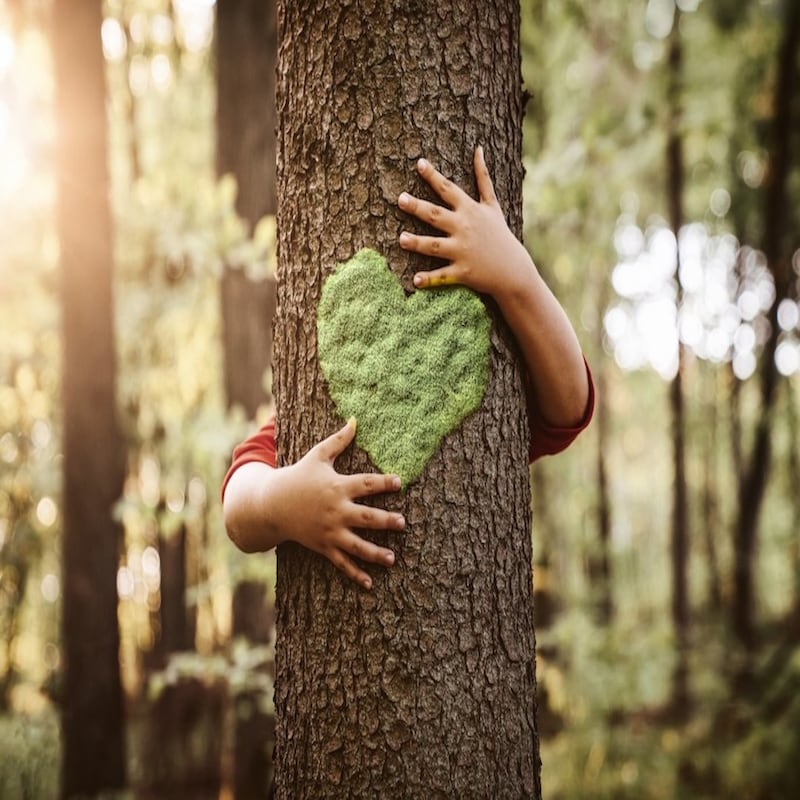
This week's episode of the A Wildlife Matters podcast delves into the profound influence of nature on our mental health and overall well-being. We explore the compelling notion that spending time outdoors is not merely a leisure activity but an essential means of enhancing our emotional and psychological well-being. The episode presents a wealth of scientific research alongside poignant anecdotes that underscore how nature fosters connections among individuals and communities alike. Furthermore, we offer practical strategies for integrating natural experiences into our daily routines, even amidst our hectic lives. Join us as we embark on this enlightening journey to uncover the myriad ways nature nurtures our minds, bodies, and spirits.
An intriguing narrative unfolds as the episode transitions into the realm of wildlife news, highlighting the alarming disappearance of a rare hen harrier, a bird emblematic of the challenges facing avian species within the context of human activities. The investigation into this incident reveals a troubling trend of illegal persecution of birds of prey, particularly in areas associated with grouse shooting. Through detailed accounts from both researchers and law enforcement, the episode paints a vivid picture of the dangers these magnificent creatures face, urging listeners to become more aware of the implications of wildlife crime and the need for stringent protective measures.
Takeaways:
- The podcast emphasises the profound connection between nature and human well-being, illustrating how time spent outdoors significantly enhances mental and physical health.
- Listeners are encouraged to integrate nature into their daily lives, with suggestions such as short outdoor walks and mindful observation of natural surroundings.
- The episode discusses the alarming issue of wildlife crime, particularly the illegal persecution of birds of prey, highlighting the need for greater awareness and action.
- A featured photography exhibition showcases the intricate relationship between people and nature, aiming to inspire a deeper appreciation for the environment and our place within it.
Companies mentioned in this episode:
- RSPB
- National Trust
- University of Brighton
- Exeter University
- Stanford University
Transcripts
Hello and welcome to this week's A Wildlife Matters podcast.
Speaker A:Join us as we explore the invisible thread that connects us all, how nature boosts our well being, and we'll dive into how spending time outdoors can transform your mood, energy and health.
Speaker A:We'll also take a look at why missing out on nature can leave us feeling disconnected.
Speaker A:This episode is full of practical tips, inspiring ideas and motivation to help you make time for the wild even with your busy schedule.
Speaker A:We'll take you to the banks of a sparkling river on a warm, sunny afternoon, inviting you to relax and enjoy peace with nature.
Speaker A:But next we'll share some of the most fascinating wildlife stories, stories making the headlines in this week's Wildlife Matters Nature News.
Speaker A:Hello and welcome to this week's Wildlife Matters Nature News.
Speaker A:Here we share some of the most interesting wildlife and nature stories and that are in the news.
Speaker A: ouse small it was late August: Speaker A:Researchers tracked a young female hen harrier by satellite as she vanished without trace or on the windy grouse moor of Ruabon near Orexum.
Speaker A:Baharia was born in the wild uplands of the National Trust's High Peak Estate in the Peak District National Park.
Speaker A:RSPB researchers fitted her with a satellite tag and followed her journey with hope.
Speaker A:At the end of August, data showed that she'd left the national park and flown to Ruabon Mall, an area which is known for grouse shooting, where she arrived on 28 August.
Speaker A:But on the night of 31 August, the satellite tag stopped working.
Speaker A:This could mean the harrier's life was cut short.
Speaker A:A search party looked over the moor and on the 2nd of September they found the tag which was intact, but the bird's body had gone north.
Speaker A:Wales police found the satellite tag's harness had been cleanly cut, most likely with a knife.
Speaker A:And even after many searches, the bird's body has not been found.
Speaker A: ldlife and countryside act of: Speaker A:Anyone found to have harmed a bird of prey faces unlimited fines and up to six months in prison.
Speaker A:The hen harrier is a red listed species in Wales and throughout the uk.
Speaker A:Illegal persecution, mostly on land managed for grouse shooting, is stopping their overall recovery.
Speaker A:The Patterns of Persecution report shows that some people on game bird shooting estates illegally kill birds of prey to remove what they see as threats to their game bird stock.
Speaker A:They do this to increase the number of birds that are available to be shot and these crimes are often driven by money.
Speaker A: d of prey persecution between: Speaker A:Other incidents include that there were five suspected cases of persecution involving satellite tagged hen harriers.
Speaker A:Tags from three birds were found, two had harness damage suggesting people were involved, and data from the third tag indicated it had likely been tampered with before the bird died.
Speaker A:Two other tags are suddenly stopped working for no clear reason.
Speaker A:The RSPB says these incidents are only a small part of what is really happening because many crimes happen at night or in places that people cannot see them, Mark Thomas, RSPB's UK head of investigations, told Wildlife Matters.
Speaker A:In this case, a healthy young bird fledged from a safe area in the Peak District national park and sadly she chose to settle in Wales.
Speaker A:Bermuda Triangle the most notorious bird of prey persecution hotspot in the country, this three month old bird survived only three days in the area before disappearing in suspicious circumstances.
Speaker A:Based on years of evidence and information, we think some Someone shot the harrier, cut the harness off her body and threw away the tag and got rid of the body in a different place to avoid being caught.
Speaker A:Recent incidents show this area is a crime hotspot for hen harriers and other birds of prey and it needs to stop, Sgt.
Speaker A: crime team, said in September: Speaker A:More they worked with the RSPB and the National Wildlife Crime Unit to recover the harness, but the investigation so far has not found a clear answer.
Speaker A:Still, we can confirm that the harness was cut on purpose and the bird's disappearance is being treated as suspicious.
Speaker A:Hen harriers are rare and protected in Wales.
Speaker A:Anyone with information relating to this or other wildlife crime in the area can call the North Wales Police on 101 or report a wildlife crime via their website.
Speaker A:Our second story this week takes us to Inverclyde in Scotland, where the community has been excited about a special visitor in their coastal waters.
Speaker A:A minke whale was seen gliding offshore between Wemyss Bay and Inverkip, bringing joy to everyone who saw the rare sight.
Speaker A:News of the sighting quickly spread through the local community of wildlife enthusiasts via their WhatsApp group, where the neighbours share their excitement about seeing whales, dolphins and porpoise, which are collectively known as cetaceans.
Speaker A:Excited group members grabbed their binoculars and cameras hoping to see the whale.
Speaker A:People smiled and cheered as the whale surfaced on often giving everybody a memorable show.
Speaker A:The whale had been seen before near Largs and Bute, but this weekend it appeared in Inverclyde, bringing the community together.
Speaker A:Sometimes the whale stayed out on the horizon, but when it came closer, people enjoyed hearing the powerful sound of its exhale.
Speaker A:It was a special moment for everyone.
Speaker A:For Jane Noble, a Wemyss Bay resident who who photographed the minke whale, it was another reminder of the wildlife that lives along the coast and the happiness it brings to the local people.
Speaker A:Jane has also photographed Inverclyde's a resident pod of dolphins and she told Wildlife Matters, I moved to Wemys Bay five years ago when the now resident bottlenose dolphin pod first arrived.
Speaker A:I have seen porpoise, common and bottlenose dolphins and minke whales.
Speaker A:I have also seen a humpback whale breaching right in front of my window.
Speaker A:Jane continued that she had seen otters, a mink and kingfishers on the rocks in front of her house.
Speaker A:A kingfisher brings a bright blue color to the rocks at Wemys Bay.
Speaker A:I love that we have such wonderful variety of wildlife right on our doorstep.
Speaker A:It makes living here truly very special and it's something we enjoy and celebrate as a community.
Speaker A:Jane went on to explain that the WhatsApp group helps her neighbors spot more wildlife by sharing sightings as and when they happen.
Speaker A:And their community Facebook page brings even more people together to celebrate the wildlife and nature of Inverclyde.
Speaker A:And in our final story we report on a new photography exhibition which highlights the strong connections between people, nature and well being.
Speaker A:The exhibition encourages visitors to look at nature differently and to think about their own place within it.
Speaker A:Woodlands, Rivers Coasts is a solo show by Fergus Herron, a senior lecturer at the University of Brighton.
Speaker A:Now open at Brighton's Phoenix Art Space, it features large, colourful photographs taken over 20 years in a range of places from the Scottish Highlands down to the southeast of England.
Speaker A:Fergus told Wildlife Matters that he hopes his work encourages people to think about how photography helps us understand the places where we live.
Speaker A:He believes photography does more than just record.
Speaker A:It reveals new ways of seeing the natural world.
Speaker A:These photographs are a result of years I've spent returning to the same wild places.
Speaker A:I hope that they inspire visitors to think about connection, interdependence and our place in nature.
Speaker A:Fergus uses a traditional view camera which brings a sense of closeness and patience to his work.
Speaker A:This method helps him capture calm and connected moments in wild landscapes.
Speaker A:And unlike most landscape photography, this Exhibition invites viewers to get closer and to think about their own connection to the land.
Speaker A:Woodlands, rivers, coast looks at how nature and culture are closely linked, blurring the lines between them and offering new ways to see the natural world.
Speaker A:And that has been this week's Wildlife Matters Nature News.
Speaker A:It's hard to believe that in this day and age, the persecution of birds of prey on grouse moors still continues.
Speaker A:The idea that predators need to be wiped out is not only wrong, but it also goes against the wild, vibrant world that we all love.
Speaker A:At Wildlife Matters, we spent more than 10 years speaking up for wildlife and revealing what others might want to hide.
Speaker A:Our goal is to end grouse shoots and stand up for our native wildlife.
Speaker A:On a lighter note, I had a great conversation with Jane from Invercly, who saw a minke whale and many other wild animals all from her kitchen window.
Speaker A:Even better, the local community shares their sightings in a lively village WhatsApp group to everyone can enjoy the magical experiences.
Speaker A:I was also inspired by Fergus Heron's wildlife photography at his excellent exhibition in Brighton.
Speaker A:His photos show 20 years of wildlife wonders.
Speaker A:Each picture is full of creativity and reminds us how photography helps us to see the beauty around us.
Speaker A:Like many of you, we've been dealing with the recent mini heat wave.
Speaker A:Daytime temperatures reached 35 degrees plus and the night stayed warm at around 25 degrees.
Speaker A:So it's been hot.
Speaker A:So why not escape with us now?
Speaker A:Imagine we're sitting by a shady woodland river, watching the sun set behind the trees.
Speaker A:And if you're feeling brave, you might dip your toes into the cool, fast moving waters, take a deep breath and join us.
Speaker A:But this week's Wildlife Matters Mindful moments.
Speaker A:It's.
Speaker A:Well, how did that feel for you?
Speaker A:Sitting quietly by a river at the end of a warm day is something we often dream about or only do on our holidays.
Speaker A:But the gentle presence of nature should be part of our daily lives.
Speaker A:Busy jobs, family duties and the fast pace of life can make it hard to find time to be still and be present and most importantly, be outside.
Speaker A:We know how good an evening walk can be, but sometimes it's easier to let those moments pass us by.
Speaker A:That's why we're taking a moment to reflect on how spending time in nature helps our well being.
Speaker A:Even 10 minutes outside can help us reconnect with the world around us.
Speaker A:We'll also think about what we miss when we move too far from nature.
Speaker A:Since we're all part of of its rhythms.
Speaker A:Regular moments of connection are vital.
Speaker A:So let's go on this journey together and join us as we explore how nature supports our well being in this week's Wildlife Matters main feature.
Speaker A:Hello and welcome to this week's Wildlife Matters main feature.
Speaker A:You join us today as we explore how nature can make a real difference in our mental health and well being.
Speaker A:Life moves quickly and many of us are looking for ways to care for our minds and bodies.
Speaker A:And the answer could be as simple as spending more time outside in nature.
Speaker A:It's said that just 30 minutes a day in nature can lift your mood, help you focus and improve your health.
Speaker A:So in this week's Wildlife Matters main feature, we share both scientific research and real life stories to to encourage you to reconnect with nature.
Speaker A:Whether you want to feel calmer, spark creativity or find a sense of belonging, spending time outdoors can really help.
Speaker A:Let's see how getting outside can support your well being.
Speaker A:Firstly, nature is the invisible thread that connects us all.
Speaker A:We are part of nature, even if busy.
Speaker A:Modern life often makes us forget.
Speaker A:Research shows that spending time in green spaces helps us feel closer to others and the world around us.
Speaker A:For example, studies from the Human Environment Research Lab found that people who have access to trees and parks feel more connected to their community and enjoy better well being.
Speaker A:The benefits are more than just social People who live near green spaces experience less violence and lower crime rates and are better able to cope with challenges.
Speaker A:Even looking at nature scenes can help our brains feel calmer and more empathetic, while city scenes can sometimes make us feel anxious or afraid.
Speaker A:In short, nature helps us feel connected to ourselves, to other people and to the world that we all live in.
Speaker A:And nature soothes Many people turn to nature for comfort.
Speaker A:Herbalists and other experts use natural remedies to ease symptoms and support a healthy, active lifestyle.
Speaker A:In fact, many modern medicines come from natural sources, even if they are altered before we get to use them.
Speaker A:But we at Wildlife Matters are not medical professionals, so please talk to your doctor before trying any of the natural remedies that we will discuss today.
Speaker A:It's true that we are naturally drawn to trees, plants, water and other outdoor spaces.
Speaker A:Being in these places helps us to focus on something positive and distracts us from discomfort.
Speaker A:A well known study looked at patients recovering from gallbladder surgery.
Speaker A:Half of the patients had a view of trees while others were faced a wall.
Speaker A:And according to Dr. Robert Ulrich, those with the tree view handled pain better, had fewer problems according to nurses, and spent less time in hospital.
Speaker A:And recent studies back this up, showing that having plants or nature scenes in hospital rooms can make a real difference for patient outcomes.
Speaker A:So the research strongly supports the idea that nature heals and being in nature, or even just looking at natural scenes can lower feelings of anger, fear and stress whilst boosting positive emotions.
Speaker A:Spending time in nature helps our emotions and our bodies.
Speaker A:It can lower blood pressure, heart rate, muscle tension and stress hormones.
Speaker A:Some scientists, like Stomachis and Mitchell believe that nature may even help people to live longer.
Speaker A:Studies in hospitals, offices and schools show that even having a plant in the room can lower stress and anxiety.
Speaker A:Nature also helps us recover and feel better.
Speaker A:Overall, researchers are especially interested in how being outdoors affects our health.
Speaker A:In a study published in mind, 95% of participants reported an improvement in their mood after spending time outdoors, transitioning from feelings of depression, stress and anxiety to a more balanced state.
Speaker A:Other research by Ulrich, Kim and Savinka shows that spending time in nature, or even just viewing nature scenes is linked to improved mood, well being, a sense of purpose and greater energy.
Speaker A:Being in nature also helps us concentrate for longer and most people find nature interesting so it's easier to pay attention to what's around us.
Speaker A:The connection to nature gives our busy minds a rest and helps us get ready for new tasks.
Speaker A:Andrea Taylor's research found that children with ADHD can focus better after being outdoors.
Speaker A:So what happens if we don't spend time in nature?
Speaker A:Well, now that we've seen how nature helps us, let's look at what happens if we don't spend enough time outside.
Speaker A:Isolation is a term used by researchers to define a lack of time spent in the natural world due to excessive hours in front of the TV or computer screens and has been linked to depression.
Speaker A:Other studies, including work by Weinstein, show that too much screen time can make us less empathetic and less likely to help others.
Speaker A:The risks are not just about mental health.
Speaker A:The study in the Journal of the American College of Cardiology found that too much screen time is linked to a higher risk of death.
Speaker A:Even if people are physically active, too much screen time, not enough activity and eating lots of processed food can raise the risk of illness or even an early death.
Speaker A:For people who love nature, it can be hard to see why others choose to stay inside.
Speaker A:We respect everyone's choices, but I believe that spending time in nature can quickly change how you feel feel.
Speaker A:We encourage you to take a walk in the countryside, visit a nature reserve, explore the city park or stroll through your local green space.
Speaker A:Maybe try spending an hour a day outside for a week and see how you feel.
Speaker A:Here are some of the benefits that you might notice when you reconnect with nature Nature helps nurture the mind we often forget how important nature is for our mental health.
Speaker A:Studies show that even a 20 minute walk amongst trees or by water can lower your stress hormones, reduce blood pressure and boost your mood.
Speaker A:Dr. Huang Li's research on forest bathing found that people felt calmer and less anxious after spending time outdoors than those in cities.
Speaker A:Sounds and smells of green spaces have a remarkable ability to slow racing thoughts and to help us find tranquility even on the busiest of days.
Speaker A:Sunlight and Mood here's the science.
Speaker A:Natural light, especially sunlight, can really lift your mood.
Speaker A:Sunlight helps your body make serotonin, which helps you feel happy, healthy and calm.
Speaker A:Studies, including those in the Environmental Health Perspectives, show that people who spend more time outside are less likely to to feel depressed.
Speaker A:Light therapy, which copies natural sunlight, is even used to treat seasonal affective disorder known as SAD or sad, a type of depression that happens in the darker months.
Speaker A:Sunlight also helps set our sleep patterns and better sleep leads to better mental health.
Speaker A:So even on cloudy days, getting outside is a simple way to feel better.
Speaker A:Nature sharpens your mind.
Speaker A:Being in nature helps us concentrate and remember things better.
Speaker A:A study by the University of Michigan found that people who walk in nature do much better on memory and attention tests than those who walk in cities.
Speaker A:This is because nature gives our busy minds a chance to rest and recharge.
Speaker A:Children can benefit even more than adults.
Speaker A:Having access to green spaces helps their brains to develop and reduces attention problems.
Speaker A:Even seeing trees through a window can help people focus and think more clearly, according to research in psychological science.
Speaker A:Nature is the fuel for creativity.
Speaker A:Natural landscapes have sparked human creativity.
Speaker A:Nature has inspired creativity for centuries.
Speaker A:Stanford University research found that walking outside can boost creative thinking by up to 60% compared to the same walking done indoors.
Speaker A:And many artists and inventors, from Wordsworth to Darwin, have said that nature helped to inspire their work or simply seeking fresh ideas.
Speaker A:The colors, shapes and patterns in nature help stimulate the imagination.
Speaker A:Just 20 minutes in the local park can help unlock new perspectives and innovative thinking.
Speaker A:Nature helps to awaken us.
Speaker A:Being outdoors helps us appreciate the environment and make greener choices.
Speaker A:Research from the University of Rochester shows that people who feel connected to nature are more likely to care about sustainability and their local communities.
Speaker A:Spending time in nature encourages habits like recycling and saving energy.
Speaker A:And even a little time in nature as a child makes people more likely to care for the planet as adults.
Speaker A:Schools and community groups now use outdoor learning to help people care for the natural world.
Speaker A:When we feel connected to nature, we want to protect it.
Speaker A:Both in big and small ways, nature strengthens our social bonds.
Speaker A:Outdoor activities like walking with a friend or joining a gardening group do much more than just lift our spirits.
Speaker A:Being social in green spaces helps reduce loneliness and lowers the risk of depression and anxiety.
Speaker A:Studies show that people who join group outdoor activities are happier and less stressed than those who exercise alone or indoors.
Speaker A:Community gardening is especially good for building a sense of belonging and improving mood and mental well being.
Speaker A:Nature brings us peace and belonging.
Speaker A:In wild places, we often feel like we belong to something much bigger than ourselves.
Speaker A:Studies from the Exeter University show that being outdoors helps us to feel more connected to the earth, to other people and to our communities.
Speaker A:The Japanese practice of forest bathing is linked to feelings of a stronger sense of unity with nature.
Speaker A:This deeper connection can help us feel humble, grateful and more appreciative of life.
Speaker A:Feeling at one with nature is linked to lower inflammation and better well being, helping us find meaning and perspective in daily life.
Speaker A:At Wildlife Matters, we've taken many different groups, including young people from inner cities, prison inmates and people people recovering from serious illness, on walks in wild places.
Speaker A:These experiences help everyone feel more connected to the world and improve mental well being.
Speaker A:Bringing nature into your daily life, especially by using all your senses, makes these benefits even stronger.
Speaker A:We always suggest starting by paying attention to your sense of smell.
Speaker A:Most of us have a good sense of smell, but we just don't use it enough.
Speaker A:Natural scents can calm us and help us feel more grounded.
Speaker A:Our sense of smell is closely tied to our emotions and memories.
Speaker A:During our walks, we often ask people to share their favourite smells, which are often linked to childhood memories with family things like your gran's apple pie.
Speaker A:Sometimes it was granddad's pipe smoke or the scent of flowers.
Speaker A:These scents can help lower stress and help us to relax.
Speaker A:We also often forget about our sense of touch.
Speaker A:Touching nature can be very soothing.
Speaker A:And when we're on the walks, I'll encourage people to feel the textures of different leaves, the smoothness of stones or the roughness of tree bark, depending on the weather.
Speaker A:I ask them to notice how the sun feels on their skin, or perhaps more often, how the rain feels.
Speaker A:We often ask people to remove their shoes and socks and walk on the woodland floor barefoot.
Speaker A:The practice of barefoot walking, also known as earthing, may help to reduce stress and to improve sleep.
Speaker A:Then I'll ask the group to be quiet and still and just listen.
Speaker A:I point out the sounds of birds, frogs, sometimes mammals, and ask the group to focus on these natural sounds.
Speaker A:We often hear pigeons or crows, but one memorable time A group of teenagers from an inner city program listen to the unique drumming of a greater spotted woodpecker.
Speaker A:We heard its steady tapping as it made a nesting hole in the dead wood of the tree, and the group were fascinated by the woodpecker's steady rhythm.
Speaker A:And then we were lucky enough to not only hear it, but to see it, which helped everyone to appreciate just how beautiful our native woodpeckers really are.
Speaker A:Natural sounds are linked to lower stress and better mood.
Speaker A:Even in cities, the sounds of the wind rustling through leaves of birds or a stream can all help us to feel more calm.
Speaker A:When I invite people to taste wild foods, I get all kinds of reactions.
Speaker A:Many are open to trying something new, but some refuse to eat anything that isn't pre packaged.
Speaker A:As an experienced forager, I would never eat anything I couldn't positively identify.
Speaker A:But the stakes are higher when others are involved.
Speaker A:We'll often find berries like wild strawberries, blackberries and elderberries.
Speaker A:At other times of year we might come across wild garlic, damson or bullises.
Speaker A:I encourage them to explore the flavors of fresh fruit, berries and herbs and to try different vegetables, perhaps from the local farmers market or even to grow some if they have a garden or actually access to a community garden.
Speaker A:Herbal teas made from natural ingredients are a great way to enjoy nature.
Speaker A:I often make nettle meadow sweet or cleavers tea from leaves and flowers we gather on our walks for everyone to try.
Speaker A:We pay more attention to what we see than to our other senses, and the way we talk clearly demonstrates this.
Speaker A:We use phrases like see you later or oh, I see.
Speaker A:They show how much we rely on sight.
Speaker A:We also judge food by how it looks and sometimes skip really good options just because they look different.
Speaker A:I ask everyone to stand or sit still, to close their eyes and share what they can hear, smell, touch and taste.
Speaker A:But after using all their senses, people usually have something to share from each one, especially taste.
Speaker A:Many describe the flavors and the smells of the woods or meadows that we've walked through.
Speaker A:Then we practice what I call nature gazing quietly, looking at a natural scene and noticing the details.
Speaker A:The longer you look, the more you see.
Speaker A:This simple exercise can help lower anxiety and improve focus.
Speaker A:Taking time to notice the colors in a woodland, the movement of animals, or the shapes of clouds can be very rewarding and satisfying.
Speaker A:Many people on our walks come from inner cities, and we often finish by sharing ways that they can connect with nature, even in the most built up of urban areas.
Speaker A:Firstly, you can practice nature mindfulness.
Speaker A:Engage in mindfulness exercises that focus on the natural world around you.
Speaker A:Even when you're in the city, notice the warmth of the sun, the feel of the breeze, or the sound of birds to help you reconnect to nature.
Speaker A:Nature soundscapes if you can't get to natural places, listening to recordings of nature sounds can help you feel like you're in a woodland, on a beach or up in the hills.
Speaker A:Even when you're in the city, this can help you to relax and lower your stress.
Speaker A:Do your exercise routines outdoors.
Speaker A:Doing outdoor exercises like yoga, tai chi or jogging can boost your mood and improve your health.
Speaker A:Even just talking in a green space lets you enjoy fresh air and benefits of being in nature.
Speaker A:It's important to encourage people to spend time in nature, even if it's just during your lunch break in the city office or on an industrial estate.
Speaker A:It's important to practice mindfulness as often as you can.
Speaker A:You may not be able to do these mindful activities every day, but try them whenever you can.
Speaker A:Adding mindfulness to your time in nature can really boost the mental health benefits.
Speaker A:Sitting maybe under a tree or by some flowing water and just meditate.
Speaker A:Focus on the sounds around you, the feel of the air on your skin and the scents in the environment.
Speaker A:To help calm your mind.
Speaker A:Try some outdoor mindfulness practices.
Speaker A:Try walking slowly and paying close attention to each step and the sensations around you.
Speaker A:Or sit quietly and watch your surroundings.
Speaker A:The way leaves move in the wind or the buzzing of the bees or what birds can you see or hear.
Speaker A:Disconnect from your technology.
Speaker A:Taking a break from your devices to be present in nature and reduce distractions.
Speaker A:How about trying a silent walk?
Speaker A:Go for a walk in nature without speaking.
Speaker A:This silence helps you listen more closely to the world around you and your own thoughts, letting you connect more deeply with both.
Speaker A:Forest bathing from Japan is about spending quiet time in the forest and soaking in the atmosphere.
Speaker A:The practice is associated with lowering heart rate and blood pressure, reducing stress hormone production and overall improving well being.
Speaker A:When time allows.
Speaker A:You also may want to try some mindful photography.
Speaker A:Take your camera on a nature walk and try to capture small details that are so often missed.
Speaker A:This combines your creativity and mindfulness, giving you a new way of seeing nature.
Speaker A:And try gardening mindfully as a calming and grounding mindfulness activity.
Speaker A:Notice how the soil feels on your hands, how the plants grow and the bright colors and textures that are all around you.
Speaker A:And maybe try mindful eating.
Speaker A:Take your meal outside and focus on the flavors in your food and your surroundings.
Speaker A:This combines mindful eating with the fresh experience of being in nature.
Speaker A:We do hope you'll try some of these activities that we've suggested, which are all based on proven experience and the available science.
Speaker A:The aim is to help everyone feel at one with nature by reconnecting all of our senses with the rhythms of the natural world.
Speaker A:We've looked at how connecting with nature can soothe, heal and restore our mental health.
Speaker A:And we have previously looked at the benefits of being in nature on our physical health.
Speaker A:Next time, we'll focus on the emotional benefits of being in nature.
Speaker A:But for now, this has been this week's Wildlife Matters main feature.
Speaker A:We hope you're leaving today inspired and buzzing with new ideas, because nature isn't just a hobby.
Speaker A:It's the heart of who we really are, just.
Speaker A:Just as vital as good food, fresh air and water.
Speaker A:Wild spaces fuel our spirit and spark our sense of adventure.
Speaker A:And get ready.
Speaker A:Wildlife Matters will return in two weeks with an adventure that you really won't want to miss.
Speaker A:We're heading deep into the real life 100 acre wood, the enchanting home of Winnie the Pooh and his friends.
Speaker A:Friends, our journey begins with a quest to uncover the magical, hidden waterfalls of the real life 100 acre wood, which is Ashdown Forest.
Speaker A:Don't forget to hit like and subscribe so that you never miss an episode.
Speaker A:Share your thoughts in a review and join our community on social media.
Speaker A:And here's your challenge this this week, get out into nature.
Speaker A:Find yourself a wild corner and let us know what you've discovered.
Speaker A:Contact details are in the show notes.
Speaker A:And as always, thank you for joining us today.
Speaker A:Stay curious, wild ones.
Speaker A:This is Wildlife Matters signing off.
