Shownotes
📺 Watch the Video on Spotify, YouTube & Rumble
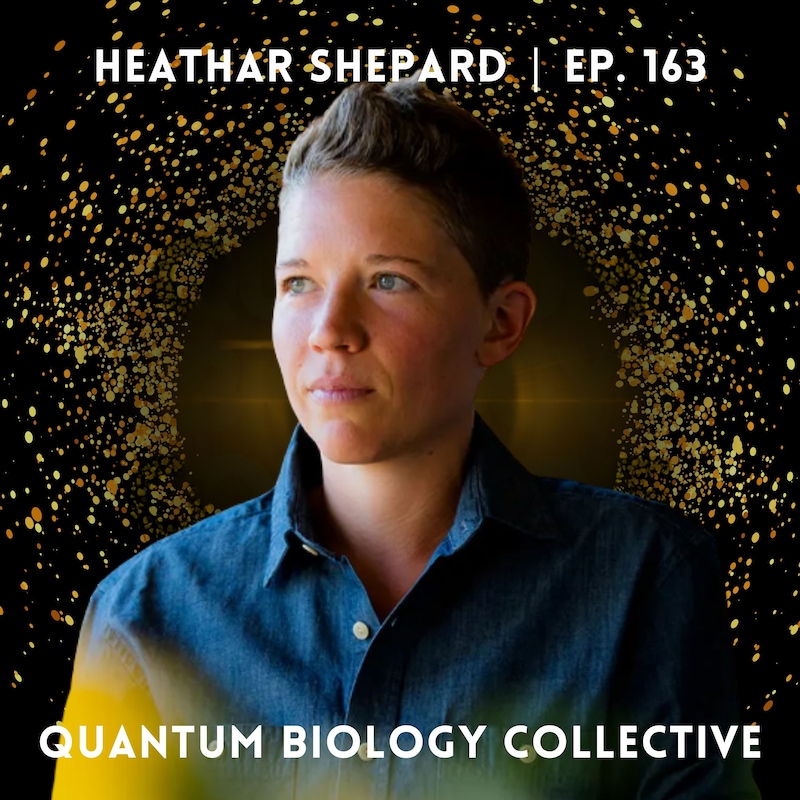
“I get this free thing outside my door and it’s like—oh, what? After spending all my student loan money on healing, sunlight was what worked,” says Heather Shepard, who joins the Quantum Biology Collective Podcast to share her astonishing journey from severe traumatic brain injury to thriving regenerative farmer. After years of debilitating symptoms and failed treatments—ranging from alternative therapies to conventional medicine—she found extraordinary, near-instant relief simply by immersing herself in sunlight. Within just days, her migraines and vertigo began to clear, launching her into the world of quantum healing and quantum regenerative farming.
In today’s episode, Heather Shepard recounts her vivid path from training elite athletes to barely being able to walk, her desperate move to the New Mexico desert, and a revelation about the healing power of nature’s rhythms. She reveals why homeopathy is a “quantum medicine,” delves into its energetic mechanisms, and how it became a pivotal part of her own recovery. Heather Shepard also offers a crash course in regenerative agriculture—why it’s superior to organic, how animals restore land health, and what it means for the future of real food. With raw honesty and approachable expertise, she explains why supporting your local farmers is far more than a lifestyle choice—it’s a movement reviving our ancestral connection to land, life, and healing.
Tune in to the Quantum Biology Collective Podcast to discover how Heather Shepard turned sunlight, homeopathy, and farming into a blueprint for radical health—and how you can tap into these forgotten sources of energy and regeneration yourself.
5 Key Takeaways
- Buy directly from farmers and regenerative producers—your food choices reshape the land, community, and your own health.
- Get outside and soak up sunlight daily—nature literally powers your mitochondria and transforms your vitality.
- Support regenerative over organic—ask questions at the farmer’s market and choose animal products raised on rotating pastures whenever you can.
- Connect with your food’s source—meet farmers, know their methods, and tip them for their devotion to true nourishment.
- Make shared meals and community gatherings a ritual—real connection and real food revive your energy, mood, and ancestral way of life.
Memorable Quotes
"My body resonated with the dryness and the sun, and it wasn’t long after moving to New Mexico that I started diving into light, water, and magnetism. I began watching the sunrise, staying outside most of the day, and within three days, I felt completely different—my whole life changed."
"In homeopathy, you have a remedy that contains the energetics of a substance, but no trace of the original material remains. That’s what makes it a quantum medicine—the proof is in the results, and you can’t deny the effects."
"Buy from farmers, really get to know them. They tend to be good-hearted people who solve problems, and supporting them keeps our connection to nourishing ourselves and our ancestral way of life alive."
Connect with Heathar
Eat Heal Farm: https://www.eathealfarm.com/
Ojo Conejo: https://ojoconejo.com/
Instagram: https://www.instagram.com/eat_heal_farm/
Substack: https://eathealfarm.substack.com/
Substack: https://studyhomeopathy.substack.com
Podcast: https://open.spotify.com/show/3RXG3cx9pCUxcZXnXmAm78?si=96b71f93fee54e5e
Resources Mentioned
Daylight Robbery by Dr. Damion Downing - https://amzn.to/4qItqT3
Jack Kruse (resources on light, water, magnetism, quantum biology) - https://jackkruse.com/
Connect with The Reverse Aging Club:
On Substack: reverseagingclub.substack.com
Visit The Reverse Aging Club: reverseaging.club
Join us for a weekly live hang out, Thursdays at 12noon ET https://zoom.us/meeting/register/j_07VPOWRbWYtZWbimO9bg
Institute of Applied Quantum Biology
RAC is a proud supporter of the non profit Institute of Applied Quantum Biology, a 501c3 dedicated to integrating quantum and circadian biology into health and wellness practice. Without ipublic support this science will take decades to become widely adopted.
Donate to launch JAQB: https://givebutter.com/AQBjournallaunch
You can join the FREE QBC online community here: https://qbcpod.com/freecommunity
The Institute of Applied Quantum Biology, a non profit organization translating the new science into practical application: https://www.iaqb.foundation/certification
Podcast website: reverseaging.club
Tools we use: https://qbcpod.com/products/
Recommended Products:
Lifewave phototherapy patches. Highly recommended for women 45+ or anyone with a condition or symptom they'd like to see shift. Start with x39.
Purchase retail: https://lifewave.com/qbcpodcast/store/products/40825027-6466-4cb8-92d3-dfc318d34a65
For more info from Meredith, fill out this form: https://qbcpod.com/patches/
Join Us On Social
Instagram: https://instagram.com/reverseagingclub
Facebook: https://www.facebook.com/QuantumHealthTV
Rumble: https://rumble.com/c/TheReverseAgingClubwithMeredithOke
X/Twitter: https://x.com/QBCPOD
IAQB Resources
Instagram: https://www.instagram.com/iaqb.ce
🎙️🎙️🎙️
This podcast uses the following third-party services for analysis:
Podscribe - https://podscribe.com/privacy
Transcripts
Okay, Heather Shepard, welcome
Speaker:back to the QVC podcast.
Speaker:All right, so this is going to be fun. I always have such a good
Speaker:time talking to you. Let's start
Speaker:for, you know, people who have joined recently
Speaker:and haven't heard your crazy story, let's just start
Speaker:with that and how you came into the world of
Speaker:light and quantum healing and now
Speaker:quantum regenerative farming. I like that.
Speaker:I like that we use that. Yeah,
Speaker:absolutely. So, so I'll do a, a short
Speaker:synopsis. So I think like many of us,
Speaker:I've had like many lives this lifetime. So
Speaker:when, when I was 23, up till that point I was training
Speaker:professional athletes and you know, weightlifting and training
Speaker:and endurance and, and that was my world. And I was working for
Speaker:an amazing corporate company. You know what I thought at the time? And I
Speaker:was like, yes, I've like got this figured out
Speaker:is this is it, you know, working with
Speaker:NFL guys and NBA and this like tiny little five
Speaker:foot me, like training these guys
Speaker:and I'm like, awesome. And.
Speaker:But that changed and
Speaker:long at all. One day I was driving to work
Speaker:and you know, it was so weird. When I look back on,
Speaker:on that day, it's so vivid. I like remember laying in my bed and
Speaker:I'm like, oh, I don't want to get out of bed today. Which is
Speaker:not a normal feeling for me. I'm like a 5:30am or like,
Speaker:let's go, let's milk these cows, let's watch sunrise,
Speaker:you know, so, so I was like,
Speaker:oh, like, you know, whatever. Didn't pay attention to my intuition
Speaker:at the time and definitely still working on that, but
Speaker:pushed right through it. And I'm driving to work and just
Speaker:myself in the car, lost control of my car and
Speaker:split a telephone pole in two. It was
Speaker:some, oh no, oh yeah. Some sort of act of God. Like
Speaker:obviously this was not the trajectory
Speaker:of my life and that event made it
Speaker:very clear. So I hit my head on the
Speaker:steering wheel, passed out. The jaws of
Speaker:life had to come get me out of the car. I had a really bad
Speaker:tbi. All my scans were clear,
Speaker:however, thankfully. But I had a lot of
Speaker:residual effect from that accident.
Speaker:I couldn't work out the way I used to, even though I had all
Speaker:these clearance letters from doctors like, you're clear, you're clear, no problem.
Speaker:And I was like, oh, but I can't do that
Speaker:right. That story we hear so often where it's like, your labs
Speaker:are fine, your scans are clear, you're good. And the patient is like,
Speaker:I don't Feel good? Yeah. It's like, wait, I
Speaker:literally can hardly walk to the bathroom without getting a
Speaker:migraine or vertigo. And this, like, went
Speaker:on for years.
Speaker:And at the time I was. I was 23, I had no idea. Like, I
Speaker:tried everything alternative because there's really no
Speaker:western approach to. Not that there's any good western approach
Speaker:for any condition, but really.
Speaker:For a tbi, it's just like, well, good luck, you know,
Speaker:and. Yeah, well, your scans are clear, so see
Speaker:ya. Yeah, we can't help you. Nothing else we can do here,
Speaker:so. Oh, man. So then it was just like, am I ever gonna
Speaker:get better? It was literally like five, six, seven years just kept going
Speaker:by. And I learned how to manage, but
Speaker:definitely symptomatic every day. And then it went into the mental emotional
Speaker:realm because I'm like, what? Like something's really wrong with
Speaker:me. And I started having panic attacks and it was. It was really
Speaker:debilitating. And so
Speaker:I finally tried acupuncture, which provided some relief, which
Speaker:took me into acupuncture school and those
Speaker:treatments, I love acupuncture, but they were short lasting for
Speaker:my tbi. And
Speaker:I just happened to have a really bad breakup when I was in
Speaker:acupuncture school. And I was like, I'm moving
Speaker:to the desert because I was in Portland, Oregon, going to acupuncture school. And I
Speaker:was like, I'm going to the desert. I got to get out of here. This
Speaker:was like, not a fun experience.
Speaker:And so I get to the desert and it's like, you know,
Speaker:Portland, like, I know some people love rain. I think
Speaker:it's like, it's not good for, for my constitution,
Speaker:personally. And I got to New Mexico and I was
Speaker:like, oh, my God, the sun comes out
Speaker:every day. Every day, Every day. It's not
Speaker:damp ever. Ever. It's like, there's no.
Speaker:Hardly any mold, no damp. It's like, whoa.
Speaker:Okay. So my body, like really resonated with
Speaker:the dryness with the sun on. And it
Speaker:wasn't long after that I just happened to hear a podcast
Speaker:of like light water magnetism. I
Speaker:think it was a. With Jack Cruz, you know, And I was like,
Speaker:wait a minute, I'm in the, like, ideal, like a pretty ideal environment
Speaker:for this. And I started
Speaker:diving into that. I started, okay, sunrise. And I like,
Speaker:I couldn't do much, so that's all I did. It was like I was in
Speaker:a position where I couldn't show up to a job. I couldn't stay there
Speaker:very long, you know, without having symptoms. So I Was like,
Speaker:the hell with it. I'm just going to do this thing.
Speaker:And I was watching the sunrise and then I started to piece together. Oh,
Speaker:you have the sunrise, the uva, the uvb, then you go back
Speaker:down towards in the other direction. And
Speaker:I, I stayed outside as I like, just
Speaker:stayed outside most of the day. And
Speaker:I'm like, I'm not kidding. By day three, I was like,
Speaker:let's go. Oh my God.
Speaker:I was worried. I was like, this cannot be
Speaker:from sunlight. After like 10 years of
Speaker:trying, like, spending all my student loan money,
Speaker:went to healing. It was like, oh, I'm not gonna show up to class.
Speaker:I'm just gonna go get sessions and eat good food and,
Speaker:and. But none of that helped. And then I get this
Speaker:free thing outside of my door and it's
Speaker:like, oh, what? It was, it was
Speaker:what? Yeah, that's crazy. So it was like, within a
Speaker:few days. Oh yeah. Your symptoms were starting to clear up. You could,
Speaker:you could have a normal day as opposed to a day filled with
Speaker:headaches and dizziness and I could. Have a normal
Speaker:day. I could actually now start practice and make money
Speaker:and like, you know, all of these like, my whole life changed.
Speaker:And it was like just from
Speaker:learning how to use sunlight to heal my brain
Speaker:and the mitochondria were just like, oh, my God, feed me, feed me, feed me.
Speaker:Yeah. And that's how my
Speaker:journey into the quantum world really started.
Speaker:And it's definitely
Speaker:taken off from there. But, yeah, that's how I got,
Speaker:that's how I got here. Yeah. Right. Yeah. And, and
Speaker:I've heard your story before, but I actually forgot how really
Speaker:crazy it is. Right. Like to have this longstanding
Speaker:issue. Yeah. And now that we understand, so. And maybe we can
Speaker:talk about that a little bit. And like, you know, it, it
Speaker:sounds like at first you were like, okay, really light.
Speaker:I'll, I'll do that experiment. It's free. I'm in New Mexico.
Speaker:Let's. Let's see what happens now. And then you
Speaker:got like, just insane recovery time
Speaker:and results. So how would you explain now, like, what your
Speaker:understanding of is, like, what happened when you put your body
Speaker:outside in that sunlight? Oh, my gosh. So
Speaker:I'll say at first my body, like,
Speaker:soaked it up like a sponge. And I'd say, like,
Speaker:after two years I was of doing this regularly, I
Speaker:was a completely different person. And I could actually scale my
Speaker:practice back without with while still feeling like
Speaker:a normal person or whatever that means still feeling good in my body.
Speaker:Right. So you didn't need to be outside all day. You could. Yeah,
Speaker:mix. Mix it up a little and you were recovered enough to be able to.
Speaker:Yeah, exactly. Feel good. Okay. Yeah. Yeah. And
Speaker:of course, I was doing. I was starting my homeopathy journey
Speaker:at the time, so I was like, combining those two, and in a
Speaker:couple years, I was like, oh, my gosh. Like, I. I feel like I can
Speaker:show up. I feel normal, you know,
Speaker:from. For me. And. And.
Speaker:But I was like, I had. Throughout
Speaker:those two years, I had spent so much time outside in
Speaker:nature, living more rurally and removed from
Speaker:living in. In a more urban environment.
Speaker:And I was like, I can't actually
Speaker:go back to that. My body wouldn't let me.
Speaker:It didn't want to do that. It was like, no, you have
Speaker:to stay. And. And
Speaker:I felt so much better. So it was like this whole
Speaker:awakening to
Speaker:living a totally different lifestyle, because up until, you
Speaker:know, I got to New Mexico, I lived in a pretty, like, urban environment
Speaker:and. And just thought, oh, and I know
Speaker:it's really different now since. Especially since COVID
Speaker:and everything went online, but I was like, oh, I have
Speaker:to work a job and show up, and you have to be in the city
Speaker:to do that, and I'm not going to be successful if not. And then
Speaker:all that shifted. And so
Speaker:I was like, oh, my gosh, I can do this. I can actually live where
Speaker:I want to live, where my body feels really well
Speaker:and feels the most regulated. And that,
Speaker:like, immersion. That sunlight immersion therapy
Speaker:I had for two years just opened the doors to this
Speaker:whole other lifestyle. So.
Speaker:And then, okay, let's weave in, because you also layered in
Speaker:the homeopathy, which is a totally quantum
Speaker:modality. And it's funny because I just did an interview, and now.
Speaker:Now that we're talking, I think I'll. I'll do your interview. The week after
Speaker:his. I just did an interview with a doctor
Speaker:who's in the uk. He's been practicing for, like,
Speaker:decades. He wrote a book in 1988 called Daylight
Speaker:Robbery on how we weren't getting enough sunlight.
Speaker:But he just. He more recently went down the quantum rabbit hole.
Speaker:And he just was saying he was, like, always somewhat skeptical
Speaker:of, like, homeopathy. He's an integrative physician, obviously not an
Speaker:allopathic. But yeah, he was always kind of like, you know.
Speaker:And then anyway, he's. He's done a deep dive on all
Speaker:the things, including May Wen Ho. And he's like, now I see.
Speaker:Yes, I see there is definitely.
Speaker:And I'm like, well, if there's Homeopathy is there to, you see, is the
Speaker:mech. Does the mechanism play out for telepathy and
Speaker:intuition? He's like, I think probably yes.
Speaker:Okay. I love it.
Speaker:1988. That's. Yeah, yeah. He
Speaker:was clearly following like the circadian research that was happening
Speaker:at that time. Right. Like, because there was, when you. There was a
Speaker:ton of research coming out that's like around the time they found the,
Speaker:the SCN and all the clocks and everything. And so he was
Speaker:clearly paying attention and he could
Speaker:elucidate the benefits of sunlight even. Yeah. Even in the 80s, even though he
Speaker:didn't know why. And now with the quantum piece, he can explain why.
Speaker:But. Yeah. So anyway, all that to
Speaker:say. I think I'd love to hear like, let's layer in the
Speaker:homeopathy piece. Oh, I love that.
Speaker:Equally as, as healing or, you know, it's hard to say
Speaker:on a scale, but as sunlight therapy for,
Speaker:for my brain. And it, it helped so immensely. Then I started, like, I
Speaker:did a deep dive into studying that, went to school for it
Speaker:and then when I graduated started practicing. I've been practicing
Speaker:for over a decade and,
Speaker:and I love this medicine. It is, it.
Speaker:It is very much a quantum medicine for it's liter
Speaker:of a substance in pellets or a liquid, whatever form you take.
Speaker:And the, the results that I
Speaker:had for my brain injury were like, oh my gosh.
Speaker:Amazing, amazing, amazing.
Speaker:And gosh. So I've been practicing
Speaker:for 10 years and, and
Speaker:have started a school which is now predominantly
Speaker:online because most of my time goes cows and
Speaker:cooking and so forth. But people were like,
Speaker:please keep teaching. And I was like, yes, I will. Because really,
Speaker:I'm not pleased with the programs that are the
Speaker:education that's offered right now for, for homeopathy.
Speaker:And I hope that will change. So
Speaker:I also have an online program for
Speaker:homeopathy. Amazing. And how do you, like,
Speaker:how do you explain like, for a non. For a non
Speaker:homeopath. Yeah. How do you see it
Speaker:working from a, from a quantum perspective and light as well? I
Speaker:mean, it all. Yeah, all in there. It is all in there.
Speaker:I'm going to do my best to explain this so.
Speaker:You can explain it as a metaphor. That's totally cool with me. I.
Speaker:We don't have to get into. I just,
Speaker:yeah. As I say, I just spent some time going deep, so I'm happy
Speaker:to stay up high. You went down.
Speaker:You went down into the. I was in the weeds a little. Yeah.
Speaker:So let's go, let's go up. All right,
Speaker:let's see if I can bring you out of that. So,
Speaker:okay, so in homeopathy, people are always like, wait, is it like a
Speaker:supplement? Is it a vitamin? Is it a. An herbal?
Speaker:And the answer is no, it's none of those things.
Speaker:It's kind of in its own category. You
Speaker:have a plant, a mineral,
Speaker:a metal, you have a
Speaker:bacteria. And you take that substance, you dilute it
Speaker:in alcohol or water for a period of time. It
Speaker:depends on what you're making. And
Speaker:then you dilute that, you take like a drop of that
Speaker:substance, and then you do something, what's called
Speaker:succus, which is just literally pounding that.
Speaker:That remedy. And to make a. What's called a
Speaker:potentized or activated remedy, you have to pound
Speaker:it 6.02 times 10 to the 23rd
Speaker:time. Okay,
Speaker:okay, okay. So in
Speaker:order to potentize that remedy
Speaker:into a state that will. There's literally
Speaker:the more. Use a cus. Or pound it. If you. When you get to that
Speaker:number, there is zero amount
Speaker:of the original substance remaining in those. Those
Speaker:pellets that the original substance was immersed in.
Speaker:So then you just have the energetics of that substance
Speaker:on those pellets or in that liquid that you had just succussed.
Speaker:This is why people are like, homeopathy is horseshit. There's not even anything
Speaker:in it. It's just sugar pellets. And
Speaker:I'm just like, the proof is in the pudding. I mean, it's just,
Speaker:you can't deny the effects of this medicine,
Speaker:but that's what makes it a quantum medicine, because you have
Speaker:this thing that contains the energetics of the subst.
Speaker:But actually there's no trace of the original substance
Speaker:remaining in that remedy.
Speaker:So. So that, in
Speaker:a nutshell is. And people are like, can you, can you just make your own
Speaker:remedies? I was like, no, you can't. Can you imagine, like, pounding
Speaker:6.02 times 10 to the 20, literally? My teacher tried doing it
Speaker:and broke his arm. And he's like, well, I'm not doing that again.
Speaker:He's like, in his 90s now. And it's like, there
Speaker:are actually some good uses for machines, and this is
Speaker:one of them just to cause the
Speaker:homeopathy revenue.
Speaker:I wonder if anyone in Silicon Valley is making a robot for that.
Speaker:Oh, I bet they are.
Speaker:An AI bot that succusses your own remedy.
Speaker:This is my homeopathy bot.
Speaker:Oh, I think you're onto something. Yeah, yeah, yeah.
Speaker:Okay. And then once you. So you know, for
Speaker:working out of a quantum framework, which we are,
Speaker:the energy Is arguably more
Speaker:potent than the matter. Yes.
Speaker:The material. Yes. And you can, you can
Speaker:succeed that remedy greater than 6.02 times 10 to the 23rd.
Speaker:And, and the more you do the, the, the more potent
Speaker:that remedy is. Which we wouldn't think that we would
Speaker:think like, oh, you know, the lower, the
Speaker:more potent. No, but the more you actually succuss that remedy,
Speaker:the more energetics of that substance, the
Speaker:more potent that gets and the,
Speaker:the stronger the effect that remedy will have in, in your body.
Speaker:And so I don't want to say that like the higher, higher
Speaker:potencies are better than the lower. They
Speaker:just do different things. The more you use a cuss that they have different
Speaker:healing capabilities. Like the higher
Speaker:potencies you definitely want to use for things like head
Speaker:injuries and mental emotional struggles. The lower
Speaker:potencies you want to use more for like joint pain
Speaker:and like physical issues. And let's say you get stung by
Speaker:a scorpion or a bee though, that's when the lower
Speaker:potencies, you know, work its best. And then the
Speaker:higher ones are like panic attacks,
Speaker:depression, head injuries,
Speaker:intense pain after an injury. Let's say you drop like a block
Speaker:a brick on your foot or something. And like
Speaker:so they have, they both have their own roles,
Speaker:but very. It's, it's interesting that the more you succuss
Speaker:it, the like more
Speaker:intense health issues it can successfully
Speaker:address. And is that what
Speaker:happened with your traumatic brain injury?
Speaker:Yeah, it's really interesting because I had taken
Speaker:Arnica Montana. It's probably the most common
Speaker:homeopathic remedy. Moms give it to their kids like candy when
Speaker:the kids are little and they fall and she's like, oh, take Arnica, take Arnica.
Speaker:Right. And so usually we give it in like a 12C or a
Speaker:30C. And so when I had my head injury, I was like, oh, I'll take
Speaker:some Arnica. And I think I took like 30C, 200C.
Speaker:And it wasn't until I learned about these higher potencies, which you
Speaker:cannot buy. You can't walk into a store and buy them. You have to buy
Speaker:them from an online pharmacy. And I took like a
Speaker:10m 50m, which is a very, very high
Speaker:potency in homeopathy. And, and that's what
Speaker:turned things around for me. So I had the right remedy, I just
Speaker:didn't have the right potency. Right,
Speaker:yeah. So you were giving the,
Speaker:on the one hand the homeopathic frequency and then on the other hand
Speaker:the sunlight was like feeding your body to
Speaker:be able to work with whatever.
Speaker:No. How do you describe Sort of how those things. Yeah,
Speaker:I think. How do you think about it? There's, there's an
Speaker:article that I think it's really easy to find.
Speaker:I think it's the effects. It's. It's like how
Speaker:homeopathy affects the electron spin rate of.
Speaker:And, and so there's a great article on that.
Speaker:And so this is what I
Speaker:think really helped. I think this, you can apply this to any
Speaker:disorder. But with regard to my brain healing, it
Speaker:totally changed how the electron spin rate in
Speaker:my brain, in my mitochondria, and then I added the sun in there, which came
Speaker:in and added the healing effects of red light, of UV light, of
Speaker:uvb, and my brain just like
Speaker:soaked all that up like, like a sponge. I was sleeping better,
Speaker:I had better energy. My panic attacks went away.
Speaker:It was, it was like this whole. It was this.
Speaker:I. I can't even. It was just very
Speaker:synergistic how they work together. Yeah, yeah.
Speaker:And transformative. I mean,
Speaker:it's really incredible because you are such a high energy person. I
Speaker:know, me, like, trying to. No, I
Speaker:can't sit here and read. Like, I love reading.
Speaker:I read every day. But like to lay on the couch and read like
Speaker:all day, it was just like I was ready to. Oh, my
Speaker:God, I was. It was so hard.
Speaker:Right? Because this sort of, this brings us into where you are now.
Speaker:Like, given your full energetic capacity, you choose
Speaker:to do things like start a regenerative farm.
Speaker:I have to say, I don't know what, you know, for my
Speaker:constitution, I'm like, oh, boy. Heather, I
Speaker:don't know what you and Jen are up to. That's a lot of cows.
Speaker:I think one time we were on a zoom and there were like baby pigs
Speaker:in the mud room. Oh, yeah,
Speaker:that's right. Yes. Yes. My God,
Speaker:I forgot about that. Yes. You were like, yeah, they were getting
Speaker:out of the pen, so we got to keep them inside till they get big
Speaker:enough. Yeah. And there were four
Speaker:baby piglets in our mudroom in this like, animal feed
Speaker:trough. And I just like throw in scrambled eggs and, you know,
Speaker:they were like, housing it. They loved it. I
Speaker:bet. Yeah. So, like, walk us through,
Speaker:you know. How do you, how are you even. How do you describe
Speaker:regenerative farming as opposed to, you know,
Speaker:just being organic or something like that? And
Speaker:it's my understanding that regenerative farming
Speaker:is really like the key to the future of agriculture
Speaker:is my limited position. But I'm not like, I don't know
Speaker:a lot about it. That's just my impression So I wanted to get into it
Speaker:with you. Yeah, I think this is a great question, because
Speaker:I think it's like back in the day, we were like, organic,
Speaker:organic, organic. And this is the thing. And
Speaker:then suddenly, very recently, this
Speaker:whole regenerative movement came in.
Speaker:And instead of organic being here, we now have, like,
Speaker:organic here and regenerative definitely
Speaker:here. And so
Speaker:the standards are much, much different
Speaker:for regenerative versus organic. Like, if you have the
Speaker:choice, an ability to choose between
Speaker:organic beef and regenerative beef, you
Speaker:want to go with regenerative. And I'll break down
Speaker:why. So, okay. So
Speaker:regenerative is. Is unique in the sense
Speaker:that it involves animals. So organic,
Speaker:you don't necessarily need to involve animals. Okay. They don't even have
Speaker:to be part of the equation. Regenerative, you
Speaker:have animals on a piece of land,
Speaker:and that piece of land is broken up into parcels,
Speaker:and the animals stay in one parcel for a
Speaker:day. It depends on the farm. A few days,
Speaker:they eat the grass, the forage there,
Speaker:they defecate on it, they stomp on it,
Speaker:and then the farmer moves the
Speaker:animals to the next parcel. And so they're not allowed on
Speaker:that other parcel that they just stomped on and ate on and defecated on
Speaker:for a minimum of a few months
Speaker:in an ideal situation, a year or two. And
Speaker:so as that land rests,
Speaker:it regenerates. There's more life that comes
Speaker:to the land. There's more native grasses that are able to grow from that
Speaker:soil. The root systems are able to deepen
Speaker:down into the soil, preventing erosion. That's causing
Speaker:all of the basically, Big Ag causes so much
Speaker:erosion in the soil, we're losing our topsoil, which means
Speaker:the food we eat doesn't contain as many
Speaker:minerals or vitamins and nutrients as. As it once did.
Speaker:So with regenerative. So you can, you can have animals on this
Speaker:piece of land, like one of these parcels, for forever, and they could still be
Speaker:organic. If you're feeding them organic feed, you're not spraying anything.
Speaker:It's organic. But we're not considering the soil. We're
Speaker:not considering the biodiversity that that comes in and
Speaker:happens in regenerative. We're not
Speaker:considering the health of the animals. They need new land. They.
Speaker:They need to be rotated for their health
Speaker:and, and. And so forth. So,
Speaker:so that's a huge aspect of regenerative, is this movement
Speaker:of animals throughout different parcels
Speaker:to not only allow the animals to be
Speaker:healthier and get fresh forage as they move, but also
Speaker:to regenerate the land, to heal the topsoil
Speaker:to rebuild the nutrients in the soil.
Speaker:So from a nutrient standpoint,
Speaker:organic is. Is. Is down here now
Speaker:because we're not restoring the topsoil, we're not
Speaker:getting that mineral input that we are with regenerative.
Speaker:And so everyone's always like, oh, well, our food doesn't
Speaker:contain the minerals it used to and the nutrients.
Speaker:And I don't fully buy that, especially with regenerative. That's
Speaker:why I'm a big fan of that. And. But also,
Speaker:we, if we remember the period of the Dust bowl and
Speaker:how much, you know, topsoil got displaced during that time as
Speaker:well. I think this has always been a struggle of, of our.
Speaker:Of our world is how to. How to maintain the
Speaker:topsoil. And I think we're in a place right now
Speaker:with people becoming more aware of regenerative and what it
Speaker:actually does to help. I don't know about
Speaker:solve, but definitely improve that issue.
Speaker:That's a small snippet on the, on the difference.
Speaker:Also. Regenerative, the animals have to be outside. You can't like, fake it
Speaker:like organic. You can keep organic hens
Speaker:inside, all crowded. They don't get access to outside,
Speaker:and they're considered organic eggs. You can't do that. You can't
Speaker:like, fake regenerative. You can't put them on like Astroturf and keep them.
Speaker:I mean, at least not yet. Who knows what they'll think of. But, you know,
Speaker:it's like, yeah, yeah, so. So
Speaker:you are so regenerative. You are
Speaker:like, just by nature of what that means getting food
Speaker:and animals that were grown under sunlight. Yes,
Speaker:yes. Grew up under sunlight, ate food that was grown under
Speaker:sunlight. Exactly, exactly. Yes.
Speaker:And the amount of wildlife that also returns
Speaker:to these landscapes that are
Speaker:regeneratively farmed is insane. Like the bird populations, the
Speaker:bee populations that are returning. Because once you let
Speaker:that land rest like this mimics what. What the bison
Speaker:did, you know, before we went and
Speaker:slaughtered them, because the bison would just.
Speaker:They would roam. They would roam and there was like heaps of
Speaker:these antlers. The deer and the antelope roam. Right,
Speaker:exactly. Exactly. And so then all these wild grasses would
Speaker:come and grow and the wildlife would come and grow. And after the
Speaker:bison moved on because that land was so
Speaker:lush and rich and nutrient dense. And
Speaker:so we went way away from that with, with
Speaker:conventional farming, big ag and. And
Speaker:feedlot farming. So this is
Speaker:an awesome time in the world for
Speaker:regenerative farming. And it's like the timing spot on
Speaker:because we're in serious trouble. But this is a
Speaker:huge, A huge. Can
Speaker:help correct the issue for sure.
Speaker:Okay, so this is super cool. So you
Speaker:and your wife decided to actually put this into
Speaker:practice. So listen, I,
Speaker:I have all the respect in the world for people who just, like, do stuff,
Speaker:right? It's like I could, I've watched a documentary on regenerative
Speaker:farming. You have created a regenerative farm.
Speaker:Listen, I'm not even. Why.
Speaker:When I was like, let's. I was like, let's buy a
Speaker:dairy cow. Because this was during COVID
Speaker:Because they're going to take my favorite food away. Butter.
Speaker:And so literally my impetus was, let's just
Speaker:get a dairy cow and we can have our own source of butter. So naive.
Speaker:So,
Speaker:so no idea what I was getting into. I didn't
Speaker:even know what regenerative meant when I got the first cow. I literally had
Speaker:no idea. And he got her and I was like, I
Speaker:started doing all the research and I was like, oh, my God.
Speaker:It all starts with one cow. It starts with one. And I
Speaker:will say, if you want a cow, you do not buy one cow. Because
Speaker:that cow will not shut up. It'll move and it'll move
Speaker:and it'll bother your neighbors and they'll say, what's wrong with your
Speaker:cow? And you'll be like,
Speaker:they're herd animals. She needs friends. So now here
Speaker:come all the freaking cows.
Speaker:This is how it started, to be honest. Here's
Speaker:our regenerative plan and we're going to have this real nice, you know, laid
Speaker:out. No, we didn't even.
Speaker:We just wanted some real butter. Yeah,
Speaker:that's how it started. And now I love it. We're
Speaker:totally into it and we live in the desert, so
Speaker:there's no like dairy cows here. It just wasn't really a thing
Speaker:ever. I mean, so now we're
Speaker:ordering bull semen online
Speaker:so we can have unbaxxed, non antibiotic
Speaker:treated Jersey A2, A2
Speaker:protein cows as our herd.
Speaker:Because you literally. They just don't exist around here. So
Speaker:I'm telling you, it's become a whole thing. Okay, I'm gonna, I'm
Speaker:gonna have to follow. Have some follow up questions.
Speaker:What happens after the bull semen arrives in the mail?
Speaker:Yes, we are. Of course, we're, you know, we're
Speaker:lesbians, but we're, we're. The semen is for our cows,
Speaker:Not for us, not for our cow.
Speaker:Noted. Note. So
Speaker:it's a whole thing. You need a cryo tank. You need, you need
Speaker:to store it in this cryo tank. And
Speaker:my wife was. Was a midwife in her past life. So she
Speaker:has like, of course, she never delivered a calf.
Speaker:So it's like we went down this whole rabbit hole.
Speaker:But we, We've. Right now we have a vet
Speaker:teaching my wife how to inseminate because I'm, I'm not. That's not
Speaker:like, on my to. There's like, no, no fridge too
Speaker:far. I'm all set with her. I'm out.
Speaker:But that comes and he hurts the straw
Speaker:right now, Jen, how to do it. And.
Speaker:And at first, you know, to impregnate a cow.
Speaker:Most people who do AI with artificial insemination with the
Speaker:cow, they give them all these hormones so they
Speaker:know exactly when they're ovulating. And our
Speaker:vet initially was like, listen, we have to do
Speaker:these hormones before we inseminate her. And we're like, oh, no, we
Speaker:don't. We don't, because we know when she's ovulating.
Speaker:Like, she moves incessantly. She jumps the fence
Speaker:looking for a bull, which we don't have.
Speaker:She's absolutely unbearable. And
Speaker:we're like, we know. He was convinced he would
Speaker:not come and do it because he was convinced we did not know when she
Speaker:was ovulating. We were like, we're women and we
Speaker:can. If you. Cow ovulation fluid is like, so.
Speaker:Or like, oh, dude, she's ovulating. He's like,
Speaker:fine. And he came, like, to spite us. And it's every single time
Speaker:he's like, huh, she's in heat. We're like, no,
Speaker:we know.
Speaker:So it's. The
Speaker:learning curve has been steep, but, but very. And rapid.
Speaker:It always is, especially with
Speaker:cows. Lots of them. So did she have. So. But she
Speaker:did have a baby. Oh, that's right. Because we were going to do our interview
Speaker:and then we had to change. It because you guys were birthing a cat.
Speaker:Yes, that's right. Yes.
Speaker:I'm like,
Speaker:so how's the baby? Oh, my God. She's. She's a
Speaker:spitfire. She's great. Oh, my gosh. She runs and she
Speaker:bucks and she kicks and she eats all the milk and she's.
Speaker:A lot of people separate their calf and cow as soon as the calf is
Speaker:born, but we do not do that. We keep the calf.
Speaker:Cow together. It's like watching them bond
Speaker:is. Is like, if you think cows are just like, dumb animals, they
Speaker:are so smart. They're so connected. They're so,
Speaker:like, family oriented. They.
Speaker:They're. They're incredible beings and,
Speaker:and very stubborn also. And.
Speaker:But you know, they're, they're amazing. And so
Speaker:the calf is, is doing great. Her name's Georgia. We call
Speaker:her Little Wheat Thin because she's so tiny still.
Speaker:Yeah, yeah, yeah. And, and we
Speaker:just impregnated. We just did AI on our, on our. One of our other dairy
Speaker:cows. So she'll be due in July. So.
Speaker:Yeah. That's amazing. Okay, so,
Speaker:so tell me, you know,
Speaker:I'm not actually coming to you with this, but hypothetically, if I was coming
Speaker:to you with a plan to start a regenerative farm, I
Speaker:like to go to the farmer's market and support
Speaker:other farmers, but I'm myself, I'm not a farmer.
Speaker:So. But I would like to know, like, how, like, what would your advice
Speaker:be now that you've done this? And, and is it something that,
Speaker:you know, people could just do, like maybe when they've retired
Speaker:or, or is it like a real. Does it, is
Speaker:it take over your life in a way that you wouldn't recommend that, like just
Speaker:all your thoughts. It doesn't have to
Speaker:take over your life if you don't get milking animals.
Speaker:We have dairy cows, which they have to be milked every morning. So,
Speaker:okay, either we. You by me or,
Speaker:or by somebody we train, you know, one of our farm hands,
Speaker:which is, it's not high on most people's
Speaker:priority list, but if it's high on any of your priority lists, feel free to
Speaker:send me an email. Anyone would like to intern.
Speaker:Yes, the dairy cows. Heather's accepting applications.
Speaker:Okay. That's right. Yes.
Speaker:So but if, let's say you wanted beef
Speaker:cows or, or you wanted
Speaker:a flock of, of chickens or you
Speaker:wanted to raise sheep for, for meat or
Speaker:fleece or whatever, you can have a life
Speaker:outside of farming. When you
Speaker:make any of those other choices than the dairy sheep or cows,
Speaker:you can't milk the cows. You can just leave out in the field. And
Speaker:you know, to rotate them is very easy and somebody will, will
Speaker:be very happy probably to help you with that versus milking a cow. It's much
Speaker:more appealing. So,
Speaker:yeah, you can, but my advice would be, is
Speaker:to never just get one animal. Because
Speaker:most ruminants, they have four stomachs.
Speaker:Cows, sheep, goats, they
Speaker:need a herd. That's their prey animals. This is
Speaker:how they feel safe. It's how they protect themselves.
Speaker:It's how they regulate themselves. If you just
Speaker:have one, they don't do well. It's very
Speaker:stressful for them, actually, and it's more stressful for you.
Speaker:People say, oh, well, now that you have More cows? Is it more work? It's
Speaker:actually not. It's actually a lot easier
Speaker:because they know how to take care of themselves in many regards.
Speaker:So don't just get one. And unless
Speaker:you're like a homebody, like I am, and you
Speaker:don't care about leaving your home too much, don't get
Speaker:a milking animal.
Speaker:That is a daily commitment. Daily commitment. And they're not
Speaker:like, oh, it's Sunday, I won't. I'll hold my milk in today.
Speaker:If you're five minutes late, they'll start mooing and let you know, like, get
Speaker:down here.
Speaker:So great. And so is the main,
Speaker:is the. Main principle of regenerative. This,
Speaker:the idea of moving them around so that they
Speaker:help the, you know, the animals. Because
Speaker:there's. Sorry, I'm going to start over. There's this narrative, right, that like,
Speaker:we, we should not. We should have fewer cows in the world because they're,
Speaker:they're rooting the land, right. They're eating everything and they ate fart. And
Speaker:whatever else people are saying, oh, it's so good. Yes. However,
Speaker:what regenerative farming says to, to my understanding is that
Speaker:actually if you move them around and only leave them, as you just explained, on
Speaker:each part of the land for a short period of time, it actually
Speaker:helps the land. So is that the,
Speaker:is that the. Kind of main
Speaker:directive of regenerative farm is like, move your animals around?
Speaker:Yes, yes, that's the main.
Speaker:And regenerative, because it regenerates the land, it
Speaker:regenerates the soil. And, and I think it's a good
Speaker:topic to just touch upon is that
Speaker:the amount of methane released from cows
Speaker:is totally negligible. Now if you're
Speaker:talking about a feedlot, like, yeah, these should, they should not be in existence.
Speaker:They're, they're horrible for the cows. They're feeding them horrible things.
Speaker:They can't move. You know, it's, it's, it's like,
Speaker:it's just a bad environment for, like, if we're talking about environment, that's the,
Speaker:that's like the worst environment a cow could be in. And they
Speaker:have these feedlots for pigs and chickens and sheep. And so
Speaker:this, if we're looking at it from
Speaker:a carbon emissions standpoint, yeah, those aren't great,
Speaker:but there's a lot of other things that we should look at.
Speaker:Or even then the feedlot animals that are a lot more detrimental
Speaker:but regenerative. So the carbon emissions are like, oh, the
Speaker:carbons is escaping into the atmosphere and it's, it's you know,
Speaker:it's not sequestered into the earth. Well, with
Speaker:regenerative, there's even been some great studies done
Speaker:already about how regenerative
Speaker:actually sequesters carbon, stores
Speaker:carbon into the earth, so it's not escaping and causing
Speaker:these greenhouse gas effects that the
Speaker:cows are being blamed for. So when we
Speaker:farm regeneratively, and even by you and everyone
Speaker:else, just simply buying regenerative when you
Speaker:can is making a huge difference
Speaker:in so many ways. So.
Speaker:Yeah, right. Yeah. I mean, it's so funny. It's like we
Speaker:completely degrade the
Speaker:natural order of things and then blame the animals.
Speaker:Like what? Yeah, exactly. Okay.
Speaker:It's our factory farming that's causing the problem. And even then,
Speaker:as you said, on the list of problems. So
Speaker:how would one, how do you recommend that people find
Speaker:food from regenerative farms? Can you, you know, like, farmers
Speaker:markets? Can you order it, get it delivered to your house?
Speaker:Like, yes, all of the suggestions. Okay.
Speaker:All of the above. You can order it. There's so many amazing
Speaker:farms that ship now. Lamb,
Speaker:beef. Absolutely. You can order it
Speaker:online. And more and more people are, you're seeing this more and
Speaker:more at, at farmers markets also, because a lot of farmers
Speaker:have been doing this for forever, but there was never a
Speaker:name for it. Yeah, they're like, so this is just having a farm. What are
Speaker:you. We moved our cows since
Speaker:forever, and now it's like a
Speaker:trendy thing. But it, it's a good trend. I, I, this
Speaker:is good. It's very, it's very positive. So now people are like, oh, yeah, this
Speaker:is regenerative. Because. But they've always been doing it that way.
Speaker:So I would ask at
Speaker:your farmer's markets also, like, you know,
Speaker:and definitely if you have a, the option between regenerative or
Speaker:organic, I would do regenerative for sure.
Speaker:Or, yeah, that's what I would suggest. But
Speaker:it's more and more accessible. The thing
Speaker:is, is they're getting kind of like they're catching on with the marketing. And
Speaker:I saw this thing in Whole Foods the other day of, like, regenerative flour,
Speaker:like, like wheat flour or something, and I was like,
Speaker:well, typically you can't really have, like,
Speaker:regenerative flour. It has to be an animal
Speaker:or a milk product. So
Speaker:if you see things like, on vegetables that are, like,
Speaker:regenerative, I would raise an eyebrow. Now,
Speaker:biodynamic for vegetables, maybe,
Speaker:but regenerative, don't, don't let them trick you with
Speaker:that. Okay. Yeah. Because the wheat
Speaker:just grows from the wheat field. So it's not. Yeah, yeah. I mean, maybe
Speaker:the. Can be organic, but. Yeah,
Speaker:that's a hard sell. That's a hard sell. Okay. That's a tough one. Yeah.
Speaker:What are. What are some other things that,
Speaker:you know, that we can be thinking about when we buy our food,
Speaker:when we source our food? Because I know, you know, most of the audience here,
Speaker:obviously, we make a. I would probably say everyone listening
Speaker:eats real food over processed food most of the time. I mean,
Speaker:whatever. Unmaked spaghetti sometimes. Sue me, but.
Speaker:Good for you. I'm about it. Yeah.
Speaker:But just. Yeah. Like, in general, we're buying our dairy and our
Speaker:eggs and our meats and our cheeses.
Speaker:What are your thoughts on where things are right now? Like, there seems to
Speaker:be. I mean, I'm in the state of New York and
Speaker:there's actually quite a lot of really cool. Oh, man.
Speaker:Independent. Yeah. Producers of all kinds of foods.
Speaker:Yeah. Which is fun. And are there
Speaker:organizations that bring people together? I don't know. Just sort of like, what are your
Speaker:thoughts on. On finding the best food, sourcing the best food?
Speaker:This is a good question. I think grocery stores might become a little
Speaker:obsolete. I
Speaker:would say that
Speaker:if you can buy from. From farmers or farmer or
Speaker:like your. Your neighbor down the way. I love New York because I
Speaker:always have freaking vegetable stands and maple syrup and it's like,
Speaker:oh, I missed that we don't have that here.
Speaker:But I would buy as much as you can from farmers in
Speaker:your area and from
Speaker:farmers who have online stores.
Speaker:And of course, yeah, you have the shipping, the packaging. But if we're talking about
Speaker:the quality of food, typically,
Speaker:unless your grocery store offers like a lot of local
Speaker:options, you're going to get
Speaker:for. For health benefits, much more out
Speaker:of farmer, real farmers.
Speaker:Because the hoops that even people have to jump through
Speaker:to sell their product in a grocery store. Most
Speaker:farmers, like, for example, like myself, we don't want to go through
Speaker:those hoops, and we're actually farming to not go through those hoops.
Speaker:And so the quality, the freshness,
Speaker:the nutrient content, the less hands
Speaker:touch that product, the better.
Speaker:And so honestly, I buy very
Speaker:little at the grocery store now, and I buy
Speaker:most of my stuff online or from other farmers or
Speaker:stuff that we grow. So I know not everyone
Speaker:has that option, but I'd say the more you can.
Speaker:That's what I would recommend. And especially if you're. I know that people,
Speaker:like, really take a dump on olive oil. I love olive
Speaker:oil and I would never buy it in a store. If you're somebody who loves
Speaker:olive oil. I would look for online sources because olive
Speaker:oil on your shelf, the grocery shelf, has been there for like,
Speaker:who knows, years in that bottle. And if you get fresh olive
Speaker:oil within like a year of it being produced, oh my gosh,
Speaker:the health effects and the quality
Speaker:is so much better than what you'll find in a store.
Speaker:Right? Oh, that's interesting to know because there's actually a brand that is made
Speaker:locally that's in, in my store. And I only know that because
Speaker:one day that the owner was there or the owner's son was there with his
Speaker:little table and he told me. So now I always buy
Speaker:that one. Yes. That's awesome. I didn't actually
Speaker:realize I was doing it to support the local community,
Speaker:but now I'm like, oh, better.
Speaker:And honestly, before I started farming, I was like, yeah, I'll pay
Speaker:for organic food and you know, I'll pay the extra. But once
Speaker:you start doing it and you see actually like what it takes,
Speaker:there's like, you know, we
Speaker:sell our, our raw milk for like $26 a gallon, which some people
Speaker:think is insane and some people say is like, oh great. Yeah,
Speaker:like the, the price of really what that gallon of milk
Speaker:costs, that a 2, a 2 raw milk cost.
Speaker:It's fucking. If I put $200 on it, it. Wouldn'T
Speaker:amount for like, it wouldn't cover. It would
Speaker:cover the energy and the effort and
Speaker:like the non sprayed hay and going to all these efforts to keep
Speaker:your cows healthy and not vaccine and not antibiotic them and treat
Speaker:them naturally, it's like, oh my gosh,
Speaker:like I will never complain about the price of, of real food
Speaker:like ever again. And yes, it's.
Speaker:If you can afford it, it is so worth it. And
Speaker:the farmer is like now I know how thankful they are
Speaker:when you like give them a few extra bucks for their product or
Speaker:be like keep the change or like thank you for what you're doing. It's
Speaker:like I literally cry when that happens because
Speaker:you, you don't know until you're like right in the throes of that.
Speaker:So tip your farmer. Yes.
Speaker:Yes. How? Like just, I mean
Speaker:the, the energy and the devotion that goes into. Yeah.
Speaker:Into it and, and you know, the
Speaker:regenerative farmers and you guys are really like
Speaker:protecting our ancestral way of life
Speaker:is what you're doing. Yeah, I so
Speaker:thank you. Yeah, I hope for that so much.
Speaker:Yeah. Yeah. Because I was,
Speaker:I noticed like at our farmer's market, there's a farm and they
Speaker:always have like a ton of Produce and they have little
Speaker:signs explaining what it all is. I mean, I didn't know there was that many
Speaker:kinds of onions, to be honest.
Speaker:Like nine different kinds of beans and all these things. But they don't, it
Speaker:doesn't say organic, but like there's still like
Speaker:dirt on some of these. Like they just, and it's, it's local.
Speaker:And so in my mind I'm like, that seems probably better than
Speaker:going to the grocery store to the organic section, if
Speaker:they even have one, which they don't always in this state. Yeah,
Speaker:yeah, exactly. And, and most farmers, they don't want to pay to
Speaker:get the organic like certification. Right. So it's,
Speaker:it's highly likely that it's not even.
Speaker:Yeah. Like I doubt they're out there spraying glyphate on theirs.
Speaker:Yeah, yeah, no, I, I agree.
Speaker:Yeah. So, yeah, I always just kind of wondered
Speaker:about that. So I'm glad to talk to you about it, but it seemed to
Speaker:make intuitive sense to me. Right on. Yeah. Agree.
Speaker:Yeah. All right, so any last like words
Speaker:of wisdom from your new, from your new farm life?
Speaker:Oh, man. Oh, just, just buy from farmers.
Speaker:That's all I could say. Like really get to know them.
Speaker:You know, they're introverted, they're weird, they're usually all
Speaker:outside of the box. They're, they're very,
Speaker:they're just tend to be really good hearted people.
Speaker:And this profession, we've been
Speaker:coaxed out of it to move back to the cities
Speaker:and, and, and, and put all, get all these
Speaker:loans to get tractors and huge equipments and all these things you
Speaker:can spray your fields with. And it's been totally taken
Speaker:over by the government and,
Speaker:and by more. I. Don'T
Speaker:know, lofty professions. And so farmers are really
Speaker:seen as lowly,
Speaker:poverty stricken,
Speaker:unintelligent people. And
Speaker:what I can see from farmers who have been doing it for far longer than
Speaker:I have, it's just the totally opposite.
Speaker:If you have a problem to solve, call your farmer, they'll be like,
Speaker:well go get this. And then you do that. And then right
Speaker:there's like, oh my God, you know,
Speaker:so buy from farmers. That's that you really know as much as
Speaker:you, as much as you can. I love that. Yeah.
Speaker:And yeah, I mean there's nothing like farming to be literally like living in
Speaker:the moment of life, surrounded by life, supporting life.
Speaker:Yeah. Like you never know what's going to happen.
Speaker:Yeah, I know. I think about that all the time. Like when the weather
Speaker:does something weird, I'm like, oh, I, I guess I'll have to. Oh, I better
Speaker:check this so it doesn't fly. I'm like, what if I was a farmer, right?
Speaker:Like this could be the difference between a crop and not a
Speaker:crop. Yeah, yeah, it's,
Speaker:it's crazy. Yeah. And it's true. I, I hear what you're saying. I was
Speaker:watching. A Jane Austen movie with my
Speaker:daughter Emma, right. And there was like, you know, the,
Speaker:the characters that were sort of members of the aristocracy, but
Speaker:the, the farmers were like a very, very
Speaker:highly respected, you know, like class
Speaker:of people. And this was, you know, what are we talking, like 1850s or something?
Speaker:Right? Like it was like, you know, it was
Speaker:a, a profession and a working profession. But I actually noticed
Speaker:that in that film because there's some of the like interplay
Speaker:between the classes and yeah, like farming, it was
Speaker:like, oh, to be a farmer's wife was like a very,
Speaker:like, that was exciting and it meant something and
Speaker:it was hugely respected in the community. Yeah. And you're
Speaker:right, we kind of lost. That and then
Speaker:we've forgotten how to nourish ourselves as a result.
Speaker:And, and so now I feel like there's
Speaker:been, there's this whole movement towards now like, oh,
Speaker:cooking outside and like cooking with meat and like this
Speaker:whole nourishment piece, not just for the land but for ourselves is
Speaker:coming back in. And
Speaker:most people today are really deficient just because
Speaker:they weren't raised in a way that was like,
Speaker:here's this bounty of food. You know, it's,
Speaker:it's just, it used to be part of our culture and now
Speaker:it's like, oh, let's quick heat up this can of soup
Speaker:and like this pre made thing and like get back to life.
Speaker:And it's like, fuck. Life is like to sit down and
Speaker:have this like huge meal and like courses
Speaker:and maybe like some really good wine or something. It's like this is like
Speaker:celebrating life in the land and like community and the people
Speaker:you're with and like we can sit down and have a face to face with
Speaker:people versus their phones. And it's like, man, we've
Speaker:lost that and we've even judged that and said like,
Speaker:no, that's, this is too. Oh, who has time for that?
Speaker:Yeah, though, like, what's better than what you just
Speaker:described? Yeah, like what is better?
Speaker:It's like, oh, that is like the pinnacle.
Speaker:Yeah, yeah, it's, it's something
Speaker:that, yeah, we definitely do in our house
Speaker:and our community. And I teach cooking classes in
Speaker:person to help create and reestablish that connection
Speaker:and environment and we host farm dinners here. And it's
Speaker:like this whole connecting thing that
Speaker:really brings people into the experience and
Speaker:with the food and each other. And I think that's
Speaker:a real deficiency in our culture that,
Speaker:man, it's so fun. Like, everyone's like, I'm depressed, I'm
Speaker:anxious. We don't have any connection anymore, you know? Yeah,
Speaker:yeah. Go outside and then
Speaker:bring potluck to a community meal.
Speaker:Yeah, yeah, exactly. I love that.
Speaker:And now can people visit?
Speaker:Absolutely, yeah. Because is the casita in.
Speaker:In operation? It is, yeah. Still great.
Speaker:Yes. Oh, that's where you are right now. With the fire wood
Speaker:burning stove. Okay, so quickly tell us about that. This is available for people to
Speaker:come stay. It's available for people to come stay.
Speaker:We have been renting it out to. To writers, but it's
Speaker:definitely open to anyone who really
Speaker:enjoys a low. I mean, like,
Speaker:there's no cell service out here. It's all Ethernet. It's like, it's
Speaker:a really low footprint here in this, in the
Speaker:casita. It's tucked in into the woods here on our farm. And
Speaker:it's a really sweet space. Yeah. Oh, it sounds
Speaker:beautiful. Okay, we will. There will be the link in the show notes.
Speaker:What? Just. You want to just say the website? Yes, it's our farm
Speaker:website and it's called Ojo conejo. It's oho like I
Speaker:in Spanish and canejo like rabbit.
Speaker:Okay. If you don't know how to. If, if anyone doesn't know how to spell
Speaker:that, just look up, look up it online. Just translate it.
Speaker:So oho. Yeah, like ojo and then conejo. Okay.
Speaker:Yeah. So ojo conejo. And you can
Speaker:book your. Your regenerative getaway. Regenerate
Speaker:yourself. In Heather's
Speaker:casita. That sounds
Speaker:amazing. Well, Heather, it came. So nice to see you again.
Speaker:Congratulations on everything that you guys are doing.
Speaker:Truly. Thank you. Truly amazing and wonderful
Speaker:contribution to the world. Thank you. Awesome to be
Speaker:here always.




