Shownotes
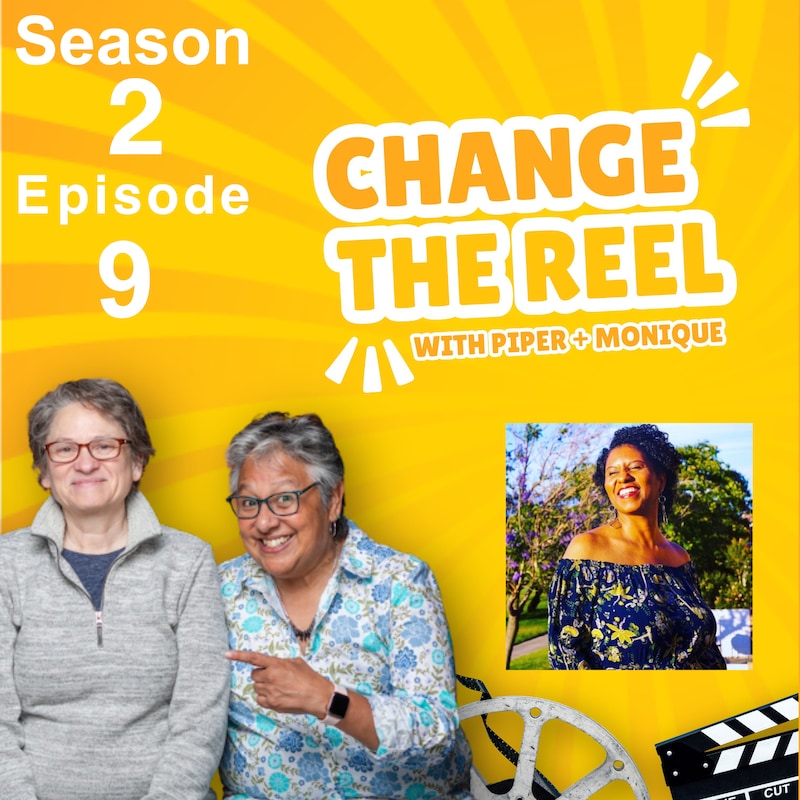
Join hosts Monique Velasquez and Piper Kessler for an inspiring
conversation with Shaunelle Curry—educator, author, and founder of Media
Done Responsibly. From starting her first nonprofit at age 6 to
teaching 20,000+ youth about media literacy and digital wellbeing,
Shaunelle shares why preserving marginalized stories isn't just about
history—it's about our future in an AI-driven world.
In This Episode:
The "Trash Picker Uppers": How a 6-year-old's nonprofit shaped a
lifetime of activism
Why representation in media is a human rights issue, not just diversity
checkbox
The shocking radio incident that sparked a nationwide movement
How young people are leading the charge for ethical AI and digital
wellness
The urgent need to preserve marginalized stories before AI learns
without them
Creating safe spaces for difficult conversations across cultural divides
Key Timestamps:
01:21 - Introduction to Shaunelle Curry
04:45 - The Trash Picker Uppers story
08:40 - What is HELP (Hello Elevated Life Purpose)?
17:06 - The "nappy headed" incident that changed everything
27:07 - Why inclusion matters systemically
37:13 - Connecting people across ideologies through storytelling
46:03 - What young people face that we never did
48:18 - The AI warning: "We're not only erasing history, we're erasing
our future"
Powerful Quote: "If AI learns off of public records that we are now
deleting and erasing, we are not only erasing history, we are erasing
our future."
About Our Guest: Shaunelle Curry is the founder of Media Done
Responsibly and professor of journalism, TV, film, and media studies.
Creator of "Shattered Glass" and author of "Shairi's Journey Through
Darkness Into Light," she's equipped over 20,000 underestimated youth
with media literacy rooted in justice and care.
Connect with Shaunelle: Website: shaunellecurry.com Organization: Media
Done Responsibly App: MDR Hub and Innovation Lab
Production: Velasquez Media - LGBTQ women-owned, Latino-led video
production
#MediaLiteracy #RepresentationMatters #DigitalWellbeing #AIEthics #StorytellingForChange #SocialEntrepreneur #MediaDoneResponsibly #YouthEmpowerment #DigitalJustice #DiversityInMedia #CulturalPreservation #WomenInMedia #ChangeTheReel #VelasquezMedia #AuthenticVoices
Transcripts
You know, you might be a person like me who's like, oh, I see a need.
Shaunellle Curry:Let me step in here and create an initiative or create a business to fulfill this.
Shaunellle Curry:All of that is critical when it comes to preserving legacy of sharing value and sharing our values and passing those forward to future generations.
Shaunellle Curry:I am talking about humankind.
Shaunellle Curry:I'm talking about a world that works for all of us.
Shaunellle Curry:We are all diverse.
Shaunellle Curry:We just happen to be in societies that have named a dominant culture
Shaunellle Curry:through which every other culture is identified.
Monique:Change the Real, a podcast with Monique Velasquez and Piper
Piper:Kessler.
Piper:For over 20 years, we've run a video production business
Piper:that has achieved what only 3% of women entrepreneurs have done,
Piper:exceed $250,000 in revenue.
Piper:We want to see business owners that look like us succeed.
Piper:That's why we've started this podcast.
Piper:Change the Real will drop twice a month.
Piper:We'll release two types of episodes.
Piper:One is with Piper and I kicking it and talking about using video in business.
Piper:And the second features conversations with business owners using media
Piper:to drive diverse perspectives.
Piper:This is Change the Real.
Piper:presentation starts here.
Monique:Hey
:y'all.
Monique:I'm Monique Velasquez. And I'm Piper Kessler. Today I'm
Monique:excited to get to know and introduce our guest, Chanel Curry. I want you to know that I'm such a
Monique:fan of Chanel's work. I could talk about it for hours, but I promise you I'll keep it the conversation
Monique:to just 45 minutes.
Piper:Wah-wah.
Monique:Chanel is an educator,
Piper:an author,
Piper:social entrepreneur whose work uplifts communities
Piper:and transforms the digital landscape.
Piper:She is the founder of Media Done Responsibly
Piper:and a professor of journalism, television,
Piper:film, and media studies.
Piper:She's also a creator.
Piper:Chanel created Shattered Glass, a stage play,
Piper:and I'm going to get this wrong already.
Piper:Shairi's Journey Through Darkness Into Light, a poetic memoir based on the play. Her work has
Piper:equipped over 20,000 underestimated youth with media literacy and digital well-being education,
Piper:the type of education that is rooted in justice and care. Chanel has been featured at international
Piper:events like Global Sync Digital Wellbeing Summit in Saudi Arabia, the Skoll World Forum at Oxford,
Piper:the Berkeley Forum at UC Berkeley, and the Namely Summit. Hey, get this,
Monique:she was even featured on
Monique:The Dr. Phil Show, The New York Times, and Wired Magazine. She's also curated and moderated the
Monique:Digital Wellness Day panel with the filmmakers of Netflix's The Social Dilemma.
Piper:Through her new
Piper:initiative, Hello Elevated Life Purpose, H-E-L-P, help.
Piper:Chanel helps executives in transition to restore their creative voice and unlock the story they
Piper:were born to tell.
Piper:Her work is inspiring to change makers, those who are bridging truth, supporting equity,
Piper:and forging human connection in our shifting digital world.
Piper:Chanel, thanks for joining Change the Real.
Shaunellle Curry:Thank you so much, Monique and Piper.
Shaunellle Curry:I'm excited to be here.
Monique:I want folks to know that you are out there helping the next generation of media creators
Monique:and storytellers and creating space for people to step into their authentic selves.
Monique:And you are consciously doing this as a woman of color and helping people see that their voice
Monique:matters and can change or shift different perspectives out there.
Monique:We know you're out there.
Monique:You're trying to change the real and the story about who should be considered experts.
Shaunellle Curry:Absolutely.
Shaunellle Curry:Absolutely.
Shaunellle Curry:Thank you so much.
Piper:Let's give credit where credit is due.
Piper:Even if this is not a person you've ever met, who would you hand out your flowers to today
Piper:for shaping your entrepreneurial journey?
Piper:Oh,
Shaunellle Curry:wow.
Shaunellle Curry:Hands down, my mom.
Shaunellle Curry:Hands down, my mom.
Shaunellle Curry:She, Jane Curry Lee, shout out to her, from a very early age, she was just this incredibly tiny but powerful woman.
Shaunellle Curry:And she supported really all of my creative endeavors.
Shaunellle Curry:When I say I was in everything growing up, I was in everything.
Shaunellle Curry:Tap, dance lessons, ballet, piano lessons.
Shaunellle Curry:I was in choir and the church and all the plays, any sort of academic writing, drama, like all of the things that you can imagine.
Shaunellle Curry:My mom made sure that I was a part of it.
Shaunellle Curry:And she saw something in me and really just allowed me to be who I was.
Shaunellle Curry:I joke that nowadays I'm in a million things because I was always in a million things growing up as a child.
Shaunellle Curry:And I hosted and she she really supported this my very first business when I was like six years old.
Shaunellle Curry:It was my first nonprofit organization. It was called the Trash Picker Uppers.
Shaunellle Curry:So the Trash Picker Uppers was a group of friends of mine and I and I we were walking one day on our street and there was a high school next to it.
Shaunellle Curry:It was an abandoned high school at this point with the gate.
Shaunellle Curry:And there were all these candy wrappers and potato chip bags and all of this along the pathway on the sidewalk.
Shaunellle Curry:And I was just really upset.
Shaunellle Curry:I was steamed.
Shaunellle Curry:This is our neighborhood.
Shaunellle Curry:You know, we need to make sure that it is clean.
Shaunellle Curry:And so I had this idea we're going to go around our neighborhood and collect money so that we can purchase trash bags and gloves.
Shaunellle Curry:And we were going to clean up the neighborhood.
Shaunellle Curry:And we had to, of course, have a name.
Shaunellle Curry:And what better name than the Trash Picker Uppers?
Shaunellle Curry:Very mission-driven.
Shaunellle Curry:You know, these cute little kids are picking up,
Shaunellle Curry:are going door to door to talk to our neighbors.
Shaunellle Curry:And they loved it.
Shaunellle Curry:They gave us money.
Shaunellle Curry:And my mom really supported that.
Shaunellle Curry:So we did.
Shaunellle Curry:It was hard work, too, my goodness.
Shaunellle Curry:But ever since then, any time that I have seen
Shaunellle Curry:that there was a need for something that was important to me
Shaunellle Curry:and important to the community. And I didn't see anyone doing something about it. I took it upon
Shaunellle Curry:myself to usually create a business or create some sort of idea or initiative where we could tackle
Shaunellle Curry:that.
Monique:Well, I love the story that you have with your mom. And I find that, you know, often family
Monique:members are these supportive roles in her life. And I also love that she helped you be a busy person
Monique:and let you practice being the doer of all the things. So that is something that...
Monique:At the age of six.
Monique:At the age of six. Well, you know, there's a lot going on in that story. So I love that you can shout
Monique:out your mom and to and explain that that is where a lot of what you have been practicing all your
Monique:life to be standing where you are today. Right.
Shaunellle Curry:Absolutely. Absolutely. And she was a great model
Shaunellle Curry:of it herself. Even though she did not have businesses, she was so engaged. And so she would
Shaunellle Curry:say, oh, no, no. You know, it's something she doesn't think about. But she absolutely has been
Shaunellle Curry:that for me.
Monique:Yeah, I love that. I love that we've given you a little platform to say, hey,
Monique:give it up. There you go. So tell us a little bit about your work at HELP. What's the heart of what
Monique:you do there and what keeps you motivated to show up and do this work every day?
Shaunellle Curry:Right. So HELP
Shaunellle Curry:is an acronym, Hello Elevated Life Purpose. And the vision for that is really to unlock the story
Shaunellle Curry:born to tell. All of us has a story. All of us have stories and they may come in different forms.
Shaunellle Curry:So they might be written, they might be sculpture, they might be a song, etc. And I'll tell you a
Shaunellle Curry:little bit about twofold, I think, really why this came to be. One of them is I feel like I work with
Shaunellle Curry:so many people who are executives and who are administrators. And once we put on that administrative
Shaunellle Curry:hat. Sometimes our creative hat goes to the wayside. We're focused on the busy work that's
Shaunellle Curry:needed and our soul really longs to create. And we will constantly say, oh, I have a book I want to
Shaunellle Curry:write. And I know several. I have a book I want to write. I have this song or this play or this
Shaunellle Curry:film script that I want to produce. But one day, as soon as the kids graduate, as soon as I get
Shaunellle Curry:my promotion as soon as there's always as soon as and that constantly gets pushed into the future
Shaunellle Curry:and what I say is as soon as I decide is when we can start doing it so I really want to support
Shaunellle Curry:people in taking action to create some element of their journey some some project or some component
Shaunellle Curry:of the project whether it's a book proposal it's a few chapters whether it's the outlay
Shaunellle Curry:whether it's completing the book itself, whether it is connecting and making sure that you have your
Shaunellle Curry:lyrics for your song registered on BMI or something, you know what I'm saying? So whatever we need to do
Shaunellle Curry:to start to move that process forward is really important. The other element connects back to my
Shaunellle Curry:work with Media Done Responsibly, where that's my nonprofit. And the focus of Media Done Responsibly
Shaunellle Curry:has been to ensure that there is equitable representation in the media, as well as digital
Shaunellle Curry:well-being and digital wellness in all of the spaces that we engage with media. I have a focus
Shaunellle Curry:on young people as leaders. Young people oftentimes are seen as people that we must teach and support
Shaunellle Curry:and help. And yes, and while that is the case, it's also critical for us to understand that
Shaunellle Curry:when we open the platform for them to share their ideas, to share their stories,
Shaunellle Curry:it can be something that is really, really powerful. So the work that I started originally
Shaunellle Curry:with Media Done Responsibly was making sure that there was a pathway and an open door for stories
Shaunellle Curry:that are not traditionally shown, stories that are more marginalized, for them to have a place
Shaunellle Curry:in our society, for them to be amplified and centered. And right now, I think in where we are
Shaunellle Curry:in society, especially where we are dealing with museums right now, for instance, the National
Shaunellle Curry:Museum of African American History and Culture, there's so much backlash on something like
Shaunellle Curry:enslavement and what should or should not be told, there is a process that is not new. It was very
Shaunellle Curry:much a part of colonialism and those structures that strip people of their identity. But this
Shaunellle Curry:process of erasing stories that are critical, this is in some ways an answer and a response to that.
Monique:There's a whole lot to unpack. And I want to talk a little bit about, like, let's circle back to
Monique:help. And I think that that is, you know, a great way to get people that are busy to remember that
Monique:the micro steps, the micro movements, and being accountable for those micro movements are very
Monique:important for their journey to getting to there someday, right? Because every day we don't do
Monique:something, it is just another day we don't do something. So I mean, the little steps are what
Monique:turn into, oh my gosh, I got a book deal, or oh my gosh, I have the screenplay done, right? It's just
Monique:the little steps. So kudos to you for doing that. And I find it also interesting for you, like what
Monique:got you to really focus here on this, in this way? I mean, what was it there that made you go,
Monique:I need to be doing this.
Shaunellle Curry:Because I'm one of those people. I am literally one of those people who
Shaunellle Curry:I have so I wear so many hats. Like you said, I'm a college professor. I teach TV, film and media
Shaunellle Curry:studies and journalism studies. I also run a nonprofit myself. And I was really hungry to be
Shaunellle Curry:able to rewrite a book. So you mentioned Shairi's journey. Shairi is Kiswahili. That word means a
Shaunellle Curry:of poetry, a line of song. It's also the name of the character in this book that is a poetic
Shaunellle Curry:narrative of her journey from trauma and struggling to self-efficacy and self-worth and value and her
Shaunellle Curry:also her spiritual journey to opening up to the fullness of who she is. And we took that book and
Shaunellle Curry:made it into the stage play, Shattered Glass. And until COVID happened and shut everything down.
Shaunellle Curry:And what I have wanted to do is rewrite, well, I wouldn't say rewrite the book, but write a second
Shaunellle Curry:edition of the book, where I have so many more elements to include in it, new introduction,
Shaunellle Curry:new works that were related to the poem, I mean, I'm sorry, to the play. And so,
Shaunellle Curry:But finding the time to do that and having a supportive community that helps me to be accountable to that has been so necessary.
Shaunellle Curry:And I know how it feels when the important work that we are doing and the work that we're doing that pays the bills becomes obviously priority.
Shaunellle Curry:Our families become priority.
Shaunellle Curry:And those projects that we have that are a part of our heart and soul get pushed to the back burner.
Shaunellle Curry:and so this is in essence why I decided to do this. It's a gift that I have. I know how to turn a
Shaunellle Curry:vision and put a strategy behind it and put a plan into place and get it done, you know, and I support
Shaunellle Curry:students with doing that all of the time and so because I think this is a critical, critical moment
Shaunellle Curry:in our history for us to be able to preserve legacy throughout communities that have been
Shaunellle Curry:marginalized communities that have been underrepresented, and even communities that may not have think
Shaunellle Curry:they have, but may be in the future, it's critical for us to prioritize our stories in a variety of
Shaunellle Curry:forms so that we can maintain our legacies.
Piper:Can you share a moment when that like that aha moment,
Piper:maybe several different ones, but when you realize representation was missing and
Piper:you know, that you were called up to be a model for that? And how did you push to create that
Piper:change? Excellent
Shaunellle Curry:question. Thank you, Piper. Years ago, there was a shock jock who really
Shaunellle Curry:devalued certain women, African-American basketball players. And he called them,
Shaunellle Curry:quote-unquote nappy-headed hose on the air. And at the same time as that occurred in a very public
Shaunellle Curry:space, I also had a friend call me, and it was like 11 o'clock at night, and she said,
Shaunellle Curry:I want you to hear something, and she put the phone to her window. And there was a nine-year-old girl,
Shaunellle Curry:and I will spare you the exact lyrics that she was yelling at the top of her lungs, but she was
Shaunellle Curry:singing this very salacious song at the top of her lungs with kind of really words you really
Shaunellle Curry:would not imagine that she should know at nine years old, nor should she be out by herself at
Shaunellle Curry:that age. But her mom worked, you know, double shifts, etc. And I'm hearing this and it really
Shaunellle Curry:hit my heart that the only ways in which African American women and girls were being represented
Shaunellle Curry:in the media were hypersexual, were around violence, were around just very demeaning
Shaunellle Curry:language and roles. And I knew that something different needed to happen. And so I called up
Shaunellle Curry:friends. And I said, wow, wouldn't it be amazing if we just had one day to honor women and girls
Shaunellle Curry:through music in ways that we don't normally hear? And so we started this campaign at the time called
Shaunellle Curry:Mother's Day Radio. And for 24 hours, we petitioned, and by we, I mean young people, young people in
Shaunellle Curry:Los Angeles, in St. Louis, Missouri, in Chicago, in PA, petitioned their local radio stations to
Shaunellle Curry:participate in this day on Mother's Day weekend to honor women through music and song. I thought
Shaunellle Curry:that was it. I thought, okay, I did that thing. You know, we did that. It was great. But it was
Shaunellle Curry:the young people who said, you know what, we want more. And so we had a symposium with a fabulous
Shaunellle Curry:filmmaker, Byron Hurd. He had a film called Hip Hop Beyond Beats and Rhymes that talked about the
Shaunellle Curry:ways in which Black and Latino men and Black and Latina women were put in boxes in the music
Shaunellle Curry:industry, in particular in hip-hop, but not just in those genres. And the young people who attended
Shaunellle Curry:kept saying, my eyes have been opened, you know, what can we do? Can you please provide us with
Shaunellle Curry:mentors so that we can understand how to talk to our friends about this? And so from there, we really
Shaunellle Curry:began this project with the universities where we trained college students to go into middle schools
Shaunellle Curry:and high schools to support young people in understanding that the ways in which they were
Shaunellle Curry:represented are not always the ways that fully represent their humanity, and they didn't have to
Shaunellle Curry:accept that. And so from there, it grew. Anytime the young people said, you know, Professor Curry,
Shaunellle Curry:we need this, you know, we jumped on it. And that's what I'm saying, you know, understanding
Shaunellle Curry:the voice and the power of the young people is really critical. So we then began to look into a
Shaunellle Curry:variety of issues like body image in media and feeling like you have to look a certain way. We
Shaunellle Curry:dealt with cyberbullying and suicide. So it just really expanded. But that was my opening. That was
Shaunellle Curry:really the beginning, that just fierceness, that idea that we are more than who we're being represented
Shaunellle Curry:as. And that's important for us to create a space in the media landscape that really shares and
Shaunellle Curry:reflects the fullness and the diversity of our humanity.
Monique:Wow.
Shaunellle Curry:I
Monique:told you you'd be excited.
Monique:Well, I mean, it's
Piper:the thing of, well, it's so, it's, what's interesting to me is it's so simple,
Piper:but yet not, of you see something and you recognize it as there's trash in the neighborhood
Piper:and I need to do something and you take action.
Piper:Maybe there's a roadblock in there that I'm not hearing, but, you know, for a lot of people,
Piper:they don't have that confidence.
Piper:They don't.
Piper:But I mean, it sounds like from a young age, you've got the backing of your community.
Piper:And so there's not a roadblock.
Piper:It's like I see a lack.
Piper:I need to engage other people and do something and do something.
Piper:I mean, that's kudos.
:Right.
Piper:Yeah.
Monique:I mean, I told you, you know, having this conversation a bit longer, you get to know a little bit more about what Chanel's mission in life, not just what she does, is amazing.
Monique:And, you know, we talk about representation and your story is, you know, you had a specific story about this little girl.
Monique:And we're making the assumption of the ethnicity or the, you know, what the color of her skin is or what her, you know, cultural background is.
Monique:If she's singing the song at the top of her lungs at 11 o'clock at night.
Monique:But those are, you know, cultural biases on me because I don't know that you said what, you know, what neighborhood it was coming from.
Monique:Could have been a Latino or the Asian or, you know, some other neighborhood.
Monique:But I think it's important to recognize that as a person of color and having some privilege through education, that that helped the weight of your capacity and your natural gifts to see the need and push through.
Monique:Right. And so I think those things are what are like captivating for me and like want to like put some rocket fuel under what you do and make sure that it gets out there in a bigger way.
Monique:And so, you know, talking about inclusion and when you see this idea, it's like, OK, you're talking about you saw this need and you're going like culturally and systemically, why inclusion matters in these spaces and what you talk about and what you do.
Shaunellle Curry:Yes. Thank you. Okay. So much to unpack from what you all both just said. And Piper, yes, there have been roadblocks or continue to be roadblocks, you know, especially I would say one of the biggest, especially in the nonprofit realm, is funding and also unrestricted funding.
Shaunellle Curry:specifically for Black woman-led agencies, we get probably less than 1% of unrestricted funding.
Shaunellle Curry:And so it becomes very difficult to do these things. It requires a lot of creativity
Shaunellle Curry:in terms of getting support from the community, building collaborations.
Shaunellle Curry:And I would say this, I used to wonder all the time because I just had so many passions,
Shaunellle Curry:why doesn't everybody just do the thing that they love?
Shaunellle Curry:Like that just makes sense to me, right?
Shaunellle Curry:Why doesn't everybody just do it?
Shaunellle Curry:And so, but what I have learned is that it can be a rough road.
Shaunellle Curry:And that is part of why I created help, right?
Shaunellle Curry:It's the name help.
Shaunellle Curry:We need help.
Shaunellle Curry:And it's Hello Elevated Life purpose because when we push through,
Shaunellle Curry:I say there are four stages.
Shaunellle Curry:The passion stage is that first stage.
Shaunellle Curry:We're so giddy. We're so excited. You know, we're going to change the world with this.
Shaunellle Curry:And then we bump into some of those roadblocks and we get into that commitment stage.
Shaunellle Curry:And so then we're like, OK, I'm committed to this. I've got my plan.
Shaunellle Curry:These are the things that I'm laying out. This is the direction that I'm going to go into.
Shaunellle Curry:And then we hit those major walls and we have to let me go back to my day job for a couple of years or whatnot.
Shaunellle Curry:And that's when I say we get into that resilient stage because we've started and stopped and started and stopped a thing.
Shaunellle Curry:But once we push through that resilient stage, we're able to get to this stage of rise where we have the energy to actually sustain what we are doing.
Shaunellle Curry:And so to your point, my being able to get through those various roadblocks, to continue to see something and say, you know what, this is on me.
Shaunellle Curry:Let me do something about this to move it forward. It's not been easy, but it is a testament to the resilience that I have and the levels of commitment that I have and strategy as well that I'm able to now impart to other people through the HELP program.
Shaunellle Curry:For us to get our stories out, we're going to need to do this. And then the importance of
Shaunellle Curry:representation. I think sometimes people hear these terms representation and they hear inclusion and
Shaunellle Curry:diversity and it kind of becomes a stale term without understanding really the meat and the
Shaunellle Curry:heart of it. And I will say this. I am talking about humankind. I'm talking about a world that
Shaunellle Curry:works for all of us. We are all diverse. We just happen to be in societies that have named a dominant
Shaunellle Curry:culture through which every other culture is identified. And so, and what I mean by that,
Shaunellle Curry:we look at the world through the lens of a dominant culture and everything else is kind of on the side
Shaunellle Curry:of that, or it's a American plus. So African American, right? So there's the American, and then
Shaunellle Curry:you have an idea of what the American is, but then you have Asian American, African American,
Shaunellle Curry:right? You have indigenous American or whatever it may be. It becomes like an add-on as opposed to
Shaunellle Curry:part of the fullness of that human culture. And so when we're talking about stories that are diverse,
Shaunellle Curry:life itself is diverse. The stars in the sky are diverse. You know, the ecosystem is diverse.
Shaunellle Curry:It is a matter of giving equal weight to all of us. Just the idea that the importance of our stories, all of our stories, are really critical for us to be able to understand one another, to be able to see how we can work together with one another, to be able to utilize the various technologies that different cultures and different elements of society have used to support moving forward.
Shaunellle Curry:I believe so many solutions that we are looking for can be found when we very openly and honestly share with one another.
Shaunellle Curry:And that's going to require building trust.
Shaunellle Curry:And that requires connecting with people from a heart space, from understanding that they are valued human beings.
Shaunellle Curry:And so I think really, especially in the age of AI, that is critical.
Monique:And so what kind of work do you do when you're trying to connect people in different ways from different, you know, ideologies, cultures, viewpoints, perspectives? What do you do specifically?
Shaunellle Curry:So thank you. That's a great question. You know, there are a variety of things that I do. One of them is we have film festivals that are we have the media done responsibly film festival. It's a hybrid virtual and in-person film festival. And what we do is center the stories of those people who are traditionally marginalized or who may not be centered in their own stories.
Shaunellle Curry:They may not normally be the ones who are telling their stories.
Shaunellle Curry:And so we make sure that we open the door to very unique stories that are centered from perspectives that are really non-dominant.
Shaunellle Curry:And then the second thing that we do is a process called cafe conversation or living room conversation that we've worked with our partners at Living Room Conversations in designing these.
Shaunellle Curry:And that is where people from a variety of different perspectives come together to talk about really touchy issues.
Shaunellle Curry:Like this is something I believe, you know, in the U.S., we really need to have these conversations as opposed to just wiping out historical facts and items from these museums.
Shaunellle Curry:But having conversations that are civil dialogues where we are able to practice the art of listening to others who have a different perspectives with from a space of non-judgment and practicing the art of listening while also having authentic communication.
Shaunellle Curry:It is something that we are truly, truly listening to one another, learning from each other and moving forward from that space.
Shaunellle Curry:So that is really critical.
Shaunellle Curry:And then the other is the work that I'm doing with HELP, Hello Elevated Life Purpose, where we are essentially having people tap into their personal stories and understanding that it may come in a variety of forms.
Shaunellle Curry:It might come through a business that you have.
Shaunellle Curry:It might come through an art installation.
Shaunellle Curry:It might be a book.
Shaunellle Curry:It might be poetry.
Shaunellle Curry:It might be songs.
Shaunellle Curry:It might be an album.
Shaunellle Curry:It may be a business that you are creating.
Shaunellle Curry:You might be me.
Shaunellle Curry:You know, you might be a person like me who's like, oh, I see a need.
Shaunellle Curry:Let me step in here and create an initiative or create a business to fulfill this.
Shaunellle Curry:All of that is critical when it comes to preserving legacy of sharing value and sharing our values
Shaunellle Curry:and passing those forward to future generations.
Shaunellle Curry:I think we are, one thing I tell my students all the time is we are in a small moment on
Shaunellle Curry:the long timeline of humanity.
Shaunellle Curry:What are we going to do with it?
Piper:Are you going to let someone else tell
Monique:that story?
Monique:Yeah, I love that.
Monique:And, you know, and here's the thing that I like about the kitchen table idea.
Monique:And that is, as people of color, you know, we're in different spaces, women on different
Monique:spaces.
Monique:And a lot of times, because we're in the LGBTQ community, we are asked to represent the whole
Monique:community in different spaces.
Monique:You know, it's an uncomfortable thing because I know my viewpoint does not always match somebody
Monique:who is also in the same space.
Monique:And so these dialogues that happen in this situation, you kind of go in knowing you might be asked to represent an entire block of idea.
Monique:And it also creates a space where potentially you could be asked or to think about an uncomfortable, you know, topic.
Monique:Like, why can't you use so many different words?
Monique:Right. I mean, queer space, Latino spaces.
Monique:African-American spaces, Asian spaces. You just can't use certain words. And why is that? Well,
Monique:let's break it down. This is a space where we can talk about it versus we're at work and near the
Monique:water cooler and this is not the space to do that. And so I like that you're out there, you know,
Monique:creating these spaces and these opportunities for young people to really get their eyes opened about
Monique:how to navigate some of these uncomfortable topics. I have a follow-up question here about
Monique:what, with the young people, what topic keeps coming up that you're like, huh, that's something
Monique:that we didn't have in our generation, or maybe it's, huh, maybe we should start seeing how we can
Monique:change this about society or our culture or our systems.
Shaunellle Curry:Yeah, thank you. You said so much, and
Shaunellle Curry:And I will address that, Monique. And I also want to say that what you said really is the crux of it, that you find yourself having to represent everyone, you know, who is a part of the LGBTQIA community, right?
Shaunellle Curry:And you should not have to because it is, you know, it's not a monolith.
Shaunellle Curry:It's not everyone does not walk around as, you know, robots with the same type of thinking.
Shaunellle Curry:We are all human, right?
Shaunellle Curry:And so we have a variety of backgrounds and we can speak from our perspectives, but they're going to be different.
Shaunellle Curry:And we can learn from that.
Shaunellle Curry:One of the questions that I always ask my students is how many of you have ever lived with someone before?
Shaunellle Curry:And how many of you have always agreed with everything that the people that you've lived with has said?
Shaunellle Curry:Right?
Shaunellle Curry:We don't.
Shaunellle Curry:We don't always agree with everyone in our own household.
Shaunellle Curry:How do we expect to agree with everyone in the world?
Shaunellle Curry:Right?
Shaunellle Curry:Like that is just a completely unrealistic idea.
Shaunellle Curry:And one of my favorite 20th century poets is Audre Lorde.
Shaunellle Curry:And I love the way that she speaks about all of the intersections in her life and the various groups that she found herself in, whether it was as a Black woman or as a queer woman or as a woman in an interracial relationship, as a mother.
Shaunellle Curry:And all of those various groups would sometimes conflict with one another, but she was a part of all of them.
Shaunellle Curry:And so this idea of understanding that our differences don't have to mean that we have to other someone else. It doesn't have to mean that we make other people wrong in order for us to be safe and to be okay. And I think once we begin to hear more stories from traditionally marginalized communities, we can begin the process of no longer othering folks.
Shaunellle Curry:OK, so that was one. And remind me of what your original question was, because I just when you were saying that, I was like, I have to I'm in your amen corner.
Shaunellle Curry:I need to.
Monique:So students, students, what surprised you and what they revealed to you and what your system, what you came from and what you see as potential trends and changes from them?
Monique:There's
Shaunellle Curry:so much with the advancements in technology right now. It has, I think, amplified what we went through. So I used to work with young women who did not know that they had been sexually assaulted because they did not know that they had choice.
Shaunellle Curry:They did not know that if they were in a room that they could say no and that their body was their own.
Shaunellle Curry:And so that is one thing.
Shaunellle Curry:Bullying was prominent, of course, you know, for young people growing up.
Shaunellle Curry:But now it's amplified in online spaces.
Shaunellle Curry:And so you may have young people who are bullied online and you have no idea who has started this.
Shaunellle Curry:It's
:such a scary
Shaunellle Curry:feeling to not, yeah, it's anonymous to not know who is hating on you.
Shaunellle Curry:And so you do have young people who are taking their lives, who have attempted suicide, who
Shaunellle Curry:it's very heart-wrenching.
Shaunellle Curry:And we actually have some of our college students worked with a seventh grader who in sixth grade
Shaunellle Curry:had attempted suicide because of that type of bullying.
Shaunellle Curry:And they were able to really create a safe space for her to share and to heal.
Shaunellle Curry:And so, you know, those are some of the things.
Shaunellle Curry:But also now in gaming spaces, we have young people who are groomed or who are who don't understand how to stay safe in those spaces.
Shaunellle Curry:And so we're really, really working on understanding how do we utilize technology, which is moving rapidly, right?
Shaunellle Curry:AI is faster than anything that we can imagine.
Shaunellle Curry:And the advancements in AI are faster than we can imagine.
Shaunellle Curry:And so how do we create ethical AI?
Shaunellle Curry:How do we create ethical digital spaces and gaming spaces?
Shaunellle Curry:That's really a big part of my focus.
Shaunellle Curry:And with the storytelling, if AI learns off of public records that we are now deleting and erasing, we are not only erasing history, we are erasing our future.
Shaunellle Curry:Because AI and future AI and all that it will do, now it's an assistant, but in the future,
Shaunellle Curry:it will begin making decisions for us and for our lives, which algorithms are already
Shaunellle Curry:doing these days, but on a much larger scale than we can imagine right now.
Shaunellle Curry:Imagine if whole communities are erased from that.
Shaunellle Curry:Imagine if we are not able to understand legacies like the legacy of enslavement and how a whole
Shaunellle Curry:group of people were able to be resilient and still build their lives after that and work in
Shaunellle Curry:community with other cultures to expand society and make powerful contributions to society.
Shaunellle Curry:If AI has not learned that, then that culture and that contribution to our humanity is not just lost
Shaunellle Curry:in history, it's lost in the future as well. And so all of these things, I think about these things.
Shaunellle Curry:It's not just, oh, we need to tell a story. We need to preserve our humanity for the benefit of
Shaunellle Curry:all of us, not just for one of us.
Monique:Yeah, that is an amazing call for attention
Monique:on our part to really be attentive to what we're putting into the big machine.
Monique:Yeah, it's been magnified in what kind of erasure that we encountered that this generation's encounter.
Monique:It's just crazy.
Monique:We love having a chance to introduce our audience to amazing change makers and folks that are showing up authentically and change the reel for people that
Piper:look like us, right?
Piper:If folks want to know more about working with you or how to get your message to their students or how can they get more information?
Piper:You can
Shaunellle Curry:definitely reach me at shaunelcurry.com.
Shaunellle Curry:That is S-H-A-U-N-E-L-L-E-C-U-R-R-Y.com.
Shaunellle Curry:You will see information both about help, Hello Elevated Life Purpose.
Shaunellle Curry:I have a five-day challenge and also a mastermind that's coming up for people, as well as Media
Shaunellle Curry:Done Responsibly.
Shaunellle Curry:So you'll see links to Media Done Responsibly as well to determine, you know, where you want
Shaunellle Curry:to get involved.
Shaunellle Curry:But I will say this, as much as we can look at what seems to be going wrong in the world,
Shaunellle Curry:there are those of us who are dynamic and who have just this powerful drive to create change,
Shaunellle Curry:to come together across disciplines, across cultures, across genders and gender, you know,
Shaunellle Curry:ideas, ideations, and to really talk about how can we build solutions where we're all
Shaunellle Curry:working together.
Shaunellle Curry:And so that for me is inspiration.
Shaunellle Curry:I'm inspired by that.
Shaunellle Curry:I don't, you know, we have this moment in time that we're here and I really feel like
Shaunellle Curry:we have an opportunity to do some great things. Anytime something is torn down, that means it's
Shaunellle Curry:time for the Phoenix to rise. How can we build it back up better? How can we now, you know, instill
Shaunellle Curry:the values that we wish had been there in the first place? So this is that time for us to do that right
Shaunellle Curry:now.
Monique:Yes, absolutely. And, you know, and I, you know, I forget my short time on the campus with,
Monique:the, you know, teaching that the students and even in high school, the students always, always
Monique:give so much back to me when I was there. And it sounds like, you know, we have that hope. We have
Monique:the capacity and all those things that are, you know, uplifting. It's out there. It's in us.
Monique:Thanks to you, Chanel, people are really finding that and uncovering that for themselves. So,
Monique:Thank you.
Monique:We had a lot of fun.
Shaunellle Curry:Yes, this has been so much fun.
Shaunellle Curry:Thank you so much.
Shaunellle Curry:I appreciate you 100%.
Shaunellle Curry:One last thing I'll tell you, we created an app called the Media Dumb Responsibility, our
Shaunellle Curry:MDR Hub and Innovation Lab.
Shaunellle Curry:And it is for those young people who are innovators, who are thinking through solutions, who want
Shaunellle Curry:to understand more about our media landscape and how they can create change and really be
Shaunellle Curry:ready for our movement forward.
Monique:Okay, we'll put those in the show notes so people can find all that information.
Monique:So now we're going to let you go and enjoy that California sunshine.
Monique:We love that you're out there doing all the
Piper:things.
Piper:And thanks, everybody,
Monique:for checking in.
Monique:Thank you. I appreciate you.
Shaunellle Curry:Thank you so much, Mom.
Shaunellle Curry:Thank you so much, Piper.
Piper:Thank you so much for listening to this episode of Change the Real.
Piper:If you like the episode, subscribe, share it, or leave a comment.
Piper:And remember, representation starts here.
Piper:Hasta pronto.
Piper:See you soon!





