Estimated Reading Time: 5 minutes
If your child zones out, explodes, or melts down over the smallest things, you may be wondering whether something deeper is going on. You're not imagining it. Often, when your child needs help with behavior, the behavior itself isn't the real problem. It's a sign that the nervous system is either understimulated, overstimulated, or stuck in survival mode.
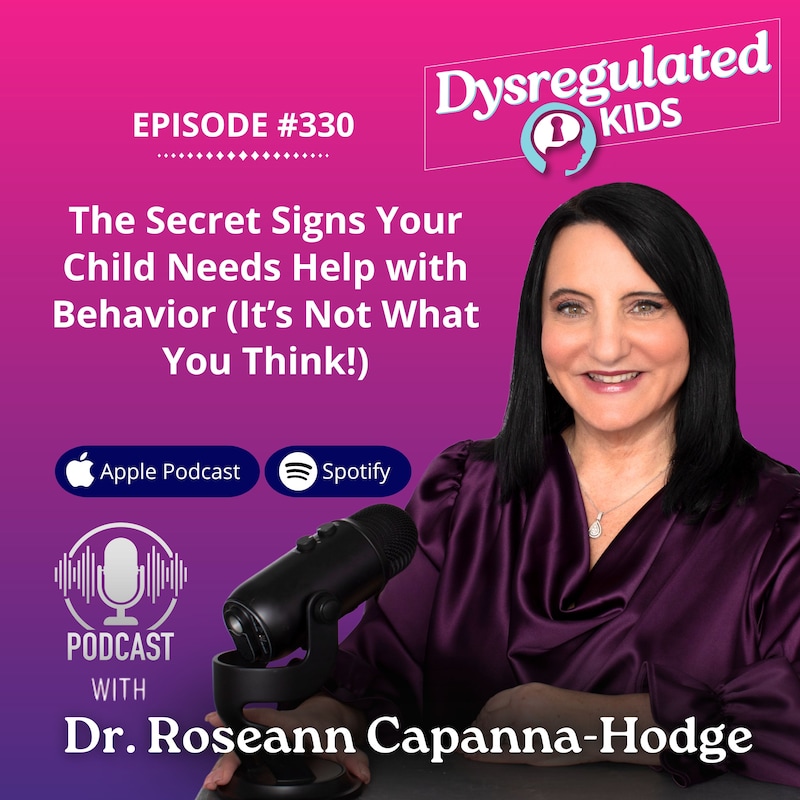
In this episode, I explain what your child's behavior may be communicating and how brain-based support can help create lasting change.
In this episode, you'll learn:
• Why behavior is often a sign of nervous system dysregulation
• The difference between under- and overstimulation
• How to identify patterns behind emotional reactions
• Practical regulation techniques for kids that improve focus and emotional control
Why does my child seem lazy, unmotivated, or shut down?
When your child needs help with behavior, it's easy to assume they're being lazy or oppositional. But many children who appear checked out are actually understimulated.
Common signs include:
• Zoning out frequently
• Difficulty getting started on tasks
• Excessive screen-seeking behavior
• Trouble transitioning between activities
• Low motivation despite capability
These behaviors are especially common in children with ADHD, anxiety, or depression.
One simple strategy is to focus on movement before demands. Instead of saying, "Get started now," try, "Do you want a timer or a little boost from me to get going?"
Small shifts like this often reduce resistance and increase cooperation.
Why does my child go from fine to furious so quickly?
Other children experience the opposite problem: overstimulation.
When the nervous system becomes overloaded, children may:
• Explode over small frustrations
• Refuse demands
• Shut down unexpectedly
• Struggle in noisy or crowded environments
• Become overwhelmed by textures, sounds, or transitions
A dysregulated child isn't trying to be difficult. Their nervous system is simply overwhelmed.
Behavior is communication. It's not bad behavior. It's a dysregulated brain.
When your child is dysregulated, it's easy to feel helpless.
Become a Dysregulation Insider VIP and get your FREE Regulation Rescue Kit: How to Stay Calm When Your Child Pushes Your Buttons and Stop Oppositional Behaviors.
Head to www.drroseann.com/newsletter and start your calm parenting journey today.
What should I do when these patterns keep happening?
When your child needs help with behavior, the most effective first step is becoming a behavior detective.
Track for one week:
• Time of day
• Food and eating habits
• Screen use
• Sensory overload
• Common triggers and transitions
Patterns often reveal what the nervous system is struggling to manage.
Another helpful strategy is priming transitions.
Instead of surprising your child with a demand, try:
"In five minutes we're starting homework. Would you like to stretch or do some breathing first?"
Offering choices creates a sense of control and reduces resistance.
How do I teach regulation before a meltdown?
Children build regulation skills during calm moments, not during crises.
Support self-regulation skills for children through:
• Daily movement
• Breathwork and tapping exercises
• Predictable family routines
• Consistent sleep and meal schedules
• Co-regulation with calm adults
Your calm becomes their model.
For many families, these simple regulation techniques for kids create significant improvements in emotional resilience, focus, and behavior.
🗣️ “Whether it’s anxiety, attention issues, or big emotions, there’s a clear path forward.” — Dr. Roseann
A Better Path Forward
When your child needs help with behavior, it's important to look beyond the behavior itself. Meltdowns, avoidance, and emotional reactions are often signals from an overwhelmed nervous system.
When we calm the brain first, learning, cooperation, and emotional growth become possible.
Need help figuring out the next step? Use the free Solution Matcher at www.drroseann.com/help and get personalized recommendations based on your child's unique needs.
FAQs
When should I worry about my child's behavior?
If behavior consistently impacts home, school, friendships, or family life, it's time to seek additional support.
How do I help my child with behavioral issues?
Focus on regulation before correction. Support the nervous system through routines, movement, co-regulation, and brain-based interventions.
How can I get my child assessed?
Start with your pediatrician and seek professionals who understand emotional regulation, executive functioning, and nervous system dysregulation.
What therapies work best for behavior challenges?
The most effective approaches address the root cause and may include neurofeedback, CBT, parent coaching, and regulation-focused interventions.
Dr. Roseann Capanna-Hodge helps parents understand emotional dysregulation in children and teaches practical nervous system regulation and co-regulation strategies through her Regulation First Parenting™ approach.