Shownotes
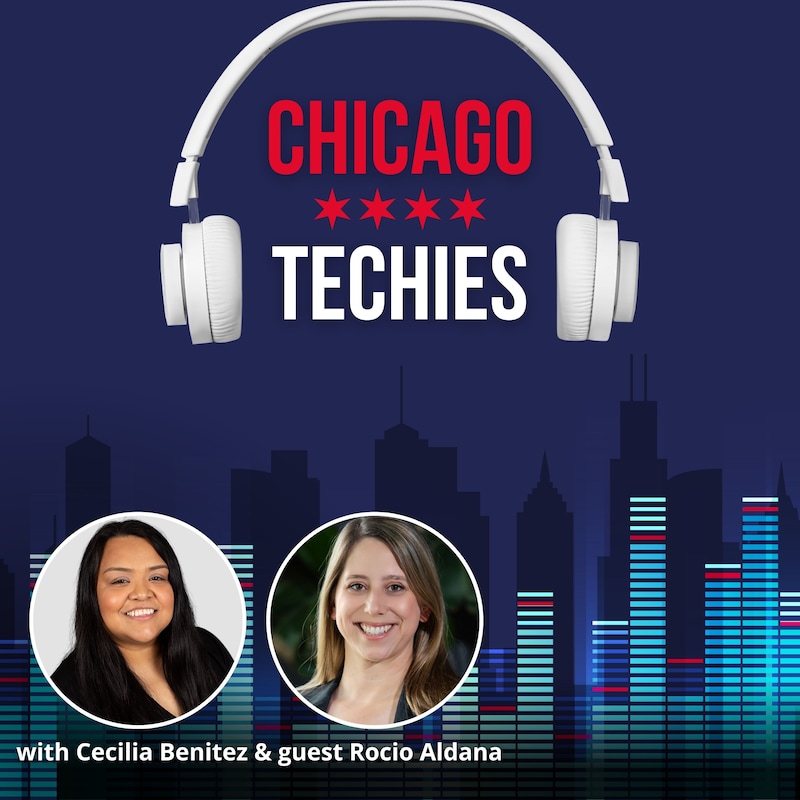
In this episode of Chicago Techies Podcast, I sat down with Rocio Aldana, co-founder and Chief Operations Officer of Pholeo, to talk about how she's bringing technology to the event planning industry.
We explored Rocio’s journey from corporate finance to entrepreneurship and discussed how Pholeo is helping event planners better manage budgets, vendors, and logistics through an all-in-one operating system. We also talked about the growing role of AI and how technology is changing the future of event management.
Another theme that came up throughout our conversation was the importance of community. Rocio shared how Chicago’s startup ecosystem has supported her entrepreneurial journey and why building strong founder networks is so valuable.
This episode is about innovation, entrepreneurship, and solving real-world problems with technology. If you're interested in startups, event tech, or hearing from founders building meaningful solutions, this conversation will definitely resonate.
Connect with Rocio:
Rocio’s Linkedin: https://www.linkedin.com/in/rocio-aldana-414765b5/
Pholeo website: https://www.pholeo.io/
Pholeo LinkedIn: https://www.linkedin.com/company/getpholeo/
Pholeo’s Instagram: https://www.instagram.com/getpholeo/
Connect with Chicago Techies Podcast:
Website: https://chicagotechiespodcast.com
LinkedIn: https://www.linkedin.com/company/chicago-techies-podcast
Instagram: https://www.instagram.com/chicagotechies
Connect with Ceci:
LinkedIn: https://www.linkedin.com/in/cbenitez87/
Instagram: https://www.instagram.com/cbenitez_87
Transcripts
Hello.
Speaker A:Hello.
Speaker A:Welcome to season five of the Chicago Techies podcast.
Speaker A:The podcast that highlights the voices of Chicago techies and their experiences.
Speaker A:This season is all about Chicago talent, founders, operators, creatives and tech professionals who are building, growing, and making things happen across the city.
Speaker A:I'm your host, Cecilia Benitez.
Speaker A:Thanks for joining us.
Speaker B:Foreign.
Speaker A:Thank you for joining me on this week's episode of the Chicago Techies podcast.
Speaker A:How are you?
Speaker B:I'm so good.
Speaker B:Thank you for having me.
Speaker A:I'm very excited to have you because there is definitely a whole story to how we know each other from a long time ago, but we're not going to dive deep into that.
Speaker A:We're going to dive deep into, into what you're doing and your work.
Speaker A:So let's start with introducing yourself.
Speaker A:Can you share your name, your pronouns, and where you're from?
Speaker B:Sure thing.
Speaker B:My name is Rocio Linda Aldana.
Speaker B:My pronouns are she, her.
Speaker B:Born and raised in Rockford, Illinois.
Speaker B:My dad is from Mexico.
Speaker B:My mom is third generation Swedish, and my title is co founder of Folio and chief Operations officer.
Speaker A:Awesome.
Speaker A:And for someone who is just hearing about Folio for the first time, what problem are you solving?
Speaker B:That's a great question.
Speaker B:We're solving a million problems in one.
Speaker B:But I would say the core problem that we're solving is an event operating system for logistics, event people.
Speaker B:So we are not a registration platform.
Speaker B:We don't manage your attendee communications.
Speaker B:There are a million and one tools out there for that that satisfy that need.
Speaker B:The gap that we consistently see, and I had been seeing for years and years and years is nobody ever thinks about the event planner.
Speaker B:Nobody ever says, do you have somewhere to manage your budget?
Speaker B:That makes sense.
Speaker B:Do you have somewhere to manage and produce your specs, your vendors?
Speaker B:And the answer has always been no.
Speaker B:So that is, that is the problem that we are solving.
Speaker A:I love it.
Speaker A:And before starting this company, like you have spent many years in this industry already and probably managed hundreds of events.
Speaker A:So can you share a little bit about your past experience and how you got here and the original idea for Folio?
Speaker B:Yeah, for sure.
Speaker B:I love talking about that because I like to say I've been in events, in hospitality since I was like five years old.
Speaker B:I think part of that is the Latino culture.
Speaker B:The side of my life and childhood with family and really on the Swedish side as well of the family gets together.
Speaker B:I'm the eldest daughter.
Speaker B:All of my early fondness, fondest memories are helping out my ts with cooking, like learning how to cook from my abuela, organizing Things on my mom's side of the family, making sure we've got enough seats for the table, it just like, it's like it's been in my bones as long as I can remember.
Speaker B: And so in: Speaker B:I had a focus in events and production and I had no idea where I wanted to go.
Speaker B:But I landed at this financial services firm and grew in the industry really quickly.
Speaker B:Learned a ton about corporate structure, learned how big the meetings and event industry really was.
Speaker B:Because in college and really outside of the industry, you kind of think of events as like, well, you're either a corporate event planner or you're a wedding planner.
Speaker B:People kind of have this idea of social and business.
Speaker B:And what I Learned for the 15 years at Blair was there are so, so many subcategories within that.
Speaker B:And I mean like what you and I were talking about just now, seat fillers for big organizations.
Speaker B:Like, it is a massive, massive industry.
Speaker B:And so I spent all 15 years at William Blair kind of doing everything under the sun that was related with events and hospitality, whether that was ordering, catering and figuring out the system behind getting stuff to the room where it needed to go, making sure we're not spending too much money on cater to as big as managing the largest conference that Blair hosts, which they still host today, their growth stock conference, managing one on one rooms.
Speaker B:And back to what is the problem that Folio solves.
Speaker B:I had no tools throughout this entire journey.
Speaker B:I think like many millennials, right?
Speaker B:I quickly taught myself some tricks on Excel.
Speaker B:I got very good at it.
Speaker B:But like nothing, nothing was there.
Speaker B:Cross checking me like there wasn't Salesforce logistics module for me to go in and say, how are we actually operating the day?
Speaker B:And Blair was also a pretty small firm when I was up and coming in it, so we didn't have a lot of access to project management tools either.
Speaker B:And so I didn't even have exposure to a teams environment on Microsoft until the pandemic.
Speaker B:So everything that I looked at was like research on my own.
Speaker B:Like, I loved CVENT at the time because it was the only event platform that had a logistics module that had reporting.
Speaker B:So it was kind of like I had this view of the industry knowing that there weren't any tools that really solved the problem.
Speaker B: And then come: Speaker B:He's calls me up and is like, I gotta talk to you about this app that I'm building.
Speaker B:And I'm like, you are what you're not a software engineer.
Speaker B:What app?
Speaker B:And we go on a walk and he's talking about this platform called Bubble.
Speaker B:And he's like, yeah, it's kind of like plug and play.
Speaker B:Like, you don't have to know code necessarily.
Speaker B:If you can have a systems mindset, like, you can teach yourself with this and YouTube.
Speaker B:And I'm like, not following along at all at this point in my life.
Speaker B:I don't have enough exposure to know what he's talking about.
Speaker B:But he finishes telling me all of this and then he pulls up his prototype and kind of walks me through it.
Speaker B:And like, it was essentially just a Kanban style organization tool.
Speaker B:But immediately I understood it.
Speaker B:I was like, oh, yeah, this is the day.
Speaker B:This is the meal that we're serving.
Speaker B:This is where an AV set needs to go.
Speaker B:You click into it, you get more details.
Speaker B:Like, this is.
Speaker B:I could not have painted this picture if I tried.
Speaker B:But you did, because you've been in events as long as I have and you had the curiosity.
Speaker B:So, like, it was like an immediate, like, I'm sorry, you.
Speaker B:You could just build this.
Speaker B:And he was like, you could build it too.
Speaker B:And it kind of founder.
Speaker B:I mean, pretty much.
Speaker B:Pretty much, yeah.
Speaker A:Yeah.
Speaker A:So, so then that was basically like the moment that you realize, wait, like, this could actually become something if I can help here and build it out.
Speaker B:Yeah.
Speaker B:And let's be clear.
Speaker B:I, like, I, I hesitated, right?
Speaker B:Like, I didn't say yes right away.
Speaker B: , what,: Speaker B:I was at like the, the height of my career.
Speaker B:Like, I was, I think, three years into being senior manager of the events team.
Speaker B:Like, I was like, oh, no, I'm.
Speaker B:I'm gunning for, you know, director, whatever.
Speaker B:The next step was next year.
Speaker B:And, you know, it would be stupid to leave all of this security on like a whim.
Speaker B:I don't know.
Speaker B:So my, my initial response was like, I'll give you money.
Speaker B:Like, I'm in.
Speaker B:You know what I mean?
Speaker B:Like, I can, I can invest, like, whatever.
Speaker B:And he's like, no, like, you, I really think you should do this with me.
Speaker B:And I was like, I don't know.
Speaker B: And then in: Speaker B:It was also the year I got divorced.
Speaker B:My brother had been sick for two years up until that point, and he was starting to do better.
Speaker B:And really when the impact of the layoffs kind of really hit me, where I started to kind of pick my head up and look around and say, based on everyone who Got let go in this last reorg.
Speaker B:I can see the writing on the wall of what I'm going to have to absorb, what I'm going to have to ask my team to absorb.
Speaker B:And is that where I want to put my energy, or do I want to try and put my energy into something completely new?
Speaker B:And it was just like everything in the universe was telling me, like, now is the time to take the jump and do it.
Speaker A:So usually something dramatic happens before, like, an exciting opportunity.
Speaker A:In this case, like a building opportunity comes about.
Speaker A:So that's awesome.
Speaker A:I mean, it's not awesome that all the things that happened to you, but it's awesome that you took the leap of faith and decided to say, hey, you know what?
Speaker A:I'm going to bet on you today.
Speaker B:And one of the things happened to me, it's life, right?
Speaker B:Everyone has major life events happen.
Speaker B:It's like, what do you do with that?
Speaker B:Do you turn it into something meaningful, or do you just put your head down and get through it and everybody's different?
Speaker B:And I could not tell you what made me insane enough to be the one that looks at all of that uncertainty and goes, give me more.
Speaker B:I want to be less certain now, actually.
Speaker B:I don't know.
Speaker A:You know, that's definitely one way to look at it, because I feel like I. I feel like I could relate to that a lot.
Speaker A:But I also see this, like, as a blessing in disguise, you know, for what your next.
Speaker A:This chapter.
Speaker A:I mean, we were just talking about all of the things that you are accomplishing and that you're doing in this community.
Speaker A:So I.
Speaker A:And it's really good to see you now around the tech community events.
Speaker B:Yeah, I know.
Speaker A:I knew you were William Blair, and I knew that, you know, you were kind of.
Speaker A:Sometimes our worlds collided, but it's.
Speaker A:It's great that you're fully in it and that this became an opportunity for you.
Speaker A:And honestly, what better person to be part of this project because of your background, 15 years is a lot, and you're bringing a really good operational complement to this startup.
Speaker B:Totally.
Speaker A:I'm just excited to see where you guys take it from here.
Speaker A:But I'm curious about those challenges as you're turning them into this operational technology platform of what you've learned.
Speaker A:So what are some of those biggest challenges that you've encountered so far?
Speaker B:I mean, there are so many.
Speaker B:I was thinking about this last night when you sent some prep questions over.
Speaker B:I could take that question any direction.
Speaker B:We could talk about AI for the next 30 minutes, and I will Say a little bit on that, because when we started to, I mean, we've been using ChatGPT since I started here and it's been an amazing tool, right?
Speaker B:It helps me synthesize systems, it helps me take all of my brain dump into something that is usable and delegatable.
Speaker B:But like me not having direct knowledge around development, that being like the newest skill set that I've been exposed to, I really, really had to lean on Greg, my co founder, who is in charge of product essentially, and then Michael, our developer, to give me the reality of kind of what they're doing in bubble, where they're facing challenges and whether or not AI native coding would help or not.
Speaker B:And it's like the tool wasn't the challenge, it was the making the decision that was the challenge.
Speaker B:Talk about unknown.
Speaker B:You know, at the beginning of the year, everybody was basically like, if you're not on the train, like you, you've already failed.
Speaker B:Like, get off now.
Speaker B:Don't even bother showing up in February.
Speaker B:And we, we have been incredibly, incredibly lucky to have like the right mentors in our lives.
Speaker B:And in this instance, Aran is our angel investor.
Speaker B:So the only, the only funding that we've taken is this angel.
Speaker B:Part of his investment is also bi weekly coaching.
Speaker B:And he literally just kind of lets us drive.
Speaker B:We give him some updates, we tag him in when we have questions, but he is very, very good at systems and coding.
Speaker B:That's where he came from.
Speaker B:So when the AI train was rolling down the station, Greg and I had to sit and say, what do we do?
Speaker B:And we finally, well, not finally.
Speaker B:We had plenty of conversations with Aran about it.
Speaker B:Is it the right time?
Speaker B:Is it the wrong time?
Speaker B:And he has been like the steady force through the chaos because Greg is the entrepreneur.
Speaker B:Like he is forever the entrepreneurial creative butterfly.
Speaker B:Like, we always joke if Greg has a weekend of free time or like it's his like kid free weekend, watch out because he's gonna show up on Monday with some new app or brand new module the roadmap is gonna have.
Speaker B:So all of the stereotypes of the uber creative kind of chaotic entrepreneur, he fills them.
Speaker B:So it's challenging because I am a systems, I like things consistent kind of person and the chaos and the drive is really what you need in this industry.
Speaker B:So Greg challenges me to constantly be stepping out of my comfort zone.
Speaker B:But back to Iran.
Speaker B:Aran is like the professional that validates the reality versus the, what do we want to call it?
Speaker B:The chaos train.
Speaker B:Right.
Speaker B:Like, is Greg having this epiphany because the latest tech podcast, the last three episodes he listened to were saying, get on the train or you're going to fall off.
Speaker B:And is that reality or is it actually not quite that fleshed out?
Speaker B:And so Iran was able to work with us to, say, guide us in how to start to integrate AI native coding.
Speaker B:He's the first person that introduced that term to us because before we would show up and say, like, oh, we Vibe coded this, we vibe coded that.
Speaker B:Like, Rocio made her first app yesterday.
Speaker B:And he was able to use his systems mindset to kind of push us further and say, but, like, what did you actually do?
Speaker B:Like, what were the prompts you used?
Speaker B:Where are you hosting your information?
Speaker B:What does your database look like?
Speaker B:And really just expose cracks and gaps that we wouldn't even know.
Speaker B:We had to then be able to say, that's where you need to be integrating your AI.
Speaker B:This is where you're slowing down.
Speaker B:This is where AI can help.
Speaker B:This is where you have a risk.
Speaker B:So because of that, we've been able to really run with that.
Speaker B:But it's a challenge every day.
Speaker B:It's like, you never know if you're doing anything right, as usual.
Speaker B:Yeah.
Speaker A:Everybody.
Speaker A:Everybody's in this industry is trying to kind of make it work.
Speaker B:Yeah.
Speaker A:But I'm glad you guys got on the train because it's not totally wrong.
Speaker A:I mean, I don't love it because there's a lot of complicatedness to AI, to environmental issues, to data centers, and it's a whole can of worms.
Speaker A:But at the end of the day, it is still some.
Speaker A:That a great tool that is needed for this industry to continue to grow at this pace that it's doing.
Speaker A:Totally.
Speaker A:So, yeah, it is the future of venture capital also.
Speaker A:So I.
Speaker A:And we can talk about that for hours.
Speaker A:It's not something that I'm super proud of or love, but it's something that is just.
Speaker A:We just kind of have to.
Speaker B:It is part of the industry.
Speaker A:Totally.
Speaker A:It is part of the industry and it is part of, you know, but all the other questions about, you know, impact and is still.
Speaker A:It's also legitimate.
Speaker A:So we have to kind of find a medium where both can exist.
Speaker A:And in this industry specifically, I mean, in order for you to grow, you need the best tools, and AI is definitely one of them.
Speaker A:So, yeah, you would not be on the train if you didn't get it.
Speaker A:But I'm curious, so do you all already have customers or pilots or anything where you're learning and iterating from any customer feedback?
Speaker B:Yeah, yeah.
Speaker B:Definitely.
Speaker B:It's interesting because we're not at the point where we can iterate super well on customer feedback, but we do have customers.
Speaker B: n through Folio was August of: Speaker B:We managed or our software supported the food and beverage lead for Cisco GSX through an agency and that was a couple million dollars of food and beverage.
Speaker B:And I mean we launched the tool live that June and by August we're running a huge event.
Speaker B:Remember, I am in events.
Speaker B:The biggest event I ever did was 3,000 people.
Speaker B:This one, three months, four months into my time with Folio was what, like 20, 15,000 people.
Speaker A:Wow.
Speaker B:Yeah, it was huge.
Speaker B:So I really had to learn a new branch of the industry alongside how we're using the tool, how we think the customers are going to use it versus how they actually use it.
Speaker B:So it's been really fun to be the customer, I've always been the Folio customer.
Speaker B:But to then consistently be putting it out to work in the field and say what people actually do or don't do with it.
Speaker B:I think the biggest surprise from seeing it in customers hands has been the through lines that event planners have without even knowing that they have them.
Speaker B:Because the industry doesn't have a logistics module that is widely accepted.
Speaker B:Everybody is kind of cobbling together their own spreadsheets and word documents and everyone has a process.
Speaker B:Events are massive.
Speaker B:You have to have some kind of process, but the consistency and data behind those processes is absolute garbage.
Speaker B: So it's July: Speaker B:So come this August we will have two years worth of customer data in the platform.
Speaker B:And within year one we were able to kind of identify what elements are consistent across all events and literally bake that into our service product.
Speaker B:So the software we've kind of updated and iterated just from like wish list items.
Speaker B:But how we support that software like that has been 100% informed by the customer.
Speaker B:What is the piece of the software that they don't understand and is that something that we can solve in product or is it something that is going to have to be service supported?
Speaker B:And we leaned in hard to service supported and like sassy rules will slap me on the wrist for that.
Speaker B:Right?
Speaker B:Like it should be autonomous, you should be able to hop in the tool and it should you not need a person.
Speaker B:I'm a hospitality individual.
Speaker B:Like I can't, like it's in my bones, you know.
Speaker B:So like the idea of not having a literal person on the other end of the phone or computer, right, to hop on a zoom call and say, like, I don't know, man, I can't find, like my budget doesn't make sense.
Speaker B:I think I lost the computing whatever.
Speaker B:And to have an actual person there and it's baked into the software cost that you bought.
Speaker B:Like you bought a package, it comes with your licenses and it comes with the support that you actually need to onboard.
Speaker B:Like I could not have built that package without actually supporting live customers for six months before ever putting pen to paper for sure.
Speaker A:No, that's, I mean it's embedded in your being like the need to be, to have an individual.
Speaker A:Right.
Speaker A:Total.
Speaker A:Okay.
Speaker A:So you mentioned that you have an angel investor already.
Speaker A:So one of my questions was about funding.
Speaker A:So I'm curious.
Speaker A:So with this angel investment, is the idea to continue to grow or expand sales or whichever?
Speaker A:Or are you also looking into the future already into thinking about maybe a pre seed round or a seed round or where are you at in terms of readiness for either growth or more funding?
Speaker B:Great question.
Speaker B:The answer to that changes every three months.
Speaker B:I knew enough to be dangerous about venture capital.
Speaker B:Having worked at Blair as long as I did, I was in operations and general office.
Speaker B:But you know, I listen, I learn.
Speaker B:I supported enough of the investment banking meetings to have a general idea of how it goes.
Speaker B:But from day one, you know, Greg and I decided we did not want to go the VC route.
Speaker B:Like we wanted to bootstrap and build as much as humanly possible.
Speaker B:And so part of what we've had to learn is the difference between growth and scale.
Speaker B:The difference between are we ready?
Speaker B:Do we have enough grit to continue working versus do we have the money?
Speaker B:Would the money actually help the problem or not?
Speaker B:So I mean, talk about building the plane while you're flying it.
Speaker B:We were literally, we've been answering these questions without even knowing that they were questions we needed to ask until we hit this break point of like, Rocio was traveling for 40 days.
Speaker B:Greg was out for 15 of those 40 and he's going to be out the next whatever it's like, this is what bootstrapping looks like because the event services brings in revenue.
Speaker B:But is it enough?
Speaker B:Is it profitable enough for it to actually help us with growth or is it actually hindering our growth?
Speaker B:So two years in, that's the million dollar question, is what is next?
Speaker B:How do we continue to grow and scale?
Speaker B:We do not have plans to do any kind of funding that could change three months, six months, you know, but right now the plan is to continue bootstrapping as much as possible.
Speaker B:We are on track to Be profitable At the end of the year.
Speaker B:We already hit our revenue goal.
Speaker B:We were gunning for 700,000 and we just closed 800,000 about a week ago.
Speaker B:So we got the revenue.
Speaker B:Yeah.
Speaker B:Thank you.
Speaker B:It's very exciting.
Speaker B:And also it's miserable because there's six of us and we're building and answering these questions.
Speaker B:And also I'm really proud of this.
Speaker B:Everybody on our team has full health benefits and we also do 401k matching.
Speaker A:Wow.
Speaker B:And like, yeah.
Speaker B:Talk about.
Speaker A:So I was going to ask.
Speaker A:You already paid yourself?
Speaker B:Yes.
Speaker B:And I take a paycheck home.
Speaker B:Yeah.
Speaker B:So.
Speaker B:And having managed event budgets and budgets for cafeteria, like I understand a P and L enough to be dangerous.
Speaker B:Obviously this is the first time where I don't have corporate money behind it, like, it's all mine.
Speaker B:But I do consider that, like, yeah, I've been able to take a paycheck home since I started.
Speaker B:I've never not had a paycheck.
Speaker B:I started really low.
Speaker B:I started really conservatively.
Speaker B:And today I salary out enough to cover my living expenses, enough to like, I don't necessarily put anything into savings, but that's also something that I consider as like an expense lever.
Speaker B:Like if we run into trouble, like, well, I, as part owner, it's my responsibility to say like, I don't get paid this month like you guys do.
Speaker B:So.
Speaker B:Yeah, it's, it's interesting.
Speaker B:It's a challenge that I feel like looked a lot easier from the outside and is much more challenging to manage when you're actually doing it.
Speaker A:I'm sure.
Speaker A:And don't worry, nobody has enough to save anymore.
Speaker B:Right?
Speaker B:Yeah, exactly.
Speaker A:In this economy and there are worse and all the things that this.
Speaker A:You know what, we're not going to go there.
Speaker B:But I know I have a 401k.
Speaker B:I have some really good investments.
Speaker B:I started again.
Speaker B:I was really lucky when I started at Blair.
Speaker B:Somebody saw me as a 22 year old person setting up coffee and was like, hey, are you on our investment portal?
Speaker B:Have you signed up for profit sharing?
Speaker B:Have you signed up for this, this, this?
Speaker B:And I was like, no, I can't.
Speaker B:I need every penny of my paycheck.
Speaker B:I literally can't pay my bills right now.
Speaker B:And they're like, I know it feels that way, but I promise you that even if you put away $100 of your paycheck today, like your, your future self will thank you.
Speaker B:And I remember thinking like, okay, yeah, it's just like savings.
Speaker B:I'll.
Speaker B:I'll put it away 100 extra bucks is like, you know, 10 less drinks at Sidetracks next week.
Speaker B:Like, that's fine like that.
Speaker B:Especially at 22.
Speaker A:Yep.
Speaker A:Right, right.
Speaker B:And yeah, and they were right.
Speaker B:Like, I would, I would not be able to take the risks I'm taking right now if I hadn't gotten that advice.
Speaker A:Yeah.
Speaker B:So, yeah.
Speaker A:Thank you, kind stranger.
Speaker A:Right, right.
Speaker A:No, that's great.
Speaker A:I mean, good for you.
Speaker A:I'm glad that you're able to do that.
Speaker A:But I mean, compared to many other startups in the first two years, sometimes they wait longer to get their first paychecks and, you know, depending on what they're building and how they're managing their expenses.
Speaker A:But still like this, I think you're well ahead of that curve.
Speaker B:Thank you.
Speaker B:Thank you for saying that.
Speaker B:I need to hear that more often because I constantly feel like I'm behind.
Speaker A:You're not.
Speaker A:Trust me, you are not.
Speaker A:Well, I love that you're building here in Chicago.
Speaker A:I always talk about Chicago because it's literally my job to make Chicago the best city in the world.
Speaker B:For sure.
Speaker A:Yeah.
Speaker A:I'm excited that you're here.
Speaker A:I'm curious on how you've leveraged the city's startup ecosystem or how it has influenced you in this journey as a founder.
Speaker B: was able to have exposure to: Speaker B:So again, just by being in Chicago, I had so much more exposure to the tech scene here than I think a lot of people have the opportunity to.
Speaker B:So, like, I also have traveled to San Francisco and New York plenty.
Speaker B:So the meetings and events that I've produced have brought me to all of the industries.
Speaker B:So I'm able to see the infrastructure in San Francisco and see how it compares to Chicago.
Speaker B:And honestly, I liken it to living in either city.
Speaker B:I love San Francisco.
Speaker B:It's awesome.
Speaker B:I love all of California.
Speaker B:But for how much it costs for what you get for the space, like, Chicago is a million times better.
Speaker B:We have the lake, we still have water, we have seasons.
Speaker B:And from a technology perspective, maybe there are fewer incubators, but like, the spaces are there.
Speaker B:Like, there are so many co working spaces, there are so many networking opportunities.
Speaker B:Like, when I started this journey, I thought, you know, number one, am I going to struggle to even find networks to talk with?
Speaker B:And number two, are there places that we can go?
Speaker B:And I mean, before I even started looking, Greg had a laundry list of online and in person communities that he already was working with.
Speaker B:That one of which is where he found the angel investor.
Speaker B:Um, and, like, there are Founder Fridays.
Speaker B:Like, the opportunities are infinite in Chicago.
Speaker B:Like, somebody asked me actually on the panel on Monday if I ever considered moving to San Francisco, and I was like, no.
Speaker B:Why.
Speaker B:Why would.
Speaker B:Why would I pay 12 times as much with, like, a bunch of tech bro competition when, like, everything's here?
Speaker B:Chicago's amazing.
Speaker A:Yeah.
Speaker A:It just doesn't get the, like, the rep that it deserves, you know, But.
Speaker A:But we do have the mentors.
Speaker A:We have the communities, we have all the organ stations are trying to help.
Speaker A:So it's.
Speaker A:It's definitely a startup city.
Speaker A:I mean, I think we have o'.
Speaker B:Hare.
Speaker B:Like, we are centrally located in the United and Midway.
Speaker B:Right.
Speaker B:We have two major, major hubs that, like, you can fly direct to literally anywhere in the world, you know, almost from Chicago.
Speaker B:So, like, if something is so important and you can only get it in Silicon Valley, like, all right, it's a quick flight, and the flight is basically like a bus.
Speaker B:It leaves every, you know, two hours on the hour.
Speaker B:So.
Speaker B:Yeah.
Speaker A:And I mean, nothing beats the affordability, especially if you're a traveler.
Speaker A:Like, even you can have a whole team here for, like, a fraction of the price of what you were paying in San Francisco because of living expenses and all that.
Speaker A:So I don't know how people sleep on Chicago.
Speaker A:I really.
Speaker A:It really baffles me that, that, I mean, I get the venture money is like, in New York and.
Speaker A:And San Francisco.
Speaker A:But at the end of the day, those are not the only two places that you can build.
Speaker A:I think we need to do a better job at getting the word out.
Speaker A:I know that we do struggle with serious a money.
Speaker A:I think most of the money that we were able.
Speaker A:Anyone can start here.
Speaker A:And pre seed and seeds usually are.
Speaker A:You can get them in Chicago.
Speaker A:I think it's serious A and above.
Speaker A:That really is a challenge here.
Speaker A:But just betting on founders more often from the investor side is something that they need to work on.
Speaker B:Yeah, definitely.
Speaker A:That's a conversation for another day.
Speaker B:Well, a little plug for Chingona Ventures.
Speaker B:I think she said that they're at 53 million now.
Speaker B:And again, that's their whole mission, is be that first investor.
Speaker B:Stop, open up the gate.
Speaker B:Somebody has to do it first.
Speaker B:They are really taking the plunge and doing it more of that.
Speaker B:We need more of that in Chicago.
Speaker A:Yeah, absolutely.
Speaker A:I love Samara.
Speaker A:That whole team is great.
Speaker A:Okay, so I want to talk a little bit about your just leadership in general, because I feel like you've been a leader in different ways.
Speaker A:In your corporate career.
Speaker A:But now as a founder, I'm sure that there are some differences of just how you operate your business and how you lead your team.
Speaker A:So how has that evolved over the years for you?
Speaker B:Sure.
Speaker B:I think one of the things that I missed the most after leaving was the.
Speaker B:After leaving corporate was the notoriety.
Speaker B:Like, I forgot what it felt like to be nobody.
Speaker B:Because working in a financial services firm for that long and a small one, right.
Speaker B:By the time I left, the firm was just over 2,000 employees globally.
Speaker B:When I started, it was around 900.
Speaker B:So you work somewhere for 15 years.
Speaker B:Like, you.
Speaker B:You know, 2,000 people, especially if you're in the services side of the industry.
Speaker B:Like, people needed to know me if their catering was late, if they, you know, wanted to get connected to a speaker, if they wanted a hookup at the Four Seasons, because that's where we held our meeting, and I could get discounted rates.
Speaker B:It was like, I. I spent so much time building that up and learning that that when I left, I forgot that that doesn't go with you.
Speaker B:And not completely.
Speaker B:Right.
Speaker B:Like, of course it does.
Speaker B:I still have, like, industry contacts.
Speaker B:I still know the world.
Speaker B:There are people that I can call.
Speaker B:But walking into the tech space, nobody knows.
Speaker B:Nobody knows me.
Speaker B:Nobody cares that, like, I stayed at the Peninsula for, you know, $199 a night.
Speaker B:Like, they might care if they got into that conversation.
Speaker B:But, like, my.
Speaker B:My clout was basically gone, and I had to start that over.
Speaker B:And with that comes the respect that I had spent so much time earning as a leader, as a team leader.
Speaker B:And I have always considered myself just a natural leader.
Speaker B:Like, I don't lead because I enjoy it or because I want the notoriety or I want to be in charge.
Speaker B:Quite the opposite.
Speaker B:I don't really want to be in charge, but I tend to fall into leadership positions because I listen, and I am so voraciously curious about how people operate and what motivates them that people just tend to follow me.
Speaker B:I was actually in Japan with a client group.
Speaker B:There was 10 of us going out for a drink after the event that we produced.
Speaker B:And I just kind of confidently said, let's go this direction.
Speaker B:I think this is where we should go for our next evening activity.
Speaker B:And one of the guys was like, yeah, that sounds great.
Speaker B:You know what you're doing.
Speaker B:I will follow you anywhere.
Speaker B:And there started to become this joke of, Rocio's the leader.
Speaker B:Rocio's in charge.
Speaker B:I don't really know where she's going, but it doesn't matter.
Speaker B:I Trust her.
Speaker B:And these are some clients that I've only worked with a handful of times.
Speaker B:So I guess that's a long way of saying what I discovered about my leadership style is that I have a lot of just built in innate qualities that make me a natural leader.
Speaker B:And so I've really been trying to lean into that as much as possible.
Speaker B:Peeling away the mask of what part of my leadership was corporate, what part of it was learning how to walk into the Four Seasons like you belong there.
Speaker B:When you grew up going to the Comfort Inn, if you were lucky to, like, what's the reality and the core behind that, like maybe the Four Seasons me is a little bit of a mask, but like the curiosity and the intentionality between me and my team and how I like to elevate everybody, like, that's all me.
Speaker B:So it's been fun to rediscover myself a little bit without anything other than like, me and what do I want to do?
Speaker A:Yeah, well, I love that.
Speaker A:That is a very self aware, really thoughtful answer, I think.
Speaker A:I mean, just even in this conversation, I can already see the humbleness, the adapting qualities, the resiliency that you carry.
Speaker A:So I appreciate that.
Speaker A:Thank you for sharing.
Speaker B:Yeah, of course.
Speaker A:Back to Folio.
Speaker A:I'm curious about your vision for it.
Speaker A:It's been a couple of years now and obviously you're at this intersection of how do we evolve from here, how do we grow scaling all these questions.
Speaker A:I'm sure that you'll probably have no answers tomorrow, but I'm curious if it was up to you, where are you seeing Folio in the next couple of years?
Speaker B:Yeah, no, I have the answer.
Speaker B:Totally.
Speaker B:We want to scale and build.
Speaker B: The goal is to sell around: Speaker B:So I have to put systems in place and make sure that the business side of things are buttoned up to make sure that we are ready and available and attractive buyers.
Speaker B:And Greg, his job is to be the rainmaker and sell and get us that growth bootstrap and money.
Speaker B:That's the easy answer, right?
Speaker B:The harder answer is what does a service supported SaaS revenue mix actually look like that's going to get us the multiples that we want to exit with.
Speaker B:And that's really hard because there is no money in event services.
Speaker B:Like if you're, if you're making 20% margins on any event services production work, like you're doing really, really well.
Speaker B:And that is a hard, hard number to put next to SaaS reven or SaaS margins.
Speaker B:So the mix makes sense.
Speaker B:Right?
Speaker B:The hospitality side of it is something that we want to keep.
Speaker B:So the question that I have to solve that my team and I are working on aggressively, is what is the right mix of revenue from event services?
Speaker B:What is the right price point for our software and the services that support the software?
Speaker B:And how do we get that in the door?
Speaker B:How do we make sure it keeps growing year over year?
Speaker B:How do we make sure we continue to support our customers as AI evolves?
Speaker B:How do we make sure we're continuing to integrate AI?
Speaker B:Is it in platform?
Speaker B:Is it just tools that we use?
Speaker B:There's so.
Speaker B:There's just.
Speaker B:There's just so many options and there's so many ways to do it.
Speaker B:It's like the hardest thing is like just picking one and putting your head down and trying it and knowing that you might pick the wrong one, but you're going to learn at least why it was wrong when you pick another lane the next time.
Speaker A:Well, does it give you comfort to know that usually founders iterate their product 10 or 15 times before they actually land?
Speaker B:That does.
Speaker B:Yes.
Speaker B:It's hard.
Speaker B:It's hard for me.
Speaker B:It resists my.
Speaker B:Everything in my body resists it.
Speaker B:Of like, oh, like we, we did.
Speaker B:We're doing this way.
Speaker B:We gotta keep doing this way, you know, And Greg's like, nope, we're trying this now.
Speaker B:And I'm like, okay, I can do it.
Speaker B:We can do it.
Speaker B:And we do like we do every time.
Speaker A:I'm cheering you on.
Speaker A:You can do it.
Speaker B:It's.
Speaker A:It's definitely.
Speaker A:Yeah, that's the skill set.
Speaker A:You know, adapting to change and trying to just figure it out is compared to, like, you know, it's always been this way and this is where it's not broken.
Speaker A:Why are we trying to fix it?
Speaker A:It's hard to do that.
Speaker A:Yeah.
Speaker B:Yeah.
Speaker A:Well, I'm excited for you guys.
Speaker A:I'm excited for.
Speaker A:To continue to see it evolve.
Speaker A:I think it's awesome that you already had this, you know, this conversation about funding and how you did.
Speaker A:You wanted to bootstrap.
Speaker A:I think.
Speaker A:I think that's honestly the best way to go if you don't have to raise, don't like.
Speaker A:I feel like that's something that a lot of founders, you know, mistakes they make early on is thinking that they need all this money when they really don't, and then they see it down the line that there's not enough wrong way anymore because they're just spending, spending, spending, and they weren't really thoughtful on why or knew had a strategy.
Speaker A:And I feel like just being smart about it, about your needs and what it is that you actually want to do.
Speaker A:Is it growth?
Speaker A:Is it scale?
Speaker A:Is it anything?
Speaker A:And having those differences is really smart.
Speaker A:So I am proud of you guys for doing that.
Speaker B:Thank you.
Speaker A:But that doesn't.
Speaker A:That doesn't also.
Speaker A:Well, I mean, you guys are probably llc, right?
Speaker A:It's not necessarily a llc.
Speaker A:Yeah, I don't really know if there is, like, any grants for this kind of work because it's a for profit, so probably not.
Speaker A:But there are sometimes incubators and accelerators that offer women founders, you know, like, grants for building their products and whatnot.
Speaker A:So make sure to be on the lookout for those.
Speaker A:Okay, well, if anyone is interested in learning more about you or your company or anything about Folio, how can they connect with you and where can they find you?
Speaker B:Yeah, definitely.
Speaker B:I'm on LinkedIn.
Speaker B:So is my co founder, Gregory Perrine.
Speaker B:Both of us, he's a little way more active than I am, but that's the best place to reach either of us.
Speaker B:We check our DMs regularly and obviously visit our website, Folio IO and that's Folio with a phone.
Speaker B:Great.
Speaker B:We also are on Instagram and TikTok.
Speaker B:That's more fun stuff, though.
Speaker B:So LinkedIn and the website is definitely the best place to get in touch with us.
Speaker A:Sweet.
Speaker A:And before I let you go, I'm actually really curious about how your tech week was.
Speaker A:So share about all the things that you did, the panels you were at, because I know you were at one at least.
Speaker A:And just how was your tech Week?
Speaker B:Yeah, I mean, unfortunately, the panel was the only event I got to go to live.
Speaker B:So the rest of my tech week was a lot.
Speaker B:A bit of FOMO of watching everything on LinkedIn and social media.
Speaker B:Yeah, the FOMO side of it was the experience, but the really exciting side of it was entering it through the Latino lens for the first time.
Speaker B:In the past when I've participated in Tech Week, it's been from an events perspective or from like, financial services client perspective, you know, very marketing lens.
Speaker B:Like, what could the firm's clients, like, Lean?
Speaker B:What events could we do for our customers?
Speaker B:So, like, this was really the first year I had the opportunity to participate fully and to, like, go in and like, find my lane.
Speaker B:And I. I got to tell you, like, it still blows my mind.
Speaker B:The massive scale of Latino presence and the amount of women has just been so refreshing to see.
Speaker B:I'm really excited for the next one because I feel like I didn't know enough this year going into it to maximize and I got the right amount of exposure, the right amount of FOMO to know.
Speaker B:Okay.
Speaker B:I'm setting my calendar for next year to make sure I get into it and I block time and I make sure I get to the stuff I want to get to for sure.
Speaker A:And I should have reached out to you.
Speaker A:I totally forgot we had a start out pitch competition for LGBTQ founders and I got a chance to go and be a judge and welcome everybody because Rob is a Chicago sponsored it.
Speaker A:But when I got the invite that it was like, hey, we're looking for founders to apply.
Speaker A:It wasn't until it already closed but anyway I should have do that.
Speaker A:But be on the lookout for those because for those they're just competitions and you could easily get a nice 15k check, you know, to build your startup and whatnot.
Speaker A:So I did get a chance to go to a Latinas in tech and Tequeria event too at the LinkedIn office.
Speaker A:It was really cool.
Speaker A:I love going to all of the Latino ones because I feel like that's where you feel the most at home.
Speaker A:Honestly, for me it feels like where I'm like where I can, you know, I can, I can just let be me on that because not in every space you can't be you and really know where spaces.
Speaker B:But totally.
Speaker B:No, I feel that like I always like to preface this with like I am white passing, you know, like I can step into spaces a lot more easily than a lot of other Latinos can.
Speaker B:But that doesn't mean I feel at home, you know.
Speaker B:And like I very much felt that at that panel on Monday.
Speaker B:Like I remember sitting up with those women and even though everybody's at very different stages in their career and doing very different amazing things, I still felt like I belonged.
Speaker B:Like I didn't, I didn't feel like I was just, you know, there is like the token anything.
Speaker B:I felt like you all are on the same journey that I'm on.
Speaker B:You know, we're just in different parts of it and like I'd never felt that before.
Speaker B:Never until that Monday.
Speaker A:Love that.
Speaker A:I'm glad you got to go.
Speaker A:And I, we should do someone.
Speaker A:We should do one next year together or something.
Speaker A:We should plan something and you definitely need to come to one mc.
Speaker B:Yeah, I would love to.
Speaker A:Awesome.
Speaker A:We'll welcome you.
Speaker A:I'll send you more information after this and everything that you share about your, your, the company, the website, the LinkedIn, everything will be on the show.
Speaker A:Notes and yeah, but thank you for joining me.
Speaker A:Yeah.
Speaker A:So excited for you.
Speaker A:And I'm continuing to see you guys grow.
Speaker A:I'm excited to see it.
Speaker B:Thanks for having me and thanks for like, doing the podcast.
Speaker B:Like, you have so many episodes.
Speaker B:You have so much, like, good information.
Speaker B:Like, I'm.
Speaker B:I'm also very proud of you.
Speaker B:So, like, thanks.
Speaker B:Yeah, it's been awesome, really awesome to see.
Speaker A: This has been a project since: Speaker A:I've taken a couple of years break sometimes, you know, where the twins were born.
Speaker A:But yes, I like to bring it back every.
Speaker A:Every once in a while to, like, talk to him.
Speaker A:Really.
Speaker A:These are just conversations with my friends, conversations, people that I meet, and I think they're helpful for some.
Speaker A:You know, we have definitely at least four listeners out there, so.
Speaker A:Yeah.
Speaker A:But anyway, thank you so much.
Speaker A:Have a good rest of your week and we'll talk soon.
Speaker B:Sounds good.
Speaker B:Thanks.
Speaker A:Thank you for listening to this week's episode of the Chicago Techies podcast.
Speaker A:If you enjoy listening, don't forget to subscribe, share and leave a review on itunes.
Speaker A:Let's continue the conversation on social media.
Speaker A:We are Chicago Techies on all social media platforms.
Speaker A:Thank you again and we'll see you next time.