Shownotes
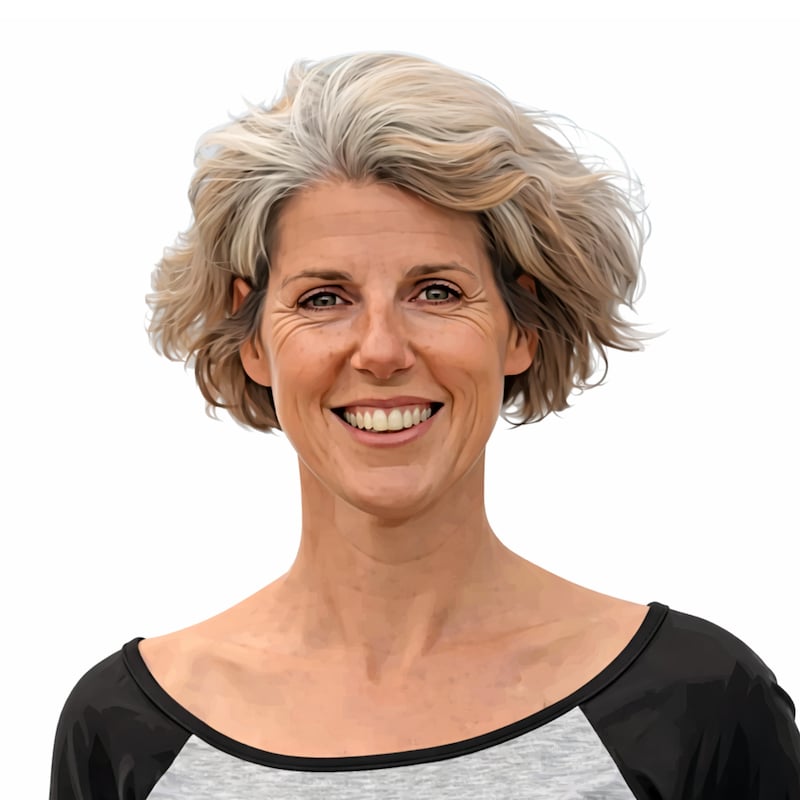
Emily King is a multiple-time national stand up paddle boarding champion and coach whose life was drastically changed by a dog attack that nearly killed her while she was driving a horse-drawn carriage for a wedding.
In this episode of Life by Misadventure, Emily shares an outline of what happened, then talks about what recovery looked like in real life, including fear, PTSD, and finding steadiness again through time on the water.
Emily leaves you with a quiet reminder that moving on is not about pretending it never happened, it is about learning what helps, leaning on the right people, and choosing small actions that build confidence back.
About the Show
Life by Misadventure is hosted by David Brown and features honest, engaging conversations with interesting people about life, loss, resilience, ideas, and the experiences that shape us.
Connect with David on LinkedIn:
https://www.linkedin.com/in/4dmbrown/
Watch on YouTube:
https://www.youtube.com/@lifebymisadventurepod/
Listen on Apple Podcasts:
https://podcasts.apple.com/gb/podcast/life-by-misadventure/id1782077287
Listen on Spotify:
https://open.spotify.com/show/6Z1MszCU19QglChFb11Pw2?si=98ab1a34db074b3d
Transcripts
And then I just felt this absolute sense of it's hopeless. And your body just goes really calm at that point. It's really weird. It's just. And then I look down and see these two dogs.
It's the longest moment of my life.
David Brown:Hello. Welcome to Life by Misadventure. I'm your host, David. And today we have Emily King with us.
Emily King:Hi.
David Brown:Hi, Emily. Emily has a very interesting story and something that has happened to her in her life. And I really.
I was referred to her by her husband Alan, who you've heard the conversation with already. And I really wanted to talk to Emily again about how she's been able to move on.
You know, we've all had crazy things happen to us in our lives and this is definitely a crazy thing. And. Yeah. So I think we just get into it.
Emily King:Sounds good.
David Brown:So tell us a little bit about your life before the incident.
Emily King:Oh, gosh.
David Brown:What were you doing? What was your life like?
Emily King:Yeah, it was completely different. My life was probably quite idyllic to a lot of people.
I was in rural Britain, rural England, and I was living on a farm and I had horses and dogs and sunsets and everything that a good old fashioned country girl would, would have wanted. I had some beautiful horses. I had a farm. I was working as an FE lecturer, which was an agricultural college lecturer.
David Brown:Okay.
Emily King:And yeah, great family, great friends. Everything was going really, really well and I was happy. I was really, really happy.
David Brown:Okay, and were you, when you say you had horses, were you like showing horses and stuff or were like working horses or.
Emily King:So I always grew up with horses and horses were my thing. I always wanted to work with them.
And over the years I competitively rode horses, but I also then went on to find that I wanted to do new things with them. And I started carriage driving. And that was really good fun learning that skill.
And again, part of being rural, driving around country lanes, through woodlands, a lot of fun. But horses are quite expensive, so the more I had, the more expensive it got.
But actually, the more I opened up to thinking, well, actually, what can I do with this?
So I started up a carriage driving business which meant going to weddings or special occasions and transporting brides and grooms or teenagers to their proms or just, yeah, RAF bases to offer some coffins, mess balls. I really loved it. It was sort of living my little pony dream, but as an adult, if you like. Okay.
David Brown:And were you married, single?
Emily King:Yes.
David Brown:Circumstances.
Emily King:Like I had been with my then husband since I was 18 and we'd sort of traveled together and come Back from traveling and moved down to Wiltshire. And he had Wiltshire in my accent, and we lived there.
And then my passion of animals became his passion, and he very kindly said, yep, let's fulfill this dream. And his family had grown up as farmers, so it was a natural migration for him to go back to that as well.
And, yeah, we took off to the country and just built this little idyllic world.
David Brown:Brilliant. Sounds amazing.
Emily King:It was fun.
David Brown:I mean, obviously, I'm from America, and my grandparents lived in a suburb of Memphis out in the country, and that
Emily King:was wonderful to me.
David Brown:Yeah, it was amazing. And we had 300 acres of farmland, and my grandparents lived on 35 acres, and my great grandmother lived next door on 5 acres.
And, you know, we had one of the U.S. olympic riders, was my mom's best friend growing up, and she's now a commentator for ESPN and stuff like that, Melanie Smith. And so she taught me to ride when I was younger. So I had a very similar kind of background, you know, growing up in the country and that sort of.
Emily King:Well, we have to go riding together. There's no two ways about it. We, Matt as well, just for a laugh, turn the camera on.
David Brown:You definitely be a laugh, that's for sure. The last. Okay, I have to tell. Now we've started. The last time I actually rode a horse, I went with my wife.
We were dating then, and we went with some other friends, and I'm not a small guy, and so they had to find a, like, a big horse to put me on. So they put me on one of their show horses to ride around. And they're like, well, you know, do you know what you're doing? Like, can you ride?
And I was like, yeah, you know, I learned. I learned to ride English saddle and, you know, swipe properly. And so they're like, fine, you know, you can go on this horse, no problem.
So we'd been going around, you know, it's one of those things where they just kind of take you down the path of the horse. Know.
Emily King:I so know what's coming next.
David Brown:Yeah. And so my friend had gone loads of times, and he was like, okay, there's a field. Can. Can we just go?
And he was like, yeah, it's fine if you want to go. Like, you can go and just run the horse. So he took off, but I didn't know that he was going to take off. So he took off.
And then my horse started with his horse as well. Well, I wasn't ready for my horse to take off, so I lost a stirrup oh, no.
And then so the horse starts turning because it's a proper, like, horse, right? And then so the horse starts turning. It sees a big bush, so it thinks, oh, I'm supposed to jump the bush. So the horse goes to jump the bush.
I go flying because I'm like, one stirrup in and not. And, like, was totally caught up. It was the most embarrassing thing that has ever happened to. I come flying off the horse, land flat.
Luckily flat on my back. So it just knocked the wind out of me so I couldn't breathe.
Emily King:I was like, what are you doing for that? And you're trying to just look cool and stand up and you're.
David Brown:My wife is, well, my girlfriend. She's panicking.
Emily King:Oh, no.
David Brown:Oh, my God. Oh, my God. She's trying to get off her. It was like chaos. And I was like, oh, my God, I can never ride a horse again.
So that was the last time I went riding. I mean, I did have to get back on and we. We finished the day, so it wasn't like I was afraid to get on or anything.
Emily King:I worked as a riding school instructor for years as part of my rural life. And I've got this really bad habit that when somebody falls off, my immediate reaction is to laugh. Something bad goes wrong, I laugh. It's not.
It's not good at all. But, yeah, it's kind of like I've learned to stifle it now, but, yeah, it's got. Yeah, it's got me in hot water,
David Brown:but you have to.
Emily King:Yeah.
David Brown:I mean, I laugh at myself all the time.
Emily King:Do you know, I quite like watching large men fall off horses.
David Brown:Yeah, it's brilliant.
Emily King:It's quite empowering.
David Brown:And I still. I. I still love to go. My, my. So we're totally off track, but that's how these shows go. We'll get to your thing in a bit.
My family also, my great grandparents donated a whole, like, I think it's about 50 acres of land that they built the Germantown High School on, and they also built the horse show arena. So you used to do show jumping and all that sort of stuff in the arena.
Emily King:So based in your community? Yeah, focal point. Amazing.
David Brown:And my great grandmother used to be the, like, the patron of the event, so she used to go and hand out the ribbon, so. Used to take me.
So when I was a little, little kid, like, you know, three, four, five years old, I used to go and give the ribbons out to the winners, all that sort of stuff. So, you know, Germantown was always a big sort of horse community, and I was always involved in that. So. Yeah. So there we go. So we have.
We have a little something in common.
Emily King:Yeah, we're definitely going riding together. Just so I can watch you fall off again.
David Brown:I'd love it. And my wife is getting really interested, and she really wants to learn how to properly ride as well.
And I don't want to just take her on like, another one of those things. I want to find somewhere that actually she can learn to ride and kind of get stuck in and take care of the horses and do the whole thing.
Emily King:Nice.
David Brown:And I know what's coming.
Emily King:Well, the large bill.
David Brown:I know what's coming. Yeah. Or at a large bill. Yeah.
Emily King:And she's a second mortgage.
David Brown:Exactly. Well, there's the funny thing on social media.
And again, because of my algorithm, because I look at horses and stuff, it's always, you know, the funny thing.
It's like, you know, you gotta watch out for the girls who don't like jewelry and who don't like fancy clothes because they're actually more expensive because they like things like horses.
Emily King:Yeah, yeah, yeah, it's. Oh, and I will need this, too.
David Brown:Yeah. And all this. I ride motorcycles. I got the same problem. So it's. I have a horse with an inch
Emily King:and a giant bow on one side with it. Mechanical. And the other side.
David Brown:Exactly.
Emily King:I can move into this. I'll do both.
David Brown:Because a motorcycle is. It's not like flying. Some people describe it as flying. It's not like flying. It's like horseback. It's much more like horseback than it
Emily King:is Just as it's told.
David Brown:It's just. Sometimes it's just as dangerous. Yeah. Again.
Emily King:Oh, wow. Yeah.
David Brown:So anyway, well, maybe we'll get everybody together, go to batters or something, and
Emily King:you can be on your motorcycle and I'll be on my horse, and we can do like a Top Gear moment. And so you can get up to the fastest speed first.
David Brown:Oh, you'll definitely win.
Emily King:I'll get a thoroughbred or a quartier horse for sure. Yeah.
David Brown:Graham. Okay, we'll take. We'll take the horse. Chat offline.
So you've got this carriage business, and you're doing that, and that's all going well and good and swimmingly. And then what happens?
Emily King:Yeah, it was. It was. It was brilliant. We were just doing about 20, 30 weddings a year and being booked and having a great time.
We were running it all properly, Doing risk assessments, going out to venues and seeing the customers and just. Yeah, you know, we were paying attention to detail and I love that.
I love people, I love places and being part of somebody's special occasion, well, I mean, it's a real privilege. And of course, people loved my horses as well and. Oh, gosh, yes, it's just.
David Brown:What kind of horses were they?
Emily King:So they were cremelo. So they were cream with long white manes and blue eyes. So very, very special.
David Brown:Yeah, Perfect wedding carriage horses.
Emily King:Yes. Apart from when it came to putting them in the field and the color that they could turn. Um, yeah, there is that.
And I had some brilliant staff at grooms. Grooms are the word that people help you and yeah, we got to the venue and we were just dropping the bride and groom off and it was beautiful.
Cotswold venue, which is a really old fashioned style of village in. Very old fashioned. So pretty much what people call chocolate box.
David Brown:Right.
Emily King:And as we pulled up outside the venue, we'd been there and had a little look round and there were two dogs that came out and they were a very difficult breed of dogs known as bull terriers. So they have very white faces, small ears, very inset eyes, and about the size of a large Labrador. And so there were two of those.
I noticed them coming. Now, my horses were really, really used to dogs because I always had rescue dogs. And we'd have about four or five of them because we had the farm.
David Brown:And on a farm, yeah, there's animals all over you.
Emily King:And quite often we'd have the ones that nobody else wanted, the colleagues that would be bitey because they just needed to run and didn't really want to tolerate people and stuff. So my horses were used to menaces when they used to come and then they'd settle down, which is great.
And I was really used to dogs as well, so I wasn't too concerned. But I did clock them and I was a bit like, ooh, some dogs running around there. So I said to my husband, who stood at the horse's head at that point.
I said, bit concerned about this. But the good news is that the bride and groom had disembarked and got off the carriage and moved into a little garden, Right.
And it was walled and it had a little privet hitch around it. And there were lots of little tiny bridesmaids as well.
David Brown:Right, okay.
Emily King:So they were in there, so that was great. But these dogs came up and my husband went to shoe them away. Off you go. Off you go. You know, as you do to a dog. Off you go. And they didn't.
And they started to get a little bit more aggro. Around the horses.
And I had two other grooms as well who would always drive a car with us and so that when we were on the roads we'd be safe and they could pick up any droppings. And you know, this is the level of detail we used to do. And so these dogs just didn't want to bugger off basically.
And they started jumping up at the horses. And horses own carriages have these things called blinkers on, which means that they can't actually see out, they can only see dead in front of them.
And it's to stop them being scared at things, jumping out at them from the sides and it helps them to concentrate so they couldn't see the dogs. But when the dogs actually started to try and jump up and, and physically touch the horses, they were starting to get a bit edgy, understandably.
So this then escalated and one of them started fighting underneath the elbows of the shoulder of the horse. And this is how a prey animal will bring down an animal.
It will go to the jugular, but generally it will just try and bring them down through the back, through a leg or a back leg. So my horses now are starting to sort of jingle around. So two horses on the carriage and,
David Brown:and horses are pack animals as well. So they're the animals, right? Yeah, they're herd animals and they're usually prey. Right. They're. They're not predators.
Emily King:And so this is gonna then starts to rise.
David Brown:Exactly. This is just gonna feed into their, their natural instincts.
Emily King:Yeah, yeah. So they're very voice controlled carriage horses and they'll listen to you and they take their trust off your voice.
So I'm sat on my carriage at this point, just them to saying, it's okay boys, it's okay. Steady now, steady now. And normally something annoys them. They expect you to shoot a flyaway hornet or whatever.
But then the other ones start going for the jugular of one of the horses. So that was a big.
David Brown:Was this all on the same horse or was this both horses? Yeah.
Emily King:So I then see one of the horses starting to slip because horses have got metal shoes on and they stood on tarmac and they're really starting to get edgy now and quite upset and doing little funny hops, which we call over here. And at that point all chaos set in. Quite frankly, I mean, I'm laughing about it now because that's how you have to process it.
But we're stood on this old fashioned doorway, you know, beautiful stately door. And so the building, then the driveway goes around it and then out into a car park and onto a road.
So at this point, when the horse is physically being attacked and the horses now know that their lives are at risk or that fight or flight is taken to you. Yeah. So they bolt. And the word bolt means to dash off.
So I've got no one sat on the carriage next to me and the people trying to cut the horses down obviously just have to step out of the way. There's nothing you can do. You don't want to be run over by horses.
And then they just take off and then about 10 strides later they're turning a harsh. Right.
ause if I'd had a traditional:But then the horses went through a hedge, right? Literally through a six foot hedge.
David Brown:Okay.
Emily King:Because they just saw this opening, these dogs were barking and running at them. And at this point I'm thinking, this isn't going to go well.
So they just fly through this hedge and somehow, some reason we've just passed through this hedge, I feel the carriage just being scrunched up and what have you, but it's still going. And then the horses fly out the driveway onto a single track lane, which is quite wide enough for one car, and they go flat out down that.
So you've got two fun horses and full flight. Absolutely hanging it down a single track road, right, with ditches and bumps and potholes. And I'm just sitting there, I'm just
David Brown:thinking, just trying to hang on, the
Emily King:hell is happening, what can I do?
And I'm thinking, right, I need to try and stop these horses because if something comes down around a bend and heads towards me, and this is Wiltshire farming summer, there could be tractors. There could be, yeah.
Then we're all going to die or I'm going to be catapulted off the carriage because every time we hit I'm just balanced there, basically, and I've got two tons of horses in my hand who are in blind panic, flat out panic. And it was just horrific and all laughing aside at that point, I actually went to myself, there's nothing I can do. There is nothing I can do.
I cannot stop these horses. I've tried pulling the reins.
Well, you know, if you've got adrenaline running through your system, a little bit of someone pulling you is not going to Stop you. And then I just felt this absolute sense of it's hopeless. And your body just goes really calm at that point. It's really weird. It's just.
And then I look down and see these two dogs.
David Brown:So the dogs were still there.
Emily King:They chased us out and they caught up with us. And so at this point, I'm just like, what? What? It's the longest moment of my life. Yeah. And I don't. I couldn't tell.
I couldn't put time frames on it or how long that lasted for how long that moment was. But it's just like this darkness sort of hits you. But then it's like diving underwater.
There's almost this peripheral dampening and you can't experience anything. It's just like put water in your ears, around you, and you're just there and it's just. The moment just goes cloudy.
So, yeah, I mean, I thought I was going to die. I really, really did. And I think I pretty much nearly came close to it because the horses obviously continued to gallop at that point.
And I had this one moment where I could see this gateway coming up into a farm way. It was very rustic. It wasn't, you know, a nice walled garden or anything like that. It was just like a big, wide stock gate.
And I thought, right, my only chance now is to get them in there and see what happened. That I didn't know what was going to happen. So I used my voice because obviously, you know, nothing was going to make them listen.
And you teach them left and right and they came left. So they went into the gateway. And as I came in, I could see there was another massive gate to a field made of steel.
And there was no way that we were going to go much further. They were either going to try and go over it and jump, in which case that was going to be broken legs or horses and goodness knows what for me.
Or I was going to stop dead and get catapulted. And I thought catapulted. They did stop, thankfully. Right. And just that moment, you know, my body was physically locked coming into that farmyard.
So your body is just like that anyway. And I just. I mean, even now I can feel myself, jokingly, I never thought of it. And then I just remember nothing. I just remember hitting the deck.
Well, I don't even think I remember hitting the deck, but I just remember being released and then nothing. And then coming to and just seeing the most enormous hand coming down like this.
And thank God there was this amazing farmer in his farmyard and he was a cattle man. So big strong bloke, you know, in his 60s. And he had been in his bullshed when he heard this commotion.
And he came out and then he just saw me on the floor with this dog at me and the other dog at one of the other horses. And he just, without even thinking, just ran up and just grabbed this dog by the scruff of its neck and just threw it in one of his bullpens.
Now, I had full driving attire on, which meant I had a felt top hat, I had a stock. I had a white shirt, I had a wool coat, I had a wool apron, full joppers, full gloves and full riding boots on.
And thank goodness I did because that gave me a lot of protection.
David Brown:A bit of protection.
Emily King:Yeah, yeah, yeah. I still got mould there and I still got lots of. Of bites and injuries. And it was. Yeah.
I mean, from that moment then, as most people say, you know, the world just weird how it moves at so many different senses of speed. Throughout it all you did, a hand came and then I heard the noise.
And the next thing I know is I'm in and out of this consciousness and there's blue lights and then really, I don't remember that much. You know, the weeks of. Rolled on and I was out of hope and that's where my brain sort of kicks back in again. So, yeah, it was pretty awful.
Yeah, yeah, it was.
David Brown:I recognized the feeling of the being catapulted off because I've had the same thing happen on a bike.
Emily King:Yeah.
David Brown:And it's you. There's that weird thing that happens and you get the tunnel vision and every.
It's like everything goes out and you're just focused on that one thing and everything slows down. Or at least it did for me. Me. And everything just seems to be going in slow. It's like some weird thing that your brain does when you get put in that.
In that situation and then you're right, like. And then you just don't know anything until you wake up and then you're kind of like, what's going on? So how are the horses?
I guess that's the first question after this. So what happened with the horses?
Emily King:Yeah, my beautiful boys. I mean, they were just cream horses that were covered in red at that point.
And then my team all got them home and got the vet to them and stitched them up. Up. And so they made it. Yeah, just about, though.
David Brown:Okay.
Emily King:Yeah. Frank. Frankie, who was all animals are special. And when you do something like carriage driving, you become very close to your animals.
And it's not just about the activity. There's a bond there. There's a lot of trust in what you do and there's a lot of respect because you can't make an animal do anything.
David Brown:Yeah.
Emily King:Or you can, but you'll break their spirits. And that's.
David Brown:That's not, you know, for people who don't know horses like it is. They very much get to know you and trust you, and it's that they're very aware of what's going on. And it's a different.
Almost a different kind of thing with the horse.
Emily King:So I get that 100%.
David Brown:So.
Emily King:Yes. I mean, we just, you know, we just. I just. I lost them. I didn't lose them physically, but I lost them.
David Brown:Yeah. Okay, so let's fast forward a little bit. So you sort of get back to your self and, you know, you're home now. How is that.
How does that impact your life moving forward? Like what. What happened next? Did you. Did you ever go back to driving carriages? Did you ever go back to any of that? Or did you just.
That literally just closed that door for you altogether and just said, I can't do that anymore.
Emily King:I continued to ride for a little while, but I was a nervous wreck. So I. Because I suffered with post traumatic stress and I didn't get a diagnosis straight away either. So I was just a mess. I just left everything.
I just walked out of my life basically. And walked out.
David Brown:What year was this?
Emily King:I can't even tell you. I mean, this is how.
David Brown:Right. Okay. All right.
Emily King:How hard it is to act.
David Brown:Yeah.
Emily King:Those memories. Okay. It was about 17 years ago now.
David Brown:Okay.
Emily King:Yeah. Basically just walked out on everything. Had to sell everything. I. I only had the clothes on my back. Literally walked out because I couldn't cope.
I couldn't go. I went down to about seven stone. I was. I was sort of living but dying, which sounds bizarre, but.
Yeah, you go through the motions, but everything's so out of control and I was just. Just not able to cope anymore. And you can't communicate it and those around you can't communicate because you're. You're shut in.
David Brown:Right.
Emily King:It's almost like being locked into yourself.
David Brown:Yeah. Yeah.
Emily King:So it took a while. I was agoraphobic. I couldn't go out.
I checked up at a friend's house who very kindly said, you know, bring your horses while you're sorting out the business and selling it all. It was. Yeah, it was just. It was absolutely horrible because I lost. I lost who I Was.
And overnight I completely changed and nobody, nobody could understand it, I couldn't understand it. So how could I explain it to everybody? And so all the people that love you, they feel more distant and then that's upsetting for them.
It's just this really weird paradox that you live in and you're just trying to survive, really.
David Brown:So you stayed with a friend?
Emily King:Yeah, I did for a year and she had a farm and she was really, really lovely and helped support me and actually she gave me the freedom as well that if I needed to bolt, because strangely enough, one of the things that did start to happen was that my fight and flight mechanism kicked in. So as soon as I felt I wasn't coping, I needed to suddenly just disappear.
Yeah, and I think that's quite common with PTSD is that needing to just keep running away the whole time. So, yeah, she'd look after, as I expanded my stock, et cetera, she'd look after stuff for me.
But I did keep one horse and when I moved here, when I met her, Alan, we used to go surfing quite a lot in a beautiful area in Wales called and he taught me to surf, actually. And I always said, I really want to ride a horse here. And I kept one very special horse who ended up with cancer in the end.
And I obviously couldn't start a horse with cancer specifically. So he and I sort of stayed best friends and I brought him to, to Gower and I fell back in love with riding again. So that's very positive.
David Brown:That's good. Yeah.
Emily King:And had him, had him for about 10 years and found my passion back for having that best friend and horse again and overcame that barrier of I couldn't be around horses for a while.
But he brought it back to me, we changed destination, we became very close and actually during lockdown, he was my off road pushchair for my 18 month year old. That's how we were. He was just brilliant. Yeah, he was my soulmate in the end.
David Brown:So I have, I've heard you talk about this before, so just so everybody knows, I heard your interview on the BBC and one of the things that you mentioned there, because you mentioned surfing and I think I remember you saying that one of your friends, because you were in your head so much, and correct me if I'm wrong, I'm kind of paraphrasing when I remember you saying, but you were in your head so much that you just, you couldn't break out of it and somebody suggested that maybe surfing might be a good activity. Is that how that Happened.
Emily King:Yeah.
And I was landlocked in Wiltshire, you know, and I've never had anything to do with water sports before, but I was so afraid of going out about dogs and seeing dogs and dogs presence around me. One of my girlfriends said to me, look, we're going surfing. Dogs can't get you in the water. Which is absolutely right, isn't it?
Go to a beach where dogs aren't allowed, you're fine. And I begrudgingly said, yeah, okay then. And of course now we know that blue therapy is a thing.
David Brown:Right. Ok.
Emily King:So being going into water and doing something completely different and experience a completely different environment, sense of feeling, immersion really helped create a trigger in my brain. That was a point where I was then able to just feel something. Because with post traumatic stress you don't feel.
And this is part of what you've just talked about being so in your head that you want to feel but you can't. And it's just horrible. It's just sickening, you know. And part of that's anxiety, part of that's depression. It's just so.
On so many levels, it's just like not wanting food. It's just. You're just shutting down slowly.
So to go in the water and to try something new and to overcome those, those barriers just for a moment, I'm sure I can't really remember, but I'm sure I didn't surf. I've just probably bobbed around and rode a little bit of water laying on my belly or something like that. But it was a point of change.
It was a point where I went. I've just smiled, I've just felt something. Which sounds real. Oh, but it's. No, that's amazing privilege to suddenly have. Yeah. Feeling back again.
And it was probably the point of recovery for me.
David Brown:Interesting.
Emily King:Or where I started recovery.
David Brown:So with. Upon reflection, now that you're past it and you're a ways away from it. Something that I find with myself is if I can.
It's partly why I like riding motorcycles. Because you have to focus on just that.
I can't be thinking about something else when I'm on the bike because if I'm on the bike and I'm thinking about something else, I'm dead.
Emily King:Yeah.
David Brown:Because I'm, you know, the way you have to approach riding a motorcycle is that you have to just imagine that everyone is actively trying to kill you. And, and. But that's the only way. Yeah. And that's the only way you make it. And so, you know, I've. I'VE said to my wife a lot. I'm like.
I really like the ride home because it means I can decompress from work. And it's. I just shut everything else off.
And I wonder if that's part of it, because when you're out in the water and you're on a surfboard, like, you can't be thinking about anything else.
Emily King:No.
David Brown:You're actively trying not to drown. And so the only thing you're thinking about is the waves are trying to kill me, and I have to sort myself out.
And I think that maybe that's part of it. I don't know that you're able to.
Emily King:I think definitely being in the moment, if you talk to any surfers or anyone that loves being in the water, whether it's open water, swimming or surfing, bodyboarding, whatever, is that whole thing that that water makes you feel very different. The. The oxygen around water that you breathe is very different. It's just. It chemically alters how. How we function at that time.
And for me, with surfing as well, there was that association that I was learning something new. So I was coming out of an emotional brain, and PTSD is you're locked into an emotional cycle.
And it was just allowing me to step outside of that cycle and experiencing something new. So that then brings in that whole cbt, cognitive behavioral training, which is you're retraining your thought process and your emotional process.
Of course, I didn't know any of that at the time. It was just, like, fun.
David Brown:Did you try. Did you get any counseling at the time? Did you try CBT or ESR or anything else?
Emily King:As I went through my recovery, I also went through some court cases in and around. So I had a civil and a criminal against the owners, and that released funds for me to go in and have counseling.
And, yes, we used EMDL as part of my recovery. And Eve is an amazing counselor as well.
So she really helped me understand what I was going through and why I was going through that and what that would mean. And she helped me be really brave because that meant that I had to keep reliving it to get rid of it as well.
And actually, at that time, he's trying to run as far away as you can from it. But Steve was really encouraging about the water and going surfing and. Or going into the water.
At that point, I didn't really know how to surf, but it was like a blank slate. It was a point where I would go and learn a new thing, try new things. It was safe. No one's Going to judge me.
There was no history with it, and it was in a completely different environment. It was the beach, it wasn't inland, in the water, farms and forests and all of that.
David Brown:Amazing.
Emily King:Yeah.
David Brown:With a previous job that I worked, we worked with soldiers that had ptsd. And one of the things, they have this training kit. It's basically like a360 environment. And what they used it for was to help soldiers with ptsd.
And they would even put smells in so they could put the smell of the gunpowder and the smells that they would get in a battle situation, and they would have counselors in there with them, taking them back and really trying to work on getting through stuff. And it was amazing.
I mean, I've been in it, obviously, and they were showing me what it was like, and it's just all of the smell, and there's a lot of smells and more that you don't want to smell, but they were like, this is what it actually smells like. And it's like, okay, yeah, I don't really want to do that, but. But having to relive it again, as you know, was.
Was that's what they were trying to do because they had to get them to that spot to then be able to help them get.
Emily King:Yeah, it's kind of a little bit like a computer, isn't it? You've got to defrag the files. You've got to go in and debug it and find out where it is and then. And then move it over.
But, I mean, I remember being at the counselors and. And taking every ounce of strength not to climb out the window. I'm not even joking. Yeah. Yeah, it was. It was scary. It was hard. It was pretty awful.
And I'd be absolutely exhausted for days afterwards.
David Brown:Yeah. So for. For people who may be in that position, what's your advice?
Emily King:Yeah, you don't have to. You don't have to survive it alone. You really, really don't. And you don't have the strength to do it by yourself.
You need other people, and you need people that are going to understand you and be patient with you, and actually probably people that don't know anything about you as well, because you need to. To be absolutely at the central of it all with no one judging you.
And until you can strip yourself right back and be that vulnerable again with that support, you can't move forward again.
David Brown:But there is a way through.
Emily King:Oh, absolutely. And here's the takeaway, here's the joy, is, however hard it is, whatever you're going to go through, you are going to come out so much stronger.
And there's this little smile that comes on my face when I say that, because those in their know.
David Brown:Brilliant. And so how did you meet Alan? Go on, tell us the story.
Emily King:Surfing. Oh, my gosh.
I'm in Newquay and he was on the wave and it was a pretty rubbish day, surfing, really, But I was floating around and doing my flapping a bit and he was sat on a wave and waiting and we just went, hiya. Hiya. So we're both chatting and had a little chat on the wave and, oh, that's nice. And, yeah, carried on.
My friend said, I'm going to get a drink in a bar in the evening and lo and behold, Mr. King was sat at the bar and it was a lucky charm day. I felt lots of things that day for the first time and we just stayed in bring contact.
David Brown:Yeah.
Emily King:And it just sort of, again, it was just someone new, someone external, someone that had been through stuff. So it was an even playing field.
David Brown:Yeah. And you had some things in common.
Emily King:Yeah, exactly. We had empathy with each other and patience. Yeah. Which was good.
David Brown:So that experience of getting in the water and surfing and all of that, I understand, has led to more experience in the water, is that right?
Emily King:Yeah. If I said it overtook my life, I wouldn't be lying. It's been one element. Sixteen years. Really? Yeah.
David Brown:So you start off, you're getting into surfing a little bit, you're getting in the water, you're starting to feel a bit better, you've got a new relationship and all that's kind of going on. And then what?
Emily King:Ta da. Yeah. There was definitely a lot more light happening in my life at that point. And Alan and I decided that we wanted to be together.
And so being together was surfing for Alan. He just wanted to get back in the water. He wanted to reconnect with his happy place as well.
And I was just laughing it up and I was like, just show me, show me, show me.
And so we bought surfboards and, well, he already had surfboards and he showed me which surfboard to buy and then we started doing some what I call propsurfing, so actually riding waves rather than me just floating around. And I really loved it. But I started surfing quite big waves, that which were taller than me.
And one of the things I didn't particularly enjoy was going head first down, down a wave because I'm used to sitting on horses and when we jump downhill on horses, we lean back and have our heads up.
David Brown:Right. Yep.
Emily King:So it didn't really feel that natural when we were trying to do that. Now, if you catch a wave, well, that doesn't necessarily happen, but if you catch a wave badly, it feels like you're falling off a horse.
You're being catapulted, basically, and then this giant monster lands on you. And that kind of started to play on my PTSD a little bit more because there was more risk involved, basically, which you talked about earlier.
At the same time, first paddleboards had arrived in the country. So there was a guy who lives where we do and he imported them. And I saw them and I was like, wow, that looks amazing. I want to do that.
Because when the first paddleboards came in, they were surfing paddleboards. Bright thing to catch waves on. So we got talking to them and Al was like, yes, we should get one. And I was like, yeah, that's. So we did.
And all the people on our local break who decided to do the same thing couldn't stand up on them yet. I could get straight up and do it. That's the way to spent the weight.
It was because I was smaller, lighter, and also I've had years of balancing on horses, so that was absolutely fine. And so then I learned sup surf, which I loved. You can move around really quickly. You're in control. The boards are really nice.
They're quite small, quite light, bigger than surfboards. And it was just. It was a lot of fun. And again, there was this new learning curve.
I didn't have to go out and big waves straight away because I was learning. So it ticked so many boxes. And then racing became a little bit of a thing in the country, because
David Brown:anytime anybody starts anything like that, the first thing they're going to do is go. I'm faster than you.
Emily King:And you're so slow to begin with. Honestly, I was just. I was unfair. I'd been a smoker. I just. Yeah, I'd never really done competitive sport as in athletic sport. I'd done horses.
But that's, you know, that's the power of the horse and not the power of the human. But so I did this little race and it was hilarious because it was against all these like, you know, yeah, man, surfy types.
And they were all like, powering on their boards and it took me ages. And they did two laps and I sort of on lap one, and they were like, you can finish now if you want. And I was like, no, I'm doing this, I'm doing it.
Actually, it's really important because it was a pivotal moment for me, it was a point when in my head there was a shift that I went, you know what? I'm doing this because I want to.
And however hard this is, however knackered I am, and however scared I am being out here by myself, because it was halfway out, about a kilometer out offshore. People have to go through a lot worse than this.
So actually, all of a sudden, my universe had just been centered and I had measure again, which again had lacked.
David Brown:Right, okay.
Emily King:And I liked that. So if you want, that was the first time I probably properly felt like me for a moment. I'd felt like me in lots of ways, but not got me in control.
So the old me and the old me was a very controlled person. You know, I was very successful. And what I did, I was managing lots of things, but I'd not been able to do anything. I needed support all that time.
And that was that point when I went.
So when I was paddling on that race, it was a case of, I'm going to do this, I'm going to train and I'm going to get my, my mind back, I'm going to get my body back and I'm going to see where, where this takes me. And I know this stuff, this water is good for me. I was starting to sleep again. I was starting to eat healthily.
Yeah, it was a pivotal moment of release and control coming back. But I constantly still have this. I called it my Dark passenger of the ptsd.
And I know it'll never leave me, it's always there, but it's also, it's a little bit like having a bear pit. You know, you're going along and then you all just fall in it and you've got to work out how to get out of it.
And first time you fall into that it's enormous cave and you're thinking how on Earth it's dark, I have no tools. And then through life you learn. And I've got those tools now, so I can't stop falling, falling down from time to time, but I've got the tools.
So when I started to become a paddle boarder to race, I almost had a few superhero tools in my coping mechanisms for training and racing and being able to excel because I had nothing to lose. It was like a toll you give to something new. And the joy in it for them is experiencing it and learning it and trying and failing at it.
And for me, that was that childlike brain. Just so you're back again.
You don't have to experience anything other than what you want to in this and this is your learning, this is your time, this is your ability to succeed. So it was never really about becoming a racer.
It was about becoming part of a community, a community that understood me and a community that gave me what I needed in terms of natural medication, fitness, health, being outdoors, vitamin D, you know, all things that make us healthy and make our. Us tick as human beings in a. In a better way. I found that I was getting a little bit good at it. Sorry.
So I started winning races, which really surprised me. I suffered terribly. I still do with imposter syndrome with it, which is really funny. It's always like, oh, no, it's just luck or oh no, I.
You know, one of those things today and I'll never be able to get out of that. That's just who I am and that's fine. But I had Al by my side, my husband Alan, and he'd been a British butterfly champion growing up.
So I don't think we'd use the word coach because that might make it a little bit too contrived between us that. No, we worked together and he gave me really insightful help and input into what his experiences had been. He's also a very strategic mind as well.
He loves chess, he loves computers, he loves planning and strategy.
So he was great because he was the advocate that was stood watching the circuit, watching the scene, understanding it, and then helping me understand what I needed to do to be that paddler, to keep going and keep winning. And it just kept going. And I became a British champion somehow. White water sprints, ocean racing, just anything on a paddle wall, basically.
And it's just been insane. I've just had the best time with it. I just love my community. I love the people.
I've traveled all over UK and Europe with it and so many people like me. So many people like me. Interesting through stuff.
And I found a group of people that celebrate putting the pedal in the water one stroke at a time and just the privilege of having that ability. And yeah, just where can I go and who can I be with this? And that's pretty amazing.
David Brown:It sounds great. Yeah, it sounds to me as well.
Like in the beginning there was a lot of, again, just listening to you talk about it and I can see how you light up when you talk about it as well. But that was you reconnecting with you and that. It sounds to me like that was really the driver.
And I think that probably still has something to do with it today.
Emily King:Hundred percent. I still don't reckon I know who I am yet, but not in a negative way. In a way that leads me to have the best potential. And I love that. And I think so.
You know, I don't get me wrong, I really, really wouldn't want to go through that accident again. And hopefully I won't ever have to go through anything like that again.
But I learned more about that in that half day or that hour or that six months than I have done in my entire life. And it has given me such, such grounding, such wisdom, such honor, such faith as well. And love. So what's it all about?
Yeah, really, when you strip it all down, it's about people loving you and supporting each other.
And when you go out on a board or a bike or a motorbike or a cycle bike and you can be in the moment that you can release your brain long enough to shed all that stuff that holds us down or holds us back and that all that matters is the next moment and the love that you can connect with in the universal family or friends or the environment. It's pretty special.
But I'd never have gotten to that, you know, I guess in some religions they call it, you know, go and stay in a cave for a year by yourself and eat shelves or whatever and deprive yourself and you'll reach this spiritual state. And maybe that's what happened. I don't know.
David Brown:It probably helps as well. Just when you're out in the water and you're just like, well, it could be worse.
Emily King:There have been some pretty worst times out on the water. There have been some pretty apocalyptic times. And I was doing a big race last year across Scotland called the Great Glen.
And I'd done seven hours from Fort William and I'd got to, to Loch Ness and I hit Loch Ness and it's six hours of paddling on steep side mountains. There's no way in or out once you're on it. And it got big, there were 3 meter waves. I was exhausted. I was used to my God, bloody nerds.
And the wind is coming. And only two women survived that race. And out of 30 people, only six of us got through it.
And I swear it's because I got that resilience and that skill set from being through what I've been through and just learning how to just calm myself down. Be in the moment that you're okay, that everything's going to be okay. And if it's not, that's your choice to make that call.
But don't let anything force that. And that's skill in life, isn't it?
It's okay to set boundaries, but don't let other people enforce them that on you and make you not be you or not reach your potential. It's for you to decide that.
David Brown:Love it. I think that's a great place to start. It was very positive. So, Emily, thank you very much for your time today.
And hopefully we'll see you in more championships. Are you still competing?
Emily King:Oh, I am. I've gone on to ultra distance now. I was going to retire, but hey, like I said, I haven't found out who I am yet. So.
David Brown:The female David Gargans. Brilliant. Thanks for your time.
Emily King:See you, Nate.
David Brown:Cheers.
Emily King:See you again.


