Shownotes
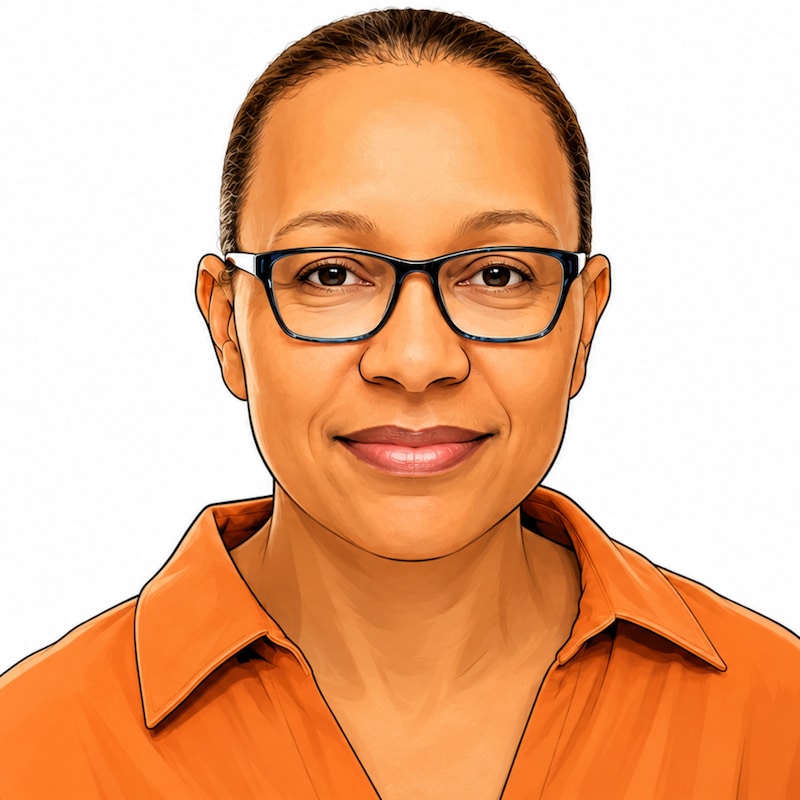
Rachael Rodgers is a specialist in wills and estate planning who helps people understand what really happens when life, death, divorce, blended families, property, children, and money collide.
In this episode of Life by Misadventure, Rachael explains why a basic will is often not enough, why assumptions about marriage and inheritance can cause serious problems, and why lasting powers of attorney may be one of the most important documents you ever create.
Rachael’s message is blunt but useful: you may not want to think about death, incapacity, probate, trusts, guardianship, inheritance tax, or who gets what when things go wrong, but avoiding the conversation does not protect the people you love.
About the Show
Life by Misadventure is hosted by David Brown and features honest, engaging conversations with interesting people about life, loss, resilience, ideas, and the experiences that shape us.
Connect with David on LinkedIn: https://www.linkedin.com/in/4dmbrown/
Watch on YouTube: https://www.youtube.com/@lifebymisadventurepod/
Listen on Apple Podcasts: https://podcasts.apple.com/gb/podcast/life-by-misadventure/id1782077287
Listen on Spotify: https://open.spotify.com/show/6Z1MszCU19QglChFb11Pw2?si=98ab1a34db074b3d
Transcripts
The most important document, which we haven't even touched on today, which is probably for another day.
David Brown:Oh, good lord, go on.
Rachael Rodgers:Is lasting powers of attorney.
Because even though you and your wife are married, if one of you lost mental capacity, you walked outside, got hit by a taxi, survived, but with a serious brain injury, nobody can make decisions for you unless you've got powers of attorney. Doesn't matter that you're married. Any accounts in your soul name are frozen. Any accounts in your joint names are frozen.
David Brown:Hello, welcome to Life by Misadventure. I'm your host, David and today we have Rachel Rogers in to chat with us about wills.
And, and I know that that doesn't seem like the most obvious topic, but it seems relevant to most of the conversations that we have since a lot of the people that we talk to have had near death experiences and that sort of thing in the past.
And so I met Rachel at a networking event a couple of weeks ago and something that she said to me, which we will get into later, made me laugh and I thought just from that specific comment that I wanted to get you in, to have you come in and talk. So welcome to the show.
Rachael Rodgers:Thank you very much. Pleasure to be here.
David Brown:So, just for everybody out there, you are a lawyer, not a solicitor.
Rachael Rodgers:Exactly.
David Brown:So you're not at the bar, but you do have a law degree and you are able to give advice.
Rachael Rodgers:I, a lawyer is someone who is legally qualified to give advice. I have not got a law degree, my degree is nothing to do with law at all.
But, but how I came to be a. I specialise in wills and estate planner planning but I give advice, you know, as well as drafting solicitors. In fact, in the three year law degree there is only one module on will writing. It's an option.
The vast majority of them don't take it, but because they're solicitors and they're regulated by the solicitors regulatory authority, although they're not supposed to deal in matters that they're not qualified or supported to deal in. They've got this back end system the likes of LexisNexis and Practical Law that they can just go in and download a template.
So when you go to a high street solicitor to write your will, the first thing they'll say is okay, what do you want to do?
And you don't know because you're going to them hoping for some advice, but they don't give advice because if they give advice and by the time you die that advice isn't relevant and that doesn't work you can't sue them or your family can't sue them. Whereas people like me, qualified will writers, we do give advice because that's what people need. And, you know, it. It just blows my mind.
Some of the people I speak to who have been to solicitors before and. And think, you know, oh, we were just all your needs on our names and addresses, isn't it? No, no, it's not. That's not what I do.
And they are very pleasantly surprised, but also pretty drained at the end of a session with me taking their wills.
And to be fair, you know, any other decent will writer that's a member of the Society of Will Writers or the Institute of Professional Will Writers, or, like me, a member of step, which is the Society of Trust and State Practitioners. You know, we're trained to give advice and to ask questions and to really, you know, get down to the nitty gritty.
So that the wills we write will be fit for purpose, not just now, but flexible enough to take them through all sorts of other changes in future.
David Brown:So the wills that we buy on the Internet aren't good enough?
Rachael Rodgers:Oh, no, please don't. No, no, they're really, you know, they're as much used as a chocolate teapot.
Yeah, I suppose for people who don't own property, are not married, are not in a relationship and have no children and have very few assets, they're absolutely fine.
But as soon as you get somebody who is living together, owning a property together, but they're not married, or they're married and they've got children, they're just a nightmare. Similarly, the free wills in Free Wills Month, it is currently Free Wills Month, they're just not fit for purpose.
If you think that you can sit down, go to a solicitor's office, sit down with them for 20 minutes and then come out with a will that is fit for purpose, unfortunately, you are very much mistaken. Likewise, unfortunately, the charity wills. A lot of charities give free wills. They're free to the client. They're not actually free to the charity.
The charity will Pay a solicitor 125 pounds for every will they write.
The reason I know this is because a solicitor local to me actually contacted me last summer or the summer before, she was having to take six weeks out of the business. She did three wills for a charity and said, oh, you're STEP qualified. I'd like you to, you know, take over for the six weeks.
And I sort of bit my tongue and said, okay, well, what's involved? Oh, you're only doing the instruction taking. She Said, yeah, that's the most important bit, but we'll let that pass. So what's, what's the process?
Run me through the process. Oh, it'll only take you 20, 30 minutes tops. Okay, well, presumably you have an instruction form that you want me to fill in? Oh, no, no, no.
I just type it into an email and then send it to the office and they'll, you know, put it into a will. Okay, can you send me an example of one that you've done? She emailed me this. This. It was, it was just a nightmare.
You know, I start with my clients, I brief them very carefully before the initial telephone consultation and I say, right, we'll have a half an hour telephone consultation. Please come prepared to discuss the following. Your family structure, asset structure and values. So I can advise on things like inheritance tax.
If you've got any disabled beneficiaries, people who wouldn't be able to manage their own inheritance, or any troubled beneficiaries, God forbid, you know, drug, alcohol dependent gambling addicts or whatever. And if you run a business, do you have any. Have you considered business succession planning?
So my clients know what we're going to talk about to begin with.
So that they come on, we either do a zoom call or a phone call and for half an hour I just ask some questions to gather some information, after which I'll send them a summary. We'll. We'll have a chat.
I'll ask some sort of leading questions because most people say we'll take the typical married couple with two children and I'll say, well, you know, what, what are your intentions? What are your objectives? Oh, everything to each other on first death and then to the children on second death. So I'd say, so you're married. Yeah.
So children, Kids. Yep, yep. Okay. So I'd say to you, so you are quite happy to leave your assets to your wife's next husband and disinherit your child.
And there's generally silence and then there's a. Well, no, you know, no, those people wouldn't be. It's generally not acceptable in, in society to disinherit your children.
And, you know, but that is what you get if you go to a solicitor. They say, what do you want? Oh, everything to each other on first death and then to the children, that's fine. That's what we'll do.
That's what you walk out with.
David Brown:Yeah.
Rachael Rodgers:With this solicitor's note for the charity will. There was nothing. There was, there was no what assets you have. There was no what Family structure you are.
There was just literally the names and addresses of you, who you want as your executor. Oh, don't worry, we, as we as the firm will put ourselves in as well, if you like, because you know, your family don't really want to do it.
Oh, yes, yes. Yeah, no, no. Talk about what it's going to cost them and then who the beneficiaries are. That was it. That was on this piece of paper.
Now, if that will was ever contested, that person died relatively soon and the will was contested. That piece of paper, not even signed by the client is the contemporaneous notes for the solicitor. How on earth is that going to protect anybody?
You know, you don't even know. The more I looked at this sheet, it was sort of a sheet of A4.
I was completely horrified and this had been emailed to me, so I just emailed her back and said, I'm sorry, I've, you know, I've built up my reputation and my business over two decades and I'm not about to destroy it by stepping into your shoes to, to write a will of, to take instructions like this because my, my instruction meetings are a good two hours because you've. And that's after the client has been briefed.
Once we've had the telephone consultation, I will then email them a summary of my understanding of their situation. They've given me their asset summary and any issues, my recommendations for their situation and the corresponding pricing up to that step.
It hasn't cost them anything other than half an hour of their time, but my conversion rate is over 90% because I'm selective at who I take on as a client. If it's somebody who really doesn't need my assistance in terms of their situation is so simple, I'll be totally honest with them. I'll say. And I.
In fact, several years ago I had a girl that came to me, phoned me up, don't know where she found me, probably googled me and bless her, she was very sweet, but completely did not understand her asset structure. Shall we say she just bought a house, she had a 90 or a 95% mortgage.
She'd then taken out a loan against the rest of the equity in the house to buy the furniture for the house and she wanted to leave her house to her brother. I said, you don't have a house. She didn't have any life insurance, you know, I said, you don't have a house because the bank owns your house.
You probably have probably 3,000 pounds in total of Assets, but you don't have a house. And she accepted that. But I had to explain to her, if she died last week, this is the situation and you don't have a house.
And I directed her to WH Smiths. I said, that honestly is perfect for you. She had two brothers, I think, and she appointed one as the executor and the other as. As the beneficiary.
One was doing very well for himself, the other one wasn't. She was. Wanted to leave him her house, which she didn't have.
But she was very grateful because I could have charged her whatever to write a will and, and it would have been way over the top.
About three weeks after I'd had the conversation with her, I had a phone call and she told her parents about me and they phoned me up and I ended up doing a pair of mirror wills with trusts and lasting powers of attorney, a pair for each of them. So, you know, you never know you have a. As long as you treat people with respect, but explain the reality to them. You know, it sticks in their mind.
So it's, it's. But no free wills and charity wills, I'm afraid they don't do what you need them to do unless your situation is. Is very, very simple.
So, yeah, I. I had another client, bless her, she was, she was lovely. She came, she was referred to me by another of my clients. She said, oh, I've got a will. But my friend said I should.
Should come to you and, and ask you to review it and read it and thought, I don't know, but this doesn't look great to me. And I read it and I knew exactly what she meant. But what she'd done was disastrous. And this was a.
It was, I think, through a solicitor at Free Wills Week, just a nightmare. And she had left.
She'd appointed her best friend as her executor and the guardian of her children, and she'd left her estate to the guardian of her children. Now I know what she meant, you know, but it didn't say on trust to provide for my children. She just left her estate.
And then now, as a guardian, you don't have to take on the children, but she can walk away with her estate. So, yes, I did, in that case, take on her case, and I rewrote her will for her. But it's, you know, anyone can set themselves up as a will writer.
That's the really tragic thing. You could go tomorrow into the shopping center.
Well, probably you have to book it, but you could have a stand and you could set yourself up and you could print some leaflets and some business cards and you could tout yourself as a will writer. You can get some generic software somewhere so that all you have to do is put type in a few details. Anyone can do it. It's a nightmare.
hat course, I did the exam in:Most people don't get anywhere near doing the STEP exam.
Through both STEP and the Society of Will Writers who I'm also a member of, I have to do a minimum of 18 hours a year CPD, continuous professional development in wills and estate planning. Solicitors have to do through the SRA, 18 hours a year CPD.
But unless they are specific will writing solicitors, they won't do it in wills and estate planning. Well, they don't need to. They can download a template from their system. They'll do it in conveyancing or family law or whatever.
So the fact that they're regulated means nothing Great that you've died, the family realizes the will doesn't work. They might not realize, they might not realize that if you'd had a trust in your will and you had died, your assets would have gone into trust.
So it would have protected them from your wife remarrying and all her care fees, but your family wouldn't know that.
So when it comes to your wife has remarried, left everything to husband number two because she's gone gaga and can't write another will, your children are none the wiser that that might not have happened. And this is why it's so tragic and why I'm very anti solicit high street solicitors that draft wills because they won't give you advice.
David Brown:Interesting. So, and I know, so obviously I've pressed a button, I'm going to press another one.
You know we see in tv, you know, it's like, oh, you just write a will on a bit of paper, right, and you just, you know, you store it in your safe or what? Like, do you know what I mean? This is what we say, or you know, and it's like, okay, you know, I've written some stuff down on a piece of paper.
Now I can tell obviously from what you've said already that that probably isn't going to work. But in a general sense, what's the. Yeah, what's the biggest Sort of misconception that we, that you think that we have about it.
And, and how do, how should we look at that?
Rachael Rodgers:If you don't have a will, the government's got one for you and it won't be one you want. It's called the rules of intestacy. So your estate, let's say this is.
David Brown:For the UK by the way, just.
Rachael Rodgers:So anybody, this is actually in the UK but it's probably, this is for England and Wales. I deal with the laws of England. Wales, Scotland has a completely different legal system but in England, sales. Oh yes. Oh yeah.
David Brown:So but are they con. Are some of the concepts similar?
Rachael Rodgers:Yes, yes. It's like, it's, it's just you need.
David Brown:To be specific about what you want to happen with your, with your assets and anything that's left. And if you're not specific enough then you're, look, your government, wherever you are, is going to do something with it you probably didn't intend.
Rachael Rodgers:So yeah, if you don't have a, a valid will at the time of your death, the rules of intestacy kick in. So we'll take your situation. You're married with a. Most people think well my wife or my husband will get everything anyway. No they won't.
Okay, the rules of intestacy state your wife will get the first £322,000 of your estate outright and half the rest. And your children, your child will get the other half of the rest.
Now let's say your house was worth a million pounds, so your wife gets the first 300. Let's say it was in your soul name. Your wife was a full time mum. This, this is a scenario I see very regularly.
So wife is a full time mom, hasn't worked, husband is working, good job and couldn't get a mortgage with the wife so took the mortgage out in his own name. The you if you died first without a will, basically your son, your son would own half part of your property.
So your wife would own the first 322,000, half the rest. And your son who hopefully over 18. Well hopefully under 18 actually because then be held on trust.
David Brown:He's over 18 now.
Rachael Rodgers:So once they reach 18, your wife might end up having to sell that property to give your son his inheritance because you haven't got a will.
David Brown:Right.
Rachael Rodgers:If you are not married and marriage includes civil partnerships, the law is the same then under the rules of intestacy, the first 322,000 and half the rest goes to the spouse, the rest goes to whatever children you have. In the event you are not married, your spouse, your partner doesn't get anything.
David Brown:Yep.
Rachael Rodgers:It all goes to your children.
David Brown:To the children.
Rachael Rodgers:So they have to make a claim against your estate, against their children, basically, for maintenance. That is a nightmare that should never happen.
But so many people believe, you know, oh, we've always lived together, you know, and so my partner will get everything. They won't. They won't get anything. They have to go to court. And when it goes to court, the only people that win are the lawyers.
So that's the first misconception. Um, the two. I mean, there's a saying, isn't there, two things in life are guaranteed death and taxes? Actually, there's three.
It's death, taxes and a DHS sale. But I can't influence the third. I can't influence death. But taxes I can.
Each individual has 325,000 that they can leave free of inheritance tax to a taxable beneficiary. That's anyone other than a spouse, charity or the government. Okay.
If you have a substantial estate, it is worth, and you've got, say, adult children and your spouse is, you know, relatively wealthy, you could gift that 325,000 to your children at the time of first death, which would slightly reduce the estate for inheritance tax on your spouse's death. If you don't use that 325, it goes to your spouse for use on their death. So they would have 600,000, £50,000 free of inheritance tax to leave.
If you have children and children. It's the only area of law where the phrase children includes stepchildren, adopted children, although they are normally children.
Anyone for whom you were a guardian or any child that you fostered, and you have a property that you are leaving to said children, and that property is at least 175,000 per person. So you and your spouse, you each get another 175,000 residence nil rate band, which basically means you've between.
You got a million pounds that you can leave free of inheritance tax. It's horribly complicated. And I blame.
David Brown:I was literally about to say it sounds complicated.
Rachael Rodgers:It is. It's horrifically complicated. It gets even more complicated if your estate's over 2 million.
David Brown:Yeah.
Rachael Rodgers:Because that. What's called the residence nil rate band, that 175,000 each is reduced by 1 pound for every 2 pound, your estate is over 2 million.
This is all down to gormless George Osborne, right.
Because in:But effectively, two parents with children have got, after second death, a million pounds they can leave free of inheritance tax as long as they've got a minimum of £350,000 in their house,.
David Brown:Clear as mine.
Rachael Rodgers:I know, but this is why you need to take advice. Yeah.
Because I, I explain to my clients this situation, but I also explain to them, you don't need to remember this, you just need to understand why I'm recommending these actions for your will.
David Brown:And for me, the crazy part is, is you're trying to make it easy to understand.
Rachael Rodgers:Yeah, yeah.
David Brown:Right. So it's, it's. You're not making it convoluted on purpose. It's convoluted and it's way more. And then that's a simple scenario, right?
You've got two parents with one or two kids, you know, the parents are married.
Rachael Rodgers:Yeah.
David Brown:Boom. You have a property, maybe some cash, whatever. You know, you've got, like, you, you'll have retirement funds or like, whatever.
Rachael Rodgers:Yeah.
David Brown:Then it gets even more complicated in a way, though, when you've got people who are separated or divorced. Right. And then. And like you had mentioned before, well, we can talk about the divorce sort of situation.
Rachael Rodgers:Yeah.
David Brown:And again, this kind of comes under those misunderstandings. Right. And we'll go back and talk about this again.
I know you mentioned it before, but let's go back just, just to be really clear, because once you're divorced or you're separated, then like you said, there's all this complication of giving your money to your spouse and not looking at the kids and all that sort of stuff. So go through that just so everybody, and please tell everybody what pre debt is.
Rachael Rodgers:It's not pre dead, pre deceased. We'll come on to that. You mentioned separated, pre dead.
It is very, very important to know that, well, while you might be separated, but you are not yet divorced, you are still married, so your will is still in effect. And whatever provisions that you might have made in your will, I leave everything on trust to my wife will still come into effect.
So you need to write a new will. You can't completely exclude your exiting spouse because obviously under a divorce, they will have a right to a certain amount.
But I generally put in that, you know, in the event I die before my divorce is finalized, my Spouse should not receive any more than they would under the divorce settlement. Because if your will currently leaves everything either absolutely to them or on trust for them, that will still happen.
If you pre decease them, a divorce will assume that. So if you, if you have divorced your spouse, it will assume that your will, in your will, your spouse has pre deceased you, which is fine.
Where you might have appointed them as a, let's say a trustee. So an executor and trustee. There will no longer be an executor and trustee. You have left them assets in your will, either absolutely or on trust.
They will no longer receive those assets. Where the problem comes, and I've actually seen this happen in the last year, is where there is a child not of the marriage.
So the child was the deceased mother's child, but the husband who was the stepfather but treated the child as his own, was also appointed as the guardian. That ceased on the divorce. That was a big issue.
David Brown:Okay, so say that again.
Rachael Rodgers:Right.
David Brown:You've got, you've got a married, you've.
Rachael Rodgers:Got a married couple and the woman had a child from a previous relationship. They married when that child was very young. So that child had only ever known the stepfather as the father.
David Brown:As the father. Got it.
Rachael Rodgers:The father had brought him up as his child, stepfather had not adopted him.
David Brown:Got it. Yep.
Rachael Rodgers:And the, the divorce and the mother not writing a new will where she could have still kept him in as the guardian.
David Brown:The divorce from the stepfather.
Rachael Rodgers:From the stepfather.
David Brown:Right.
Rachael Rodgers:Meant that he was no longer on her death because she died fairly soon afterwards. So when she dies, he was presumed in law to have pre deceased her. So fine, he couldn't be an executor, a trustee or a beneficiary.
David Brown:Okay.
Rachael Rodgers:But he also couldn't be a guardian to that child.
David Brown:Okay.
Rachael Rodgers:That was horrific.
David Brown:Okay.
Rachael Rodgers:Under those terms, the government steps in civil services and the court decide the child was still a minor. I think he was under 10, so he didn't really have a say. He.
David Brown:Sorry to interrupt. I told you in the beginning I wasn't going to do that.
Rachael Rodgers:No, no, that's. No. Carry on.
David Brown:So is that another?
Because it feels to me like that's something that maybe people don't think about when they think about writing a will is the guardianship of the kids as well. If they're obviously under 18, if they're.
Rachael Rodgers:Doing it themselves, it's generally the main reason parents of young children write wills because they're told you need to write wills to appoint guardians. Right.
If they're going to A solicitor and they're not asked whether they've got young children, they're not told they need a guardianship, then that's seriously bad.
David Brown:But the people who've already gone, they're already thinking about it. I'm thinking about all the people who just never think.
Rachael Rodgers:Never exactly. Right. Exactly.
David Brown:And it probably. I mean, I'm speaking for myself here. I mean, I. I was married before.
I have an ex wife in the us, I have twin daughters in the us and at no point during my life have I, until recently have I ever thought about even having any sort of a will. So. Because I don't have any assets and I think we're. Or haven't, I think.
And, and where I think a lot of people probably miss on this is that they don't think about that because they just think, yeah, well, I don't have any. I don't really have a lot of.
Rachael Rodgers:Assets, so I haven't got anything to pass under the will really. And I'm married, so my wife will get everything.
David Brown:And they assume that the kids will either go to the. Like maybe their ex or, or they're, you know, maybe their parents or something. And it. And I think a lot of assumptions are made.
Rachael Rodgers:A lot of assumptions are made and I've. I have seen.
David Brown:So this renting. Yeah.
Rachael Rodgers:Where you've had a couple have been wiped out, leaving young children. Yeah, I've had the surviving granny of the children had some physical disabilities. The. The couple who were both killed by.
Hit by a foreign lorry driver on the wrong side of the road. Yeah, they were killed overnight.
They had three young children and the courts decided that the mother's physical wasn't major, but no, she was a too old, she was on her own and she couldn't look after three children under 18. Had that couple written a will, they could have appointed her. The courts would have had no say.
It's just devastating to find a single home for three children without splitting them up. Virtually impossible. Yeah, it's just horrific. So anybody that has young children, doesn't matter. If you don't have any assets, you.
A parent's right is to choose who should look after their child. But unless you write a will, it won't happen. You mentioned, you know, writing your own will and signing it and putting it in the. In the drawer.
ng harp back to The Wills Act:And they have to be signed in the presence of two independent witnesses who must be present at the same time to watch the test data sign.
And then they must both sign to say they have watched the test data sign and to confirm that the testator knows what they're doing and that they're writing their will, they're doing it of their own free will and that they, they don't, they have the mental capacity to do it so they don't have any issues mentally. If that is not done, that will is not valid.
David Brown:That's massive. I think a lot of people don't know that. Yeah, I would think a lot of people.
Rachael Rodgers:Oh absolutely.
But the tragedy is I generally, if people have existing wills, I'll ask them to send me a copy and I'll review those so I get a feel for, you know, what they were doing. Then I see so many wills, beautifully drafted, beautifully bound. They, they send them to me, they're not signed, they're not witnessed, it's no good.
And you know, you've gone to the expense of getting it done and you haven't signed it and it's not or I see them signed, but no witnesses. I've even myself, I sent because I have clients all over the country.
I mean they, they google me and I don't travel all over the country, but I send a very specific instructions of how to sign their wills and I send an attestation record.
Attestation meaning signing and witnessing that both they and their witnesses need to sign to confirm they were all there together at the same time and watched each other sign. And recently I had two wills back with a signed attestation record. Neither of the wills were signed or witnessed.
So what they thought they were, honestly. But this is why again, once you've finally got your will and you have signed and witnessed it, you mustn't keep it at home.
You know, if your house burns down, it's got your will in it. You no longer have a will.
David Brown:This was my next, literally my follow up question was, do you, is it filed somewhere centrally?
Rachael Rodgers:All my clients, I encourage them to use my secure will storage service. I don't do it myself, I send it to a company. But the first thing I do is input their details on the company's portal and their executor's details.
That's always important. I then scan the will into the portal so there's an electronic copy.
And because I've drafted the will, I've uploaded it and I've Scanned it in and sent the will hard copy.
If that hard copy was ever lost in the post on the way back to the executors, that electronic copy could be proven because of the chain of evidence as the original will. I then register through that portal their will on the national will register and it generates a registration certificate.
I then send the hard copy to the firm, they send me a storage certificate. So each client has a registration and a storage certificate and I email those to the client to send to their executors on their death, if that will.
Because obviously they get a copy of the will as well with the expression of wishes letter that I draft for them on their death.
If that copy will at home is lost and all the certificates are lost, they can just search the national will register and it will flag up where the will is being stored. The company will then contact the person who's done the search. They will have to provide a copy of the death certificate because yeah, that's not.
And the proof of their own id because at the beginning I have put their details as the executor in as into the portal so that the company knows who has a right to retrieve that will on presentation of the death certificate.
David Brown:And is it only the executor that would have access?
Rachael Rodgers:Yeah, okay, yeah. A will after probate. So once the estate has gone through probate, which is the proving of the will.
David Brown:Actually that's a good point. So what, what happened? What's the process?
Rachael Rodgers:So once they say the executor has has retrieved the will, obviously the, the company will contact me, I'll contact the family, I'll explain to them because the family, often the adult children weren't in my meeting. They haven't got a clue. It might have been 20 years ago. They don't know what's going on. So I will take them through the provisions of the will.
I'll explain to them that if there's a trust in the will, it needs to be activated. Normally where there's a trust in the will and the trust is might be for inheritance tax provisions or it might be for asset protection provisions.
So if you've got an unmarried couple, you need a discretionary trust because with a married couple, that nil rate band passes to the surviving spouse for use on their death. So the 325, if it's not used on first death, it can pass.
So if everything is going on trust for the surviving spouse, they inherit your 325 to use on their death as tax free to go to the children. That does not happen between unmarried couples. If you don't protect that 325 on first death, it's lost on second death.
So if you've got Mr. And Mrs. Smith, Mr. Smith dies, everything passes to Mrs. Smith. He has 325 to leave free of inheritance tax.
That passes to Mrs. Smith, she has two lots of three hundred and twenty five tax free on her death, Mr. Smith and Ms. Jones. Mr. Smith dies, he gives everything, including his 325 to Ms. Jones. Ms. Jones doesn't get the extra 325 on her death, she just has her own 325.
So on Mr. Smith's death, his three to five needs to go into a discretionary trust, then it's not lost. So Ms. Jones was it. She can use his assets in the trust, but ultimately they'll pass to his children or their children.
And Ms. Jones will also have 325 to pass free of tax. So they get the 325, but only if they use a trust. So this is where the complexity comes in.
This is what I explain in plain English, not legal jargon to the family, so they understand what is in the will and what needs to be done. And the fact that they would not have a clue how to activate the trust, because the trust is written in the will.
But your will is not effective until you die and then the trust has to be activated.
So where there is a trust in the will, I always draft for the clients and really for their executors, an expression of wishes letter which translates that legal jargon in the will, because the will has to be written in legal jargon, because if it's ever contested, then the pointy heads in court need to be able to read it in their own language. But their children who weren't in our meeting haven't got a clue what all that says. So I translate it for them.
In my will, I've left a flexible life interest trust. The reason for that is it does this, this, this and this, and this is what I need, what needs to be done after my death.
And here's a firm that can do it for you.
You need a professional executor to do it because they've got to activate the trust to draft trustee minutes and a resolution, possibly a loan note for any liquid assets, register it on the trust registry.
You know, all sorts of legal stuff that needs doing on first death to prove that all the deceased assets did not pass absolutely to the survivor, because otherwise, if they remarry off, it goes to Husband or wife number two.
So I draft that expression of wishes letter because let's say the children have found the will and they're thinking of just going down to the local solicitor. They read the expression of wishes letter and they'll think, we probably better contact Rachel because it says, you know, a professional executor.
And I name a firm that is relevant to their situation and I'll say who can be contacted via my will writer, whose details are on the front page of my will. Because otherwise, unfortunately, most families will go down to their local solicitor. Oh, we did the conveyancing on my house, so he'll be fine.
They are. Are not qualified to do the estate administration that's activating the trust. They can get the grant of probate. That's absolutely fine.
They'll hand the grant back to the family and say, you now need to go and activate the trust.
David Brown:So, yeah, yeah, I'm looking at the camera because I'm. I'm talking to the people out there. There was a moment where you paused.
And the reason she paused is because she looked at my face and she could see that my eyes were glazing over.
Rachael Rodgers:Yeah, it is. It is a minefield.
David Brown:It's so complicated. And again, so I ride a motorcycle. Let's say I get run over by a truck tomorrow.
Rachael Rodgers:Have you got the will?
David Brown:Let's just say I have a will. And we know, right, so we're a couple, we've been married for ages, we know where the will is and all that sort of stuff.
So, you know, I get knocked off my bike by a truck and that's it. Fine. It all kicks off at the same time.
Rachael Rodgers:I generally say to the family, you know, get. Get the funeral over with, I'll retrieve the will for you and then we can talk.
David Brown:Because so then you, you retrieve the will. Every, you know, everybody looks at it and they go, yeah, fine. Well, then what happens?
Rachael Rodgers:The executors are responsible for putting the estate through probate.
David Brown:And what is probate, and what does that mean?
Rachael Rodgers:Is the validation of the estate. It's valuing all the deceased assets and it's adhering to the terms of the will. So for first, any pecuniary legacy. So financial gifts, they.
They go out first. Any gifts of personal possessions go out.
Then the residue of the estate, what is left after bills, expenses, tax, because there's income tax, there's potentially estate tax, inheritance tax, what is left, the residue is then either passes into the trust, if there's a trust in the will, or it passes to the relevant beneficiaries if there's no trust in the will. Sounds very, very simple. Problem is, firstly, the average adult in the UK has over. I mean, this is.
I've been saying this for years, so it must be much more now, but 118 data passwords. What do you do with your passwords? Who's got the master password? Do your spreadsheet or what? You know, it is a nightmare. Also, there are currently.
And this. I've probably been saying this for about 10 years, so it's probably way more.
Over £13 billion worth of assets sitting in unclaimed accounts that people haven't found. Now, if family are doing the probate, they'll look through your papers, they'll find the old bank account and they'll think that's it.
Using a professional.
They will use a firm that will basically send out your details to over 200 financial institutions to find out if you ever had an account or a pension or life assurance or anything with them. And then within two weeks that those details come back. There is so much more to. Even, Even with people that live very simple lives.
You know, how often do you move in your life? You know, you had an old.
You worked for a firm and you had a life insurance policy and it was still in effect, but, you know, it was paid up, but you moved. So the company had been sending it to the wrong address and then it was a gone away.
But they're not going to search for you, they're going to wait for some.
No, that money will sit there ad infinitum until eventually it'll go to the government, you know, so it is so important to use a professional who can search for all those financial institutions in one go and deal with all the utilities companies and everybody else.
And, you know, second death is worse because obviously you've, you've, you're still paying the utilities and the insurance and everything after there's no one living in the house.
And you need to have the right level of insurance because you've got to have the properties empty, you know, and you're grieving, you're grieving somebody.
David Brown:Yeah. On top of all of it.
Rachael Rodgers:Yeah.
David Brown:Right. And. And I mean, I remember. Let's not even talk about contesting. That's a whole other circle of hell. Right. Like, and I. Absolutely.
And, and that will, and we all know that will rip families apart. And, you know, when people start getting into that, let's just, we'll just. We're gonna stick to the, Stick with the friends, the friendly. Yeah. The.
The friendly situation. So. So in simple words, probate is.
Rachael Rodgers:It's the validation.
David Brown:It's the validation of everything. And it's get. It's. It's like the. It's the kind of the accountants getting involved and kind of.
Rachael Rodgers:Yeah. Actually coming up, what the deceased was worth.
David Brown:Yeah.
Rachael Rodgers:What taxes, bills, and everything needs to be paid before everything else can be dished out.
David Brown:And correct me if I'm wrong, and this may be a big misconception that people have, but I think from what I've read, even if I leave, say, my son, like my motorcycle or whatever, but it could be anything. It could be a piece of furniture, all of that is valued. And then that goes into the.
Then he has to pay inheritance tax on the value of the item that's given him.
Rachael Rodgers:Not necessarily how valuable is.
No, you see, if it's a gift, I generally, as a rule of thumb, I say if it's individually identifiable on an insurance policy, it needs to go in your will. So a motorcycle is individually identified, but that is a gift. Gifts go out first, gifts go out before the residue is dealt with.
So you would have to have spent on gifts and legacies more than 325,000 for there to be an inheritance tax on that gift. But you see, in the will, I would write, I leave the following gifts free of inheritance tax, and then your son would get it free of inheritance tax.
David Brown:So how is he getting it free of inheritance tax?
Rachael Rodgers:Because you've got your 325,000 nil rate.
David Brown:It's coming out of mine.
Rachael Rodgers:So it's tax free. Yeah, that 325. So you can leave up to 325,000 to your son free of tax. Right, free of inheritance.
David Brown:But that comes out of his 325.
Rachael Rodgers:No, it comes out of your.
David Brown:It comes out of mine.
Rachael Rodgers:You've died. He's got his own nil rate ban. But he hasn't died. You have died.
David Brown:Yeah.
Rachael Rodgers:And it's using up part of your 325.
David Brown:But. But they will value all of that stuff.
Rachael Rodgers:It will be valued. It will add to.
But the inheritance tax will come out of the residue of your estate, which is what is left after all the gift and legacies and, and old taxes and what have you. Have been spent. Yeah.
David Brown:Okay. That I understand.
Rachael Rodgers:Good, good. But. But this is. People think, oh, we've, you know, we can do a will. We'll just. We'll just pop down to the local solution.
We'll get it run up, and there is so much to it. And Particularly in the southeast, where property prices are so high, so many more people are falling into inheritance tax without them realising it.
And the really, really unforgivable thing is where you have a married couple and because of the way that the will is structured, it causes an inheritance tax liability on first death. That should never happen. That should just. It is. It should never happen. You know,.
David Brown:And let's go back.
And we still haven't circled back to it and I do want to circle back to it, this part of the conversation and I have no idea how long we've been talking and it doesn't matter because I think this is important because everyone, except for probably two or three people in my social circle, everyone's divorced.
Rachael Rodgers:Yeah.
David Brown:And that's super, super common these days. Right. For free. To have a divorced family. And then the whole concept of once you're divorced and they're pre deceased. I'll use pre deceased.
Rachael Rodgers:Yes. Their spouse is deemed to be predeceased. I got it. Yes.
David Brown:They're pre. Dead. You're dead to me now. I just love that. It's fantastic. So the idea that again, if you.
If you haven't left a will and you just leave everything to your spouse and then that spouse gets remarried, that if you haven't specifically said that you want part of your estate to go to your children, that. That then can go to the next spouse down the line.
Rachael Rodgers:Right, right. This is between husband and wife, between husband. If you are divorced.
David Brown:But again, it's the assumpt assumption and you're right.
And you've said this, I think twice, and I just want to reiterate so people get it, because I think this is hugely important and maybe I'm wrong, maybe it's just me that doesn't understand this and everybody else does, but unless you specify that you want some of your estate specifically to go to your children, it all goes to your spouse, who then, if they get remarried, it all then goes to their spouse. Right.
Rachael Rodgers:Well, this. No, basically, if you in your will. So you're married, have children. If you. On first death.
So you died last month, your will left everything to your wife without a trust.
David Brown:Yeah.
Rachael Rodgers:So nothing protecting those assets from her next marriage, then all your assets are in her estate. And if she remarries, then without a will. Well, first off, a new spouse has more rights than your son, sadly.
So whether she's got a will or not, if she doesn't have a will, he'll get the first 322,000 and half the rest if they do have wills, but she hasn't left him sufficient to maintain himself. He can make a claim against her estate. The judge normally would put the assets in trust.
So you have to be very, very careful, particularly for a couple where one person is, is, has married sort of before. So you, you didn't have a child before, though. You.
David Brown:Yeah.
Rachael Rodgers:Oh, you've. Yes. So you've.
David Brown:So, so let's even get into that. So I have twins. Yeah, I have twins.
Rachael Rodgers:So you, you were divorced and that was all in terms of the finances all sorted. You then remarried and had a son with wife number two.
So whether or not you still have a relationship with your twins, potentially, they could make a claim against your estate.
So if you were still providing for them during the two years before your death, they would have a claim against your estate if you didn't leave anything to them. Right now, that claim has to come within six months of the grant of probate.
Now probate could take 12 months to get the grant from the date of probate, they could make a claim within six months. So it's so difficult.
And this is what I say about using a professional executor, because if you use, just say your son had grown up and he was the executor of your will, you died, he and your wife were executors and they, you know, divvied up the estate or whatever, they've, he's spent it, he's bought a house with it and then three months after he's divvied up the estate and bought his house, your daughter's contested your will, that's his house that's at risk. You know, it's, it, you, you need advice. You know, there are ways and means of, of doing things.
If you haven't been providing for them for the two years prior to death, they don't have a claim. But where it's more possibly relevant is where you have a child from a previous relationship, but no children together.
Spouse dies, you are the one with the children and you leave all your estate to charity.
But you've got two children over here, they can contest your will, particularly if you've got no real affinity with the charities, but you just don't want them to have it. So, you know, this is where things can go horribly, horribly wrong. And as I say, the only people that win are the legal teams that are contesting it.
And it's just, and this is why people need advice. This is why I love my job, because it is so mind numbingly complicated, but I love that.
Because I always say I leave my clients in a better situation than when I found them. And I never expect my clients to remember anything I've told them in the meeting.
Which is why after the meeting, I send them a summary of what we discussed, the provisions they're putting in place, and any action points, because it is.
You know, they're exhausted at the end of it, but they're very glad they've been through it because, as they say, there's a lot more to it than we thought. You can go lie down in the dark room now.
David Brown:No, this is. But, no, again, I think it's really important for people. And I think what's really funny is since I've mentioned that you were coming on.
I've mentioned it to a few people, and I got two very different reactions, as you can imagine. And you're probably used to this. The people who already have wills and the people who don't.
Rachael Rodgers:Yeah.
David Brown:And it has been quite interesting. And. And we don't have a will at the minute, and we are looking at doing that. So that's a separate thing.
But the reason I sort of brought it up is because my wife and, I mean, we've been married for 22 years and whatever. We just always made assumptions about what would happen. And, you know, those assumptions aren't correct, first of all.
But I think this is what a lot of people do, because you don't.
Rachael Rodgers:Know what you don't know.
David Brown:Exactly. I mean, you know, we have recently bought a house.
Rachael Rodgers:Yeah.
David Brown:And so, you know, now we. We actually realize that, okay.
Rachael Rodgers:We.
David Brown:We do have some sort of an asset that maybe might be worth something at some point. Was we. She works in finance. We both know that the bank owns the house right now. But. But at some point that might be worth something.
And, you know, we have a son and all that, so we know that we need to do something. And that's what kind of spurred us on.
Rachael Rodgers:Yeah.
David Brown:Plus, she also works for a wealth management company. And they're like, you need to sort this out.
Rachael Rodgers:Yeah.
David Brown:But that's kind of what I've been trying to get at and to make the point is, is, you know, like, there's a lady that I talked to this morning, and I told her you were coming in, and she's like, oh, my God, I'm getting divorced. I need to redo my will. Can you introduce me?
So, you know, there are a lot of people that do have a will and, you know, have known that that's important and are going through these big life Moments.
Rachael Rodgers:Yeah.
David Brown:Sounds to me like you almost need to do a checkup every year to say, has, has my. Put something in your, in your, in your Google Calendar or whatever, just for yourself to say, have a, have a think about your will.
Has anything changed that you need to update?
Rachael Rodgers:What, what I generally say to my clients and I, I will email those clients from four years ago and further back who haven't had updates. I will email them once a year and say, has anything changed? Do you need to update anything? Because, you know, life goes on.
You know, they often, they've moved house. Just because you've moved house doesn't mean you need to update your will.
But if you've downsized, so you've now got a lot more money and you've perhaps bought an investment property. Well, let's have a look at, you know, how do you own it? Because that makes a difference. If you own it, how do you.
One way, as joint tenants, it means it won't pass into the trust that we've carefully set up in your will. It will pass through survivorship to your surviving spouse. So it will then be at risk of their next marriage.
So we need to make sure it's tenants in common. So you each earn a 50. 50 Share and then on first death, that 50% passes into trust, whatever that means.
But you, you mentioned your, your lady who's going through a divorce. I hear so many people that say, oh, we're getting a divorce. I'll wait until after I'm divorced and then I'll sort it.
No, you, you do your will at the point that you are applying for the divorce, because if you die while you're separated, you're still married and your husband or wife will still, your will is still valid. It will still work.
So you need to amend that will as soon as you have lodged those papers with the, with the court to say, we're applying for a divorce. Yeah. That is, when you do, don't leave it late. You never know what might happen.
But yeah, no, you were, you were talking about, you know, people, People don't realize what will happen. We're married. So, you know, we thought everything would go to each other.
The most important document, which we haven't even touched on today, which is probably for another day.
David Brown:Oh, good Lord. Go on.
Rachael Rodgers:His lasting powers of attorney.
David Brown:Yeah.
Rachael Rodgers:Because even though you and your wife are married, if one of you lost mental capacity, you walked outside, got hit by a taxi, survived, but with a serious brain injury, nobody can make decisions for you unless you've got Powers of attorney doesn't matter that you're married. Any accounts in your sole name are frozen. Any accounts in your joint names are frozen.
Your wife would not be able to access her own money in your joint account if you'd lost mental capacity without powers of attorney and vice versa because the government's court of protection is protecting themselves from you recovering and suing them for letting your wife spend your money in the joint account. How ridiculous is that? There's a video on my website, a lady called Heather Bateman. It's actually from BBC's One show of Donkeys.
Years ago, her husband was hit by a car crossing the road. He was in a coma for three years. And it's her story of what happens when you don't have powers of attorney.
You would think that, you know, spouses for forever own a property jointly. She needed work done on one of their properties.
She had to send three quotes to the court of protection for them to decide which and if any of those quotes were acceptable. It is mind numbing.
And as for doctors, well, doctor patient privilege means that you don't get a look in if your wife is honestly, powers of attorney are the most important document you will ever write.
David Brown:And. I'm just gonna go, right, so you get some documents done.
So, wow, is that a straightforward document and is that something that you just literally should. Should I just go home and do we need as some. Do we need double witnessed, all that sort of stuff as well?
Rachael Rodgers:You can go onto the government's website and draft your own powers of attorney, but it's a bit like drafting your own will. You don't know what, you don't know what I do.
For people who are capable of drafting their own powers of attorney is an LPA lasting power of attorney consultation. If they want to draft it themselves and I take them through what they should and shouldn't do, what they need to know what the relevant things mean.
But I would always advise you to don't just go it alone and do it yourself because, you know, there's areas for you to put in guidance and instructions. But if you don't know what type of guidance and instructions you should put in, and solicitors will never put anything in there, it drives me nuts.
David Brown:Right.
Rachael Rodgers:You know, they're not cheap to draft when you take advice because the advice is all encompassing. But solicitors don't give advice. They'll ask you, do you want to put any guidance in?
David Brown:I don't know.
Rachael Rodgers:So they don't.
But that is the most important thing, you know because again, your son isn't going to be there when you're doing these things and he's not going to know what he can and can't do. But I draft more powers of attorney for parents with young children than I do for people with great grandchildren.
Because if you're in your 30s, you might live for another 60 years. But you don't think medical incapacity. Exactly.
David Brown:You don't think about it.
Rachael Rodgers:If you're in your 80s, yeah, you might live for another 10, 15 years, but if you're in your 30s with no one being able to make decisions for you, and if you've had, let's take that, you were hit by a taxi and it was their fault and you have a massive payout, no one can spend that money. They have to apply to the Court of Protection with the hope of being the donor, but there's no guarantee that they will be.
And then they can only spend a maximum of £500 without asking permission. So, yeah, if you've got to have your house made wheelchair friendly, they've got to ask permission. Even when they're the deputy.
They are such important documents. Everyone knows they should have a will, whether or not they decide to have one.
But generally people don't know anything about powers of attorney until something's happened and they're being asked by the bank or the doctor, do you have one? At which point it's too late to put them in place.
David Brown:Well, that's a sober.
Rachael Rodgers:I'm a grim reaper, really. Are they?
David Brown:No. But this is exactly why I wanted to chat with you. Do you know what I mean? Yeah.
And I think, particularly around power of attorney, most people, I think, would come across that with an elderly relative who's maybe now got dementia or is beginning.
Rachael Rodgers:To show being diagnosed and the doctor.
David Brown:Saying, you've got something. Yeah. Of that sort of thing. I think that's when most people would probably even begin to think that is.
Rachael Rodgers:The problematical time to do it.
David Brown:Yeah.
Rachael Rodgers:Because at that time, let's say mom or dad has been diagnosed early stage dementia. That is the time where they're thinking, well, hold on a minute, I don't want to lose control. I don't want people making decisions.
I always say what I say to the adult children who are asking me to, you know, how can we get them to take this seriously is get yours done and then tell your parents we've just done our powers of attorney, because then they'll realize that actually it's not something to be feared and they're not Going to completely lose control.
David Brown:Yeah.
Rachael Rodgers:Because if, if the adult children have done theirs, you know, well, they're not going to give up their control to all and sundry now, are they? So. But the time to get them done is before there is anything wrong because you can talk all about, you know, what provisions do you want?
Should you be in a situation where you're not going to recover, to have a good quality of life, you know, you can't contribute or communicate?
What do you want to be kept comfortable, free of pain, preserve your dignity, mitigate distressing symptoms, or do you want to be plugged in to a life support system and pumped full of antibiotics indefinitely just in case it might help? Those are the discussions you need to have before it's actually a reality because it's so much easier when you're not staring down that barrel.
David Brown:And see, this is exactly relevant to the types of conversations that I like to have on the show now because it's all about the random stuff.
Rachael Rodgers:Yeah, right.
David Brown:It's, you know, you randomly get attacked by a dog or, you know, you randomly, you know, you develop a heart condition where, you know, you're having heart attacks. And that could lead, easily lead to brain damage. Right. If you're too long, you know, your brain is starved of oxygen.
It could be, you know, you've had brain surgery for a condition that you didn't know about.
Rachael Rodgers:It could be you are going in for surgery on something, you are under the anesthetic and the doctors find something else. They don't want to wake you up and say, oh, by the way, can we just. That we. Can we just.
That we need to have a bit of a rummage down here too, when they can just go out and ask your attorney, what would they want? You know, they are just so, so important, but nobody knows about them.
David Brown:So your assignment, everyone who's watching this right now, two things. Number one, do your power of attorney document first. Almost. I would think there's two.
Rachael Rodgers:One's for property and finance, one's for health and welfare.
David Brown:Right.
Rachael Rodgers:But you really do need to take advice on what to put in them and how. Oh, I have.
David Brown:So the will's property and finance and.
Rachael Rodgers:The other one, no, the powers of attorney.
David Brown:So there's two powers of.
Rachael Rodgers:One looks after your assets and one looks after you.
David Brown:Right. Okay.
Rachael Rodgers:Property and finance, health and welfare. And the will is completely separate. Right.
David Brown:So again, go out, do, do your will and do both. But it sounds like the power of attorney almost is. Everybody should do straight away.
Rachael Rodgers:Yeah.
David Brown:If you're Gonna do. If you can only afford to do one of the two, do the power of attorney first.
Rachael Rodgers:The powers of attorney you can do yourself online.
The only charge then is 92 pounds per LPA to register them because they have to be registered before they can be used and that takes two to three months.
So I always say get it done at the time of drafting because if there's any mistakes and they can't register it and you've lost mental capacity, then it's too late to redo it. So, 92 pounds each, 184 pounds. But I would strongly recommend they go to a qualified will writer, not a solicitor.
Solicitors won't give you the advice that you need to put in the documents.
So the Society of Will Writers, the Institute of Professional Will Writers, all have people who will visit you at home and take you through everything and speak to you in plain English, not legal jargon, but they will give you advice. They won't just say what you want and do that. Your wills, obviously you need to be open and honest.
One of the questions on the bottom of the first page of my instruction form, which runs to about, I don't know, 18 pages, and I've fine tuned it over the decades, is, do any of you have any children from other relationships? You'd think most people would know.
Twice in my career I've had that question, and that is the night that she has found out that he has children from another relationship that she didn't know about. Orcs.
David Brown:Yeah. Oh, God. Which raises another question.
I felt like we were getting to the end, but I'm gonna ask this question which I'm sure is gonna elicit another 10 minute answer.
So I had a friend, and I don't know if you've come across this situation, but I had a friend who got married, had a kid, got divorced, was obviously paying child support and all the other stuff that went along. Eighteen years later found out that that child wasn't actually his.
Rachael Rodgers:Ouch.
David Brown:Does the biological thing. So if you find out later that actually that child wasn't actually yours.
Rachael Rodgers:Yeah.
David Brown:Does the fact that you acted in good faith as a parent and what does that go into the definition of child that you were talking about earlier?
Rachael Rodgers:I think, well, presumably at that time you could, you could make a claim against the woman because if you. Maintenance. But as far as the will.
David Brown:Yeah.
Rachael Rodgers:If I, if I knew that situation, I would write a very detailed expression of wishes letter about that fact.
David Brown:But obviously you wouldn't maybe wouldn't know.
Rachael Rodgers:As a will writer, I would know because I would ask.
David Brown:Yeah, but they're not gonna tell.
Rachael Rodgers:They are, they are. They are going to tell me.
David Brown:Interesting.
Rachael Rodgers:Trust me, people tell me everything. You know, you can't have the document you need if you're going to hide things.
Yeah, but it's not in your interest to be paying for a child that isn't your child if you don't want to pay for that child.
David Brown:Yeah, yeah.
Rachael Rodgers:So, you know, would.
David Brown:It wouldn't, wouldn't a natural child, a biological child, not a natural child. All children are natural. A biological child have precedence over a non biological child.
Rachael Rodgers:Yes, but if, if that was a fraudulent claim, if the mother knew it, which presumably she knew it wasn't his, his child, if, if he was still alive and knowing that that child was not his child, we would write a very detailed expression of wishes letter.
He could get his DNA to his own DNA tested, leave a copy with the will so that if the child contested or the mother contested on behalf of the child, then they could test the child's DNA and prove that wasn't related to the father. I've never had that come up, but there are, there are always ways. I will find a solution for everything. But.
David Brown:Yeah, no, no, no, it just came up because I have actually two people that I know have had that situation come up where they paid.
Rachael Rodgers:That's outrageous.
David Brown:Years and years and years.
Rachael Rodgers:And then see, I, I would, I would imagine they can make a claim against the mother for that if she was well aware and they were only funding it because they assumed it was, that they had been told it was their child.
David Brown:It's a, it's quite a, a gray area and for some reason in particular, it seems to be very common in the us.
Rachael Rodgers:Is it? Yeah, I come across that in uk.
David Brown:So I think now, and I'm sure someone will fact check me and comment on this, but from what I understand, I think now in most instances when people go through the divorce court.
Rachael Rodgers:Yeah.
David Brown:They do a DNA test now as.
Rachael Rodgers:A matter of what, in the schools.
David Brown:Yeah. In the States. So if there are any children involved, they do DNA tests to make sure that that child is actually that person's.
And it's coming up way more often than people have any idea that the kid is not actually the fathers, that it's someone else's.
Rachael Rodgers:Monstrous.
David Brown:And then, but then that, that then comes back from them. Right.
So then, then the father can make the argument and it's not 15 years later when they come back and say, hey, hang on, we just did a 23andMe and I realized that the kid isn't mine.
Rachael Rodgers:Yeah.
David Brown:Kind of thing. So. Do you know what I mean? So anyway, I was just trying to complicate things. Just there at the end. Just because it wasn't complicated enough.
So get your power of attorney.
Rachael Rodgers:Yeah.
David Brown:And get a will written.
Rachael Rodgers:Yeah.
David Brown:Those are the most important things.
Rachael Rodgers:Yeah.
David Brown:You're not even taking new customers, really. Or new clients. I think I. I got your business.
Rachael Rodgers:I specialize in the more complex side of wills and estate planning.
David Brown:Okay. So if you're a millionaire and you own businesses and you've got tons of kids and you've been divorced four times. Well, Rachel is your person.
Rachael Rodgers:Yeah. Blended. Blended families are always. Is difficult.
So that is where the parents have children from different relationships and you're bringing it all together.
David Brown:Yeah.
Rachael Rodgers:Well, let's say mother has two children, father has two children, and they don't have children together. What are you going to do? The father wants to appoint spouse and his two children as his executors, and the wife wants to do the same.
David Brown:Yeah.
Rachael Rodgers:So when father dies, wife and two stepchildren are the trustees of the trust that's providing for her. They want their inheritance. It is fraught with trouble. She's getting older, they're getting grumpier.
And, you know, so that is the type of situation that I advise people on. Yes. My background's the due diligence of corporate finance deals. So I love people that have businesses that will survive them.
I have commercial solicitors that I deal with, family solicitors for things like prenups for children and for themselves, cohabitation agreements. I have, in this current situation that we're in economically, a lot of adult children moving back in with mum and dad and bringing partner with them.
You need a cohabitation agreement because if that partner is staying in your house for more than two years, you are providing maintenance for them and you meet they have a claim under your will. It's, you know, it's all these little things that nobody thinks about until it happens. And then they want to know why nobody told them.
So family lawyers, commercial lawyers, trust lawyers, property lawyers, all sorts of things.
You know, before the last budget, we were thinking that the, the government, the Chancellor might put a limit on lifetime allowances because currently there is no limit. You can give whatever you like, providing you live for seven years. It wipes the slate clean for your nil rate band.
So a lot of my clients were gifting properties to their children or into trust for their children and, you know, property lawyers and that sort of thing worth their weight in gold. Not conveyancing lawyers, but actual. Because it's not as simple as just gifting the property.
You've got to look at the capital gains tax implications and you know what, if your child gets married and then divorce, then half that property goes to their spouse. So should it be put into a trust? And yeah, so I have people who do all the bits that I don't do, but I tend to deal with the. The more.
The more complicated side.
Having said that, as a member of the Society of Will Writers, I have a lot of people who I can refer clients to and I've always said I will speak to anybody and if I'm not the right person for them, I will find someone who can deal with it for them. Because I'm just loathe for people to have to go to a high street solicitor because they won't get any advice.
And as you found out today, it's not as straightforward as it looks.
David Brown:No, I'm panicking now. Rachel, thank you very much for your time. If anybody wants to get in touch with you, where's the best place for them to go?
Rachael Rodgers:They can go onto my website, which is Airtight Wills. That's H E I r tight wills. Www.air hyphen tight wills.co.uk Perfect.
David Brown:Thank you very much.
Rachael Rodgers:Lovely, thank you.


