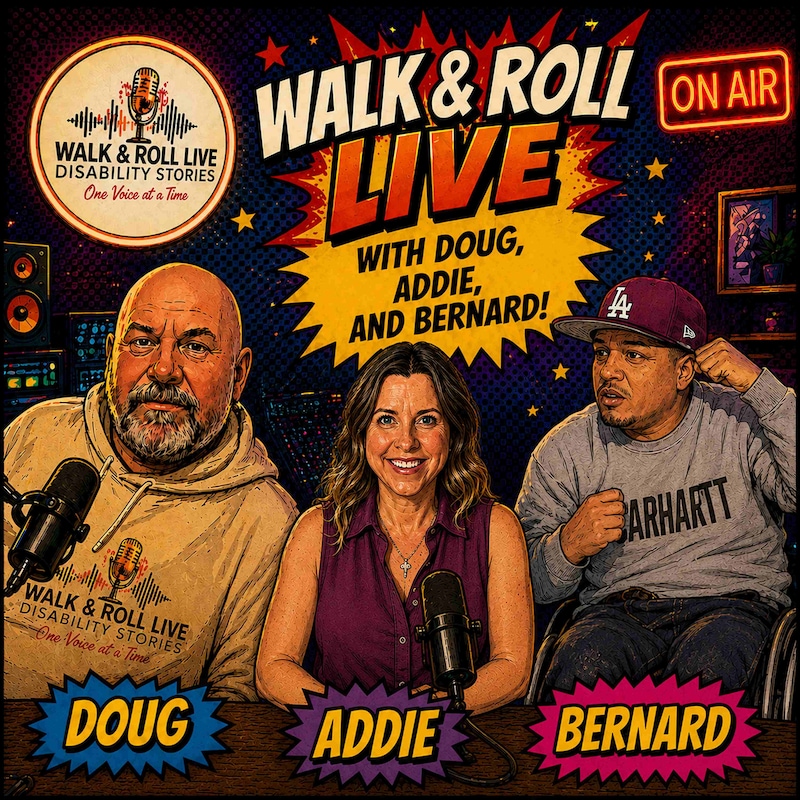
Shownotes
Bernard Taruc's narrative is an evocative testament to the transformative power of experience, underscored by a life-altering incident that irrevocably changed his trajectory. After immigrating to the United States as a teenager, he became captivated by the vibrant culture, yet inevitably found himself drawn into the perilous realm of gang culture. One fateful night, an encounter with violence culminated in a harrowing shooting that left him paralyzed, forcing him to confront the consequences of his choices. Through this poignant chronicle, Bernard articulates his journey of self-discovery, resilience, and eventual redemption, as he navigates the complexities of life post-trauma. His story is not merely one of survival; it is a profound exploration of identity, community, and the relentless pursuit of purpose amid adversity.
Takeaways:
- Bernard Taruc's journey from the Philippines to the U.S. reveals the profound impact of cultural differences, particularly regarding freedom and exposure to gang culture.
- His life-altering experience of being shot underscores the harsh realities of gang violence, illustrating how quickly circumstances can change in an urban environment.
- Following his injury, Bernard's resilience shines through as he navigates the challenges of rehabilitation and societal expectations, demonstrating a commitment to personal growth.
- The importance of community support is emphasized, as Bernard finds solace and acceptance among peers who share similar experiences, highlighting the significance of belonging.
- Bernard's transition from a life immersed in gang culture to one of responsibility and education serves as a testament to the power of choice and change.
- His humorous and candid storytelling approach in discussing serious topics such as disability and trauma offers a unique perspective, fostering understanding and connection.
Companies mentioned in this episode:
- AGUIAR Professional Training
- Kaiser
- Casa Colina
- Cal Poly
- Mt Sac
- Daniel Freeman
- Rancho
- McLintock's
Transcripts
The following is a productions original series.
Speaker B:Hello.
Speaker B:Welcome to Walk and Roll Live.
Speaker B:I'm Doug Vincent along with Addie Rich.
Speaker B:Our podcast is dedicated to amplifying the voices of the disability community.
Speaker B:Gonna do that today with a another special guest.
Speaker B:They're.
Speaker C:Huh.
Speaker D:Yeah, they're all special.
Speaker B:That's right.
Speaker D:I mean, in your very own unique way.
Speaker B:Yes.
Speaker B:And.
Speaker B:And speaking of unique, your voice seems a little unique this week.
Speaker D:My voice is unique this week.
Speaker D:I have been lucky to hit by the.
Speaker D:I got hit by the sick fairy.
Speaker B:Yeah, yeah.
Speaker B:Sound like what I sounded like back when I was in the hospital.
Speaker D:Right.
Speaker A:I know.
Speaker D:Like, wait, are you here?
Speaker D:What alien are you.
Speaker B:Yeah.
Speaker D:Poor little eye.
Speaker D:Well, hopefully you people don't get to see the video, but Doug is graced with mine.
Speaker B:Yeah.
Speaker B:Yeah.
Speaker B:You don't look that bad.
Speaker B:Look a little tired and hopefully you don't feel as bad as you.
Speaker B:You sound.
Speaker B:Or is it worse?
Speaker D:No comment.
Speaker B:All right.
Speaker B:All right, well, we'll.
Speaker B:We'll be in and out quick and.
Speaker B:And you take care of yourself.
Speaker B:Is it.
Speaker B:Are you a few days in or just getting started?
Speaker D:Yeah, I started coming down with it on Friday.
Speaker D:There's Friday?
Speaker D:Yeah, let's say Friday.
Speaker D:But this weekend was just literally flat.
Speaker D:Tried to drink and hope this went away and then I don't know, it's the new cold is like one of those that you feel like, okay, I'm gonna be good.
Speaker A:And then.
Speaker B:No.
Speaker B:All right, well, maybe you've, you know, you're over the hump, you know, but.
Speaker D:This episode will make you.
Speaker D:Will entertain me when it drops.
Speaker B:Yes.
Speaker D:How was your weekend?
Speaker B:It was good.
Speaker B:It was good.
Speaker B:You know, went to.
Speaker B:Where did I go to this weekend?
Speaker B:Oh, it was the hot rod barbecue this weekend.
Speaker A:Yeah.
Speaker B:That they do up in Lytle Creek above here, Southern California.
Speaker B:It's literally like 10 minutes from my house.
Speaker B:It's the over the Hill gang.
Speaker B:Sambur.
Speaker B:Yeah.
Speaker B:So they've been doing it.
Speaker B:I think this.
Speaker B:They said this was their 15th, you know, so if you're.
Speaker B:Wow.
Speaker B:Yeah.
Speaker B:If you're not familiar, they, they.
Speaker B:Everybody that wants to cook and compete.
Speaker D:Yeah.
Speaker B:I don't know what, 75, something like that.
Speaker B:So they collect 75 from all the teams and then somebody goes out and buys the meat, which is usually tri tip chicken.
Speaker C:I was going to say.
Speaker D:Did you have tri tip?
Speaker B:Yes, we did.
Speaker D:People don't realize that like tri tip is not on the east coast.
Speaker D:Tri tip is the west coast of me.
Speaker D:And so like when I go home, I'm like, tried to have Sandwich tried to.
Speaker D:This dry tip that.
Speaker A:And if you don't realize, is it.
Speaker B:Called something else back there or they just.
Speaker D:You don't make that cut, like, every once in a great while, like, you can go to the farmer's market, where they pretty much have any food you've ever heard of under the sun.
Speaker D:And if the right butcher is working, you can be like, hey, can I have, you know, a bit of tritip?
Speaker D:But if it's not the right guy, they just look at you like.
Speaker B:That's interesting, because we went to an Oakland Raiders game when they were still in Oakland years ago, and we're gonna.
Speaker B:What's it.
Speaker B:What it's called, you know, in the parking lot where you cook and stuff?
Speaker D:Yeah.
Speaker D:Tailgate.
Speaker B:Tailgate.
Speaker B:Thank you.
Speaker B:So.
Speaker B:So, you know, we didn't want to haul a bunch of stuff up there.
Speaker B:So, you know, we got up in the morning and went to the market and was looking for carne asada, and they looked at us like we were from another planet.
Speaker B:Yeah.
Speaker B:I had no idea.
Speaker C:So isn't it interesting?
Speaker D:But, I mean, it'd be, like, going there and, I mean, going to, like, San Luis.
Speaker D:You can go to, like.
Speaker A:What is it?
Speaker D:Oh, now I don't even remember the name of the restaurant, but there's a restaurant, San Luis.
Speaker D:Like, you can get Louisiana food, but it's Bon top.
Speaker D:But if you don't go to that cafe and I said, like, I want trip and grits or eggs are due, they look at you like a nice.
Speaker D:But in Louisiana or here, you can go to a ton of restaurants and ask for that.
Speaker D:They know exactly what you're talking about.
Speaker D:This shows you food.
Speaker D:Cuisine in, like, regions is specific.
Speaker A:Right.
Speaker B:You know, it's interesting, too, when you travel in those restaurants that are across the country, and you go in there and they're all the same.
Speaker B:But I was.
Speaker B:When I went to Hawaii, you know, they have rice on the menu at McDonald's, and Italian sausage and.
Speaker B:Or not Italian, but Portugal sausage and different things, right?
Speaker B:Yeah, yeah, yeah.
Speaker B:So I was like, oh, okay.
Speaker B:So they.
Speaker B:They cater to that culture that's there.
Speaker B:Yeah.
Speaker B:So, you know, everybody cooks the meat, and then.
Speaker B:Then they kind of have a big potluck.
Speaker B:And they do.
Speaker B:They did a drink contest.
Speaker B:They do a chili contest, they do a dessert contest.
Speaker B:Yeah, that's so fun.
Speaker D:Did you bring anything or you just.
Speaker B:No, I just go and eat.
Speaker B:My buddy Phil, he.
Speaker B:He actually, you know, been going for years, and he's tried.
Speaker B:I think they did an hors d' oeuvre thing one time and they.
Speaker B:What else has he tried?
Speaker B:I think he's tried chili a couple of times.
Speaker D:But this Phil is the taco truck Phil.
Speaker B:Taco truck Phil.
Speaker D:Is he the.
Speaker D:I thought he was the same guy that got the taco truck, but anyway.
Speaker B:Yeah, no, he's.
Speaker B:He's got a hot rod.
Speaker B:Yeah, we.
Speaker B:We hang out a bit.
Speaker C:Okay.
Speaker B:You know, and so he won chili.
Speaker D:Oh my God.
Speaker B:This year.
Speaker B:Yeah.
Speaker B:He was very excited.
Speaker B:Yeah.
Speaker B:Got a nice little plaque and you know, bragging rights and all that good stuff.
Speaker B:So.
Speaker D:Yeah, my favorite chili.
Speaker D: the accounting firm, like in: Speaker D:One winner.
Speaker D:And like this guy won with a.
Speaker D:It was a green pepper chicken white bean chili.
Speaker B:Okay.
Speaker D:I have the recipe.
Speaker D:It is the best chili I've ever had.
Speaker B:Yeah.
Speaker B:Yeah.
Speaker B:Every once in a while somebody will do that.
Speaker B:Like at the anthesis picnic, the annual picnic, they do a little chili contest and somebody had, I think chicken with.
Speaker B:I think it was.
Speaker B:Yeah.
Speaker B:Kind of light colored.
Speaker B:Yeah, yeah, it was good.
Speaker B:But there's like.
Speaker B:I mean there's like 40 motorhomes that park in this park and.
Speaker B:And they're there for three days.
Speaker B:You know, I think that's amazing.
Speaker B:Yeah.
Speaker B:Good time.
Speaker B:Good time.
Speaker B:We, you know, get to see everybody at least once a year.
Speaker B:Some people I see, you know, more often than that.
Speaker B:But yeah, we had a good time.
Speaker B:I don't know if I told you that when I went up to the car show on the Central Coast.
Speaker D:Okay.
Speaker B:You know, just one little thing that nobody will understand.
Speaker B:You know, across the world that happens to listen to this.
Speaker B:But down in Shell beach and along there there was Mcclintocks.
Speaker D:Yeah.
Speaker A:Which.
Speaker B:How long has it not been Mcclintocks?
Speaker B:Do you know?
Speaker B:Because it looks like it's city hall for Pismo beach now.
Speaker B:Right.
Speaker D:Oh, it's been the city hall but always in front of it.
Speaker D:And then once Mcclintock's closed now, you're like, oh, there's other stuff there.
Speaker B:Yeah.
Speaker D:Like.
Speaker D:Yeah, I think McLintock has been closed like two years also.
Speaker B:The McLintock building is still there.
Speaker C:It's there.
Speaker B:Yeah, yeah.
Speaker D:It's just closed.
Speaker D:And you're.
Speaker D:We're used to it being so crazy busy.
Speaker B:Yeah, yeah.
Speaker D:Couldn't see what was near it.
Speaker D:The only reason I know the city hall was there was because when I used to help my ex brother in law, he.
Speaker D:We did the weed abatement for children and we'd have to go there and like Turn in paperwork.
Speaker B:Yeah.
Speaker B:Permits and all that.
Speaker B:Good stuff.
Speaker B:Yeah, yeah.
Speaker B:Well, you know, and I'm going by at 65, 70 miles an hour, so I get a chance to kind of glance over and see what's going on there.
Speaker B:But yeah, definitely.
Speaker D:Well, and it's one of those things you feel like it would have never closed.
Speaker D:And so it's a stalwart.
Speaker D:You know what I mean?
Speaker D:Like, there are restaurants in San Luis that you're like, that's never going to go away.
Speaker D:And the pandemic really kind of changed the face of.
Speaker B:Yeah.
Speaker B:So I guess the other question is because there was a McClintocks downtown before there was the one by the beach.
Speaker B:Yeah, that was.
Speaker B:That one closed too.
Speaker B:Oh, God.
Speaker B:Yeah.
Speaker B:All righty.
Speaker B:All right.
Speaker D:Sorry.
Speaker B:I know.
Speaker B:It happens, you know, it happens.
Speaker B:You know, like the place where I proposed to what is now my ex wife is no longer there.
Speaker D: The restaurant,: Speaker A:What's that?
Speaker B:What'd you say?
Speaker D:What was the restaurant.
Speaker B: ht you said, was that back in: Speaker D:No, no, no.
Speaker D: The restaurant: Speaker B:No, no, no, no.
Speaker B:This was down here in Southern California.
Speaker B:Yeah, yeah.
Speaker B:And it was.
Speaker B:It was a restaurant that had been around forever and had a great reputation.
Speaker B:And I don't know what happened because it was years and years before, but.
Speaker D:Talking about old farts, that's what happens, is the old parts want to retire and they don't have kids or somebody that wants to take.
Speaker D:Get.
Speaker B:Yes, exactly.
Speaker B:Exactly.
Speaker D:I'd rather it close in a chapter like that.
Speaker D:Something, you know, more catastrophic.
Speaker B:Yeah, yeah, exactly.
Speaker B:Yeah.
Speaker B:Not burned down or something.
Speaker B:All righty.
Speaker B:Well, thank you for joining us.
Speaker B:Ellie Nelson.
Speaker B:Want to thank her last week and.
Speaker B:And man, you know, kudos to her for everything she does, you know, and just having that presence of mind when somebody came through the door and not just, you know, even though she wasn't doing it, she didn't.
Speaker B:Yeah.
Speaker B:And just, you know, in that moment to kind of pick up on that opportunity there.
Speaker B:Yeah, we'll do it for you.
Speaker B:And now she's doing it for lots of people, so.
Speaker B:And if you don't know what we're talking about, she does a dance.
Speaker B:Dance and all that stuff.
Speaker B:So check out Ellie Nelson last week here on Walk and Roll Live.
Speaker B:This week.
Speaker B:Where do we start?
Speaker B:I mean, we.
Speaker B:I don't.
Speaker B:I mean, I was prepared for a good time because Bernard is joining us today.
Speaker B:Bernard Tarouk.
Speaker B:And he.
Speaker B:I met him at the wheelchair support group over at Rolling Start.
Speaker B:And he's one of those guys, you know, he's cracking people up and he never know what he's gonna say.
Speaker B:You know, it doesn't have much.
Speaker D:Well, you warned me.
Speaker C:You warned me.
Speaker D:And I did.
Speaker D:I was still not warned.
Speaker C:I mean, he warned me, but what.
Speaker D:Showed up and like, the story he told, I was not prepared.
Speaker B:I was not either.
Speaker D:Gonna be a jokey person who's like, you know, gonna be fun to hang out with.
Speaker D:But like, this was a tremendous story and, you know, we do need to trigger warning it because there is a lot of heavy subject material.
Speaker D:Although how this story is told and how much laughing we do.
Speaker B:Yeah.
Speaker D:You would not think there was triggerable stuff in there, but there is mention of, you know, drugs and gang violence.
Speaker B:And shooting and, you know, be careful, you know, maybe, you know, be ready to turn it down or something if it, if it does trigger you.
Speaker B:But, but, but, yeah, Bernard, of course, that presents it all in a.
Speaker B:In a humorous way.
Speaker B:That's his life.
Speaker B:And, you know, so it's interesting.
Speaker B:It's fun though.
Speaker D:It's the best way to tell the story because the other thing I love about him, and I mean, maybe this is.
Speaker D:Should be said at the end, but what I love about him is he takes responsibility and then lives the life going forward.
Speaker D:Right?
Speaker B:Yeah, absolutely.
Speaker D:It wasn't like, let me deflect and tell you how I'm a victim.
Speaker D:It was totally like, well, I made this really bad choice.
Speaker B:Yes.
Speaker B:Yeah.
Speaker B:And he owns that.
Speaker B:Yes.
Speaker B:Yeah.
Speaker B:And regrets part of it.
Speaker B:And you know, all right, we'll let it go.
Speaker B:You, you listen and we'll talk on the back end.
Speaker B:But thank you again very much for joining us.
Speaker B:Like, subscribe, share whatever you can.
Speaker B:It helps us.
Speaker B:We appreciate it.
Speaker B:Thank you very much.
Speaker B:And we'll be right back to hear Bernard's story right after this from Agar Professional Training.
Speaker C:At AGYAR Professional Training, we know that your greatest asset is your team.
Speaker C:Investing in their development, knowledge and happiness is essential for your business's success and growth.
Speaker C:To achieve new heights, it's important to hire intelligent, talented individuals and empower them to excel in their areas of strength and passion.
Speaker C:AGYAR is committed to transforming your employees into happier, more productive and fulfilled individuals.
Speaker C:When your team thrives, your business prospers.
Speaker C:Wise leaders understand that providing team members with opportunities to shine in their strengths and unlocks untapped potential.
Speaker C:Elevate your team with Ugyar Professional Training and witness the growth of your business.
Speaker C:From the Ugyar Professional Training Studios, you're listening to Walk and Roll Live disability.
Speaker A:Stories I learned young how to read a room before anybody spoke Saw the questions in their faces before they ever knew my soul they saw ribs and they saw scars Saw the way I move through space but they never saw the long nights Building strength they can't replace and I've climbed mountains they'll never know not with my legs but with my hope I'm not the story people whisper when I pass by I'm not the struggle Frozen in somebody's eyes See me for the life I'm living Not the chair that gets me there for the dreams I keep on giving for the fire I still carry everywhere I don't need your sympathy I just need room to rise we are more than surviving we are futures in disguise in don't call us inspiration Just because we made it through we're out here building something beautiful Same as you.
Speaker B:Welcome back to Walk and Roll Live.
Speaker B:I am Doug Vincent, and Addie is here, of course.
Speaker B:And we've got a new guest for you this week, and his name is Bernard.
Speaker B:You know what?
Speaker B:Bernard.
Speaker B:Never heard your last name.
Speaker B:I've seen it, but I don't know how to pronounce.
Speaker B:Let me give it a shot.
Speaker B:Is it Tarek?
Speaker B:Taruk.
Speaker B:Taruk.
Speaker B:I almost went with Tarook first.
Speaker B:All right, all right.
Speaker A:You know, just.
Speaker A:Hey.
Speaker A:I'll take whatever you guys want to say.
Speaker B:Hey, you.
Speaker A:So I met him however way they want it.
Speaker A:Sounds cool.
Speaker B:Cool.
Speaker B:All right.
Speaker B:So I met Bernard at our wheelchair support groups at Rolling Start over.
Speaker B:The last.
Speaker B:God, I don't know.
Speaker B:It's probably a year or so now, but glad to have you on.
Speaker B:Thank you.
Speaker B:Want to hear your story.
Speaker B:We always kind of start with the.
Speaker B:The little one, you know, like the.
Speaker B:The young guest, you know, and today it's you.
Speaker B:So you know where you're from and that kind of thing.
Speaker B:Yep, yep.
Speaker B:You're on the hot seat today.
Speaker A:I'm 51, bro.
Speaker B:Are you really?
Speaker A:Yeah, I'm about to 52 in May.
Speaker B:You look good, man.
Speaker A:Oh, thank you.
Speaker A:Yeah, it's the wheelchair, man.
Speaker B:Is that what makes you look great?
Speaker A:You look great, too.
Speaker A:My little friends would always have theories.
Speaker A:Oh, man.
Speaker A:You know you do because, you know, you know, you don't.
Speaker A:You know, you don't use that much energy.
Speaker A:They always, like, you know, high school kids evaluating you, like, what?
Speaker B:What?
Speaker C:Yeah, so.
Speaker C:So tell us your story.
Speaker C:Tell us what brings you what, like, makes you a part of the disability community where you grew up, that kind of stuff.
Speaker C:So we can start with the little.
Speaker C:You Even if you look young.
Speaker C:Now, this is the crowd.
Speaker B:Yeah.
Speaker A:Oh, yeah.
Speaker A:Well, I grew up in the Philippines, Okay.
Speaker A:I was a sheltered kid.
Speaker A:I guess every.
Speaker A:Most people are sheltered over there, you know, Like, I consider America the real world.
Speaker A:That country is like living in a fantasy world.
Speaker A:Everybody else is fantasy land, I'm telling you.
Speaker B:So sheltered at home or sheltered?
Speaker A:No, like, sheltered as in, like, I wasn't allowed to, like, go out in the real world.
Speaker A:I was, you know, with.
Speaker A:With my friends.
Speaker A:I don't know if that's.
Speaker A:If I'm using the right word.
Speaker B:Yeah, but.
Speaker A:Yeah, well, you know, I grew up in Catholic school and Christian school.
Speaker A:I was, you know, when I was barely exploring the world.
Speaker A:We came to America when I was 15.
Speaker B:Oh.
Speaker A:So I didn't really see the real work, like the real Philippines.
Speaker A:Like, you know, I never went to the city by myself.
Speaker A:I kind of.
Speaker A: ,: Speaker B:Okay.
Speaker C:Okay.
Speaker C:So were you born with your disability or you became disabled?
Speaker C:So are you exploring the world as a disabled child or are you.
Speaker A:No, ma'.
Speaker A:Am.
Speaker A:No.
Speaker A:I came and then I got corrupted quick.
Speaker B:Yeah.
Speaker A:Like in the 90s, it was bad, you know.
Speaker A:Hey, I loved it though.
Speaker A:No regrets, you know what I mean?
Speaker A:But, yeah, I came here.
Speaker A:I remember my gangster cousins picked us up at the airport, you know, right.
Speaker B:From the jump, so.
Speaker B:Right from the jump, so.
Speaker B:So, yeah, what happened?
Speaker A:Came in a car load.
Speaker A:Did you?
Speaker A:Like, you know, my parents, the older people went with the parent car.
Speaker A:You know, we.
Speaker A:We got to have.
Speaker A:We.
Speaker A:We got in the.
Speaker A:In the cool car with a teenager.
Speaker B:Right.
Speaker B:So I was wondering what happened to the.
Speaker B:What happened to the sheltering?
Speaker B:Did that just.
Speaker B:When you came to America, your folks kind of gave up on that.
Speaker A:They had to work.
Speaker A:America is freedom, you know what I mean?
Speaker A:And then me, I grew up watching, you know, I can't say that word.
Speaker A:Frail.
Speaker A:Bueller's Day Off.
Speaker D:Yeah.
Speaker A:All the 80s movies.
Speaker A:You know what I mean?
Speaker A:We thought America was like family ties when we got here.
Speaker A:But no.
Speaker B:Culture shock.
Speaker A:Yes.
Speaker A:We were taught that, you know, you can leave your window down in America.
Speaker A:Hey, not in la.
Speaker C:Yeah.
Speaker C:So you.
Speaker C:You were brought to la too?
Speaker C:So you were brought into that version of America.
Speaker C:It wasn't like Minnesota at a farm.
Speaker C: That is a very much more like: Speaker C:You went to LA?
Speaker A:Yes, the city, not the suburb or nothing.
Speaker A:I live in a suburb now.
Speaker A:This place is totally different, you know, than city of la.
Speaker C:Like at that point, did you speak English or were you.
Speaker C:Were you perfect English?
Speaker C:Okay.
Speaker A:I got here right on.
Speaker A:Like, a month or a week.
Speaker A:No, a month, because I had to, like, get break, like, you know, get away from my country for a little bit.
Speaker A:So I called.
Speaker A:I called my friends back over there, and they sounded like Valley girls.
Speaker A:I was like, I did not realize.
Speaker A:You guys sound like Valley.
Speaker A:We speak perfect English over there, you know?
Speaker C:Yeah.
Speaker A:Like this.
Speaker A:I was like, valley girls.
Speaker A:I was like, oh, wait, I didn't realize that until I got here.
Speaker A:But yeah, we spoke perfect English.
Speaker D:Yeah.
Speaker D:Because I know.
Speaker C:I mean, that can be part of the challenge of coming to a new place.
Speaker C:Right?
Speaker C:Is you don't speak the language, you're not used to the culture.
Speaker C:Like it isn't Ferris Bueller's Day off.
Speaker C:But at least you had the English going for you.
Speaker C:But I'm sure in some ways that could kind of hide that you were new.
Speaker C:So you got you into more trouble because.
Speaker A:Well, my haircut gave it away from a third world country.
Speaker C:But you came to the States, though, for your parents to work.
Speaker C:That was the motivator from leave.
Speaker C:For leaving the Philippines or what?
Speaker A:Because, yeah, of course, everybody comes here for the money, but it's because my whole family on my dad's side was already here.
Speaker D:Yeah.
Speaker A:And we were petitioned.
Speaker A:It took us 20 years to get here.
Speaker A:You know, they were petitioned from a long time ago, and it was finally our turn.
Speaker A:And that's why I understood that.
Speaker A:I never understood how come my dad.
Speaker A:My dad never bought us stuff when we were over there.
Speaker A:I mean, he did.
Speaker A:He.
Speaker A:He did.
Speaker A:You know, he bought his drone.
Speaker A:But he never, like, you unsettled, like, oh, he had a.
Speaker A:He had his.
Speaker A:In his head that we were leaving that country.
Speaker A:That's why.
Speaker B:Yeah.
Speaker B:So he started applying long before you were even born, sounds like.
Speaker B:Yeah.
Speaker A:Oh, yeah.
Speaker A:And we would get gifts from America.
Speaker A:We were like, oh, but that's everybody.
Speaker A:That's everybody.
Speaker B:Yeah.
Speaker A:Everything from America is gold over there, you know, like, everything.
Speaker A:People, too.
Speaker A:If you're from.
Speaker A:If you're in America.
Speaker A:Oh, gosh.
Speaker D:Yeah.
Speaker C:Then they want to know all about America.
Speaker C:Anyway, so you come here, you're dropped in la, which is crazy.
Speaker A:Yeah.
Speaker A:And then, you know, you try to be cool, but unfortunately, being cool back then was, you know, looking like a gang member and the whole, you know, thing.
Speaker A:And then I started hanging around with.
Speaker A:I did not want to hang around my race.
Speaker A:I came to America to go hang around with different races, not to hang out with my Filipinos again.
Speaker A:I'm like, what?
Speaker A:Yeah, makes sense.
Speaker A:Filipinos.
Speaker A:And they were gang members too, though, don't get me wrong.
Speaker A:You know.
Speaker A:But I was like, well, hell no, I don't like it.
Speaker A:They're all women.
Speaker A:I'm like, no, yeah, honey, let me.
Speaker C:Find these other choices.
Speaker A:I started hanging around white people and black people, but they ended up becoming that too, eventually.
Speaker C:Right.
Speaker A:They didn't start off like that.
Speaker A:You know, we're like, oh, yeah, skaters and stuff like that.
Speaker A:You know, there were skaters at first, and I was.
Speaker A:But it was.
Speaker A:I was like.
Speaker A: And then I. I was here in the: Speaker A:I got shot.
Speaker C:Okay, so you were here in 89, right?
Speaker C:So it was three.
Speaker C:You were here three years.
Speaker C:So you were 18?
Speaker C:18, 17 Or 17, yeah.
Speaker A:Yes.
Speaker B:So how.
Speaker B:How did that come about?
Speaker B:Tell us about that.
Speaker B:As much as you're comfortable with.
Speaker A:Oh, yeah, it's.
Speaker A:It's a long story, but like.
Speaker A:Okay.
Speaker A:The night I got shot, I don't know what day was.
Speaker A:It was around February, around Valentine's.
Speaker A:But we were, you know, we used to cruise in Hollywood Boulevard a lot.
Speaker A:There was a time in the 90s when cruising was allowed.
Speaker B:Yeah.
Speaker A:And it was relatively safe until the last week until I got shot.
Speaker A:And that's when.
Speaker C:It wasn't safe.
Speaker A:But, yeah, there were rules back then where, you know, this is, like, neutral territory.
Speaker A:Everybody's here to have a good time.
Speaker B:Within the gang culture.
Speaker A:Yeah.
Speaker A:No gang bang here.
Speaker A:You know, and then that I love.
Speaker A:I don't know, I fell in love with.
Speaker A:I don't know what it was.
Speaker A:I just fell in love with that whole thing, you know, I was so naive.
Speaker A:I was playing grown man games, man.
Speaker A:But, yeah.
Speaker A:And then that night that I got shot, I was on my way home because I promised my dad that I would come home at 12 o' clock that night.
Speaker A:And I was on my way to.
Speaker A:And you know, with my friends, I had kind of, like, clout, so I could tell them, hey, take me home at 12 o'.
Speaker A:Clock.
Speaker A:And they would, you know.
Speaker C:Yeah.
Speaker A:So we're on our way home.
Speaker A:And then everybody in the car was like, come on, man, don't go home.
Speaker A:Let's get a couple more telephone numbers, you know, from girls or whatever.
Speaker A:Like.
Speaker A:And then.
Speaker A:And I was.
Speaker A:I remember I was sitting right there and I said, you know what?
Speaker A:F my dad, let's just go.
Speaker A:And I.
Speaker A:That was a mistake right there, you know.
Speaker D:Yeah.
Speaker A:Your.
Speaker C:Your culture, like, deference fell out the window.
Speaker C:And so did.
Speaker A:Yeah, I believe in the Lord.
Speaker A:You know what I Mean, So that was him going, oh, oh, you really.
Speaker A:Huh?
Speaker A:Okay, You want to play bone man games?
Speaker A:Oh, you're gonna learn today, fool.
Speaker A:That was me saying f my dad.
Speaker A:I'd never said that before in my life.
Speaker A:You know, I listen because he took me out of juvenile hall that week.
Speaker A:Yeah, right.
Speaker A:So like, a week before I got shot, all kinds of stuff happened.
Speaker A:It all led up to me being shot.
Speaker A:Is it okay if I talk about it?
Speaker B:Yeah, absolutely.
Speaker C:We'll put a trigger warning.
Speaker A:So I was in juvenile hall.
Speaker A:I enjoyed juvenile hall like an idiot.
Speaker A:Like, you know, because I'm from a third world country.
Speaker A:So anything America is like, oh, look at this, it's camp, you know, but that's an excuse because my American friends loved it too.
Speaker A:You know, it was stupid, but, wow.
Speaker B:I'd like to take some time to explore that.
Speaker B:But it's.
Speaker B:Wow.
Speaker B:Yeah.
Speaker B:I can't see where, you know, freedom would, you know, you.
Speaker B:You.
Speaker B:That would take a second, I guess, See, to being in.
Speaker B:In jail.
Speaker C:I mean, I used to work in juvenile hall.
Speaker C:Like, I volunteered when I was in college and stuff.
Speaker C:And I definitely saw kids with your attitude that it's like, hey, I get fed, I watch tv.
Speaker D:Nobody.
Speaker C:I don't go to school.
Speaker C:Like, there is a lot of that, right?
Speaker C:Like, you just tell me when the lights are going out.
Speaker C:Okay, I can play cards.
Speaker C:I can.
Speaker A:You know, it is proving grounds.
Speaker A:You know, it's like, you know, you'll get out soon just so you don't have to worry about women.
Speaker A:And it's like, I don't know, it's like a big camp.
Speaker A:It's just.
Speaker A:But it's stupid, you know, because you had a record.
Speaker A:That's what we don't think about.
Speaker B:I was gonna say, once you get out, then you've got more credibility on the street, Right?
Speaker A:Yes, exactly.
Speaker B:Okay.
Speaker B:It's kind of part of the.
Speaker B:That whole journeyman journey.
Speaker B:Right.
Speaker B:Okay.
Speaker A:Okay.
Speaker B:So I'm sorry, go back.
Speaker B:So you get out and then we have.
Speaker A:My dad went to court.
Speaker A:I remember he was like.
Speaker A:He was talking to the judge.
Speaker A:He was like, judge, that's my son.
Speaker A:Can you let him out?
Speaker A:If I promise that I'll watch him and he won't do anything stupid.
Speaker A:And then he's like, oh, yeah, go.
Speaker A:The judge said, talk to your son, and if he'll do that, I'll let him go.
Speaker A:So my dad talked to me outside.
Speaker A:I shook his hand man to man, man.
Speaker A:And I told him, yes, dad, I'll follow your rules from now.
Speaker A:I'll come home at 12 o' clock at night on Friday and 9 o' clock during the weekdays, you know?
Speaker C:Yeah.
Speaker A:And I was good for like four days.
Speaker A:I followed that rule until that night.
Speaker C:It was a four day, four day streak.
Speaker C:What more could you ask for from.
Speaker A:An age like something like that, you know?
Speaker A:It was like not long at all.
Speaker A:My memory sucks when it comes to dates, but it was like a week or something.
Speaker A:It was the same week.
Speaker B:Yeah.
Speaker A:You know, or two weeks.
Speaker A:Like, so I got out and I shook my dad's and I.
Speaker A:And you.
Speaker A:I regret, like this one.
Speaker A:I don't regret nothing but this one of them, you know.
Speaker B:You sure?
Speaker A:But whatever.
Speaker C:Happened, the universe made you take a seat permanently.
Speaker B:Yeah, it sounds, sounds like you're a kind of guy that's going to take responsibility for it.
Speaker B:But you've got, you know, the, all the peer pressure of all the guys saying stayed out.
Speaker B:And I'm sure there might have been some other substances that might have clouded the decision making.
Speaker A:Maybe mostly pride.
Speaker A:Mostly it was mostly pride and horniness, you know, and lust.
Speaker A:Pride and lust.
Speaker A:That's what it was.
Speaker C:Locked up for a week and a half or however long you were in there.
Speaker C:You needed some girls.
Speaker C:And so that seems like, oh, my dad will forgive me.
Speaker C:He's forgiven me so many times before.
Speaker B:Yeah.
Speaker C:So you get in a pickle and you end up getting shot because I went back around.
Speaker A:And then the, I got shot because it was traffic, right?
Speaker A:It's like bumper to bumper traffic.
Speaker A:And we were like the third or fourth car from this.
Speaker A:From the crosswalk.
Speaker C:Yeah.
Speaker A:And then I was in the car and then there was a car beside us with like three girls in it.
Speaker A:And we had this thing where I would get out of my, our car, get in their car, and then one of them has to get in our car.
Speaker A:And then we go meet up three blocks down so that, you know, we, we don't split up.
Speaker A:Right.
Speaker A:Because now we have your friend in our car, in our car.
Speaker A:So now you gotta follow us.
Speaker A:Right?
Speaker A:So we came up with that little trick because we would tell people follow us and they wouldn't.
Speaker A:Right.
Speaker A:So but if we got in your car, one of you guys.
Speaker C:Chinese fire drilled.
Speaker C:Yeah.
Speaker A:Yeah.
Speaker A:So when I got out of my car, right.
Speaker A:To get in their car, there were gangsters crossing the crosswalk.
Speaker A:Like 20, 30 of them.
Speaker A:So when I, when my head stuck out of all the cars, I looked at my side, they all started pointing at me.
Speaker A:And I was like, oh, crap.
Speaker A:I got back in the car and I was like, oh, they're coming.
Speaker A:I was like, they're coming, dude.
Speaker A:20 Years.
Speaker A:And then my friends in the car, we had a gun in the glove.
Speaker A:Under the glove compartment where I was sitting, but it's a.22, it's five shots, six shot, and there's like 30 of them coming, you know.
Speaker A:And my friend was like, take out the gun, Take out the gun.
Speaker A:And I was like, dude, if they see me going for that gun right now, dude, they're just gonna come rush us.
Speaker A:I was telling them, you know, I was like, everybody, calm down.
Speaker A:Just calm down, dude.
Speaker A:Just claim your and just be cool.
Speaker A:I was telling everybody.
Speaker A:Some.
Speaker A:Everybody.
Speaker A:The guy beside me was like, nobody say nothing.
Speaker A:Just look like, you know.
Speaker A:And I was like, you know, I could have ran out and left them.
Speaker A:Thing was to go back in the car for some reason, you know.
Speaker A:And then they came.
Speaker A:Boom.
Speaker A:They surrounded the car.
Speaker A:They're like, where you guys from?
Speaker A:And then the guy that shot me, I recognized him, right?
Speaker A:We recognized each other.
Speaker A:He was like, where do I know you from, fool?
Speaker A:Like that.
Speaker A:And that's another story.
Speaker A:That's another crazy thing that happened, you know?
Speaker A:And he was like.
Speaker A:And I told him, hey, I'm.
Speaker A:What's his name's friend, right?
Speaker A:So we recognize each other.
Speaker A:And we're like, okay.
Speaker A:So he calmed down.
Speaker A:He got a cigarette out, and he was like, yeah, I remember you.
Speaker A:And then from this side of.
Speaker A:Of the car, right, A girl goes f that guy.
Speaker A:F that guy.
Speaker A:Shoot him.
Speaker A:Shoot him like that, you know?
Speaker A:And I look and she's pointing at me.
Speaker A:And I was like, oh, calm.
Speaker D:What are you doing?
Speaker A:Yeah, and then I look to my right, and then he was pulling.
Speaker A:He pulled out of his gun.
Speaker A:Out of his pants.
Speaker A:Yeah, because that's what I looked.
Speaker A:I saw him pull out the gun, and I was like, oh, they're shooting.
Speaker A:And I turned around and like, you.
Speaker B:Know, all his guys join him.
Speaker A:Yeah.
Speaker A:Three of them had guns and they started shooting from both sides.
Speaker C:Wow.
Speaker C:I mean, that's a traffic.
Speaker C:Basically, you were stuck in traffic.
Speaker C:You couldn't have moved because of how far back you were in the crosswalk.
Speaker C:There's no gunning it because you're not going to drive over other cars to get exactly.
Speaker B:Do you know what triggered them, so to speak?
Speaker B:I mean, like, when you had your head out and then you saw them.
Speaker A:What that.
Speaker A:That part of the boulevard was on throughout that month, Right.
Speaker A:It was a.
Speaker A:It was again called 18th street in Hollywood, right?
Speaker C:Yeah.
Speaker A:For months they were moving closer and closer and closer.
Speaker A:To the boulevard.
Speaker A:The graffiti was getting closer and closer to the boulevard.
Speaker A:That means they were closing in, claiming their territory.
Speaker A:Yeah, yeah, they were claiming.
Speaker A:And they were hitting up the boulevard.
Speaker A:That's why the boulevard started get sucking, because murder started happening there because, you know.
Speaker C:Yeah, yeah.
Speaker B:They weren't following the rules.
Speaker A:Yeah.
Speaker A:And then that night that I got shot, that was the main part of the boulevard, where it was right there in Hollywood and Highland, right by the man.
Speaker C:Chinese Theater, which is crazy, but.
Speaker A:Yeah, yeah, which is crazy.
Speaker A:And people were getting shot left and right, right there.
Speaker A:And then that night they did it.
Speaker A:That night, the next day, they.
Speaker A:They closed the boulevard because of what happened to me.
Speaker A:And, you know.
Speaker A:Yeah, but so were you the only.
Speaker C:One that was hit or there are no people hitting your car?
Speaker A:Out of six of us, four got shot, two didn't get shot, the driver didn't get shot, and the one behind me didn't.
Speaker A:Yeah, the one behind me didn't get shot.
Speaker A:Which shows that they weren't aiming for the driver.
Speaker A:They were aiming for me.
Speaker B:Right, gotcha.
Speaker B:Yeah.
Speaker A:So usually the first guy you would shoot is the driver.
Speaker A:As soon as they can get away, you know, they weren't even looking because he didn't cut his hair that night.
Speaker A:So he had an afro or something.
Speaker A:They weren't even looking at him.
Speaker A:They were just looking at all the bald guys, you know.
Speaker B:Yeah.
Speaker A:So he got lucky that night.
Speaker B:Wow.
Speaker C:So you're shot and you're trapped, basically at the crosswalk.
Speaker C:How.
Speaker C:How does.
Speaker C:How does it disperse?
Speaker C:Because, I mean, obviously you're shot.
Speaker C:Some medical help.
Speaker A:Yeah.
Speaker A:Where.
Speaker A:Where we were at, we were like a block or two from.
Speaker A:Because me and my friends there was like 30, 40 of us, but we only had two cars.
Speaker A:So we would take turns in the car to go to the boulevard and then get off, you know, and then people.
Speaker A:Another five, six people would get in the car and then rotate around to get numbers, you know, and then we would, like, show off to each other.
Speaker A:How many got numbers we got that night, you know, afterwards, you know, stupid stuff like that.
Speaker B:Yeah.
Speaker C:Yes.
Speaker D:Yeah.
Speaker A:And then I don't know how we managed to get to.
Speaker A:Because.
Speaker A:To where my friends were, because that's.
Speaker A:I woke up.
Speaker A:First of all, they left me in the car, Right.
Speaker A:A bunch.
Speaker A:A bunch of them left me in the car because they thought I was dead.
Speaker C:Oh, wow.
Speaker A:But my other friends were like, hey, where's Bernard?
Speaker A:Where's Bernard?
Speaker A:Like that, you know?
Speaker A:And some of my other friends from El Salvador, who, I guess they were more like Experienced or something.
Speaker A:They came to my car, woke me up.
Speaker A:They were like, he's not dead.
Speaker A:He's not dead.
Speaker A:You know?
Speaker A:Yeah, they woke me up.
Speaker A:And then I remember they held me up and they were like, hey, man, you good?
Speaker A:And I was like, yeah, yeah.
Speaker A:I clutched my cross.
Speaker A:I remember when I gained consciousness, I closed my cross and I was like, lord, you know, and then.
Speaker A:And then that's when my whole life flashed before my eyes.
Speaker A:That is real.
Speaker B:Yeah.
Speaker A:You know, when everything.
Speaker A:Slow mo and everything was.
Speaker A:You see every.
Speaker A:That it's real.
Speaker A:And then they were like, okay, we're gonna let you go, dude.
Speaker A:We're gonna let you go.
Speaker A:All right, Stand up.
Speaker A:And they let me go.
Speaker A:And I fell down.
Speaker C:Yeah.
Speaker A:You know, and I remember I was like on the ground and some girls were looking at me from their corridor.
Speaker C:Like, yeah, you know, somewhere.
Speaker B:Yeah.
Speaker A:And they were like, oh, damn.
Speaker A:And then I don't know.
Speaker A:I don't know how I got lifted.
Speaker A:They said they took me to Cedar Sinai in the helicopter.
Speaker A:So I don't know how.
Speaker A:I don't know how they cleared that because it was dead stop traffic.
Speaker A:I don't know how they managed to get me there.
Speaker A:And then, you know, so I remember.
Speaker A:Glimpse of it.
Speaker A:Yeah.
Speaker B:I was just gonna ask.
Speaker B:Yeah, usually you just have glimpses of that part of it.
Speaker B:So when's the.
Speaker B:When's the next time you kind of come to really consciousness and start to figure out a little bit about what's.
Speaker A:Going on in that?
Speaker A:They woke me up in the ambulance.
Speaker A:They were like, who are you?
Speaker A:What's your name?
Speaker A:You got any id?
Speaker A:I was like, in my sock.
Speaker A:I remember that because that's where we keep our wallet, you know, because you get robbed all the time.
Speaker A:They check your wallet, they check your pockets.
Speaker A:So you keep your wallet in your sock so nobody robs you.
Speaker A:Right.
Speaker A:And then I woke up in the hospital.
Speaker A:They were like, who shot you?
Speaker A:I remember some officers come to my.
Speaker A:You know, and then they had a.
Speaker A:They had pictures.
Speaker A:Yeah, it was probably that night because I was still, you know, or.
Speaker A:And they were like, which one did it?
Speaker A:Which one did.
Speaker A:I remember one of the officers, he knows me from, you know, the boulevard.
Speaker A:He was like, hey, Bernard, man, which one is it?
Speaker A:And I was like, I would just shot my head, you know.
Speaker C:Yeah.
Speaker A:And then I remember him taking my hand, you know, and he started pointing at the pictures.
Speaker A:He was like, it was this guy, right?
Speaker A:And it was this guy and this guy and this guy.
Speaker A:And I was like.
Speaker A:And they were taking my hand.
Speaker A:Pointing at the people that shot me, I guess, you know, they knew who did it.
Speaker C:Yeah.
Speaker A:And then I fell asleep again.
Speaker C:Yeah.
Speaker A:And I never heard about.
Speaker C:Actually they shot you in the head.
Speaker C:They didn't shoot you, like, in your body, you were shot in the head.
Speaker A:Yeah, twice.
Speaker A:And then my neck, and then.
Speaker A:But my back is what paralyzed me.
Speaker C:Yeah.
Speaker A:Got the spot in my arm.
Speaker A:Yeah.
Speaker C:Wow.
Speaker B:So what, you took like five.
Speaker B:Five or six shots?
Speaker A:Yes, five shots.
Speaker C:Oh, wow.
Speaker C:So you do have little angels on your shoulders.
Speaker C:Even if you were being naughty.
Speaker A:Maybe.
Speaker A:Yes.
Speaker C:They were like, hey, we got something for you to do later, so you can't check out yet.
Speaker A:And you know what.
Speaker A:What helped me a lot?
Speaker A:I met somebody in a wheelchair before I got shot.
Speaker A:That was.
Speaker A:He had a load.
Speaker A:He had a car.
Speaker A:He had a girlfriend, you know, so that helped me a lot.
Speaker A:A lot, because as soon as I got shot, I was.
Speaker A:Oh, I can just be like that guy.
Speaker A:He still drives.
Speaker A:You know what I mean?
Speaker A:Like, he's.
Speaker A:He's good.
Speaker B:Yeah.
Speaker B:Most people don't have that, you know, Most people just think, yeah, I got.
Speaker B:That's it.
Speaker B:Life's over.
Speaker B:You know, I'm not going to have a job or family or any of those things.
Speaker B:Yeah.
Speaker A:So I'm lucky that I grew up around cholos and gang members, because being in a wheelchair around them is normal, and you're.
Speaker A:You're somebody.
Speaker A:You know what I mean?
Speaker A:Like, they.
Speaker A:They teach you with love.
Speaker A:Even women like you, you know what I mean?
Speaker A:Like, they still show you love.
Speaker A:Like, I know people that didn't grow up around that, and they're in a chair, you know, they're miserable, and I'm like, I got lucky.
Speaker A:I got lucky.
Speaker B:You know, I'm learning that, you know, from the wheelchair support group, you know, because, you know, Richard runs that, and that's how he became paralyzed.
Speaker B:So he's very comfortable with that, that whole community.
Speaker B:And so a lot of guys that he knows and brings to the.
Speaker B:To the meetings have had similar experiences.
Speaker C:So it's a community inside of the community.
Speaker B:Yeah.
Speaker B:Yeah, absolutely.
Speaker A:Yeah.
Speaker A:That's the.
Speaker A:One of the good things about, you know, the stupid gangster community is being disabled, does nothing.
Speaker A:Then, you know, it's about your actions, you know?
Speaker A:Yeah.
Speaker A:I've seen disabled people be with so many pretty women.
Speaker A:I'm like, oh, my gosh.
Speaker A:What Their reputation, You know what I mean?
Speaker D:All the girls.
Speaker C:Yeah.
Speaker A:Yeah.
Speaker A:Luckily, I'm not a hater, you know what I mean?
Speaker A:I'm a participator, but I'm like, What's going on here, dude?
Speaker A:Like, what?
Speaker C:So you wake up.
Speaker C:You wake up.
Speaker C:How long were you in the hospital?
Speaker C:I mean, that's not.
Speaker C:Like.
Speaker C:Just give me a band aid and I'll be out of here.
Speaker A:I was in hospital six months with rehab, but a Cedar cyanide, maybe, Like, I don't.
Speaker A:I don't know, two, three weeks.
Speaker A:And then they took me through rehab.
Speaker B:Okay, so the first three weeks in Cedar Sinai, they're taking care of your physical wounds, and then you go to.
Speaker B:Where'd you go, Rancho or.
Speaker A:No, Daniel Freeman.
Speaker B:Okay.
Speaker B:Daniel Freeman.
Speaker A:And I couldn't go to a Rancho because that's where all the people that shot me go.
Speaker C:Have to keep them separated.
Speaker A:Yes.
Speaker A:And my parents had insurance, so I had a choices, you know?
Speaker C:Yeah, yeah, yeah.
Speaker C:For sure.
Speaker B:So then what was rehab like?
Speaker B:Yeah, yeah.
Speaker B:Just, you know, what did they do?
Speaker B:Because we, again, we kind of get a myriad of different types of stories here where some people don't get anything.
Speaker B:You know, they.
Speaker B:They leave out of there.
Speaker A:That's crazy.
Speaker B:They don't even know how to transfer, you know, and they have to learn all those things on your own and others.
Speaker B:And I imagine, you know, with insurance, you probably had a little better experience where you got some of that.
Speaker B:That teaching still.
Speaker A:No, everything I learned in rehab, I lost.
Speaker A:Because once they transition you from your house, they don't.
Speaker A:First of all, you don't get the wheelchair that you're practicing on, you know?
Speaker B:Okay.
Speaker A:When you're in.
Speaker A:When.
Speaker A:When you're over there, because they give you a nice chair over there, you know, like to practice on.
Speaker A:When you get home, you get some crazy hospital wheelchair, and you have to wait a few months for your other wheelchair to come.
Speaker A:To come.
Speaker B:Yeah.
Speaker B:Your custom, you know.
Speaker A:Yeah.
Speaker A:And then my house, we live in an apartment.
Speaker A:None of that stuff like I learned in there, like, you know.
Speaker B:Yeah.
Speaker B:I didn't transfer to where you were going.
Speaker A:Yeah.
Speaker A:And plus, you know, when you first get shot.
Speaker A:Oh.
Speaker A:When you first get hurt, everybody's helping you.
Speaker A:My friends helped me.
Speaker A:Like, the first month after that, they were like, hurry up, man.
Speaker A:Let him carry him to the car.
Speaker A:You know what I mean?
Speaker A:Like the first week.
Speaker A:Oh, yeah, yeah.
Speaker B:Now you're on your own.
Speaker A:Yeah, that got all quick, bro.
Speaker C:So you obviously have a good attitude, even if you've been through a lot of things.
Speaker C:You.
Speaker A:Oh, yeah.
Speaker C:Your humor and your honesty and all the things that you tell your story with.
Speaker C:So how does that kind of translate to the rehab process and then going home?
Speaker C:I mean, obviously, you're not hopping in a car and riding the boulevard immediately.
Speaker B:And one last part of that, Bernard, one last.
Speaker B:I want to add to all those things that she said is how.
Speaker B:How did you transition from or to or out of the gang life?
Speaker C:Yeah,.
Speaker A:No comment.
Speaker A:But.
Speaker A:But what?
Speaker C:What.
Speaker C:How was it like coming home?
Speaker C:Obviously you're a different container than you once were.
Speaker C:You know, there is still probably some clout that you live through getting shot, but that doesn't help you live your daily life.
Speaker A:Yeah, I don't know.
Speaker A:My friends really, you know, I'm sure everything is.
Speaker A:God.
Speaker A:Right.
Speaker A:But friends is like.
Speaker A:They help me, like, because I was a teenager, right?
Speaker A:So.
Speaker A:And that's.
Speaker A:When you're a teenager, like that all you care about is women and being cool and whatever.
Speaker A:You know what I mean?
Speaker A:On drugs or whatever.
Speaker A:No, all you care about is women when you're 17 and 8.
Speaker A:You know, whatever.
Speaker A:As long as the women smile at you.
Speaker A:Okay.
Speaker A:This is hope, you know, that was the only thing I.
Speaker A:And then I remember my first week when I got out.
Speaker A:I mean, they visited me, right?
Speaker A:Oh, my God, talk about ptsd.
Speaker A:Because I only.
Speaker A:I. I got a right shotgun for the most part.
Speaker A:Right.
Speaker A:Because we.
Speaker A:They had regals back then and it was only two door coupes, so I had to write shotgun.
Speaker A:And then they would go hit up people and gang bang with me in the corner.
Speaker A:And I was so scared, dude.
Speaker A:But it.
Speaker A:I don't know, something about my scaredness went away because every time I would be in the car, I'd be like, so paranoid.
Speaker A:Somebody would come shoot me, you know?
Speaker C:Yeah.
Speaker A:But they.
Speaker A:I don't know what they did.
Speaker A:They took me and I was like, what are you guys doing?
Speaker A:They did it so much.
Speaker A:The scaredness went away and my PTSD went away.
Speaker B:It's like the immersion therapy stopped.
Speaker A:Yeah.
Speaker A:They treated me so normal, you know what I mean?
Speaker A:I was like, what are you guys.
Speaker A:I was like, what?
Speaker A:People would come up to me in the car.
Speaker A:I'd be like, what's going on?
Speaker C:Yeah.
Speaker C:Because you're still.
Speaker C:That's your community, Right.
Speaker C:Whether at that point you've lived, but that's your community.
Speaker C:So.
Speaker B:So obviously you're still hanging with your.
Speaker C:Guys with your homies.
Speaker B:Yeah.
Speaker B:So, I mean, I guess.
Speaker B:Are you still doing that, Bernard?
Speaker B:Your crew and.
Speaker B:And gang?
Speaker A:Oh, yeah.
Speaker A:They're my friends for life.
Speaker B:Right.
Speaker A:But we don't.
Speaker A:We don't do that no more, you know?
Speaker B:So you've all kind of grown up and grown out of that.
Speaker A:Yes.
Speaker A:Good.
Speaker B:Good.
Speaker B:Yeah.
Speaker B:I don't want to spend, you know, all day doing that, talking about that.
Speaker B:But I just wanted to see what that transition was like, so.
Speaker B:So, yeah, so, you know, you go home and, you know, everything doesn't really transfer to your home, you know, situation.
Speaker B:So how did that evolve?
Speaker A:I seriously, I don't know how I did it.
Speaker A:I don't know.
Speaker A:Like, it's so.
Speaker A:I don't know how I did all that casting.
Speaker A:I don't remember.
Speaker A:I remember having a leg back at first, you know, and.
Speaker A:And a condom catheter and normal.
Speaker A:And I would have that, you know, before I got my colostomy.
Speaker A:It was a nightmare.
Speaker A:But I don't know how we went through it, you know, because I would take a shower, right.
Speaker A:And as soon as you get out to go hang out with your friend, boom.
Speaker A:You shouldn't.
Speaker A:I'm sorry.
Speaker A:You poop on yourself or you.
Speaker A:I was like, oh, I went through that.
Speaker A:Four years.
Speaker A:I don't know how I did it.
Speaker A:Seriously.
Speaker A:I don't know.
Speaker A:I don't know if we, like, forget the trauma in our life.
Speaker C:You know, I think some of it is that.
Speaker D:Right.
Speaker C:That the.
Speaker C:The human brain naturally knows how to shield itself.
Speaker C:So, yeah.
Speaker C:All the things that were so traumatic and, like, just devastating or it's amazing that you lived through it.
Speaker C:Like, you.
Speaker C:You do blank it out.
Speaker C:In a way.
Speaker C:It happened, but if somebody else told you that it happened to you, you're like, you're right.
Speaker B:And I think part of it is, too, is that your desire to continue living your life outweighs any, you know, that temporary.
Speaker B:Yeah.
Speaker B:The negative and the embarrassment or whatever it is that you're going through is like, you know, all those things that are driving you still.
Speaker B:If it's the.
Speaker B:The smile or whatever it is from a pretty girl that's still driving you.
Speaker B:So, like, oh, yeah, I'll take care of this and get back in the game.
Speaker A:Yeah.
Speaker A:I'm sorry.
Speaker C:Affect your family because, I mean, obviously they were not a fan of your antics.
Speaker C:Let's call it that.
Speaker B:Yeah.
Speaker C:Beforehand.
Speaker C:And then you get a consequence of antics, and.
Speaker C:And then what do they say?
Speaker C:I mean, obviously, you changed their life as well as your life.
Speaker A:They hated me.
Speaker A:They hated me.
Speaker A:But they had to, you know, that's your family.
Speaker A:So they have to, you know, but they tell you to hate you once in a while when you're pushing too much, you know, which is true.
Speaker A:Fine.
Speaker A:You know, I own it.
Speaker C:You hate me.
Speaker A:Yeah.
Speaker C:But do they all kind of have the good attitude that you do?
Speaker C:Because, I mean, we're having such a comfortable conversation about such an uncomfortable, comfortable topic.
Speaker B:Yeah.
Speaker C:We're giggling through it.
Speaker C:We're talking about things that are very.
Speaker A:Sensitive because I was abusive.
Speaker A:Like, this is what I like.
Speaker A:Whenever I try to talk to other people, there will be.
Speaker A:Oh, dude.
Speaker A:When you're in a chair, people will hate you because you're abusive.
Speaker A:You don't know.
Speaker A:You know.
Speaker A:You don't know that you're a dick.
Speaker A:You're like, ah, it's all about you.
Speaker A:It's like, it's too cold.
Speaker A:Fix that.
Speaker A:You know what I mean?
Speaker A:It's like, whatever.
Speaker A:It's like, help me.
Speaker A:I. I crapped on myself.
Speaker A:Help me now.
Speaker A:You know all that stuff.
Speaker A:You don't realize that stuff until, you.
Speaker C:Know, until you age and mature.
Speaker A:Yeah.
Speaker A:And you look back and you're like, oh, gosh, I drove them to that.
Speaker A:Because I.
Speaker A:You know, because first of all, you're masling off.
Speaker A:Usually if you're not disabled, they would just hit you.
Speaker A:Right.
Speaker B:Yeah.
Speaker B:So you're all of a sudden protected.
Speaker B:Yeah.
Speaker A:Big little brother now because he's talking, you know, and he's talking so much crap, dude.
Speaker A:But one of them finally did hit me, and that shut me up.
Speaker A:That shut me up.
Speaker C:Yeah.
Speaker B:Part of your process.
Speaker C:Yeah.
Speaker A:He backed me.
Speaker A:My younger brother backed me.
Speaker A:He was like, don't you ever talk to me like that.
Speaker A:I was like, oh, wow.
Speaker A:I needed that.
Speaker C:I was like, wow, you have realigned my orbit.
Speaker C:Thank you.
Speaker A:I was like, oh.
Speaker A:I tried to tell everybody in Zoom that we all need to get hit or we don't realize it, you know?
Speaker A:Of course, you know, your family's adjusting, but they told me afterwards they hated me.
Speaker C:Yeah.
Speaker A:I wish you were dead.
Speaker A:That would come out that normal brotherly stuff, you know?
Speaker B:Yeah.
Speaker A:Like, everybody thought that for one second, but, you know, Everybody thinks that.
Speaker D:Good.
Speaker A:That's part of it.
Speaker A:You should hit me.
Speaker B:I heard it.
Speaker A:Yeah.
Speaker A:Our family was doing good, and you ruined it.
Speaker B:Yeah.
Speaker B:Were you able to.
Speaker B:You gotta reconcile with your dad because I'm.
Speaker A:Oh, no, no.
Speaker A:It was all love.
Speaker A:It was nothing like.
Speaker B:All right, good, good, good.
Speaker C:They're just glad you're alive.
Speaker C:Like, even though they want to murder you, they want.
Speaker C:They're glad you're alive, and they would do anything to have you be alive.
Speaker C:I'm very sure of that.
Speaker A:Yeah.
Speaker C:So you grow up.
Speaker C:You're out of the, like, crazy boys syndrome.
Speaker C:Although I think you might be out still not.
Speaker B:Still not out of it.
Speaker C:What do you do?
Speaker C:What do you do?
Speaker C:Like, to.
Speaker C:To Make a life for yourself beyond, you know, chilling in your chair with your homies.
Speaker A:That's what made me different, kind of different from most of my other friends is, you know, because I come from the third world.
Speaker B:Third world.
Speaker A:I call it third world.
Speaker A:Sorry.
Speaker A:I come from the third world.
Speaker A:And, you know, over there in Asia, dudes, education is.
Speaker A:That's why I didn't want to go to jail like my friends, because there's shame in that, in my culture, you know, Like, I. I can't see my family going, oh, your son is in jail.
Speaker A:Oh, how shameful.
Speaker A:That's a shameful thing in our.
Speaker A:In my culture, you know, But I lost my train of thought.
Speaker A:Sorry.
Speaker A:But.
Speaker A:Oh, yeah.
Speaker A:So afterwards, the only thing was I need to go to school, you know, I need to get an education finish.
Speaker A:So I got.
Speaker A:I got my GED asap.
Speaker A:That was.
Speaker A:That was crazy thing too.
Speaker A:I don't remember.
Speaker A:And lots of.
Speaker A:Most of it, but that was crazy.
Speaker A:Getting a GED in la downtown.
Speaker A:Oh, gosh.
Speaker A:Oh, shoot.
Speaker C:So you did that and then what happened?
Speaker C:College.
Speaker C:Did you see?
Speaker A:Yes.
Speaker C:Okay.
Speaker A:A year after I got shot or.
Speaker A:A year.
Speaker A:A year.
Speaker A:That's why all this is like a year after I got shot.
Speaker A:My.
Speaker A:My parents got money from my accident and we were able to move out here in West Covina away from all the trouble.
Speaker C:Yeah.
Speaker A:20 Minutes away, still there.
Speaker C:But it changed your, like, your surrounding a bit so you could send yourself more on.
Speaker C:Like, I need to educate myself because.
Speaker A:Well, see, that's the thing, right?
Speaker A:I hung around with like, whites, blacks and Mexicans in la.
Speaker A:Right.
Speaker D:Okay.
Speaker A:And I jumped from the fire, from the.
Speaker A:From the pot because I started hanging around Filipinos and Asians here.
Speaker C:Yeah.
Speaker A:Because my friends were so far away and they would come.
Speaker A:And it took them a month.
Speaker A:After a month, they were like, we're not coming out here no more.
Speaker A:This is too far, you know, to see you.
Speaker A:So I started hanging around with the agents here, the Filipino, and they were all drug addicts and gang bangers.
Speaker A:They were worse than my friends in la.
Speaker B:Wow.
Speaker C:You know, your own fortitude to say, okay, that's enough of that to actually have a life.
Speaker A:No, I. I'm trying to be cool.
Speaker A:Even right now, I'm trying to be cool in front of you, you know, So I was trying to be cool, but still trying to get my education.
Speaker A:So I would.
Speaker A:I went to Monsac.
Speaker A:I went to Cal Poly and those.
Speaker A:Those fools would come pick me.
Speaker A:Come on, loser schools for losers.
Speaker B:Come hang out with all your buddies.
Speaker D:Yeah.
Speaker C:What did you study.
Speaker A:Computer information systems?
Speaker C:Smart.
Speaker A:I love computers to this day.
Speaker A:I'm a nerd.
Speaker A:Seriously, I'm a nerd.
Speaker A:I play Dungeons and Dragons and all that.
Speaker A:I'm a nerd.
Speaker A:I love it.
Speaker B:The truth is out.
Speaker C:Welcome to the nerd club where we all hang out.
Speaker A:Yeah.
Speaker A:That's why I get along with so many people, dude.
Speaker A:Because when I hang around, like, Dungeons and Dragon places, they look at me like, what are you doing over here?
Speaker A:You know?
Speaker C:Hey, man, let me tell you a story.
Speaker C:Let me tell you about my cards.
Speaker A:Yeah, I told them how nerdy I am.
Speaker A:They're like, oh, okay, okay, okay.
Speaker A:I'm like, yeah.
Speaker C:Oh, that's fun.
Speaker A:But, yeah, so I went to Kapaudi, and then I got my degree and I started working.
Speaker C:San Luis.
Speaker A:Pomona.
Speaker B:Pomona.
Speaker C:Okay.
Speaker D:I went.
Speaker C:I graduated from Cal Poly.
Speaker C:Slow.
Speaker A:Mustang.
Speaker A:Right?
Speaker C:Mustangs.
Speaker C:Okay, so you got your degree and then what happens?
Speaker A:I started working for.
Speaker A:What's my first job?
Speaker A:Oh, yeah.
Speaker A:Oh, yeah.
Speaker A:That's when I was going to Mount Sack.
Speaker A:I had an.
Speaker A:That's why I think I already.
Speaker A:I messed up all my opportunities, you know.
Speaker A:You know how we all have, like, one or two opportunities in our life?
Speaker A:I messed them all up.
Speaker A:I.
Speaker A:That was stupid.
Speaker A:You know, I didn't know what I had.
Speaker A:Oh, yeah.
Speaker A:Coming out of Monsac, A guy, one of our professors, he started liking me, gave me a job at his company outside of Monsac.
Speaker A:I mean, outside of Cal Poly.
Speaker A:So I was on a roll, you know, I was on my way.
Speaker D:Yeah.
Speaker A:To doing.
Speaker A:But my.
Speaker A:My background.
Speaker D:Oh.
Speaker A:You know, I mean, it worked out, but.
Speaker A:So I got that job.
Speaker A:He.
Speaker A:See, if I stuck with that job, the first job I think that.
Speaker A:That my professor gave me, I think I would have been.
Speaker A:I would have rose up in the ranks in that company and, you know.
Speaker B:Yeah.
Speaker C:Yeah.
Speaker A:But she would see one of my friends.
Speaker A:I told them, I'm so stupid.
Speaker A:I don't know if I should be telling you this stuff.
Speaker A:He.
Speaker A:He told me to do something at work, and I did it, and I ended up quitting because of it.
Speaker A:Getting fired because of it.
Speaker A:But it's no big deal, you know, whatever.
Speaker A:I wasn't stealing from the company or nothing.
Speaker C:But you were.
Speaker C:Yeah, yeah, yeah.
Speaker C:Giving new opportunities, and you kept hitting your head.
Speaker C:So, hey, now you got.
Speaker C:You got time to figure it out now.
Speaker C:But obviously you've gotten into community and caring for others and helping to move people forward in their journey.
Speaker D:What.
Speaker C:What made you decide?
Speaker C:You like that?
Speaker A:Helping others.
Speaker D:Yeah.
Speaker D:Or like being.
Speaker C:Going to Support groups and talking and telling your story and being honest about where it's taken you.
Speaker A:Yeah.
Speaker A:Then, you know, I got other jobs.
Speaker A:I got a bunch of jobs.
Speaker A:And then like after the pandemic, I think that's when.
Speaker A:Yeah, I. I remember go.
Speaker A:I see.
Speaker A:I don't remember the timeline, but I remember I went to Casa Colina, Right.
Speaker A:So that I can learn how to transfer.
Speaker A:Because whatever they taught me, you know, I was.
Speaker A:I didn't know how to transfer to my car.
Speaker A:Whenever somebody in a wheelchair would see, I. I had no, like, I had no communication.
Speaker A:I know.
Speaker A:I think I went there before the pandemic, actually.
Speaker A:I had no communication with the disabled community at all, you know?
Speaker C:Yeah, yeah.
Speaker A:I was just living my life.
Speaker A:And then I went to Casa.
Speaker A:I met somebody somewhere, some.
Speaker A:I always.
Speaker A:I always meet somebody in a wheelchair that tells me stuffing.
Speaker A:And I do it.
Speaker C:Yeah, right.
Speaker C:You know, you're kind of likable, so I can see how it happens.
Speaker C:Like, you just end up making friends.
Speaker A:Oh, I hope.
Speaker A:Yeah.
Speaker A:And then.
Speaker A:And then, yeah, I try because.
Speaker A:Because my culture, I'm like anti my culture.
Speaker A:You know, I'm a self hating Filipino, right?
Speaker A:Because Filipinos are like, they stare at you.
Speaker A:They don't say hi.
Speaker A:You know, that's the culture over there, you know?
Speaker A:So when I come here, I'm like, I'm gonna be opposite that.
Speaker A:I'm gonna be like, hey, what's up?
Speaker A:Good morning.
Speaker A:I'm gonna stare at you.
Speaker A:I'm, you know, like, I'm g. Being American, you know, that's why I'm trying to do all that stuff.
Speaker A:I'm trying to be like, yeah, friendly and stuff.
Speaker A:But anyways, so I went and I don't know.
Speaker C:And.
Speaker A:And then after the pandemic, I don't know, I started.
Speaker A:I don't know if it was the zooms too.
Speaker A:Like, the zooms.
Speaker A:When you go to zooms, they tell you about all these problems.
Speaker A:And I think, do I have that problem too?
Speaker A:And then, oh, wait, I am hurting.
Speaker A:But no, no, it wasn't that.
Speaker A:But I stopped working because.
Speaker A:I don't know, I was.
Speaker A:I was always.
Speaker A:I used to get insulted whenever.
Speaker A:People used to be like, oh, you should just like, chill and just be on Social Security, you know?
Speaker A:Like, I used to get offended.
Speaker A:I was like, what?
Speaker A:What?
Speaker A:I can get a job.
Speaker A:What are you talking about?
Speaker A:Now I understand what they're talking about.
Speaker A:I should just be on Social Security and just be.
Speaker A:And just relax.
Speaker C:I think you need to make your own show.
Speaker C:And then that will you Know, there's.
Speaker C:You can use the zooms too, like you say.
Speaker C:But I think, I think if you entered a room and kind of told your story as you've told it to us today, like it is helpful, it is honest, it is humorous, and it kind of cuts down the walls that make people feel judged for who they are.
Speaker C:And that's, that's a powerful skill.
Speaker A:Oh, thank you.
Speaker A:And then, yeah, when I met Triumph, I was like, yeah, I need to get in, you know.
Speaker A:Okay.
Speaker A:I started going to Rancho first, too.
Speaker A:I think I used to go to the Rancho Tuesday meeting.
Speaker A:See my timeline.
Speaker A:My memory sucks because, you know.
Speaker A:Yeah, my memory sucks.
Speaker A:Yeah.
Speaker A:And then.
Speaker A:But I, they didn't teach you nothing.
Speaker A:That was just a meeting.
Speaker A:I went to Casa for the therapy.
Speaker B:Gotcha.
Speaker A:And that's when I met.
Speaker A:Yeah, I met Robert over there.
Speaker A:I don't know if you know Robert Rohan.
Speaker A:No, Robert Rohan, yeah, Rohan, yeah, the other Robert.
Speaker A:The two Roberts.
Speaker A:I met them with Soto.
Speaker A:Yeah, yeah, yeah, Soto too.
Speaker A:I met them at Rancho.
Speaker B:Gotcha.
Speaker A:And, and I don't know, there was something about it.
Speaker A:I was, I like this.
Speaker A:I'll, you know, I need to be in this community.
Speaker A:I was like, this, this is cool.
Speaker A:And then this is home.
Speaker C:This is a non gang community.
Speaker A:Oh, yes, exactly.
Speaker B:Bernard, I hate to cut you short.
Speaker B:This has been fun.
Speaker B:We could do this for another hour.
Speaker C:I know.
Speaker C:We could be here six hours.
Speaker B:Well, I got another meeting.
Speaker B:I got to get to.
Speaker B:Any closing.
Speaker A:I'm so sorry.
Speaker B:No, no, you're fine.
Speaker B:Just any closing thoughts that you have.
Speaker B:You made perfect sense.
Speaker B:Yeah, yeah, definitely.
Speaker A:And who am I talking to in my closing thought?
Speaker A:Because I can go a lot of places.
Speaker B:Just our listeners who I, you know, I don't know exactly who our audience is as far as, you know, whether they're able bodied or non.
Speaker B:But, you know, I, I think it's probably primarily, you know, disabled people and their loved ones, family and friends.
Speaker A:Yeah, well, to the disabled people, I'd be like, hey, do what you got to do to make your life comfortable.
Speaker A:Don't let nobody judge you, you know, with everybody too.
Speaker A:Don't let nobody judge you.
Speaker A:Do what you got to do to live your life comfortably.
Speaker A:Don't let somebody's judgment.
Speaker A:Oh, I can't do that because.
Speaker A:But it helps you live your life better.
Speaker A:Do it, you know.
Speaker B:Yeah.
Speaker A:Well, then nobody judge you for who you are for.
Speaker B:I like that.
Speaker B:All right, well, thank you for coming on.
Speaker B:That was fun.
Speaker B:I knew it would be.
Speaker A:Thank you for having me.
Speaker A:Each week on Walk And Roll Live.
Speaker A:We share honest and open stories of people living with a disability.
Speaker A:Yeah, you know, I mentioned earlier that, you know, I was bouncing back and forth between Kaiser and Casa Kalina.
Speaker A:You know, obviously.
Speaker A:Well, I won't say obviously, but what had happened was I got spun around and as I mentioned, I broke my back and severed my spinal cord.
Speaker A:I didn't know that my legs weren't working other than the fact that the car next to me that hit me was on fire.
Speaker A:I knew that I had 21 gallons of gas in my tank.
Speaker A:Join us weekly for another powerful episode, Walk and Roll Live.
Speaker A:Wherever you get your podcasts.
Speaker A:Life limitless.
Speaker C:Subscribe now from the AGYAR Professional Training Studios.
Speaker C:You're listening to Walk and Roll Live Disability Stories.
Speaker B:So you see what we're talking about.
Speaker B:You know, fun, light hearted, but a very serious subject.
Speaker D:He's such a good storyteller in this whole story that, like, I literally felt like I was standing on the road with him.
Speaker D:I don't know if you felt that way too, but it's like you're watching the story unfold.
Speaker B:I have the image in my mind right now.
Speaker D:Yeah, yeah.
Speaker B:And you know, people running around the car, all the things.
Speaker B:Yeah.
Speaker B:You know, and just a little glimpse into that life.
Speaker B:We hear kind of one description of it, you know.
Speaker D:Yeah.
Speaker B:You know, really, all the bad things that.
Speaker B:And, you know, I'm sure the gang members wouldn't argue with us too much, but, you know, yeah, they do the bad things, but.
Speaker B:But you can kind of see where people are attracted to it if they don't have a support system, you know, because these guys look out after you.
Speaker D:Don't have family and that, that is your sense of family.
Speaker D:Like, you kind of take the good with the bad, which sounds horrible, but like, I, having been a teacher in the inner city and have been, you know, worked at the juvenile hall, I literally felt like we were sitting down with like, one of the kids that I loved as a middle schooler now in Bernard who happened to live.
Speaker D:So, I mean, I think that's why I was able to kind of like giggle through the story, even though I'm a white girl with the town that had no gangs.
Speaker B:Yeah.
Speaker D:I did get exposed to it in different ways.
Speaker D:Right.
Speaker B:Yeah.
Speaker B:Well, is that juxtaposition to, you know, the.
Speaker B:Just the fun night they were having and, and being a friend and.
Speaker B:And it turns that quickly?
Speaker B:Yeah, yeah, it's.
Speaker D:Well, and the fact that, like, he was talking about how, like, everybody kind of regarded the rules prior to that night, you Know what I mean?
Speaker D:Like, they would.
Speaker D:They had not cruised before.
Speaker D:They do it a lot.
Speaker D:The gangs were kind of like, okay, cruise night is when we don't mess it up because we don't want cruise to end.
Speaker B:Yeah.
Speaker B:Yeah.
Speaker D:So I mean, I think that was also telling.
Speaker B:Well, I'm glad he's here to tell the story, as a matter of fact.
Speaker B:And.
Speaker B:And it's one of those times where you think, you know, what's.
Speaker B:What's his purpose?
Speaker B:You know, through all of that.
Speaker D:Oh yeah, you see a purpose in him.
Speaker D:He's a little glowing ball.
Speaker D:Like if you listen to this and it triggered you in some way.
Speaker D:Please find resources.
Speaker D:There's resources on our resource page.
Speaker D:You're not alone.
Speaker D:There's obviously people like him.
Speaker D:It sounds like he's very open to talking and like supporting people.
Speaker B:Yeah.
Speaker D:So although we may not have the skills and we are not, you know, mental health professionals, we've had a number.
Speaker B:Of people that have been on this program that have.
Speaker B:Are in their situation, you know, now they're paralyzed because of gun violence.
Speaker C:Right.
Speaker B:In that community, you know, and just sometimes being at the wrong place at the wrong time, sometimes being involved with it.
Speaker B:So, you know, there's been a number of those.
Speaker B:Those stories.
Speaker B:So you can reach out to us.
Speaker B:We could put you in touch with one of those people that kind of does this.
Speaker B:They do counseling and all of that.
Speaker B:So let us know coming up next week.
Speaker B:This is.
Speaker B:I'm so excited to share her story with you because, you know, I found her on social media and was, as a lot of people are, a lot of people were attracted to her story and just, you know, how she shares it and everything that she's doing.
Speaker B:And it took a while to kind of, you know, I started by just responding to her posts on social media and then now they have that.
Speaker B:I guess it's a bit of a hurdle.
Speaker B:It's a for and to protect the person especially I think people that are larger presence on social media, you know, they can't keep up with everybody talking and Lord knows where the conversation may go.
Speaker B:So, you know, I'm sure everybody's run into it where you message somebody and then unless they don't message you back and you don't go any further.
Speaker B:So.
Speaker B:So I really, I worked on it for a year and finally we got her and as Jesse Strawham and we're gonna hear her story and it's even greater than I thought it would be.
Speaker B:So that's next week right here on Walk and Roll Live.
Speaker B:Anything else coming up that you got?
Speaker B:Just getting healthy.
Speaker D:Stay out of people's sickness.
Speaker B:Yes.
Speaker B:I'm trying to think.
Speaker B:I wanted to tell you a specific.
Speaker B:There's some more.
Speaker B:Oh, I know what it was.
Speaker B:I know that one of the things, the resources that I added, you know, we all know that anything that has to do with being disabled is expensive equipment or, you know, adaptation for a car, whatever it is.
Speaker B:And if you qualify, there are people out there that, you know, will give us good rates and.
Speaker B:And help us specifically with our needs, you know, and.
Speaker B:And I put them up on the resource page.
Speaker B:It's called Able.
Speaker B:So just do a search.
Speaker B:There's a search bar at the top of the resources.
Speaker B:We'll take you right to it.
Speaker B:And then you can follow that link and see if you qualify.
Speaker B:If you're looking for something and you're not getting any assistance anywhere else.
Speaker B:All right.
Speaker B:All right, we'll head for the door.
Speaker B:Thank you very much for listening.
Speaker B:I'm your host, Doug Vincent, along with Addie Rich from the Agar Professional Training Studio.
Speaker B:This has been Walk and Roll Live Disability Stories, Life Limitless.




