Shownotes
This week, we delve into the critical issue of marine bycatch and its devastating impact on marine wildlife, including seabirds, dolphins, and whales. We explore recent findings indicating that over 10,000 seabirds and thousands of marine mammals are victims of this problem annually in the UK. Our discussion highlights innovative solutions, such as the acoustic pingers developed by FishTech Marine, which show promise in significantly reducing bycatch rates. Additionally, we celebrate the successful reintroduction of dormice into Leicestershire's ancient woodlands, a crucial step in restoring their declining populations. Finally, we announce the forthcoming Natural History GCSE, designed to enrich young people's understanding of the natural world and foster a new generation of conservationists.
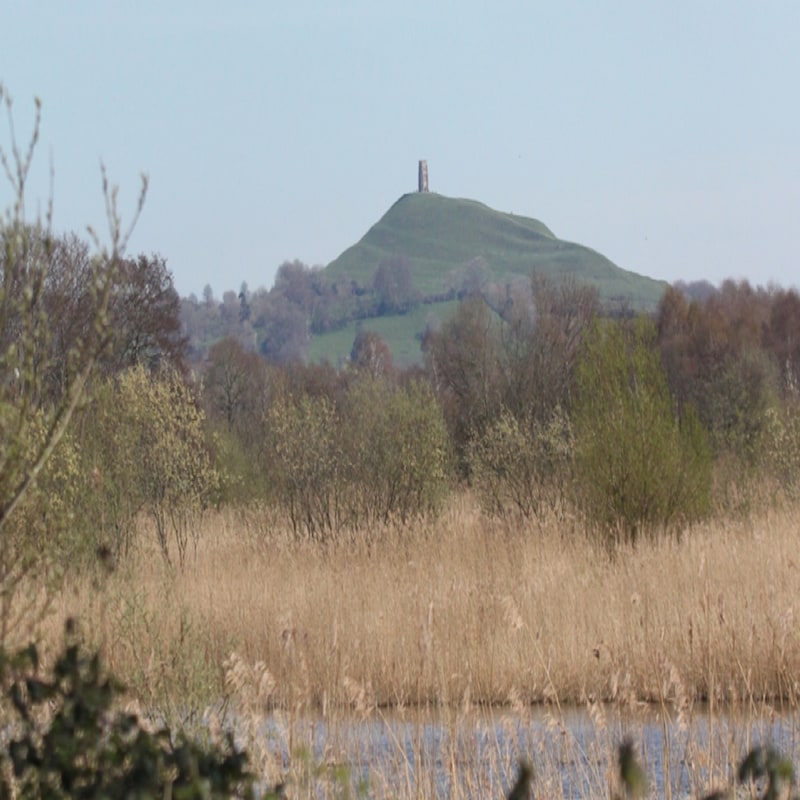
We visit Avalon Marshes in Somerset for the Summer Solstice
The Wildlife Matters podcast invites listeners to embark on a journey to the Avalon Marshes, a picturesque wetland area within the Somerset Levels, as the summer solstice approaches. This episode combines elements of tranquillity with a call to action regarding the pressing environmental challenges faced by various wildlife species. The initial segment provides a serene auditory experience, immersing the audience in the soothing sounds of nature, thus fostering a sense of mindfulness and presence. This reflective moment enhances listeners' connection to the natural world, setting the tone for subsequent discussions.
As the episode progresses, the focus shifts towards the critical issue of marine bycatch, which results in the unintentional capture and death of numerous marine animals, including seabirds, dolphins, and whales. Through detailed reporting and expert commentary, the podcast reveals the staggering statistics associated with bycatch, emphasising the urgent need for improved regulatory measures and innovative technologies. The segment featuring FishTech Marine’s development of acoustic pingers illustrates a proactive approach to mitigating bycatch and showcases the potential for technology to play a pivotal role in conservation efforts. Furthermore, the podcast discusses the government's responsibilities in addressing this issue and the need for public support for sustainable fishing practices.
In a hopeful conclusion, the podcast highlights successful conservation efforts, such as the reintroduction of dormice to Leicestershire and the introduction of a new GCSE in Natural History to educate young people about the importance of wildlife and environmental conservation. Scheduled to begin in 2028, this educational initiative underscores the significance of nurturing a generation that is informed and engaged with the natural world. Through these narratives, the episode encapsulates a profound message about the interconnectedness of humanity and nature, urging listeners to advocate for sustainable practices and to cherish the biodiversity that enriches our planet.
Takeaways:
- The podcast delves into the critical issue of marine bycatch, revealing alarming statistics about the unintended capture of seabirds and marine mammals.
- A notable aspect discussed is the innovative use of acoustic pingers to significantly mitigate bycatch, demonstrating the potential of technology in wildlife conservation.
- The successful reintroduction of Dormice in Leicestershire highlights the importance of habitat restoration in preserving endangered species.
- The upcoming Natural History GCSE aims to enhance young people's understanding of wildlife, reflecting a growing recognition of environmental education's significance.
- Listeners are encouraged to participate in the governmental consultation for the new GCSE, emphasizing the importance of public input in educational initiatives.
- The personal anecdotes shared during the exploration of Avalon Marshes provide a vivid illustration of the beauty and complexity of local ecosystems.
Companies mentioned in this episode:
- Wildlife and Countryside Link
- Devon Wildlife Trust
- FishTech Marine
- DEFRA
- People's Trust for Endangered Species
- PTES
- Wildwood Trust
- Natural England
- Hawk and Owl Trust
- RSPB
- Wildlife Matters
Transcripts
Hello and welcome to this week's Wildlife Matters podcast.
Speaker A:With the summer solstice just around the corner, we invite you to join us as we explore the enchanting Avalon Marshes.
Speaker A:These wetlands, rich with reeds and shimmering waters, lie at the heart of the Somerset Levels, close to the legendary town of Glastonbury and its famous tour.
Speaker A:Before we dive into this week's adventure, though, we will pause to enjoy the tranquil sounds of water and wind.
Speaker A:Take a moment with us to let the gentle breeze and birdsong transport you.
Speaker A:This is your chance to unwind and let everyday stress melt away on this week's Wildlife Matters mindful moments.
Speaker A:But first, let's dive into the wild side of the news with fascinating wildlife and nature stories in this week's the Wildlife Matters Nature News.
Speaker A:Hello and welcome to this week's Wildlife Matters Nature News, where we share some of the most interesting and important stories about wildlife and nature.
Speaker A:Our first story this week week looks at how marine bycatch is affecting seabirds, dolphins and whales in the waters of the Southwest.
Speaker A:Bycatch means accidentally catching marine animals and birds in commercial fishing boats and trawlers.
Speaker A:A report from the Wildlife and Countryside Link says that every year in the UK more than 10,000 seabirds, a thousand whales and dolphins and hundreds of seals are accidentally caught and killed.
Speaker A:Devon Wildlife Trust says stronger action is needed to stop thousands of marine animals being accidentally killed in commercial fishing nets every year.
Speaker A:Carly Kosciardi, the marine nature recovery officer at Devon Wildlife Trust, told Wildlife Matters that biocatch is seriously underreported and under monitored.
Speaker A:She said that the numbers in today's report are probably just the tip of the iceberg and the situation is alarming.
Speaker A:Bycatch is thought to be one of the main reasons marine life is declining across the uk.
Speaker A:Carly also said there are some clear signs of bicort marine animals washing up on the shores of the Southwest.
Speaker A:Wildlife Matters wanted to find out what was being done to reduce this disaster devastating loss of marine life and we discovered FishTech Marine, a marine technology company based in Darlington that has developed a new approach to help tackle this problem.
Speaker A:Pete Kibble from fishtech Marine explained, we have developed a range of acoustic pingers that emit high frequency sounds, typically between 50 and 130 kilohertz.
Speaker A:These high frequency pulses alert cetaceans such as dolphins and porpoise and whales to the presence of fishing gear.
Speaker A:Pete added that the technology is relatively inexpensive.
Speaker A:One of these devices could be installed every 200 meters along the head rope, foot rope or gill net they last for many years and the conservation gain is significant, reducing bycatch by somewhere between 80 or to 90%.
Speaker A:We also asked Carly Kociadi what the British government is doing to prevent the bycatch, and she told us that fishing gear can be modified to reduce the risk of bycatch, but that the industry needs incentives and government needs to support to make these changes.
Speaker A:We need better monitoring and reporting and more funding for research into new technologies, she said.
Speaker A:It's crucial that bycatch becomes a priority for the government.
Speaker A:In a written statement to Wildlife Matters, DEFRA said it is committed to restoring our oceans to good health and to taking action to reduce the bycatch of marine species.
Speaker A:Our flagship program, they said CleanCatch, uses electronic monitoring to collect bycatch data and evaluate the effectiveness of mitigation measures and our new Seabird Bycatch Action Plan aims to reduce seabird deaths in and around English waters.
Speaker A:There's good news for Dormice this week as more than 40 have been released into ancient woodland in Leicestershire.
Speaker A:The rare hazeldormouse was released into Braggate park to help restore the species to Leicestershire as part of the People's Trust for Endangered Spirit Species, or ptes, ongoing national effort to save dormice.
Speaker A:Ian White from PTES told Wildlife Matters that dormouse numbers are declining due to a loss of old woodlands, poor habitat management and the destruction or neglect of hedgerows, all landscape features that dormice rely on for shelter, food and movement.
Speaker A:From Project released a first batch of 21 dormice last year, which have bred and appear to be settling in well.
Speaker A: % nationally since: Speaker A:But over the past 30 years, the reintroduction program alongside habitat restoration, careful woodland management and ongoing monitoring has given this threatened species a real chance to recover.
Speaker A:And locally, by releasing more dormice into Breadgate park this week, we're one step closer to creating a larger connected population that could one day span span the entire national forest, which gives a real reason for hope.
Speaker A: irst Dormouse release in June: Speaker A:They have found more nests, a growing population and clear signs of successful breeding.
Speaker A: During checks in October: Speaker A:There was clear evidence of breeding, with 11 young recorded in August and 15 in September.
Speaker A:James diamond, director of Bradgate Park Trust told Wildlife.
Speaker A:We're hugely encouraged by how well last year's dormice have settled into their new home.
Speaker A:Finding evidence of breeding is extremely gratifying for everyone involved in both breeding release and the ongoing monitoring, and we're thrilled that more dormice are joining our existing population this year.
Speaker A:And we look forward to another summer of nest box checks and our fantastic volunteers hopefully finding even more evidence of breeding.
Speaker A:Most of this year's dormice came from the Wildwood Trust following its most successful breeding season yet.
Speaker A:Each dormouse received a full health check and spent four weeks in quarantine to ensure that they were healthy and disease free.
Speaker A:Afterwards, they were released in pairs into nest boxes within large mesh enclosures with plenty of natural light, plants and fresh food and water provided daily to help them to adjust to the woodland.
Speaker A:Once acclimatized, the cage doors would be opened, allowing the mice to explore the woodland freely.
Speaker A: at since the program began in: Speaker A:And our final story this week covers the long awaited launch of a new GCSE designed to help young people better understand the natural world.
Speaker A: Starting in September: Speaker A: plans were first announced in: Speaker A:Although no reason has been given for the delay, this new qualification will focus on three main UK habitats and wildlife human impacts on the natural world, including climate change, biodiversity loss and conservation.
Speaker A:Students will spend at least 20 hours outside the classroom conducting fieldwork, gaining hands on experience and applying their knowledge in real world settings.
Speaker A:The government is inviting input from pupils, parents and teachers and from wildlife and nature NGOs and groups through consultation.
Speaker A:As it prepares to launch this new GCSE, a 12 week consultation has begun to gather feedback from Steve Backshaw, presenter of TV's Deadly 60, described the announcement of the new GCSE as a massive day and Steve continued After years of everyone in British wildlife and conservation banging the drum, Education Secretary Bridget Phillipson has listened.
Speaker A:At the heart of this new GCSE will be a deep understanding of UK habitat and and wildlife as well as human influences on the natural world.
Speaker A:So to everyone who has worked so passionately on this project, huge congratulations.
Speaker A:To make sure your voice is heard, please take part in the consultation which you can find on the government website or we will include a link in our show notes and that has been this week's Wildlife Matters nature.
Speaker A:By catch from the fishing industry continues to harm marine wildlife along Britain's coasts.
Speaker A:There are affordable and effective ways to protect cetaceans and other marine wildlife.
Speaker A:The government should encourage the fishing industry to adopt these solutions and help reduce the impact of bycatch on our marine ecosystems.
Speaker A:It's great news that dormites have been successfully reintroduced to Leicestershire and that the new populations are thriving.
Speaker A: d news, even if waiting until: Speaker A:Now let's take a moment to enjoy the soothing sounds of nature together.
Speaker A:Picture yourself at the edge of a calm lake with a gentle breeze moving through the reed beds.
Speaker A:As you relax and enjoy this week's Wildlife Matters mindful moments, It.
Speaker A:We hope you enjoyed the sound of the breeze rustling through the reed beds on this calm, warm early summer day.
Speaker A:There's something very relaxing about it and it always makes us wonder which wildlife might appear amongst those reeds.
Speaker A:Now join us for an early summer solstice celebration as we set out to explore the magical Avalon Marshes.
Speaker A:Last year's solstice walk took us to Glastonbury Tour where I gazed out over the vast expanse of water and reed beds that form the Avalon Marshes.
Speaker A:That site was so unforgettable, it has inspired us to explore this unique wetland.
Speaker A:So now join us for a summer solstice adventure to Avalon.
Speaker A:Hello and welcome to this week's A Wildlife Matters main feature.
Speaker A:Come along as we set out on another adventure to discover the wonders of wildlife and nature together.
Speaker A:In recent years we've marked the summer solstice at famous places such as Stonehenge and the Glastonbury Tour.
Speaker A:This year, though, we wanted a change.
Speaker A:Instead of joining the crowds at the ancient sites, we chose a quiet woodland sanctuary.
Speaker A:This glade sits among broadleaved trees and the air feels full of promise.
Speaker A:With the owner's permission, we've parked here, ready to make our own solstice memories.
Speaker A:Last night we cooked marinated tofu over the campfire, listened to a muntjac barking and the tawny owls calling, and felt bats swoop close by as the fire embers lit the glade.
Speaker A:The night sky above was full of stars quietly shining over us.
Speaker A:The usual noise of daily life had faded and we felt a deep sense of peace.
Speaker A:At 3:30am we got up in the quiet before dawn, feeling excited as we waited for the first light of the solstice sun.
Speaker A:The kettle whistled on the stove and with hot drinks in hand, we watched the Sun Rise at 3:42am it feels like the perfect moment in nature.
Speaker A:After enjoying the company of the woodland wildlife and a hearty campfire breakfast, we tidy up and set off feeling refreshed on the winding 20 mile journey to our summer solstice sanctuary.
Speaker A:Today's adventure takes us to a 500 acre national nature reserve, which has a great mix of habitat, mainly wetland, but also wet woodland and heathland.
Speaker A:I've looked forward to this visit for over a year, ever since I saw the patchwork of lakes and marshes and reed beds from the top of the Glastonbury tour last solstice.
Speaker A:Now here we are at Avalon Marshes in the heart of the Somerset Levels.
Speaker A: tion until as recently as the: Speaker A:Today there are three main Big Bird species to look for here.
Speaker A:Now, we're not expert birders, but we do love all wildlife and these three are truly special.
Speaker A:We hope to see the Marsh Harrier, the great White egret.
Speaker A:And I'm excited that today might be the day I finally see a bitten, even though I've heard them many times before.
Speaker A:Today we're visiting Shapwick Heath, a national nature reserve that's managed by Natural England and Shapwick Moor, which is managed by the Hawk and Owl Trust.
Speaker A:There is a visitor center that offers information, a cafe, a craft shop, replica historic buildings, a classroom, a meeting room, there's car park and toilets.
Speaker A:The centre is at the heart of the area's nature reserves, but since we had a full day ahead, we didn't stop to explore.
Speaker A:Instead, we started our day on the ancient Suite Track.
Speaker A: Suite, who rediscovered it in: Speaker A: e pathway spans approximately: Speaker A:That's about 1.1 miles.
Speaker A:And it was built along the route of an earlier structure known as the Post Track.
Speaker A:It traverses what was once a marshy landscape, connecting a then island of West Hay to a ridge of high ground at Shapwick as part of a network that once crisscrossed the Somerset Levels.
Speaker A:The track was made of wooden poles that were driven into the waterlogged soil, supporting a walkway composed primarily of end to end oak planks.
Speaker A:Various artefacts, including a Jadotite ceremonial axe head, have been discovered in the surrounding peat bogs.
Speaker A:Although it was only in use for about 10 years before being abandoned, which was most likely due to the rising water levels.
Speaker A: weet Trac was rediscovered in: Speaker A:Most of it remains in its original location, with active conservation measures in place, including a water pumping and distribution system to keep the wood damp.
Speaker A:Today, some sections of the original track can still be seen in the Somerset Museum.
Speaker A:Like much of Avalon Marshes, Chapwick Heath is made up of peatland.
Speaker A: In the: Speaker A:We begin our walk at the Shapwick Moor, which was a former arable farm that the Hawk and Owl Conservation Trust now manage.
Speaker A:It is immediately clear that this area of land is different.
Speaker A:It's higher and it lacks the wet, boggy habitat, its patchwork of hay meadows full of wildflowers and life.
Speaker A:I stop to look around.
Speaker A:This is the perfect place for field voles and other small mammals and birds, which in turn attract the owls and raptors that the area is being managed for.
Speaker A:Now, I'm not an expert on farmed habitat, but this looks like a traditional field with wide edges and strips of rough grassland full of tall herbs and grasses.
Speaker A:These areas provide important pollen and nectar from spring to late summer, supporting many plant eating and predatory insects.
Speaker A:As a result, rough grassland near bird nests gives birds a local supply of insects, making it easier for them to feed their chicks.
Speaker A:The wild plants here, such as hogweed, cow parsley, thistles, ragworts and teasel can be vital sources of pollen and nectar, but also provide seeds for the birds.
Speaker A:Rough grassland is also a key habitat for amphibians and grass snakes, mainly when situated near ponds or other water bodies, as well as for reptiles and small mammals.
Speaker A:The rough, clumpy grassland gives karda bees a safe place to nest in the summer and offers shelter for many other insects all year round, including those that spend the winter at the base of the tussocks, hollow sterns and seed heads.
Speaker A:I can see how this area is managed to create aquatic habitats like ponds, seasonal pools and ditches.
Speaker A:These support lots of insects, which in turn attract amphibians and reptiles.
Speaker A:And these animals become food for the owls and raptors.
Speaker A:It's well designed, an almost natural food chain that supports all the species here.
Speaker A:As we head back across Shapwick Heath, excited to explore the diverse habitats here that include heathland, wetland, reed beds, wet grassland and woodlands, we make our way toward the wet woodlands, a habitat I find fascinating with the willow and alder trees.
Speaker A:Since wet woodlands are so hard for people to reach, they remain some of the most natural habitats here in Britain.
Speaker A:They might be floodplain woodlands, which change a lot with the flooding during the year.
Speaker A:The trees here include grey, white and crack willow, downy birch and alderman, forming a thick canopy which below meadowsweet, grows among the ferns.
Speaker A:I heard the frogs and toads croaking as I tried to identify the mosses and lichens on the trees.
Speaker A:I can't name all the mosses and lichens and liverworts as yet, but I am learning what I can tell you.
Speaker A:One plant I do know is bittersweet nightshade with its plump red berries that are toxic and should always be avoided.
Speaker A:The bird life is busy here even in summer, with siskin, willow tit and lesser redpoll, all species I rarely see.
Speaker A:They have plenty of COVID and food and I even spotted a tree creeper as I left the woods to start the next part of our adventure.
Speaker A:I took the path that runs parallel to the south drain to find a set of four hides that may help us find the big three we mentioned earlier.
Speaker A:One of the site's features is the architect design tower hide, with a large platform base and steps leading to an elevated hide topped by a stylish overhanging roof.
Speaker A:But it's busy inside and I wait on the lower deck looking east towards the reed beds.
Speaker A:I heard some of the folk in the hide upstairs excitedly calling, marsh harrier incoming.
Speaker A:I reached for my camera and I'm just in time to catch a beautiful female Marsh Harrier as she flies over the hide and across me.
Speaker A:I've been fortunate to see marsh harriers before, and females like this one are often mistaken for buzzards because they're so big.
Speaker A:But you can tell them apart by the shallow V shape of their wings and the way they fly low over the reed beds, scattering the ducks and the wild fowl.
Speaker A:It's an amazing display of power and agility.
Speaker A:The female Marsh Harrier is larger than the male and has a creamy head colour which can also be a feature of juvenile plumage.
Speaker A:Sadly, we didn't see the male today, so we missed their spectacular summer food passing display, which I have been so lucky to see before.
Speaker A:The tower hide is undoubtedly a key attraction, and with no sign of space in the hide becoming available anytime soon, we decided to head to the nearby Noah's Tower hide.
Speaker A:The Noah Hide is lovely.
Speaker A:It's not as spectacular in design, but perfectly functional.
Speaker A:And most importantly, it was empty.
Speaker A:I make my way to a seat to take in the views.
Speaker A:The hide overlooks extensive areas of re beds to the south or west with some open water.
Speaker A:I take out my water bottle and have a drink as I put the camera on a tripod and I then eat a tasty three bean wrap as I look through the binoculars to find out who is about.
Speaker A:Today there's a good variety of gull species, all dominated by the black headed gull.
Speaker A:Little terns create spectacular aerial displays and graceful water landings on the scrape, which they share with the Canada geese, mallards and a duck species that I haven't seen before.
Speaker A:This duck is tiny.
Speaker A:It's about the size of a teal, with a distinctive white stripe on either side of its head and a plain black bill.
Speaker A:I reach for my bird guide book, which nearly always leads to a question like what have you just spotted then and today?
Speaker A:It worked like a charm with the guy who is looking west from the hide, I explain, and he comes over scope in hand and soon finds the pair of ducks excitedly telling me that they are Galgani ducks.
Speaker A:He goes on to tell me that they're a rare sight as they are summer visitors who overwinter in Africa.
Speaker A:We spent some time discussing ducks and waders and somehow I learned about his life history before finishing my cup of tea and getting back to it.
Speaker A:A little while later, my new friend moved on and for a short time I was alone in the hide and before two ladies joined and began looking around, I focused my binoculars and scoured the reed beds, but there was nothing.
Speaker A:Although this reed bed was hundreds of meters away, I knew I had seen movement and this was a waiting game.
Speaker A:I kept the camera primed and again I saw the reeds move along with the white head and plumage.
Speaker A:It was a great white egret as it stepped out of the reeds and into the shallow water.
Speaker A:I've not seen a great white egret before and it's a large bird, roughly comparable to the size of a grey heron, but pure white, with a vibrant yellow orange beak that is impressively long and pointed.
Speaker A:As I watched, the great white egret stooped forwards, extending its neck just above the water's surface.
Speaker A:I had watched grey herons many times before, but I had never seen this behaviour.
Speaker A:Grey heron stands still and silent, then darts their long beak into the water and usually emerges with a fish or a frog.
Speaker A:But the white egret was scanning the area with its long neck extended before it makes a strike and emerged with a decent sized fish.
Speaker A:I must have made some comment, albeit inadvertently, as one of the ladies asked what I had seen and when I told her, she asked if they could have a look and I invited her and her friend over and all three of us watched the great white egret in silence for at least 30 minutes.
Speaker A:We had all got some good pictures and none of us had seen a great white egret before, so we were a pretty happy group in the hide.
Speaker A:Carol and Angela, my new friend, said they had seen a bitten earlier and told me where as I had never seen one before, and I thanked them and then I set off in search of the bitten.
Speaker A:I wanted to get to the mirhid, which was located back on the main path and on the other side of the south drain.
Speaker A:When I arrived, the hide was empty.
Speaker A:I sat down and looked around.
Speaker A:We were much closer to the reed beds here, and the water formed a smaller pool, reflecting the midday sun into a haze of rainbow colors.
Speaker A:There was a collection of ducks, gulls and a pair of Canada geese on the pool, and the reeds were busy with warblers darting in and out of them.
Speaker A:I couldn't see the nests, but the frequency of visits made me pretty sure that they were feeding chicks.
Speaker A:The bearded reedling is a stunning bird.
Speaker A:I watched the male perched on the side of a reed stem that reminded me of a surfer riding a massive wave, staying steady as everything around him tossed around by the breeze through the reeds.
Speaker A:To the right of the pool was an old branch raised above the water's surface, a classic perch for one of the most colourful bird species.
Speaker A:I focused the camera onto the perch and waited.
Speaker A:Kingfishers are curious as they are elusive birds, and I have often waited in silence to see them, only to find they've been watching me from a perch just out of my eyeliner.
Speaker A:But today was different, I guess.
Speaker A:With chicks in the nest, the pair were focused on feeding the hungry mouths that were in the hole in the bank just a few hundred meters away.
Speaker A:Over the next 10 minutes, I managed to capture a collection of pictures of both adults with and without fish, perched and diving.
Speaker A:Some shots of entry and exit from the water, which are always spectacular with the spray of water droplets and the bird's streamline shape on entry and wing spread, powering them out of the water on exit.
Speaker A:I was getting ready to move when I heard a distinct plop sound, one I hadn't heard in some time, but one I instantly knew was from a wild animal that I wanted to see as I sat quietly and waited, reflecting on around 25 years to my first species conservation project, working on a ditch in the depths of a surrey woodland lining the banks of a small stream with woven hazel that would catch the natural detritus that came down with the water and over time would begin to rebuild the banks of the stream and encouraged natural vegetation to flourish.
Speaker A:That work was primarily to benefit this species.
Speaker A:After a few moments, a slight bow wave appeared on the water with a small furry head visible at the front front of it.
Speaker A:As it reached the bank, the water vole stood on a couple of centimeters of mud and shook its dense fur before scurrying away into the reeds where its den would have been.
Speaker A:Moments later it returned and went back into the water with that distinctive plop sound.
Speaker A:It was terrific to see this rare but recovering mammal going about its business for the day.
Speaker A:And it made me realise that these small mammals are always busy, bursting with energy and constantly eating to fuel their tiny bodies.
Speaker A:Seeing the waterfall was one of the highlights of the day for me.
Speaker A:With so many good memories attached to these beautiful little animals.
Speaker A:Our final destination is the Shapwick Tower hide.
Speaker A:As I enter the hide and take in the stunning views that surround me, I can see a vast expanse of reed beds and scrapes, perfect for a wide range of water birds, many of which are migratory.
Speaker A:Once again, I'm alone in the hide.
Speaker A:It's late afternoon now, but in midsummer the sun is still several hours from setting.
Speaker A:I set up the camera and poured the last of my coffee from my flask and sat down to enjoy it.
Speaker A:With the sun to my right casting orange, yellow and green reflections off the water.
Speaker A:The scene is idyllic and serves as a reminder of how amazing nature is, especially given that this area was devastated by its peat extraction not that long ago.
Speaker A:It was then that I heard the call of the bird that I desperately wanted to see.
Speaker A:I've listened to it several times before, but I've never been fortunate enough to see one.
Speaker A:During the breeding season, male bitterns produce a deep foghorn like sound known as booming.
Speaker A:It's audible for up to two miles away and primarily they call at night.
Speaker A:Each male mates with up to five females who lay four to five eggs in March or April.
Speaker A: I recall reading that in: Speaker A:Historically, bittens face significant challenges here in the UK, with persecution and habitat loss leading to their extinction.
Speaker A:By the late 19th century, however, the collaborative efforts of the RSPB and Natural England have been crucial in preventing their extinction.
Speaker A:Once again, targeted conservation initiatives, including here at Avalon Marshes at Shapwick moor and the RSPB's Ham Wall Reserve, have fostered healthy populations of the birds here.
Speaker A:Bitterns rely heavily on reed beds for their survival.
Speaker A:Therefore, the restoration and creation of these vital wetland habitats have been instrumental in providing the conditions necessary for bitterns to feed and breed successfully.
Speaker A:I became aware of my own breathing as I sat in complete silence, listening intently in case that mail called again.
Speaker A:I focused the camera on a patch of the reed bed and took out the binoculars to watch for any movement in the reeds.
Speaker A:The bittern is a rare and shy heron that spends most of its time hidden in large reed beds, feeding on eels and other fish fish.
Speaker A:Its pale brown plumage streaks with beige and black markings provides excellent camouflage, allowing it to blend seamlessly into the reeds.
Speaker A:And to make things even harder, it can stand completely still for long periods to avoid being seen.
Speaker A:I'm working on mastering the patience required to see species like the bitten, and I have the utmost respect and admiration for the professional wildlife camera folk who spend days, sometimes weeks or even months, to get that one piece of video that makes a good wildlife program a spectacular one.
Speaker A:I reflected on what I knew.
Speaker A:There was a bitten in the reeds, but now it was a jeopardy of who would move first.
Speaker A:I moved slowly to make myself more comfortable and settled as I played a waiting game with the bittern.
Speaker A:It was at least 20 minutes, which felt like 20 years, where nothing moved but the reeds themselves as they rustled in the breeze across the lake.
Speaker A:It was a lovely late summer afternoon with a spectacular midsummer light reflecting off the water.
Speaker A:As I watched the dancing reflections of light on the water's surface, something in the reeds moved and caught my eye.
Speaker A:And there it was, the rear end of a bittern.
Speaker A:Neither its legs, body nor its head were visible, just the rear end, which was angled down, which made me think that the bittern was feeding with its head stooped down.
Speaker A:You might laugh, but I took a picture as this was the first time I'd ever seen a bitten, well, part of a bittern, and I was super excited.
Speaker A:A few moments later, the rear of the bittern moved back level.
Speaker A:I imagine it had finished its meal and had raised its head and done that thing that all heron species do, and that is to stand still and silent, and that's where it stayed motionless for maybe 15 to 20 minutes.
Speaker A:And by now I was becoming fidgety and I couldn't stop thinking about standing up and stretching before pacing around the hide.
Speaker A:But I knew that I couldn't.
Speaker A:This was the closest I had ever been to seeing a bittern, and I wasn't going to give in.
Speaker A:Now and then it happened.
Speaker A:The bittern turned around.
Speaker A:I could see its beak and the stunning patterns and colours within its plumage.
Speaker A:I took some pictures, but now it was more of a head and shoulders shot.
Speaker A:I could see the top of its creamy white leg.
Speaker A:It remained virtually motionless for several minutes longer, and then I noticed its leg move.
Speaker A:As if taunting me, it stretched out one leg and stood on it for a while before repeating the process on the other leg.
Speaker A:After stretching its legs, something I was desperate to do myself, the bittern finally took a couple of steps forward and was now fully visible in the small space between the reeds.
Speaker A:I hit the burst button just to be certain, but one thing I quickly realized was that despite the frustration of only seeing half of the bittern for over an hour, it was now in full sight and was not likely to move for several minutes.
Speaker A:Other birds were landing on the water, some coming too close to the reeds where the bittern was.
Speaker A:Initially, I was concerned that the nearby activities would scare the bittern away, but these magnificent birds are pretty resilient.
Speaker A:It barely moved a muscle, although it did react slightly to the closer flybys of terns, clearly aware of its surroundings.
Speaker A:For 20 minutes, the bittern remained in clear sight, allowing me to set aside the camera and just enjoy being in its presence.
Speaker A:Eventually, it stepped further into the reed bed and disappeared from view.
Speaker A:I'll always remember seeing that bittern.
Speaker A:For the bird, it was just another day of finding food and hiding in the reeds.
Speaker A:But for me, it was the first time I'd ever seen a bittern.
Speaker A:This encounter marked a wonderful end to our summer solstice adventure at Avalon Marshes, on the edge of the mystical Glastonbury.
Speaker A:We'll certainly return, as we've only explored a fraction of this magical reserve.
Speaker A:After speaking with a member of the Wildlife Trust team at Calcot, I'm eager to visit West Hay Moor.
Speaker A:And I haven't been to Ham Wall, the neighbouring RSPB reserve, so that is another adventure to look forward to.
Speaker A:I hope you've enjoyed our summer solstice adventure to Avalon Marshes on this week's Wildlife Matters main feature.
Speaker A:We hope you enjoyed our time together in Avalon today, finally seeing a bittern after so many attempts of only hearing one, but never spotting this elusive heaven was a moment that I will never forget.
Speaker A:If you ever have the opportunity to visit these mystical marshlands and experience the magic for yourself, we strongly encourage you to do so.
Speaker A:And we will certainly be back soon to discover even more of their wonders in a future episode of the Wildlife Matters podcast.
Speaker A:Next time on the Wildlife Matters podcast will share how spending time in nature can improve your mental health.
Speaker A:We'll share the latest research and our own experiences, leading walking groups that help people to reconnect with the natural world.
Speaker A:And as always, thank you for joining us today.
Speaker A:We really do appreciate you being here.
Speaker A:Wildlife Matters will return in two weeks, but until then, stay curious wild ones.
Speaker A:This is Wildlife Matters signing off.
