Shownotes
Ever feel hijacked by a negative thought that spirals into a bad day?
In this episode of Whole Again, Michael breaks down how trauma and stress impact your thought patterns—and how to interrupt them with mindfulness before they take over. You’ll also learn a simple digital wellness tip to help you scroll less, stress less, and reclaim your energy.
Takeaways:
- Discover a mindful framework for catching and reframing negative thoughts in the moment
- Learn why those inner critic stories aren’t facts—and what to say to yourself instead
- Try a digital declutter trick that helps reduce mindless scrolling and boosts emotional clarity
Take a deep breath and discover how to stop negative thoughts, reset your nervous system, and reclaim your resilience—one mindful breath at a time.
00:00 Introduction and Episode Overview
01:21 Understanding Negative Thoughts
02:16 Steps to Manage Negative Thoughts
04:07 Reframing and Adjusting Negative Thoughts
06:19 Mindfulness and Celebrating Small Wins
07:11 Digital Health Tip: Improve Your Relationship with Your Phone
08:48 Conclusion and Additional Resources
Discover how to scroll less and live more by taking my Free Smartphone Wellness Audit by clicking phone.
Did you know that stickers are wonderful visual cues to help you create healthy habits? You can get one of my free Pause Breathe Reflect sticker by clicking sticker.
To discover more and sign up for My RIPPLE EFFECT newsletter by clicking Ripple Effect.
We can also connect on LinkedIn. or at Michael@PauseBreatheReflect.com
Subscribe to be sure you don’t miss any of the micro-meditations, wellness tips, and guidance that I publish every Monday, Wednesday, and Friday at 7:11 am.
If you feel you need more mental health support, please contact NAMI.
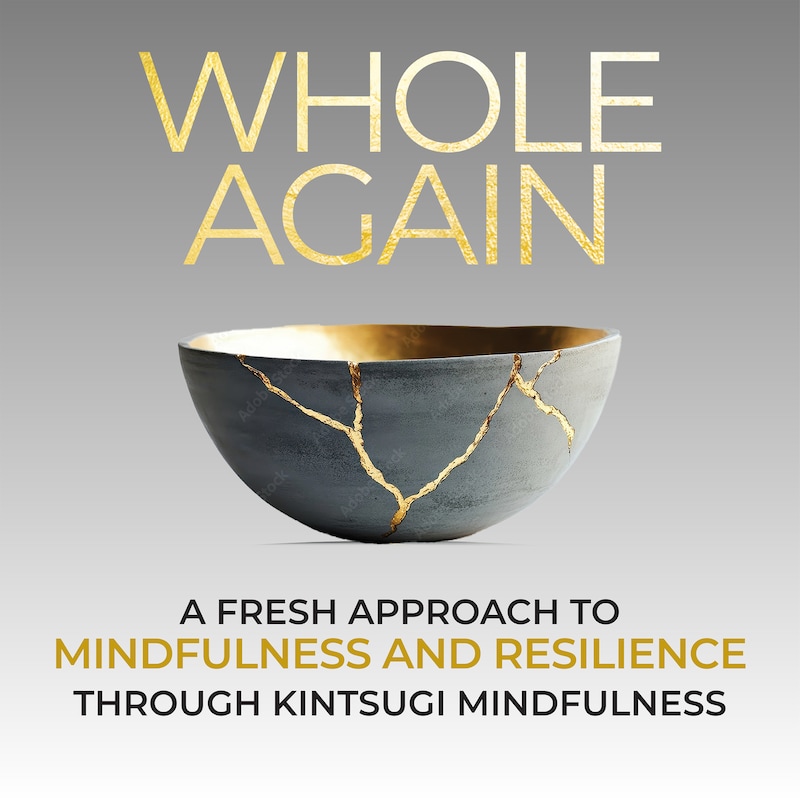
With Whole Again: A Fresh Approach to Healing, Growth & Resilience after Physical Trauma through Kintsugi Mindfulness listeners explore resilience through personal stories of trauma, scars, and injury while learning to overcome PTSD, imposter syndrome, self-doubt, and perfectionism with self-compassion, self-love, and self-worth. Through insightful discussions on stress management, mindfulness practices, and digital wellness, the show offers practical tools like breathwork, micro-dose meditation, grounding techniques, visualization, and daily affirmations for anxiety relief and stress relief. Inspired by the art of kintsugi, the podcast embraces healing as a process of transformation, encouraging a shift in perspective from worry and being overwhelmed to gratitude and personal growth. By exploring the mind-body connection, micro-dosing strategies for emotional well-being, and holistic approaches to self-care, this podcast empowers listeners to cultivate emotional resilience and live with greater balance and intention.
Transcripts
In this episode, you'll discover how to stop negative thoughts in their tracks and get another life changing tip to improve your digital health. Hey there, it's Michael. Welcome to Whole again. A show about helping survivors a physical injury and trauma, reclaim their strength and resilience through the wisdom of Kazuki.
On Fridays, I love sharing a microdose of wisdom with you to help you become whole again and step into the person you're becoming. In this episode, you'll discover how to stop all those negative thoughts and prevent a bad moment from turning into a bad day. And since it's Friday, another life-changing digital tip, so you can learn how to use your smartphone rather than your smartphone using you.
But before we get to all that goodness, I wanna take a moment to say thank you for being here, and thank you for being a fellow survivor.
All right. Now let's get into how to stop negative thoughts. This is something we all deal with. We all wrestle with negative thoughts from time to time. We all have a little voice in our head, that little critic that pops up at the worst possible time. So when our inner critic starts yapping, starts chirping, how do we stop it?
How do we stop those negative thoughts before they spiral out of control so we don't have a bad moment, turn into a bad day. So let's start with some good news. If you have negative thoughts, this means you're officially human. So congratulations. And the even better news is that we can learn how to interpret our negative thoughts differently.
So we can stop them in our tracks. So the first step is awareness, which is part of my four A model, awareness, acceptance, action, and adjustment. As you know, negative thoughts are not facts. They're simply stories. We love to tell stories about ourselves and about other people, but these are stories our inner critic loves to tell about us, and they're.
Fear or old pain or old trauma, sometimes mental or emotional, sometimes physical, and they can pop up when we're tired, when we're exhausted, especially as we are going through things, as we're healing from injury or illness or physical trauma. The real danger isn't about having a negative thought. Again, that's quite common.
The real danger Ranger is believing these thoughts without questioning them. So step one again, is awareness. And we catch the thought. When we notice that we have a negative thought, we catch it and we name it. And once we name it, we can. As cliche as this sounds, we can claim it. Naming it really allows us to create space around it.
And in that space, that's where your power is. So you might notice the thought bubbling up in your head. I often find that I notice my negative thoughts popping up in my body first because I notice the stress in my body or the tightness in my body. Then it directs me to look at what's happening in the mind, and that might be the case for you.
Okay, here's the next step. Now that we have awareness, now that we've named it, we can accept the fact that yes, we have a negative thought. It's all part of being human, as I've already mentioned. Now we can reframe it. I have a model called Grace that stands for gratitude, reframing awareness, community and energy.
I'll talk about that in a future episode of Whole. Again, reframing is an action. Going back to those four as awareness, acceptance, action. So the action is to reframe it, not in toxic positivity, but with a true kind statement. So when that negative thought pops up, we can reframe it into something a bit healthier.
Something of course that you believe. So instead of saying, I'm not good enough or something, that's usually a little spicier because that's how the inner critic often talks to us. We can say, I'm doing the best I can right now. Or if we say or believe we're broken, we can say to ourselves, I'm healing. And healing is messy.
Ain't that the truth and real.
If we believe that you'll never get there, you can simply say, every step I take matters. It gets me closer to the person I'm becoming. Our minds and bodies are like gardens. What we plant in them and how we take care of them, how we water them, put down a little fertilizer, all that matters and it will influence what grows in our garden.
The next step in reframing negative thoughts is adjusting because life is a practice. Some things you try out and reframing a negative thought will work, and sometimes what you try won't work. So you have an opportunity to adjust and make this practice your practice because what works for you is going to work for you.
And it might not work for everyone else. Just like what works for me may not work for you. And here's one last thing I really wanna share with you around negative thoughts. The moment you notice them, that moment, that is a practice of mindfulness. The moment you notice a negative thought, there's victory in that, and that's worth celebrating.
It's a sign that you are awake. You're not just numbing your way through life, it's a sign that you're reclaiming your power. Again, this is worth celebrating. And here's the cool thing. You don't have to believe everything you think you can pause, take a deep breath, and in a moment of reflection, you can choose in every small choice you make towards being kind and compassionate to yourself.
Is a step towards feeling and being whole again. So try this out and let me know how it goes. And now here's our tip to improve your digital health so you can improve your relationship with your phone, so you can use it and it won't use you. So I love this tip. Today I want to invite you to delete one of your distracting apps from your phone.
Replace it with an app that brings you more joy and happiness that helps you stress less. I'm not sure if you know any apps like that, but I do know of one. It's called Pause, breathe, reflect, and my app can help reduce your unproductive screen time by up to 55%, and it has over 700 short micro practices to help you stress less and improve your focus.
It's a pretty cool app, but I also know that I'm a bit biased, but I hope you'll check it out. Here's what to do though. Delete that distracting app and write where that used to be on your phone. Replace it with an app like Pause, breathe, reflect, or another app that brings you more joy. If you're like most people, you're in a habit of going right to that spot on the phone, pulling up that distracting app.
So once you. Pull it off your phone and replace it with something that brings you more joy. You might see your relationship with your phone changing. So try that out and let me know how it goes.
In today's episode, you discovered how to stop negative thoughts. So their, you don't have a bad moment, turn into a bad day, and you learned a pretty cool tip to improve your digital health and change that relationship you have with your phone and as always. Thank you for being here,
and if you wish to further enhance your digital health, I'll invite you to take my smartphone wellness check and you can access it through the link in the show notes, or you can visit my website, which is Michael O'Brien schiff.com and it's absolutely free. And it'll help you scroll less and live more.
And of course, I hope you'll join us here on whole again every Monday, Wednesday, and Friday, and discover how to heal, grow, and become more resilient and celebrate our scars as golden symbols of strength and resilience. Until then, remember, you can always come back to your breath. You've got this. And we've got you.