Shownotes
In this motivational episode, William Milliken, President of Swoop Scoop, shares how to scale service businesses and overcome mindset barriers to hiring. If you struggle with doing everything alone and fearing your first hires, you won't want to miss it.
You will discover:
- How to start taking action without waiting for perfection
- Why mindset blocks prevent scaling beyond solo operations
- What simple systems turn a simple service into millions
This episode is ideal for for Founders, Owners, and CEOs in stage 3 of The Founder's Evolution. Not sure which stage you're in? Find out for free in less than 10 minutes at https://www.scalearchitects.com/founders/quiz
William Milliken is the Founder of Swoop Scoop, a multi-million-dollar dog waste removal company that has transformed a simple chore into a booming business serving thousands across multiple states. With a sharp digital marketing background, he’s built several 7-figure home service companies and has become a go-to expert in creating profitable, recession-proof businesses. As the founder of the Poop Scoop Millionaire community, he’s empowered hundreds of entrepreneurs to launch successful dog waste removal businesses. William shares powerful strategies for scaling businesses, digital marketing, and unlocking financial freedom in unexpected industries.
Want to learn more about William Milliken's work at Swoop Scoop? Check out his website at https://swoopscoop.com/
Mentioned in this episode:
Take the Founder's Evolution Quiz Today
If you’re a Founder, business owner, or CEO who feels overworked by the business you lead and underwhelmed by the results, you’re doing it wrong. Succeeding as a founder all comes down to doing the right one or two things right now. Take the quiz today at foundersquiz.com, and in just ten questions, you can figure out what stage you are in, so you can focus on what is going to work and say goodbye to everything else.
Transcripts
Hello, hello and welcome. Welcome once again
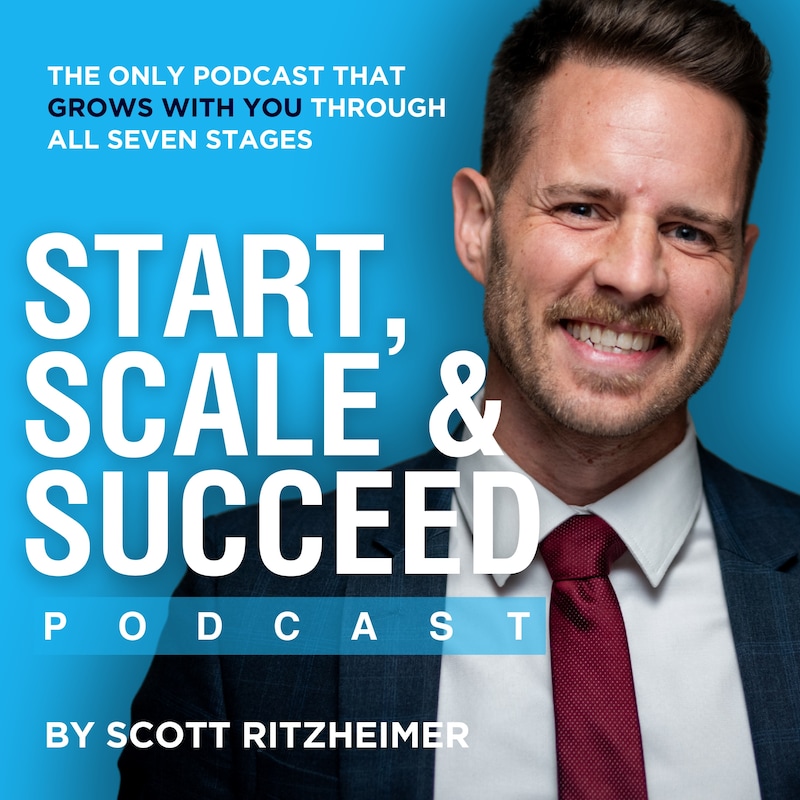
Scott Ritzheimer:to the start, scale and succeed. Podcast, the only podcast that
Scott Ritzheimer:grows with you through all seven stages of your journey as
Scott Ritzheimer:founder, I'm your host, as always, Scott Ritzheimer, and
Scott Ritzheimer:today we're talking to founders and those even thinking about
Scott Ritzheimer:getting into the founder game, who know that there's this
Scott Ritzheimer:uncomfortable milestone that we all have to face. It's that
Scott Ritzheimer:point where you've got customers, that's a good thing.
Scott Ritzheimer:You've got revenue, that's a good thing, but you physically
Scott Ritzheimer:can't do it all yourself anymore, and you're staring at
Scott Ritzheimer:it for the first time, thinking, we need real hires. We need
Scott Ritzheimer:people who can help. Why in the world would anyone want to work
Scott Ritzheimer:for me? Because you realize you're competing against the big
Scott Ritzheimer:guys, right? The AmEx, the Amazons of the world. FedEx is a
Scott Ritzheimer:world of the world, the landscaper down the street of
Scott Ritzheimer:the world, especially those who are in the service business. And
Scott Ritzheimer:it's a real challenge. And what I have found is that while there
Scott Ritzheimer:are some realities to that challenge, a very significant
Scott Ritzheimer:portion of it is between your two ears. So we're gonna figure
Scott Ritzheimer:out how to fix that. We're not gonna do it by ourselves,
Scott Ritzheimer:because today, we have the one and only William Milliken, who
Scott Ritzheimer:is the founder of Swoop Scoop, a multi million dollar dog waste
Scott Ritzheimer:removal company that's transformed a very simple chore
Scott Ritzheimer:into a booming business serving 1000s across multiple states,
Scott Ritzheimer:with a sharp digital marketing background, he has built several
Scott Ritzheimer:seven figure home service companies and has become a go to
Scott Ritzheimer:expert in creating profitable, recession proof businesses. As
Scott Ritzheimer:the founder of poop scoop millionaire community, he's
Scott Ritzheimer:empowered hundreds of entrepreneurs to launch
Scott Ritzheimer:successful dog waste removal businesses. William shares
Scott Ritzheimer:powerful strategies for scaling businesses digital marketing and
Scott Ritzheimer:unlocking financial freedom in unexpected industries. To say
Scott Ritzheimer:the least, William, welcome to the show. So glad you're here.
Scott Ritzheimer:This is easily the most interesting business idea that's
Scott Ritzheimer:come across our desk as we're looking at different guests to
Scott Ritzheimer:have on. And what I love about it is you have literally made
Scott Ritzheimer:millions of dollars getting people to pick up who like,
Scott Ritzheimer:literally in an industry that other folks wouldn't touch. And
Scott Ritzheimer:from the looks of it, you guys are doing a fantastic job with
Scott Ritzheimer:that. And again, it really goes to the heart of this issue in
Scott Ritzheimer:the small business world, of why in the world would folks come
Scott Ritzheimer:and work from us? So how have you done it? How have you gotten
Scott Ritzheimer:great folks to come and work for you all these years?
William Milliken:Yeah, definitely, it's been an
William Milliken:evolution from when we first started. For sure, I'd say some
William Milliken:of the big things that we like to do is, as you were
William Milliken:mentioning, comparing yourself to the big guys. So first and
William Milliken:foremost, we like to be able to pay a little bit above market.
William Milliken:So we'll go and see what the local landscapers are and Amazon
William Milliken:and FedEx and all those types of places. We generally try to pay
William Milliken:people just a couple dollars an hour, more than that, and then
William Milliken:beyond that. It's about having a good culture, having good work
William Milliken:life balance for people. So we provide benefits. We also allow
William Milliken:people to come in and work. Basically, they can pick their
William Milliken:own schedule, as long as they get their routes done, which is
William Milliken:a benefit of this business. So we're able to offer a lot of
William Milliken:flexibility there as well, which I think goes a long way. And
William Milliken:this industry too, as you mentioned, not a lot of people
William Milliken:have heard about it before, so it's kind of novel. Has the
William Milliken:opportunity to go viral, not only for getting customers, but
William Milliken:for people that want to work here too, because they just want
William Milliken:to go outside, they want to spend time with dogs. So I think
William Milliken:a lot of those things kind of play into how we've been able to
William Milliken:ramp that up as we've grown
Scott Ritzheimer:Yeah, so starting off with kind of the
Scott Ritzheimer:elephant the room in that statement is we find out what
Scott Ritzheimer:the average is, and then we pay a couple dollars more an hour.
Scott Ritzheimer:How do you make that possible? Someone who, who's sitting there
Scott Ritzheimer:again, someone in similar shoes to where you were years ago?
Scott Ritzheimer:Now? How? Let me actually start with this seemingly basic
Scott Ritzheimer:question. But how do you know? How do you know what other folks
Scott Ritzheimer:are are offering nearby?
William Milliken:Yeah, I mean, you can just go on some of the
William Milliken:job boards. You can go on Indeed, a lot of places will be
William Milliken:posting those, those prices, and if they're not, you're done,
William Milliken:typically going to be more competitive. You're going to get
William Milliken:more applications if you actually tell people what you're
William Milliken:paying versus some of the competitors. So that's probably
William Milliken:the first place that I would go. Place that I would go to start.
William Milliken:And then just as you're interviewing too, you can get
William Milliken:intel, and you can get information from people, kind of
William Milliken:as you go.
Scott Ritzheimer:Yeah. And then how did you guys figure out a
Scott Ritzheimer:way of paying more? What was the what's the backstory there?
William Milliken:Yeah. So for me, personally, my kind of
William Milliken:philosophy in businesses, I don't I want as little problems
William Milliken:as possible. So I want to be able to get the best people on
William Milliken:my team as possible. So it's kind of the whole philosophy,
William Milliken:and then it's just kind of reverse engineering the union
William Milliken:economics of your business, right? So you have to have high
William Milliken:enough margins to be able to do that. You have to have good
William Milliken:enough systems to be able to do that. And that's kind of how we
William Milliken:reverse engineered the business, just to make sure that we could
William Milliken:actually afford that. So I didn't have all those issues,
William Milliken:because I don't want people coming in and out of the
William Milliken:business all the time. It creates quite a bit of issues
William Milliken:and costs more money than I'd like to pay.
Scott Ritzheimer:Yeah, it's interesting, because those
Scott Ritzheimer:issues are a lot harder to quantify than the dollar an hour
Scott Ritzheimer:that you see on the job ad or the number and. Yeah, the pay
Scott Ritzheimer:stub. How did you guys get a sense of how much that was worth
Scott Ritzheimer:to you?
William Milliken:Well, I think at the beginning, as I
William Milliken:mentioned, I don't, I don't want any issues personally, so I try
William Milliken:to be as hands off as possible with the business. So I'm
William Milliken:willing to take a little bit less personally, I guess, I
William Milliken:guess, to make that happen, but really it's just putting putting
William Milliken:it out there, putting a different price, putting a
William Milliken:different offer out to the marketplace, and then seeing
William Milliken:what kind of candidates you're able to get from that. So with
William Milliken:the kind of current flow that we have right now, every time we
William Milliken:post a job ad, we have over 100 people applying professional
William Milliken:Cooper scooper, which is great, and we'll literally filter
William Milliken:through 125 different resumes before we actually make one or
William Milliken:two hires, just being very selective about what we're able
William Milliken:to bring on now too, has been very beneficial.
Scott Ritzheimer:Yeah, it's fascinating. It's interesting
Scott Ritzheimer:because it sounds obvious when you say it, but for so many
Scott Ritzheimer:people, the thought process is the opposite. The thought
Scott Ritzheimer:process is like, I got into this to make money. Why would I give
Scott Ritzheimer:it to everybody else? And, and I think again, that's really at
Scott Ritzheimer:the heart of the problem, in that there's some obvious
Scott Ritzheimer:limitations to that and and the trade offs aren't as clear in
Scott Ritzheimer:that direction as they are in the opposite and so the Yeah,
Scott Ritzheimer:I'm trying to figure out how I want to wear this next question.
Scott Ritzheimer:But when let me just switch gears a little bit, I've been
Scott Ritzheimer:wanting to get this. I'm putting off those to see if I can go any
Scott Ritzheimer:longer, if I can. So you talked about paying above the average
Scott Ritzheimer:wage, and then the other thing that you talked about is
Scott Ritzheimer:culture, and that's interesting to me, especially in an
Scott Ritzheimer:environment where folks at their own hours don't work their own
Scott Ritzheimer:routes, they're going to spend the majority of their time out,
Scott Ritzheimer:most of it even alone. How do you guys achieve culture in an
Scott Ritzheimer:environment like that?
William Milliken:Yeah, so there's a couple of things we
William Milliken:do. One big thing that we've done that's helped not only with
William Milliken:culture but hiring is we have a use a platform called School,
William Milliken:which is basically an online community platform. So we have
William Milliken:all our employees there, and not only can they interact with each
William Milliken:other, they're able to talk to each other, they're able to
William Milliken:upload pictures of like cute dogs and stuff they saw that
William Milliken:day. We also have full training for every single position within
William Milliken:the company, so whether you're Cooper scooper, marketing
William Milliken:manager, office manager, everything's right there in that
William Milliken:same hub. That's been a pretty big unlock for us, especially
William Milliken:when we're onboarding as many new employees as we are, they're
William Milliken:able to just go through the training, it's pretty seamless,
William Milliken:and then they're able to kind of integrate into the community in
William Milliken:online way. Then we also will do events, we'll do competitions,
William Milliken:different things like that, and then also having, like, a clear
William Milliken:ascension route for people to come in as super scoopers if
William Milliken:they want to become a supervisor, we call it as a next
William Milliken:step or area manager. So we have, we have a lot of
William Milliken:opportunity also,
Scott Ritzheimer:I love that. What What role do you think your
Scott Ritzheimer:selectiveness and hiring has attributed to that culture?
William Milliken:Yeah, I think it's been, it's been totally
William Milliken:key, especially in the service based industry, right? You have
William Milliken:to make sure you have good customer service. You got to
William Milliken:make sure that you're getting good reviews and reducing
William Milliken:turnover, making sure you're hiring high quality people,
William Milliken:people that can pass a background check, people that
William Milliken:you're not afraid to send out into your customers backyard. I
William Milliken:mean, that's that's going to be totally key if you want to
William Milliken:scale, scale any business beyond yourself, I would say.
Scott Ritzheimer:Yeah, so I want to shift our focus back to
Scott Ritzheimer:the founder themselves. We talked about the mindset that
Scott Ritzheimer:you shared on valuing, not having problems and paying well
Scott Ritzheimer:to do that. Now the flip side of that, especially for folks who
Scott Ritzheimer:are in service businesses that might be a little closer to
Scott Ritzheimer:their heart, right, something like an accounting professional,
Scott Ritzheimer:or I remember talking once with a guitar luthier, and so almost
Scott Ritzheimer:a bit of a craft an artist and piece to it. And part of the
Scott Ritzheimer:challenge that they find in bringing other people in is that
Scott Ritzheimer:those other people just are problems. They don't think like
Scott Ritzheimer:them, they don't act like them. So for someone who who is really
Scott Ritzheimer:good at the job that they do, and they're trying to reproduce
Scott Ritzheimer:that success in others, what have you learned as a trick
Scott Ritzheimer:there?
William Milliken:For us, it's really we've productized our
William Milliken:service, right? So it's not, we're not like attorneys or
William Milliken:anything like that, where we have to come up with strategies
William Milliken:and whatnot. Everything is totally systemized from the way
William Milliken:that you walk your yard and how you clean your equipment in
William Milliken:between each yard, and it's easy to replicate, I guess is what I
William Milliken:think the main key is, it's makes it a lot easier to train
William Milliken:people not doing a bunch of custom services and the custom
William Milliken:products for people. If you could just set your product,
William Milliken:make it kind of cookie cutter, that's going to be a lot easier
William Milliken:for not only scaling your business in general, but also
William Milliken:hiring training, getting people going.
Scott Ritzheimer:Yeah, one of the things I like about that
Scott Ritzheimer:sets it up to when you've simplified. That by the
Scott Ritzheimer:delivery, you can set up really effective processes around that,
Scott Ritzheimer:right? Yeah. And again, this looks like an area that you guys
Scott Ritzheimer:have really excelled. But it's one thing to have the systems.
Scott Ritzheimer:It's another thing for people to actually follow them. How have
Scott Ritzheimer:you guys succeeded in getting folks to actually follow through
Scott Ritzheimer:on those systems processes?
William Milliken:Yeah. So, I mean, we really try to track a
William Milliken:lot of those important metrics, right? So we're tracking how
William Milliken:many yards people are doing per hour, tracking that people get
William Milliken:callbacks. We do QA is on everybody. And there's also a
William Milliken:clear line of command. So there's, there's a lot of
William Milliken:oversight to make sure people are doing their jobs the correct
William Milliken:way, which is another expense to the business. As you get bigger,
William Milliken:right? The more people that you hire as you bring on, managers,
William Milliken:directors, etc, definitely shrinks the margin. But without
William Milliken:it, kind of the wheels fall off the bus, so to speak. So it's
William Milliken:definitely something necessary as you continue to grow.
Scott Ritzheimer:I think one of the challenging things to accept
Scott Ritzheimer:is that, is that all that management stuff is worth it,
Scott Ritzheimer:right, especially if you're being selective where you're
Scott Ritzheimer:hiring the top 1% of the people who who choose. Why is it that
Scott Ritzheimer:management is still necessary in that in that environment?
William Milliken:I mean, you can only manage so many people,
William Milliken:you can only scoop so many yards. Can only manage so many
William Milliken:people, you can only hire so many people and you only have so
William Milliken:many domains of, I guess, knowledge that you're really
William Milliken:good at. So we're at the point now where we don't even hire
William Milliken:scoopers anymore. We have a Operations Manager. We have
William Milliken:location managers at each location. We have an office
William Milliken:manager who's hired a marketing manager. We got somebody to run
William Milliken:finance. And with those are all the kind of the core functions
William Milliken:of the business, right? I want to have a business anyways that
William Milliken:can technically operate without me, even though I'm still part
William Milliken:of it, trying to grow it. But it's not possible unless you
William Milliken:have those people in those positions that are that are
William Milliken:talented at what they do.
Scott Ritzheimer:What role does your vision for the company have
Scott Ritzheimer:in that? Did you have, I mean, did you have an ambition of
Scott Ritzheimer:going to multiple locations in many states from the very
Scott Ritzheimer:beginning? How did you know that those investments were going to
Scott Ritzheimer:pay off?
William Milliken:You know, I'll be on. When we first started
William Milliken:this, this business, I had no idea if it was even going to
William Milliken:work. I was happy to make an extra 1000 bucks a month, kind
William Milliken:of a thing. And as it started to grow, and as we started to get
William Milliken:product market fit and the demand started to increase,
William Milliken:really started to expand the scope of what was going to be
William Milliken:possible. So we're in a good position now where we have a lot
William Milliken:of options. We can keep opening up locations, we can franchise.
William Milliken:Just really looking at, for me, I look at the unit economics and
William Milliken:see what makes the most sense for the company. And over this
William Milliken:last year, kind of my job has been building that
William Milliken:infrastructure, bringing in those leaders for the company,
William Milliken:so we can just start copy pasting, opening new locations,
William Milliken:which we're going to be doing throughout the next few years.
Scott Ritzheimer:Yeah, I love that. So William, there's this
Scott Ritzheimer:question that I have for you asked all my guests. I'm
Scott Ritzheimer:interested to see what you have to say, both as someone who
Scott Ritzheimer:helps founders and entrepreneurs and entrepreneurs and someone
Scott Ritzheimer:who's still very much in the game themselves. What would you
Scott Ritzheimer:say is the biggest secret that you wish wasn't a secret at all?
Scott Ritzheimer:What's that one thing you wish everybody watching or listening
Scott Ritzheimer:today knew?
William Milliken:The biggest secret I wish wasn't a secret at
William Milliken:all. I know there's a lot of people that are kind of afraid
William Milliken:to make that first step to get into business. So I would just
William Milliken:say, I mean, the biggest secret, really, is just to get out there
William Milliken:and start doing things, start taking action. It can seem
William Milliken:overwhelming, but it's just things that you got to figure
William Milliken:out one step at a time. If you want to have a better life, you
William Milliken:want to hit financial freedom, you really just got to get out
William Milliken:there and get after it. That's going to be the best way to
William Milliken:actually learn not do things, not make things perfect before
William Milliken:you get started. You don't need to have the perfect logo, you
William Milliken:don't need to have the perfect website, you don't need to have
William Milliken:the perfect marketing plan. You don't even need to have the
William Milliken:perfect plan in general. It's just really going out there
William Milliken:getting started. I say, I would say it's the biggest, biggest
William Milliken:secret to success that I found.
Scott Ritzheimer:Yeah, so good, doesn't happen if you don't take
Scott Ritzheimer:the first step. So there are some folks listening that may be
Scott Ritzheimer:interested in becoming franchise fees or or just learning from
Scott Ritzheimer:your success. How can they reach out to you? How can they find
Scott Ritzheimer:more out about the work that you all do?
William Milliken:Yeah, so we're not franchising the business
William Milliken:right now, but if you do want to learn the business, or you do
William Milliken:want to talk to me, we have an online community on that same
William Milliken:platform I talked about school. It's called the poop scoop
William Milliken:millionaire. So we teach people how to get into the industry.
William Milliken:That's pretty much the only place where people can talk to
William Milliken:me. I check my exams every morning, so if you want to talk
William Milliken:to me, that's probably the best way to get a hold of me.
William Milliken:Otherwise, if you want to see our company or anything, check
William Milliken:it out at SwoopScoop.com kind of see what we've been doing over
William Milliken:the years.
Scott Ritzheimer:Fantastic, fantastic. Well, William, thanks
Scott Ritzheimer:for being on. Thanks for sharing what you learned. Fascinating
Scott Ritzheimer:stuff in there. I really appreciate you being here today.
Scott Ritzheimer:And for those of you watching and listening, you know that
Scott Ritzheimer:your time and attention mean the world to us, I hope you got as
Scott Ritzheimer:much out of this conversation as I know I did, and I cannot see
Scott Ritzheimer:you next time. Take care.