Shownotes
Why is male allyship one of the most important conversations in workplaces today — and why does it matter more than ever right now?
In this special episode of Whole Again, Michael celebrates the launch of The Five Levels of Male Allyship — a new release bestseller co‑authored with Dr. Shawn Andrews. Together, they explore how workplaces can move beyond performative diversity efforts and instead cultivate real belonging through intentional allyship. This book isn’t just theory — it’s a practical framework designed for leaders, teams, and individuals who want to make work work better for everyone.
By listening, you’ll discover:
- Why allyship is critical in today’s changing cultural and political landscape
- How the five levels of male allyship can help individuals and companies create stronger, more inclusive cultures
- What real allyship looks like — and how it benefits not just women and underrepresented people, but men too
- How a culture of belonging unlocks engagement, collaboration, and performance in teams
Shawn brings data, science, humor, and deep insight to help listeners navigate inclusion more effectively — and Michael reflects on how this framework fits into the whole again mission of resilience and connection.
Take our Personal Allyship Assessment that we referenced.
Buy The 5 Levels of Male Allyship
Discover more about Dr. Shawn Andrews.
You can now download my Pause Breathe Reflect App with Microdose EQ for FREE on Apple’s App Store or Google Play. Discover how to spend less time on your phone and more time on things that bring you joy. Also, find the support you need to navigate today’s uncertainty with more calm and grace.
Receive a FREE copy of my book: “My Last Bad Day Shift.”
We can also connect on LinkedIn.
Subscribe to be sure you don’t miss any of the micro-meditations, wellness tips, and guidance that I publish every Monday, Wednesday, and Friday at 7:11 am.
Transcripts
Hey there, it's Michael. Welcome to Whole again, the show that can help you navigate today's uncertainty with more mindfulness, resilience, and grace. And today I have a very exciting episode to bring to you because it's book launch time. That's right. Our special guest, Dr. Shawn Andrews, and I. Wrote a book that came out yesterday.
I'm recording this today. So hopefully today we are celebrating the fact that our book, the Five Levels of Male Allyship, has become a new release bestseller because this book is critical for the moment we share together to help make work culture work better, to help us feel whole again. At work because we feel divided at work as we do in today's society.
So this book is part of the Yi of our Kintsugi to help us find a way to come together. Sean is a professor at the University of California at Irvine. She's an accomplished speaker and author. She's a friend, she's a fellow cyclist, and I'm so eager to share our book with you and your colleagues and companies.
a framework I created back in:We wrote our book to help meet men where men are at today, and to help them understand what steps they can take to become a better ally. It's also written for any leader that cares about strong culture, who knows that a strong, cohesive culture, a culture of belonging, allows their team to fully tap into their potential.
ose efforts, especially after:Our approach is completely different. We feel this is the time to release this book because culture, whatever we happen to call the initiatives behind it still matters. In fact, it matters so much more today with AI rapidly advancing. We need to find a way to come together because this work that we get to do is about being a better human to other humans.
And I know you're gonna love Shawn as I do. She brings great wisdom data, scientific rigor, humor, empathy, and understanding to all the work that she does to help others create better work culture. So if you're ready to discover a bit more about Dr. Shawn Andrews and our new book, the Five Levels of Male Allyship, I'll encourage you to take a deep breath in and a slow releasing breath out, and take a listen and discover how you might help your work work better.
Shawn, my friend. Good to see you. Thanks for joining me.
Thanks, Michael. This is so exciting to be on your podcast for the first time.
I know this is pretty cool. And then the day after our book, which we'll talk about, the five levels of male allyship was released, and obviously we're recording this. Prior to the book's release.
So I hope today we are celebrating in some form or fashion, the fact that the book is a bestseller and you know, a hot that
would great,
a hot new release. And for folks listening, you can still help us with that. But we'll share more about the book here in a bit. So I wanna start off with a little, a few questions for folks to get to know you a little bit better, Sean.
Okay.
So if people check out your website, they learn that you're into drumming.
Aha,
you're a musician. Uhhuh. So here's the question. Name a favorite drummer, or two.
Oh, that's,
do, do you have, do you have one?
Oh, for sure. For sure.
All right. So, uh, who are they? Do tell?
Yes.
Curious Minds want to know.
Any drummer who their favorite drummer is, especially around my age, you know, 50 somethings, um,
a Gen, so a Gen X generation drummer.
Okay.
I'm a You got it. Gen X. Um, Neil Pert from Rush comes Yes. Top of the mind. I mean,
yes, that's the proper answer that this means. We can continue the interview in, in, in conversation here on whole. Again, if you said anything else. But Neil's name, I don't know. We would have to prematurely close down this whole conversation,
Neil, the, the stuff he does is, is just so far above everyone else, you know, his, his off signature, his offbeats, his, his speed.
I mean, it's amazing his timing. Yeah, I, I would say a, a more, a more modern. Uh, drummer would be Carter Buford from Dave Matthews Band.
Oh yeah.
He is a lot like Neil Pert, where he does a lot of the off signature fast, you know, crazy stuff. But, um, yeah, Neil's gotta be the, the top of the list.
So how did you get into the drums and what was the reaction?
From your parents when you're like, Hey, I wanna get into drums. Did it start when you were a kid or did it come a little bit later in life?
It actually started earlier than that. Uh, I used to beat on the crib when I was a baby. Like I, I'd tap on the crib and then I got, you know, a little older. I'd be in the car and I'd tap on the back of the car seats and it drove my parents crazy.
So they, they took a clue and got me a toy drum set when I was about five. And so. I stuck with it and, uh, played it. And then they got me a real drum set, kind of a starter kit when I was maybe 11 or 12. A a, a red, uh, red sparkle pearl, uh, kit. Played that up through high school. Uh, through high school. Uh, and then I, for the first time got in a band.
I joined the marching band and Right. I joined the jazz band and concert band. And so I learned to read music. Uh, but I mostly play by ear. I don't really cite read. Um, but that was all good, you know, learning and discipline for music was my high school band experience. And then I got in college and I joined, um.
Got in, uh, kind of rock band, progressive rock, and we actually we're original band creating our own music and we started gigging. And so that was my first experience gigging with the band. And so, so yeah. So it's progressed. And then since then I've been in several cover bands. I've been in original bands, and I've done some studio work as well.
Well, very cool. So the whole, like later in life, getting into bands and doing gigs may change or soften. What I was gonna share earlier. And I say this with all the love in my heart, but like you are officially like a band geek member. Like you're like, you joined the band. I say this too 'cause my wife was in the band in high school, so she's a band geek.
Oh yeah.
And you were into rush, which is very niche. So you were in that whole genre growing up is like a little bit of like owning your own geekiness and nerdiness in a very gen X way and, and then coming out of it. Flourishing and doing gigs and the whole thing. I, I just love it. That's awesome.
Well, I have to say I was only a band geek for one year.
I took it just my freshman year, and I had to make a decision my sophomore year because I was also playing softball and volleyball and, and I couldn't do all of it. And so I had to, I had to make a decision, so I decided to drop band and do softball. But, um, I've continued playing and so. Even though I wasn't taking formal band, you know, for my later high school years, I played and then got in real bands in college and, and I even recently, uh, at Christmas, I went to Scottsdale to visit my sister.
And she had a band, she had a party and she had a band there. And I sat in with the band and they liked me so much, they invited me to come to the club the next day to gig with them. And I did. Wow. And I haven't played, I haven't played. The kit in front of an audience in years, and I sat, I played for an hour at a bar with them.
It was so fun.
That is so cool. That is a, that is rockstar status. I, I love it. I love it. So here on whole, again, I believe music is medicine. That's one of the reasons why I asked you that question. I also, um, believe that, you know, um, movement is, uh, medicine, movement in nature is medicine. So do you have a favorite place in nature that really helps you feel connected?
Probably the, probably the beach, I would say. Ah, yes. Uh, I, I mean, I like, I like mountains, I like lakes and streams, but, but probably the beach. You, you know, you get a lot of, uh, if you've ever read on the negative ions that you know, the. The beach gives off and I think it has maybe something to do with that, but I just like the, you feel refreshed, you know, renewed when you go down to the, take a walk on the beach and just, you know, watch the birds and boats and
Yeah.
I love it. Yeah. Well, you're in a great location in California to be able to like, just get over there and watch the waves come in and there's, there's an energy to the beach.
You
know, there's the energy to the ocean and heck, if the oceans can, uh, you know, have some special dance with the moon, you know, there's something in the universe that's sort of, well, it's just unexplainable that we, we don't necessarily know what's happening, and it's good to be in positions where we don't fully know.
And so, uh,
yeah.
Um, I think that's a really healthy way to like, go through life. So, um, all right, so now that we've covered those two questions, Sean, like how the heck did we get here? So let, let's, let's start. We, we'll talk about our book, the Five Levels of Male Allyship. I'm gonna see how many times I can say that during our whole conversation.
You can pick it up at your nearest bookstore or Amazon or any independent bookstore like Powell's. Perhaps in Portland, Oregon.
I'm picking up right now.
Sure. You can pick it up there. That's perfect. So, so can you, can you share a bit more about your non, your, your non drummer life background? Like how did you, you know, come into this topic of leadership and management and work culture inclusion.
So if you can share, uh, more about your background, that'd be awesome.
Yeah. Uh, I had to really think about, someone asked me that when I first, with my first book in, in my dissertation research, which was on leadership and, and gender, essentially. And they asked me like, why, you know, what made you interested in this?
And. I had to really rack my brain, but I think inherently, like I am an includer in inherently, you know, I believe in inclusion. I believe everyone should have a voice. You know, we should have equality and equity and everything else. Uh, even going back to my early, you know, looking, when I was younger, um, like in college for example, when I looked back, I remembered that I was a note taker for disabled student services.
So even then I wanted to reach out and, and make sure everyone was included and help other people. And I did that all through college. And then, um, strength finders, um, you know, some of your listeners may know it's, you know, tool's been around forever. When I do strength finders, one of my top five strengths is includer.
And so
Wow. Okay. Perfect. Yeah. Perfect alignment. Go Gallop and strength finders. That's
awesome. Yeah, yeah, totally. And like, so, well, I think I've always just valued. Inclusion and, and making sure no one's left out. And, you know, making sure everyone, you know, paying attention to those who may need some help or maybe underserved.
d my doctoral program back in:And when I looked at that, I was like most people shocked at the data. But then I was really curious about. What is behind this? Why we're in the 21st century? Why are we still talking about leadership gaps and gender and, and race? You know, particularly in gender. Why? Why do we still have this? Why are we still talking about it?
So that's what drove me to study the topic in my dissertation as I looked at all the barriers that women and and men experience as well, but women. To a greater extent, you know, what holds women back? How can men and women work better together? Um, looking at leadership and emotional intelligence from a gendered perspective.
So all that is kind of under that DEI umbrella. Um, I didn't realize it at the time, I would thought I was just looking at leadership and gender, but um, it turns out it is all under, you know, DEI and so,
absolutely, yeah.
So that led to my first book, uh, the Power of Perception. That's essentially based on my dissertation research.
And then, um, this book is actually very much aligned with that. 'cause we're still talking about leadership. We're, we're talking about inclusion, we're still talking about gender, but we're focused on helping men and supporting men and being better allies to, you know, to women and people of color. So it's, it's really, um, very much aligned, I think with that, uh, original research and, and just my, my.
Passion and my interests, I think.
Yeah. I, I love, I love what you. Shared just now. 'cause it's, you know, part curiosity, part, you know, um, thinking beyond oneself to how do you connect others and bring other others in. You know, really in serving the spirit of, in one way, of helping us feel whole again. When we feel that connection, uh, one of the things that we shared.
In our book, you know, when people get the videos after taking the assessment is that we go far together, right? The book, five levels of male allyship. So, uh, you know, so I love, I love your answer and response to that question. I, I am. Also curious. Sometimes we do teach or we get interested in things that we, we have felt, uh, maybe the suffering or pain from.
So were there times in your professional career where you felt maybe like an outsider or you didn't feel, or you, you felt the, the impact of the gender divide or gender inequality, uh, that further fueled your interest in this topic?
You know, not there, there's not a specific incident I could point to about that.
I, I think it's just the general inequities and structures and systems and processes that, um, you, you know, work. If you, you go back to the history of work. Work was designed by men. To benefit, you know, to align with men's ways of thinking and feeling. Women came into the workforce in large numbers in the eighties.
You know, they were certainly there in the seventies and sixties, but not in large numbers. So women enter into the system and this structure and. It's, it's cultures that are really designed more for men and men's interests. And so women have had to adapt to working in mostly male cultures and, uh, almost, almost, you know, industry agnostic across the board.
You know, so, so I've always been, I've always been aware of that, that as a woman in corporate America, you know, I've, I've certainly had to adjust, but I haven't. I don't, I haven't experienced like outward, you know, biases, discrimination, things like that, inequities for me in particular. But I, I've certainly noticed overall inequities and I've, you know, I've seen, um, you know, I've seen many, and there's been a lot written about this, but I've seen many incompetent men be promoted over very competent women or, or people of color that certainly don't get the opportunities.
And, you know, I, I've seen that of course, being in corporate America. Um, and I, I think, think it's just having the awareness of it and wanting a, wanting corporate cultures to be more equitable and more inclusive because I, I truly believe we all benefit when those cultures are more inclusive. Um, and so I think it's, I think it's more about just the quest for having, uh, more inclusion and better cultures that's gonna benefit everybody, including companies.
Yeah. I so appreciate that, Sean. I, that's one, one of the reasons I think we make a dynamic duo, if you will. I, uh, there's so much potential that we leave on the table
Yes.
When we don't come together in the way that we can. Mm-hmm. You know, there's so much. You know, learning and development that goes on in every industry, um, across this country, the us, across the world, and, and a lot of it is window dressing and not deep enough to really find a way to come together to really tap into that potential.
Yeah,
that's why I'm so. I'm so encouraged by what our, our book can do. Mm-hmm. Especially in this, this time that we all share in this era, if you will. I would love for you to share like your, your vantage point. You know, people will hear me talk about like how I thought our book came to be. But I would love for you to share like, your perspective, like how did this book come to be?
Like what, like, um, you know, 'cause I always love to ask authors like, why this book? And like, why now? Yeah. And you know, um, you know, so as, as an author, I have my answer to this, but I, I'd love for you to share a little bit more, again, from your perspective of, you know, how do, how do we get here?
Yeah, well that one's actually easy to answer.
Um, so we, you know, we, we addressed that in the introduction of the book. We talk about, you know, kind of how we met. But given that, I mean, you and I, I am so, I'm, I'm always continually amazed at how much we have in common and how, how we have very similar beliefs and we had two completely different.
Childhoods growing up in different Yes,
absolutely.
um, you know, I think it was:And your topic, uh, I can't remember the exact name of your topic. Something about inviting men into the inclusion conversation or
Yeah. How, how to, it was, the title of the talk was How to Include Men in the Inclusion Conversation.
Okay. This was.: Yeah. I think it was either:Oh, may have been.
Yeah. Like because the pandemic.
Yeah,
because I was out there in, at Huntington Beach, California for a cycling camp, and then I, you know, multitasked and came to. Your chapters event. So I think it happened right before then. If Okay, if I'm not mistaken. But the, the years tend to blend as I get older, Sean.
So I, so who, who, who knows? But it was around that time period.
as a professor. I started in: were at the halfway point. So:And I literally sat there thinking he is onto something. Those were my exact thought. My exact thoughts were he is onto something and nobody is talking about this. And no one was talking about this. I mean, allyship.
And until our book still. Until our book, yeah. Not too many people are still talking about it, but hopefully with our book they'll talking about it a little bit more frequently.
Yes,
that's right. And the general, you know, allyship and equity and mentorship and mentors and that's that'd been around. It's been around for decades, but se the, the characterization and this kind of the categories and the segmentation of men, no one was talking about it. And I loved what you were saying during that talk.
.: end of:so about four years. I had been noodling on this, right. And I kept it in the back of my mind, and I never forgot it because I, I found that I kept coming back to it and I kept thinking.
The segments of men, you know, this is where it's at. We have to be talking about this because we, we need, we need more allies. We all need more allies, right? Uh, but if you're, you're, if you're a person of color or a woman in the workplace, given the inequities that we just talked about in systems and cultures.
We definitely need allies and, and men in particular because most men are in decision making positions of power even today. So it's critically important, uh, to have men as part of the conversation. And so I just, I can't do the realization that we will get nowhere near gender parody any type of parody without men on board, period.
chael was alluding to back in:You know, let's put some, some meat on the bones and let's put some details and interview some folks and. And, uh, voila. Here you go. Here we are.
Voila. Yeah, so I, I didn't, haven't shared with, with the listeners of Holgan her the, the backstory completely from my perspective. So, I'll, I'll pick up where you just left off.
So when you did reach out to me to say, Hey, I wanna write a new book and I wanna use your archetype framework as the foundation of the book, uh, will you, will, you know, will you co. Author the book with me. Uh, my first thought was, well, it's very sweet of Sean to reach out, but my second thought was like, I don't have, I don't have time for this.
Like, I just like, uh, oh my God. I like just another project. 'cause at the time I was still trying to get my pause breather reflect app off the ground and starting, and so I was putting a disproportional my, my energy into that project. But then I. You know, I, I sat with it as I do, you know, little space to think and be, because I admire and respect you so much.
I was like, okay, we're gonna find a way to make it work. And I'm so glad we did because I think right now is such an important time for the book to come out and I, I do wanna talk about that. But yeah, so I came. I originally came up with those archetype, which the original design was seven, and into the book we, we bring it down to five to make it a little bit more straightforward.
eld of inclusion since really:That, that guy who is quite resistant to all of this. Mm-hmm.
Mm-hmm.
And we were trying to prove that the way we saw it, we were right in trying to promote more diversity, equity, inclusion, and hate dude. Hey, bro, you're wrong. We're right. You're wrong. And all that does is it creates friction and not conversation and it doesn't bring about any change.
And I, I, I felt like I would sit in these workshops and I would leave very frustrated because I thought we had missed an opportunity. An opportunity to talk to some of the men who were already there that like, at least from my, you know, self-reflection, you know, was trying to act as an ally or guys that were really curious about how to lean in to allyship further.
But we weren't speaking to them. All we were doing is telling that guy who was resistant, Hey, you're wrong buddy. We're right. Um, and, and the way we set it and the we is, um, basically the professionals or the leaders or guru's, experts, influencers in this space of inclusion. The way the tone we took was, Hey, bro, you're just not that smart.
Like, we're smarter than you, like we we're enlightened and this is the enlightened pathway, and you're sort of in the dark ages, slow and stupid.
Mm-hmm.
That's, that may not have been the intent, but that's certainly how it landed for a lot of those guys who I know. And I, I felt like, wow, like, well, we're not gonna change anything.
Brene Brown taught, taught us this. We're not gonna change any, through anything through shame and blame. We gotta find a way to bring them along. But we can't forget 80% of the other guys that we might be able to bring along. Take a step closer to allyship. So that's why I created that. And I was like, I go this, I go, this is something.
'cause no, no group is monolithic.
Yeah.
Uh, including men. And so, uh, we, we should be talking to and talking with, um, everyone, um, maybe a bit differently to meet them where. They happen to be. And I think that's a better way to have a conversation. So around this whole idea, Sean, about look why now, and I do think our book coming out right now is, is really important.
. 'cause certainly last year,:mm-hmm.
On diversity, equity, and inclusion. Really right off. Start of the year, in fact, the horrific helicopter plane crash in dc that was in January of last year. The initial thought was, well, the cause of it was because of diversity, equity, inclusion efforts.
That's right.
The, the pilots weren't competent,
right?
And so like right off a huge backlash. And we saw universities suffering. We saw companies, uh, running away from initiatives, changing language, um, making consulting firms richer by changing, happy to glad and glad to happy or whatever.
Yeah.
Um, so one could argue like, Hey.
Michael, Sean, Sean, Michael. You guys, this isn't wise to come out with a book around allyship right now. It's, you know, it's too political. It's too, fill in the blank. But what say you, why is this the right time for this book?
Well, I would, I would say just the opposite actually. This is the perfect time for this book because of the DEI backlash that's been driven by this administration.
So, you know, DEI has become a, a political hot potato. It's become a, a, a dirty word, you know, four letter word and, um. We all know, I think the vast majority of people truly believe in the value of, you know, diversity and equity and inclusion. They want workplaces that are, that have more, you know, um, more of those things.
And I think the vast majority of people truly believe in it. But given the political environment around us. Companies are being conservative. They've pulled back, they've changed language. They're not even doing, you know, workshops. They're not even doing leadership development art anymore. Uh, not to the same extent they were just a few years ago.
A couple years ago. So there's been this massive pullback and it's all under this, you know, DEI is a bad thing, you know, under this DEI umbrella. And, and I think once, once we see a change in administration. Whatever that is. Um, I think the pendulum's gonna swing back, but. Because I do, again, I truly believe my heart of hearts, the vast majority of people, you know, believe in DEI and, and there's mounds of data I think everyone knows of, of course, you have more diverse people in the room.
You're gonna have more diverse ideas and, you know, more engagement and more, uh, collaboration and, and all that. Um, so, you know, the data's there and people believe in it, but it's just we're in such a strange political time. So. I think it's the perfect time for a book like this because allyship is something that we all need.
You know, we need people to help us in our careers. Um, we need, uh, people to advocate for us, you know, when we're not in the room. And so, um, and we need a whole diverse network of allies. Um, but. We all need more. We definitely need more male allies. Uh, for the reason I mentioned earlier, vast majority of positions of power is still held by men across nearly every industry.
I would even say all industries, if you look at leadership, leadership is men. And so, um. Men have a really unique opportunity to step up and be allies and help others along the way so we can all benefit. And so I think even with the DEI pushback that's swirling around us right now, it's a great time to reach out to men and say, you know what?
We understand, uh, the environment we're in. And, and you know, as you know, we, we do speak to that in the book. We have a whole section on the whole DI push back and where it comes from and our thoughts on it. But, um. I think it's, it's a great time because we, everyone needs allies right now. And so providing a framework like we have and guidelines, you know, for men and for women actually to how, how do you identify allies?
How do you develop and create allies? How do you, uh, you know, we understand you, you may be maybe at level one or two, but you want to be at level four or five, you know, how do we help you get there? And so, um. Laying it out as we, as we have, I think is really gonna benefit a lot of people.
So for that guy that might be listening, who, who might say, okay, yeah, I, I get what you guys are, are saying, but I don't know about this.
Like some of the past practices that trainings it. Other people were advancing and all this de and i stuff I was actually losing. So I, I, I didn't, I didn't feel any benefit. So why, why should I care about this? Um, for the guy that might be feeling that way, how would you respond to him, Sean, in terms of what could be the benefit in becoming a, an allies sort of the, the, with him, if you will.
Oh yeah. Well, fortunately that actually there, there's tons of benefits for men and becoming an ally. Uh, I'll just, let me just list some of 'em. Uh, and, and data is behind every one of these that, um, when men step into allyship, you know, they become more empathetic, more curious about others. Um. They are, they listen with the intent to learn, which helps their own development.
Um, they become, they, uh, they, they have more of an abundance mindset instead of a scarcity mindset, you know? So it just kind of opens up their perspectives. Um, they learn about trust, uh, they get ideas, they get better at collaboration, um, advocating for others again when they're not in the room. Um, and then they're also often viewed as, you know.
Kind of valued rainmakers within their companies are kind of the go-to guy. And so men who serve as mentors, allies for others, are often looked to as leaders. And so there's, there's a whole host of benefits to men when they do step into allyship, um, building, uh, here's some others, uh, building larger, more diverse networks.
Well, that's gonna benefit men, right? Having more diverse networks, gaining knowledge. Um. Creating more inclusive cultures, which is gonna help them and their teams. They can even, they even help their companies bottom line when more men step into allyship. So, and there's even actually, uh, one study ether that showed that men become better husbands and fathers, which is probably the most lofty benefit on the list, right?
You become a better dad, you become a better partner when you serve as an ally for other people.
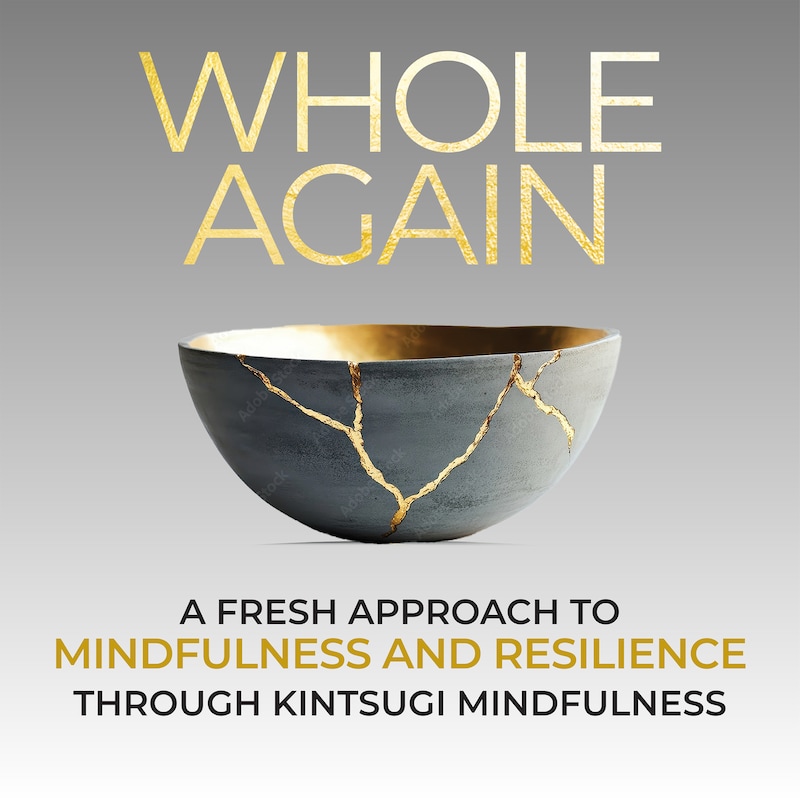
That's so cool. I love it. I, I do think, like in sort of in our spirit here in whole, again, we use the Japanese art form of tsui, uh, that, you know, where pottery breaks and it comes back together. Clearly. We, we feel in our society that we are divided.
Uh, some may say we're, we're broken. Uh, like work culture is broken and through allyship, uh. The glue that brings the pottery together to create the tsui is called Yi. That that yi is very similar to. I think what we're trying to share in the book is like through allyship, that can be the glue that can bring work cultures together.
And to your point, as you just answered, Sean can really benefit all of us. You know, like, and that's the, you know, as cliche as this is, uh, a rising tide lifts all ships. Right? You know, there's, there's opportunity. That comes to everyone. It might not be equal across the board, uh, but there's opportunity in it for everyone.
And once we start to realize that, then it's easier to see, see the world through other abundant lenses, more infinite lenses, uh, more opportunities, uh, for all of us. It doesn't come with such friction or tension or stress that a lot of companies that don't embrace allyship feel because they, they're operating through a finite lens or a scarcity model, and so they're mm-hmm.
They're
restricted. So, um, so one of the things that we also have in common be besides, um, our love of work culture inclusion. Our love of rush. Great band out of Toronto. One of my current favorite bands out of Toronto is a band called, uh, beaches. So, uh, it's a great band, so they're, they're awesome. Uh, but we are also cyclists, so in the book we, we use a, a cycling reference called a Peloton.
And so I'd love for you to share like what a Peloton is for those that don't know.
Yeah. And actually this leads perfectly into what the comment I was just gonna make. Um, so yeah, Peloton is, you know, it's, I think like, to think of it as, as your posse, it's people around you that support you, that help you ride faster, you can serve energy, um, and you're safer in the group.
And so, um. If you have a Peloton to surround you, you know, and help you, um, go further faster, you know, less energy, feel safer, you know, we all should be striving for that. Um, but I was just thinking as you were talking about, um. You asked about the benefits of allyship, and I was thinking there is a subtle nuance we probably should explain to your listeners.
So there's mentors and there's allies and there's sponsors. Uh, and, and I'll, I'll get back to the Peloton in a min in a sec. This will, this'll loop back to the Peloton. So a mentor helps you in your current role, helps you develop in your current role. So, you know, maybe your listening skills or your speaking skills or whatever it is, you're, you know, negotiating skills.
So a mentor helps you develop in your current role. A sponsor helps you get to that next role. So maybe they are advocating for you, you know, when you're not in the room, uh, and advocating and talking, you know, good about you, you know, Michael really should be promoted. Michael's fantastic, you know, things like that.
But an ally is someone who is with you the entire way. Ally is someone who supports you. So I like to think of a Peloton as like a group of allies as well. So it, it ties in nicely with the book because, um, it, it's, you know, allies support you. They help you go further faster. Uh, you feel safer when you have allies.
You feel more included when you have allies in your Peloton. So, so yeah. So, uh, I think it ties in nicely.
That's perfect. A great response. I love that. Like bringing in all those different characters into the Peloton. That Peloton could be made up of a lot of different roles. And, uh, for those that you know, de further, uh, explain it.
Think Tour de France, all those cyclists in cra, they make up a peloton. I love your word posse, Sean. It's your, like your squad, your team. Uh, I love it. So this. This whole concept of creating more inclusive, uh, work culture. Work culture that feels like belonging is hard work, right? And I believe that we can do hard things.
And last year you did something pretty hard. You rode your bike across the country from Portland, Portland, Oregon, to Portland, Maine. My wife is from Portland, Oregon. So that Portland is the better Portland in my humble opinion, because I, uh, found that Portland via marriage, so they win. But that hard thing that you did, you rode across the country, you know?
I would love for you to share, like, how, how did you do that? And I, I think there might be some themes that we can apply to this work we're trying to do and help others, um, sort of step into the ride, if you will. Clip in, if you will. Um, like how, how do we go about doing hard things, like hard things cycling across America and creating better work culture.
Yeah. Um, so yeah, I mean. My j so that this was a bucket list thing for me, probably as it was for you, I'm guessing too.
Absolutely. Yeah. Since I was, um, a, we, we, little kid, I dreamt of riding my bike across the country.
Wow. And my earliest memories in my twenties for some reason. Not quite high school. I think I was in college when I first heard about like right across America and Race Across America.
I thought, wow, that'd be really cool. Way to see the US and what a cool thing to do. So it's been on my list for almost 30 years and, um, 25 maybe. And this just happened to be the right time. Everything came together and, and I did it. But yeah, as far as analogies, hard work, definitely. This was probably the hardest thing I've ever done.
Um, it was. It was not a walk in the park, even though I had trained for almost a year. It, it was not an easy feat. Um, the back to back riding, uh, you know, the hills, the, the whole thing was hilly except a couple days that were relatively flat, but there were hills and, uh, the hills are not my favorite thing.
And so, um. It was not easy and it's also it. It was all about perseverance and it was about getting up and doing it again and learning, you know, making tweaks and learning. So if you apply that to allyship, and I'd love to hear your thoughts on this too, Michael, but definitely hard work. It can be hard work, you know, you have to show up.
You have to be persistent. Um, you have to be consistent at it, um, you know, whether you're cycling across the country or you're stepping into your allyship. And so I think there are those few analogies there. Um, and at the end when I find I was so happy to finally be done, but when I look back, it was.
Such an accomplishment. I mean,
yeah,
I mean, I felt like there's nothing I can't do on the bike now, you know, after doing that. But, uh, you know, you have to persevere and it's not always gonna be easy and you have to get through the hard days and, and just, you know, stay focused on the kind of, the bigger goal at the end.
In my case it was Portland, Maine. But, you know, just getting there, um, and I think you could probably think of allyship in the same, the same way.
Yeah, I really think you can, that perseverance to stay in it. I, you know, when I look at doing hard things is having the big goal.
Mm-hmm.
Riding across the country or creating more inclusive work culture and then you ease your grip on that final destination because if you grip too tightly on that, we can.
Be too far out over our skis to mix a metaphor, but it's like holding it loosely and then it, it is in classic, um, a classic analogy, pedal stroke by pedal stroke. You know, it's like, it's the day in and day out, the perseverance, as you mentioned. And some days are going to be pretty easy. Like, Hey, we got this allyship, we got this whole culture thing, and then the winds will change, or the weather changes as it will.
Mm-hmm. Whatever conditions that we have, they get more difficult. And it could be corporate change, it could be new leadership, it could be a whole host of different things. Uh, a new administration comes in, right? Yeah. So, and we have to continue to find a way, even in those times to continue to, to paddle.
To lean on our peloton, uh, to know that, um, we, uh, take pedal stroke by pedal stroke day in and day out, and it may not feel like we're making any progress at all. I know probably as you were going up some of those hills, you probably felt like, oh my God, I'm not making any progress. I'm going so slow. This really, this sucks.
It's so hard. And then you kept doing it, and then you got to the top and you looked. You look back and, and when we reach our final destination now with a ride across America, we do reach the final destination. The work around work culture and inclusion and belonging. That work continues long after we have passed away.
You or have retired. Um, but. That's the most meaningful work that we can do is the work that really has no end. And if we get to that point at the end of our careers and we step in or clip into allyship, we can look back and see, wow, we actually made. A whole bunch of progress.
Mm-hmm.
Pedal stroke by pedal stroke, day in and day out.
Uh, some days were easier, some days, you know, wind conditions, weather as I mentioned, flat tires, mechanicals.
Yeah.
But we found a way through.
Mm-hmm.
And when I first started learning to do mountain biking in college, when mountain biking first became like a, a popular thing in the us. It's maybe not as popular now, um, because there's gravel bikes and road bikes, and a lot of people train inside.
But one of, um, my mentors at the time that was teaching us how to do mountain biking in the Shenandoah Valley of Virginia, when it came to an obstacle, you know, like crossing a stream or getting over a rock or a log, our natural inclination was to stop. Especially going through a stream that might be wide, we stop.
We would stop pedaling and we would lose all of our momentum and then we would tip over and he encouraged us. All of all these college kids that were trying to figure this out, he said, you, you gotta keep pedalling. Through the obstacles. You gotta keep pedaling over the, over the rock, over the, the log or the sticks, through the stream.
Keep pedaling. That's how you keep your, your momentum. Your momentum will help you get through the obstacle. And I think the same could be said for diversity, equity, and inclusion. Last year was a big obstacle.
Mm-hmm.
And a lot of people stopped pedaling. A lot of people said, this is the end of our glory.
Days of inclusion, uh, progress. And I'm gonna do something else. I'm gonna pivot. And they stop pedaling when it comes to this work on trying to help work cultures feel whole again.
Mm-hmm.
My encouragement to all of us is that we need to find a way to keep pedaling, uh, even though the conditions have maybe changed, not in the favor of allyship, but hopefully through our book and some other teaching that we do, people can see there's a way to bring everyone along for the ride.
And when that happens, I think we're just better off.
Yeah. Yes.
So, yeah, so
I, I like that the stop pedaling analogy. I, I think it's exactly what a lot of, uh, org or a lot of companies have done Yes. 'cause of fear of political retribution or what their clients may, or customers may think they have stopped pedaling.
And so, um. Just, and just not investing. I mean, and going back to our earlier comments about the workplace being broke. It is broke for many people because if you look at the, you know, stats around, uh, workforce engagement. It's, it's a, you know, it's terrible. Like 20 or 30% of employees are actually engaged in their work.
Vast majority of people are not engaged in what they do every day. So engagements, you know, numbers are terrible. Uh, that drives retention. So if you're, if you're not happy and your job, you're not engaged, you're gonna leave it. You're not satisfied. You're not. You know, producing, um, you know, for your company, so your company's bottom line's gonna be impacted.
So the whole, the whole thing, um, is, um, you know, the whole Stop Pedalling thing is, is. Causing negative downstream effects and it's going to continue doing that until, unless we keep pedaling and realize that we need to develop our people, we need to have people step up as allies. Uh, we need to engage men.
You know, we need to still have a goal of inclusive cultures and creating more belonging and more equity in our workplaces because. We're leaving talent on the table and talent at table. The talent that's there are gonna leave if they don't feel invested in and engaged.
Absolutely. And men are included in those low engagement numbers.
Men. Men are struggling. At work as well, you know? Uh, yeah. When, when you think about just the times that we live in, we're, we're all feeling it. I think we all feel the overwhelm that's happening in today's society and the pressure at work. And by coming together we can, uh, well, as we say, I think we can go far together.
Mm-hmm. Um, but we have to come together in order to be able to realize that. So, um, yeah. Is there anything I, uh, didn't ask you, Sean, but should have asked you?
Uh, no, I just, just thinking as you were talking is men need allies also, right? Because you're right, we're all feeling it, you know, we're all disengaged or maybe hurting, you know, economically or, or whatever it may be.
Men need allies. Women certainly can't also stay and, and should step up to be allies as well for others. But the focus of our book. I think rightly probably our main focus should be on men be stepping up as allies because men are in the perfect positions to do so. So I think we could do both. We could support men.
And what they may be going through and meet them where they're at. But I think we also can help them step into better allyship and more allyship. So I think we can do both. We could support them, but also provide 'em a, um, a way forward, uh, and a framework and a, you know, guidelines for our guidebook, um, you know, for how to become a better ally.
So
that's good. Well, I think that's a good, good point to close on. So, uh, Sean. Thank you for being in my Peloton and, uh, inviting me into, um, this book. Um, it's been, uh, a real privilege. As I mentioned earlier, I had my hesitations when you first asked me. I'm so glad I didn't listen to my first thought, but I, uh, actually came up with a second thought that said yes, let's do it.
And so, um, I'm very grateful to have, um, been on this ride with you, uh, to date, and I can't wait to see, um, how far we go.
Likewise, my friend. It's been a great journey so far, and I, I look forward to exciting things in the future.
Well, there you have it. I just love Sean. I love the fact that she is in my Peloton and I had an opportunity to co-write the five levels of male allyship with her. I know this will be an important book for companies across industries, whether they buy into allyship completely or they might be a bit more traditional.
Our book will help any company perform better because they'll have a stronger culture. And as Peter Drucker said, culture eats strategy for breakfast. So we can call it whatever we wanna call it, but full stop. Your work culture matters and we need everyone involved in the conversation to make it better.
You can pick up our book at Amazon independent bookstores near you, and within it you'll find the first allyship assessment so you can understand what your primary allyship approach is, and practical action steps you can take to become a stronger ally. I'll put the link. In the show notes to order your copy of the book, and if you'd like to order copies for your team, reach out to Sean or me and we'll set you up.
I'll also put a link to learn more about Sean via her website and her LinkedIn profile so you can connect with her there. As always, thank you for being part of our community here on whole. Again, I hope you'll take the step. Join us in trying to create better allies everywhere so we can feel whole again at work.
And if you haven't yet, join me over on Substack. You can. The link is in the show notes as well. Over there you'll find my writing. We also do live meditations throughout the week, usually on Mondays and Fridays, and I do some teaching as well through a live Substack once a week again. Thanks for being here.
And if you wish to learn more about creating beautiful ripples and how to prevent a bad moment from turning into a bad day, please visit my website, Michael O'Brien schiff.com. And sign up for my newsletter called The Ripple Effect, and join us each Monday, Wednesday, and Friday here at Whole Again, and discover how you can heal, grow, and become more resilient and celebrate our scars as golden symbols of strength and resilience.
Until then, remember, you can always come back to your breath. You've got this. And. We've got you.