Shownotes
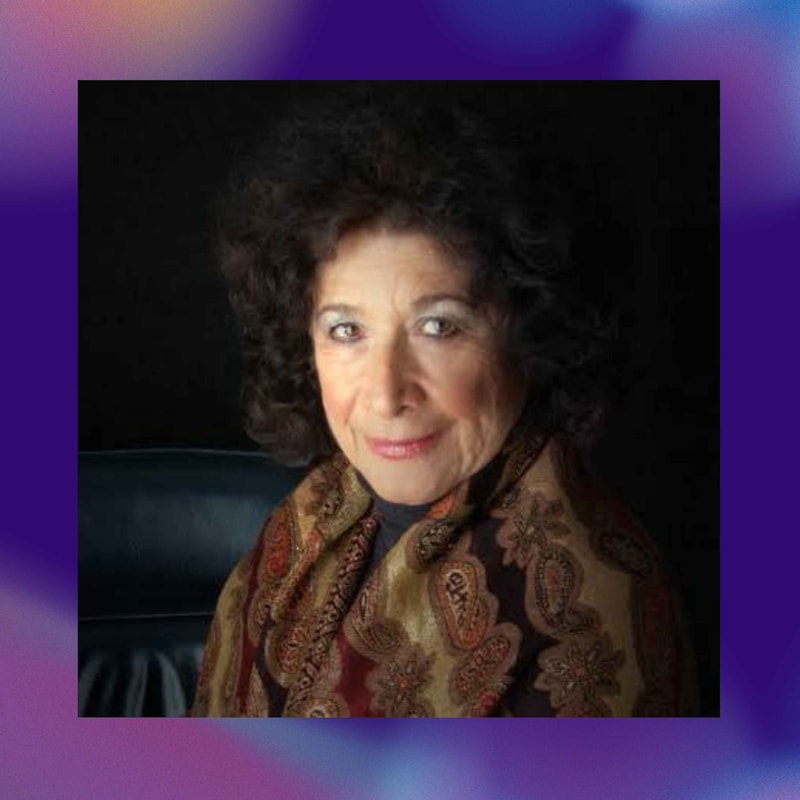
In this enlightening episode of *Becoming Bridge Builders*, we engage in a profound dialogue with Dr. Zafra Lerman, a paragon of compassionate leadership and a luminary in the realm of science diplomacy. Dr. Lerman's illustrious career has been characterized by her audacious commitment to uniting scientists from nations often at odds, including Israel and Palestine, through the Malta Conference Foundation—a remarkable initiative that exemplifies the potential for cross-border collaboration in addressing humanity’s most pressing challenges. As we delve into her remarkable journey, we explore the transformative power of science as an international lingua franca, capable of transcending the myriad barriers erected by politics and ideology. With a wealth of experience advocating for persecuted scientists and fostering dialogues across cultures, Dr. Lerman illuminates the importance of understanding and empathy in the quest for peace. Join us as we navigate her inspiring narrative, imbued with humor and wisdom, which reminds us that even amidst conflict, hope and collaboration can flourish.
Join us as we delve into a profound exploration of the art of bridge-building through the lens of science and diplomacy, a theme that resonates deeply in our contemporary world. Our distinguished guest, Dr. Zafra Lerman, epitomizes courageous, compassionate leadership, having forged pathways for collaboration among scientists from nations often mired in conflict, including Israel and Palestine, among others. With her remarkable work as the founder and president of the Malta Conference Foundation, she has demonstrated that the universal language of science can transcend borders and foster dialogue, thereby addressing pressing global challenges.
Throughout our enlightening conversation, we will uncover the intricacies of her life's mission, which embodies an unwavering commitment to human dignity, as well as the transformative power of scientific collaboration. Prepare to be inspired by her remarkable journey and the undeniable impact of fostering understanding across divides, reminding us all that peace is not merely an ideal, but a practical and achievable reality. A riveting exploration of the profound intersection between science and diplomacy unfolds as we engage with the illustrious Dr. Zaraf Lehrma, a luminary whose life epitomizes the essence of compassionate leadership and dedicated peacemaking. With an illustrious career that spans across continents and disciplines,
Dr. Lerman's work through the Malta Conference Foundation has pioneered innovative dialogues among scientists from nations often entrenched in conflict. This episode delves into her remarkable journey, revealing how she has utilized the universal language of science as a conduit for collaboration, transcending borders and fostering trust amidst global turmoil. Dr. Lerman's narrative is not merely about scientific inquiry; it is a passionate manifesto advocating for the dignity of every human life and the imperative of nurturing peace through understanding. As she recounts encounters with persecuted scientists and her relentless efforts to secure their voices and rights, listeners are invited to reflect on the transformative power of dialogue in a world often divided by strife. Furthermore, the episode scrutinizes the intricate dynamics of science diplomacy, elucidating its potential to bridge divides that traditional diplomacy has failed to mend.
Dr. Lerman articulates her conviction that the collaborative spirit inherent in scientific endeavors can yield solutions to some of humanity's most pressing challenges, from water scarcity to climate change. The conversation is peppered with insights on the Malta Conferences, a unique initiative that assembles scientists from traditionally adversarial nations, showcasing the tangible outcomes of such gatherings—outcomes that not only advance scientific knowledge but also foster personal connections that can outlast political animosities. Listeners are left with a profound sense of hope and the understanding that, even in the face of adversity, the pursuit of knowledge and the quest for peace remain intertwined, offering a pathway to a more harmonious future.
Takeaways:
- Dr. Zafra Lerman exemplifies compassionate leadership through her dedication to bridging divides in science and diplomacy.
- The Malta Conference serves as a unique platform uniting scientists across conflict-ridden nations for collaborative dialogue and growth.
- Scientific collaboration transcends political barriers, showcasing how shared goals can foster understanding and collective progress.
- Dr. Lerman's personal journey underscores the profound impact of early parental guidance in cultivating a lifelong commitment to humanitarianism and peace.
- Despite the challenges of war and conflict, the Malta Conference continues to inspire hope and unity among scientists worldwide.
- The essence of science diplomacy lies in its ability to forge connections, demonstrating that mutual interests can prevail over longstanding hostilities.
Links referenced in this episode:
Transcripts
Welcome to Becoming Bridge Builders, the show where we explore stories and the wisdom of people who dedicate their lives to healing divides, building a more hopeful world.
Speaker A:I am your host, Reverend Dr. Keith Haney.
Speaker A:Today's guest is someone whose life reads like a blueprint for courageous, compassionate leadership at the highest levels.
Speaker A:Dr. Zaraf Lehrma is a world renowned chemist, visionary educator, human rights champion and and one of the most extraordinary peacemakers of our time.
Speaker A:She is the founder and president of the Malta Conference foundation, an organization that accomplishes what many believe is impossible.
Speaker A:Bringing scientists from nations in conflict, including Israel, Palestine, Iran, Iraq, Jordan, Saudi Arabia and many more into the same room.
Speaker A:Working shoulder to shoulder on challenges that affect all humanity.
Speaker A:Her work taps into the universal language of science to build trust, foster dialogue and ignite collaboration across some of the world's deepest divides.
Speaker A:Dr. Leerman's courage doesn't end with the classroom or the laboratory.
Speaker A:For decades, she has risked her very own safety to advocate for persecuted scientists in the Soviet Union and China, walking through the dark alleys of Moscow, sometimes after midnight to meet dissidents whose lives were in danger.
Speaker A:Her story is one of bravery, creativity, unwavering commitment to dignity of every human life.
Speaker A:We welcome her to the podcast.
Speaker A:How you doing today?
Speaker B:Fine, thank you.
Speaker A:So glad to have you on.
Speaker A:So glad to have you on.
Speaker A:Especially in this time, in this day and age with what's going on around the world.
Speaker A:So I look forward to have this conversation with you.
Speaker B:Yeah, it's tough.
Speaker A:It is tough.
Speaker A:I'm going to ask you my favorite question, doctor, what's the best piece of advice you've ever received?
Speaker B:The best piece of advice I ever received.
Speaker B:I received many advices to be careful, but I usually ignored it.
Speaker B:And the best piece of advice I received from my father Since I was 6 years old is do your best to make the world a better place.
Speaker B:And this, he started writing to me notes since I was six years old.
Speaker A:Wow.
Speaker A:What a powerful testimony.
Speaker A:And you've lived out that piece of advice?
Speaker B:I'm only so he died young and did not survive to see any of those.
Speaker A:Wow.
Speaker A:So you've lived your life filled with scientific discovery and human risk.
Speaker A:What first sparked your belief that science could be a pathway to peace?
Speaker B:Science is a very interesting subject.
Speaker B:Science can prolong life, but science can cut life very short.
Speaker B:You cannot build weapon of mass destruction without scientists, sadly so.
Speaker B:Therefore, I felt always that it's the responsibility of scientists to work towards peace because scientists contributed to the horrible weapon we have now in the world.
Speaker B:And because science is an international language.
Speaker B:If you take a chemist in Bethlehem, Pennsylvania, and a chemist in Bethlehem on the west bank, they can communicate the chemistry to each other without knowing each other language or any language.
Speaker B:And they will understand exactly what everybody is doing.
Speaker B:So having this power of being international.
Speaker B:In addition, science doesn't see religion, doesn't see border, doesn't see language, doesn't see culture, doesn't see nuances.
Speaker B:Therefore it's a good subject to work for peace.
Speaker B:And therefore I felt that science diplomacy can succeed where any other diplomacy failed.
Speaker A:I love that.
Speaker A:That's very, very true.
Speaker A:Before we got on, we talked about the fact that you've lived life in some dangerous situations.
Speaker A:You've seen conflict up close and personal.
Speaker A:What experience convinced you that dialogue between individuals like you just described, even from opposite sides, can be more powerful than any political barriers that we see out there?
Speaker B:First, I grew up, you know, I grew up in shelters.
Speaker B:Therefore I describe in my book the memoir that just came out that I'm ready to show you.
Speaker B:It's titled Human Rights and Peace, A Personal Odyssey.
Speaker B:But it's a memoir that describes growing up in a developing country and the values I got there.
Speaker B:Since I was born, I was in shelters.
Speaker B:So living this kind of life always made me feel that I have to do something from a very young age.
Speaker B:And I, I grew up in Israel.
Speaker B:Around me, our neighbors were Arabs.
Speaker B:We were always exchanging things.
Speaker B:There was nothing that would, in my dream as a child would tell me that anybody is an enemy.
Speaker B:I think that human being are not born to fight with each other.
Speaker B:I think people can live in peace in the fact that we can bring under one roof for five days all these people, that their governments are hostile to each other, that they are fighting each other.
Speaker B:But these people have something in common, it's science.
Speaker B:And they want to work with their science for the betterment of humankind.
Speaker B:And when you see at the end of five days, the hugging and kissing and tears that are coming from people saying goodbye, you think you just had a family reunion.
Speaker B:And the question is, why could these people, that science unites them, why can it not be spread for the rest of the people?
Speaker B:Therefore, science, diplomacy can do miracles.
Speaker A:I love that.
Speaker A:So let's talk about your Malta conference.
Speaker A:What was the brain trust behind that?
Speaker A:What was your goal in putting that conference together?
Speaker B:I chaired for 26 years for the American Chemical Society, the Committee of Scientific Freedom and Human Rights.
Speaker B:Therefore I was in the Soviet Union, in China, Peru, Guatemala, all the countries that had terrible abuses.
Speaker B:Cuba, I was many times to work on human rights.
Speaker B:But then came September 11, and I persuaded my committee that we have to change now to the Middle east and use our power to try to work towards peace.
Speaker B:But we had to persuade the board of the American Chemical Society to approve it.
Speaker B:So think about that.
Speaker B:We come out of September 11th, and it's the midst of the Intifada, of the uprising, of the Palestinian.
Speaker B:Suicide bombs are everywhere.
Speaker B:On the buses, in restaurants, in cafes.
Speaker B:You cannot go anywhere without taking a risk of a suicide bomb.
Speaker B:So it was a very tough period.
Speaker B:And I thought that the right thing is for us to try to work to use science, diplomacy as a bridge to peace in the Middle East.
Speaker B:In the beginning, when I put it in front of the board, they thought that I'm a little bit crazy.
Speaker B:In the midst of all that, to suddenly have a conference like that sounded like almost mission impossible.
Speaker B:But then I managed to persuade everybody that it's a great idea, and the board approved it and we started working towards it.
Speaker B:I, in the beginning, thought that we will have one conference and will show it's possible.
Speaker B:There are few rules in this possible in this conference that makes it so successful.
Speaker B:First rule, no accompanying members.
Speaker B:So nobody dilutes the interaction and nobody interferes in anything.
Speaker B:This gives the people the time to be all the time together and concentrate on developing collaboration and friendship that can overcome the chasms of distrust and intolerance.
Speaker B:The other rule was that everybody is equal, very important in the Middle East.
Speaker B:So everybody stays in the same hotel.
Speaker B:The graduate student and the Nobel Prize.
Speaker B:We always have Nobel Prize people with us.
Speaker B:And the people are together all the time.
Speaker B:They eat together, they are in workshops together, everything interactive.
Speaker B:We have social events.
Speaker B:Everybody together.
Speaker B:Tools.
Speaker B:The social events are as important as the scientific events, because really the connection is in social events.
Speaker B:And I thought, we'll have it one, and I'll prove that it's possible.
Speaker B:We had it in such a tough period with the Intifada and all that.
Speaker B:But in the end, the people voted to continue.
Speaker B:They said we cannot have just one.
Speaker B:We have to continue to have the momentum to involve more scientists.
Speaker B:And we continue to do it.
Speaker B:Why Malta?
Speaker B:Malta is an island.
Speaker B:And I felt that an island is safer than the mainland.
Speaker B:You cannot drive to an island.
Speaker B:So I thought from security point of view, an island will be safer.
Speaker B:Another thing that by that stage, direct flights to Malta were very few.
Speaker B:We're only from London, Rome and Frankfurt.
Speaker B:So it took really a whole day to get there.
Speaker B:So my idea was that it wouldn't be worse for any terrorist to Spend so much time to get to Malta and kill a lot of Muslims and few Israelis.
Speaker B:Not worth it.
Speaker B:Therefore Malta was chosen and this is why the name is Malta Conferences.
Speaker B:Malta by that stage was not part of the eu so everybody could get a visa upon lending.
Speaker B:But after Malta II they joined the EU and from there started the problem with visas.
Speaker B:That is the toughest problem to have a conference like that.
Speaker B:There is no country that likes the whole group.
Speaker B:This country doesn't want these countries to come in.
Speaker B:And this country, and I describe it in a chapter in my book that title from Mission Impossible to Mission Possible.
Speaker B:It shows for every conference all the ingenuity that you have to use and almost become aspired your situation in order to get a visa for everybody.
Speaker B:So it's like each conference as the visa can be a movie by itself a movie.
Speaker B:It's unbelievable the stories there.
Speaker B:And it started only after Malta joined the EU and you started needing a Schengen visa.
Speaker B:But then we moved to other places.
Speaker B:But I went to Washington and I went from one embassy to the other to see which ambassador will promised me a visa for everybody.
Speaker B: And I remember it was: Speaker B:The Moroccan ambassador said everybody will get a visa.
Speaker B:Yeah.
Speaker B:Till three months before the conference he informed me that Syria and Iraq will not get a visa.
Speaker B:They got in the last minute.
Speaker B:But it's all described in a book because it's impossible to describe it in a very short period of time.
Speaker B:All the work that went in order to get a visa for Iraq and Australia.
Speaker B:In addition, we are all volunteers.
Speaker B:We don't have any paid employee.
Speaker B:I have students that work with me that I pay them for my own pocket.
Speaker B:And I am just emeritus professor.
Speaker B:Emeritus professor.
Speaker B:But it's important to involve them and I cannot do everything by myself.
Speaker B:So it's all a bunch of volunteers and every penny you raise goes towards the multi conferences.
Speaker B:But it's very hard to raise for peace there is a lot of money for war, for building weapon of mass destruction, for peace there is not so much money, very hard to get.
Speaker B:So like my book, all the proceeds go towards the Malta conference.
Speaker B:I don't take a penny of that.
Speaker B:So as we sell more books, everybody helps the peace in the Middle east.
Speaker B:If you buy a book.
Speaker A:So tell us about your book, Human Rights and Peace.
Speaker B:It's titled Human Rights and Peace A personal Odyssey.
Speaker B:But it really starts with my childhood.
Speaker B:How I grew up, how I grew up in shelters, how I loved the shelter because there were a lot of kids.
Speaker B:And by the age of three I thought to go to a shelter is the greatest thing.
Speaker B:I would cry when the siren told us to go out of the shelter.
Speaker B:Because I had only one brother, 10 years older, so he was not a partner to play with.
Speaker B:And there I had a lot of kids to play.
Speaker B:So for me it was very, very happy place to be.
Speaker B:But I grew up in shelter since I was born, so having wars is not new to me.
Speaker B:It explains all that and it explains the values that I got from my father.
Speaker B:Like, for example, for my sixth birthday, he put an envelope with a letter in my shoe.
Speaker B:So when I get up, I'll find it in the shoe.
Speaker B:And I opened the letter.
Speaker B:The letter said, today is your sixth birthday.
Speaker B:I hope you will grow up to be loyal to your nation, to your country and to your family.
Speaker B:Look at the order, not the family first, your nation, your country and your family.
Speaker B:And for your birthday, I'm giving you this amount of money as a present.
Speaker B:You will divide it to three.
Speaker B:One third will go to the children that are orphans that went through the Holocaust and lost their parents.
Speaker B:One third you will donate to the national funds to plant trees.
Speaker B:I was born in Israel.
Speaker B:I did not say it.
Speaker B:They sought to plant trees because it was arid land.
Speaker B:So to plant trees, one said, you can do what you want.
Speaker B:And this is a letter that he gave me by the age of six.
Speaker B:So when you grow up with these values, you know that you have to do something to make the world a better place.
Speaker A:Wow, that's powerful.
Speaker A:So let's talk about some of the things that have come out of the Malta Conference.
Speaker A:What breakthrough or scientific revelation stands out from or defining moment from one of the Malta Conferences?
Speaker B:Okay, so let me tell you first, the Malta Conference Conference is still now the only platform in the world that brings all the countries under one roof.
Speaker B:Now we have in addition Morocco and Pakistan.
Speaker B:They are not in the Middle East.
Speaker B:They are Muslim countries, but they are not in the Middle East.
Speaker B:But they requested to participate.
Speaker B:Pakistan said they want to learn the model in order to maybe doing between Pakistan and India, a Malta model.
Speaker B:And Morocco wanted, because we were in Morocco and they heard about that.
Speaker B:So we have now a delegation from there too.
Speaker B:Now what came.
Speaker B:Collaborations are very important on issues that one country cannot solve.
Speaker B:It's arid land, Middle east, not enough water.
Speaker B:The aqueducts are underground where the water goes.
Speaker B:But they don't recognize all the lines the British put there to divide into countries, they go through all of them.
Speaker B:Therefore, in order to work on the water issue, you need collaboration on air pollution.
Speaker B:The countries are so close to each other that if one country will work on their air pollution, one wind the wrong direction, it's worth nothing.
Speaker B:So people have to work together on different issues.
Speaker B:In addition, because we value so much science education, we have a workshop on science and technology education and all level to bring all the countries to be on a higher level in science through education.
Speaker B:So what came out of that collaboration on water is going on between five countries that are related to Jordan, Palestine, Israel, Egypt and Kuwait participated in that.
Speaker B:In education we had the collaboration of almost all the countries working together.
Speaker B:One of the professors did an online class on nanotechnology that he did it in Arabic so all the Arab countries could understand.
Speaker B:It also is from the Technion Israeli Institute of Technology.
Speaker B:It did this class.
Speaker B:There is Al Quds University is a very, very good Palestinian university.
Speaker B:But the authorities, the academic high authorities of Israel don't recognize, or at least did not recognize by that stage the degrees of Al Quds.
Speaker B:As a result of Malta, the president of Al Quds and the president of the Weizmann Institute of Science that is listed as one of the 10 best research institutes in the world.
Speaker B:From where I have my PhD.
Speaker B:My pride and joy.
Speaker B:These two presidents met after the Malta conference because the two delegation came to their president and asked that there will be a joint meeting.
Speaker B:And they signed an agreement that graduates from Al Kutch University will be able, despite the fact that their degree is not recognized, will be able to do PhDs at the Weizmann Institute.
Speaker B:And we have already a few of those that are teaching in Al Quds that got their PhD.
Speaker B:We had even a professor from Al Quds come and do a holy sabbatical with a colleague he met at Malta at the Weizmann Institute.
Speaker B:So there are many, many more outcomes.
Speaker B:Water from Gaza.
Speaker B:The water in Gaza is very contamina, practically because of their own fault, because they throw the garbage and all that.
Speaker B:So a university, Al Azhar University in Gaza and Technion in Israel work together on samples to see exactly what is the problem and start working on cleaning their water.
Speaker B:The people there are a family.
Speaker B:You don't see the division.
Speaker B:So anything that they can do together, they do cook together.
Speaker B:They call themselves the Malta family.
Speaker B:Like in New Year one person will start.
Speaker B:Dear Malta family, I want to wish you a happy New year.
Speaker B:And then it goes and everybody signs on there.
Speaker B:But they call themselves the Malta family.
Speaker B:Now one of our Malta family, Omariagi that is involved with Malta since inception.
Speaker B:His parents are Palestinians that moved to Jordan.
Speaker B: he's now in Berkeley, got in: Speaker B:So immediately all the Malta conference oh, one of ours got the Nobel Prize and he will be now the speaker in the next Malta conference.
Speaker B:If the war will end, it will not spoil it for us because meanwhile all our countries are Nobody has even air flights because of the missiles that are coming.
Speaker B:So I hope that it will end and we can have our conference with.
Speaker A:What's going on now.
Speaker A:How does this affect what you're trying to do or what you or the the connections you already made?
Speaker B:It affects the communication, especially with Iran because they take the Internet down and then it comes to a halt.
Speaker B:And now because the conference is coming closed, there is a lot of communication.
Speaker B:There are abstract review, there is a results that you send and different registrations thing.
Speaker B:But the communication is completely at the halt now.
Speaker B:So it's a big problem for us.
Speaker B:In addition, most of the countries don't have flights because the airlines are afraid of the missiles.
Speaker B:And the worst thing that happened took us a long time to find a country that we felt will be safe and promised a visa for everybody and we took picked up Azerbaijan Bakuz and Azerbaijan already paid for Dotel and all that, but Azerbaijan just was attacked by missiles and they stopped any flights now to Azerbaijan.
Speaker B:This might really scare a few people because we said we picked up the safest place and all that and suddenly they were attacked.
Speaker B:So for sure I'm really shaky because the conference is supposed to be in May and time is running fast.
Speaker A:Wow.
Speaker A:Yeah, I can imagine.
Speaker A:I saw the airport in Azerbaijan was hit.
Speaker A:So yeah, I can imagine.
Speaker B:Yeah, the airport in Qatar was hit a lot of but even if the airport was not hit, but everything around the airplane would not go.
Speaker B:Knowing that the missiles coming, nobody wants the missile hit them while they are in the air.
Speaker B:So it's a big problem for us.
Speaker B:After a lot of work and everybody says Malta is now more important than ever and suddenly I don't see an end.
Speaker B:It looks like in the beginning Trump said few days, then it was two weeks.
Speaker B:Two weeks already over.
Speaker B:So I hope it will really soon come to an end and we will have the conference and could discuss peace and collaboration.
Speaker A:I want to dig into that a little bit more for people who are hearing this podcast for the first time and you talk about science diplomacy as relatively unknown to the public.
Speaker A:How do you explain that to those who are listening going, I've never heard of this before, but it sounds great.
Speaker A:What is it exactly am I trying to wrap my mind around for those.
Speaker B:Who are new to you.
Speaker B:Just here because it's a new term, right?
Speaker B:It's a new term.
Speaker B:Before that, we used to say science as a bridge to peace in the Middle east, but suddenly it became a buzzword.
Speaker B:Science diplomacy.
Speaker B:And really there is diplomacy.
Speaker B:To bring science that are at work together is diplomacy.
Speaker B:But here it's only science.
Speaker B:You discuss the science and you discuss how you can solve problems together.
Speaker B:And you know, I'll take a term from the atom bomb.
Speaker B:In order to have an atom bomb, you need critical mass of uranium to start a chain reaction.
Speaker B:In my book I write I need a critical mass of scientists to start a chain reaction for peace.
Speaker B:Now Natural magazine in England, that is the top magazine in the world in science.
Speaker B:They reviewed my book and then they sent every time like a newsletter with some summaries of article.
Speaker B:And in the middle there is quote of the day.
Speaker B:So one day they took the quote of the day for my book that I want the critical mass of scientists to start a chain reaction for peace and then advertised my book.
Speaker B:So what is diplomacy?
Speaker B:Diplomacy is that you sit together, you negotiate things or you do things together.
Speaker B:And meanwhile every diplomacy that has to do with the Middle east failed.
Speaker B:But we feel that because science doesn't see border, doesn't see language, doesn't see religion, doesn't see culture, doesn't see nuance, says it's science, we feel that science diplomacy, we use our science for the diplomacy to solve the problem of water, to solve the problem of energy, to solve the problem of education, that really a lot of countries need help.
Speaker B:This is science diplomacy.
Speaker B:And we feel that science diplomacy can succeed where other diplomacy fails because of the international language of science.
Speaker B:We speak the same language also.
Speaker A:I love that.
Speaker A:So let's look into the.
Speaker A:Let's look ahead.
Speaker A:You've dealing with a lot of global challenges.
Speaker A:Climate change, water distribution, disease.
Speaker A:What do you think?
Speaker A:You've championed all those.
Speaker A:What do you think is the most difficult challenge you want to tackle going forward?
Speaker B:You know, every subject is an emergency because I said for years before I even started the Malta conferences, that a thirsty, uneducated, unemployed young person has nothing to lose by becoming a terrorist.
Speaker A:That's true.
Speaker B:Therefore, it's our obligation to make sure that everybody is not thirsty, is not hungry, has education and has employment, then they would not have to be even against in Chicago.
Speaker B:That is a big problem.
Speaker B:If we could take all of them and really bring them.
Speaker B:I'm talking about Chicago now.
Speaker B:Bring them to the level that they have Education that they can be employed.
Speaker B:They wouldn't go into the gangs just to kill and then be killed.
Speaker B:But when you don't have what to lose, it's a different story.
Speaker A:I love that.
Speaker A:Can you think of one quality every peacemaker needs to cultivate?
Speaker B:One quality?
Speaker A:Yep.
Speaker B:Understanding.
Speaker B:You must understand every sin about the people you want to form peace.
Speaker B:Understanding means the religion, the nuances.
Speaker B:If you cannot understand, when I went to Russia, I took Russia.
Speaker B:When I went to the Soviet Union, you know, as you know and understand more about the people you want to bring together, as you understand, you not understand the problem, you are more successful in achieving peace.
Speaker A:That's good.
Speaker A:Because of things are so up in the air right now.
Speaker A:I'd like to end with a good question for you.
Speaker A:What is one moment in your life when hope surprised you?
Speaker B:When hope surprised me?
Speaker A:Yeah.
Speaker B:What do you mean by that?
Speaker A:Well, maybe you were in a.
Speaker A:You.
Speaker A:You didn't anticipate a situation where something hopeful came out of it, and it's like, oh, you were surprised by the positiveness of that particular experience.
Speaker B:I can tell you a few of them.
Speaker B:I'll tell you one.
Speaker B:You know, I risked my life in the Soviet Union because everything I did after midnight, in dark alleys, in dark ethics, was illegal.
Speaker B:And I could every minute be arrested.
Speaker B:But I did it, you know, order to help dissidents that were in trouble or in jail or in hard labor in Siberia.
Speaker B:And my purpose was to bring them to freedom.
Speaker B:And one day, It's a funny story, one day I am in the American Chemical Society meeting in Miami beach, and I get a phone call from two of the dissidents from the Soviet Union.
Speaker B:And they say, hi in half Russian, half English.
Speaker B:Hi, this is Josef and Vladimir.
Speaker B:I said, oh, wonderful.
Speaker B:Where are you?
Speaker B:Are you having a good time?
Speaker B:Where are you that you can call me suddenly?
Speaker B:Because I just met them when I was there.
Speaker B:They said, yes, yes, we are here.
Speaker B:I said, we're here in Moskva.
Speaker B:Oh, no, no, no.
Speaker B:Here.
Speaker B:I said, yes, but where are here?
Speaker B:Are you in the U.S. they said, we are here.
Speaker B:Are you in New York?
Speaker B:We are here.
Speaker B:I said, but please tell me, what does it mean here?
Speaker B:I cannot understand.
Speaker B:Here in the lobby to your hotel?
Speaker B:I said, in the lobby to my hotel.
Speaker B:I go down.
Speaker B:And they said that they just arrived, and another human rights group that I am on the board, it's an independent group, gave them money and told them to go directly to me in Miami beach because there is a big meeting of all the chemists and they will find already a job there.
Speaker B:So they send them there.
Speaker B:No money, nothing.
Speaker B:Immediately I called my committee.
Speaker B:The beginning I thought I have to give up my room.
Speaker B:But I called the committee and the chair of the board and I said, this is what I have.
Speaker B:What do we do?
Speaker B:So we looked at all the list of the hotel and we found there was a hotel with a room and a kitchen and all that.
Speaker B:Kitchen, great.
Speaker B:So one of my committee meeting people said, I'll go to the supermarket, buy all the food for them for the five days and put it in the refrigerator for breakfast and lunch.
Speaker B:I took the program and every day another division has a very fancy reception with a lot of food.
Speaker B:So I said, I want you to write down because every day you belong to another division, okay?
Speaker B:Organic, inorganic biochemistry.
Speaker B:And every night this will be your dinner because there is a lot of food there.
Speaker B:But they said, yes, but we want to go to the placement center, interview for a job.
Speaker B:Oh, this is more complicated.
Speaker B:You need a badge.
Speaker B:So the chair of the board ran and brought the badge.
Speaker B:The registration to ACS is very expensive.
Speaker B:So he waived it and they got the badge.
Speaker B:So I go with them to the convention to the placement and they tell me they cannot go in.
Speaker B:I said, what do you mean they cannot go in?
Speaker B:It's only for members.
Speaker B:I said, it's only for members.
Speaker B:I took out the badge, out of the plastic, erased the word none from each of them.
Speaker B:I said, look, it says members.
Speaker B:So they also said to me, listen, Safa, I don't have the time to argue with you all day.
Speaker B:You will win at the end.
Speaker B:So, okay, let them in.
Speaker B:So they went in.
Speaker B:The next meeting was in Boston.
Speaker B:And I'm going down the elevator, the escalator and up the escalator took chemist with a suit and tie.
Speaker B:This is how you dressed in the ACS with something going up.
Speaker B:And suddenly I hear Chastra.
Speaker B:It's Joseph and Vladimir.
Speaker B:Oh my God, we hug.
Speaker B:The kids, they have a job, they got a job, they have everything.
Speaker B:This was a great day in my life, but was with a lot of anxieties.
Speaker B:But there were a lot of moments like that somebody that was in hard labor in Siberia came out and came directly to me in Chicago.
Speaker B:So there were, look, during the war, the war started.
Speaker B:I took out immediately our participants from Gaza, that Malta participants to Egypt.
Speaker B:And I still am looking for a country for one family, because he has young kids.
Speaker B:But Egypt doesn't let them go to school.
Speaker B:Egypt want the people from Gaza to leave Egypt, but with all the world Walking on that day and night, I still did not find a country that will take this family and let the kids go to school.
Speaker B:So there are a lot of.
Speaker B:And surely a great thing is when you sudden get the letter and it says, the American Physical Society would like to tell you that you are getting the Andrew Sacker of Award for Human Rights for all.
Speaker B:You don't want to be recognized, but it's nice to be recognized or for my education.
Speaker B:When I got the from Bill Clinton, the presidential of work for education, this was another interesting.
Speaker B:I was with my husband in Berlin in a conference that I had and I got a call from the FBI because 36 guests were coming to this award.
Speaker B:So they said, we want to tell you that all your 36 people past security.
Speaker B:I said, wonderful, thank you very much.
Speaker B:They said, but we have one problem.
Speaker B:I said, what's that?
Speaker B:You did look past security.
Speaker B:I said, what?
Speaker B:So all of them will be them, not me.
Speaker B:And they said, we postpone by three months the event to do a more detailed security on you and see if you can pass it.
Speaker B:So at the end I passed it, but in Berlin to get.
Speaker B:But you did bad security.
Speaker B:You cannot come to get Presidential Award.
Speaker B:There are a lot of funny things like that.
Speaker B:They are all in my book.
Speaker A:Wow.
Speaker A:So I like to ask my guests this question.
Speaker A:What do you want your legacy to be?
Speaker B:That I achieved peace in the Middle East.
Speaker A:I love that.
Speaker A:Where can people find your book so they can support the Malta Conference and learn more about what you do?
Speaker B:Right.
Speaker B:So this is the title.
Speaker B:You can repeat it or I can say it.
Speaker A:Human Rights and Peace A Personal Odyssey.
Speaker B:It's on Amazon.
Speaker B:It's on Barnes and Noble online.
Speaker B:It's now in paperback.
Speaker B:So it's reasonably.
Speaker B:In the beginning they sold it for $60.
Speaker B:I even had to pay for that because I wanted to give presents.
Speaker B:So I had to buy it.
Speaker B:Today the publishers are stingy.
Speaker A:They don't like giving books away.
Speaker A:No, no.
Speaker A:Where can people find you on social media?
Speaker B:Social media?
Speaker B:You can find me on LinkedIn.
Speaker B:And it's always tough for Lehrman.
Speaker B:I'm on LinkedIn all the time, but I don't know.
Speaker B:But the easiest is to get all this inf.
Speaker B:My website is safwallerman.com the Malta website is Malta Conferences Foundation.
Speaker B:All one word.org and for the education it's lehrmaninstitute.org and for the education.
Speaker B:There are a lot of pictures in the book too, but the real videos where the student dance science and sing science like a music student singing I have plenty of ozone like I have plenty of nothing and describing or theater students that did a drama on the chemical bond and followed the Godfather but called it the bond Father because it's the chemical bond.
Speaker B:All that is on the YouTube on the and I'll give my email it's my name safra lerman.com well Dr. Larman,.
Speaker A:Thank you so much.
Speaker A:Your life work reminds us that peace is not theoretical.
Speaker A:It's practical, courageous and deeply human.
Speaker A:You've shown the world that even when governments can't talk, people still can.
Speaker A:And when they do, bridges are built that outlast conflict to our listeners.
Speaker A:If this conversation touched you, here are three ways to act.
Speaker A:Learn more about the Malta Conference foundation and the groundbreaking work scientists are doing to build peace across borders.
Speaker A:Share this episode with educators, students, leaders and anyone who believes that dialogue can reshape the world and three subscribe, rate and follow becoming bridge builders so you can continue elevating stories of courage, hope and reconciliation.
Speaker A:Until next time, go build a bridge to someone who stands on the other side of a divide.
Speaker A:You may discover that collaboration brings up a single conversation.
Speaker A:Thank you so much again for your time.
Speaker B:Thank you very much.
Speaker B:It was a pleasure talking to you as well.






