Shownotes
The seventh series of the Wildlife Matters podcast kicks off with an essential milestone in wildlife policy: the government has officially ended the controversial badger culling program, a campaign we've passionately fought against for nearly fifteen years.
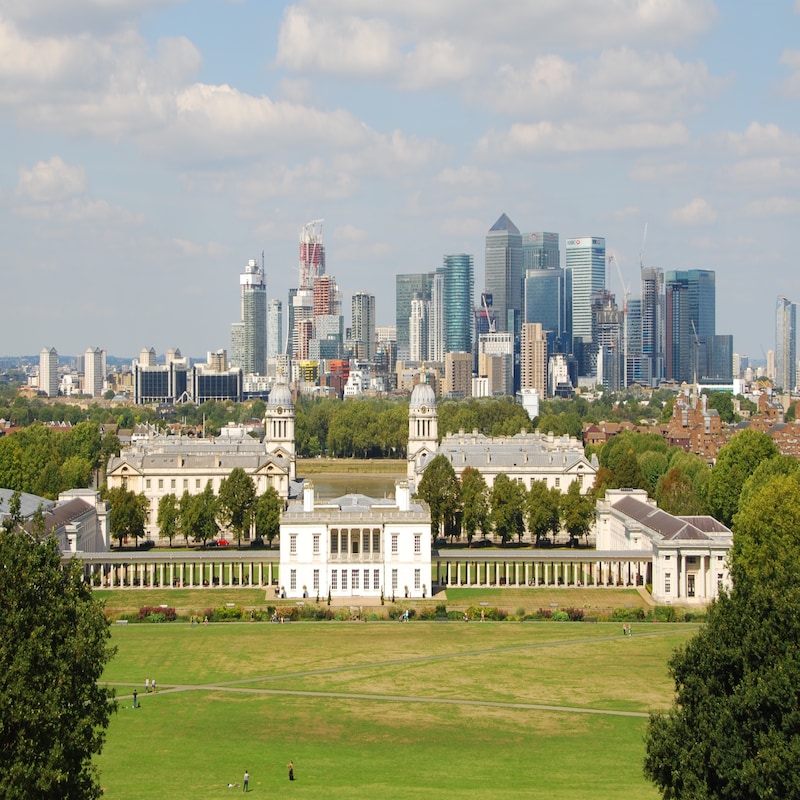
Join us for our main feature as we confidently explore the rich biodiversity of Greenwich Park, the oldest Royal Park in London. Get ready for an exciting urban wildlife adventure amidst the vibrant autumn landscape.
This week in Wildlife Matters Nature News, we will dive into the details of the Parliamentary debate that shaped this decision, before discussing updates on the impact on wild species and habitats from the proposed Planning and Infrastructure bill, before showcasing some of the projects that are recreating vital dew ponds across the South Downs National Park
Takeaways:
- The government has committed to ending badger culling, marking a significant policy shift in wildlife management.
- A new strategy will focus on enhanced cattle testing and vaccination to combat bovine tuberculosis.
- The creation of dew ponds in Hampshire aims to restore vital habitats for diverse wildlife species.
- Concerns have been raised regarding the proposed Planning and Infrastructure Bill's impact on protected species.
- Wildlife and Countryside Link warns that environmental levies could undermine existing protections for endangered species.
- The podcast highlights the historical and ecological significance of Greenwich Park, emphasising its rich biodiversity.
Companies mentioned in this episode:
- Protect the Wild
- Badger Trust
- British Cattle Veterinary Association
- DEFRA
- Wildlife and Countryside Link
- Wildlife Matters Organisation
- Frog Life
- National Lottery Heritage Fund
- Bannister Trust
- People's Postcode Lottery
Want to get in touch? Our email is [email protected]
Transcripts
Sam to the brand new Series seven of the Wildlife Matters podcast.
Speaker A:It's been over four years since we launched and we've covered a wide variety of wildlife and nature stories and we have some fascinating new adventures to share with you in this series as the season changes into autumn and what promises to be a spectacular display from the trees in Britain.
Speaker A:Following a long hot summer, a bumper tree fruit harvest and a mast year for acorns, we kick off the Series seven with another urban wildlife adventure around the oldest Royal park in London, which is Greenwich Park.
Speaker A:Of course, we will spend some time immersed in another audio sound bath from nature in this week's Wildlife Matters mindful moments.
Speaker A:But before that, let's take a look at the wildlife and nature stories that have caught our attention in this week's Wildlife Matters Nature News.
Speaker A:Hello and welcome to this week's Wildlife Matters Nature News News.
Speaker A:Our headline story this week is that the Government has confirmed it will end badger coles after a parliamentary debate sparked by a Protect the Wild petition with over 102,000 signatures.
Speaker A:The 15 year policy of badger culling aimed at tackling bovine tuberculosis or BTB in England will conclude amid growing pressure from campaigners on and cross party MPs for a science led non lethal solution.
Speaker A:MPs responding passionately during the Westminster hall debate addressed the public petition's call for an immediate end to the badger culling and a greater focus on cattle testing, biosecurity and vaccination.
Speaker A: The government announced that: Speaker A: badgers being culled since: Speaker A:Minister for Food Security and Rural Affairs Dame Angela Eagle stated, I will be clear from the outset that this government are committed to to ending the badger cull.
Speaker A:We stand by that commitment and I say again that the badger cull is ending.
Speaker A:She added that after this season only one coal license would remain active covering a TB hotspot in a low risk area.
Speaker A:She emphasised, by the end of the season there will be no coal licenses in any high intensity or edge area.
Speaker A:The Government plans to replace culling with enhanced cattle testing, improved farm biosecurity and widespread badger and cattle vaccination as part of a strategy to eradicate bovine TB.
Speaker B: In England by: Speaker A:A refreshed eradication strategy is being co designed with farmers, vets, scientists and conservationists.
Speaker A: strategy will incorporate the: Speaker B:Update update to the Godfrey review, which underscored the importance of non lethal interventions.
Speaker A:And reducing contact between badgers and cattle.
Speaker A:The debate was initiated by Irene Campbell, Labour MP for North Ayrshire and Arran, who criticized the cull as unjustified, stating that badgers have been part of the British Isles for at least 250,000 years.
Speaker A:She said culling them is a cruel and ineffective way to tackle the disease.
Speaker A:Citing data from Badger Trust, Campbell noted that 94% of BDP cases stem from cow to cow transmission.
Speaker A: which ended badger culling in: Speaker A: ing the cull, referencing the: Speaker A:The updated Godfrey review concluded, as a decision has been made to phase out culling, it is of great importance to develop effective non lethal interventions.
Speaker A:Calls for better diagnostics were echoed across the chamber.
Speaker A:Caroline Bowden, MP for South Devon, said farmers needed more advice and support to implement biosecurity measures and prevent TB spread within herds.
Speaker A:And Gideon Amos, MP for Taunton and Wellington, cited Keith Cutler, a former president of the British Cattle Veterinary association who has pointed out in academic papers that DEFRA's testing is really not up to standard.
Speaker A: MP for St. Ives, referenced a: Speaker A:He encouraged the government to consider the whole genome sequencing to trace infections more accurately.
Speaker A:And he questioned the Minister about the long awaited DIVA test, which can distinguish between infected and vaccinated cattle, noting that it has been described as being 10 years away for decades.
Speaker A:George went on to ask if we are going to base policy on vaccination, are there enough vaccinators and do we.
Speaker B:Have the mechanism to train more?
Speaker A:Perhaps the Minister could advise us.
Speaker A:Angela Eagle the Minister confirmed that a cattle BCG vaccine vaccine and the DIVA skin test are currently in field trials, expressing hope that we could start using these tools in the next few years.
Speaker A:She acknowledged frustration with the slow progress but cautioned we have to ensure things are safe and must not pressure medical regulators just for a convenient announcement to Parliament regarding badger vaccination.
Speaker A: badgers were vaccinated in: Speaker A:She said vaccinating 30% of the badger population is effective for achieving our desired goals.
Speaker A:Several MPs urged the government to consider successful non culling strategies from other countries.
Speaker A:Mr. Campbell referenced a Veterinary Record study noting that Wales has achieved similar reductions in her bovine TB England without widespread badger culling and Andrew George highlighted that southern Ireland had previously undertaken widespread culling but ceased the practice, asking what lessons.
Speaker B:Have been learned from there.
Speaker A:Sarah Dyke commended the efforts at Gatcombe Farm in Devon led by farmer Robert Reed and vet Dick Sibley, where a 10 year eradication project has shown that undetected cattle infections are the primary driver of transmission.
Speaker A:She also criticized restrictions on enhanced testing.
Speaker A:It is absolutely ludicrous, she said, that we cannot continue to test all animals in a herd.
Speaker A:In summary, Angela Eagle announced plans for the government to scale up badger vaccination across large contiguous areas whilst rapidly advancing the cattle vaccine.
Speaker B:She reiterated that the consensus is to.
Speaker A:Reduce the and ultimately eradicate bovine TB and to end badger culling.
Speaker A: aiming for TB free status by: Speaker A:These measures, she explained, would reduce TB's impact, protect native wildlife species and bring hope to affected farming families.
Speaker A:This week's second story highlights concerns over the government's proposed planning and infrastructure bill.
Speaker A:Wildlife and Countryside Link, which represents over 90 nature based organizations in Britain, warns that dormice otters and other protected species, including badgers, face greater risks under a proposed policy allowing developers to pay a levy for environmental impacts instead of following.
Speaker B:The current protection rules.
Speaker A:Their report finds little evidence supporting benefits for most species.
Speaker A:Although ministers continue to claim that protective wildlife delays projects and that the changes support nature and growth, critics disagree the bill would let developers pay a nature restoration levy to offset harm to protected habitats or species funding strategic improvements.
Speaker A:The government cites district level licensing for great crested newts where off site habitat creation is paid for as a model.
Speaker A:But Wildlife Countryside Link argues this approach is only proven for without strong evidence and trials.
Speaker A:Conservationists warn that moving away from local protections could harm wildlife and animal welfare.
Speaker A:Experts highlight the site specific wildlife such as dormice otters, barn owls, gray seals, badgers, salmon, hedgehogs and rare fungi, rare.
Speaker B:Plants and beavers could all be at risk.
Speaker A:Many of these species cannot relocate or adapt, making the new policy ineffective for them.
Speaker A:For the most widespread but declining species, the policy's effectiveness remains unclear and unproven, the report notes.
Speaker A:Wildlife relies on conditions that take decades.
Speaker B:Or even centuries to develop.
Speaker A:Roosts, territories and habitat structures cannot simply be moved to a split spreadsheet and restored later.
Speaker A:Richard Benwell, chief executive of the Wildlife and Countryside Link, told Wildlife, there's a glaring lack of evidence on protected species.
Speaker A:This approach could quickly worsen declines if misapplied.
Speaker B:Transparent science, a precautionary approach and real.
Speaker A:World data are vital to prevent wildlife loss beneath new development.
Speaker A:And Becky Pullinger of the Wildlife Trust said the planning and infrastructure bill threatens a massive overhaul of regulations protecting wildlife.
Speaker B:And poses a significant risk.
Speaker A:Our third story brings some welcome news for local wildlife, thanks to a recent project aimed at creating and restoring dew ponds in Hampshire.
Speaker A:New funding will support the construction of additional ponds in the South Pole Downs National Park.
Speaker A:A £75,000 funding boost will enable the creation of 11 much needed wildlife ponds across the area of the park, contributing to nature recovery.
Speaker A:Jan Nolson from the national park told Wildlife Matters that dew ponds traditionally dug by farmers on the South Downs chalk grasslands as livestock watering holes have become increasingly rare, with some dugouts dating back centuries.
Speaker A:And Nolson continued changing agricultural practices and climate change have led to a decline or disappearance of many of these ponds, and the remaining ones are now vital for wildlife, providing refuge and water to.
Speaker B:Insects, birds, amphibians and mammals.
Speaker A:To address this, the South Downs National.
Speaker B:Park Trust, the park's official charity, launched.
Speaker A:Pounds for Ponds two years ago, working with the park authority, local landowners and farmers to reverse this decline.
Speaker A:The initiative, delivered in partnership with pond specialist and wildlife charity Frog Life, aims to raise 1 million pounds to restore 100 ponds.
Speaker A:Funding has so far come from public donations and support from the National Lottery Heritage Fund, the Bannister Trust and bfw.
Speaker A:Recent ecological surveys show that the restored ponds are already boosting biodiversity.
Speaker A:Notably, the scarce blue tailed damselfly was found the newly restored Seven Sisters Country Park Pond just the second colony discovered in Sussex this year and the sixth.
Speaker B: In the county since: Speaker A:Completed pond projects include Roll Wood, Arundel, the Rails at Alfresne, Nepcock Green and Gallop Farm in Findon Foxhole Pond and.
Speaker B:Newbarn Pond at the Seven Sisters Country.
Speaker A:Park Henley's Sow Bench and Pond Field in Singleton, Chantry Hill near Storrington and the Magdalene Hill near Winchester.
Speaker A: nk Farm, milland restoring an: Speaker B:Margins Middle Barn Pond, Singleton a dew.
Speaker A:Pond restoration and two new ponds at Kingston Community Farm near Lewis, Jan Nolson, national park biodiversity officer, said, we estimate There were over 1,000 ponds across the South Downs a century ago, but numbers have dropped dramatically, impacting wildlife ponds support about 70% of all freshwater species.
Speaker A:As summers get hotter due to climate change, these ponds are more essential than ever, and Kathy Warmold, CEO of Frog Life, told Wildlife Matters we're delighted to work with the South Downs national park on this pond project and to help fund Dupond restoration.
Speaker A:Pounds for ponds complements Frog Life's discovering Dupond's efforts in the region, which focus on both restoration and public awareness of.
Speaker B:The pond's ecological and historical value.
Speaker A:If any of today's stories have inspired you, please leave us a comment on social media or wherever you listen to your podcasts.
Speaker A:And if you have a story you feel we should be covering, please do get in touch.
Speaker A:You can find our email address in the Show Notes and that's it for this week's Wildlife Matters Nature Review.
Speaker B:Foreign.
Speaker A:Announcements this week are a mixed bag.
Speaker A:Whilst we welcome the confirmation that the.
Speaker B:Badger culls will end, we continue to.
Speaker A:Question why it's not the cattle, the primary source of bovine tb, that will be vaccinated, and why we are prioritizing the vaccine vaccination of just one wild species, that is badgers, when all wild.
Speaker B:Mammals and domestic ones can carry bovine tb.
Speaker B:Surely the solution here is to vaccinate the cattle?
Speaker A:We're also seriously concerned about the new Planning and Infrastructure Bill's impact on wildlife and habitats.
Speaker A:The governments believe that species and habitats can be offset and protected is misguided, and their proposal to weaken the Protection of Badgers act seems cynical, especially as.
Speaker B:They celebrate being the defenders of badgers.
Speaker A:Whilst ending the culls.
Speaker A:Perhaps now is the perfect moment to seek refuge in nature and enjoy an audio experience.
Speaker B:And afterwards we have a surprise to reveal once you have listened to this.
Speaker A:Week'S Wildlife Matters mindful moment, we hope.
Speaker B:You enjoyed the sound of sparrows recorded while I watched London's iconic skyline from Greenwich park on a hot and sunny August afternoon.
Speaker A:Greenwich park is the focus of this week's Wildlife Matters main feature, so join.
Speaker B:Me as we explore the oldest of London's royal parks and discover its rich wildlife and history, which make it one.
Speaker A:Of London's wildest places on this week's Wildlife Matters main feature.
Speaker A:Hello and welcome to this week's Wildlife Matters main feature.
Speaker B:And today we're exploring another of London's.
Speaker A:Wildest places, Greenwich Park.
Speaker B:Greenwich park is the oldest of London's eight Royal parks and it's easily accessible no matter how you arrive.
Speaker B:Its welcoming accessibility makes it a perfect destination for all.
Speaker B:Greenwich park is a treasure trove of attractions, each more exciting than the last.
Speaker B:From its spacious boulevards to its flower filled gardens, and from its wildlife rich meadows to its historic spots dating back to Roman times, there's something for everyone to discover and enjoy.
Speaker A:For those who rise with the sun.
Speaker B:Or prefer the tranquility of the night, Greenwich park is a haven of peace.
Speaker B:It's one of the best places in London to witness the beauty of a sunrise or sunset.
Speaker B:And its serene atmosphere is just perfect for night owls seeking a quiet retreat.
Speaker B:Greenwich park is a Grade 1 listed place that is well worth visiting if you are in SE10.
Speaker B:It is home to an array of ancient trees that provide an ideal nesting ground for species including tawny owls, woodpeckers, thrushes and warblers.
Speaker B:It's also home to pipistrel bats and over 92 species of of spiders.
Speaker B:So if you're ready, let's check it out.
Speaker B:Greenwich is a special place for me.
Speaker B:Generations of my family have lived and worked in the area and some still do.
Speaker B:Greenwich park has a record making history.
Speaker B:It's where east meets west at longitude 0 on the meridian line, part of the maritime Greenwich World Heritage Site.
Speaker B:I usually arrive at Maize Hill Station and enter the park by the playground area before starting the fairly steep climb to One Tree Hill, which is one of the park's highlights.
Speaker B:One Tree Hill is the high point and it's about 300 meters east of the Observatory Hill.
Speaker B:It has been popular with artists and visitors for centuries, offering the most atmospheric viewpoint across the River Thames and into London, especially at sunset.
Speaker B:In the 17th century it was called Five Tree Hill, but it was also known as Sand Hill, referring to its sandy summit which is now paved over.
Speaker B:Since the 18th century, the name One Tree Hill has been adopted because of the single prominent tree at its very highest point.
Speaker B:The current tree is a London plain.
Speaker A:That replaced its predecessor, which was probably.
Speaker B: August: Speaker B:I am told it was a year of dreadful weather.
Speaker B:There was scarcely any summer that year, which sounds a bit familiar.
Speaker B:Along with the devastating crop failures throughout the country, One Tree Hill was a popular venue for pleasure seekers during the Greenwich Fair, with a band often playing at the top.
Speaker B:It was also the place where the main activity of the fair fair tumbling, which is as it sounds, rolling down the hill as quickly as you could go.
Speaker B:The view from One Tree Hill has attracted many artists, most notably J.M.W.
Speaker B: eenwich park was exhibited in: Speaker B: In: Speaker B: ne Tree Hill was published in: Speaker B:This poem is ascribed to Thomas Nicholls, a little known amateur poet of that era.
Speaker B:The ironic theme of the poem is that no famous poet has ever written about One Tree Hill, despite its worthiness.
Speaker B: c under the great oak tree in: Speaker B:That oak was known as the Oak of Honour, which gave the local area its name, Honor Oak.
Speaker B:According to other local stories, One Tree Hill was also the site of Queen Boudicca's last stand against the Romans in A.D. 61, and it was also the haunt of the famous highwayman Dick Turpin.
Speaker B: emorative oak tree planted in: Speaker B: iversary of King George VI in: Speaker B:Perhaps best of all though is the view of London.
Speaker B:From the top of the hill you look past London plain and oak trees to see the city of London's skyline.
Speaker B:It's hard to believe that this small patch of natural tranquility is so close to the busy city of London, which you can see so clearly.
Speaker B:One Tree Hill is a bit of a climb, but it is worth it for the stunning views over the city skyline and the spectacular sunrises and sunsets.
Speaker B:And you'll often have the place to yourself, making it one of the best places for anyone seeking solitude in the whole of London.
Speaker B:As I walked down from One Tree Hill and headed towards the Roman ruins, I was drawn to the sounds of corvids, mainly jackdaws and magpies who were trying to out compete each other with the loudest squawk and call as they circled above me.
Speaker B:Now, if you heard me say Roman ruins and you think a vestige of old Londinium might have escaped your notice, then calm down.
Speaker B:All there is to see is a grassy knoll, almost indistinguishable from the grassy plain that surrounds it.
Speaker B:It which would be utterly unremarkable were it not for the helpful explanatory panel that with the help of an artist's impression, encourages you to imagine how the Roman temple might perhaps have looked once upon a time.
Speaker B:Next is one of Greenwich Park's natural highlights, the ancient Queen Elizabeth oak.
Speaker B:The ancient tree's remains are tucked away in a central but secluded location in the park's centre.
Speaker B:Despite its name, the oak is believed to have been planted long before Queen Elizabeth I's reign, probably as far back as the 13th century.
Speaker B: e ring analysis undertaken in: Speaker B:There are many stories to be told about this tree.
Speaker B:I'm starting with King Henry VIII dancing around the tree to impress Anne Boleyn.
Speaker B:Another old story is that Queen Elizabeth I enjoyed sitting in the shade of the tree and taking refreshments when she was in the park.
Speaker B:Now whether it's true or not, what is certain is that Greenwich was one of the Tudors favourite locations and that the 200-year-old tree would have been a notable feature of the park during their time.
Speaker B:Another story is that in the 19th century the hollowed out trunk, some 7 meters in circumference, was used to lock up anyone who had broken the park rules.
Speaker B:But by the late 19th century the tree had died and was only kept upright by a thick ivy covering.
Speaker B: d over during a storm in June: Speaker B:A tree that is around 750 years old has earned the right to rest today.
Speaker B:Another oak stands next to it.
Speaker B: It was planted in: Speaker B:Next we headed towards the Flower Garden.
Speaker B: rden which was created in the: Speaker B:It has stunning cedar and tulip trees and is always full of seasonal colour.
Speaker B:It is a quintessential Edwardian garden and an excellent place to sit and enjoy the views around the pond area.
Speaker B:We follow the deer trail through what is known as the wilderness and indeed.
Speaker A:That is very, very true today as.
Speaker B:There appeared to be a no deer in the park.
Speaker B:I later found out that the fallow deer are having a break in Richmond park whilst some work is being carried out in the area.
Speaker B:We quickly moved along to visit the park pond and soon spotted mallards with their ducklings on the grass.
Speaker B:We walked around to the far end of the lake and found a pair of moorhens and a juvenile robin within the lakeside shrubs.
Speaker B:A single Egyptian goose was seemingly enjoying a little solitude on the grass.
Speaker B:We carried on and as we meandered through the woodland area we did manage to see quite a few robins, wren, dunnock, great and blue tits and a female greater spotted woodpecker.
Speaker B:The bright green rose necked parakeets, maybe 30 to 40 were landing in the treetops, squeaking loudly as they triumphantly slipped celebrated their return to the park.
Speaker B:The gray squirrels are constant entertainment as they hurry about their business.
Speaker B:Some are incredibly tame and have no fear of humans which is not great idea for any wild animal.
Speaker B:However, they scamper towards you and stop and take a look, maybe just checking you out and if they feel you are okay then they may come just a little closer.
Speaker B:I did enjoy this brief interaction though.
Speaker B:Squirrels are so charismatic and have very distinct personalities and they have so many cute looks and moves that it's hard not to fall in love with them.
Speaker B:The next stop is the Rose Garden.
Speaker B:The classical beds are home to various flowers creating a vibrant, colourful display each summer.
Speaker B: Julius Werner who lived from: Speaker B: den was originally planted in: Speaker B:It was enlarged and replanted in 93 through to 94 which is when the yew hedge was also planted.
Speaker B:The beds are laid out in a semi circular and planted with predominantly hybrid tea and floribund under roses.
Speaker B:We visited in August and the Rose gardens were closed for restoration.
Speaker B:The sign said that the Rose garden urgently needed restoring.
Speaker B:The existing roses have become exhausted through rose replant sickness.
Speaker B:This is a soil borne fungi root disease in the soil where the roses have been grown for some time and it can prevent the growth of or cause the death of new roses planted in the the area.
Speaker B:A buildup of rose specific pests will also be present in and around the Rose Garden area making new roses more susceptible to disease and damage.
Speaker B:We saw many of the same wildlife species in the Rose garden, but we also saw a pair of blackbirds.
Speaker B:We were heading towards the Royal Observatory where Greenwich meantime was born and where you can stand with one foot in the Eastern Hemisphere and one in the West.
Speaker B: of Londoners have done since: Speaker B:This historical timekeeping tradition hasn't missed a single day in almost 200 years.
Speaker B:It is a busy place though and we don't stay for long, preferring to head towards Croom's Hill.
Speaker B:Woodland and grassland Crooms Hill is a road that runs adjacent to the west side of Greenwich park and is said to be one of the oldest roads in England.
Speaker B:The name comes from the Celtic word crumb, which means crooked or twisty.
Speaker B:This area of the park has more woodland, with some of the sweet chestnuts here being over 400 years old.
Speaker B:There are many fine ancient oaks and cedar trees here.
Speaker B:Their gnarled and creviced trunks are perfect microhabitats for roosting bats, fungi and many species of beetles and spiders in the park.
Speaker B:A survey by the Friends of Greenwich park revealed over 92 species of spider living in the park, plus 11 just outside the park's boundaries.
Speaker B:They found species such as the cucumber spider, cellar spider, flower crab spider, the false widow garden spider, wasp spider, giant house spider, water spider, nursery web spider, and the raft spider.
Speaker B:And in a first for London, Enigma puella, which is a tiny green spider with a distinctive red mark on its abdomen.
Speaker B:One of the current surveys within the park is searching for dung beetles.
Speaker B:Dung beetles are an essential provider of ecosystem services.
Speaker B:By burying, moving and eating dung produced by rabbits, deer and horses, they carry out ecological functions such as soil fertilization, nutrient recycling, bioturbation and seed dispersal.
Speaker B:And their cleanup operation also helps to reduce populations of biting flies and deer parasites.
Speaker B:Throughout Britain.
Speaker B:The once common dung beetle has declined and it's now at risk of extinction, mainly due to the use of antiparasite medication in the dung of farmed animals.
Speaker B:Historically, dung availability in London was not an issue as parks, commons and pastures were regularly grazed by livestock.
Speaker B:Still, in more recent years, many of these areas have been lost and as a result, dung beetle populations in London have also declined.
Speaker A:The good folk at the People's Postcode.
Speaker B:Lottery are funding volunteers to carry out surveys for the correctly named minotaur beetles, so called after the shape of the horns on the male beetle.
Speaker B:The next phase of the surveys will be carried out in October as we leave the woodland and we're heading towards St. Mary's Gate entrance and a chance to enjoy the herb garden.
Speaker B:You will all know I love plants and enjoy growing and cooking with them.
Speaker B:I've been vegan for many years, so herbs and spices are a big part of my food journey.
Speaker B:I enjoy walled and herb gardens like this one, which is tucked away besides St. Mary's Lodge.
Speaker B: was initially established in: Speaker B:These herbs are surrounded by box hedging in an ornate English style landscape garden.
Speaker B:At the center of the garden, a circular thistle shaped fountain sits within its own walled and fenced area.
Speaker B:Its waters flow gently onto pebbles nestled on its banks, providing a peaceful and tranquil spot to enjoy the great outdoors and just sit and wildlife or even people watch.
Speaker B:There are plenty of benches on each side of the garden to sit and enjoy some tea, which you can get from the nearby White House Caf in the park.
Speaker B:We don't have time for such pleasures today though as we want to get to see the Queen's Orchard.
Speaker B: closed garden that dates from: Speaker B: , is believed to date back to: Speaker B:The orchard has had a challenging time under the control of the Admiralty which.
Speaker A: e Greenwich hospital trust in: Speaker B: Then in: Speaker B: In: Speaker B:Still, their plans were also defeated following a big public protest and after this the council lost interest and the site remained largely inaccessible to the public.
Speaker B: aged as a wildlife area until: Speaker B: In: Speaker B:The park includes a formal circular pond and a beautiful wildlife pond built on the side of an artificial hill.
Speaker B:As we walked around the heritage fruit trees that have been planted and enjoyed looking at the excellent range of vegetables and flowers that are grown alongside them, an old well rediscovered on the site has been made to find feature.
Speaker A:It is capped with a wrought iron.
Speaker B:Cover designed by local artist Heather Burrell.
Speaker B:Sticking with a gardening theme, it's time to look along the herbaceous border.
Speaker B: n London and it dates back to: Speaker B: But it was redesigned in: Speaker B:It's at this point we decided to end our day by visiting the Cutty Sark before getting the Uber Riverboat from Greenwich Pier back along the Thames we took in some of the iconic sites of central London before departing at Waterloo for our onward trip home.
Speaker B:Do hope you have enjoyed our adventure around London's Greenwich park today.
Speaker B:We saw some wildlife, we shared some history, garden and the orchard which I hope you found of interest and that has been this week's Wildlife Matters main feature.
Speaker A:Thank you for joining us as we explored and shared the wildlife and history of Greenwich park, one of London's wildest places.
Speaker A:On the next Wildlife Matters podcast, we'll start our new series, the Wildlife Matters Guide 2.
Speaker A:And in this series we will cover a variety of topics on wildlife and.
Speaker B:Nature, beginning with our guide to hibernation for hedgehogs.
Speaker A:We'll share easy ways to turn your garden or local green space into a hedgehog haven.
Speaker A:It's another episode that you will not want to miss, so be sure to subscribe and follow the Wildlife Matters podcast.
Speaker B:And if you have a moment, please.
Speaker A:Share or leave us a comment.
Speaker B:It really does help us reach more wildlife and nature lovers.
Speaker A:Thanks again for spending your time with us today.
Speaker A:We genuinely appreciate every one of you.
Speaker A:Wildlife Matters will return in two weeks, but until then, stay curious wild ones.
Speaker A:This is Wildlife Matters signing the book.
