Shownotes
Episode Title:
Episode 7: Outsourcing Bookkeeping — When & How to Hand Off QuickBooks
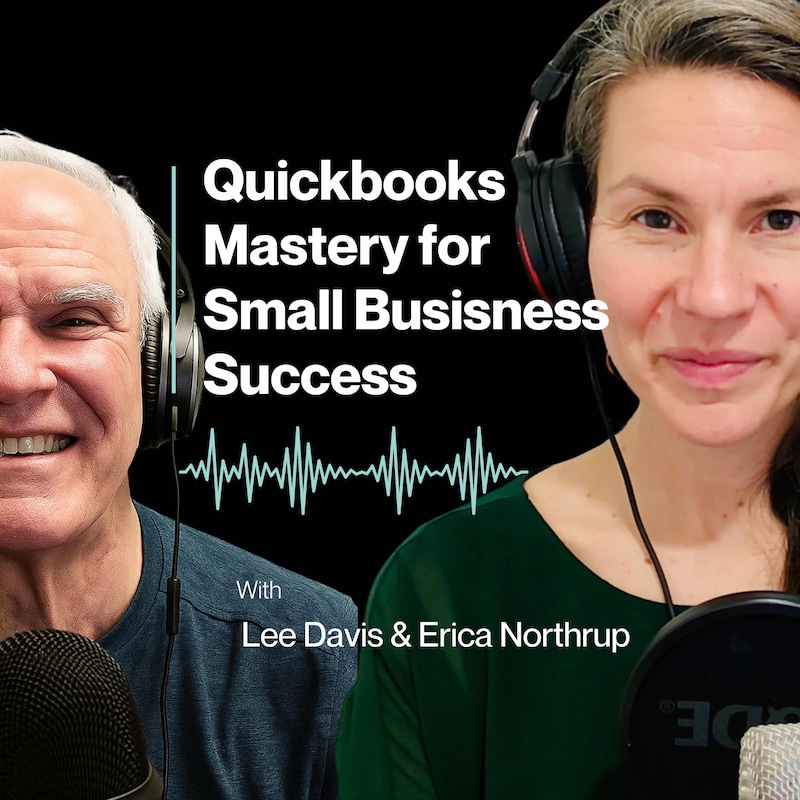
In this episode of QuickBooks Mastery for Small Business Success, father-daughter team Erica Northrup and Lee Davisbreak down one of the biggest growth decisions business owners face: when to stop doing it all themselves and outsource bookkeeping. They explore why entrepreneurs hold onto their books for too long, the hidden costs of DIY bookkeeping, and how outsourcing can free up time, reduce stress, and support smarter financial decisions.
You’ll learn how to recognize the signs that it’s time to delegate, what bookkeeping tasks can be safely outsourced, what should always stay in your control, and how to choose a bookkeeper who fits your business. This episode is designed to help you hand off QuickBooks with confidence — without losing visibility or control.
Key Takeaways
- Why holding onto bookkeeping too long leads to burnout, errors, and missed opportunities
- Clear signs it’s time to outsource your books
- Which bookkeeping tasks you should outsource — and which to keep in-house
- How to evaluate and choose the right bookkeeper for your business
- What a smooth QuickBooks hand-off process actually looks like
Questions to Reflect On
- Is bookkeeping taking time away from revenue-producing work?
- Do I fully understand my financial reports — or avoid looking at them?
- What could I do with the time I’d gain by outsourcing bookkeeping?
Mentioned in This Episode
Free 3-Part Quick Start Guide to Getting Started with QuickBooks
Download at: www.leedavisandcompany.com
Send Us Your Questions:
Chapters:
- 00:02 - Introduction to QuickBooks Mastery
- 04:59 - Outsourcing Bookkeeping: Signs and Benefits
- 09:48 - Outsourcing Bookkeeping: Essential Tasks to Delegate
- 15:23 - Choosing the Right Bookkeeper
- 17:40 - Key Questions to Ask Your Bookkeeper
- 21:44 - Transitioning to Professional Bookkeeping
Call to Action
If you enjoyed this episode, hit subscribe and stay connected with us at leedavisandcompany.com.
Download our free 3-Part Quick Start Guide to get started with QuickBooks the right way.
Have a QuickBooks question? Send it to [email protected] — your question may be featured in a future episode.
Transcripts
Welcome to QuickBooks mastery for small Business Success.
Speaker A:I'm Erica Northrup.
Speaker B:And I'm Lee Davis.
Speaker A:I handle the tech and he handles the numbers.
Speaker A:And together as a father daughter team, we bring decades of experience helping small to medium sized businesses thrive.
Speaker B:We know that as a business owner, your time is best spent mastering your craft and growing your business, not getting lost in QuickBooks.
Speaker B:Managing finances can be confusing and you don't have hours to waste sorting through spreadsheets or fixing bookkeeping mistakes.
Speaker B:That's where we come in, helping you streamline QuickBooks so you can focus on building your business.
Speaker A:Each week we break it all down into simple, actionable steps so you can focus on growing your business, not fixing your books.
Speaker B:Let's embark on this journey together.
Speaker A:Welcome back to QuickBooks mastery for smart small business success.
Speaker A:This is episode seven, Outsourcing Bookkeeping, when and how to hand off QuickBooks.
Speaker A:So I think the real question is, is QuickBooks slowly taking over your work week?
Speaker A:If it is, it might be time to hand off your books and reclaim your focus.
Speaker A:In this episode, we'll walk you through when to outsource and how to do it right.
Speaker A:Because listeners, this is our bread and butter.
Speaker A:This is what we do at Lee Davis and Company.
Speaker A:So I think let's dive into it.
Speaker A:Papa, why do business owners hang on to bookkeeping too long?
Speaker A:And I'm sure you have a lot of experience to this.
Speaker A:So what are some of the reasons why people just don't want to go down that road of hiring a bookkeeper?
Speaker B:Well, I think the primary reason is they don't understand the benefits of what they can gain.
Speaker B:What they see is that it's another financial commitment.
Speaker A:And budgeting last week, another line item to add to your budgeting Bookkeeper.
Speaker B:Yeah, they don't want to spend the money and sometimes they don't realize how much it is costing them to do it themselves, how much they're paying in lost revenue or who's helping them look at their expenses.
Speaker B:And two, when they start business, they don't understand the value of a good financial person or a bookkeeper.
Speaker B:They're just starting out and they don't really have a good sense of what QuickBooks can do for them.
Speaker A:Right.
Speaker A:They're underutilizing all the wonderful tools that QuickBooks has to offer and that can help their business grow exponentially.
Speaker B:That's correct.
Speaker B:To concite the fact that people oftentimes when they start out, they'll think, well, I'll just use Excel.
Speaker B:But Excel doesn't help you track your Expenses, it doesn't help you collect your accounts receivable.
Speaker A:It's a spreadsheet that you enter the data and that's it.
Speaker B:That's correct.
Speaker B:It may help you, but it doesn't give you a good history on your expenses.
Speaker A:Right.
Speaker A:You can't run those reports that we've been talking about in some of the past episodes.
Speaker B:When people start out, they could use a company like Lee Davidson Co. To get them set up.
Speaker B:They may not necessarily want to use this for ongoing bookkeeping services.
Speaker B:They may just want to get training and get set up correctly.
Speaker A:Because you waste a lot of time and money when you don't set up things correctly.
Speaker A:And then it takes way more money in the future to get yourself out of a mess.
Speaker A:You've done a fair amount of those as well.
Speaker A:Speak to that.
Speaker A:Right.
Speaker B:Cleaning up business messes is really one of the major things we do.
Speaker B:When people have come and show up at their accountant and give them the mess, the accountant says you need to call the Lee Davis and Company.
Speaker B:Here's his number, and make sure that he helps you get things straightened out.
Speaker A:Because as entrepreneurs, people get into business because they're passionate about the service they want to offer, the product they want to produce, or they want to run a restaurant.
Speaker A:Unless you're a.
Speaker A:A bookkeeper by trade, you don't get into business to sit down and do your books all day long.
Speaker B:You do not.
Speaker B:And some people think, well, how difficult can it be?
Speaker B:It's QuickBooks.
Speaker B:It's supposed to be easy.
Speaker B:It will not be easy if you don't have some basic accounting and you really don't understand what's necessary to set it up.
Speaker B:Really, an ounce of prevention is worth a pound of cure?
Speaker A:Absolutely not.
Speaker A:Getting into the mess in the first place is going to save you so much time and money in the future.
Speaker B:I think the other thing that people don't estimate is if you have a consultation and got this business plan, but you really haven't given a great deal of thought about what it's going to take to get started, then a good bookkeeper, a good financial guy is going to help you get that information that would be useful to you to get.
Speaker A:Started, give you that solid foundation that you're going to build that business from the ground up, strong and sturdy, that will be around for generations.
Speaker A:Yeah, love that.
Speaker A:Okay, so what do you think are some of the signs that it is time to start outsourcing some of these things?
Speaker A:What do you see that people are either struggling with or what are those signs that okay.
Speaker A:It is time to find somebody to help me out.
Speaker B:One, when you see that you're not able to have the time to spend on getting your invoicing done correctly.
Speaker A:So you're collecting the money.
Speaker B:Right.
Speaker B:If you're not getting your invoicing out timely and you're not paying your bills timely.
Speaker B:And two, frankly, that you can see that you're being absorbed into the daily aspects of running your business.
Speaker B:That's what's taking your time.
Speaker B:And when you get home at night, you don't want to work on.
Speaker A:Right.
Speaker A:All you do when you get home is you're working on your bookkeeping and some of the other financial aspects of it.
Speaker B:So if your business has grown and sometimes it's in the amount of your revenue, you can look at.
Speaker B:For businesses that maybe have a revenue stream between 50 to $100,000, they don't need to outsource their bookkeeping.
Speaker B:They may be helped by setting up training.
Speaker A:Right.
Speaker A:Having training or getting things set up and then handing the keys over and saying, okay, here's what you need to do.
Speaker A:Here's how you do it.
Speaker A:When you hit 150k, give me another call and we're going to have a conversation.
Speaker B:Yeah.
Speaker B:You can honestly say if your business is grown to the point that year over year, you've got now $200,000 worth of business and you've got 500,000, it's time to consider outsourcing that.
Speaker A:Love it.
Speaker B:Yeah.
Speaker B:Hopefully you've laid the foundation so it makes it easier to outsource it.
Speaker A:Do you think back on any clients you've worked with that were in this situation where they crossed that a hundred thousand dollars mark or a story of where you helped a client that was transitioning and had never used a bookkeeper before and started using one?
Speaker B:Absolutely.
Speaker B:I had a client who came and said, listen, I really have this need.
Speaker A:Yeah.
Speaker B:And lots of times it comes through account referrals.
Speaker B:Their accountant will tell them, you need to get somebody to help you.
Speaker B:Because sometimes what happened is they had ran into a tax issue, their payroll wasn't recorded properly, they owe more taxes than they should.
Speaker B:They've got more IRS penalties.
Speaker B:And now I have a mess right.
Speaker A:Now I have a mess.
Speaker B:What do I do to fix that mess?
Speaker B:Yes.
Speaker A:You call Lee Davis and Company.
Speaker B:That's right.
Speaker B:And then they show up with all their stuff and you go to work.
Speaker A:Love that.
Speaker A:Now that we've definitely established the type of person that needs to really think about outsourcing bookkeeping, what are some of those tasks that you can outsource.
Speaker A:That would really take a load off of a business owner's mind and time.
Speaker A:When you think about outsourcing those things.
Speaker A:I think we have to think about also.
Speaker A:Okay, if I outsource this thing for a hundred dollars an hour, what could I do with that hour or those two hours or those five hours that I would hand over to someone else?
Speaker A:What can I do with that time to actually create income?
Speaker A:Right.
Speaker A:Instead of spending time working on my books and handing that over to someone like Lee Davidson Co. What can I do with those five, six, ten hours a month that I might pay someone to actually do this work?
Speaker A:What can I do with those 10 hours to create revenue and create income that's going to boost my business?
Speaker A:So I think when you start to think about outsourcing, looking at, okay, is this really worth my time?
Speaker A:Can I pay somebody less than it would take me that I could then produce in that one hour?
Speaker A:Where's the trade off?
Speaker A:So I think that's something to just start thinking about.
Speaker B:Yeah, I think that's a great point.
Speaker B:But you have to ask yourself, do I have the expertise?
Speaker A:Right.
Speaker A:Well, that's just.
Speaker A:It might take somebody an hour to do.
Speaker A:Somebody that has the expertise that takes me four hours to do.
Speaker B:Exactly.
Speaker A:So in that four hours, what could I be doing to actually create income for my business opposed to handing that off to someone else?
Speaker A:How can I use my time the most effectively?
Speaker A:And maybe working four hours on my bookkeeping is not the best use of my time when I can leverage someone else that knows exactly what they're doing.
Speaker B:That's right.
Speaker B:I mean, you think about, if you're growing your business, you're looking to have billable time that might be anywhere between 2, 3, $400 an hour, making happy smurds.
Speaker B:That may be the difference of whether you get to that million dollar level or that 2 million, that $5 million level.
Speaker A:Okay, so what tasks can you outsource?
Speaker A:What can you outsource in.
Speaker A:In the financial realm, the first one.
Speaker B:That comes to mind clearly is payroll.
Speaker B:You don't want to be doing payroll.
Speaker B:Payroll is a commodity.
Speaker B:Books handles payroll, or paychex handles payroll, ADP or any of the services that you can offload payroll.
Speaker B:That's going to save you time and money for sure and avoid late filings and IRS penalties and all that.
Speaker B:So payroll would be the first one.
Speaker B:Tracking your employees time is really an area that payroll would help you automate.
Speaker B:The second part, I'd say for outsourcing, that is very time consuming.
Speaker B:Is managing your accounts payable.
Speaker B:So outsourcing that.
Speaker B:And I think oftentimes I tell people, don't outsource your invoicing.
Speaker B:Do that yourself, because that controls revenue.
Speaker A:Right.
Speaker B:You know, what you charge, but get somebody to follow up on that invoice when it's past due.
Speaker B:Also have somebody work with you on the collection aspect of that invoicing collections.
Speaker A:That's a great thing to outsource.
Speaker B:So that's a great piece.
Speaker B:And I think probably one of the things is you need a good accountant, but focus your accountant on saving you on taxes.
Speaker B:Good accountants don't want to do bookkeeping.
Speaker B:Understanding that there are the difference between what your accountant will do and what your bookkeeper will do and what you can outsource.
Speaker B:And I think the other area that you want to consider for outsourcing is, how do I know that I'm reaching my customer?
Speaker B:And certainly you would speak better to this in the whole marketing area.
Speaker B:But just collecting good information, knowing what your customers want.
Speaker A:Right.
Speaker A:That's what it comes down to.
Speaker B:That's correct.
Speaker A:Yeah, absolutely.
Speaker A:There's so much low hanging out there when it comes to marketing that.
Speaker A:Yeah, we're living in such a crazy, awesome time when it comes to marketing.
Speaker A:I mean, really, you can outsource everything or just the parts that you don't want to deal with.
Speaker B:Exactly.
Speaker B:I think you look at and sometimes paying your bills, if you really find that you don't want to pay your bills, you want to outsource that.
Speaker A:Absolutely.
Speaker A:I know you talked about invoicing is something that you would keep in house.
Speaker A:What are some of the other things that you think a business owner should be doing themselves?
Speaker A:Like maybe reviewing those monthly reports?
Speaker A:You could have somebody produce the reports.
Speaker A:But then I think it's a good idea if you review the reports, because you need to know your numbers.
Speaker A:Right.
Speaker A:You need to know what's going on in your business.
Speaker B:Yeah.
Speaker B:You need to have control of the numbers.
Speaker B:So don't abdicate control.
Speaker A:Don't give it up.
Speaker B:Don't give up.
Speaker B:Yeah, don't give up the control.
Speaker B:I think sometimes businesses will say, well, I have somebody who does that for me.
Speaker B:Well, no, that's something that you need to do.
Speaker A:And I think along the same lines, it's making strategic financial decisions.
Speaker A:I think it's great having somebody to bounce ideas off of.
Speaker A:I know that's something you do for quite a few of your clients.
Speaker A:You say, have you thought about this?
Speaker A:Or using this program that's out there?
Speaker A:You did a lot of that.
Speaker A:You Said, hey, have you looked into this yet?
Speaker A:Do anything about this?
Speaker A:I think you need to apply for this thing that's going to give you this financial relief or whatever the case may be.
Speaker B:Absolutely.
Speaker B:So what you want is good numbers.
Speaker B:And so what you need to do is make sure that you have good numbers going in.
Speaker B:So yesterday I had a case where a client was paying four to $5,000 a month in insurance.
Speaker B:And honestly, they didn't know, I mean, what that breakdown was for.
Speaker B:You just can't have insurance.
Speaker B:You need to know what kind of insurance is it insurance on your auto, Is it workers comp, Is it liability?
Speaker B:And so reviewing those kinds of expenses and having a good breakdown of it will allow you to say, wow, I'm paying a lot of money on equipment insurance.
Speaker A:Yeah.
Speaker B:And if I wanted to get another quote, here's my numbers.
Speaker B:I think that you need to have the ability to be on top of what you're spending.
Speaker B:So while you have a good bookkeeper, you nevertheless need to take some ownership for the numbers.
Speaker A:Absolutely.
Speaker A:A good tip is delegate.
Speaker A:Don't abdicate.
Speaker B:Correct.
Speaker A:I think about this in our own house, Right.
Speaker A:Getting the kids to help out with the dishes or some of the other things that in the long run, maybe it takes me a little more time to get that set up with them and have that flowing, but once I do, it really helps me in my day be able to do the things that are actually going to move the needle the most for our household.
Speaker A:And I think the same in a business.
Speaker A:Right.
Speaker A:So having someone to delegate those kind of tasks frees you up to be able to do those higher level thinking things and spending more time on really diving deep into the numbers of your business and knowing what's going on.
Speaker B:Yep.
Speaker A:Love that.
Speaker A:Okay.
Speaker A:How do you choose the right bookkeeper, Papa?
Speaker A:How do you know what questions to ask, what to do, who to look for?
Speaker B:I think that getting a referral from your accountant is always a good suggestion because they know they work with a number of bookkeepers.
Speaker B:So I think if you have a good working relationship with your cpa, they could refer you to a couple of different bookkeepers and then honestly setting up a meeting with the bookkeeper ahead of time and having that bookkeeper come with some solutions to that meeting and to see if right away you're going to be able to work with that person.
Speaker B:And is that person going to tell you exactly what you need to do to improve your business?
Speaker B:Maybe not what you want to hear.
Speaker A:But what you need to hear?
Speaker B:That's correct.
Speaker A:Yeah, absolutely.
Speaker B:You want to look for somebody who has multiple clients.
Speaker A:Yeah.
Speaker A:You want someone that has the experience.
Speaker A:Right.
Speaker A:Look at someone who is QuickBooks certified or has been working with QuickBooks for a very long time that knows what they're doing.
Speaker B:You want to find somebody who's established.
Speaker A:Yeah.
Speaker B:Got a track record.
Speaker A:Yep.
Speaker A:Absolutely.
Speaker A:And you talked about this earlier, but communication.
Speaker A:Right.
Speaker A:How important is communicating?
Speaker B:I can't stress the communication enough.
Speaker B:Be able to communicate with that person.
Speaker A:Yeah.
Speaker A:Really have strong communication.
Speaker A:And I think also, is that person available?
Speaker A:Right.
Speaker A:So they not only communicate and communicate well, but also they're going to help you with monthly reports and that you're going to be able to access them and check in with them when you need to.
Speaker B:One of my clients told me he likes it when I contact them directly.
Speaker A:Proactive.
Speaker B:Yes.
Speaker B:You know, they're busy, but they want to know that their bookkeeper is on top of things.
Speaker A:And you also mentioned, has that bookkeeper worked with that specific issue?
Speaker A:Maybe there's something specific that you're looking to get help with.
Speaker A:Knowing that that bookkeeper knows what to do and how to do it is going to save you time and money, because that's what you're looking for.
Speaker B:And like you said, if they're familiar with your industry, it's helpful.
Speaker A:Yeah.
Speaker A:They know what they're doing.
Speaker B:Love that.
Speaker B:Recommend certain things that they're familiar with in the industry.
Speaker A:So now, what do you think are some good questions that we could ask to interview that bookkeeper?
Speaker A:What are some questions that you would suggest to our listeners to ask that prospective bookkeeper they're looking at?
Speaker B:I would say that there are a number of questions, but you want to ask them how they would handle various situations.
Speaker B:Have this particular situation, and it might be that my billing is being done on Excel.
Speaker B:What would you recommend?
Speaker A:So I think it's acknowledging your humble roots, but then growing as you grow the business and supply and demand demands.
Speaker B:Right.
Speaker A:You gotta ask those right questions.
Speaker B:You've gotta have somebody who's gonna be straightforward with you.
Speaker B:So you wanna ask the question.
Speaker B:And you don't want somebody who beats around the bush, but somebody who gets right to the point.
Speaker A:I want you to shoot me straight.
Speaker B:Yeah.
Speaker B:And I think you want to say, all right, here's what I've got.
Speaker B:What do I need to do?
Speaker B:And so you want to have provided enough information to that person you're interviewing so they can make a recommendation.
Speaker B:They can put you on the right path.
Speaker A:They know where to get the information.
Speaker B:Yeah.
Speaker A:I don't think it's Always important that you know.
Speaker A:Exactly.
Speaker A:Exactly.
Speaker A:You're not going to know everything that you encounter, but you know how to use your resources.
Speaker A:You know where to find the answers.
Speaker A:You know where to go after the answers.
Speaker A:That is the most valuable tool that you can have.
Speaker A:I love that.
Speaker A:Some other questions.
Speaker A:I think they're important to ask.
Speaker A:How do you work with clients?
Speaker A:I think it's really important that you talked about earlier.
Speaker A:Will you get along with this bookkeeper?
Speaker A:Do you have experience with businesses like mine?
Speaker A:How often will I hear from you?
Speaker A:Do you charge hourly or flat rate?
Speaker A:And will I have access to my books?
Speaker B:Those are all good questions.
Speaker B:And those would set you up for success.
Speaker A:Make sure this person is the right person for you.
Speaker A:I think some red flags to look for would be no clear system or communication plan.
Speaker A:Right.
Speaker A:If you're not going to be hearing from that bookkeeper, you don't want them around.
Speaker A:And then if you feel confused after talking with them, I would say run the other direction.
Speaker B:That's right.
Speaker A:Probably not the person person for you.
Speaker B:That's correct.
Speaker A:Awesome.
Speaker A:Okay, so now let's move into how the handoff works.
Speaker A:Now, we do have a very specific system that we follow here at Lee Davidson Company.
Speaker A:But let's talk a little bit about how that handoff would look.
Speaker A:Moving from doing your own books, how would that handoff look like?
Speaker B:Well, the handoff would be we have an initial consult.
Speaker A:Yep.
Speaker B:That you come and we send you a list of things you need to bring to a meeting.
Speaker A:Yep.
Speaker B:And whether that's the initial interview that you might have.
Speaker B:You need to have an initial consult in that you'd have a list of areas, financial information you need to provide.
Speaker A:Yep.
Speaker B:And questions that would need to be answered.
Speaker B:And maybe if you had QuickBooks already, you would need to send the file over to review.
Speaker B:You would also, in the handoff, you'd have to look at the services that would be provided and say, what services am I interested in?
Speaker B:So you need to decide what services are offered.
Speaker B:And lots of times that would show up on the website and help you ask those questions and get the right information to hand off work.
Speaker B:And lots of times you need to be able to provide basic tools for somebody to be able to help you.
Speaker B:And a good bookkeeper is going to give you a list of what's needed.
Speaker A:Love that.
Speaker A:It's pretty simple, pretty straightforward.
Speaker A:It shouldn't be a difficult thing.
Speaker A:And then we also really help people to then give them snapshots of their business, keeping them up to date on what's happening in their business.
Speaker A:Financially, I think it's important as the business owner to stay involved in the strategy and the things that happen.
Speaker A:But let go of those day to day things that you're handing the keys over to say, Lee Davis and company to do.
Speaker B:That's correct.
Speaker B:As you talk about, don't abdicate your responsibility.
Speaker B:Stay involved and initially over communicate.
Speaker A:Right.
Speaker A:You can't communicate enough.
Speaker B:Over communicate.
Speaker A:Yeah.
Speaker A:Well, do you have any closing thoughts on how to outsource that bookkeeper and when it's time and everything we talked about in this episode?
Speaker B:Well, I would say my closing thought would be that choosing a right business partner will be critical for your business.
Speaker B:So it may take a little bit more time to make the right choice, but spend time on it.
Speaker B:Don't just drop something and say one day I can't do this anymore.
Speaker B:Call so and so.
Speaker B:No, that's not the way to do it.
Speaker B:Have a plan and work with somebody who can help you implement that plan.
Speaker B:Do it in phases.
Speaker A:Yeah, I think that's great.
Speaker A:Roll it out slowly.
Speaker A:Yes, I love that.
Speaker A:So good.
Speaker A:If this episode hit close to home, if you are that person that is struggling with your bookkeeping, if you are tired of coming home at the end of the night and just working on your books, it might be time to find the right bookkeeping support.
Speaker A:I will tell you guys at lee Davis & Co. We help business owners hand off QuickBooks without losing control.
Speaker A:And if you you are ready, book a consult with us and we'll make that transition seamless.
Speaker A:I promise you that.
Speaker A:We know what we're doing over here.
Speaker A:We love to help people.
Speaker A:This is what we're in the business of, is helping people.
Speaker A:Excellent.
Speaker A:Well, have a great week until next time.
Speaker A:We'll see you next week.
Speaker A:Bye for now.
Speaker A:Thanks for tuning in to QuickBooks mastery for small Business.
Speaker B:Success.
Speaker B:If you enjoyed this episode, hit subscribe and stay connected with us at.
Speaker A:Leedavis and company.com we know QuickBooks can be overwhelming, so we've put together a free resource to help you get started right away.
Speaker A:Grab your [email protected] and when you do, you'll also get access to our VIP email list where we share exclusive QuickBooks tips, business strategies and support and.
Speaker B:We'D love to hear from you.
Speaker B:If you have a QuickBooks or Question or a business challenge, send it our way@support le davidson company.com we might feature it in a future.
Speaker A:Episode.
Speaker A:We're here to help you simplify QuickBooks and grow your business one step at a time.
Speaker A:See you next.




