Shownotes
Welcome to another inspiring episode of Late Boomers! We’re your hosts, Cathy Worthington and Merry Elkins, and we’re thrilled you’re joining us for a powerful conversation about finding joy, energy, and purpose, especially during life’s big transitions.
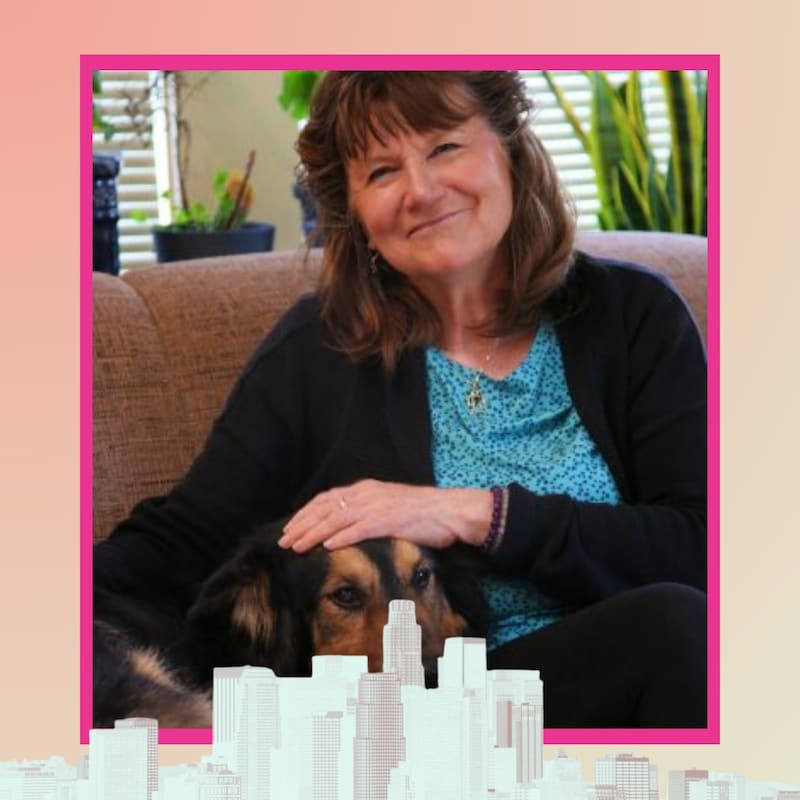
In this episode, we sit down with psychotherapist, speaker, and author Elke Scholz, whose book Loving Your Life empowers people to overcome anxiety and self-doubt by reconnecting with their authentic selves. Whether you’re navigating retirement, caregiving, health shifts, relationship changes, or just wondering what’s next, this episode is packed with insight and practical tools to help you thrive.
Key Takeaways
- Self-awareness begins by noticing your energy where it rises and falls throughout your day. Start small and practice regularly.
- Your body never lies: Trust its signals, especially in uncertain times.
- Anxiety isn’t your enemy; it’s a messenger. Learn to “invite it in,” explore what it’s trying to tell you, and respond with self-compassion.
- Gratitude isn’t just something you “feel” when things go well, practice it intentionally to build happiness and resilience.
- You’re not alone: Even successful people (including therapists and coaches) experience self-doubt. Community and honest conversations matter.
- Redefine success for yourself at every stage; prioritize health, inner peace, and relationships.
- Practical tools and a growth mindset can help you create a life you truly love, no matter your age or stage.
Grab Loving Your Life from your favorite bookseller or visit Elke Scholz’s website for free calming techniques and other resources.
If you found value in this episode, please subscribe, leave us a review, and share Late Boomers with friends, family, and anyone ready to create their next exciting chapter. For more resources and to stay updated on future episodes, visit our website and follow us on social media. Your next chapter is waiting and we’re here to help you thrive!
Remember: It’s never too late to create a life you truly love. Shine bright and practice every day!
Mentioned in this episode:
Late Boomers is part of the eWomenPodcastNetwork.
Transcripts
Welcome to Late Boomers, our podcast guide to creating your next exciting chapter in life. I'm Cathy Worthington.
Merry Elkins [:And I'm Merry Ellekins. And we're so glad you're with us today.
Cathy Worthington [:Today's topic is something that affects almost everyone, especially in terms of uncertainty, change, and transition. How to cultivate more joy, energy, and purpose while managing anxiety and self doubt.
Merry Elkins [:So many people reach midlife and beyond thinking life should be easier by now. Yet they often find themselves dealing with new challenges like retirement decisions or caregiving health concerns, relationship changes or new relationships, or simply wondering what's next for me.
Cathy Worthington [:And sometimes all of that creates anxiety, stress, or a feeling of being disconnected from ourselves. We may know what everyone else wants from us, but we're not always sure what we want.
Elke Scholz [:That's so true.
Merry Elkins [:But the good news is that self awareness is a skill that's been redeveloped. Learning to listen to ourselves, trust our intuition and reconnect with what energizes us can dramatically improve our well being.
Cathy Worthington [:Our guest today helps people do exactly that. She believes that the answers we seek are often already within us if we're willing to slow down and listen.
Merry Elkins [:Joining us today is psychotherapist speaker and author Elke Scholz. Her book, Loving youg Life explores how we can better understand ourselves, overcome limiting beliefs, and create lives that feel more authentic and. And fulfilling.
Cathy Worthington [:Elka, welcome to Late Boomers.
Elke Scholz [:Thank you. Welcome. Thank you.
Cathy Worthington [:Your book is called Loving youg Life, which is such a powerful concept. What inspired you to write it, and what experiences led you to explore this topic so deeply?
Elke Scholz [:I always knew there was a book in me, and what had happened was I was facilitating art workshops. And I noticed this was before I got my degree in psychology. What I noticed is these great conversations that we were having and community. So I'd go back and I'd write more on my computer. And then I ended up writing articles for other books and magazines. And I was fascinated by these conversations from all of us as a group when we would sit and do art and there's this connection and community that would happen. After a while, I had enough for a book, and that's how it began. So.
Elke Scholz [:And. And it was quite something to think about the title and. And I think part of it was about creativity coming back to our creative center and how we get bogged down. So this creativity that's in us gets piled with society's shoulds and musts and whatever labels, all these things that, that you bring to light and. And then we forget who we are and we become Unhappy. And so what I learned was as we were being creative, even when I was teaching children and any age, their eyes would open up to the world and their language would change after these workshops. And that's what really. Yeah, that.
Elke Scholz [:Yeah, it was interesting to me because people came back and said, you know what I didn't realize that the roads are pink. And I said, yeah, because we have pink quartz in our pavement. Oh, I didn't realize tree, tree trunks had colors in them. Yeah, they do, because they were staring and slowing down. They really saw the world in a different way. And I thought I was creating a model, and I wasn't. This learning strategy that's in the book is actually a famous learning model, though I discovered it by experience and with what I was discovering, and that's what led the book. And then of course, there was the.
Elke Scholz [:What would you say, the proof or
Merry Elkins [:the
Elke Scholz [:criteria behind it.
Cathy Worthington [:Yeah.
Merry Elkins [:Love to hear more about it. Many people, as you said, we forget ourselves. And so many people spend years ignoring their own needs or instincts, maybe because they have children or grandchildren or lots of things to do jobs. But when you talk about listening to yourself, what does that really mean? And why is it so important?
Elke Scholz [:That's a big question. So I'll start at the beginning. When we were born, we knew what felt good and what didn't feel good. It was very simple. So a wet diaper, being hungry, cramps, we'd cry. If we were warm, fed, swaddled, cuddled, that felt good. We were content. So our yeses, our no's, our feeling good, our higher energy was very clear, even though we didn't have language for it.
Elke Scholz [:Our bodies knew. What I've noticed, and I've noticed it in myself as well, of course, is as little children. And we hear parents and teachers and it's not ill meaning at all. The more lack of awareness. Let's say a mother is. Is hurried. And my mom did it too. She said, you're not hungry, you just ate.
Elke Scholz [:Well, kids are always hungry. We were. We're always hungry. My brothers were always hungry. And it wasn't. It was just we were growing. However, what happens as a little one when you hear those messages, you go, well, I felt hungry. Those though this person, this large person in front of me says, I'm not.
Elke Scholz [:Then, then that's when this doubt starts creating. Don't cry, it doesn't hurt. Get over it. You should be over it. All these messages and it's society, you're fine, you know, oh, don't worry about it. A Lot of negating. And, and what happens is this maybe place gets very big and the yeses and nos or the lifting of energy and the compression, they're always there when they're extreme. However, our culture perpetuates maybe place and that of course creates self doubt, questioning.
Elke Scholz [:We even have cartoons, right? The one chattering on the one shoulder and the other chattering on the other shoulder. We all have that. Yeah, we stopped listening.
Merry Elkins [:There was this show on TV when I was a little kid and one had an angel on one shoulder and a devil on the other and they were both talking at the same time and you're like, I don't know.
Elke Scholz [:Right. And yeah, it's that off with your head. Right. We're in our heads. Our culture generally is very left brain, very head thinking oriented and we forget about what's going on in our bodies.
Cathy Worthington [:Yeah, yeah. Well, for listeners who might not know where to begin, could you share a simple practice that they could use to start hearing their own inner wisdom more clearly?
Elke Scholz [:Yes and yes.
Cathy Worthington [:Great answer.
Elke Scholz [:A simple exercise. And start simple is. And you don't. It doesn't take extra time. So that's the beauty of this, that you can do at any time, anywhere. It's awareness. So even as you're listening to this podcast, think about how your energy lifts and how it drops. Because it happens all day long.
Elke Scholz [:Our energy lifts and it drops. So going outside, perhaps it's a perfect spring day and right now we just had a finish flush of lilacs and it was just incredible. So noticing. Or maybe you hate lilacs, I don't know. Notice, notice. You know, what happens when you drive in, whether it's traffic, notice if. And it doesn't. There's no judgment.
Elke Scholz [:There's no judgment. So laughter and chaotic children playing could lift your energy or it can suppress it. There's no judgment, it's just a noticing. And that's the first exercise because the more you practice, that gets stronger. And what you'll start noticing is h, yeah, someone's invited you for lunch and you think, oh, I should say yes. Yet your body collapses a bit and it, and it doesn't mean that lunch is bad. It could be the timing. It could be maybe that person.
Elke Scholz [:It could. Who knows? It's just important to listen to your body. And the invitation is, it's not about my formula, it's what your body. You've been in your body 247 and your body doesn't lie. And the more you practice and you can throw some examples out or questions. I'M happy to answer.
Merry Elkins [:Yeah, well, you talking about the authenticity of listening to your body, you often talk about following your passion and living authentically. So just a little bit of a question about that. Is following your passion the same thing as following your heart? And how can you tell the difference between what truly fulfills us and what we think should fulfill us?
Elke Scholz [:Energy.
Merry Elkins [:All filled with shoulds.
Elke Scholz [:Yeah. And must. Anytime you think, oh, I should really do this, that is a little signal for you. Anything that says, oh, I must or I have to. And it doesn't mean that you don't. It just means to pay attention to it. Because sometimes we do things. Many times we do things because we want to be that good daughter or we want to be that good neighbor, and yet we feel depleted later.
Elke Scholz [:That. So it's about energy. And I, I know you asked the question about your heart and passion. Once we strengthen the lift and as we fill our energy, we naturally, humanly natural, want more of it. So paying attention, we can edit some things. And that's why I say start small, even when you go to your closet. And I do that in the mornings just for fun. What do I feel like wearing today? You know, what, what, what's my favorite color? It.
Elke Scholz [:Just, just do it. That's it. And, and not have a judgment around it. Because what happens is then you're going to get little messages in your heart and your body that says, you know, why don't we go to this store today first instead of last? And then you go and you've met somebody you've been trying to get a hold of. And that's happened to me so many times. What's that? Yes. Oh, and we're so connected, so that that keeps growing. And so when we do this and we follow our energy, that's going to answer these questions about passion and purpose and vitality.
Cathy Worthington [:And that would be more tuning into your intuition 100%. So if it says go there instead of there, you don't need to go over there. Listen. Right. Sometimes we can't listen well, many of our listeners also struggle with anxiety, especially during periods of change. So how can reconnecting with ourselves and help reduce anxiety and create more emotional resilience?
Elke Scholz [:Good question. So anxiety is actually a gift. And just. So I just want listeners to know that I struggle and have struggled with major anxiety. It's when we're highly sensitive, we're prone to anxiety. Anxiety and depression go together. Not fun. It's horrible, actually.
Elke Scholz [:And so that got me started on this path of again, listening to My body and anxiety. When someone, you know, first said, well, that's a gift. And I'm just, you know, you want to put your head through the wall or put their head through the wall. Not that I'm violent, but that's what it feels like.
Merry Elkins [:So.
Elke Scholz [:So how is it a gift? So anxiety is anticipatory, where worry is. Is negative meditation.
Merry Elkins [:Right.
Elke Scholz [:Worrying and concern and fear. Fear is real. Okay. If you're being chased by a bear or skunk. I live in the country, so these things happen. Is. That's real. You gotta run.
Elke Scholz [:Anticipatory, which is anxiety is tapping us on the shoulder and saying, hey, pay attention. There might be a skunk in your path, but you don't have to be afraid. You just need to be aware. And anxiety could. What I noticed anxiety comes from 11 different places. Now, that may sound overwhelming. It's not in the book. I just.
Elke Scholz [:I list the 11 places and I have a checklist. And when you look at these, you just go, oh, yeah, I can change that. Or I can do this, or, oh, that's where it's coming from. Or sometimes it's just real waiting for medical results or having an exam or moving. I think you meant changes Concur. That's reality. So that is natural. It will pass.
Elke Scholz [:So you're not. You're not. There's nothing wrong with you if you have anxiety and some sleepless nights over what's on your plate.
Merry Elkins [:Give us one example of that, if you would.
Elke Scholz [:Sure. I had a client that came in, and she came in and she was telling me about her separation, and they were still in the house. Her partner was still in the house. She was trying to secure a mortgage with her.
Cathy Worthington [:Her.
Elke Scholz [:One of her relatives. She was in between jobs, and she had still children living at home. And she was describing this situation, and she said, you know, I've got so much anxiety, I'm not sleeping. I'm not thinking right. I'm having. I feel like something's wrong. And I said to her, I said, you know, everything you told me would give me anxiety too. Yeah, there's.
Elke Scholz [:There's so much uncertainty in your life.
Merry Elkins [:And.
Elke Scholz [:And so what happened, though, is I normalized it for her. She actually physically went like this, rolled up her sleeves. She actually did it. She goes, I know what I have to do. And that was it. She. It. She got into action mode and.
Elke Scholz [:And she went. Went to it. So having anxiety, we need to unpack it. You know, is it physical? I can give a physical example. So we sweat through the Night. And when our bodies are dehydrated, they give the brain, gives the body a signal of dehydration, and that looks like anxiety. A lot of my clients, I say if you wake up with anxiety, have. I have.
Elke Scholz [:My, my night table is a anxiety warrior station.
Merry Elkins [:Oh, a little bit of water.
Elke Scholz [:Yeah, it's fun. I've got a few things there. So a little bit of water, if that's what's happening, that your body's dehydrated and you have anxiety when you wake up, that little bit of water, when I mean a little bit, I mean like a quarter, quarter cup or something, you drink that within five, 10 minutes, that anxiety has extremely lowered or gone away. So it could be, it could be physical. And I do talk about some other physical things that can give us anxiety.
Merry Elkins [:You know, my. I was thinking of asking you about paying attention to the body's signals, and you given us some real life example of how the body does communicate these signals and this information. So how do we. First of all, I have to know what's on your anxiety table, which is totally not part of this question, but I'd love to know how you recognize those signals, especially if you're anxious all the time. Or, or you're, you're not following your intuition and you have, you think there's something wrong all the time and you can't recognize or can't even separate them out. So tell us about that and about your table.
Elke Scholz [:Yeah, well, yes, combined. Which I can answer when we're in it, and that includes me, even though I teach it and talk about it. When, when we're in anxiety, we're dysregulated. And what that means is we're not thinking, we're not rational. We're not able to put, you know, concrete sentences together. We don't know what we need in that moment. All we know is that we're anxious. However, here's the caveat.
Elke Scholz [:We do have enough wherewithal to look at a resource list or that chart that I spoke about. So we have enough. And the checklist. I go through the checklist. Is it physical? Did I eat something? Is something on my mind? What's going on? Am I overwhelmed? What am I having a response to? So the invitation is, so believe me, I still have anxiety. When I have anxiety, instead of trying to make it go away, instead of trying to distract it, I bring it in. So I say, okay, what are you trying to tell me? And then I go through the checklist. Or I'm just quiet because I have gone through the checklist.
Elke Scholz [:I'm just quiet and say, okay, what is it that I need to know right now? And some of it may mean that I need to call somebody. Or maybe it's, I've got to check my, my bank account or maybe I've, I've got to check the credit cards and make sure things are done. Or, or maybe it's something in the garden that needs attending because I have deer that love to eat my garden. And so we want to bring it in because that's where it's a gift. It's trying to tell us something. It's tapping us on the shoulder and go, hey, pay attention.
Cathy Worthington [:Oh, right. Very important. Well, self doubt and imposter syndrome affect everybody. People of every age. So what are some practical tools or self care practices you recommend when those feelings begin to creep in?
Elke Scholz [:Taking a deep breath, being aware of the self doubt. And what are the beliefs that this is coming from? And the, the hard part, I think in our culture and, and you know, you've done a lot of reading and studying, we gotten the message we're three purchases away from happiness. You know, we were, we were told Freedom 55. Like we're told, all these messages and magazines now are changing a little bit. However, you know, one in, I don't know, 5 million look like that. The rest of us don't.
Merry Elkins [:Yeah.
Elke Scholz [:And so the messages is always about we're not thin enough, we're not this enough, we're not this. Like we're getting these messages all the time. And our mothers got those messages and it comes everywhere and it's being aware. So that self doubt. And here's the thing is I'm a therapist and I still go to a therapist when I need to because of that. It's learning those messages that we got as we're growing up and as we're in this culture. And the self doubt, it's constant. You're not enough.
Elke Scholz [:And one of the things too, and this is why I love the opportunity of a podcast, is that I follow different coaches and mentors and, and you know what I love is when they sit there and say, when I feel self doubt, when I hear these voices and they've been coaching me and I'm just going, wow, you still have them. We all do. And to, to just realize that we're not alone and that we've got to reverse the self talk, that that's practice. And, and, and I feel bad for
Cathy Worthington [:kids now because it starts so young because they have these devices that they can see all these people on Instagram and TikTok, and they're all, you know, whether it be like trying to get tan without sunscreen, because that's a craze among 11 year olds now, and they've got sun damage, but they're getting these messages and. And I'm so glad I got to grow up without social media, and I'm really glad my daughter made it through too. But now it's. It's so frightening.
Merry Elkins [:What?
Cathy Worthington [:All the bombardment of bad messages, negative messages.
Elke Scholz [:A hundred percent. And part of the reason there's a psychology is why the messages, the negative messages are so addictive. I mean, I. My brain is always looking at why. Why are we gravitating to this? Why this addictive? And there's. There's part of our old brain, and especially in men, women too, is the mammalian brain. The old brain is saying, I've got to listen to this because I need to know if I need to keep my family safe, is this a danger? And once you recognize that, then you can step back. And a lot of my mentors now are saying, don't even watch the news.
Elke Scholz [:They just stop because it's a business.
Cathy Worthington [:Yeah, I've heard that many times.
Elke Scholz [:Yeah. And while they're being more and more blatant about it, which I'm happy about, and you're right about the social media here, up. Up here too. It's the same. They're starting now.
Cathy Worthington [:We should say Elka is in Canada.
Elke Scholz [:Yes.
Cathy Worthington [:Yeah. We didn't say that.
Elke Scholz [:Well, we're. We're neighbors and in Canada. And I don't know how it is in the states, but the children now in Ontario have to. Cannot bring their phones in the classroom
Merry Elkins [:in some states, some cities and schools, that's the way it is now. But not everywhere. Not in California, where we are.
Elke Scholz [:Yeah. And it is toxic for kids because they're not getting a real picture of life. And I grew up outdoors and in nature, so.
Merry Elkins [:Yeah, yeah, yeah. Well, as a psychotherapist, what are some of the most common misconceptions people have about happiness and personal fulfillment? Fulfillment. Yeah.
Elke Scholz [:When I was in my last big pit of depression and I had a really hard time getting out, I promised myself that I would maintain a daily practice and that what I came to was that gratitude is the quickest way to happiness, not the other way around. And I've had a very regular gratitude practice for over 20 years. I started with a tiny, tiny book so that I would do it because I promised myself that I wasn't going to go down that pit anymore.
Cathy Worthington [:Is this a well known book?
Elke Scholz [:No, this is just a little, little tiny notebook. Just a little journal where I started listing my gratitude. And it's grown into. Actually I produced. I have a very big one now.
Cathy Worthington [:Wow.
Merry Elkins [:You know, can you define your idea of gratitude? Because I think for me, I have to really feel it. And I can say, oh, I'm glad I'm alive. Yes, I am. But do I really feel it to make a difference? How do you get there?
Elke Scholz [:That's a beautiful question. And I think it's very important because sometimes you don't feel it. And I wonder, do you remember Wayne Dyer?
Cathy Worthington [:Yeah.
Elke Scholz [:He coined the phrase fake it till you make it. And when I started my gratitude practice, I didn't want to do it. I wasn't smiling, I didn't feel joyful. And that took a little while for that joy to effervescent. And then as it's progressed, what it does is it gives you a solid inner gratitude. So I just recently lost a beautiful, loyal dog. Oh, yeah, my buddy. And I'll try not to cry.
Elke Scholz [:However, there, there were days where at moments where, you know, you don't feel like dancing, you don't feel gratitude. And yet I still maintain the practice because the practice, we can sit there and meditate and I hear you, Merry, is, you know, I can say, well, the sun is shining and be flat, just. Yeah. And so it takes a little bit of work. It's practice. It's like exercise. And it's going through different things that I am grateful for. Whether it's the hugs, the memories.
Elke Scholz [:I have food in my fridge and sitting with that. Like right now, everything's really good. My family's healthy. I mean, I'm healthy. It's amazing, right? And so I do think about that and it's almost like we are revving the engine. We work up to, to it. Does that make sense?
Cathy Worthington [:Yes.
Merry Elkins [:And help.
Elke Scholz [:I don't wake up going, yay, it's a great day. Yeah. Sometimes I just go, I just want to roll over and I don't want to get out of bed and face anything. And yet I will get out of bed and I start with the meditation and then the gratitude practice, 100%. And you know what's so interesting is when I'm done and I said, once I've done my gratitude practice, then I'm in a different space. I put out my intentions for the day. Oh, and then I also move, I go right into moving meditations. So, like yoga stretches and the 21 Tibetan rites.
Elke Scholz [:And by the time I'm done, then I'm entering the day in a pretty good space, if that helps.
Cathy Worthington [:Yeah. And. But to be able to stick to that is the hard part. When you're depressed. If you're depressed.
Elke Scholz [:Yeah. I. What happened was I was. I would practice. I would meditate, feel good. I'd stop practicing. I would. Then I would, you know, get into a depressive state or not a great state, and then I would practice again.
Elke Scholz [:And this one time, I. I really landed hard into a depression, and it. It was. It was a battle getting out, and I made that promise. So the pain of that. I'm not giving up my practice.
Cathy Worthington [:Yeah, I. You finally learned it. Doing it over and dropping it and then starting again. You finally learned you got to keep going, going.
Elke Scholz [:Well, I didn't want the pain anymore. And that pain, it's. And it's interesting now that it's become a habit. And I started out small, so that's why I want to say that to listeners is, you know, the first journal was very tiny, and my gratitude was very repetitive. I woke up. I can walk. I can see. You know, I'm.
Elke Scholz [:I'm in a warm house, a comfy bed. It was pretty much. I don't want to say boring, but it was kind of for a while. And. And then you train your brain. Like, your brain looks and goes, oh, look at that. I can. I can put that in my gratitude.
Elke Scholz [:Oh, the kids said something funny or, that was a really good meal. I'm going to put that in my gratitude. And so your brain starts looking for things, and it. It ripples through the day.
Cathy Worthington [:Well, every successful person faces challenges, so can you share a setback or a difficult period in your own life a little bit more? You did it a little bit. And what it taught you about growth and resilience, you shared about the journaling, the gratitude journal. Is there something else you could mention?
Elke Scholz [:Well, probably the anxiety, I think. And I had. I had a few friends in my life. You'd ask them, how. How. How are you today? And they go, awesome. And you'd go, and they meant it. And.
Elke Scholz [:And I'd be very envious. And. And I'd remember. I remembered that there was one day I was driving, and I had a van and a little bit of money and a home and. And two healthy kids, and I was so sad. And I went, elka, what is wrong with you? And that was a real pivotal point, one of them. And I just went, you know what? There's millions of people that would just go, you don't want this life. I'll take it.
Elke Scholz [:You can have mine. And that really started that journey. And I've had different hardships of whether it's bankruptcy or the reason I went back to school was my life. I just went, I don't want to struggle like this anymore. And I remortgaged my house. I rented my son's room out and went back to school.
Cathy Worthington [:That's when you become a psychotherapist. That was later. Yeah, great.
Merry Elkins [:Actually, I was about to ask you if there was a turning point in your life when you realized that you needed to change and trust yourself more fully. Can you elaborate on Walt and maybe another.
Elke Scholz [:And it's interesting because after my daughter was born, I took this creativity workshop, and I thought it was an art workshop, and it wasn't. It was an expressive arts workshop. It was very deep work, and I quite enjoyed it. And then it was a little bit later, a few years later, when I just went, you know what? You've got to make some serious changes in your life. So I went back to that college and I had to get a BA waiver so I could take the full postgraduate program. And that's where I learned about the body. That's where I learned about inner wisdom. And my teacher, I do talk about him, Ed Hagedorn, wherever you are, he said, play with it, you know, and he said, what if.
Elke Scholz [:What if you trusted your body and you were right? He said, 75% of the time I went, I'll take it because I'm wrong. Like, you know, 90 of the time. Well, it's the opposite. You trust your body, you're going to be right. I'm going to say almost 90 plus
Merry Elkins [:percent, because your body trusting your body more like, what are you talking about? Your brain, your hands, your heart, your.
Elke Scholz [:It's that. Yeah, you know, it's a feeling. It's that energy that. That pulse that says, I want to wear turquoise today, or I want to. I'm just going to eat sweets. Or I'm. I'm going to plant, you know, a thousand tulips. I don't know.
Elke Scholz [:It's that part of us that it's like an impulse and it's listening again, you know when we talked at the beginning about listening to what raises our energy or what compresses our energy and. Yeah, that I can. Well, we don't have time here, but I do lead people through a meditation, and it's a good practice. And he said, just practice. Keep practicing. And it did get stronger. And. And that was a big, big turning point for me, that there was a degree in expressive arts and that I could actually go and get it.
Elke Scholz [:So I did.
Cathy Worthington [:Wonderful. How. How has your definition of success evolved through the years? Success that I say that.
Elke Scholz [:Yeah. Success.
Cathy Worthington [:Wow.
Elke Scholz [:I think that's. That's an. That's something I still look at, and I look at what's my next and success can look like. I. I live in a beautiful home and my property is beautiful. And, you know, my kids. I think it's. My relationships with my kids are really good.
Elke Scholz [:And they're beautiful adults, responsible, independent, and they're making babies.
Cathy Worthington [:Oh, nice. Your grandma.
Merry Elkins [:Grandma, yeah.
Elke Scholz [:Myself.
Merry Elkins [:That though.
Elke Scholz [:So. Yeah, I just say I'm a gigi. I'm too young to be that. And we talked about that earlier and. Yeah. So I think I'm answering the question. I'm not sure anymore. Oh, what you said about success, definition
Cathy Worthington [:of success, did it change?
Elke Scholz [:You know?
Merry Elkins [:Well,
Elke Scholz [:maybe I think it got tweaked to health. I am, like, crazy healthy. I have a lot of vitality. I can. For me, success is being able to do anything I want. Maybe not as fast anymore, or maybe I'm not lifting as much. That's okay. I think too, the successes, that inner peace, that inner harmony, and do I have that every single moment? No.
Elke Scholz [:However, I have it a lot. And relationships for sure, is success.
Merry Elkins [:Yeah. Our definitions change of everything but success, certainly as we get older. And I'm just talking about gratitude, grateful to be healthy. And that my parent, My parents always said, oh, you know, the number one thing to wish for is good health. And I would say as a kid, oh, yeah, yeah, yeah, yeah. But now it's yeah, yeah, yeah. Anyway, if you could go back and talk to your younger self just as you were beginning your career, what advice would you give?
Elke Scholz [:Stop worrying. It's interesting because I remember, well, it was probably about 20, 25 years ago, and. And I do a lot of walking and hiking and I'm in nature a lot. And I got the idea that I was always okay. I always seemed to have enough. And I thought, why have I been worrying for years when it's always okay? And, you know, our culture, society, the world right now is very chaotic, and sometimes I get these kind of waves. And then I went, you know what? You're going to be fine. You'll figure it out just like you always have.
Elke Scholz [:And that would be my advice, is just don't worry. You don't need to worry. Well, you'll figure it out. You'll figure it out.
Cathy Worthington [:Yeah. Well, many of our listeners are entering a new chapter and wondering what life gives life meaning. So what would you say to someone who feels a little stuck or uncertain about their next step?
Elke Scholz [:I would say, how are you going to trust your body? Because your body is going to tell you. And that's with everything we've talked about today. Relationships, money, decisions, what you're going to wear, what you're going to eat. Trust your body. So if there's a way of strengthening that, your next will be pretty fantastic.
Cathy Worthington [:Love it.
Merry Elkins [:I like that. Yeah. Okay. What are some of your favorite words or phrases that guide your life and work? And perhaps you can give us a phrase or two to use.
Elke Scholz [:My favorite words are curiosity and practice. That if anything, out of anything I've shared, it's about practicing that we just practice. And the other, I have two. Well, one main new word is grace is to give myself grace. Yeah, I'm more into words, I think.
Merry Elkins [:Yeah.
Elke Scholz [:I don't know if I have a phrase. Well, my phrase that I put, put in my journal is shine bright, shine your light. Oh.
Cathy Worthington [:Or your phrase that you can start with is I'm grateful for and then it forces you to finish it. Yeah, that probably works too, right?
Merry Elkins [:That works great.
Cathy Worthington [:If listeners remember only one message from our conversation today, what would you most want them to take away?
Elke Scholz [:Two messages. One is follow your energy because your body knows, like your body is the expert. And the other one is just practice.
Cathy Worthington [:Practice.
Merry Elkins [:That's, that's great, Great advice. We didn't ask you a lot about your book Loving youg Life. Can you talk a little bit about more about that and where to get the book? And Eric is showing a picture of the book.
Elke Scholz [:Yes.
Merry Elkins [:That's for our YouTube viewers. And I love that cover. It's yellow with a big heart on it. And tell us where people can find your book and connect with you online and learn more about your work.
Elke Scholz [:Well, they can connect with my books on any platform, actually. And whether it's Amazon, they're also Ebooks, Kobo, any of those, your favorite bookseller? They'll be there. And my website will direct you to that anxiety. Well, my website is just my name and I'm guessing it'll be posted here. So elkashols.com and they have.
Cathy Worthington [:Maybe you should spell that.
Elke Scholz [:Shall I? Okay, sure. And so it's E, L, K, E, S, C, H, O, L. I'm going to say Z.com and when list when you go to my Website, there's a free. Merry, you got it already. The calming techniques that are proven that will calm your system within minutes. And there's other resources as well on the website that are free, so that's probably the easiest way. And there's other books on there as well.
Merry Elkins [:And then tell us a little bit more about your book. Just a few words about it.
Elke Scholz [:Which one? The loving your life.
Merry Elkins [:Yes, yes.
Elke Scholz [:That is a flagship book and it's illustrated and it has over 40 exercises and they're all exercise. One thing is I'm very practical, so I'm not going to ask you to buy all fancy things. So you can do these exercises with things you have at home. And they're layered exercises to go as deep as you want to, and it's coming back to yourself. And it's all done in progression of this learning model. So slowing down, breathing and coming into this awareness and then learning. The other piece of that is the way I presented the book is like a smorgasbord. So it has pull quotes, it's got illustrations, poetry.
Elke Scholz [:It also has like the meat and potatoes. So it's a book that you can go into and go, I want to do more about listening so you can go through that. Or, oh, I want an exercise on movement or my body. So you can, you can pick and choose. Like I said, sometimes we want dessert, sometimes we want everything. Just depends how hungry you are. And we're not all the same. So it's not a cookie cutter approach.
Elke Scholz [:It's an approach that really invites the reader to explore themselves again, to watch that energy for themselves, what's right for them.
Cathy Worthington [:Excellent. Thank you for sharing your wisdom and insights with us today.
Merry Elkins [:Yeah, this has been an inspiring conversation. Thank you. And I think many of our listeners will come away with praise, practical tools, and a renewed sense of possibility.
Cathy Worthington [:And thanks to all of our listeners for joining us on Late Boomers.
Merry Elkins [:And if you enjoyed episode, please subscribe, leave us a review and share your podcast with friends and family. And we'd love to help others discover our show, so please do that.
Cathy Worthington [:And you can also visit our website and social media channels for upcoming episodes, resources and more conversations designed to help you thrive in your next chapter.
Elke Scholz [:Yes, thank you.
Merry Elkins [:And so until next time, remember that it's never too late to create a life you truly love.
Cathy Worthington [:We'll see you next time on Late Boomers.


