Shownotes
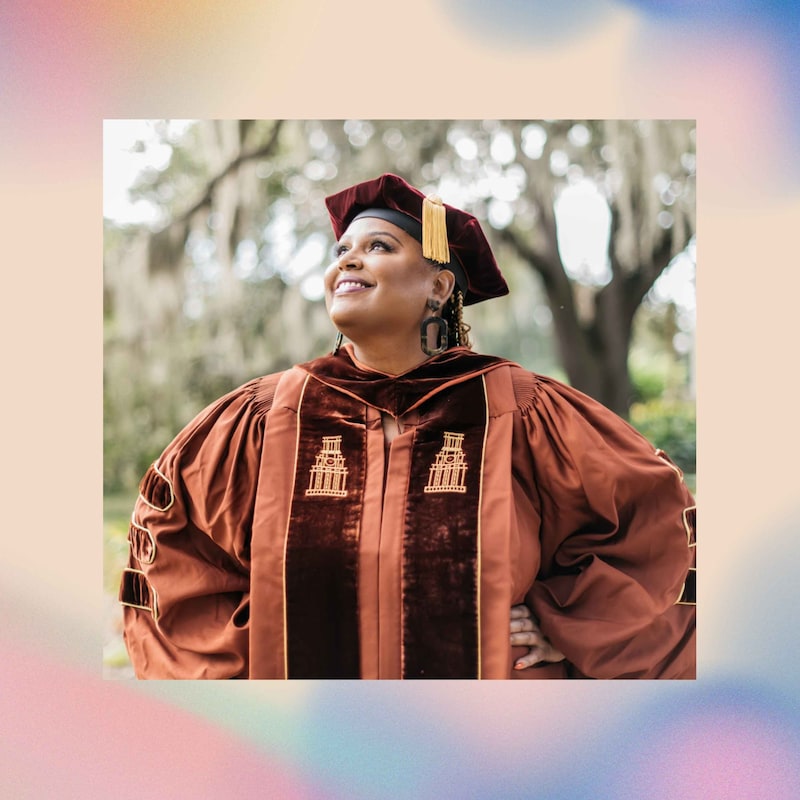
This podcast episode centers on the transformative power of financial literacy, featuring the esteemed educator and advocate Dr. Paris Woods. Our discussion elucidates Dr. Woods' insights into financial empowerment, particularly for marginalized communities. She highlights her groundbreaking work, including her book, "The Black Girl's Guide to Financial Freedom," which addresses the unique financial challenges faced by Black women. Additionally, we delve into her upcoming publication, "The Student's Guide to Financial Freedom," designed to equip teenagers with essential money management skills needed to navigate adulthood with confidence. Through her personal narratives and professional expertise, Dr. Woods aims to dismantle generational cycles of financial illiteracy and inspire a new generation to achieve lasting prosperity.
The podcast delves into the transformative journey of Dr. Paris Woods, an esteemed educator and advocate for financial literacy, particularly among marginalized youth. With a commitment to breaking generational cycles of poverty, Dr. Woods shares her story of overcoming financial adversity and how education helped her succeed. The discussion highlights her acclaimed publication, 'The Black Girl's Guide to Financial Freedom', which serves as a beacon of hope and guidance for Black women seeking financial empowerment. This episode emphasizes the significance of authenticity in one's life journey, as Dr. Woods reflects on the importance of being true to oneself to attract opportunities and support. The conversation also touches on her forthcoming book, 'The Student's Guide to Financial Freedom', which aims to equip adolescents with the tools to navigate financial challenges as they transition into adulthood. The episode is rich with insights on the intersection of education, financial independence, and the empowerment of future generations, making it a vital listening experience for anyone interested in personal finance and social justice.
Takeaways:
- In this episode, Dr. Paris Woods emphasizes the importance of financial literacy among youth and advocates for comprehensive education on money management.
- The discussion highlights the transformative power of authenticity, urging individuals to embrace their true selves to attract the right opportunities.
- Dr. Woods shares her personal journey of overcoming financial hardships, illustrating how education and informed financial choices can empower.
- The upcoming book, 'The Student's Guide to Financial Freedom,' aims to equip teenagers with essential financial skills as they transition into adulthood.
- We encourage you to take a proactive approach to debt management, recognizing it as a barrier to financial freedom that can be overcome with informed decisions.
- The episode emphasizes the importance of mentorship and guidance in shaping the financial futures of young people, particularly in underserved communities.
Links referenced in this episode:
Transcripts
Welcome to another episode of Becoming Bridge Builders, the podcast where we highlight the voices and stories of leaders building pathways to hope, opportunity, and transformation.
Speaker A:I'm your host, Reverend Dr. Keith Haney.
Speaker A:Today we're joined by a remarkable educator, advocate, and guide to financial empowerment, Dr. Paris Woods.
Speaker A:Dr. Woods and author of the Black Girl's Guide to Financial Freedom, a breakthrough book helping readers break generational cycles and build lasting wealth.
Speaker A:Her upcoming release, the Student's Guide to Financial Freedom, is a simple yet powerful pathway to design a help designed to help teens navigate money college adulthood with confidence and clarity.
Speaker A:As a lifelong educator and youth advocate, she's helped thousands of students and families gain financial understanding.
Speaker A:Her approach to teaching money is accessible, affirming, and grounded in real life experience, making financial freedom feel attainable for everyone.
Speaker A:Dr. Woods, welcome to the podcast.
Speaker B:Thank you.
Speaker B:Thanks so much for having me.
Speaker A:Glad to have you on.
Speaker A:So let's jump in with my favorite question today.
Speaker A:What's the best piece of advice you've ever received?
Speaker B:Oh, man.
Speaker B:I think be yourself so that your people can find you.
Speaker B:Especially thinking about sort of the journey of growing up and trying to figure out who.
Speaker B:Who I am and where do I fit in and who do I want to be and all of those types of things.
Speaker B:And so, you know, at a certain point you start to realize, like, actually I don't have to shift myself to fit places.
Speaker B:It actually benefits me to sort of live in my authenticity.
Speaker B:And the people who are meant to find me, the people who are looking for me, the people who need me, will be able to find me if I'm being myself.
Speaker B:So that's something I always return to again and again.
Speaker A:Yeah, I love that.
Speaker A:It's very true.
Speaker A:Because your authentic self is the one that shows up most often and whether you.
Speaker A:Whether you mean him to or not sometimes.
Speaker B:That's right.
Speaker A:So you've spent your entire career helping young people and families navigate some of the biggest decisions they ever made.
Speaker A:What sparked your passion for that?
Speaker B:I think my own journey.
Speaker B:You know, I grew up in a loving family, as supportive as possible, and unfortunately, one that really struggled financially.
Speaker B:And so we faced a lot of hardship growing up and.
Speaker B:And my mother was a single mother, and she ended up raising six kids.
Speaker B:By the time I finished high school, my aunt had passed and my four cousins came to live with us.
Speaker B:Our family at three became seven.
Speaker B:And so I got to watch her really struggle to make the numbers work and try to be creative and have to deal with all the various types of lack that financial instability can cause and.
Speaker B:And so for me, college was my escape hatch.
Speaker B:I was good at school, a straight A kid, and captaining all the teams and doing all the things right.
Speaker B:So college and getting a full scholarship to Harvard was really a saving grace for me.
Speaker B:And so it sort of made sense for lots of reasons for me to then work in education to say, okay, this is how I got out of poverty.
Speaker B:Let me help other young people do this.
Speaker B:And of course, throughout this journey of adulthood, you realize education is an important step, but it wasn't the final step, and it didn't teach me everything I needed to know about finances.
Speaker B:And so once I sort of learned some of these harder lessons the hard way, of course, very naturally I had to turn around and say, okay, how do we help the next generation avoid those same mistakes I made with all that education?
Speaker B:I still make plenty of mistakes.
Speaker B:Right.
Speaker B:And help other folks get on this path to financial freedom much faster than I have.
Speaker B:So it's really been born in my own experiences and trying to help other folks follow the path and make sure I'm not the last one down this road.
Speaker A:You know, with college, though, it's not a natural jump.
Speaker A:Sometimes if our parents.
Speaker A:I'm not sure if your parents went to college or not, but how did you navigate even the steps of.
Speaker A:What does it mean to get into the right college?
Speaker A:Getting into college without the debt?
Speaker A:Cause, I mean, we all find ways into college, but sometimes we end up it being more problematic than it's helpful sometimes.
Speaker B:That's right.
Speaker B:Yeah.
Speaker B:I would say probably some combination of luck.
Speaker A:Yeah.
Speaker B:And serendipity and faith.
Speaker B:Right.
Speaker B:I mean, my mother was an ordained minister, and so what?
Speaker B:She didn't have an experience or access and information.
Speaker B:She just sort of was able to believe for us and, like, completely blind faith.
Speaker B:I remember having a conversation with her once I decided I wanted to go to Harvard.
Speaker B:Right.
Speaker B:Which is like, it might as well be a fictional place.
Speaker B:Right.
Speaker B:We didn't know anybody who went to Harvard.
Speaker B:I'm the first person in my family going to college, all of that.
Speaker B:And so it'd be very reasonable for her to say, well, you know, maybe you're shooting a little too high, or, you know, it's probably too expensive, which is what a lot of parents might say.
Speaker B:But for her, she said, you know, what?
Speaker B:If this is your goal, we're going to get there.
Speaker B:And she believed it was totally possible.
Speaker B:She started buying stuff, buying, like, pictures of Boston and stuff and putting up all over the house.
Speaker B:Like, she was really, really sold and convinced that this was possible.
Speaker B:And so that, I mean, that's like a level of faith.
Speaker B:I don't even think I just had to borrow from her to say, okay, maybe it is possible.
Speaker B:I don't know, mom, you know, and so she, and I remember her saying, like, we'll figure out a way to pay for it.
Speaker B:Mind you, tuition was more than her salary.
Speaker B:We didn't know anything about financial aid.
Speaker B:So all of that, despite lack of information, despite sort of everything that should have prevented me, I did get in.
Speaker B:I did get a full need based scholarship.
Speaker B:And so part of my mission then was like, let me make sure it doesn't take that level of crazy faith.
Speaker B:Let me give some folks some information and sort of illuminate this path and make it seem more accessible as part of my work in education.
Speaker B:But for us, I mean, I feel so grateful to have even had someone back me and to be able to take the chance and just see.
Speaker B:And it turned out.
Speaker B:Yeah.
Speaker A:Wow, neat story.
Speaker A:And now, as a legacy person, you can help someone else get into Harvard and your family, right?
Speaker B:That's right.
Speaker B:I don't have any kids of my own, but maybe, you know, see if people want to try to claim me.
Speaker B:Yeah, but that's right.
Speaker A:Yeah, I love it.
Speaker A:So let's talk about your book, the Black Girl's Guide to Financial Freedom.
Speaker A:What resonated with so many readers?
Speaker A:What inspired you to write that book?
Speaker B:Yeah, I think that book was probably a long time coming at the moment I started sort of outlining it.
Speaker B:I was in a philanthropy program for early stage education philanthropists.
Speaker B:And so we had to sort of create a 20 year vision, like, what will the impact of your life and your, like, philanthropic investments be on the world 20 years from now?
Speaker B:And that experience was so meaningful for me because I had lost my mother.
Speaker B:My mother died in her early 50s from cancer.
Speaker B:And that was such a painful loss for me.
Speaker B:And so when I did this 20 year visioning exercise, it would have put me beyond that age.
Speaker B:And it was really challenging for me to imagine myself being older than I got to experience my mom.
Speaker B:So that that exercise really gave me pause and I really had to like, center myself and ground myself to see what could be possible.
Speaker B:And so what I ended up writing so resonated with me.
Speaker B:And lots of things showed up in that vision.
Speaker B:But one of the things that I wrote was that I had written a book that had had a significant impact on my community and on the generation that followed me.
Speaker B:And so when I saw that show up in the vision, you know, once I'm Clear on a destination.
Speaker B:I'm like, great, what's the action?
Speaker B:Like?
Speaker B:I have to do something about this.
Speaker B:And what would that book have been about?
Speaker B:And at this point in my career, I had been on this financial freedom journey, recovering from all these mistakes I had made.
Speaker B:I became really interested in financial independence as a tool for empowerment within the black community.
Speaker B:And so that became the target of the book.
Speaker B:Like, I have to write about this.
Speaker B:I have to bring this conversation about financial freedom to my community.
Speaker B:And of course, as luck would have it, right in the middle of outlining the book, I got laid off for my job in the middle of the pandemic, right?
Speaker B:And so I got to rely on the positive financial choices I've been making to actually use this as a blessing.
Speaker B:I was like, great, I'm on vacation.
Speaker B:I'm going to travel.
Speaker B:I'm working on my dissertation.
Speaker B:I'm doing all the things I want to do.
Speaker B:And the reason this is possible is because of the financial choices I have been making.
Speaker B:And so that, I think, amplified the value and the purpose.
Speaker B:I'm like, this book, I have to write this book because so many people are suffering from things we can't predict.
Speaker B:Like, who knows, you're going to get laid off?
Speaker B:That wasn't on my agenda, right, for the pandemic, and for a lot of folks, that would be.
Speaker B:That would cause significant financial hardship.
Speaker B:And so I wanted folks to have the information and the tools so that whatever comes, and we know unpredictable things happen all the time, that you have a financial foundation to be able to survive, if not thrive, despite what's happening in the world around you.
Speaker B:So that became sort of the even broader, greater mission of getting that book out when I did.
Speaker A:So you make this.
Speaker A:Write this book directly to black women, which is kind of a not mainstream group that we people usually target books toward.
Speaker A:What challenges do you want.
Speaker A:Did you want to address uniquely for that demographic in your book?
Speaker B:Yeah, it's so funny.
Speaker B:Now I see all the black girls guys popping up.
Speaker B:But you're right.
Speaker B:When I wrote that, there was no the Black Girls Guide to anything.
Speaker B:And if I had probably gone through a traditional publisher and tried to pitch this, I think folks would have been like, it's too niche.
Speaker B:Or, you know, and luckily, I wasn't writing for money or I wasn't writing for sales.
Speaker B:I was writing for mission.
Speaker B:And so for me, you know, I gotten invested and involved in this financial freedom movement, this fire, financial independence, retire early movement.
Speaker B:And so many of the leading voices in the movement were white and were Male.
Speaker B:And I would try to talk about, you know, these concepts with my black female professional.
Speaker B:I'd go to professional conferences, and I'm like, let's talk about fire.
Speaker B:And folks had never heard of it.
Speaker B:And so I thought about my identity as a black woman.
Speaker B:I thought about my mother, and sort of, I've come from a family of women.
Speaker B:And I thought about sort of especially my professional network.
Speaker B:Women who are so educated, had access to resources, and yet didn't have access to this information.
Speaker B:And so I felt really called to put to use sort of what I have, which is my background and my identity, to bring this conversation to my community.
Speaker B:So it was a very personal.
Speaker B:Like, very personal based on my own experience and on sort of the impact that I wanted to have and the conversations I wanted to have.
Speaker B:I'm like, I'm on a journey to financial freedom.
Speaker B:I don't want to do this by myself.
Speaker B:I need y' all to join me.
Speaker B:And I.
Speaker B:And writing is my way to communicate.
Speaker B:So I'm gonna bring y' all into the conversation.
Speaker B:I'm not gonna wait till I'm done with the journey.
Speaker B:I'm gonna invite y' all to join me on this journey.
Speaker B:Yeah.
Speaker A:So tell us more about what FIRE is.
Speaker A:You mentioned it.
Speaker B:Yeah.
Speaker B:So financial independence.
Speaker B:It's an acronym.
Speaker B:F I R E stands for financial independence.
Speaker B:Retire early.
Speaker B:And it sort of is born or was born out of folks who literally do not want to work anymore.
Speaker B:And.
Speaker B:Right.
Speaker B:And so setting up these very simple investments so that the interest from their investments supports their lifestyle.
Speaker B:And it's a very simple formula that anyone can follow.
Speaker B:You take your annual expenses that you're going to be spending in retirement, multiply that number by 25, and that tells you how much you need to have invested in index funds.
Speaker B:So I love the simplicity of the math.
Speaker B:And the only reason I came across it is because when I was getting out of debt, I was trying to cut expenses left and right and just, you know, go crazy hard on eliminating expenses.
Speaker B:And I came across a guy named Mr. Money Mustache who.
Speaker B:Who was on his fire journey.
Speaker B:And so he was cutting expenses so he could invest over 70% of his salary toward hitting that retirement number.
Speaker B:And so I was just reading about how crazy he was living, and I was like, okay, sir, you're doing extremes.
Speaker B:Why are you doing this?
Speaker B:And that's how I learned about the FIRE movement.
Speaker B:And so that inspired me.
Speaker B:Not because I didn't want to work.
Speaker B:Like, I've always been a very mission driven professional.
Speaker B:So it wasn't About I want to retire forever.
Speaker B:But I like the idea of this sort of work optionality that I don't need a job, I want a job.
Speaker B:And that's born of seeing, you know, my mother, seeing my sister, seeing folks in my family have to work and have to put up with abuse and have to put up with all types of things on a job because they need the paycheck.
Speaker B:And so for me as a black woman, freedom means I don't need you.
Speaker B:I don't need that.
Speaker B:If I show up to work and you acting crazy, I could say, all right, today's my last day.
Speaker B:Thank you so much.
Speaker B:Like, I'm on a mission.
Speaker B:Obviously we're not aligned.
Speaker B:I'm going to take my mission and my gifts elsewhere.
Speaker B:So that's the level of freedom I think we all deserve to have.
Speaker B:And I think this FIRE movement gives us a mechanism to make that true.
Speaker B:So that's what appealed to me about it.
Speaker B:That's what I.
Speaker B:And you know, and I'm doing it now.
Speaker B:I'm being a full time author and sort of stepping into this entrepreneurial space because it's what I feel transformed, driven to do and not because I need the next paycheck from the next W2 job.
Speaker B:So I'm so grateful and privileged to be able to live the lifestyle.
Speaker B:But also it's like it's born of freedom and it gives us the ability to then truly live into our gifts and mission in the world and not have money, be the control and factor.
Speaker A:So if you're hearing this and going, man, that sounds like something I want to do, what are some actionable steps people can do to take this journey?
Speaker A:Do?
Speaker B:Yeah, I mean, the first thing is to know it's possible.
Speaker B:And you know, when I started talking to folks about fire, the first response I get is that this is actually impossible.
Speaker B:Like, what do you mean?
Speaker B:People don't retire early?
Speaker B:People don't.
Speaker B:What do you mean we're going to save up?
Speaker B:And so the journey that I walk people through in the book is my elemental journey.
Speaker B:Because my financial freedom journey actually started with wanting to get out of debt and sort of realizing that the reason I felt so constrained in my day to day finances was because I had a car note and because I had all these graduate student loans and I had credit cards and all of this.
Speaker B:And that's where all my paycheck was going.
Speaker B:And if I could get out of debt, I would have so much more control over those paychecks and I'd be able to save and invest and just, you know, enjoy my life and enjoy the money.
Speaker B:So that's why the book starts with debt freedom.
Speaker B:And then we start to talk about, all right, if you want to accelerate this debt freedom, you could spend less, but you could also accelerate faster if you made more.
Speaker B:Right.
Speaker B:And that's what I did.
Speaker B:I had to double my salary.
Speaker B:I sort of figured out ways to charge more and value my time and value my, you know, claim my value in the workplace.
Speaker B:So we got to start making more money.
Speaker B:And then once you have more money and you're controlling where it's going, well, now let's do something exciting.
Speaker B:What do you, you know, what do you want to do with all this money?
Speaker B:What are we going to do?
Speaker B:And why don't we use that money as a tool to buy freedom?
Speaker B:Right, so that's the.
Speaker B:The mental journey and the mindset shift that we have to make.
Speaker B:So if someone wants to get on the journey and this feels completely impossible, start with where you are now and start with what's true.
Speaker B:So what is a goal that feels attainable?
Speaker B:Is it to pay off a debt?
Speaker B:Is it to try to increase your salary?
Speaker B:Let's start there.
Speaker B:And once you start to feel more in control of your money, then we can start to set some more lofty goals.
Speaker B:And most of us have set these goals, right?
Speaker B:We think about, if I won the lottery, what would I do with the money?
Speaker B:Or if I, you know, we have these things in the back of our mind, like, if I were truly financial free, here's what I would do.
Speaker B:So we have the goals.
Speaker B:Now we just need to build the roadmap, and so start to realize it's actually possible.
Speaker B:You don't have to win the lottery to have that level of freedom.
Speaker B:And so that's the journey I want everyone to be on.
Speaker B:And I'm hoping to add to the body of knowledge and tools so that folks start to realize that it truly is possible.
Speaker A:That's amazing.
Speaker A:So what's the biggest misconception or the biggest hurdle people have to overcome besides just thinking they can do it, to actually saying, okay, this is attainable?
Speaker B:Yeah.
Speaker B:I mean, the mindset piece, I think the biggest mindset piece is around debt.
Speaker B:And, you know, I was raised that debt is a privilege to have access to.
Speaker B:Like, when I bought that first car I got, I have my Harvard degree.
Speaker B:I have my first.
Speaker B:My dream job.
Speaker B:I'm traveling all around the country telling kids about boarding school, you know, and I was like, I need a car.
Speaker B:And so what do we do?
Speaker B:My mom takes Me to the dealership, right?
Speaker B:So the new car dealership.
Speaker B:And we sit down and buy a car that day.
Speaker B:And she was so proud of me that I didn't need a cosigner.
Speaker B:And she's like, wow, you have really.
Speaker B:You made it.
Speaker B:Wow, your credit's so good, you could take on this loan.
Speaker B:15, $20,000.
Speaker B:Right.
Speaker B:So our whole mindset around debt, I think, is a tricky one to shift because everything around us tells us debt is normal and debt is good and debt is how you acquire things.
Speaker B:And nowadays when I, if I talk to somebody who's already into their adulthood and they're saying I can't save and we look at their budget, there's a car note there.
Speaker B:Like nine times out of 10, I'm like, well, you've taken on this debt and that was a choice that's preventing you from saving or investing or moving toward freedom.
Speaker B:So the debt piece, I think is such a hard one, such a hard mindset shift to make.
Speaker B:And I think the other big one is around investing.
Speaker B:So we have this sort of mental mindset that debt is normal.
Speaker B:We have this mental mindset that investing is risky or challenging or something that you have to relegate to the professionals or something that's inherently risky.
Speaker B:And all of that either prevents us from investing at all, or it leads us to doing really risky things that are just unnecessary with our money.
Speaker B:And we are losing this hard earned money that we traded valuable hours of our labor to earn.
Speaker B:And so those are the two big misconceptions that I'm hoping I'm on a mission to challenge.
Speaker B:Investing is easy if you do the boring way and you can actually build wealth through investing without losing your money, and that it's totally possible and that you'd have more money to invest if you could release debt.
Speaker B:I think those are the two big mindset shifts I hope people are able to make.
Speaker A:So I love your book.
Speaker A:You have a section in your book under chapter two, which is about cars, Buying a car the smart way.
Speaker A:So you kind of talked about your story.
Speaker A:What is the smart way to buy a car?
Speaker A:We've all heard, you know, different things about buying a car.
Speaker A:So tell us the smart way to buy.
Speaker B:All right.
Speaker B:This is probably the most controversial advice I give in the book, but two golden rules.
Speaker B:Buy used and pay cash.
Speaker B:And the reason I say this is because cars, this is sort of one of the most, one of the biggest purchases we make and something we so often finance and something that is dropping in value from the moment you drive it off the lot.
Speaker B:So it's so mismatched in terms of how much we're willing to sacrifice and how much we're actually getting in return when you think about the numbers.
Speaker B:So buying used actually saves you that huge depreciation drop between buying a new car day one and then day two, right.
Speaker B:The moment you drive it off the lot, the moment it becomes a used car, the value starts sinking dramatically.
Speaker B:So if all you did was even wait two or three years, you're saving thousands of dollars.
Speaker B:Right?
Speaker B:And the pay cash piece is about that, the scenario that we talked about.
Speaker B:It's like, are we going to be spending our money and paying interest on something that's dropping in value, or are we going to be investing that money on something that's increasing in value, whether that's a savings account, whether that's an investment account?
Speaker B:So that's the math.
Speaker B:And so it just makes sense then not to finance a car.
Speaker B:And so I think the most challenging piece about this and the pushback that I get is that, well, cars are expensive and the car I want, you know, I can't pay cash for that one.
Speaker B:And this is like, you know, I call it the microwave method versus the slow cooker method.
Speaker B:And we're in a microwave society.
Speaker B:We want everything quick, fast and in a hurry.
Speaker B:But we know you put something in the slow cooker, it tastes a little bit better, doesn't it?
Speaker B:Take a little bit longer, but it tastes a little bit better.
Speaker B:And the slow cooker approach to buying a car is to actually pay cash for what you can afford today.
Speaker B:It might be a hooptie.
Speaker B:And this is the thing, we're like, I don't need a hooptie.
Speaker B:You know, I'm too fancy for a hooptie.
Speaker B:But you don't have to stay in it forever.
Speaker B:You can start with what you can afford and save and trade up over time and keep your freedom.
Speaker B:Right?
Speaker B:Why trade freedom for a car?
Speaker B:So not everybody's going to do it, not everybody's going to be able to do it.
Speaker B:But if you're serious about getting a freedom asap, then these are the tools to speed it along.
Speaker B:If you're like, I'm serious about either avoiding the financial constraints that I'm in now, getting out of it, or getting to, if you want work, optionality, whatever that vision is, that million dollar vision that you have for yourself, what are you willing to do?
Speaker B:What are you willing to do to get there?
Speaker B:And I think this is a sacrifice that's worth considering if you really are on a mission.
Speaker B:To get to freedom as soon as possible.
Speaker B:So just putting it out there for consideration.
Speaker B:But it kills me every time when I see somebody who can't afford to save or invest and they've got a card.
Speaker B:Note it.
Speaker B:Really?
Speaker B:That's the one that gets me.
Speaker A:Yeah, that makes sense.
Speaker A:So let's talk about your upcoming book, the Students guide to financial Freedom.
Speaker A:You wrote that for teens.
Speaker A:Why do you feel this group needs that guide right now?
Speaker B:Oh, man, I needed it.
Speaker B:Right?
Speaker A:We all needed it.
Speaker B:Especially, you know, so this book is targeting high school and college, college students, which is the age group that I've dedicated my 20 year career in education to supporting.
Speaker B:The reason I love this age group is because this is the moment in your life where you get to start making some real decisions about your future, right?
Speaker B:Whether that means going to college, what your career is going to be, starting to figure out your identity.
Speaker B:All those things are happening in this little, like, late adolescence phase.
Speaker B:And this is the point where we really need strong, clear guidance.
Speaker B:Right.
Speaker B:Because it's also the time period we can start making some mistakes that will follow you for quite a long time.
Speaker B:That's when I opened up those first credit cards, right?
Speaker B:That was right when I got that first car loan.
Speaker B:That was right when I, you know, so started making some financial mistakes that took me years to recover from.
Speaker B:And at this age, you have the power of time on your side.
Speaker B:And Everybody who's, I'm 40, my 40s now, 40s and beyond, we wish we could go back and just start putting 10, 20, $30 into an account somewhere and we'd be a millionaire today.
Speaker B:Like, literally, that's how the math works.
Speaker B:And so it's easy to make smaller tweaks at this age and have a big impact in just a couple of decades.
Speaker B:And so the impact that's possible is so exciting and so inspiring that we had, you know, I had to write it and, and also, you know, the feedback I got from the black Girls Guide I wrote for black women.
Speaker B:But so many folks were like, I read this and I had to give it to my niece, I had to give it to my daughter.
Speaker B:Like, I had to pass this knowledge along.
Speaker B:It's so responsible for me to do so.
Speaker B:And one of the most frequent questions I got was like, can I give the Black Girls Guide to a boy?
Speaker B:Can I give it to someone who's not black?
Speaker B:And the answer is yes.
Speaker B:It's just solid financial advice.
Speaker B:I'm the black girl.
Speaker B:It's my story.
Speaker B:But in order to make it more accessible, I Said, you know, I think it's time to go ahead and do the adaptation specifically for students, and I can bring in some examples and instructions specifically for when you're in high school, do this.
Speaker B:But specifically for when you're in college, do this.
Speaker B:So I'm so excited about this book.
Speaker B:I feel like it's been a long time coming and March 3rd is going to be here.
Speaker B:So Marty, folks are so excited and telling me who they're going to give it to.
Speaker B:And we had John King, the US Secretary of Education, endorsing the book.
Speaker B:We've got so many folks from every corner of life really excited to get this knowledge into young people's hands.
Speaker B:And so I'm just happy to be a vessel to make it possible.
Speaker A:Yeah, I just had a guest on my podcast not long.
Speaker A:We were talking about education in college, and she spends her entire career trying to help kids go to college.
Speaker A:And she says most people have no idea that to go to college overseas is cheaper and you get a degree quicker and you're not in debt.
Speaker A:And so much of college is free.
Speaker A:You just have to know the ins and outs.
Speaker A:I love the fact that you're kind of helping people, especially teens, to learn money management at an early age and to not get into the same mistakes so many of us did.
Speaker B:That's right.
Speaker B:And you know, I got a whole chapter dedicated to education, so we gonna get those free college degrees, you know, and I, you know, we talked about the luck of being, for me, being able to go to college, you know, debt free and the strategy around that and the fact that a school with a sticker price as huge as Harvard's and so many folks don't realize that that also means it could be a school that has so much financial aid available that it could be free, I think is one of the big misconceptions that I want to break when it comes to education, that we don't just have to look at the tuition, we have to look at the resources and what are the graduation rates like.
Speaker B:There are this complexity and so many of the folks giving advice around college going either haven't been to college.
Speaker B:Like most Americans, we don't have college degrees.
Speaker B:That's just a fact.
Speaker B:Only about a third of adults in the United States have a bachelor's degree or higher.
Speaker B:So, you know, the folks giving us advice mean well, but they may not know all these different access avenues for getting a degree affordably debt free.
Speaker B:Free.
Speaker B:And so I put a lot of care into that chapter because we know that education leads to Higher earnings, We know that education leads to greater job stability, et cetera.
Speaker B:And so I want, I still want folks to have access.
Speaker B:I still work in education.
Speaker B:Right.
Speaker B:So it is really important.
Speaker B:Yeah.
Speaker A:So you mentioned your doctorate just because I'm a geek too.
Speaker A:What was your doctoral dissertation on?
Speaker A:I'm just curious.
Speaker B:Yeah.
Speaker B:So my doctorate is in higher education leadership and I looked at the impact of early career exposure for high school age African American youth and its impact on their college going and career going trajectories.
Speaker B:So it sort of fits with what we're discussing, like who's giving us information about how to access the lifestyle that we want in adulthood.
Speaker B:And of course, what was so interesting because I was researching African American youth, is also what sort of systemic inequalities and inequities get replicated even through the caring adults who are telling us how to navigate the world.
Speaker B:They've had to navigate racism, they've had to navigate inequities.
Speaker B:And so they may be giving us advice that helps perpetuate those same systems.
Speaker B:So that was a piece I didn't expect to find.
Speaker B:So I wrote a lot about that in there.
Speaker B:But of course, early exposure makes all the difference in the world.
Speaker B:Being able to meet somebody in a career that you dreamed of makes it real.
Speaker B:Being able to meet someone who went to college makes it real.
Speaker B:And so that work is so important.
Speaker B:And shout out to all the professionals who are actually working with this age group and helping make them be able to achieve their dreams.
Speaker B:Right.
Speaker B:That's what we all want.
Speaker B:Yeah.
Speaker A:So if I gave you a magic wand and gave you an opportunity to totally transform our community, we what would you do with that magic wand in one day?
Speaker B:I truly believe that each of us has gifts inside of us that we're meant to bring into the world.
Speaker B:And I think the world would be such a better place.
Speaker B:I think our communities and our families would be so much richer if we were truly untethered and truly able to bring that forth.
Speaker B:So often it's some of these structural barriers that we're naming, whether it's finances, lack of access, lack of information, et cetera, that's preventing us from being our true and authentic selves.
Speaker B:So my magic wand would be to make it perfectly seamless, normal, natural for folks to identify their gifts and talents and then to actually take action on those things and to become who they're meant to be and not have to worry about, well, how am I going to pay the bills if I'm meant to be an artist or how am I Going to write all these things that stop us from being who we're meant to be.
Speaker B:That's what I would eliminate.
Speaker B:And I think the world will be such a better place.
Speaker A:Wow.
Speaker A:Cool.
Speaker A:So I love to ask my guests this question.
Speaker A:What legacy do you want to be remembered for?
Speaker B:I want to be remembered for telling the truth.
Speaker B:I wrote a finance book, and all the stories I told were about all the stuff I messed up.
Speaker B:I mean, it's not like I'm so smart and I'm better than you.
Speaker B:It's like, girl, I had them credit cards, and I was doing this and nobody told me.
Speaker B:I think there's something healing about telling the truth.
Speaker B:And I think I have to guess that's one of the reasons the book has resonated so much.
Speaker B:I mean, I think We've sold over 100,000 copies so far, and it's still selling every day.
Speaker B:And there's something about being a truth teller and sort of being willing to sit in that vulnerability.
Speaker B:I shed some tears writing some of those stories.
Speaker B:Like, it was just real.
Speaker B:It was real for me, but it's healing.
Speaker B:It healed me, and I think it heals the folks who hear those stories as well.
Speaker B:So I want to be my authentic self, and I want to tell the truth about that.
Speaker B:And I feel like in liberating myself, I'm able to liberate others.
Speaker A:Great.
Speaker A:So on season six, we're doing something new now.
Speaker A:We're having a surprise question.
Speaker A:Pick a number between one and ten for your surprise question.
Speaker B:All right, I'm going three.
Speaker A:Three?
Speaker A:No one's picked three.
Speaker A:Would you rather have unlimited sushi for life or unlimited tacos for life?
Speaker B:Ooh, That's a hard one.
Speaker B:I think I'm gonna go sushi.
Speaker B:Really?
Speaker A:That's surprising.
Speaker B:I just.
Speaker B:Because it's more.
Speaker B:I feel like it's less filling, so therefore, I could eat more of it.
Speaker A:There you go.
Speaker A:There's a method to the madness.
Speaker A:I love it.
Speaker B:Method.
Speaker B:Something was working in there.
Speaker B:I don't know.
Speaker A:So where can people find you and connect with you and find your books?
Speaker B:Yeah.
Speaker B:Author Paris woods is my social media handle on all platforms.
Speaker B:Pariswoods.com is where you can get information on all of my books, and they're available wherever books are sold.
Speaker B:The Black Girl's Guide to Financial Freedom is out and available, and the Student's Guide comes out March 3rd.
Speaker A:Well, Dr. Woods, it's been a pleasure having you on today.
Speaker A:Thank you for sharing your wisdom, your passion, and your commitment to empowering individuals and families to build a future rooted in financial confidence and freedom.
Speaker A:Your work is creating bridges for opportunity for generations to come to our listeners.
Speaker A:If today's episode inspired you, be sure to pick up the Black Girl's Guide to Financial Freedom.
Speaker A:It's not just for girls.
Speaker A:And keep an eye out for the upcoming book, the Student's Guide to Financial Freedom.
Speaker A:These are game changing resources for anyone seeking clarity, confidence and a practical path to financial empowerment.
Speaker A:Don't forget to subscribe.
Speaker A:Leave us a review and share this episode with someone who could benefit from Dr. Woods insights and her work.
Speaker A:Until next time, keep building bridges.
Speaker A:Keep pursuing justice.
Speaker A:Keep stepping boldly into the life you were created to live.
Speaker A:Dr. Woods, thank you so much for being a guest on the show.
Speaker B:All right, thanks for having me.
Speaker B:It's been a pleasure.





