For years, telehealth was seen as a backup option when seeing a doctor in person wasn’t possible. Today, it is no longer just a convenient way to see your doctor. It’s not even a lesser alternative to in-person care. It’s become a category of its own, and it’s starting to reshape who gets care, how often they receive it, and how much control patients have over their own health.
Before the pandemic, the healthcare system asked patients to fit themselves around the system, and for many people, especially those in rural communities, underserved populations, or chronic disease patients who need frequent follow-up, that model created gaps in care.
But telehealth is changing that equation. It’s allowing care to meet people where they actually are: at home, at work, in between responsibilities, and sometimes before a small problem becomes a bigger one.
We’re seeing this in asthma care, diabetes, hypertension, mental health, viral illness, and chronic disease management. The real breakthrough isn’t only that virtual care saves time or lowers costs. It’s that it can make care more consistent, more personalized, and more proactive.
Of course, this raises bigger questions. What kinds of care truly belong in a virtual setting? How do we protect the human relationship between doctor and patient when technology, AI, and remote monitoring become part of the process?
And how do we make sure telehealth doesn’t become just another volume-based, transactional model, but remains rooted in safety, quality, evidence, and trust?
In this episode, I’m joined by Dr. Suneer Chander, an emergency medicine physician, telehealth innovator, and co-founder of All In Remote Physician Academy.
He shares why telehealth is not a replacement for medicine, but a powerful new layer of care, and one that’s redesigning access, improving patient engagement, supporting physicians, and shaping the future of healthcare.
Things You’ll Learn In This Episode
Telehealth is bigger than convenience
Virtual care is not just about saving patients a trip to the doctor’s office. How is it changing how often patients can check in, how quickly care can happen, and how proactive medicine can become?
Where telehealth works best
Not every condition can or should be treated virtually. How do we know which care belongs online and which still needs to happen in person?
Virtual care improves access and equity
Telehealth can reduce travel, lower costs, cut missed appointments, and help patients in rural or underserved communities. But does this also expose new barriers around internet access, digital literacy, and trust?
Why physicians need to lead the next phase of digital health
AI, wearables, remote monitoring, and new virtual platforms are moving fast, but technology alone cannot replace clinical judgment or human connection. How can doctors shape the future of medicine instead of being shaped by it?
Guest Bio
Dr. Suneer Chander is an emergency medicine physician, telemedicine leader, and healthcare innovator. He is the co-founder and President of NVP Medical Group and serves as President of AIR Physician Academy. With over 20 years of experience, his work spans emergency medicine, telehealth, and digital healthcare innovation.
His clinical background includes experience across diverse care settings, from urban trauma centers to rural emergency departments, shaping a practical, adaptable approach to delivering high-quality care. During the COVID-19 pandemic, Dr. Chander transitioned into telemedicine, recognizing its potential to expand access, improve affordability, and increase efficiency in healthcare delivery. Since then, he has played a key role in scaling telemedicine operations, building and leading physician teams, and developing medical policies and treatment protocols to ensure high standards of care across digital platforms. At NVP Medical Group, he oversees national telemedicine practice operations, including physician recruitment, clinical workflows, and regulatory compliance. Through AIR Physician Academy, he leads physician coaching and development, helping clinicians improve efficiency while building more sustainable, balanced careers. His expertise includes physician leadership, telemedicine strategy, licensing and compliance, medical policy development, and quality assurance. He is particularly focused on how technology can be used to close gaps in care, support clinicians, and improve patient outcomes at scale. Connect with Dr. Chander on LinkedIn.
About Your Host
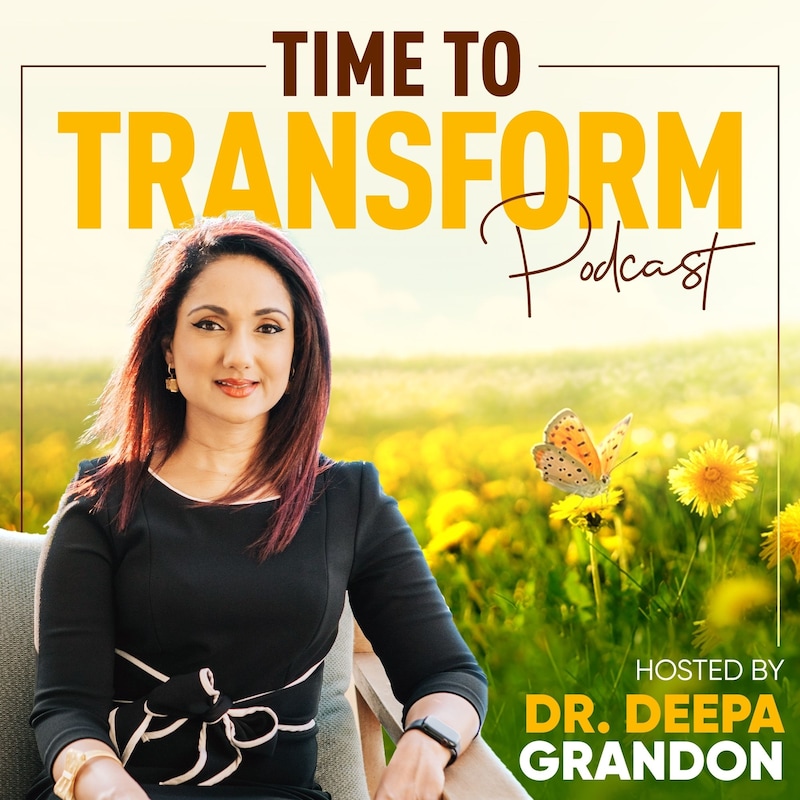
Hosted by Dr. Deepa Grandon, MD, MBA, a triple board-certified physician with over 23 years of experience working as a Physician Consultant for influential organizations worldwide. Dr. Grandon is the founder of Transformational Life Consulting (TLC) and an outspoken faith-based leader in evidence-based lifestyle medicine.
Disclaimer
TLC is presenting this podcast as a form of information sharing only. It is not medical advice or intended to replace the judgment of a licensed physician. TLC is not responsible for any claims related to procedures, professionals, products, or methods discussed in the podcast, and it does not approve or endorse any products, professionals, services, or methods that might be referenced.