Shownotes
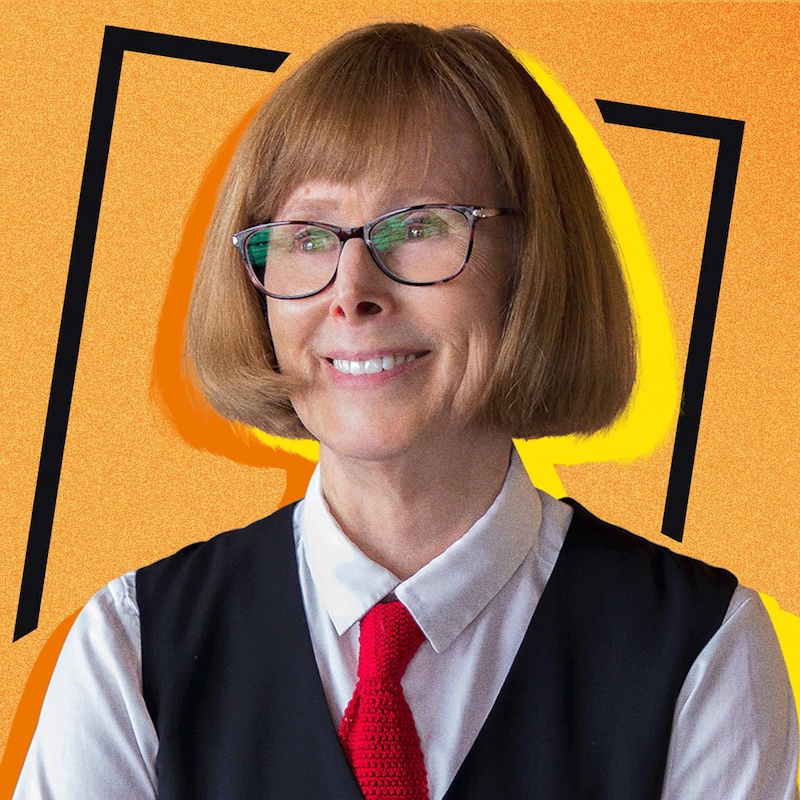
Twelve years in, Toni Sikes shows no signs of slowing down. As founder and CEO of CODAworx—the leading platform for the public art industry—she has shepherded the ecosystem from ‘90s print directories to a global digital network representing over $13 billion in projects. For Independence Day 2026, CODAworx teamed with NOT REAL ART and nonprofit Arterial to launch 250: A Celebration of Public Art in the U.S.—an ambitious online exhibition featuring one artwork from each state, plus Puerto Rico and DC. Curated by NOT REAL ART’s Kirsten Bengtson-Lykoudis and powered by CODAworx’s extensive artist network, 250 is already live online and will remain available for all to explore indefinitely.
How did this partnership come together? Toni and NOT REAL ART/Arterial founder Scott “Sourdough” Power unpack the vision behind 250, swap stories from the front lines of public art, and make the case for why murals, installations, festivals, and even giant flamingos belong at the heart of the American experience.
See the 250 exhibition: Explore all 52 works online.
Episode Credits
Host: Scott ‘Sourdough’ Power
Guest: Toni Sikes, CEO and founder of CODAworx, advocate for big art and public art’s economic power.
Production: Crewest Studio, Los Angeles
Theme Music: Ricky Peugeot & Desi DeLauro of Parlor Social
Stay in the Loop: Subscribe to NOT REAL ART for future episodes, follow us on Instagram, and tag your favorite public art using #FirstFridays250.
Transcripts
The Not Real Art Podcast is intended for creative audiences only.
Speaker A:The Not Real Art Podcast celebrates creativity and creative culture worldwide.
Speaker A:It contains material that is fresh, fun and inspiring and is not suitable for boring old art snobs.
Speaker A:Now let's get started and enjoy the show.
Speaker B:Greetings and salutations, my creative brothers and sisters.
Speaker B:Welcome to Not Real Art, the podcast where we talk to the world's most creative people.
Speaker B:I am your host.
Speaker B:Faithful, trusty, loyal, tireless, relentless host.
Speaker B:Sourdough coming at you from Crew West Studio in Los Angeles.
Speaker B:Man, do we have a special show for you today.
Speaker B:The one and only Tony Sykes is here.
Speaker B:The CEO and founder of CodaWorks, KodaWorks is on a mission to demonstrate the power of public art to change the world.
Speaker B:As the public art industry leader, the company provides creative professionals a platform platform to showcase their work, connect and find opportunities.
Speaker B:Powered by a database showcasing thousands of projects with a collective budget of over $13 billion, yes, that's billion with a B. CodaWorks leverages live events, awards, programs, publications, data and digital tools to empower public art in the experience economy.
Speaker B:And part of the reason why this is so timely and special is that Not Real Art has partnered with CodaWorks to help curate a very special First Fridays exhibition on our website, launching July 3rd, called 250 in the celebration of public art in the US for our 250th anniversary here in America.
Speaker B:And I'm just so grateful to have Tony with us to talk about the special exhibition 250 that we partnered with CodaWorks on, featuring 50 artworks from all 50 states.
Speaker B:Now, just to remind you, First Fridays is our online exhibition series celebrating independent artists nationwide.
Speaker B:It's a bi monthly feature of notrelart.com and it really provides an online platform that helps people connect and discover today's contemporary artists.
Speaker B: Since we debuted in: Speaker B:So First Fridays is something we're really proud of and maybe you've enjoyed it in the past.
Speaker B:If you haven't, by all means, check it out July 3rd when we launch a new exhibition called 250 A Celebration of Public Art in the U.S. it's a nationwide art exhibition for America's 250th anniversary.
Speaker B:It's an incredible display of artists and artworks across our amazing country.
Speaker B:And so I'm just thrilled to have Tony here with me today.
Speaker B:From CodaWorks to talk about not just 250, the exhibition, but of course, the incredible work that she and her team do over at Coda Works.
Speaker B:So without further ado, let's get into the, into this fabulous conversation I had with the one and only Tony Sykes.
Speaker B:Tony Sykes, welcome to the show.
Speaker C:Thanks Scott.
Speaker C:Scott Sourdough Power.
Speaker B:Well, I tell you what, I couldn't be more delighted to have you here.
Speaker B:You're classing up the joint.
Speaker B:This is fantastic.
Speaker B:You're so damn busy.
Speaker B:The fact that you even found time for us to sit down is.
Speaker B:I'm so grateful and it's an honor.
Speaker B:Thanks so much for being here.
Speaker C:It's a mirage.
Speaker B:It's a mirage.
Speaker B:Well, from what I could tell, it all seems very real and you guys are just doing so much amazing work.
Speaker B:And obviously, as people heard in the intro, you are the CEO and founder of CodaWorks, an amazing organization.
Speaker B:And you know, for people who maybe don't know, you know, let's start at the very, very beginning.
Speaker B:You know, let's level set, Take us back.
Speaker B:Tell, tell us about codaworks.
Speaker B:What's your origin story?
Speaker C:Well, codawerks is my third company.
Speaker C:So I have this bad habit of starting companies and all of, all of my companies have been involved in the arts world.
Speaker C:The first one was a publishing company that we, we put together annual directories of artists who did large scale art.
Speaker C:Each page was an ad sold to the artist and then we printed these beautiful art books and distributed them free to architects, public art agencies, interior designers, art consultants.
Speaker C:And they, when they, they looked, when they needed an artist to do something, they looked through the books they contact and that really that company went for 24 years.
Speaker C:It was a nice, successful, small niche publishing company.
Speaker C:And then along came the Internet.
Speaker C:And my second company is called Artful Home.
Speaker C:It's a successful e commerce business still located here in Madison, Wisconsin.
Speaker C:And my third business is codawerks.
Speaker C:And codawerks took me back to where I started.
Speaker C:By the time the Internet came along, I had decided the Internet was actually started for the art world.
Speaker C:And it, I mean, I think the common thread running through all of my companies is finding ways to help artists make a living doing what they do.
Speaker C:And I have to admit that I love big art.
Speaker C:And as I watched the art world and artists move into more and more into public art, especially when technology got introduced to public art, I knew that that's where I had to be and where I wanted to be.
Speaker C: mpany on a part time basis in: Speaker C: rted Codaworks on the side in: Speaker C: We launch our website in: Speaker C:So we're at this point about 12 years old.
Speaker B:So basically what you're saying is you don't sleep.
Speaker C:I, you know, I, I, I love what I do.
Speaker C:I don't consider it work and I plan on doing it until I die.
Speaker B:Well, you, you and me both, we have that in common.
Speaker B:We have this, you know, kind of mission driven, purpose driven love for art and artists.
Speaker B:We're so aligned and I think that's one of the reasons why I, you know, feel connected to you.
Speaker B:And hopefully you feel connected to us because we just get so much passion out of helping artists make more money, helping artists be successful, helping artists tell their stories and promote their work.
Speaker B:And I know that's been such a huge driver for me and my life and what we're doing now and why I'm so grateful to have you here with us today.
Speaker B:And I have to ask though, the publishing company, having been a kind of an agency guy myself three lifetimes ago as a graphic designer in Chicago working in advertising, I remember these big books, they were called source books.
Speaker B:And you get the, is that, was that your company?
Speaker C:What you're talking about is the Creative Black Book.
Speaker C:And I actually, I modeled my company, which is the Guild Sourcebooks was modeled after the Creative Black Book.
Speaker C:I stole their idea.
Speaker B:Good.
Speaker B:Well, that, you know, that's as artists do, right?
Speaker B:We, Yep, yeah.
Speaker B:Great Artist Steel.
Speaker C:Yeah.
Speaker C:I actually met with the founders of that company.
Speaker C:I went to them and pitched my idea to them and they said, that's a good idea.
Speaker C:Go and do it.
Speaker B:Excellent.
Speaker B:And you did.
Speaker B:And you did.
Speaker B:Well, that is phenomenal.
Speaker B:And I'm with you.
Speaker B:I mean, this idea of impactful art, art that moves people and gives them something to think about and feel and that, that is just so core and inherent to an intrinsic to public arts.
Speaker B:And for people who haven't been on the codaworks website, by all means, just go check it out because it's an incredible place to sort of look at art and see the, see some of the projects.
Speaker B:And of course, you know, that'll be something we talk about in a bit with the 250x exhibition that we've teamed up on, which is so exciting coming into America's 250th birthday celebration.
Speaker B:And so more to come on that.
Speaker B:But so when you think about codaworks and the work you're doing, the work you've done, what?
Speaker B:You know, if you had to boil it down, I remember.
Speaker B:I'll tell the story.
Speaker B:I remember years ago, when I was doing biz dev for a branding consultancy in Chicago, and I'd called the.
Speaker B:The VP of packaging design and branding for Brown Forman, which had owned Corbell and Jack Daniels.
Speaker B:And I mean, they, you know, own so many brands.
Speaker B:And I remember talking to this guy, and I was giving him our little pitch, and he says to me, and I was 27 at the time.
Speaker B:He was probably 57.
Speaker B:You know what I mean?
Speaker B:So he said, Scott, let me just stop you there.
Speaker B:He said, you don't have to give me your spiel.
Speaker B:He said, just to answer one question for me, what is the one thing in the world that you guys can give me that I can't get anywhere else?
Speaker B:And I remember that that was just a moment of truth.
Speaker B:And so when you think about Coda Works, what do you think?
Speaker B:It's the.
Speaker B:What is the one thing Coda Works does best?
Speaker C:Oh, my.
Speaker C:Well, I'll start with what CODA stands for, which is the collaboration of design plus art.
Speaker C:And I do believe that that word collaboration defines public art in general because it requires lots of people working on things.
Speaker C:And so if I had to select one single thing, it would be that we bring people together to find whatever it is they need to accomplish whatever it is they want to do.
Speaker C:And so we connect.
Speaker C:CodaWorks connects commissioners to artists.
Speaker C:That's kind of an obvious thing that we do, and I think we do it better than anyone else.
Speaker C:But we also connect artists to fabricators and engineers and lighting companies and all the variety of different resources they need to create what they have in mind or to learn who can help them do something they didn't even think about doing.
Speaker C:And so I think connect with the intention of collaboration is what I would say, what we do best and what I hope defines us.
Speaker C:And we do that, number one, through our Internet platform, codaworks.com, but number two, through software we've developed over time where commissioners can put out a call to artists, artists can apply for their commission.
Speaker C:Number three, we do it through an annual conference called Coda Summit.
Speaker B:Love the summit.
Speaker B:Love it, love it.
Speaker C:Attended.
Speaker C:And, you know, we.
Speaker C:Magic happens there, because the person you're sitting next to might actually be the person who commissioned you or who will help you create something you never thought of creating before.
Speaker C:So it's all about connections, building those connections, and those connections become.
Speaker C:Sorry, this is a long answer.
Speaker B:I know.
Speaker B:Take all the time you want.
Speaker C:Those connections become even more important as public art becomes more and more global.
Speaker C:Because if you are an artist making sculpture in Chicago and you get a commission for a sculpture in China, you don't want to fabricate that sculpture in Chicago.
Speaker C:You want to fabricate it in China.
Speaker C:So it becomes even more important that people be able to resource whatever it is they need in order to accomplish what they want to do.
Speaker B:So when did CodaWorks go international?
Speaker C:You know, we started the Coda Awards in our very first year, and that very first year, we had a winner.
Speaker C:One of our winners was from China that very first year.
Speaker C:Now that's become more and more and more so as we become better known.
Speaker C:But I've been.
Speaker C:I just got back from my office, where I've been all morning looking at the award winners for this year's the 14th awards, and we have a number of international winners.
Speaker B:How exciting.
Speaker B:14 Years.
Speaker B:That's incredible.
Speaker B:How time flies and all the impact that you guys have had and how many winners.
Speaker B:Maybe you said this and I missed it, but how many winners will you have this year?
Speaker B:And has that number increased?
Speaker C:We have 12.
Speaker C:We have 12.
Speaker C:And then there are three merit awards for each category.
Speaker B:Right, right.
Speaker B:And then.
Speaker B:Okay, so there are.
Speaker B:So there are 12 categories then.
Speaker C:Yes, there are 12 categories.
Speaker B:What are the.
Speaker B:I should know this.
Speaker B:I don't.
Speaker B:What are the 12 categories?
Speaker B:To put you on the spot, categories.
Speaker C:Are sculpture, murals, experiential art, light art, architectural art, interior art.
Speaker C:I know.
Speaker C:Suspended art.
Speaker B:Don't forget juggling.
Speaker B:Don't forget unicycles.
Speaker C:I'm sure there's some juggling somewhere in there.
Speaker C:We got.
Speaker C:We have over 400 entries.
Speaker C:They're spectacular.
Speaker C:And it's always exciting to unveil the winners.
Speaker B:I bet.
Speaker B:I bet.
Speaker B:What an amazing honor to even, you know, as I say, even be nominated, let alone win.
Speaker B:So that.
Speaker B:That's fantastic.
Speaker B:And how smart of you to sort of start with that year one as a way of connecting and elevating.
Speaker C:Well, and I just want to say that I think awards are really important because, number one, it's very difficult to get recognized in today's world.
Speaker C:You know, there are thousands of artists out there working, and awards are a way to showcase the best, but it's also an important way for an individual artist or a commissioner or a fabricator to help build your brand and your name.
Speaker C:So it becomes an important marketing tool as well.
Speaker B:Absolutely.
Speaker B:When you think about all the projects and all the work, what are some of the projects that stand out in your mind, come top of mind that you're sort of most proud of, you say, oh, boy, that was a really special project.
Speaker C:Well, I think the way I would answer that is to consider the projects that mean the most to me.
Speaker C:And those projects tend to be wonderful things that happen as a result of the connections that codawerks has brought.
Speaker C:You know, especially coming out of the summit, people write us.
Speaker C:I. I have a letter just last week, as a matter of fact, from the.
Speaker C:The woman who runs the public art program in Memphis, Tennessee, and she wrote me to tell me that last year at COTA Summit, she stood in line for dinner next to a sculptor from New York.
Speaker C:And they shared stories, and as a result of standing in line, they commissioned this artist to do a very wonderful piece for a park in honor of mothers in Memphis.
Speaker C:And she sent me photos.
Speaker C:It had just been installed, which is why she sent me the photos, and she told me that story.
Speaker C:And so even though I really don't know these two individuals, the story was so heartfelt.
Speaker C:And she said, I just wanted you to know that this happened because I was standing in line in front of somebody at COTA Summit.
Speaker C:So those are the stories that mean a lot to me.
Speaker C:It's not so much about what the particular piece of artwork is, but what happened as a result of what we do.
Speaker C:That's the impact we all.
Speaker C:I'm sure you feel the same way about the kind of work you do.
Speaker C:It's all about the impact you have.
Speaker B:What are some of the projects right now that codaworks is touching that you're really excited about?
Speaker C:Well, I will.
Speaker C:I will pick out one that's kind of near and dear to my heart.
Speaker C:It's.
Speaker C:There is an amazing organization in Kentucky run by a couple of pair of people.
Speaker C:The person I deal with primarily is Marjorie Guyon, and her organization is I was here.
Speaker C:And she's actually going to be featured in a panel at this coming CODA Summit because the panel is the artist as entrepreneur, and she is a great entrepreneur as well as being a great artist.
Speaker C: nization back right after the: Speaker C:And they did.
Speaker C:They put up images of African Americans, an adult and a child, draped as if they were 100, 200 years ago, and then blew those images up with poetry written across it.
Speaker C:And they put them in the windows around a square root where slaves had been bought and sold.
Speaker C:And she entered that project into the Cota Awards very early on, maybe the third or fourth year.
Speaker C:And she.
Speaker C:They won.
Speaker C:They won one of our top awards.
Speaker C:And as a result of winning that award, we were collaborating that year with the architects foundation in D.C. and they did an exhibition of the winners.
Speaker C:So this organization had no money, and I want to say no money.
Speaker C:They showed their work as part of the exhibition in D.C. and this fabulous building where the exhibition was in commissioned them to do the windows in the building.
Speaker C:So that was their first major commission.
Speaker B:Right.
Speaker C:They have gone on from there because of connections she made at COTA Summit.
Speaker C:A couple of years afterwards, projections of these images were on the World Trade center in New York.
Speaker C:And that organization today is doing workshops and exhibitions all over the country.
Speaker C:And they really started with this idea and they won a CODA Awards.
Speaker C:And of course, Marjorie and the folks at that amazing organization have become dear friends of mine and a number of other people at CodaWorks.
Speaker C:And so that's an example of the kinds of things that keep me going and make me happy.
Speaker C:And I'm sure you've got some stories like that yourself.
Speaker B:Well, I'll tell you, this is.
Speaker B:It's not just an amazing story about the kind of value that an organization like CodaWorks Brings and ADS, but it is really a story about the power of art.
Speaker C:Yeah, it very much is.
Speaker C:Yes.
Speaker C:And that's.
Speaker C:Look, that doesn't happen unless the art is powerful.
Speaker C:I mean, all you need to do is give it a chance, is give it a helping hand and the art does the rest.
Speaker C:And the people.
Speaker C:And the people.
Speaker B:Yes, 100%.
Speaker B:Yeah.
Speaker B:And the way I like to talk about it, sort of like, look, let artists be artists.
Speaker B:Give.
Speaker B:Create the space and the place to let artists be artists.
Speaker B:Trust the artist.
Speaker B:And if you can.
Speaker B:Well, like with any good fire, if you could just pump in the oxygen, right?
Speaker B:Creating the space and the place for that artist to thrive and burn bright.
Speaker B:Great things can happen.
Speaker B:And at the end of the day, it is about the people and about, I guess, the quality of the art, creative expression.
Speaker B:But that's what CodaWorks does largely, right, Is creating the space and the place, the platform for this to happen.
Speaker B:This magic, this.
Speaker B:This chemical reaction, if you will, you know, to happen.
Speaker B:And that.
Speaker B:That's.
Speaker B:That's such a powerful story.
Speaker B:Thank you for sharing that.
Speaker B:Well, you know, one of the other things that kodaworks does, which I think is so.
Speaker B:And I, you know, it's just so smart.
Speaker B:No surprise coming from you, but when I discovered it a few years ago, I was just so grateful for it is your economic impact report that you produce annually, I believe.
Speaker B:And putting quantifying the, the power of art in, in economic terms.
Speaker B:Right.
Speaker B:Because historically it's always been really hard to talk about the ROI of art, you know, for people who maybe don't, you know, I come from, you know, three lifetimes ago, come from the world of, of consumer marketing, brand design, packaging design.
Speaker B:And so we used to talk about, you know, quantifying the value of a new design, you know, new beer bottle, like what, what is that going to, you know, how do you quantify the value of that new design?
Speaker B:And art is a lot like that or has been a lot like that.
Speaker B:People have, you know, certainly analytical, quantitative minded people maybe don't understand.
Speaker B:They see the world a very different, in a very quantitative way.
Speaker B:And so they need to think of art in terms of numbers and analysis, quantitative analysis.
Speaker B:So your report really puts the numbers to it in a way that, that folks who have to answer because you know, maybe a commissioner or a cultural department director gets it, but they've still got to justify the cost of the budget in answer to their folks.
Speaker B:And, and so the report addresses that in so many ways.
Speaker B:So tell me about the origin story for the report.
Speaker C:Well, I, I think first of all, let me say that my degree is, my undergrad degree is in math and my master's is in market research.
Speaker C:So I, I like numbers and I think that they can give us very important information.
Speaker C:And I also have spent a career when I talk with a suited businessman and say I work in art and their eyes glaze over.
Speaker C:And I've always been trying to find ways to get them interested and excited.
Speaker C:And numbers can do that with that kind of person.
Speaker C:Especially if you're trying to convince a mayor, for instance, someone who has all these things that he or she needs to take into consideration.
Speaker C:How do you move art up in the line of priorities?
Speaker C:But it really, when I began to understand that we had the potential to be a strong advocate for the decision makers in a community was when I maybe the fourth or fifth year on codawerks, I started to realize how much data we had in our data warehouse.
Speaker C:We have now over 20,000 projects that people have uploaded into CodaWorks.
Speaker C:Each of those projects have 12 data fields.
Speaker C:So 12 data fields for 20,000 projects.
Speaker C:That gives you a lot of numbers.
Speaker C:And we know who commissioned it, who got the commission, what type of work it was, what was the budget, where is it located, what type of space.
Speaker C:Is it a bank or A park or a.
Speaker C:An airport.
Speaker C:So I began to realize that how can we take this data and turn it into something useful to advocate on behalf of public art?
Speaker C:And that's what we've tried to do the last couple of years.
Speaker C:So what I'm seeing in general is a great awareness, a growing awareness of the importance of public art in creating a vital community and a vital city.
Speaker C:And we can show now the economic impact that public has art has on property values, on tourism, numbers of visitors coming to see.
Speaker C:And there's.
Speaker C:There's studies now that show that foot traffic on a street that has murals on it is 30% higher than foot traffic on either side of those parallel streets with no murals, while 30% more traffic means more better, more successful retail establishments and restaurants.
Speaker C:So there are all kinds of ways you can start to look at the numbers and make the case about the importance of public art in growing an economy.
Speaker C:And then the more difficult thing to do and the kinds.
Speaker C:What we're really starting to look at now, it's much more difficult to assign numbers to connections.
Speaker C:And yet, you know, public art does two really important things.
Speaker C:It can drive economic growth, but it can connect a community.
Speaker C:It can make people want to go back to a place.
Speaker C:It can make people relate to one another differently.
Speaker C:And those are harder numbers to get.
Speaker C:But we're actually looking at how to do that as well.
Speaker C:And so that's.
Speaker C:I mean, look, we are the largest entity dealing with public art in the world.
Speaker C:It is our responsibility, it is our job to work on this.
Speaker C:And we are.
Speaker C:But I want to add on something to that, because this amazing community we are honored to be able to work with.
Speaker C:This community is populated by very smart people.
Speaker D:Yes.
Speaker C:You know, the traditional concept of the artist who, you know, can't keep his own books, you know, these.
Speaker C:When you do public art, you have to be a project manager.
Speaker C:These are big, complicated projects.
Speaker C:Often a number of people are involved, subcontractors.
Speaker C:You have to.
Speaker C:You have to go out and sell yourself.
Speaker C:So you've got to be a good marketer.
Speaker C:You have to be so many different things.
Speaker C:And, you know, you and I are really honored to work in a community of such smart, incredible, amazing people.
Speaker B:100% It is.
Speaker B:Public art is a perfect example of this combination of art and science.
Speaker B:Right.
Speaker B:I mean, it is.
Speaker B:It is.
Speaker B:It is, as you said, often mathematical.
Speaker B:There's engineering involved, there's science involved, there's physics involved, all manner of things.
Speaker B:And, you know, not any one person.
Speaker B:Right.
Speaker B:Is going to.
Speaker B:Well, unless you're just I guess a pure genius, very rare human.
Speaker B:It's not one person that can build it.
Speaker B:You need a team, and then you need to be able to lead that team, manage that team, inspire that team, meet a deadline, meet a budget.
Speaker B:So the report is, for me, it was, it was so wonderful to see and get it.
Speaker B: red it not too long after the: Speaker B:Ernst and Young had partnered with the United nations to quantify the value of the creative culture, the cultural industries, the creative industries globally and across 11 sectors.
Speaker B:I mean, architecture, the advertising, publishing, TV, movies, gaming, visual art, performing art.
Speaker B:It was an incredible report.
Speaker B:First time ever that the creative industries had been quantified globally.
Speaker B: And at that time in: Speaker B:Two trillion.
Speaker B:And I remember looking at that number and I thought, you know what?
Speaker B:That's probably underperforming on some level.
Speaker B:Right, Because, Right.
Speaker B:And, and anyway, but it was, but when you have that number, when artists, one of the things I talk to artists, like, look, when you understand your economic power, the power that you have to drive economic development as an artist, you don't have to be shy, you don't have to be insecure or reluctant.
Speaker B:You can go in with confidence to negotiate your worth and a budget for your project because they need you as much as you need them.
Speaker B:I love Wall street, but it's all, it's got capital.
Speaker B:It doesn't have creativity.
Speaker B:It needs artists.
Speaker B:And the more numbers and analytics we can put behind it, the better.
Speaker B:When, Yeah, I feel like the last 20 years or more, we've just enjoyed this renaissance of public art.
Speaker B:Like, it feels like we've just, things have just kind of exploded.
Speaker B:Am I wrong about that?
Speaker C:You are totally right.
Speaker C:And it's, I think the momentum is just starting.
Speaker C:I mean, it's really, we're seeing is exploding.
Speaker C:That's the word I use, actually.
Speaker C:I mean, I, and I've tried to define why that is, and the only way I can do that is by following the kinds of projects that get put up on our website.
Speaker C:And for example, I was invited to speak a couple of weeks ago at a conference for public gardens in, in San Francisco.
Speaker C:And I thought, oh, should I go?
Speaker C:Are there a lot of people commissioning artists in public gardens?
Speaker C:Well, maybe.
Speaker C:So I went.
Speaker C:And when I, There are about 120 people in the room that I spoke in, I said, how many of you are commissioning public art?
Speaker C:Almost every person in the room raised their hand.
Speaker C:I went, oh, My God.
Speaker C:Public gardens, Botanical gardens.
Speaker C:And it turns out that it is a major way.
Speaker C:It's a way they use to bring people, new kinds of people, into their gardens.
Speaker C:And now I see public gardens are part of our community.
Speaker C:We had a call last week with someone from a new sports facility that is looking to commission some major pieces of public art.
Speaker C:I mean, public art is finding its way into especially all of the public spaces that we inhabit.
Speaker C:You know, airports are.
Speaker C:I mean, JFK is spending 45 million on public art right now for their new terminal.
Speaker C:So it is finding its way into every area of our lives, especially in places where we gather as a community.
Speaker C:And that is very exciting to me.
Speaker C:And I think the only reason is that everyone is beginning to realize the impact that it has on our lives.
Speaker C:And that's a good thing.
Speaker B:Yeah, for sure.
Speaker B:I like to remind people further to this point, let's not forget that Disneyland was created by artists.
Speaker B:It is what it is today because an artist had a vision and the gumption and the will and the luck to actually manifest and bring that vision to life.
Speaker B:And, you know, we could use Disneyland as a perfect example.
Speaker B:Walt Disney.
Speaker B:I'm so glad to hear that you use the word explosion because it does feel that way.
Speaker B:It does feel like even the smallest communities to their area.
Speaker B:I love to talk about the Wynwood walls, Wynwood district of Miami.
Speaker B:I mean, there was a perfect example of a horrible area.
Speaker B:You wouldn't go there, you'd probably get killed.
Speaker B:And Mr. Goldman had the vision to bring artists in there to paint murals.
Speaker B:And look at it now.
Speaker B:I mean, it is just incredible.
Speaker B:Yep, incredible.
Speaker B:What do you.
Speaker B:So when you talk to municipalities, mayors, communities, and they're considering investing in public art, and they say to you, Tony, why should we do it?
Speaker B:What do you tell them?
Speaker C:I talk first.
Speaker C:Economics.
Speaker C:It will bring people to your city.
Speaker C:It will help them remember your city.
Speaker C:And I think part of the reason so much money is being focused on airports right now is it's the initial point of entry.
Speaker C:But you can also find on our website lots and lots of examples of entryways.
Speaker C:You know, when there are places in every city that are the major ways to enter a city, more and more public art is going into those entryways.
Speaker C:It's sort of the community's way to say, welcome, yes, we're happy to have you.
Speaker C:So I think it's first and foremost economic.
Speaker C:That's what wins the argument.
Speaker C:But beyond that, what we are, more and more people are coming to realize the impact that it has on the connections to the city, the way people feel about the city, the way they feel about living there, and the way they connect with their neighbors.
Speaker C:And I do want to mention one other whole topic of explosion.
Speaker C:Another thing we're seeing more and more and more of are festivals.
Speaker C:And I really think that has happened in part.
Speaker C:Number one, we're in the experience economy.
Speaker C:People want experiences more than they want to buy things and that's where they want to spend their money.
Speaker C:But number two, coming out of COVID we have this intense desire to connect with other people.
Speaker C:And there has been a huge growth in communities having festivals.
Speaker C:And it can be a three day festival or a two week festival, but there is more and more temporary public art being done for those festivals.
Speaker B:Yes.
Speaker C:And so that's pushed the growth of public art as well.
Speaker C:It's also brought new business models to the public art world because suddenly there are companies that work with the artists, they fabricate the work, and then they take responsibility for traveling that work from city to city to city, often going to festivals.
Speaker C:And that, that has a wonderful impact financially on the artist because there's revenue coming from that one creation across a length of time.
Speaker C:So.
Speaker C:And you know, that's another thing I love about public art.
Speaker C:There are all kinds of new business models popping up.
Speaker C:Meow Wolf told us that you could create a place made by artists and people would pay money to go and see it.
Speaker C:So I think you're getting a new Meow Wolf in la.
Speaker A:We are.
Speaker B:We absolutely are.
Speaker B:Yeah.
Speaker C:Yeah.
Speaker B:Well, I mean, heck, I mean, you know, the smart money saying, you know, you know, Meow Wolf, they're the new imagineers, you know, again, I mean, they're the new Disneyland.
Speaker B:Right.
Speaker B:On some level.
Speaker B:Right.
Speaker B:And, and they're incredible.
Speaker B:Absolutely incredible.
Speaker C:Yep.
Speaker C:Yeah, yeah.
Speaker B:Look, let's be clear.
Speaker B:We haven't said this, I don't think very overtly, but I mean, at the end of the day, we're talking about a multibillion dollar business.
Speaker B:I mean, this is a multi billion dollar industry.
Speaker C:Five years ago, our database was telling us it was a $5.4 billion business.
Speaker C:We have not added up the numbers for 25, but I'm certain we, we would be able to say more than that.
Speaker D:Yes.
Speaker B:Yeah, yeah.
Speaker B:And that's, I mean, that's in the, in, in the name of art, in the name of artists.
Speaker B:And it, it's, it's such a, such a beautiful thing.
Speaker B:You know, I don't want to spend too much time on this because I want to talk about our very exciting 250 exhibition to celebrate the birthday of our amazing country.
Speaker B:But of course, we're living in this.
Speaker B:We're talking about how art brings people together and we're talking about how art can drive economic impact and unite a city or unite a community.
Speaker B:And yet, if you listen to certain media outlets, what have you, you know, we'll talk a lot about how divided our country is and the political aspects of our country these days, and certainly we've got our challenges.
Speaker B:But, you know, when you talk about public art and its impact on helping our democracy, helping our commonwealth, you know, what, what comes to mind, what comes to heart as you think about the role public art plays in a healthy democracy?
Speaker C:Well, I'm not sure I have a. I'm not sure I have the perfect answer for that.
Speaker C:However, I would say, say, of course we live in a terribly divided world and it's.
Speaker C:We're in a sad state of affairs.
Speaker C:And public art provides a way for people to come together and just be happy and connect.
Speaker D:Yes.
Speaker C:And, and some of the experiences, you know, my friend Vince Kadalabec, who's the CEO of Meow Wolf, describes that when we're a child, we're discovering, we're in awe, we're learning, and when we grow up, everything's the same.
Speaker C:You know, you do the same thing every day.
Speaker C:You go down the same streets, you see the same thing.
Speaker C:And art has the ability to take us back to that discovery mode, that awe inspired mode that we had every day as a child because we're experiencing the world new.
Speaker C:Well, I, I think that's.
Speaker C:That's magical.
Speaker C:That's magical.
Speaker C:And if we can experience that together, perhaps it has some kind of secret sauce that can overcome the dimension, the divisions that we have.
Speaker B:Absolutely.
Speaker B:That.
Speaker B:That's so well said.
Speaker B:You know, I'm reminded of a story.
Speaker B:I don't know if you've ever read the book Orbiting the Giant hairball by Gordon McKenzie, but it's a small little book.
Speaker B:You would love it.
Speaker B:It.
Speaker B:Gordon was the chief creative officer for Hallmark Cars, and he's not with us anymore, but he.
Speaker B:The Orbiting the Giant Hairball essentially is essentially about, you know, maintaining your artistic integrity when you work for the man in a corporate environment.
Speaker B:Right.
Speaker B:And as he did, Right.
Speaker B:And he would go and he would talk to school kids.
Speaker B:You know, he was always, you know, trying to give back.
Speaker B:And he told this really poignant story in the book about how he would go talk to kids and, and he always started his talks with the same question, and that question was the following.
Speaker B:Who here is an artist?
Speaker B:And he said, in kindergarten, of course, every hand went up.
Speaker B:Every hand.
Speaker B:And then in first grade less and in second grade less.
Speaker B:And by third grade, he said there might be one kid in the back or two kids in the back say, yeah, I'm an artist.
Speaker B:You know, And I thought, what a tragic story this is, because, of course, creativity and artistry is gonna be.
Speaker B:Is.
Speaker B:Is the only thing that will solve the problems.
Speaker B:You gotta.
Speaker B:You have to have creativity to solve math problems and science problems and political problems.
Speaker B:And why aren't we investing in creativity and artistry?
Speaker B:You know, the same way we're investing in the stem.
Speaker B:And by the way, if you remember, when they came out with stem, they suddenly changed it to STEAM because they realized they had left out the arts.
Speaker B:Right?
Speaker C:Yeah.
Speaker B:Well, look, I'm so honored, Tony.
Speaker B:You're so busy and so much going on.
Speaker B:Not only are you here with us today to talk with me on the podcast and share all this great.
Speaker B:All these great stories about your good work, but I'm honored that we were able to team up on a little exhibition that we put together for our first Fridays feature on our [email protected].
Speaker B:You know, a couple years ago, we started First Fridays as kind of a fun sort of online virtual exhibition to, you know, really platform art and artists that we.
Speaker B:That we love and believe in.
Speaker B:And.
Speaker B:And, you know, of course, we create themes and curate works and shows around concepts, as most art exhibitions and curators do.
Speaker B:But with the 250th birthday of America coming up in a matter of days, we thought like, boy, it'd be great to honor public art in this country and the role of public art in this country and look at public art across the country and in all 50 states.
Speaker B:And as we were talking about that internally, I said to the team, I said, well, if she'll have us, we've got to talk to Tony and we've got to get CodaWorks involved because, you know, they're the expert.
Speaker B:They've probably been involved in work in every state, and you have.
Speaker B:And so you were generous enough and amenable to teaming up and co sponsor this wonderful exhibition, 250, featuring work in all 50 states that codawerks has been been involved in.
Speaker B:I just want to say thank you for your partnership in this US.
Speaker C:We were honored that you thought of us.
Speaker C:And of course, the thing we are most excited about is another showcase, another platform such as yours to.
Speaker C:You're helping us spread the word.
Speaker C:You're A partner in getting the word out about the value and the amazing work that's out there.
Speaker C:And I do want to have a shout out to your curator.
Speaker C:Kristin did such a beautiful job with this exhibition.
Speaker C:Really beautiful job.
Speaker B:Yeah.
Speaker C:So we thank you.
Speaker C:We thank you.
Speaker B:Well, you're welcome.
Speaker B:More than welcome.
Speaker B:And it's a team effort for sure.
Speaker B:And, yeah, Kirsten did such a fabulous job.
Speaker B:And Morgan and the whole team, I mean, they've been in it.
Speaker B:And it's gonna go live the first Friday of July.
Speaker B:It's in the name.
Speaker B:And this next week.
Speaker B:That's right.
Speaker B:This podcast will be live and people will be able to hear.
Speaker B:But I'll tell you, speaking for myself, as I looked at all these works, I mean, we're talking, you know, works in every state.
Speaker B:It's an incredible showing of work.
Speaker B:Just such a range of stories, a range of perspectives and feelings and emotions.
Speaker B:As you look through the pieces that Kirsten picked in the.
Speaker B:In the works that she curated, talk a little bit about what struck you and how did you feel and what did it bring up for you?
Speaker C:Well, I was very proud looking at it.
Speaker C:Probably my most immediate thought was that it does a wonderful job of showcasing the diversity of public art.
Speaker C:You know, diversity is often our problem in explaining public art to people because, you know, most people think of public art as a sculpture on the plaza, and that, of course, is a big part of public art.
Speaker C:But, you know, public art can be frogs made out of ceramic at the pond at your local park.
Speaker C:You know, it can be so many different kinds of things.
Speaker C:I think of Matthew Mazzotta's Pink Flamingo coming out of the.
Speaker C:The head coming out of the roof at the Tampa airport.
Speaker C:You know, there just are so many different kinds of things involved in public art, and it's impossible for us to describe it.
Speaker C:So from now on, I'm just going to send people to your exhibition because that's what it accomplishes.
Speaker C:You've got this page of all of these great pieces of public art that are so different, and they're in so many different places, commissioned by so many different kinds of organizations and cities.
Speaker C:And so I love the diversity of her choices in putting the exhibition together.
Speaker B:And, you know, it's so frustrating, right, that the word diversity has become politicized in recent times because it is so ridiculous, because diversity is inherent to the American experiment.
Speaker B:You know, we are the melting pot.
Speaker B:And, you know, without getting into a conversation about how just, you know, art is subjective and personal, which also drives the diversity.
Speaker B:You know, every state, every City, every town, every, you know, rural community.
Speaker B:They're all unique.
Speaker B:They're all diverse.
Speaker B:And the art and the public art is going to.
Speaker B:Is going to manifest that and express that.
Speaker B:And so, you know, diversity is an American ideal.
Speaker C:Yeah.
Speaker C:Yeah, that's.
Speaker C:That's a good slogan.
Speaker C:Let's.
Speaker C:I need a T shirt.
Speaker C:I need a T shirt with that on it.
Speaker B:It's the.
Speaker B:Well, that's the old saying, right?
Speaker B:The variety is the spice of life.
Speaker B:And that's why I've always loved this country.
Speaker B:You know, you could go.
Speaker B:It is a huge country, a big country.
Speaker B:We suffer sometimes from an island mentality because we're surrounded by water and so many Americans don't travel outside of the country.
Speaker B:But, my God, I mean, you go from New Orleans to New York City to Wichita, Kansas, to Santa Fe, New Mexico, to Seattle, Washington.
Speaker B:I mean, my goodness, these places are just so diverse, and the art there reflects that.
Speaker C:You are so right.
Speaker B:Tony Sachs, I am just, again, so grateful and honored that you're here today.
Speaker B:And thank you for throwing in with us and partnering with us on the 250 exhibition.
Speaker B:We are very proud.
Speaker B:We are excited about this because again, as we talked about earlier, you know, we both, you and I are.
Speaker B:And our teams are in this because ultimately, we love art.
Speaker B:We love artists.
Speaker B:We want to help artists, want to tell their stories, want to spread the good news.
Speaker B:And.
Speaker B:And a show like first Friday's 250 exhibition helps to do that.
Speaker B:And obviously, anything we can do to shine a light on the great work that you and your team at Codaworks has done with our artists and communities around this country, we want to celebrate that as much as we can.
Speaker B:So thank you for your partnership, your collaboration, and, of course, your friendship.
Speaker C:Well, thank you, Scott.
Speaker C:It's been my honor and we're super excited about the launch of this exhibition and we will send lots of people your way to see it.
Speaker C:We're very proud of it.
Speaker B:Excellent.
Speaker B:Excellent.
Speaker B:Well, thank you, KodaWorks.
Speaker B:Thank you, Tony Sykes.
Speaker C:Thanks.
Speaker C:Thanks so much.
Speaker D:Thanks for listening to the Not Real Art podcast.
Speaker D:Please make sure to like this episode, write a review and share with your friends on Social.
Speaker D:Also, remember to subscribe so you get all of our new episodes.
Speaker D:Not Relart is produced by Crew West Studios in Los Angeles.
Speaker D:Our theme music was created by Ricky Peugeot and Desi Delauro from the band parlor Social.
Speaker D:Not Real Art is created by.
Speaker D:We edit podcasts and hosted by Captivate.
Speaker D:Thanks again for listening to Not Real Art.
Speaker D:We'll be back soon with another inspiring episode celebrating creative culture and the artists who make it.

