Estimated Reading Time: 5 minutes
Does it ever feel like everything is just too much to handle as a parent? Between the emotional outbursts, power struggles, and pressure to stay composed, it's easy to feel overwhelmed. If you're looking for practical odd parenting tips that actually work, this episode will help you understand why staying calm matters and how nervous system regulation can transform your family dynamic.
When your child's behavior pushes every button, it's often not defiance. It's dysregulation. And when you learn to regulate yourself first, everything changes.
In this episode, you'll learn:
• Why oppositional behaviors trigger parents so deeply
• How emotional dysregulation in children impacts behavior and family dynamics
• Practical ways to calm your child without yelling
• Strategies that support nervous system regulation in children and parents
Why do oppositional behaviors feel so triggering?
Kids with oppositional or ODD-like behaviors often hit emotional pressure points for parents. Their resistance can leave you feeling judged, helpless, exhausted, or frustrated.
What makes it so hard is that traditional parenting strategies often don't work the way you expect. When nothing seems effective, it can feel personal.
But here's the truth: your child isn't trying to make your life harder. They need a different approach rooted in connection, co-regulation, and nervous system support.
Behavior is communication. It's not bad behavior. It's a dysregulated brain.
What role does the nervous system play in parenting?
Your child's dysregulation can trigger your own. When they're in fight-or-flight mode, your nervous system may react as though you're under threat too.
This creates a cycle of:
• React
• Regret
• Repeat
The good news is that regulation isn't about staying calm all the time. It's about returning to calm more quickly and more often.
Kids learn regulation by experiencing it. When you model calm, you're teaching a skill that lasts a lifetime.
How can I calm my child without yelling?
One of the most effective odd parenting tips is surprisingly simple: pause before responding.
When emotions are high:
• Take a three-second pause before speaking
• Lower your voice and slow your pace
• Get physically closer to young children instead of raising your voice
• Name your emotion: "I'm frustrated, but I'm safe."
Small shifts create big changes.
You can also use calming phrases such as:
• "This too shall pass."
• "Let's try again in five minutes."
• "We're safe. We'll figure this out."
These predictable responses help calm your child without yelling while keeping your own nervous system regulated.
What are practical ways to regulate yourself?
When stress is high, your nervous system needs support too.
Try:
• 4-7-8 breathing (inhale for 4, hold for 7, exhale for 8)
• Prayer, mindfulness, or grounding exercises
• Magnesium or other supportive wellness tools
• PEMF or neurofeedback when appropriate
• Daily regulation habits that build resilience
Sometimes the most effective parenting strategy is taking a brief pause and giving yourself space to regulate.
What is the Quick CALM Toolkit?
The Quick CALM Toolkit provides simple, actionable tools to help families create more peace and connection.
Inside, you'll learn:
• How to recognize early signs of dysregulation
• Simple calming techniques for difficult moments
• Morning and bedtime routines that support regulation
• The C.A.L.M.S. Dysregulation Protocol for lasting change
The Quick CALM Toolkit provides practical, science-backed tools to help bring more peace to your home.
If you're tired of feeling stuck in power struggles, become a Dysregulation Insider VIP and get the FREE Regulation Rescue Kit at www.drroseann.com/newsletter.
🗣️ "When you regulate yourself first, you create the safety your child's nervous system needs to calm down and learn." — Dr. Roseann
A Calmer Parent Creates a Calmer Home
The best odd parenting tips aren't really odd at all. They're rooted in understanding the brain and nervous system. When you focus on regulation before correction, you reduce conflict, strengthen connection, and create lasting change.
With practice, you can break old patterns, support nervous system regulation in children, and build a calmer, more connected home.
FAQs About Oppositional Behavior and Regulation
Can I stay calm if my child is constantly dysregulated?
Yes. Regulation is a skill that improves with practice. You don't need perfection, just consistency.
Does staying calm mean I don't enforce boundaries?
No. Boundaries are important. Regulation helps you enforce them more effectively.
Why does yelling make behavior worse?
Yelling activates the stress response and increases dysregulation, making it harder for children to learn or cooperate.
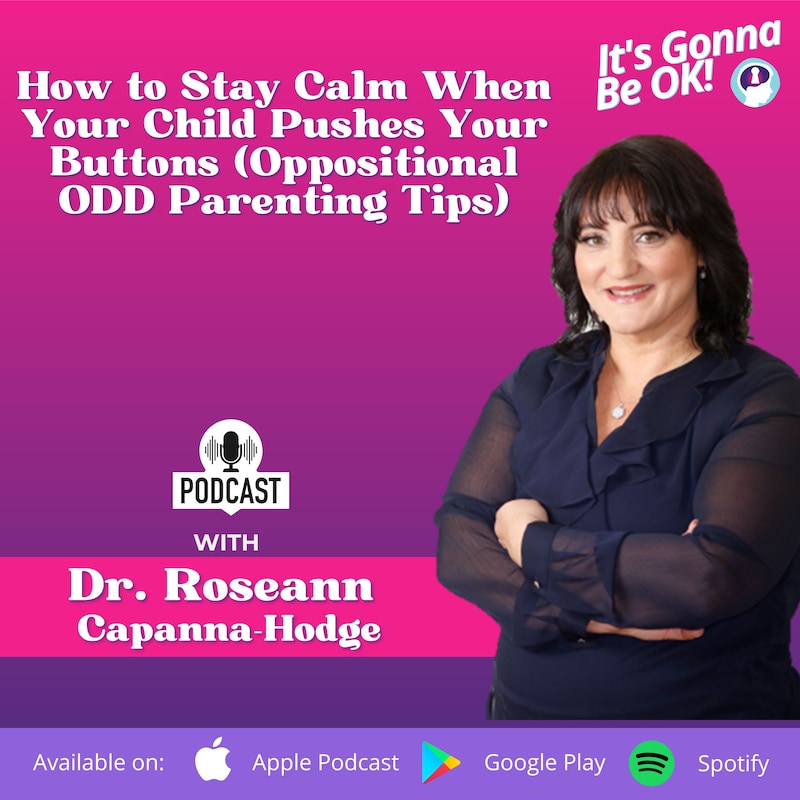
Dr. Roseann Capanna-Hodge helps parents understand emotional dysregulation in children and teaches practical nervous system regulation and co-regulation strategies through her Regulation First Parenting™ approach.