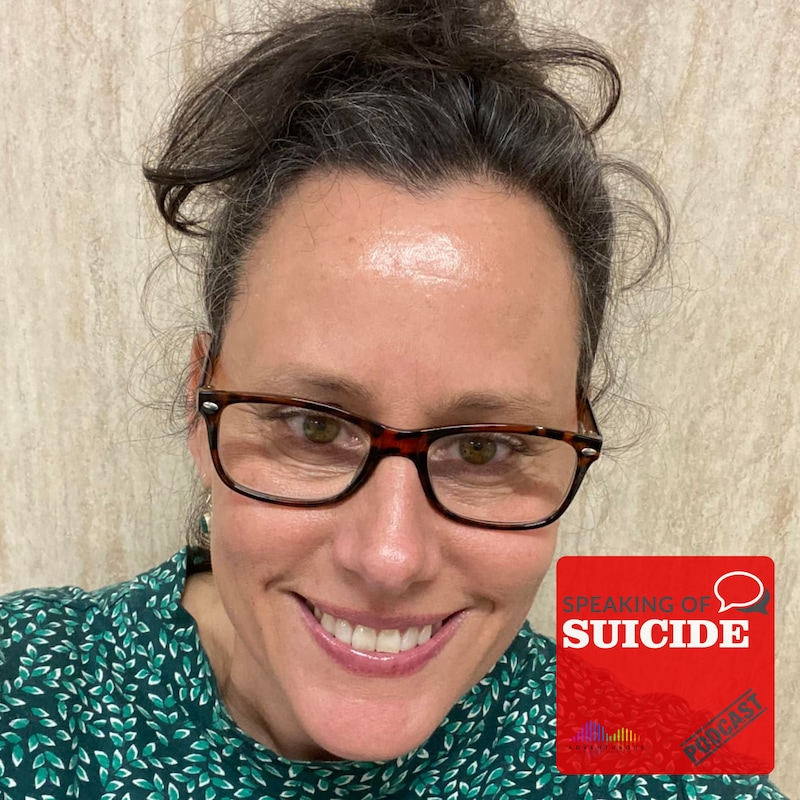
“Suicidal ideation in perimenopausal women is seven times higher at this stage of life than at any other point in a woman’s life.” – Dr. Sam Whiteside
In this powerful episode of Speaking of Suicide, host Pennie Stuart speaks with Dr. Sam Whiteside of Whiteside Wellbeing, a GP and menopause specialist, about the overlooked ental health consequences of perimenopause and menopause.
With an estimated 400,000 women in Scotland navigating midlife hormonal change, this conversation explores the science behind mood changes, anxiety, brain fog and suicidal ideation during perimenopause. Drawing on research highlighted by the Royal College of Psychiatrists and data from the National Records of Scotland, the episode reveals a stark reality: suicidal thoughts can increase significantly during this stage of life.
Sam shares both clinical insight and her own lived experience — including sudden panic attacks, brain fog and frightening intrusive thoughts — helping to normalise conversations many women feel too ashamed to start.
Three Key Takeaways for Listeners
1️ Hormones and Mental Health Are Deeply Connected
Perimenopause and menopause aren’t just about hot flushes and sleep disruption. Fluctuating levels of oestrogen, progesterone and testosterone directly affect serotonin, dopamine and other brain chemicals that regulate mood, anxiety and cognition. Emotional symptoms are biological — not a personal failing.
2 It’s a Perfect Storm — Not “Just Hormones”
Midlife often brings multiple stressors: teenage children, ageing parents, career pressure, relationship shifts and identity changes. Hormonal changes amplify these stressors. Holistic support — lifestyle, counselling, peer groups, medical input — is key.
3 Suicidal Thoughts Can Be Hormone-Driven — and Intermittent
For some women, suicidal thoughts may appear suddenly and disappear just as quickly. This can feel frightening and confusing. The good news: they are treatable, often responsive to HRT, therapy or medication, and support is available.
This episode covers:
* The biological link between hormones and mood
* Why perimenopause can feel like “puberty in reverse”
* Risk factors for perimenopausal mood disorder
* The role of HRT, therapy and lifestyle interventions
* Where to seek urgent mental health support
This is a conversation about survival, identity, grief, biology — and hope.
Find Whiteside Wellbeing on Facebook
If you need someone to talk to, you can text Mikeysline on 07786 20 77 55 or contact via messenger, webchat or X. Sun-Thurs 6pm-10pm & Fri-Sat 6pm-11pm.
Or come and visit at 4 Strothers Lane, Inverness IV1 1LR, Sun-Thurs 6pm-10pm & Fri-Sat 6pm-11pm.
Follow Mikeysline on socials
X
Facebook
Instagram