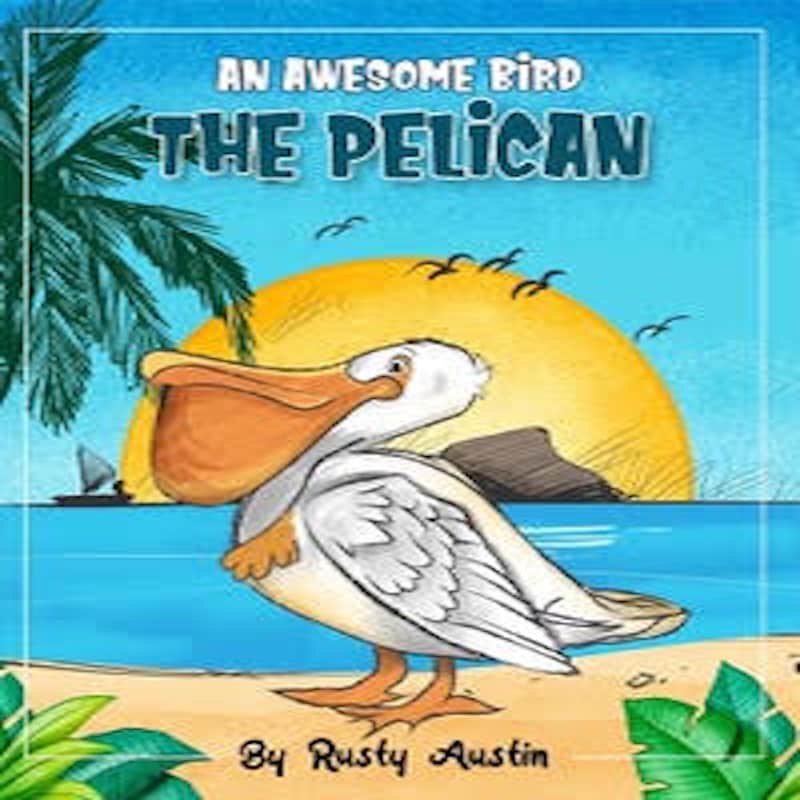
Shownotes
The featured guest in this podcast episode is Rusty Austin, a published children's author who has transitioned from a successful 35-year career in the entertainment industry to writing engaging poetry for children.
He has authored several books, including "Awesome Bird the Pelican," and has collaborated with students to create illustrations for his work, thereby fostering creativity and engagement with the natural world among young readers. Rusty's journey into children's literature was inspired by his desire to entertain and educate children about animals and their habitats.
Throughout our conversation, he articulates the importance of accessibility in children's literature, emphasizing the need for writings that can capture the imaginations of both young and older audiences alike. We delve into the creative process behind his works, the challenges he faced in publishing, and the profound impact his books have had on both children and their illustrators.
Rusty Austin, a former Hollywood producer with an extensive career in entertainment, transitioned into children's literature after retiring in 2018.
His journey began with the inspiration drawn from his experiences as a child growing up in Colorado, where he developed a love for wildlife and storytelling. Rusty's first foray into writing came from sharing short poems on Facebook, which resonated with friends and family.
This encouragement led him to publish his first children's book, 'Beware the Grizzly Bear,' illustrated by his nephew.
Over the years, he expanded his repertoire to include titles such as 'Awesome Bird, the Pelican' and 'The Unicorn Has One Horn,' all characterized by whimsical poetry and vibrant illustrations. In this podcast episode, Rusty discusses his creative process, the challenges of self-publishing, and the joy of engaging with young readers, emphasizing the importance of fostering a connection with nature through literature.
Takeaways:
- Rusty Austin transitioned from a successful career in television to writing children's books, demonstrating a commitment to storytelling in new forms.
- His experience in reality television has significantly influenced his writing process, emphasizing brevity and clarity in poetry for children.
- The collaboration with middle school students to illustrate his latest book fostered creativity and community engagement, showcasing children's artistic talents.
- Austin's mission is to connect children with nature through his poetry, encouraging them to explore the world beyond screens and engage with their environment.
- He advocates for aspiring authors to embrace the writing process without fear of perfection, emphasizing that the first draft is merely a starting point.
- The accessibility of self-publishing has transformed the landscape for authors, allowing greater freedom and opportunities in bringing their stories to life.
Links referenced in this episode:
Companies mentioned in this episode:
- UCLA
- Amazon
- Barnes and Noble
- Walmart.com
- Apple Book
- IngramSpark
- Donors Shoes
Transcripts
Hi, my name is Rusty Austin.
Speaker A:I've written four children's books.
Speaker A:Austin Bird, the Pelican, Beware the Grizzly Bear, the Unicorn Has One Horn and the Card Is Orange.
Speaker A:They're all poetry books for kids with pictures.
Speaker B:Terrific.
Speaker B:Thanks, Rusty, for appearing on the Adventures in the Heart of Children's Book Authors podcast.
Speaker A:Thanks for having me.
Speaker B:Before we jump in, as Rusty's mentioned, we're going to highlight and talk about his children's book, an awesome Bird the Pelican.
Speaker B:And I look forward to the conversation.
Speaker B:Rusty, before we get into the details of your book, I want to let the audience know that you had a 35 year career in the entertainment business as a Hollywood producer.
Speaker B:But it seems to me as you jumped into retirement, you're still part of entertaining people.
Speaker B:Tell us about this, this whole journey for you.
Speaker B:Now, can you tell us what it feels like being a published children's book authority?
Speaker A:The whole thing started I grew up in Colorado, so I was exposed to a lot of the lifestyle.
Speaker A:There is backpacking and hiking and outdoors.
Speaker A:So I was exposed to a lot of the wildlife, chipmunks and deer and bears and like that.
Speaker A:And that's where I got my love for animals.
Speaker A: And then along about: Speaker A:And when I graduated from film school, the reality TV boom was just starting.
Speaker A:I think ops was just starting out and Fox and all these other networks because when I first started film school, there was only three networks.
Speaker A:And when I ended there were probably 15.
Speaker A:And so I just got on that reality TV binge and wrote it right through to a great career.
Speaker A:Worked on the first Survivor show, which was the first reality competition show that really you have had like contestants and judges and a prize at the end.
Speaker A:And then I worked on Natty911 for a while, which was a lot of fun with the nannies and the kids.
Speaker A:And then I wrapped up my career on 16 seasons of Hell's Kitchen, which I think is still on the air.
Speaker A: But I retired like: Speaker B:Then what brought you to children's book authorship?
Speaker A: appened was, I think about in: Speaker A:And so I got on Facebook account and started writing these short little poems on Facebook and publishing them.
Speaker A:And I did that for a couple years and my friends encouraged me to write a book about it.
Speaker A:I enlisted my nephew, Graham, Graham Whittemore, to do the pictures for my first book, Beware the Grizzly Bear.
Speaker A:And he did all the pictures, believe it or not, on his Commodore 64, which was an ancient computer that he probably had when he was six years old.
Speaker A:They looked pretty good, though, I thought.
Speaker A:And I put those into a book.
Speaker A: And that was in: Speaker A:And I don't sell that many, one or two a week.
Speaker A:But it was so much fun, I just kept doing it.
Speaker A:I did one called the Character's Orange, which is all about different kinds of food.
Speaker A:The kids like the celery sticks is lean and green, but put some raisins and peanut butter and it's green and mean.
Speaker B:It was one of them, those kind of plums.
Speaker A:And then he.
Speaker A:And then my nephew did a picture of a celery stick for me on the Commodore 64 list.
Speaker A:That's how I got all started.
Speaker A: hen when I retired from TV in: Speaker A:And it takes me about six or eight months to write a book and get the illustrations in and get it up on Amazon and Barnes and Noble and all the various platforms that do print on demand.
Speaker A:It comes up to about one a year.
Speaker B:Fantastic.
Speaker B:When you got into this children's book authorship, tell us the inspiration, because is an awesome bird.
Speaker B:The Pelican.
Speaker B:Is that your fourth book?
Speaker A:That's my fourth children's book.
Speaker A:The way that one came about was I was on this website called Donors Shoes, which was like a GoFundMe for teachers.
Speaker A:And there was a local teacher here, I live in Palm Springs.
Speaker A:We had a local teacher that was asking for money to buy poetry books for her sixth and seventh graders.
Speaker A:And so I contacted her through the website and offered to come in and read my latest book at the time, which was the Unicorn, Asmund Horn.
Speaker A:And the kids were just so into it.
Speaker A:I thought, you know what?
Speaker A:Let's have these kids do the illustrations for the next book.
Speaker A:And I pitched it to her, and she loved it.
Speaker A:So they would work on it every Friday afternoon for a couple hours.
Speaker A:And she organized the whole thing.
Speaker A:And I ended up getting, I don't know, 50 or 60 of the seventh and eighth graders did all the pictures for the book.
Speaker A:And I only had 44 poems, so I had to choose pictures for poems.
Speaker A:But just to make sure every kid got their picture in the book, I went ahead and put in sections of this picture.
Speaker A:So that's how that one came about.
Speaker A:And I think it turned out great.
Speaker B:Very interesting.
Speaker B:I found it fascinating when I purchased the book And I looked at it and I thought, wow, the whole journey for you after you read.
Speaker B:It's interesting because I went and read to my youngest grandson's class.
Speaker B:When I got into the class, they were a little older than my actual audience.
Speaker B:They were about a year or two older.
Speaker B:And at the end of the reading, the teacher opened up the floor and said, you can ask Rick whatever you'd like.
Speaker B:And what I found the most fascinating is most of the questions came around illustrating they love it.
Speaker B:Did you find that when you did the teacher open up the floor?
Speaker A:And that's another interesting part of my books is they all have a do it yourself section at the end.
Speaker A:The kids that read it can draw their own pictures or write their own poems.
Speaker A:Parent and grandparent myself.
Speaker A:And I was surprised too, when I went to the class.
Speaker A:Cause those were all.
Speaker A:I think they were all seventh and eighth graders, middle schoolers.
Speaker A:And my books are really aimed at up to the age of 11, maybe, but they were totally into it.
Speaker A:So maybe I should expand the age.
Speaker A:I don't know.
Speaker B:It's quite interesting.
Speaker B:Just think that you having your career background in entertainment, I was talking to the kids and I said, you know what?
Speaker B:Think about it now, the different venues you can go into as a illustrator.
Speaker B:Because it's not just animation, like people think of just Disney, but it's comic.
Speaker A:Books, it's video.
Speaker A:Advertising copy.
Speaker A:And there's just.
Speaker A:And all the Internet stuff.
Speaker A:There's just a million ways to do it now.
Speaker B:Yeah.
Speaker A:There's so much bigger than it used to be.
Speaker B:Absolutely.
Speaker B:When you started your first book, and I'm just curious, can you remember back to when you did that first book?
Speaker B:And what.
Speaker B:What was the origin story behind it?
Speaker A:Like I said, the origin story was the guy that wrote the Facebook thing go the f to sleep and went viral.
Speaker A:And so that this would inspire me to just start posting little poems on Facebook.
Speaker A:I had no idea at the time I was going to make a book or anything.
Speaker A:I just was doing it for fun.
Speaker A:And then after a couple years, all my friends that have been reading them said, you need to put these in a book.
Speaker A:I asked around for an illustrator because I knew they had to have pictures.
Speaker A:It couldn't just be the poems.
Speaker A:And that's how that all got started.
Speaker A: And my grandson was born in: Speaker A:I used to read to him a lot when he was little.
Speaker B:Nice.
Speaker A:And that kind of inspired me too.
Speaker A:Yeah.
Speaker B:I noticed on your website, you.
Speaker B: ng your website, I think said: Speaker A:Yeah, that's.
Speaker A:I think that's when I wrote before the Grizzly Bear.
Speaker A:And since I was still working at the time, I didn't have a lot of time to devote to the books.
Speaker A:So I think I did the first two, the Grizzly Bear and the Unicorn, while I was still working.
Speaker B:You've been at it for a while now, nine years.
Speaker B:When you first started in this, did you have a children's book business plan?
Speaker B:Was there a.
Speaker A:No.
Speaker B:Is there a business plan behind this?
Speaker A:Not at all.
Speaker A:I was just doing it for fun and to entertain my friends.
Speaker A:I had no idea that develop into what it has.
Speaker A:And incidentally, I've also written some adult books too over the years.
Speaker A:I have one, it's my memoir of growing up in the 70s.
Speaker A:And then I have another one that's all about baseball.
Speaker A: ppings from the newspaper for: Speaker B:Wow.
Speaker A:He kept telling me he was going to write a book.
Speaker A:So I finally, last year I just said, just send me everything you've got and I'll get the first draft going and you can go through and spice it up.
Speaker A:And that's what happened.
Speaker A:And so we ended up with this 467 page behemoth.
Speaker A:Also along the years, he took pictures of all the stadiums that he went to.
Speaker A:It's just like stories like the story of the Red Sox selling Babe Ruth contract and having the 86 year jinx and stuff like that.
Speaker A:This day in baseball kind of stuff.
Speaker A:Records broken and rebroken.
Speaker A:I've really enjoyed doing all that since I retired.
Speaker A:So that's something I'll get going.
Speaker B:How have you developed your children's book business?
Speaker A:I had some false starts.
Speaker A:I tried to pay a vanity publisher $5,000.
Speaker A:That didn't work.
Speaker A:But that was a hard lesson learned.
Speaker A:And now I have a publicist that actually is the guy that got me on this podcast.
Speaker A:So the publicist seems to be working well.
Speaker A:I've been selling more than one or two a week every week.
Speaker A:When I first started out, I was looking to sell one or two a month.
Speaker A:And the on demand business has really changed a lot in the last four or five years because it used to be everybody would look on their nose at you.
Speaker A:If you're, oh, you're self published, that doesn't mean anything.
Speaker A:But nowadays Barnes and Noble, ingramsparks everybody.
Speaker B:Apple Book.
Speaker B:Yeah, it's huge.
Speaker A:I think that's just a function of the Internet because it's the great equalizer of everything.
Speaker A:Really?
Speaker B:Absolutely.
Speaker B:It gives all of us as children's book Authors a platform to stick at it.
Speaker B:And that's one of the things I've done on this show, is I brought on mostly published children's book authors because I want to motivate people, but.
Speaker B:And have them tell their story and talk about their book.
Speaker B:But I've brought on a book formatter.
Speaker B:I brought on a website developer.
Speaker B:And my intention is to continue to bring on those type of people so that someone can understand that they don't have to go to a vanity press like you did.
Speaker B:Yeah, they can.
Speaker A:Live and learn, but.
Speaker B:He does it differently.
Speaker B:Right.
Speaker B:But at the end of the day, if I can show people that, you know what, they just have to take a little bit of action and they might surprise themselves.
Speaker B:I talk about taking on the general manager's role.
Speaker B:And then hire your own editor.
Speaker B:Hire your own illustrator.
Speaker A:That's what I do now.
Speaker A:I have.
Speaker A:I hired illustrator.
Speaker A:I outsource the website.
Speaker A:I hired a publicist.
Speaker A:That's the best thing you can do is get a website and a publicist.
Speaker A:That's been my most successful.
Speaker B:Terrific.
Speaker B:Noticed you have right now, you have your books in two formats.
Speaker B:You've got the paperback, and this is.
Speaker A:Yes.
Speaker B:This is our first book, the Adventures of Caboose the Rocky Mountain Bear.
Speaker A:I love it.
Speaker B:Yeah.
Speaker B:Thank you.
Speaker B:All our stories take place in the Canadian Rockies.
Speaker A:Okay.
Speaker B:And so, again, it's a wonderful place for animals.
Speaker B:Absolutely.
Speaker B:And I've got five grandchildren.
Speaker B:They've all chosen animals that live in the Canadian Rockies, and we've turned them all into characters.
Speaker B:So it's a lot of fun.
Speaker A:Really enjoy it.
Speaker A:It's a lot of fun for me, too.
Speaker A:That's my favorite part is the writing.
Speaker A:And I really want to outsource everything else.
Speaker A:I don't need AI to write the book.
Speaker A:I just need AI to make me PDF.
Speaker B:When I looked, you have a paperback and you've got the ebook.
Speaker B:I'm curious, are you looking at doing a hardcover version at some point?
Speaker A:We're working on hardcovers right now.
Speaker A:I hope to have those out in the next, I don't know, six or eight months.
Speaker A:Okay.
Speaker A:It's a bit harder because it's a bit more expensive.
Speaker A:And you got to sell more.
Speaker A:Yes, you got to sell some.
Speaker A:I won't say more.
Speaker B:I actually had a guest on from Oklahoma, Charlotte Glaze, and she actually put me onto a website called madeinchina.com.
Speaker B:we have our books in a couple of bookstores, and they said, could you develop a plushie?
Speaker B:And I thought, oh, how do I do that?
Speaker B:But at the end of the day, I'll just show you this.
Speaker B:I know our listening audience can't see it, but we developed a plushie that's awesome.
Speaker A:I should do that.
Speaker B:Of our main character.
Speaker B:And we sell it at retail and at book events and stuff like that.
Speaker A:Love plushies.
Speaker B:Yeah, they do.
Speaker B:They do.
Speaker B:So that's what we've done.
Speaker B:But at the end of the day, it's a lot of fun.
Speaker B:So check out made in China.com because.
Speaker A:Well, I definitely will.
Speaker B:Charlotte got her hardcover book printed and she went to two different publishers on the website and got them to send her a sample.
Speaker B:Of course, you have to pay for the sample, but then from there she decided who to use.
Speaker B:And I think she only had to purchase.
Speaker B:To your point where you said earlier she still had to purchase four or five hundred copies, but the cost was quite reasonable.
Speaker A:I'll definitely check that out.
Speaker A:I love the idea of a plushie, too.
Speaker A:That really turns me on.
Speaker B:The biggest thing I will tell you is selling your plushies at book events and markets is probably the best way to go.
Speaker B:Unless you have a retailer that is close by where you can deliver it.
Speaker B:Because the cost of delivery, believe it or not, can get pretty expensive.
Speaker B:I just share that with you.
Speaker B:You have actually, just for our listening audience, you have two versions of an awesome Bird, the Pelican.
Speaker B:So you've got your.
Speaker B:I'm going to call your core version.
Speaker B:And then I noticed you have another version, and it's called An Awesome Bird, the Pelican, but in brackets it says Goofy Things by Rusty.
Speaker B:Talk to us a little bit about that version that you've got on Amazon.
Speaker A:Also on Amazon, they give you a option to do a series of books.
Speaker A:And so after I did all this work, I thought I should really do a series.
Speaker A:And I called it Goofy Think by Rusty.
Speaker A:And so when the second edition of the book came out, they added that to the title.
Speaker A:All my books were part of that series.
Speaker B:So there's no addition to that book.
Speaker B:It's just.
Speaker B:You just change the title.
Speaker A:Yeah, I just changed the title.
Speaker A:And when you change the title, you have to call it a second edition.
Speaker A:So that's what I did.
Speaker B:And the only reason I asked is I just had a guest on Brittany Pettish episode 65 last week, and she actually has written, I think, the same as you, four books.
Speaker B:And what she did is she actually took her four books and she was at a book event and she was sitting with an author who wasn't even a children's book author, but he said you know what, you should take all of your books and then put them into a compilation.
Speaker B:And she said, yeah, a compilation.
Speaker B:Why should I do that?
Speaker B:And he said, because Amazon does not print a hard copy in children's books.
Speaker B:What?
Speaker B:You have to have 72 pages to 500 pages for Amazon.
Speaker B:Oh, yeah.
Speaker A:I've thought about doing 101 poems, which would easily be 70 pages.
Speaker B:Your book is 80 pages.
Speaker B:You could actually get it printed on Amazon as a hard copy.
Speaker B:You wouldn't have to outsource it to Made in China or ingramsparks.
Speaker B:You could just publish it yourself through Amazon.
Speaker B:You should check into that.
Speaker B:So it's 72 pages minimum.
Speaker A:I'll have to check.
Speaker A:I can do that with.
Speaker A:My website designer probably knows more about that kind of stuff than me, so I'll just come about it.
Speaker B:Absolutely.
Speaker B:And I talk about traditional published, self published, which is like you talked about hybrid publishing, vanity publishing, or self publishing.
Speaker B:A lot of people, you self publishing, where they actually write the story and then they turn the book over to a third party who brings their book to life.
Speaker B:And as you said, it comes at a cost to do that because they do all the work.
Speaker A:I taught myself how to format on blurb.
Speaker A:And so my process is I format the book blurb and then I buy a PDF from blurb for five bucks and then that.
Speaker A:That can be uploaded to all the various websites covers I have to outsource because I'm just no good at Photoshop at all.
Speaker B:Yeah.
Speaker B:And your cover on your Pelican book, that's beautiful.
Speaker A:Those guys do great work.
Speaker A:Yeah, that's the website designer that does that.
Speaker B:I noticed you went the indie publishing route and set up your own publishing company called the Rusty Publishing Company.
Speaker B:I love it.
Speaker B:Your first book, you went through a vanity press now.
Speaker A:Yes.
Speaker B:Did they put their name on the back of your book?
Speaker A:It's called Newman Springs.
Speaker A:And it really was just a waste of money I had.
Speaker A:What, what they really do is they don't do stuff to sell.
Speaker A:They just do stuff for somebody that wants a book to put in their.
Speaker A:In their home or whatever that they wrote.
Speaker B:So, like almost just a one off.
Speaker B:And that's it.
Speaker A:Yeah.
Speaker B:Came to publishing and it's great to have you on here.
Speaker B:You're so honest about this and I love it for aspiring children's book authors.
Speaker B:Rusty's sharing his story with you, so there's a.
Speaker B:There's definitely lessons and I think Rusty, thank you for sharing that.
Speaker B:I'm curious, when it came to publishing your children's book, what was the biggest challenge or frustration when you did your first one.
Speaker A:The COVID I just could not get Amazon to accept my cover.
Speaker A:It wanted different pixel sizes and something called bleed.
Speaker A:I don't know what it all meant.
Speaker A:And it just took for freaking ever.
Speaker A:And a job that should have taken 20 minutes took me four days.
Speaker A:In the last five years, the Excel publishing market has just exploded and there's no stigma to it anymore.
Speaker A:I don't think that's called on demand marketing now.
Speaker B:I don't know what your experience is like with your second book.
Speaker B:Like, I know when we did our first book and then we this year we launched our second book in the series and it's interesting for us and I'm not sure if you found the same thing is that we went out and the most expensive thing for us was the illustrator.
Speaker B:I found that a book formatter tended to be one of the least expensive things to do.
Speaker A:You can do it really fast if you know what you're doing.
Speaker A:It doesn't take much time.
Speaker B:So that's probably why I noticed you're using Print on Demand through Amazon, Amazon.
Speaker A:Barnes and Noble, ingramspark.
Speaker A:And there's one other one that escapes me right now.
Speaker A:Walmart.com is my other one.
Speaker A:I don't sell very many through Walmart.com, but I'm hoping to change that.
Speaker B:When you do different book events where you sell copies yourself.
Speaker A:I have not done that, but I do through my contact in the middle school.
Speaker A:I've been doing readings to classes, so that's been fun.
Speaker A:I've been trying to get in at the local Barnes and Noble, but they only do one every three or four months and I haven't latched onto them yet.
Speaker B:Okay.
Speaker A:But I would gladly bring a hundred books to one of those and trying to sell some of them.
Speaker B:So when you get these books printed, are you using the Amazon KP services?
Speaker A:I use Amazon.
Speaker A:I sell the book for 12.99 and you can order an Arthur copy for 550, I think.
Speaker A:And so what I have in my close, I have 20 or 30 of each one.
Speaker B:So you're using KDP for your author's copies?
Speaker A:Yes.
Speaker B:You're not using Ingram Sparks or.
Speaker A:No.
Speaker A:KDP is by far the cheapest.
Speaker A:And I guess that's because they have been doing it for so long.
Speaker A:They really know what they're doing.
Speaker B:And you know what's interesting?
Speaker B:I'm doing the same thing as you.
Speaker B:I use KDP for our author's copies and I've always found the quality great.
Speaker A:Yes.
Speaker B:Have you found it?
Speaker B:Fine.
Speaker A:The quality's good and the turnaround's good too.
Speaker A:They always say it's going to take five or six weeks, but I generally always get them within a couple of weeks for sure.
Speaker B:And I also noticed is I want to talk a little bit about your illustrators because I noticed you have multiple illustrators.
Speaker B:Because a lot of times I find children's book authors, they find one illustrator and they try and stick with that illustrator.
Speaker B:But in your case, you have multiple illustrators.
Speaker B:So talk to us about that story.
Speaker A:Sure.
Speaker A:My first couple of books were illustrated by my nephew, Graham Audemore.
Speaker A:And then he went off to college to become a speech pathologist like Sam.
Speaker A:And then my third book was done by his brother Frank.
Speaker A:My third book was but done by my nephew Frank.
Speaker A:His was a little different because when Graham did them, he did them on, like I said, the Commodore 64.
Speaker A:So he sent me JPEGs that were already done and when Frank did them, he had to send me watercolor.
Speaker A:So I had to scan them in and format them myself.
Speaker A:But I actually really enjoy that part of the book process, the formatting.
Speaker A:I don't think I'll ever answer.
Speaker A:Like I said, on the fourth book, I had all the kids from the middle school do the pictures.
Speaker A:And some of those kids are so talented.
Speaker A:Absolutely.
Speaker A:Deal I made, I talked to the Palm strange golden trick lawyers and they said, no, you can't have any contracts.
Speaker A:So what I did was I gave each kid 20 bucks, a bag of chips and a free book.
Speaker A:And then when I make money every now and again, I'll send it off to a program for college bound students.
Speaker A:So I donate some of the money to.
Speaker B:Oh, they're making my house terrific right now.
Speaker B:You're using your nephew?
Speaker A:Yes.
Speaker B:With your publishing company.
Speaker B:Are you interested in.
Speaker B:Doing more children's books?
Speaker A:In fact, I have one I'm working on right now called the Two Headed Snakes.
Speaker B:Okay.
Speaker A:Two Headed State wants to turn left.
Speaker A:Needs to turn right.
Speaker A:Needs to turn left, but wants to turn right.
Speaker A:And he better decide or we'll be here all night.
Speaker B:I love it.
Speaker B:And with you having your own indie publishing company, has any other children's book author reached out to you and said, oh, Rusty, can you publish my book?
Speaker A:Not yet, but I would definitely welcome it.
Speaker A:And like I said, the baseball book was another author that reached out to me, so I'm on the right track.
Speaker B: website up and running since: Speaker A:No, I only got that this year because this last couple of years is really when the whole on demand thing has exploded.
Speaker A:Two years ago you couldn't get Walmart.com, ingramsparks was like $750.
Speaker A:And now that all that stuff is like they're all competing with Amazon so they gotta bring their prices way down.
Speaker A:That's made it all very viable.
Speaker A:And so I tried to do my own website for a couple of years and that just wasn't any good at it.
Speaker A:So I outsourced it to somebody else and I think they've done a great job.
Speaker B:And that's why I had a website developer, David Servey Episode 31 come on and talk to everybody.
Speaker B:Because the nice thing about a website is you can start simple and then build upon it.
Speaker A:Yes.
Speaker B:Depending on your needs.
Speaker A:That's what I did.
Speaker A:But when I got to the point where I just realized that I just couldn't do it so I had to outsource it.
Speaker B:It's a nice looking website.
Speaker A:It's not that cheap, but it's well worth it cause I've been selling books from.
Speaker B:That's fantastic.
Speaker B:Tell us a little bit about your website journey in terms of.
Speaker B: o you started publishing late: Speaker A: a website really until about: Speaker A:It was very simple to start with.
Speaker A:You could buy the two or three books I had at the time and I built on it.
Speaker A:And then along about last year I realized there's no way I can just keep doing this myself.
Speaker A:I've got to outsource it.
Speaker A:So that's what I did.
Speaker B:You had mentioned that one of the reasons you did that also is you said you now work with a PR agency.
Speaker B:Yes, I'd love to hear that story because I haven't had too many children's book authors come on and mention they're working with a PR agency.
Speaker B:So talk to us a little bit about that.
Speaker A:The funny thing about that is that was actually an outgrowth of the vanity publisher because they were sending me these pitches about all the book fair heralds through a book for their.
Speaker A:And so I did the London Book Fair which cost me $350.
Speaker A:And out of the blue I got an email from a publicist that said, I love your book and I'd love to rep you, let's talk.
Speaker A:And so I called him up and went back and forth for a while and then I hired him to do it.
Speaker A:And they're going to get me on 20 to 30 podcasts and radio shows and some TV shows as well as they wrote a professional press release for it which is probably out where you came about.
Speaker B:Okay.
Speaker B:Have you been satisfied with.
Speaker B:Cause I'm sure that's being.
Speaker B:You've had to invest some money to do that.
Speaker A:Yes, it was.
Speaker A:I spent about $6,000 on it so far and he did offer me 10 one hour sessions about how to promote your book on social media and in the local.
Speaker A:Local stations and book readings and stuff.
Speaker A:And so that was very helpful.
Speaker A:If I had to educate myself to do that, I don't think I'd ever learned all that stuff.
Speaker A:And the time.
Speaker A:The 20 years and I have left.
Speaker A:But.
Speaker B:Right.
Speaker A:He really.
Speaker A:Those 10 hours of coaching was really good for the $6,000 and I think they're going to get me on 25 different podcasts slash radio shows.
Speaker A:Last a couple of TV shows.
Speaker B:Fantastic.
Speaker B:Is it an once you've paid that fee, is that it or do you have to top it up every once in a while?
Speaker A:That's pretty much it.
Speaker A:When I run out of podcasts, I'll probably send them another $2,500 or something to keep the train rolling.
Speaker B:Okay.
Speaker B:Okay.
Speaker B:And you also mentioned television because I know a lot of people have gone on television to talk about their books.
Speaker B:Talk.
Speaker B:Talk to us a little bit about that.
Speaker A:Well, they haven't got me on yet, but they say they're gonna.
Speaker A:So I'm hopeful and I'd love to get on and talk about my book to the local.
Speaker A:It will be the local market, of course.
Speaker A:You get on a local station and it'll be like hear the local author.
Speaker B:I had an author on our show, children's book author.
Speaker B:And she also works for Yorkshire Publishing out of Chicago.
Speaker B:And she talked to me about what's called earned media and her name is Lori Orlinsk.
Speaker B:Episode 48 might be worth the listen for you because she actually talks about earned media, which is media that you hustle.
Speaker B:And so she's actually got on radio stations, she's been on a local newspapers, television.
Speaker B:She's gotten all of it done for free.
Speaker A:I could use some of that advice because I don't have a lot of gumption at my age.
Speaker A:I'm 67, so I'm starting to run out of gas.
Speaker A:But I still get around.
Speaker B:You know what?
Speaker B:Sometimes it's just as simple as asking.
Speaker A:Yeah, that's what my publicist told me.
Speaker A:You've got it.
Speaker A:If you don't get it, if you.
Speaker B:Don'T ask, there's no doubt about it.
Speaker B:Great advice.
Speaker B:So was there When I.
Speaker B:When you look back on your children's book authorship journey, was there a specific person or event that kind of motivated you to write your.
Speaker B:Besides the Facebook, is there something else that motivated you to actually take action like you took action?
Speaker A:I would say that my grandson was a big motivation because I wanted to be able to read to him.
Speaker A:He's a studious child.
Speaker A: e's got probably a library of: Speaker B:Oh, my God.
Speaker A:His parents gave him his own room for a library, so that probably helped.
Speaker B:Wow.
Speaker B:Wow.
Speaker B:Terrific.
Speaker A:I love talking to him about it.
Speaker A:Yeah.
Speaker A:I'm hoping to bring him into the fall too, and get him to start running some books.
Speaker A:He's 12 this year, so he's getting there.
Speaker B:I want to talk to you about character development because you used a pelican as your signature character in your book, but you also introduce us through your poems to so many other characters.
Speaker B:I'm curious about that journey because did you have the poems written and then.
Speaker A:No.
Speaker B:Okay.
Speaker B:When you went to the school and you got these illustrations of these other characters.
Speaker A:Oh, yes, I wrote the poems for them first.
Speaker A:That's true.
Speaker B:Okay.
Speaker A:And the teacher, what happened was she let them decide which ones they wanted to draw.
Speaker A:And the ones I got most of were the axolotls and the two cans of corks.
Speaker B:So how did you, like.
Speaker B:Because you've got so many characters, how did eventually each child decide on the character that they were going to draw?
Speaker A:Yeah, she let them decide on their own what they wanted to draw and.
Speaker A:But at the same time, they had all the poems in front of them.
Speaker A:So that was kind of the inspiration for the kids.
Speaker A:And I get to back up for a minute.
Speaker A:The way I write my poems is I collect animals.
Speaker A:If I see something on the Internet that I like, or if I'm out driving around and I see a roadrunner running down the street, I might write a poem in my head and try to get it home and write it down as soon as I can so I don't forget.
Speaker A:And I always try to include in the poems a little something about what they eat or their habitat or how they mate or what they look like.
Speaker A:And this is where my reality TV experience really helped me, because in reality TV, what we do is we shoot 300, 400 hours of tape for a one hour show.
Speaker A:So you have to hone it down and hone it down and hone it down and just get to the very, very core of what you can do.
Speaker A:And that's what I do with my poems.
Speaker A:I ride them long and then I shorten them and I lose a lot of the ands and the.
Speaker A:And the ors and like that.
Speaker A:Yes.
Speaker B:And so that was quite the experience for the kids to actually come up with that.
Speaker B:You had multiple choices of where a couple of children would actually take your poem, draw an animal, and then you chose from one or two drawings.
Speaker B:Is that.
Speaker A:Yes.
Speaker A:I had to like the axolotls.
Speaker A:I got maybe 15.
Speaker A:I had to choose one, the other 14, like I said, I put in that section at the end of the book which is all pictures.
Speaker A:The two cans, I think they had six or eight and they had to choose one.
Speaker A:And I put a little section, a little double throw two cans in the middle.
Speaker A:One of the kids chose the prairie dog.
Speaker A:So I had to go back and I chose the best kid out of the bunch and ask her if she would do it.
Speaker A:And she did.
Speaker A:Miranda was her name.
Speaker B:Why the pelican as your main character?
Speaker A:What I do for the book is I go through and I try to pick out my favorite picture and then that becomes the title of the book.
Speaker A:So an awesome bird.
Speaker A:The pelican was the first line on the palm, which then becomes the title of the book.
Speaker A:And the picture of the pelican goes on the frame.
Speaker A:Okay, so that's how I choose the titles.
Speaker A:I don't always choose the titles in the beginning, I don't think.
Speaker A:But for the two headed snake, what happened was I saw a two headed snake on Venice beach maybe about 20 years ago down on Venice Beach.
Speaker A:And that was the inspiration for that one.
Speaker B:The theme so very unique with your book about the pelicans.
Speaker B:So tell us, even that whole concept I know you told the background story was is there more to it than that or what's at the end of the day?
Speaker B:Is there a single message, a single theme that you're wanting to.
Speaker A:My single message is to get the kids to engage with the outside natural world and also to realize that they can write and they can draw on their own.
Speaker A:They don't have to rely on a screen for everything in their life.
Speaker A:Which is so funny because my grandson literally learned to use a cell phone before he was in school.
Speaker A:And when we were kids, we didn't have cell phones.
Speaker B:No.
Speaker A:Entertain ourselves in the library in the Dewey decimal system.
Speaker B:So it's pretty amazing.
Speaker B:And my oldest granddaughter, we got into children's book writing because her and I spent a lot of time together.
Speaker B:She was our first grandchild.
Speaker B:For the first five years, there wasn't another one that came along and tour a lot.
Speaker A:Yeah.
Speaker B:So she got all the attention and her and I did so much.
Speaker B:We did hiking and we did horseback riding in the winter and skiing so much and.
Speaker B:But what happened was I called her our digital baby.
Speaker B:There's no film, there's no negatives.
Speaker B:Everything resides on, as you said, rusty on the cell phone.
Speaker B:And so we had all these adventures in pictures.
Speaker B:And sometimes we would take pictures, three or four pictures, sometimes a little more, but they ended up being stories.
Speaker B:At the end of the day, her and I wrote our first story.
Speaker B:And then what happened was we went through all the pictures and.
Speaker A:Awesome.
Speaker B:And it turned into 38 stories in our.
Speaker B:In the Adventures of Caboose, the Rocky Mountain Bear.
Speaker A:We never could have done that when we were kids because you got to roll a film and it was 24 pictures and it cost you 10 bucks to get it developed.
Speaker B:So yeah, some of them.
Speaker B:You had your thumb in it or up.
Speaker A:Yeah, I wasted money.
Speaker A:Now you can take 150 pictures in your iPhone for nothing on the cost of your iPhone.
Speaker B:Yeah, exactly.
Speaker A:It's really evolved.
Speaker A:Yeah.
Speaker B:And the nice thing about it, you could just hit delete if you're not happy.
Speaker A:Yes.
Speaker A:Whenever I take pictures of the iPhone, I always take 8 or 10 and I delete the ones that I don't like and keep the one that I do.
Speaker A:So I'm sure everybody does that in the book.
Speaker B:An awesome bird, the pelican.
Speaker B:Tell us about the central teaching because it's such a unique book about how you went about bring putting it together.
Speaker B:Because I. I've yet to talk to anyone who in essence, you had, like you said you had access to six.
Speaker B:I don't know how many.
Speaker A:There were 40 of them, I think.
Speaker A:44.
Speaker B:Yeah, 44.
Speaker B:But then you actually put the other ones in the book also at the back.
Speaker B:You had this access to so many illustrators.
Speaker B:Illustrators, yeah.
Speaker A:I'm thinking there's probably 60 or 80 kids that did the illustrations, at least just from.
Speaker A:I don't know exactly.
Speaker A: bucks, I had to take $: Speaker A:Five times 12 is 60.
Speaker A:Yeah, yeah, probably 60 kids.
Speaker B:Fantastic.
Speaker B:That's incredible.
Speaker B:What you did there is you did that last year, at the end of.
Speaker A:Last year and the beginning of this year.
Speaker A: It started in spring of: Speaker A:We lost some of em over the summer, which was sad.
Speaker A:But most of them got the picture in the book.
Speaker B:So that's terrific.
Speaker B:It'd be interesting ten years from now.
Speaker B:Yes, actually.
Speaker B:Talk to every child and see if any of them went into illustration as a profession.
Speaker A:I honestly believe some of them are going to do that.
Speaker A:Miranda just was such a great illustrator.
Speaker A:And there's another kid named Andre.
Speaker B:Okay.
Speaker A:And he was all pen and ink.
Speaker A:And I asked him, don't you want to use a pencil in case you have to erase something?
Speaker A:Nope, all pen and ink.
Speaker A:And so he did a scorpion.
Speaker A:That was pen and ink.
Speaker A:It was just amazing.
Speaker A:I can't believe he did it without erasing anything.
Speaker A:He just drew it.
Speaker A:And then another thing.
Speaker B:Some people have the talent.
Speaker A:Yeah.
Speaker A:He's really got another kid named Julian was a.
Speaker A:His stuff was really comical.
Speaker A:So I think he's got a feature in comic books or graphic artists, maybe, I don't know, animation.
Speaker B:The nice thing about it is that you created a published children's book that they could actually feel and touch because you took action.
Speaker B:And I think, you know what?
Speaker B:That to me, to influence 60 children.
Speaker A:I'm very proud of it.
Speaker A:I'm very proud of it.
Speaker B:You should be very proud of it.
Speaker B:That is an incredible thing for someone to think you've influenced 60 young, fertile minds, that anything is possible.
Speaker A:I'll just tell you a brief anecdote as I was talking to the teacher, Leslie Snider.
Speaker A:And she said, before Miranda got into this, she was one of the most shy girls in class.
Speaker A:Never talked, just kept her head down, a bit of work.
Speaker A:And then once she did the book, she just opened all the way up and was extremely gregarious.
Speaker A:So that was good.
Speaker B:Terrific.
Speaker B:That's what I'm saying.
Speaker B:At some point.
Speaker B:And you did it.
Speaker B:You know, that's really touching children.
Speaker A:Yes.
Speaker B:Just congratulations.
Speaker A:Thank you.
Speaker A:Yeah.
Speaker A:It's been a wonderful journey.
Speaker A:I'm so proud of all those kids and what they did.
Speaker B:Your writing process.
Speaker B:I'm curious, now that we know you're working on another book, could you share some insight into the development and writing process that you use to do a children's book with the poems?
Speaker A:What I do is, like I said, I collect animals from the Internet.
Speaker A:Occasionally I'll run across a thing like there was one called Peter Fried Mun.
Speaker A:It's hard to rhyme.
Speaker A:It's just a tiny frog with the name Sublime.
Speaker A:And that was a frog that's.
Speaker A:No, that's like half the size of your thumbnail.
Speaker A:And I thought, that's an interesting.
Speaker A:And I'll just show you the picture that Miranda did.
Speaker A:It's got a magnifying glass and a quarter and a pencil queen.
Speaker A:There's a Miranda going and I'll write those down.
Speaker A:I keep a file that's talking about digital.
Speaker A:I keep it in my notes app.
Speaker A:I don't use pen and paper anymore and I probably have a hundred palms in there and like for the two headed snake I just go through and I'll pick out 40 to 44 of the ones I like which I've actually already done.
Speaker A:I've got the document right there of the two headed neck and the process really is like I said, I see an animal that I find interesting and I think about it for a while.
Speaker A:I write a longer poem and then I just hone it down and hone it down and hone it down until I can get.
Speaker A:I try to get it within 12 or 15 words and four to five lines.
Speaker A:Some of them are only three lines.
Speaker A:And I think that helps with the younger kids because in my books are A three year old can enjoy my book I think as well as an 11 year old.
Speaker A:And I try to use words and things that the kids may let not be familiar with.
Speaker A:I wrote one about the cayman which is.
Speaker A:The cayman has a membrane that nictitates to better underwater sear dates.
Speaker A:Oh, there's another Miranda picture too of the underwater date of the cayman.
Speaker A:And I figure that no kid knows what the word nictitate means.
Speaker A:It's like a membrane over your amphibianside that keeps the water out.
Speaker A:But if they read it in the book they're going to want to know what it means.
Speaker A:And plus nictitating is just a fun thing to say.
Speaker B:We got to give kids a lot more credit for their intelligence.
Speaker A:That's right.
Speaker A:Kids are curious and it's a definitely an inner city, lower income type school there.
Speaker A:They don't have a lot of resources.
Speaker A:Although it's a very nice campus and I have to say the principal takes really good care of it.
Speaker B:Yeah.
Speaker B:And it's influenced so especially children influenced by so much more today like you were talking about.
Speaker A:Yes.
Speaker B:And like you said, when you started in the industry there was three television stations retired.
Speaker B:There's over 15 broadcasting services.
Speaker B:And that doesn't include all the streaming.
Speaker A:Stuff that's going on.
Speaker A: There's: Speaker A:You can watch anything you want.
Speaker B:It's crazy.
Speaker B:Children are exposed to it all the time.
Speaker B:So they're hearing words that maybe you would think oh, I don't know what that word is.
Speaker B:But a lot of times.
Speaker A:And another thing I find about kids and morgies they're very curious.
Speaker A:If they heard a word they don't know, they want to know what it means right away.
Speaker A:They don't want to wait.
Speaker B:When you're doing your writing, and I know you draw on, on your.
Speaker B:Some of your own personal experience, but are you doing any additional research as you.
Speaker A:Yes, I will.
Speaker A:I'll find the animal on Wikipedia or.
Speaker A:It's all.
Speaker A:Like I said, it's all digital.
Speaker A:I don't go to the library that much anymore for books, but.
Speaker A:And I tried to read about it, like I say, about its habitat, its diet, its appearance, how it lives and moves through the world and where it lives.
Speaker A:And I try to incorporate all that stuff into the very short three or four line poem that I can get.
Speaker A:You know what, it's a very unique.
Speaker B:Writing style and I love that you're sharing this because everybody has their own idea.
Speaker A:I would definitely say to any other author, read all you can of children's authors, but don't copy anybody.
Speaker A:Just write what you know yourself.
Speaker A:And I know it's a cliche and people hear all the time, but it's so true.
Speaker A:If you're not true to yourself, it's going to show up on the page.
Speaker B:And I couldn't agree with you more because with five of my grandchildren are now involved in some way and books and my middle granddaughter was the co author.
Speaker B:We wrote our second book which is in the Adventures of Caboose the Rocky Mountain Bear, but it's called Hijinks from the Big Head Folk Music Festival.
Speaker B:And you can see all the animals, but we do mix in the humans.
Speaker B:And the other thing is her name is Bailey and she's Bailey the beaver.
Speaker B:And this is Caboose.
Speaker B:My oldest granddaughter's name is Kira.
Speaker B:Starts with a K. Our Caboose starts with a K. And like you said, with the animals and involving your grandchildren, even though it's costly to publish them into print, I've had my grandchildren narrate about half the books.
Speaker B:We have audiobooks with their young voices reading the stories.
Speaker A:Speaking of audiobooks, I'm not sure how my stuff would lend itself to that, but it's definitely something I'm looking into.
Speaker A:And we're doing an audiobook with a baseball book which is going to have sound effects of the bad and the mid and the crowd.
Speaker A:Wow.
Speaker B:What a great idea.
Speaker A:There's 467 pages, so we've been working on that for a while.
Speaker B:Whoa.
Speaker A:But it's gonna, it's gonna come out soon.
Speaker B:When you got into this thing, I wanna Take you back to your first book, and then I'll.
Speaker B:And then bring you forward.
Speaker B:So when you first started out, what was your vision of success?
Speaker B:What was your success measurement?
Speaker B:How did you view that, and how has it changed over the years?
Speaker A:My vision of success for the first one was just that I could have enough books to send to my friends.
Speaker B:Okay, so have it in your hand.
Speaker B:Open it up.
Speaker A:And then.
Speaker B:Okay, and now, so bring us forward to your fourth book and fifth book.
Speaker A:As I've retired and started to get into it as a business, I really try to sell at least one or two or three a week, which is doable.
Speaker A:And some weeks I have more.
Speaker A:Like after this podcast, I expect I'll sell about 15 or 20.
Speaker A:And it builds too, because the more, like I said, the publicist is going to get me on, I think, 25 or 30 podcasts, radio shows, and some TV.
Speaker A:You're about my 12th or 13, and it's been picking up so terrific.
Speaker B:Yeah.
Speaker B:And you know what?
Speaker B:Again, it's all about that exposure because.
Speaker B:And here's the amazing thing.
Speaker B:When I first started this podcast show, I was a first, I was a published children's book author.
Speaker B:That's the first thing I did.
Speaker B:And then I thought, okay, how do I create a voice for myself?
Speaker B:And I settled on podcasting, and I thought, I'm going to just talk to other published children.
Speaker A:That's a great, great concept.
Speaker A:I love it.
Speaker B:And learn about the whole thing and have them share their story and their book.
Speaker B:And you'll probably notice even when you go to our.
Speaker B:Go to our podcast show, whether you go to Apple or Spotify or Amazon, I use Apple.
Speaker B:And you'll notice that I use everyone's book cover as our podcast cover.
Speaker B:And so I.
Speaker B:Which I think is a little unique in itself, when we're promoting your book, we're promoting your book.
Speaker A:And it's so true that things build.
Speaker A:Right.
Speaker A:You can't just expect anything to happen overnight.
Speaker A:It has to snowball.
Speaker A:Bill Gates started in a garage.
Speaker A:That's just the way of the world, right?
Speaker B:Yeah.
Speaker B:And what was amazing is when I first started with this idea, our first nine episodes, I interviewed my grandchildren because they're co authors in our stories.
Speaker B:So I interviewed them.
Speaker A:That's a great way to start.
Speaker B:Yeah.
Speaker B:And then by the time we had nine episodes published, I had publicists like, you're talking about reaching out and saying, can I get my children's book Exactly.
Speaker B:On your show.
Speaker B:And then it took off, and now we're listening to in 38 different countries.
Speaker A:That is amazing.
Speaker A:It all just started from interviewing your grandchildren.
Speaker B:Yeah, it's.
Speaker B:Yeah, absolutely.
Speaker B:So I. Anyways, I appreciate that.
Speaker B:And it's funny you talked about how you got into it.
Speaker B:You were influenced by your grandson and that's what's happened with us.
Speaker B:Is that this influenced by the love of your children or your grandchildren?
Speaker B:It's pretty amazing.
Speaker B:The role of writing.
Speaker B:Now that you're working on your fifth book, how has it changed your life?
Speaker B:Think back about when you never even had your first one.
Speaker B:And here you are now, you're about to publish your fifth children's book, not including the other books.
Speaker B:Talk to us about how that's worked its way into your life.
Speaker A:It's been so great because in my television career everything was.
Speaker A:We would say in scripted, you write the script and shoot the show.
Speaker A:In reality, you shoot the show and write the script.
Speaker A:And so the television business kind of forced me into a funnel of the process was really cut and dried.
Speaker A:Whereas as an author, I can just do whatever I want.
Speaker A:It's great.
Speaker A:I don't have to.
Speaker A:I don't.
Speaker A:I'm not constricted by those parameters that the TV industry constricts on you.
Speaker A:So that's one way it's changed in a huge way that I feel much freer.
Speaker A:And I don't have to work at 60 hour week anymore.
Speaker A:I can work two hours a day and no hours tomorrow and five hours on Friday.
Speaker A:Doesn't matter.
Speaker B:Have you ever tried any system at all and how much time you're dedicating to writing or whatever?
Speaker B:The.
Speaker A:It's totally one of the one that fancy strikes me.
Speaker A:I might go for three days without doing anything and I might write 15 in one day.
Speaker A:It just depends on how I wake up in the morning.
Speaker B:No, it's amazing.
Speaker B:It's amazing.
Speaker B:So good for you.
Speaker B:Advice for aspiring book authors.
Speaker B:What kind of advice would you give to an aspiring book author who wants to get started?
Speaker A:Stephen King said it the best, which is the art of writing is applying a seat of the pants to the seat of the chair, sit down and do it.
Speaker A:And it's only a first draft.
Speaker A:You can always redo it.
Speaker A:Writing is editing and editing.
Speaker A:And like I said, with my stuff, I start longer and just hone it down and hone it down till I get the very essence of it.
Speaker A:And it doesn't have to be.
Speaker A:Like I said, the first draft is the first draft.
Speaker A:It doesn't have to be perfect the first time.
Speaker A:The most important thing is to get it down so you have Something to work on.
Speaker A:If you.
Speaker A:If all you have is a blank sheet of paper, you don't have anything.
Speaker B:I say to people that the neat thing about being an indie publisher is that nothing is ever etched in stone.
Speaker A:That's right.
Speaker A:That's exactly right.
Speaker B:If you go back to your second book, you might say, oh, I think I'm going to.
Speaker B:I want to change a word or two.
Speaker B:Guess what?
Speaker B:You can change a word or two of all the files and then nobody knows.
Speaker A:Nobody knows it's been changed.
Speaker A:Yeah.
Speaker B:It's amazing.
Speaker A:I did it with the covers because I've done.
Speaker A:Like I said, the covers were such a hard process, and I finally just outsourced it, and then they put all new covers on everything.
Speaker B:One of the things I learned is I was listening to a podcast show and they said, do you have a book plate in your book?
Speaker B:And I thought, what the hell's a book?
Speaker A:Yeah.
Speaker A:What is a book plate?
Speaker A:Yeah.
Speaker B:And.
Speaker B:And I'm going to show you.
Speaker B:So a book plate is actually.
Speaker B:So if you have a look here.
Speaker B:Now, I know our listening audience can't see.
Speaker B:I like this.
Speaker A:I should have that.
Speaker A:Yeah, that's good.
Speaker B:So it's a section that allows parents, or anyone who's given the book as a gift to have a place to formally write a message to the child.
Speaker A:Yeah.
Speaker A:See, here's the first page of my book.
Speaker A:It's just a picture and a. Yeah.
Speaker B:So you could actually print it on the inside cover or you could.
Speaker B:I don't know what's on the second.
Speaker A:Page, but yeah, I think with that one, I do a couple of blank pages here and there, so maybe I can.
Speaker A:Yeah.
Speaker B:Anyways, I throw that out at you.
Speaker B:The nice thing about it, the first, I don't know how many copies we.
Speaker A:Sold didn't have it.
Speaker B:But then we.
Speaker B:When we did our second book, you know what?
Speaker B:Guess what?
Speaker B:We added it in here.
Speaker B:That's the neat thing about being independently published, is that.
Speaker A:Yes.
Speaker A:And since I do all the formatting myself, it's a really simple thing for me to do because I just hit add page.
Speaker A:Wherever you want to add the page, you can add in a blank page and put anything on.
Speaker B:And I'm thinking about how you've got.
Speaker B:I was thinking about the book plate for you, especially when you.
Speaker B:You develop this relationship with a certain amount of students and you might want to write them a message or whatever.
Speaker B:Anyways, it's pretty incredible.
Speaker B:Coming back to aspiring book authors.
Speaker B:Is there anything else you'd like to add about?
Speaker B:What if you're just starting out, I.
Speaker A:Just would reiterate, just do it.
Speaker A:There's nothing stopping you from doing it.
Speaker A:A lot of people probably have full time jobs, but you can write a children's book on a Saturday and if it's a first draft, you can next Saturday you can make it better.
Speaker A:And the Saturday for that, you can make it better.
Speaker A:Don't constrain yourself to hard deadlines because that's just stressful, in my opinion.
Speaker A:And you want to be.
Speaker A:You want the whole process to be as stress free as possible.
Speaker B:Encouragement for readers.
Speaker B:So why should children's book readers purchase your books?
Speaker A:Because.
Speaker A:My poems are very succinct and very short and very accessible for kids.
Speaker A:And they always include, like I said, some version of their habitat or what they eat or how they live or some part of their anatomy.
Speaker A:Like the Paedophryne ambuensis is such a small frog.
Speaker A:And she did the illustration of the frog on top of a quarter so they can see what it's like.
Speaker A:The illustrations always go along with the pontchalike, I think.
Speaker A:In my first book I wrote the gorilla likes to beat his chest to prove to the world that he's the best.
Speaker A:And my nephew did a picture of a gorilla beating his chest.
Speaker A:So that was fun.
Speaker A:And the other thing about my books is you have to.
Speaker A:They're not linear.
Speaker A:You can open to any page and read a poem or you can just take the afternoon to do the do it yourself section or whatever you want.
Speaker A:There's no start or no finish.
Speaker B:Absolutely.
Speaker B:And the neat thing about it is, again, it's just like children drawing their favorite animal.
Speaker B:There's certain pages that I'm sure children will gravitate to and that'll be their.
Speaker A:Favorite page, I would think.
Speaker A:And then like I said, the most drawn animal of the kids at the school was the axolotl.
Speaker A:And I couldn't run.
Speaker A:Axolotl poem.
Speaker A:I'll read it to you.
Speaker A:The axolotl can regrow his brain, which is a handy thing for an axolotl.
Speaker A:And this is the one I use.
Speaker A:You can see that.
Speaker B:Oh yes, that's very whimsical.
Speaker A:And some of these kids.
Speaker A:I'll show you one of the.
Speaker A:This is the toucan page.
Speaker A:You can see the one.
Speaker A:This one here, very literal and this one here is very whimsical.
Speaker A:So everything they want, pretty incredible for them.
Speaker B:Rusty, final thoughts.
Speaker B:Is there anything you'd like to share that I may not have asked you a question about your experience?
Speaker A:There is one thing I do like to always share is that what kids need to learn about the world is that there's a hundred thousand different people and we're all completely interconnected.
Speaker A:And as far as the animals go, you're not separate of them.
Speaker A:You're part of the whole continuum of time.
Speaker A:And I know that sounds pretty grandiose, but I really do feel that way.
Speaker A:Because if you think about it, if you're eating a bowl of Cheerios for breakfast, how many people helped you get that bowl of Cheerios?
Speaker A:There was the farmers, the guys that manufacture the tracker, the truck drivers, the people that manufacture the trucks, the traffic cops that have the stoplights to get you to the grocery store, the grocery stores that are built by carpenters.
Speaker A:There's probably, who knows, a hundred thousand different people were involved getting you your old Cheerios.
Speaker A:And so that's what I hope to impart to kids, is that you're part of the world and not separate from it.
Speaker B:Thank you for that, Rusty.
Speaker B:Thank you so much for being here.
Speaker A:Thank you for having me on.
Speaker A:Oh my gosh, it's been really great fun.
Speaker B:Thanks again for being a guest on the Adventures in the Heart of Children's Book Authors, Your generosity of time and your insights.
Speaker B:I love it because you had a different approach and it'll significantly benefit aspiring book authors and readers.
Speaker B:And we promise to provide our audience with links to Rusty's social media and links to his website.
Speaker A:The website is rustyaustin.com Great.
Speaker B:And we will definitely have that in the show.
Speaker B:Notes if you've enjoyed this episode, please hit the subscribe button to listen to our future episodes and feel free to share this episode with anyone inspired by or who enjoys hearing about Rusty and his children's book, An Awesome Bird, the Pelican.
Speaker B:Thank you, Rusty.
Speaker A:Thank you.


